
Kanazawa Station & Omicho Market
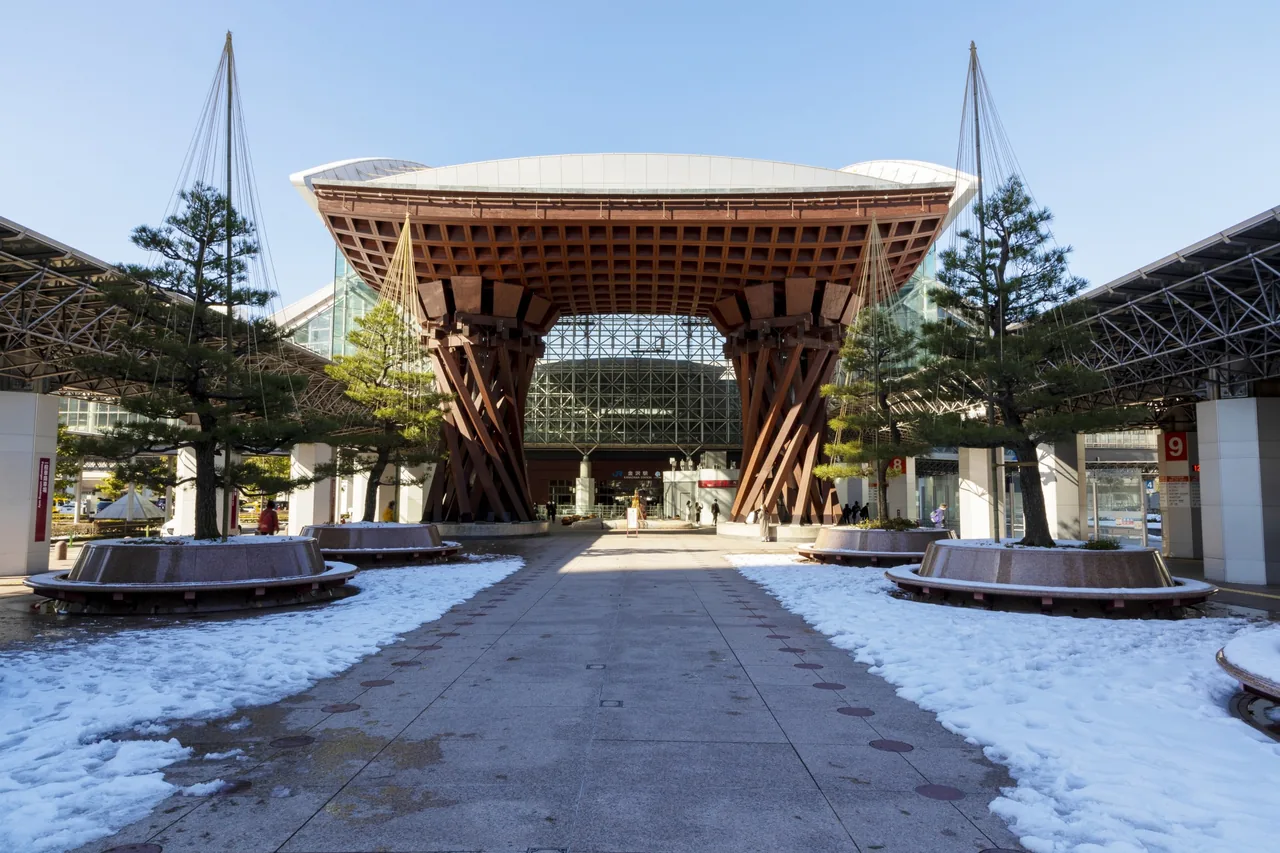
Photo: ©石川県観光連盟
Areas of Ishikawa
Kanazawa Station & Omicho Market
Kanazawa Station things to do: the Tsuzumi Gate and Motenashi Dome, Omicho Market and its eating rules, wagashi at the station and buses into the city.
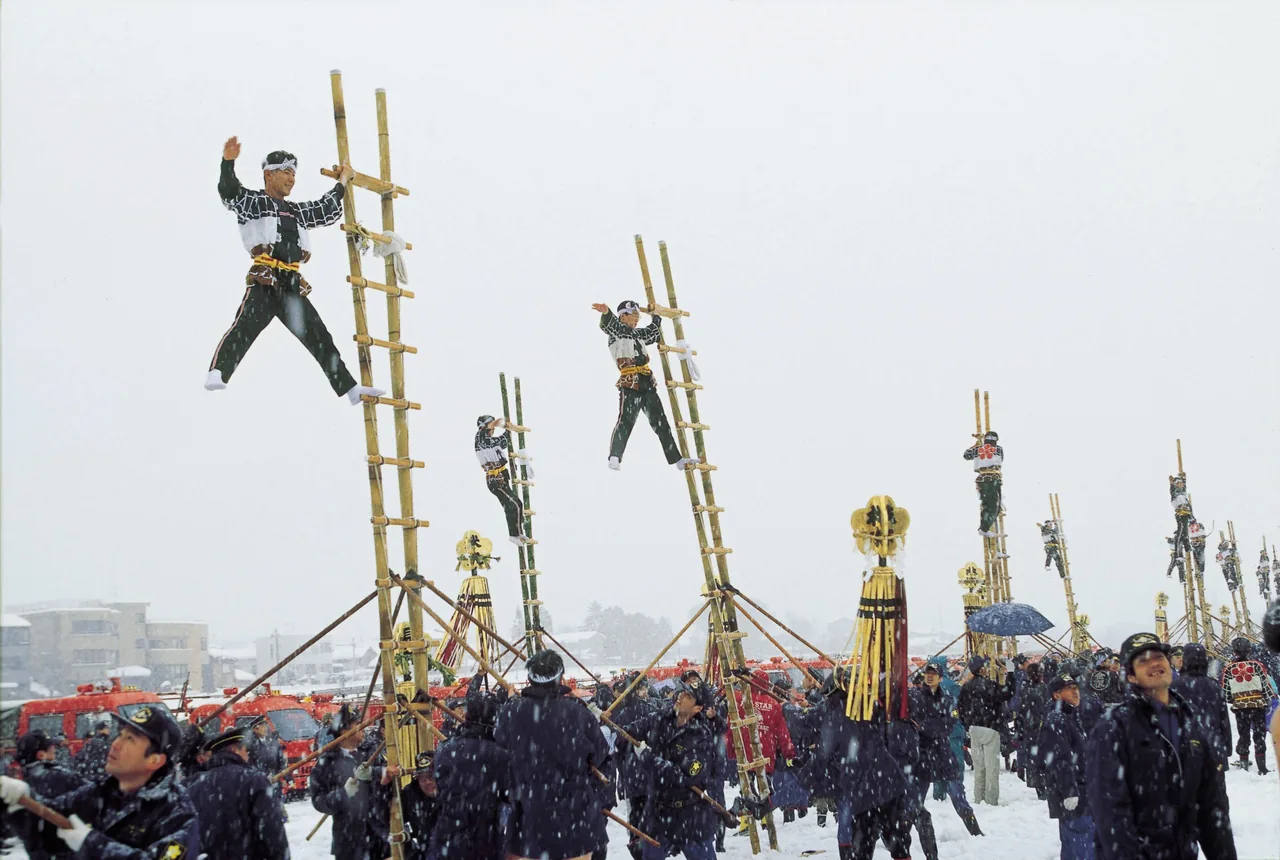 Jan 10Kaga Tobi Dezomeshiki (New Year Firefighters' Review)
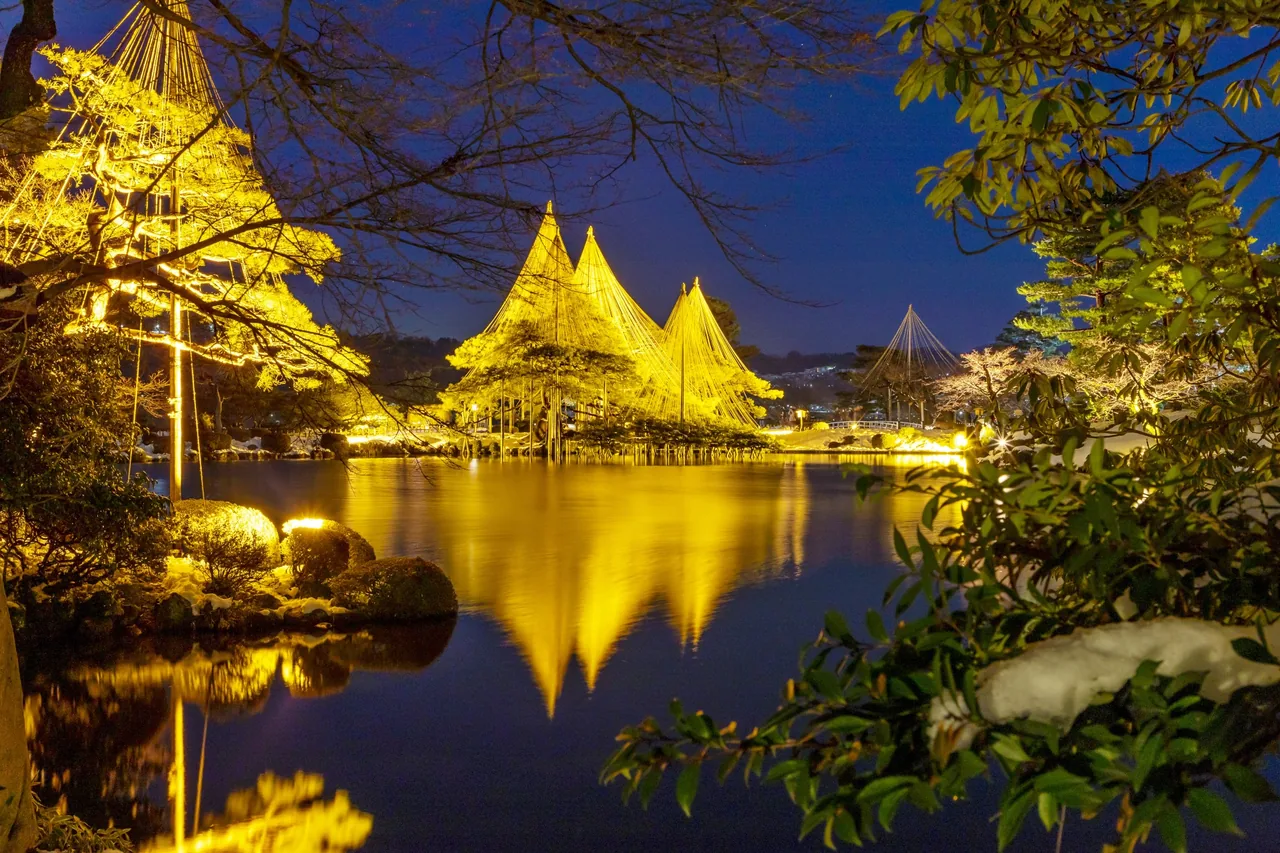 Feb 6 – Feb 10Kenrokuen and Kanazawa Castle Illuminations
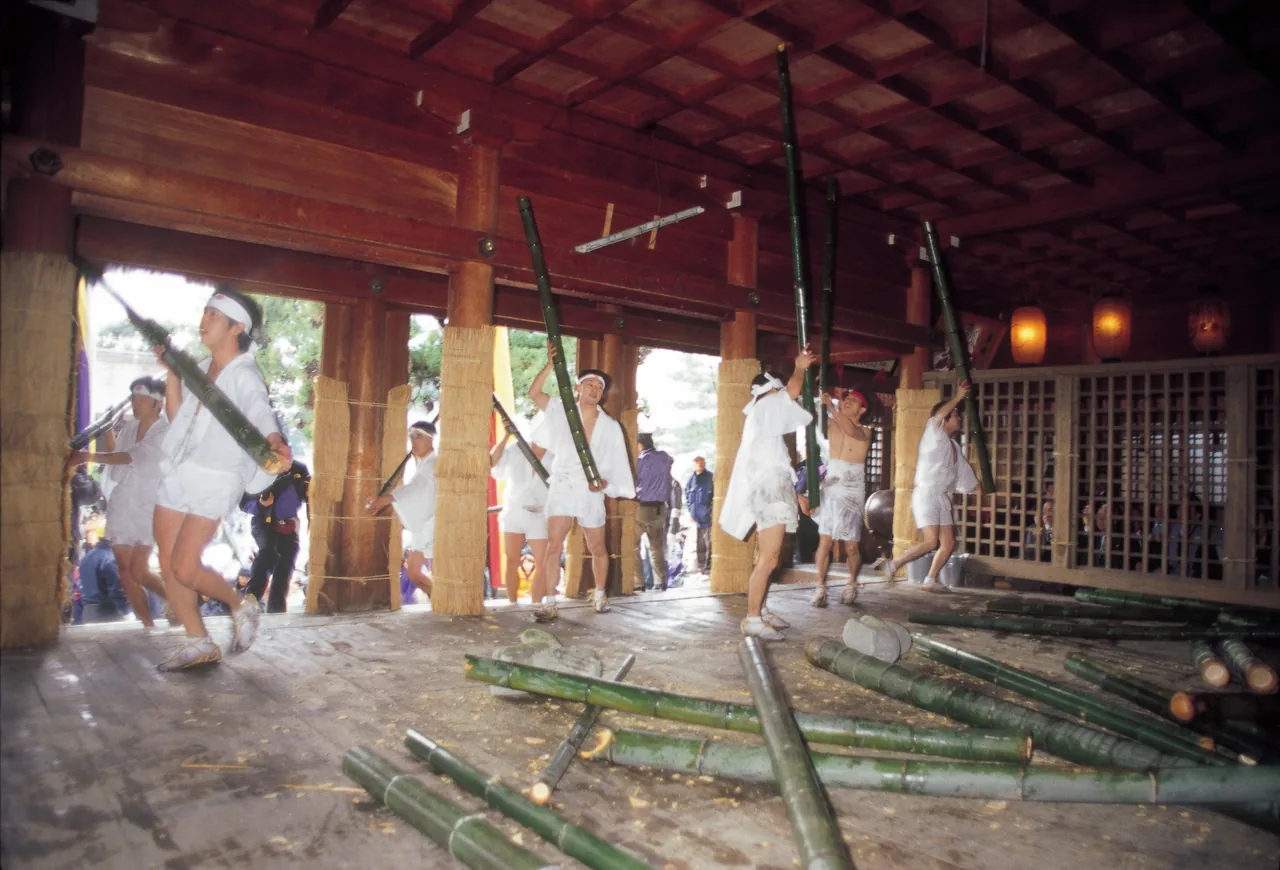 Feb 10Gogan Shinji (Bamboo-Smashing Festival)
Find on the map
This page is translated from the Japanese edition. Read the Japanese edition
What is the area like?
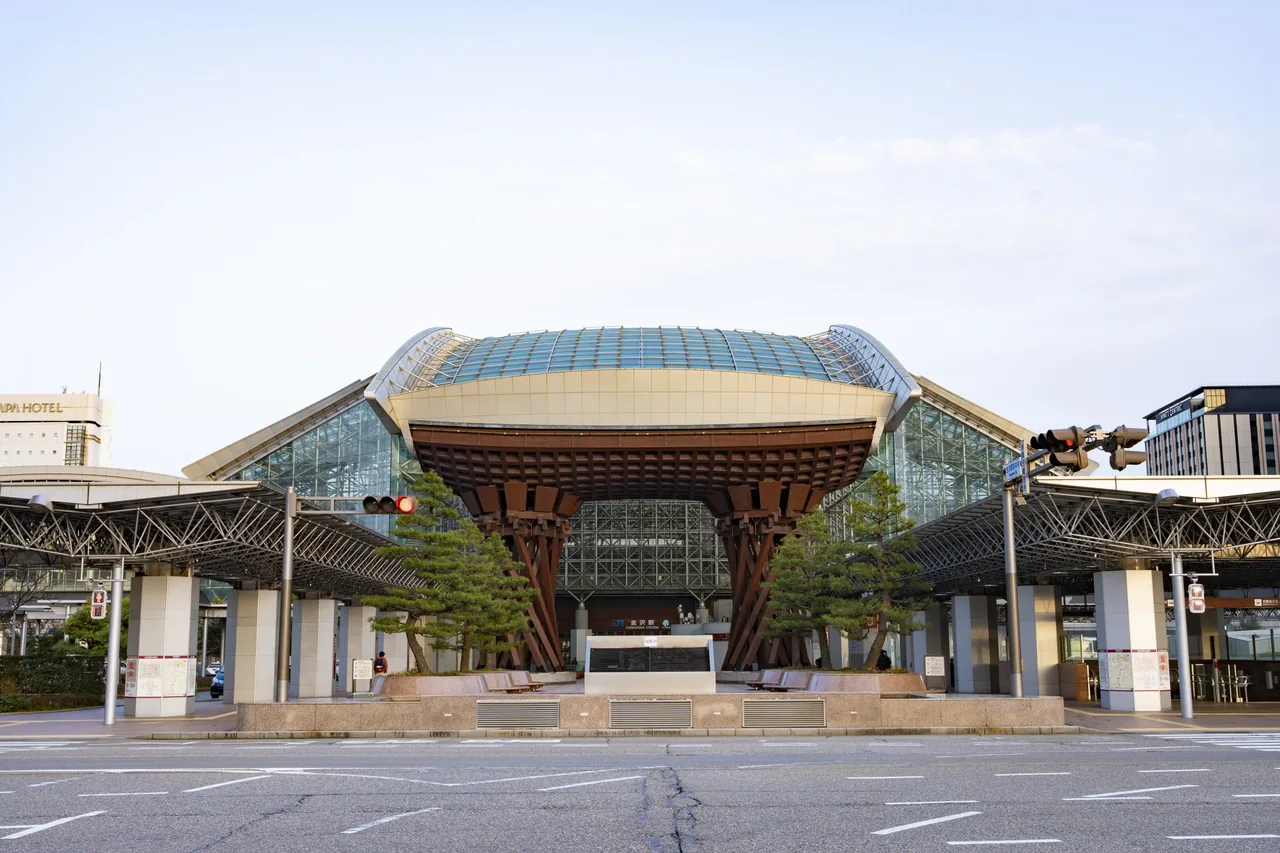
Arrive at Kanazawa Station on the Hokuriku Shinkansen, step out of the east exit, and the first things you see are a huge gate made of wood and a glass dome behind it. The fastest trains take about two and a half hours from Tokyo. The station is the starting point for sightseeing in Kanazawa, and buses to Kenrokuen and the chaya districts leave from here.
About a 15-minute walk southeast of the station is Omicho Market, which has served the city for about 300 years, since the days of the Kaga Domain. Many travelers take in the gate and the market together at the start or end of their trip.
Main sights
Kanazawa Station (Tsuzumi Gate)
The Tsuzumi Gate in front of the station is a wooden gate modeled on the tsuzumi, a hand drum used in the music of Noh. Its two thick pillars look as if several timbers had been twisted together. Behind the gate spreads the Motenashi Dome, built of glass and steel; both were completed in 2005. At dusk the gate is lit up. For more, see Kanazawa Station (Tsuzumi Gate).
Omicho Market
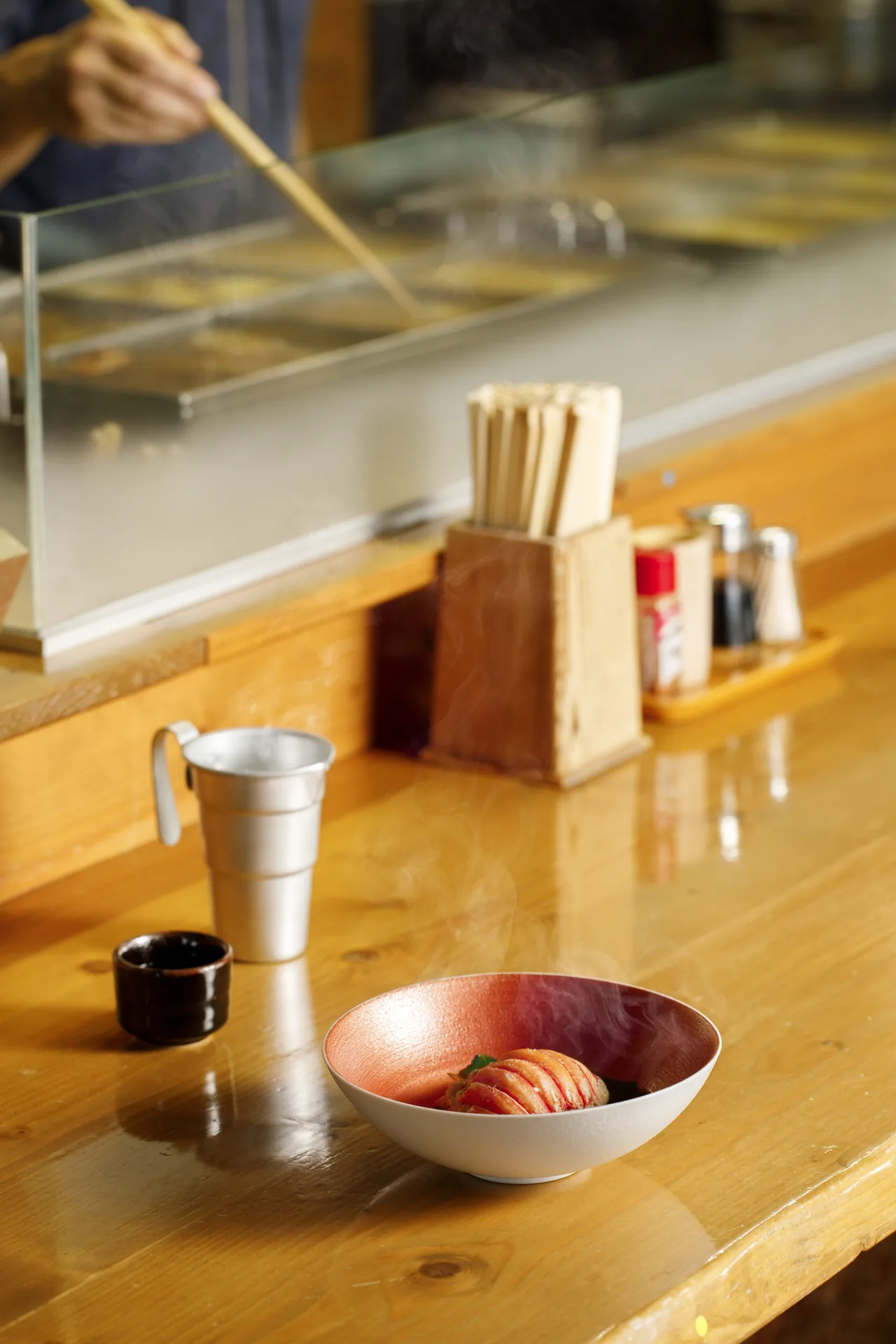
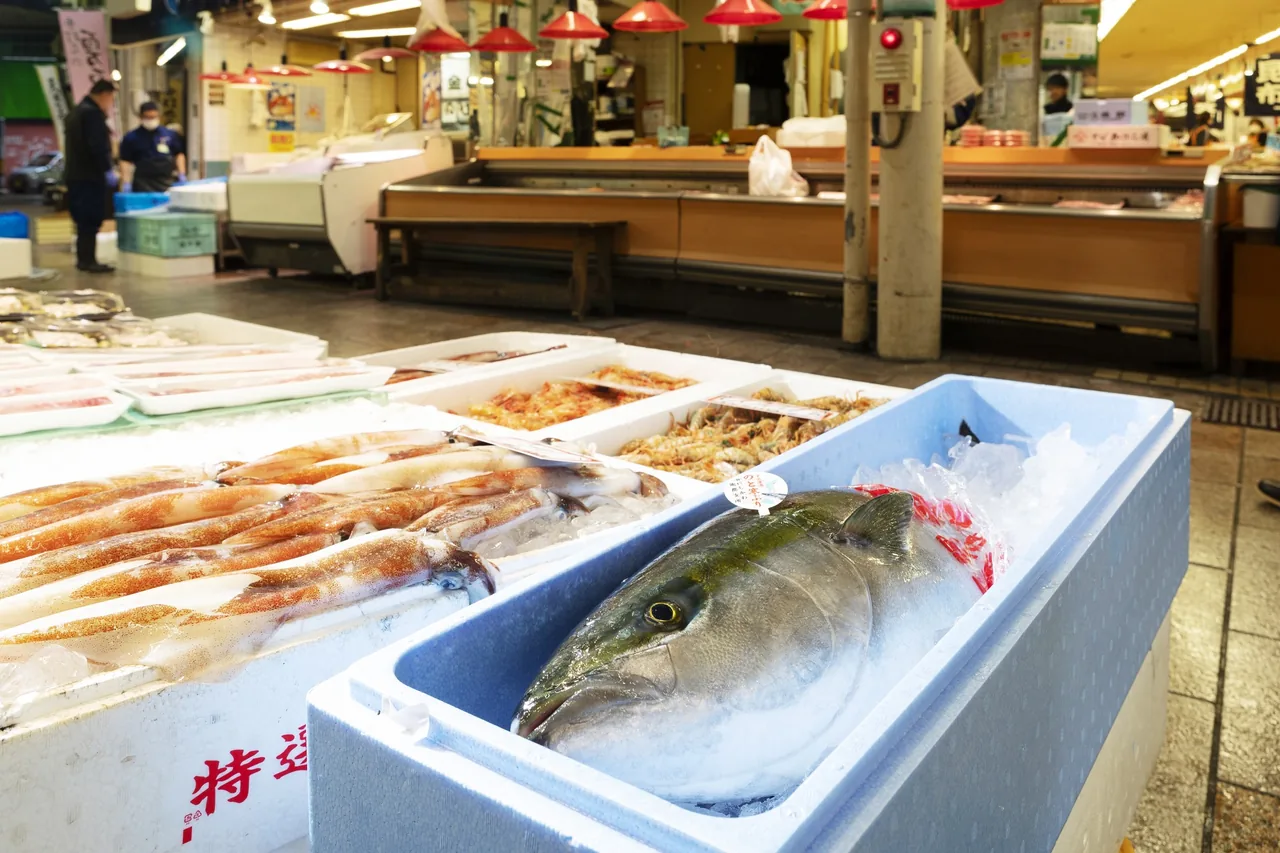
This market at Musashigatsuji, in the heart of Kanazawa, has about 170 shops. Several aisles run under its arcades, and fishmongers set out the season's seafood in boxes lined with ice. What you find depends on the season and the day's deliveries. A loop of the market takes 30 minutes to an hour. For more, see Omicho Market.
Food and shopping
Omicho Market prohibits eating and drinking while walking around inside. Eat what you buy at the shop front or in the designated eating spaces. Opening hours vary by shop, so check the market's official website. The aisles get crowded at busy times, so it is easier to walk around if you leave large luggage in a station locker first.
Kanazawa Station and its station building have many wagashi shops, so you can pick out souvenirs before boarding your train home. For sweets that keep well, see Kanazawa sweets and eating etiquette; for the seasons of crab and winter yellowtail, see Ishikawa winter food.
Getting there
- By train: Take the Hokuriku Shinkansen to Kanazawa Station. The Tsuzumi Gate stands in front of the station's east exit.
- To Omicho Market: About a 15-minute walk from Kanazawa Station. By bus, get off at the Musashigatsuji/Omicho Ichiba stop.
- To sights around the city: The Kanazawa Loop Bus and other local buses leave from Kanazawa Station. Check the official Hokuriku Railroad website for routes and times.
Getting around the area
When you arrive in Kanazawa, stand in front of the Tsuzumi Gate and look up before taking a bus into the city. If you time your visit to Omicho Market for midday, you can have lunch there too. From the market it is about an 8-minute walk to Oyama Shrine, and from there you can continue on foot to Kenrokuen & Kanazawa Castle.
From the Musashigatsuji/Omicho Ichiba stop, the clockwise (right-hand) route of the Kanazawa Loop Bus takes you to Hashiba-cho, the nearest stop for the Higashi Chaya District in Higashi Chaya & Kazuemachi. For a route that links them all, see Kanazawa one-day model course.
Sights in Kanazawa Station & Omicho Market
Ishikawa guides
See all
More areas of Ishikawa
- Kenrokuen & Kanazawa Castle
- Higashi Chaya & Kazuemachi
- Nagamachi & Korinbo
- Nishi Chaya & Teramachi
- Yuwaku Onsen
- Nonoichi
- Tsurugi (Shirayama Hime Shrine & Shishiku Highland)
- Shiramine
- Hakusan Shirakawa-go White Road
- Kawakita
- Nomi (Kutani Pottery Village & Ishikawa Zoo)
- Komatsu
- Natadera Temple
- Awazu Onsen
- Katayamazu Onsen & Lake Shibayama
- Yamashiro Onsen
- Yamanaka Onsen & Kakusenkei Gorge
- Daishoji
- Hashitate & Cape Kasa
- Chirihama Beach
- Hakui (Keta Taisha & Myojoji)
- Ganmon & the Noto Kongo Coast
- Wakura Onsen
- Nanao
- Notojima Island
- Wajima
- Shiroyone Senmaida
- Monzen (Sojiji Soin Temple)
- Ushitsu
- Mitsukejima Island
- Cape Rokko & Noroshi
- Suzu Salt Farm Village