
Hitsujigaoka
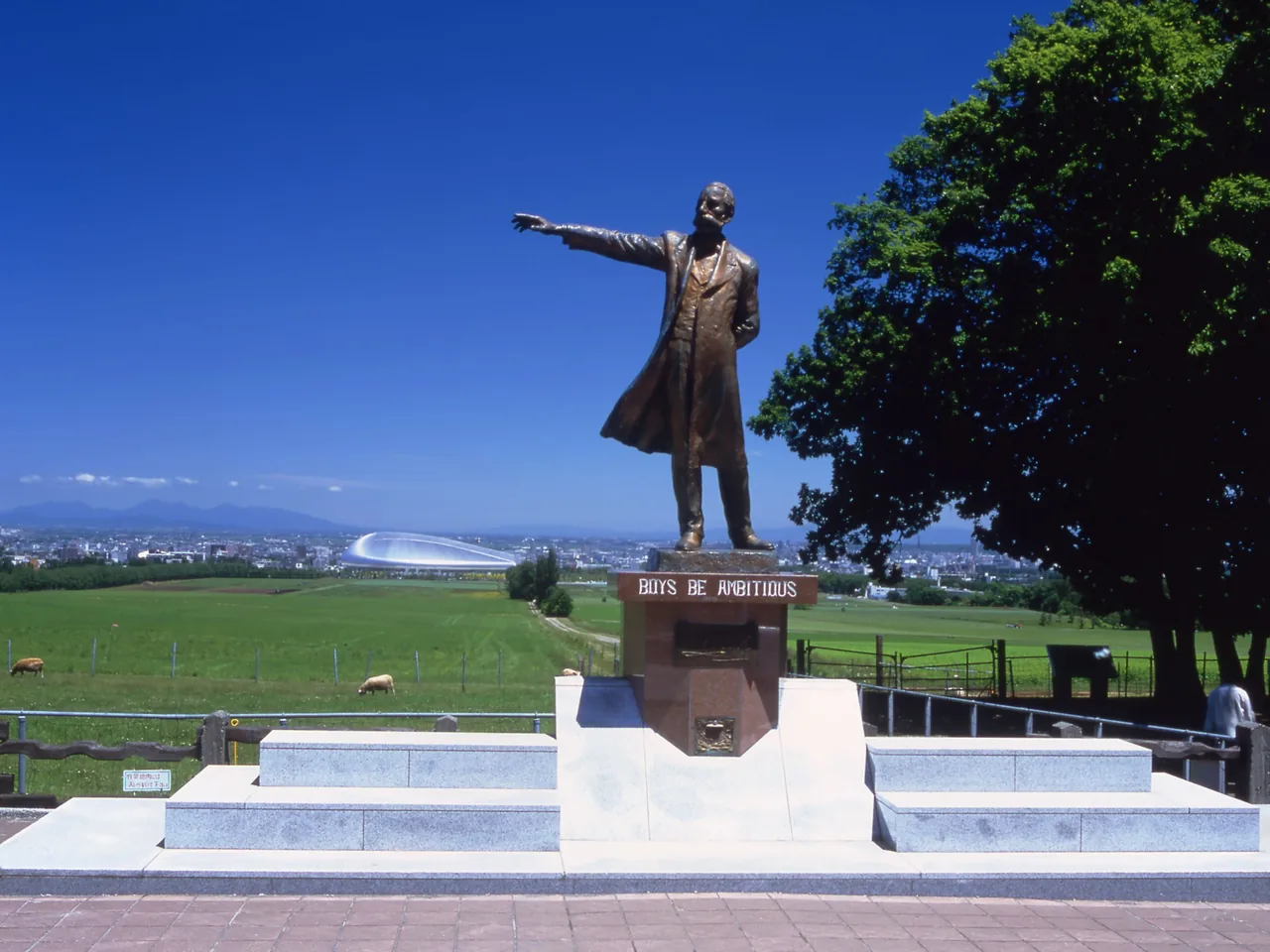
Photo: Hokkaido Love! Photo Library
Areas of Hokkaido
Hitsujigaoka
Sapporo's hill with the Dr. Clark statue and pasture views: sheep grazing, lavender, the Snow Festival Museum and the bus from Fukuzumi Station.
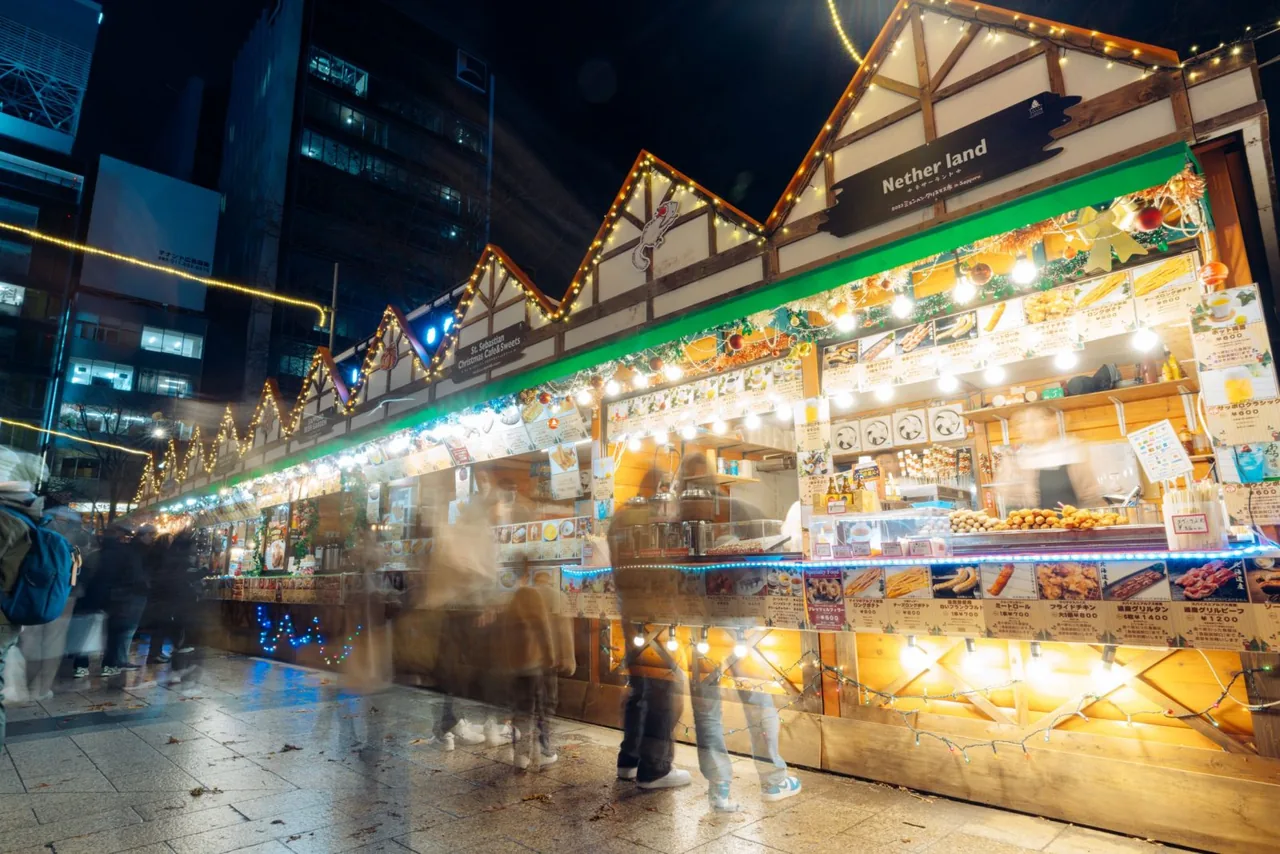 Nov 20 – Dec 25Munich Christmas Market in Sapporo
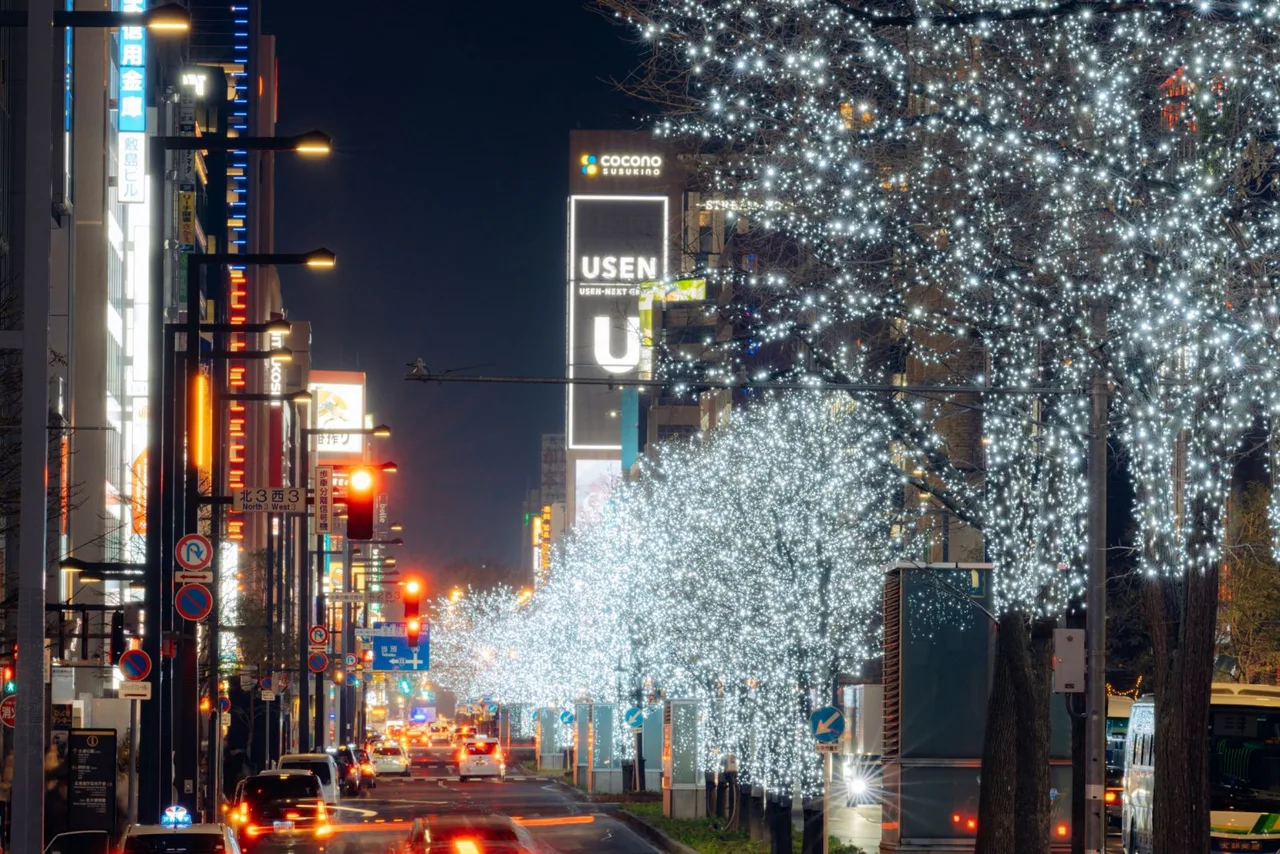 Nov 20 – Mar 14Sapporo White Illumination
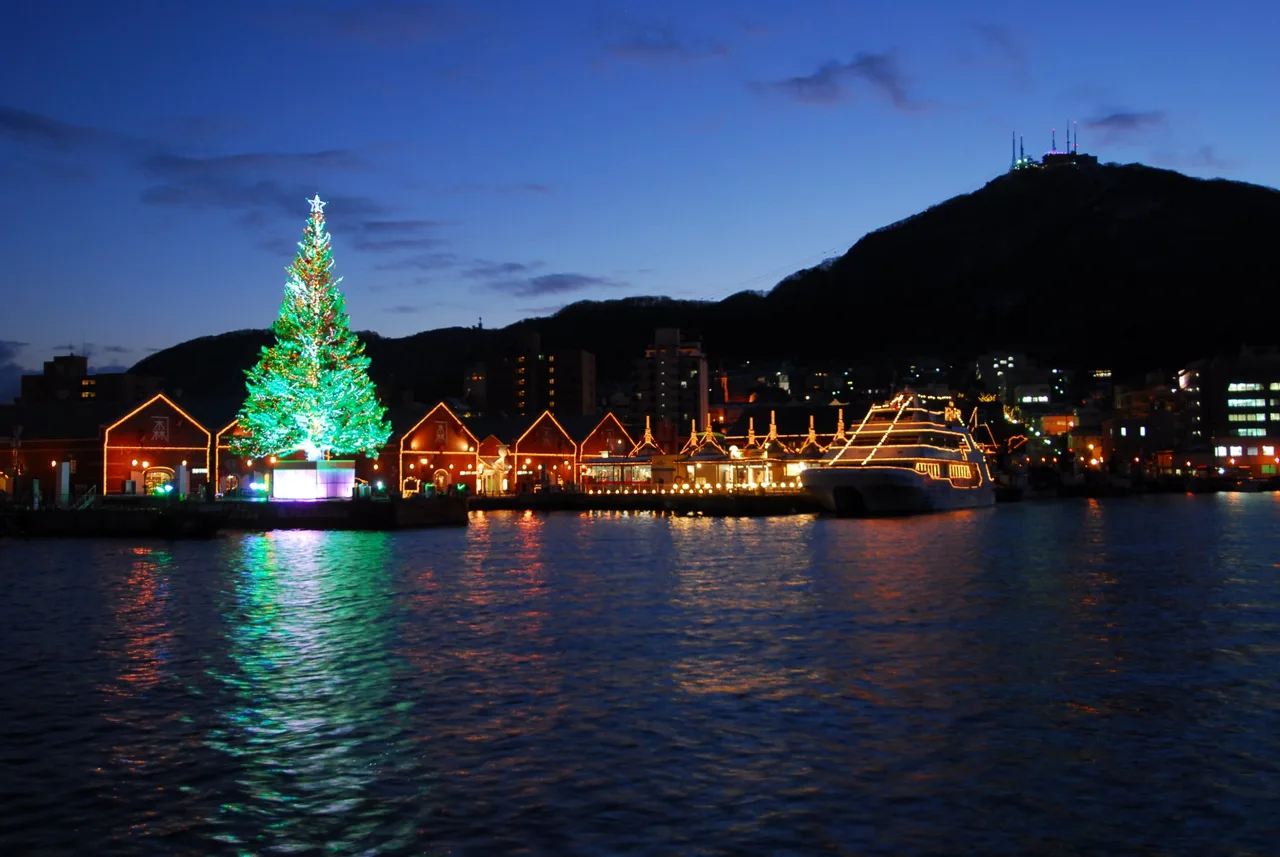 Dec 1 – Dec 25Hakodate Christmas Fantasy
Find on the map
This page is translated from the Japanese edition. Read the Japanese edition
What is the area like?
Take the subway southeast from central Sapporo to Fukuzumi, ride a bus up the hill, and pasture opens out all around you. Sapporo Hitsujigaoka Observation Hill opened in 1959 on part of an agricultural research site that began in 1906 as a national cattle-breeding farm. It started as a road and a viewing spot for visitors, set apart so that they would not disturb the research.
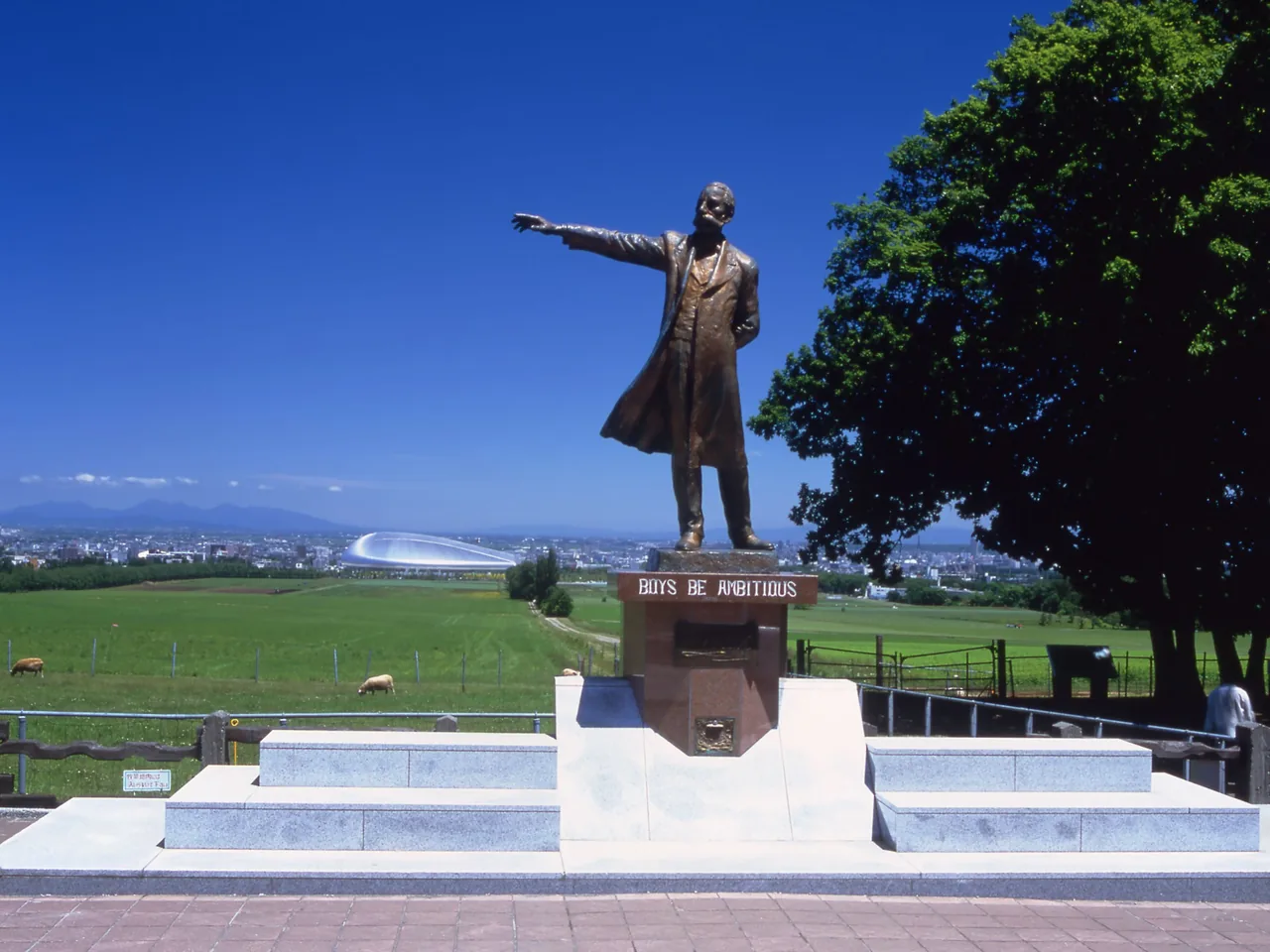
Beyond the pastures lie the streets of Sapporo and the Ishikari Plain, and in grazing season you can watch sheep in the fields. The classic thing to do is to strike the same pose as the statue of Dr. Clark on the hill and take a photo.
Main sights
Statue of Dr. Clark
"Clark on the Hill" is a statue of Dr. William S. Clark, who taught at Sapporo Agricultural College, the forerunner of Hokkaido University. It was unveiled on April 16, 1976, partly to mark the university's centenary. The date was chosen to match April 16, 1877, the day Clark said goodbye to his students at Shimamatsu. See Sapporo Hitsujigaoka Observation Hill for details.
Pastures and grazing sheep
True to the name (hitsuji means sheep), sheep graze in the pastures. Grazing runs from spring to autumn and does not take place on rainy or very windy days or in winter. If you want to see the sheep, check the grazing status in the news on the official website before you go.
Lavender field and Sapporo Snow Festival Museum
The grounds have a lavender field that is usually at its best around July. The Sapporo Snow Festival Museum displays posters and models of snow sculptures from past festivals, so you can follow the festival's story even if you cannot come in winter.
Food and shopping
The rest house on the grounds serves meals centered on jingisukan, grilled lamb and vegetables. The Austrian House has a corner for light meals and a souvenir shop with Hokkaido specialties and items related to Dr. Clark. Sheep's milk ice cream is another thing to try here.
The rest house hours change with the season and it closes earlier than the observation hill, so if you plan to eat, check the times on the official website.
Getting there
- Toho subway line: get off at Fukuzumi Station. It is a direct ride from Sapporo and Odori stations.
- From Fukuzumi Station: take the bus bound for Hitsujigaoka Observation Hill from the station bus terminal; it reaches the last stop in about 10 minutes.
Bus times change with the season and the day of the week. Check the access page of the official website, including the times for your return trip.
Getting around the area
Allow about 1 to 2 hours to take photos at the Clark statue, look out over the pastures and visit the Snow Festival Museum. If you also want a meal, leave a little more time so you are not rushed.
The wind blows across the hilltop and it can feel cooler than downtown, so bring a layer. There is no grazing in winter, but you can walk the snow-covered hill, and at times there is an area for playing in the snow. On the way back, the Toho subway line from Fukuzumi takes you to Odori, ready for an evening in the city.
Sights in Hitsujigaoka
Recommended hotels in HitsujigaokaPR
See prices and availability for hotels in Sapporo and book on our partner Trip.com.
See hotels in Sapporo on Trip.comHokkaido guides
See all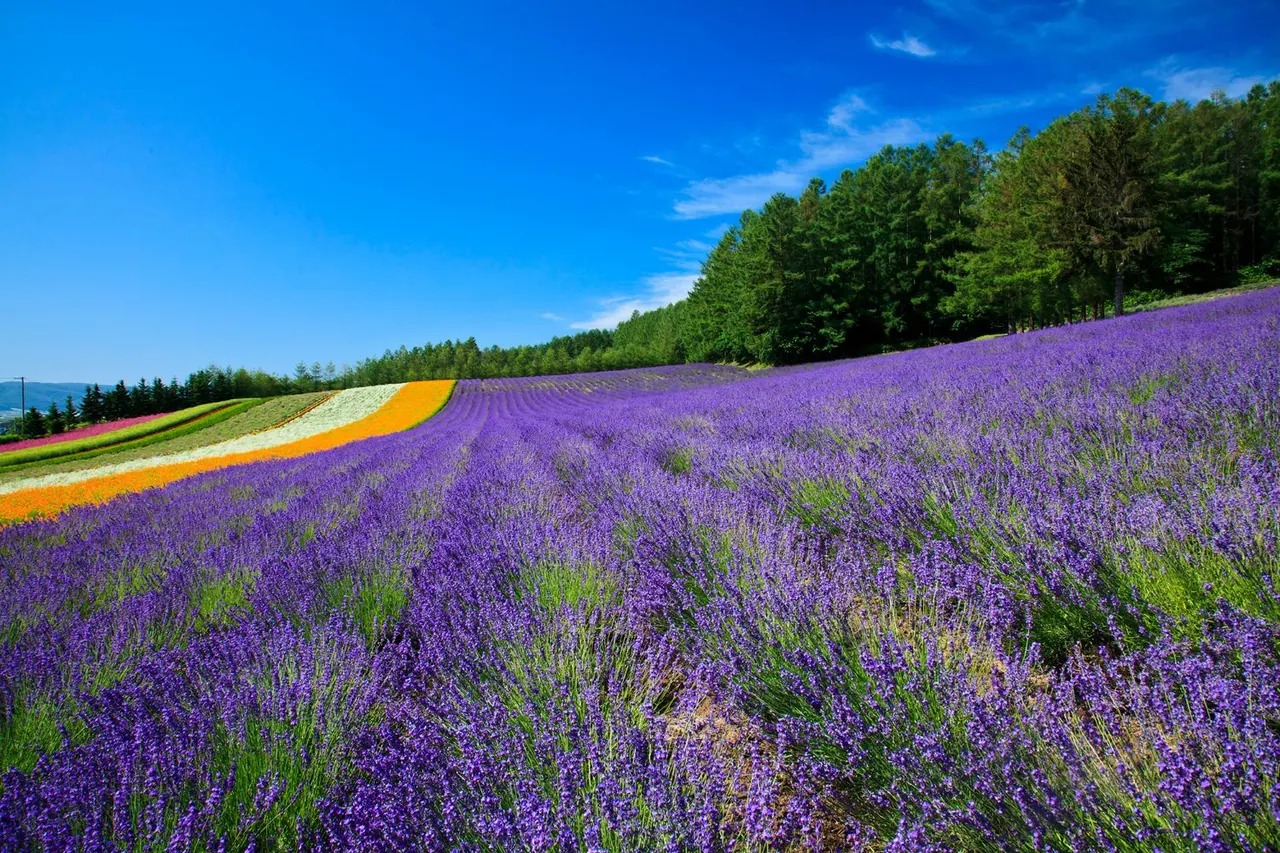
More areas of Hokkaido
- Sapporo Station & Odori
- Moerenuma Park
- Susukino
- Maruyama & Hokkaido Jingu
- Mt. Moiwa
- Jozankei Onsen
- Otaru
- Hakodate Bay Area & Motomachi
- Hokuryu
- Goryokaku
- Yunokawa
- Onuma Park
- Matsumae
- Asahiyama Zoo
- Mt. Asahidake
- Sounkyo Gorge
- Shirogane, Biei
- Mt. Tokachidake
- Nakafurano
- Noboribetsu Onsen
- Lake Shikaribetsu
- Nukabira & Lake Nukabira
- Mikuni Pass
- Lake Toya & Mt. Usu
- Shakotan Peninsula
- Muroran
- Miyanosawa
- Lake Shikotsu
- Shiretoko & Utoro
- Takinoue
- Niseko
- Shari
- Abashiri
- Nakashibetsu & Kaiyodai
- Biei Hills
- Asahikawa
- Notsuke Peninsula
- Lake Akan & Lake Onneto
- Lake Mashu & Lake Kussharo
- Tsurui
- Kushiro Wetland
- Wakkanai
- Sarobetsu Wetland
- Cape Soya
- Rishiri Island
- Rebun Island
- Cape Erimo