
Matsumae
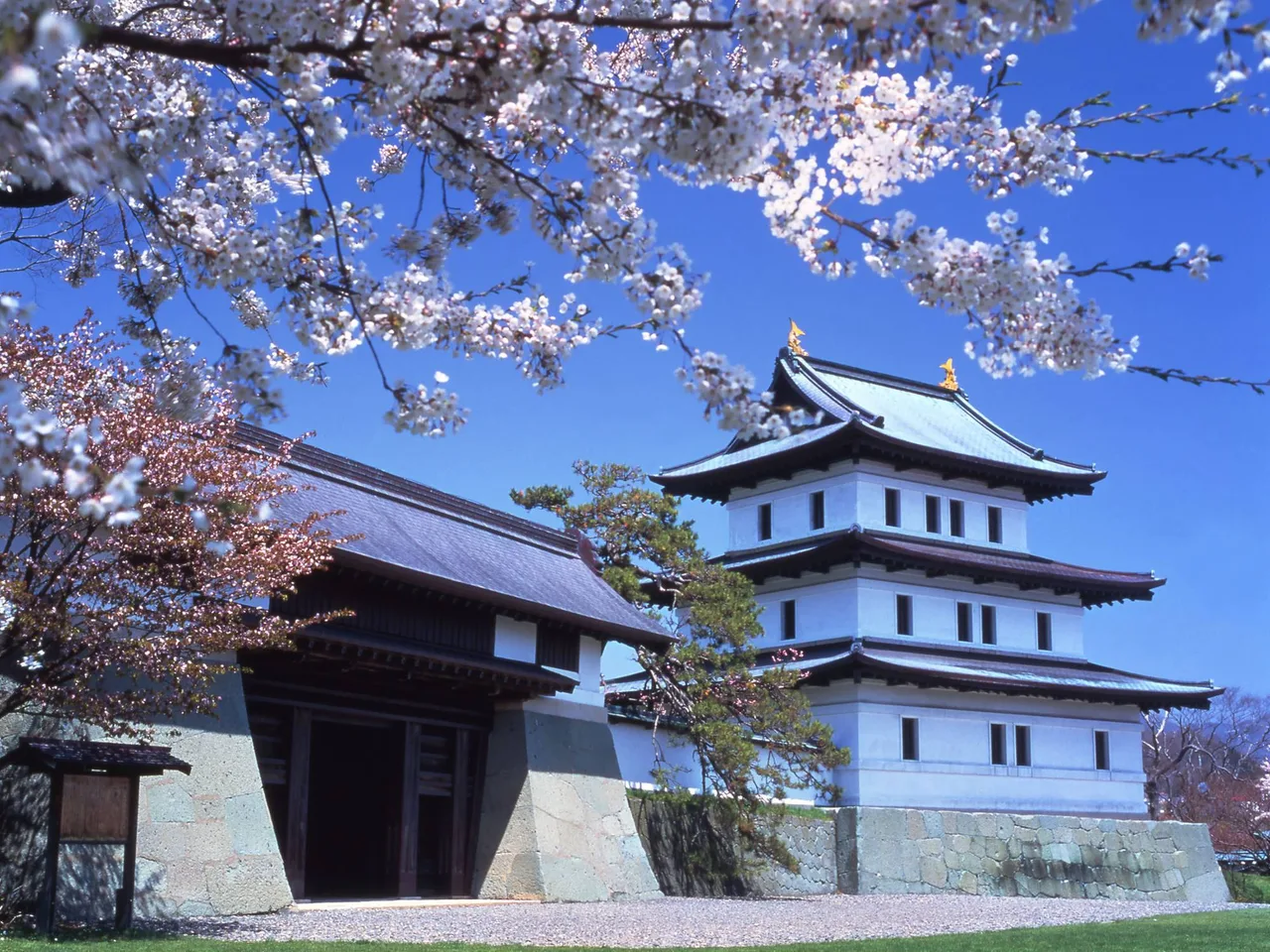
Photo: Hokkaido Love! Photo Library
Areas of Hokkaido
Matsumae
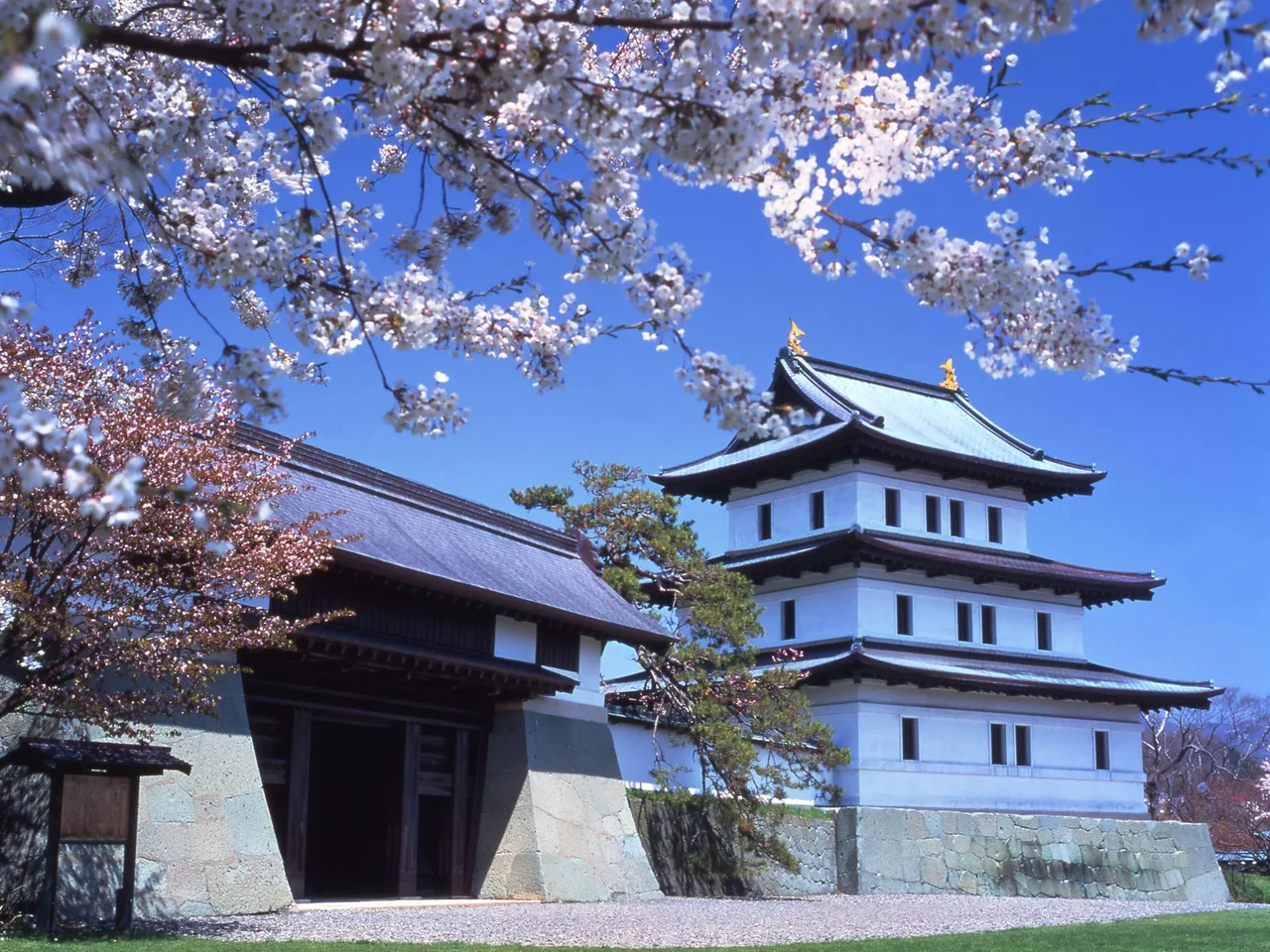
Matsumae Park's cherry trees and the temple quarter north of the castle, at Hokkaido's southern tip. Getting there by Hakodate Bus from Kikonai Station.
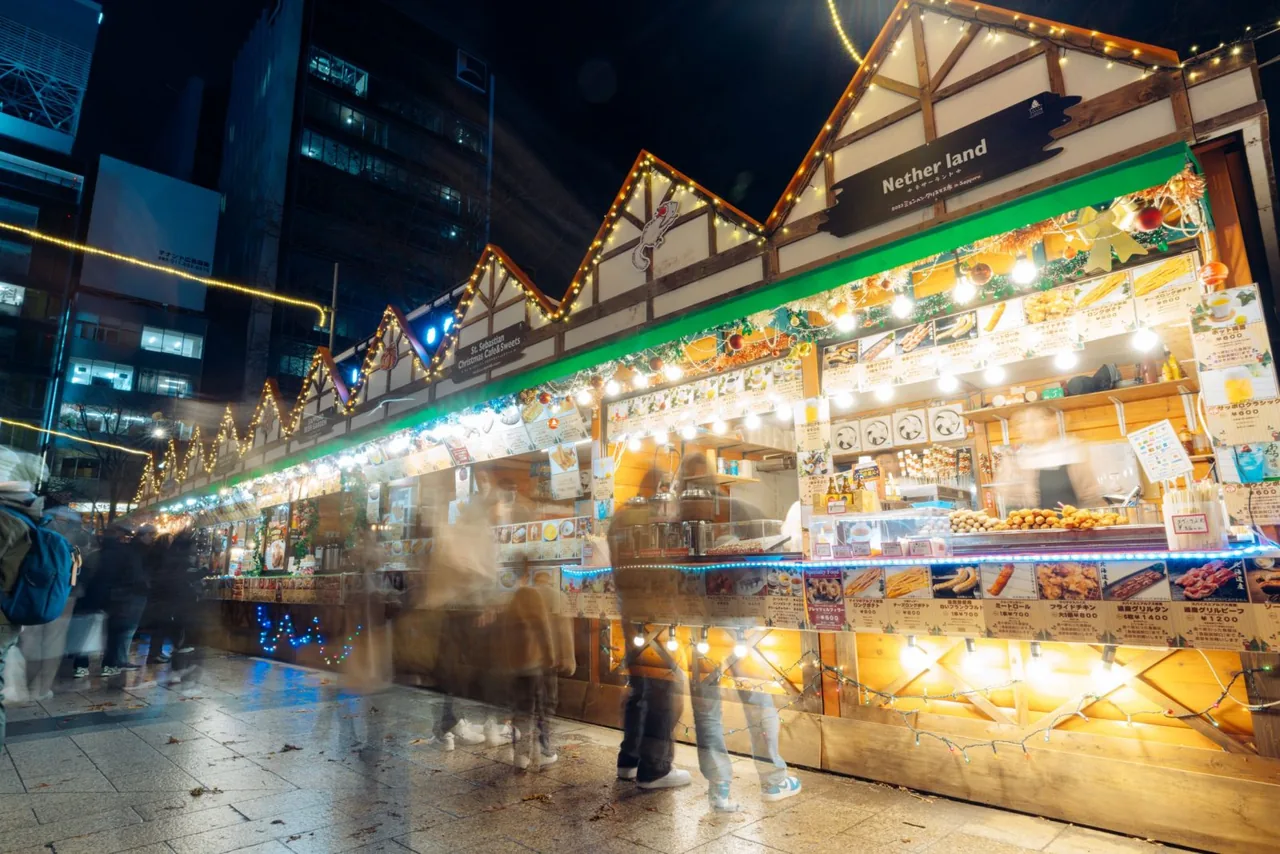 Nov 20 – Dec 25Munich Christmas Market in Sapporo
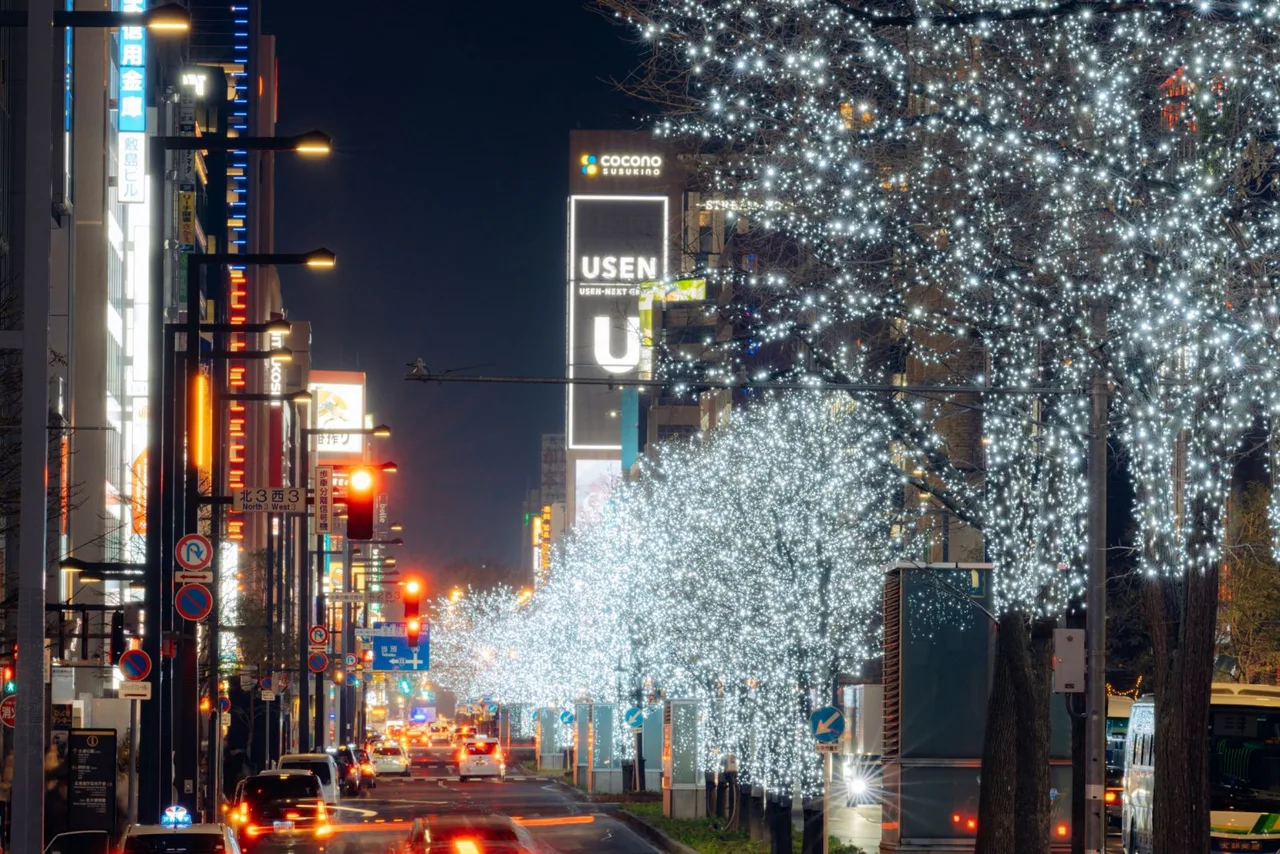 Nov 20 – Mar 14Sapporo White Illumination
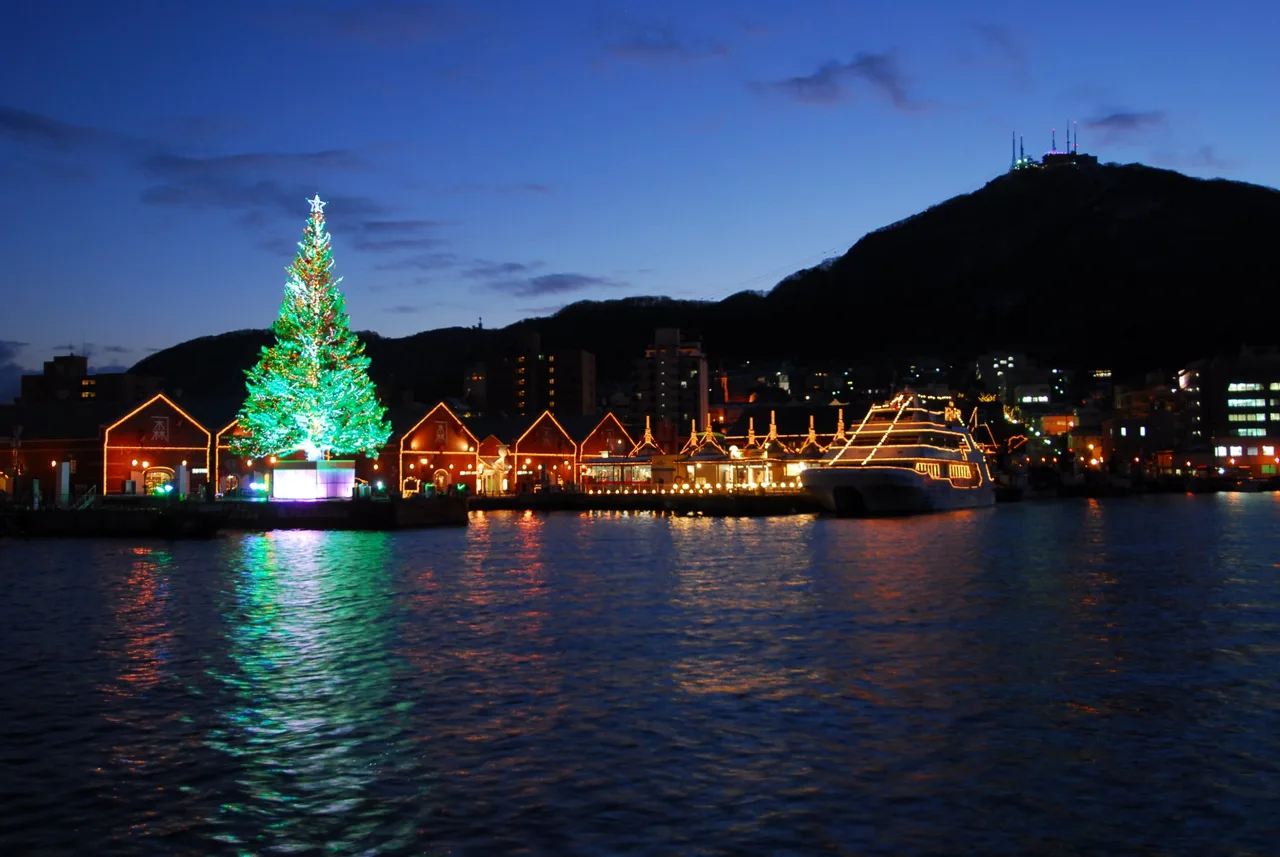 Dec 1 – Dec 25Hakodate Christmas Fantasy
Find on the map
Choose a numbered circle to zoom in there; choose a name to open the area's page.
This page is translated from the Japanese edition. Read the Japanese edition
What is the area like?
Follow the Tsugaru Strait southwest from Hakodate to the end of the peninsula, and a white castle keep appears on a rise above the sea. Matsumae is a town at the southern tip of Hokkaido, and in the Edo period it was the castle town of the Matsumae Domain. The castle grounds are now Matsumae Park, and on the hillside north of the castle stands Teramachi, a quarter of temples.
The castle, park and temples are close together and easy to cover on foot. In spring the whole park is wrapped in cherry blossoms and becomes one of Hokkaido's busiest blossom spots.
Main sights
Matsumae Park and Matsumae Castle
A park centered on Matsumae Castle, with about 10,000 cherry trees of some 250 varieties. Many are double-flowered or were bred in Matsumae, and because the varieties bloom at different times, the season usually lasts from late April to around late May. The Matsumae Cherry Blossom Festival is held in season, with the trees lit up at night. Entry is free.
Matsumae Castle was built at the end of the Edo period and is said to be the northernmost Japanese-style castle and the last one built. The keep burned down after the war, and the present keep was rebuilt as a museum. The Honmaru Gomon gate, which escaped the fire, is a national Important Cultural Property. The museum closes in winter, so check the opening period with the town. See Matsumae Park (Matsumae Castle) for details.
Teramachi temple quarter
Temples were gathered north of the castle to strengthen its defenses on the hill side. The area where they line the slopes is called Teramachi, and together with the castle it has been named a Hokkaido Heritage site. The main hall of Ryuun-in Temple and other buildings are national Important Cultural Properties, and in the grounds of Hodo-ji Temple is the Graveyard of the Matsumae Clan Lords, a national historic site. Kozen-ji Temple has the Kechimyaku-zakura, counted among the park's famous cherry trees. These are places of worship, so walk quietly in the grounds.
Food and shopping
The dish best known for carrying the town's name is matsumae-zuke, pickled kelp and dried squid. The town has souvenir shops, but few places to eat. They are crowded in blossom season and some close out of season, so eat in Hakodate or Kikonai before you come, or bring a snack.
Getting there
- Train and bus: From Kikonai Station on the Hokkaido Shinkansen, take a Hakodate Bus for about 1 hour 30 minutes to the Matsushiro stop, then walk about 7 minutes to Matsumae Park. Buses are infrequent, so check the return times too with Hakodate Bus.
- Car: About 2 hours from central Hakodate. In blossom season the roads and car parks around the park get crowded.
Getting around the area
From the bus stop, see the castle and blossoms in Matsumae Park first, then walk up the slope to Teramachi to the north. Outside blossom season, 2 to 3 hours is enough for the main sights.
Because the varieties bloom at different times, the flowers you see depend on the week you visit. The festival dates are set each year, so check the town or tourism association before you plan. In winter snow covers the town and the museum is closed, so you will mostly see the park and the temples from outside. To combine the trip with a walk around Hakodate, see the Hakodate area page.
Sights in Matsumae
Recommended hotels in MatsumaePR
See prices and availability for hotels in Sapporo and book on our partner Trip.com.
See hotels in Sapporo on Trip.comHokkaido guides
See all
More areas of Hokkaido
- Sapporo Station & Odori
- Moerenuma Park
- Susukino
- Hitsujigaoka
- Maruyama & Hokkaido Jingu
- Mt. Moiwa
- Jozankei Onsen
- Otaru
- Hakodate Bay Area & Motomachi
- Hokuryu
- Goryokaku
- Yunokawa
- Onuma Park
- Asahiyama Zoo
- Mt. Asahidake
- Sounkyo Gorge
- Shirogane, Biei
- Mt. Tokachidake
- Nakafurano
- Noboribetsu Onsen
- Lake Shikaribetsu
- Nukabira & Lake Nukabira
- Mikuni Pass
- Lake Toya & Mt. Usu
- Shakotan Peninsula
- Muroran
- Miyanosawa
- Lake Shikotsu
- Shiretoko & Utoro
- Takinoue
- Niseko
- Shari
- Abashiri
- Nakashibetsu & Kaiyodai
- Biei Hills
- Asahikawa
- Notsuke Peninsula
- Lake Akan & Lake Onneto
- Lake Mashu & Lake Kussharo
- Tsurui
- Kushiro Wetland
- Wakkanai
- Sarobetsu Wetland
- Cape Soya
- Rishiri Island
- Rebun Island
- Cape Erimo