
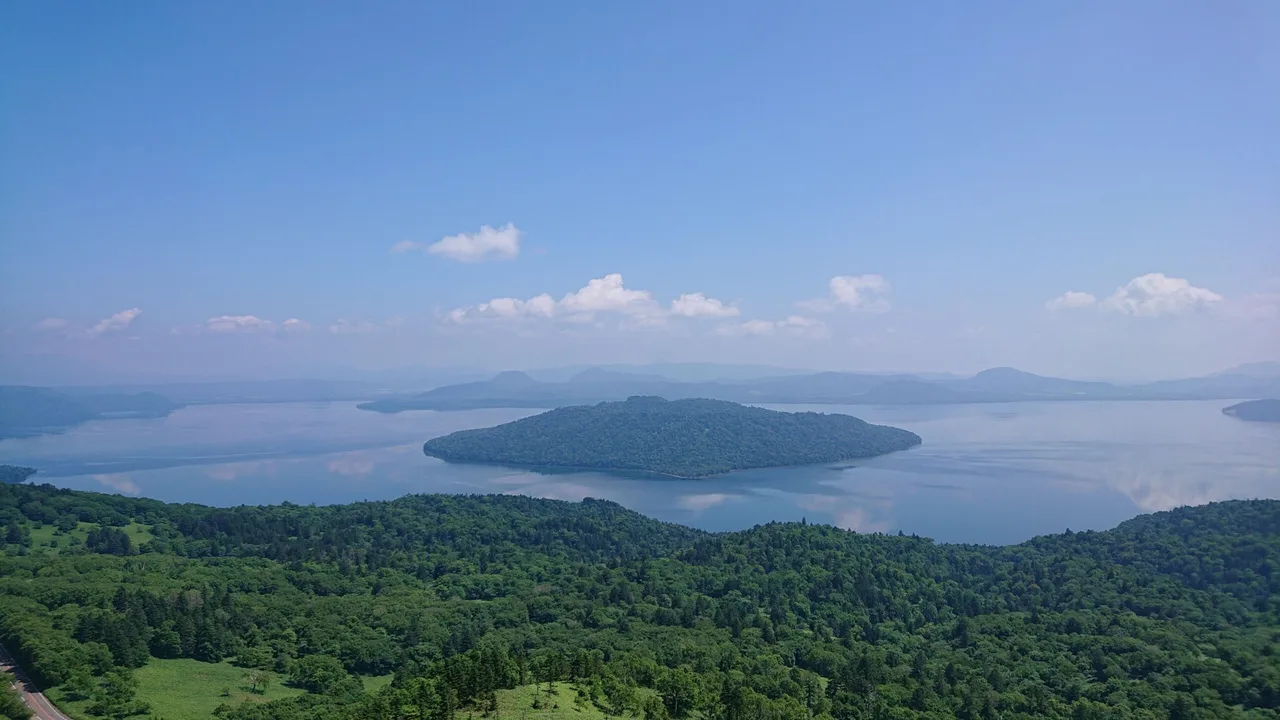
Lake Mashu & Lake Kussharo
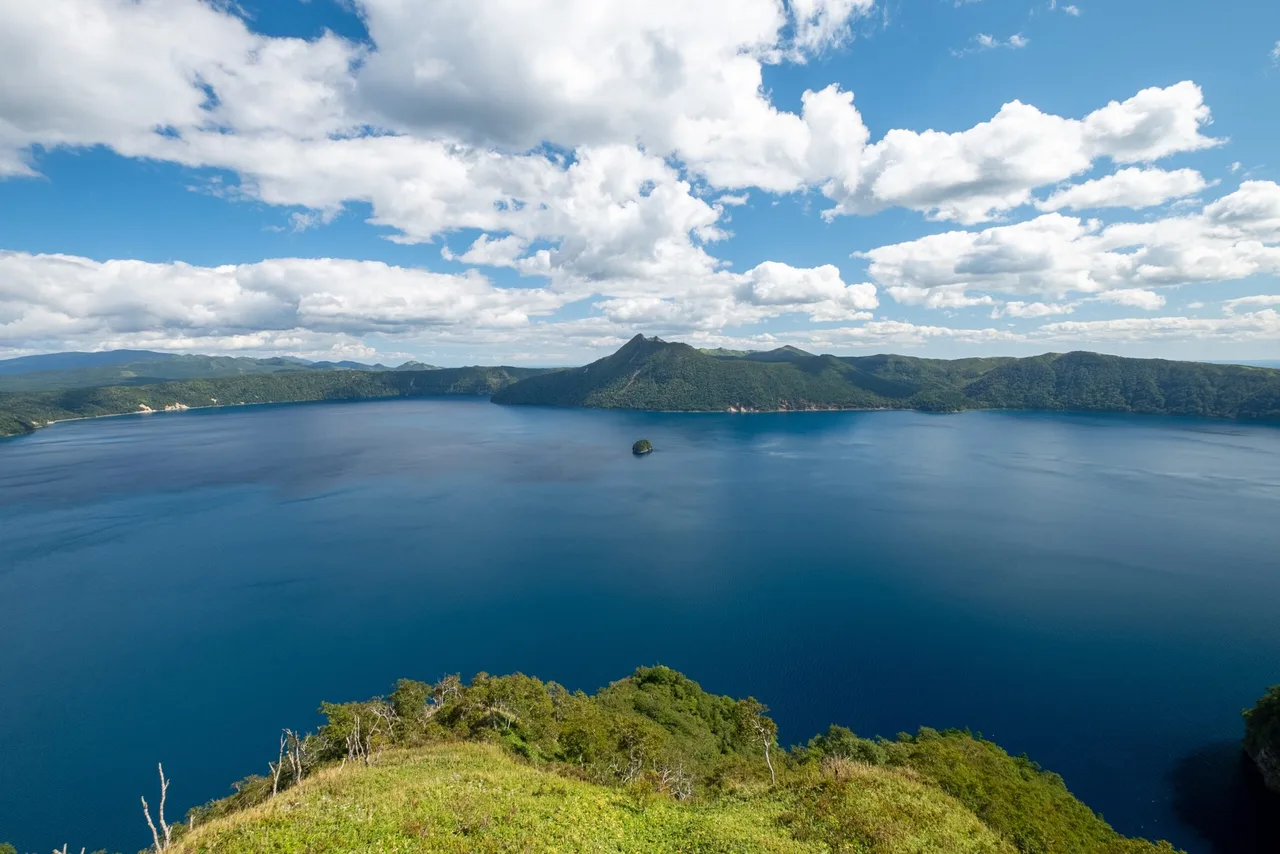
Photo: Hokkaido Love! Photo Library
Areas of Hokkaido
Lake Mashu & Lake Kussharo
Cliff-ringed Lake Mashu, the hot sand beach at Lake Kussharo and steaming Mt. Io: which observatory to pick, trains to Mashu and Kawayu-Onsen, and winter closures.
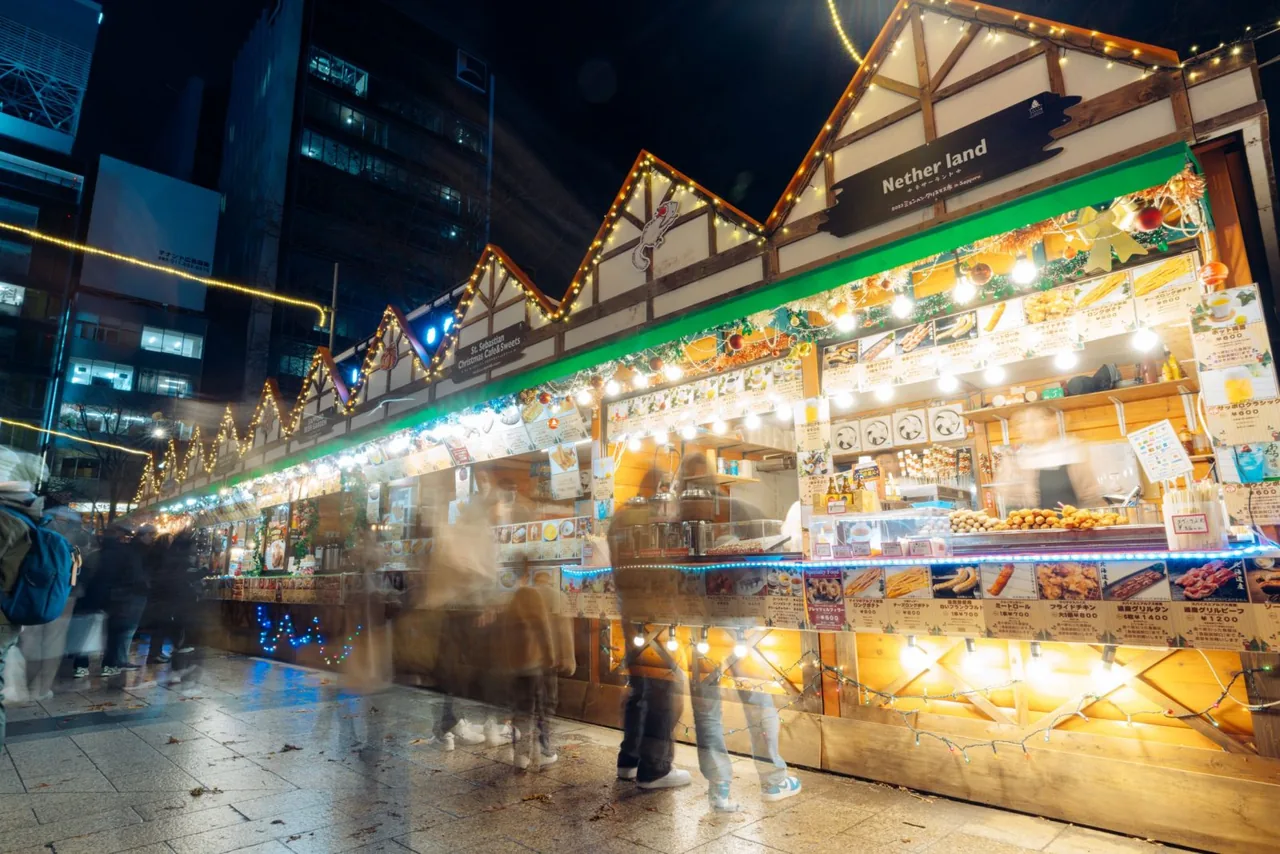 Nov 20 – Dec 25Munich Christmas Market in Sapporo
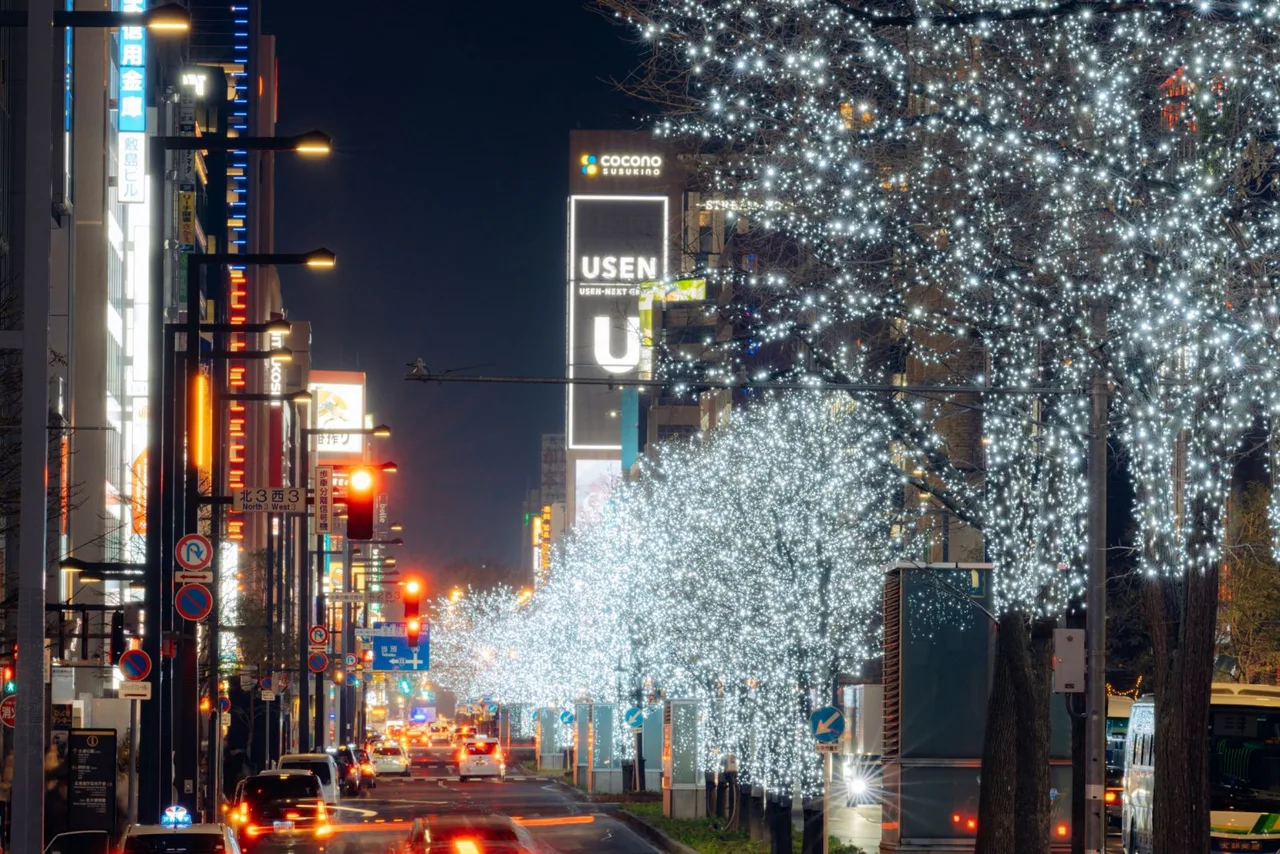 Nov 20 – Mar 14Sapporo White Illumination
 Dec 1 – Dec 25Hakodate Christmas Fantasy
Find on the map
This page is translated from the Japanese edition. Read the Japanese edition
What is the area like?
On the eastern side of Akan-Mashu National Park, the town of Teshikaga holds two very different caldera lakes and an active volcano. Lake Mashu is ringed by high cliffs, with no way down to the water. Lake Kussharo is Japan's largest caldera lake, with hot water welling up from its sandy shore. Between them, Mt. Io (Atosanupuri) sends up white plumes of steam. All three lie within about 30 minutes' drive of Kawayu Onsen, so you can see them in a day.
Places to stay center on two hot spring towns: Kawayu Onsen at the foot of Mt. Io, and Mashu Onsen near JR Mashu Station. Both are near stations on the JR Senmo Line, which makes them an easy overnight stop when traveling between Shiretoko, Abashiri and Kushiro.
Main sights
Lake Mashu
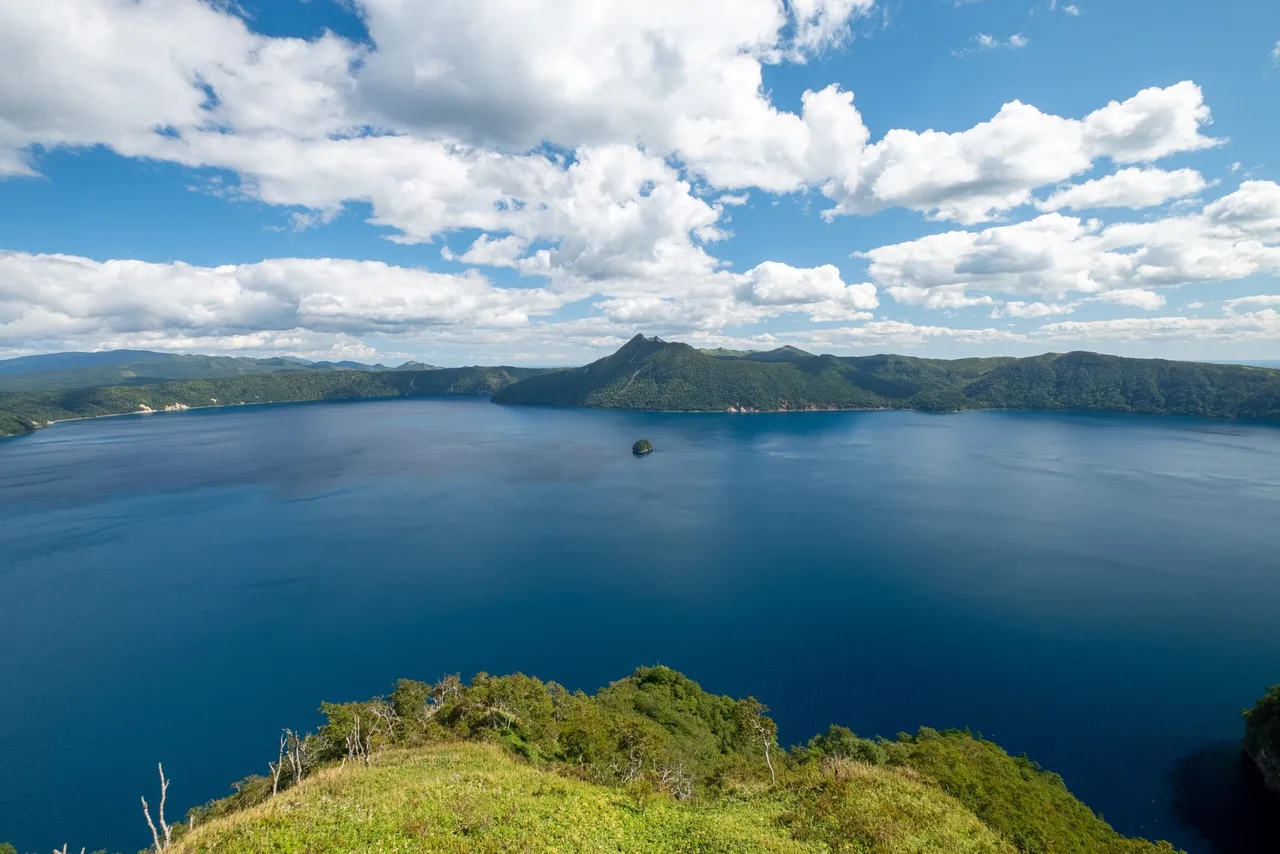
A caldera lake known for the deep blue of its surface and the clarity of its water. Cliffs surround it, so you enjoy the lake by looking down from an observatory. The No. 1 Observatory, with a car park and rest house, is the easiest to visit, and from the No. 3 Observatory, higher up to the north, you can see Lake Mashu on one side and Lake Kussharo and Mt. Io on the other. Fog is common in summer, and on some days the lake cannot be seen at all. The road to the No. 3 Observatory is closed in winter, when only the No. 1 Observatory can be reached. See Lake Mashu.
Mt. Io (Atosanupuri)
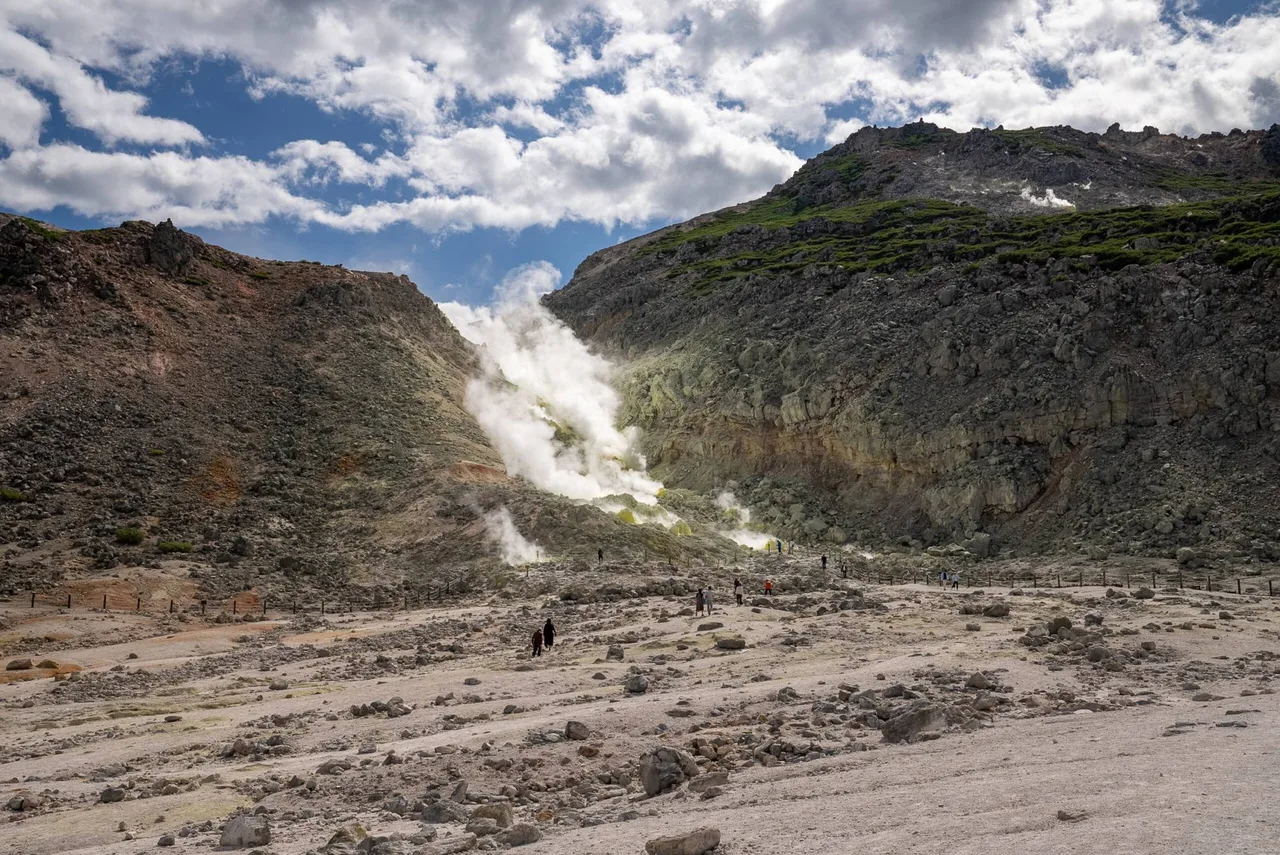
An active volcano right by Kawayu Onsen, called Atosanupuri ("bare mountain") in the Ainu language. Steam vents shoot plumes from all over its slopes, and yellow sulfur crystals form around the vents. You can walk from the car park at its foot to near the vents, though access may be restricted depending on volcanic activity. The smell of sulfur is strong, so clothes that don't hold odors make things easier. See Mt. Io (Atosanupuri).
Lake Kussharo
Japan's largest caldera lake, with the large island of Nakajima in its middle. On the east shore, Sunayu is a beach where warm water wells up when you dig into the sand, and whooper swans arrive in winter. From Bihoro Pass to the west of the lake, you can look down over the whole lake with Nakajima floating in it. Several open-air baths around the lake let you soak while looking out over the water. See Lake Kussharo.
Food and shopping
The rest house at the Lake Mashu No. 1 Observatory has a shop and a snack corner. Places to eat are concentrated in central Teshikaga near Mashu Station and in the Kawayu Onsen hot spring town. Kawayu Onsen also has hot springs open to day visitors and footbaths, handy for a break between lakes.
There are few shops around the lakes and observatories, and some facilities close in winter. On a day touring the lakes, get an idea of where you will eat in town or in the hot spring town in the morning, so lunchtime doesn't catch you out.
Getting there
- By JR: Take the JR Senmo Line from Kushiro or Abashiri to Mashu Station or Kawayu-Onsen Station. Trains are infrequent, so decide which train you will take first and plan the order of sights around it.
- By bus: An Akan Bus route runs from Mashu Station to the Lake Mashu No. 1 Observatory, but buses are limited. To include Sunayu at Lake Kussharo and Bihoro Pass, a car, a taxi or a seasonal sightseeing bus is the realistic choice.
- By car: Enter Teshikaga on Route 391 from central Kushiro, Route 241 from Lake Akan, or Route 243 over Bihoro Pass from the Abashiri and Memanbetsu side.
Getting around the area
By car, a day fits like this: the lake from the Lake Mashu No. 1 Observatory in the morning, on past the No. 3 Observatory down to Mt. Io, then after lunch Sunayu on Lake Kussharo and Bihoro Pass. Staying at Kawayu Onsen or Mashu Onsen lets you go back the next morning if fog hid the lake.
In winter the road to the No. 3 Observatory is closed and the pass roads are snowy. A winter visit suits a plan built around the whooper swans that gather on the shores of Lake Kussharo kept ice-free by hot springs, plus Sunayu and the open-air baths. To combine this with Lake Akan, see Lake Akan and Lake Onneto; heading north to Shiretoko, see Shiretoko and Utoro. Information on the national park's nature and use is on the Ministry of the Environment's Akan-Mashu National Park page.
Sights in Lake Mashu & Lake Kussharo
Recommended hotels in Lake Mashu & Lake KussharoPR
See prices and availability for hotels in Sapporo and book on our partner Trip.com.
See hotels in Sapporo on Trip.comHokkaido guides
See all
More areas of Hokkaido
- Sapporo Station & Odori
- Moerenuma Park
- Susukino
- Hitsujigaoka
- Maruyama & Hokkaido Jingu
- Mt. Moiwa
- Jozankei Onsen
- Otaru
- Hakodate Bay Area & Motomachi
- Hokuryu
- Goryokaku
- Yunokawa
- Onuma Park
- Matsumae
- Asahiyama Zoo
- Mt. Asahidake
- Sounkyo Gorge
- Shirogane, Biei
- Mt. Tokachidake
- Nakafurano
- Noboribetsu Onsen
- Lake Shikaribetsu
- Nukabira & Lake Nukabira
- Mikuni Pass
- Lake Toya & Mt. Usu
- Shakotan Peninsula
- Muroran
- Miyanosawa
- Lake Shikotsu
- Shiretoko & Utoro
- Takinoue
- Niseko
- Shari
- Abashiri
- Nakashibetsu & Kaiyodai
- Biei Hills
- Asahikawa
- Notsuke Peninsula
- Lake Akan & Lake Onneto
- Tsurui
- Kushiro Wetland
- Wakkanai
- Sarobetsu Wetland
- Cape Soya
- Rishiri Island
- Rebun Island
- Cape Erimo