
Nakafurano
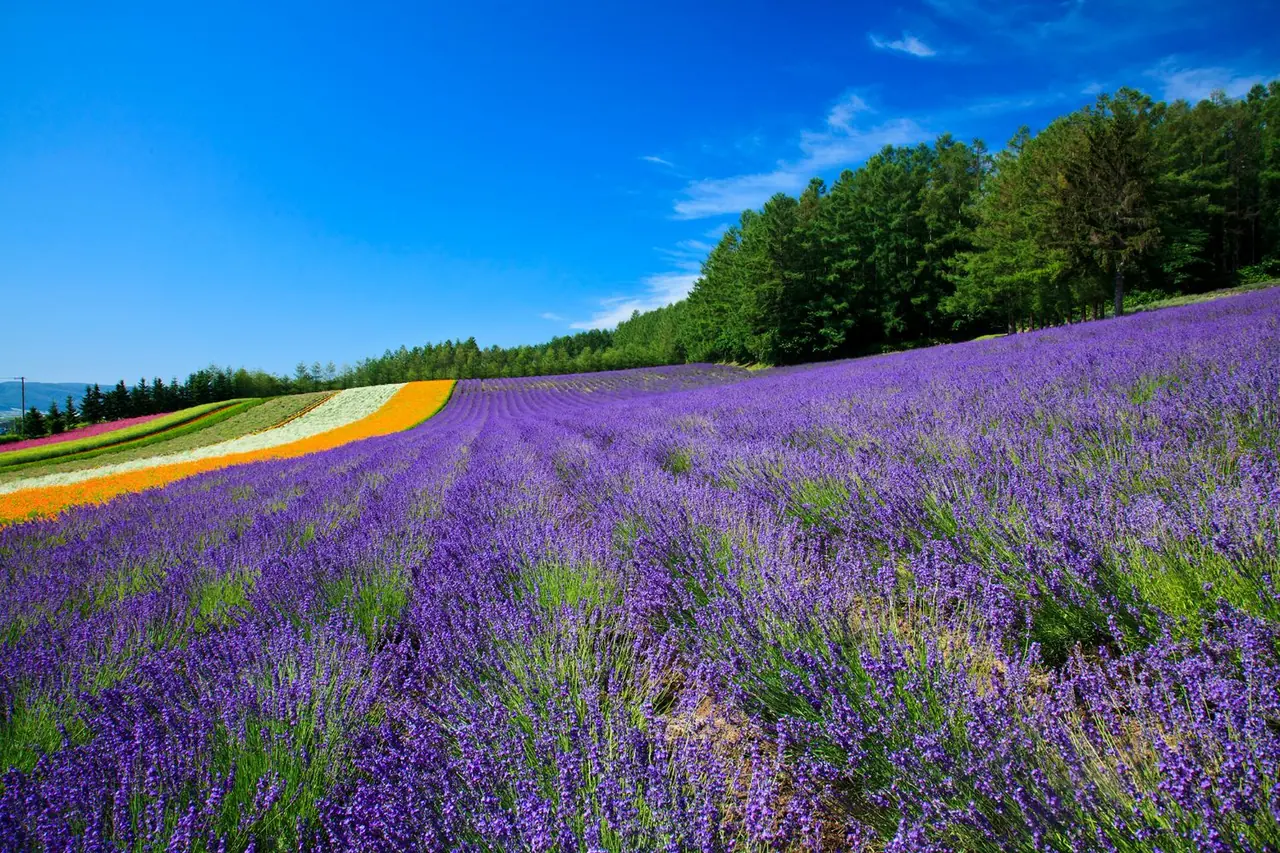
Photo: Hokkaido Love! Photo Library
Areas of Hokkaido
Nakafurano
Farm Tomita and Hokuseiyama Lavender Park in Nakafurano: the late July to early August peak, the town's bloom index, walking from the station and field manners.
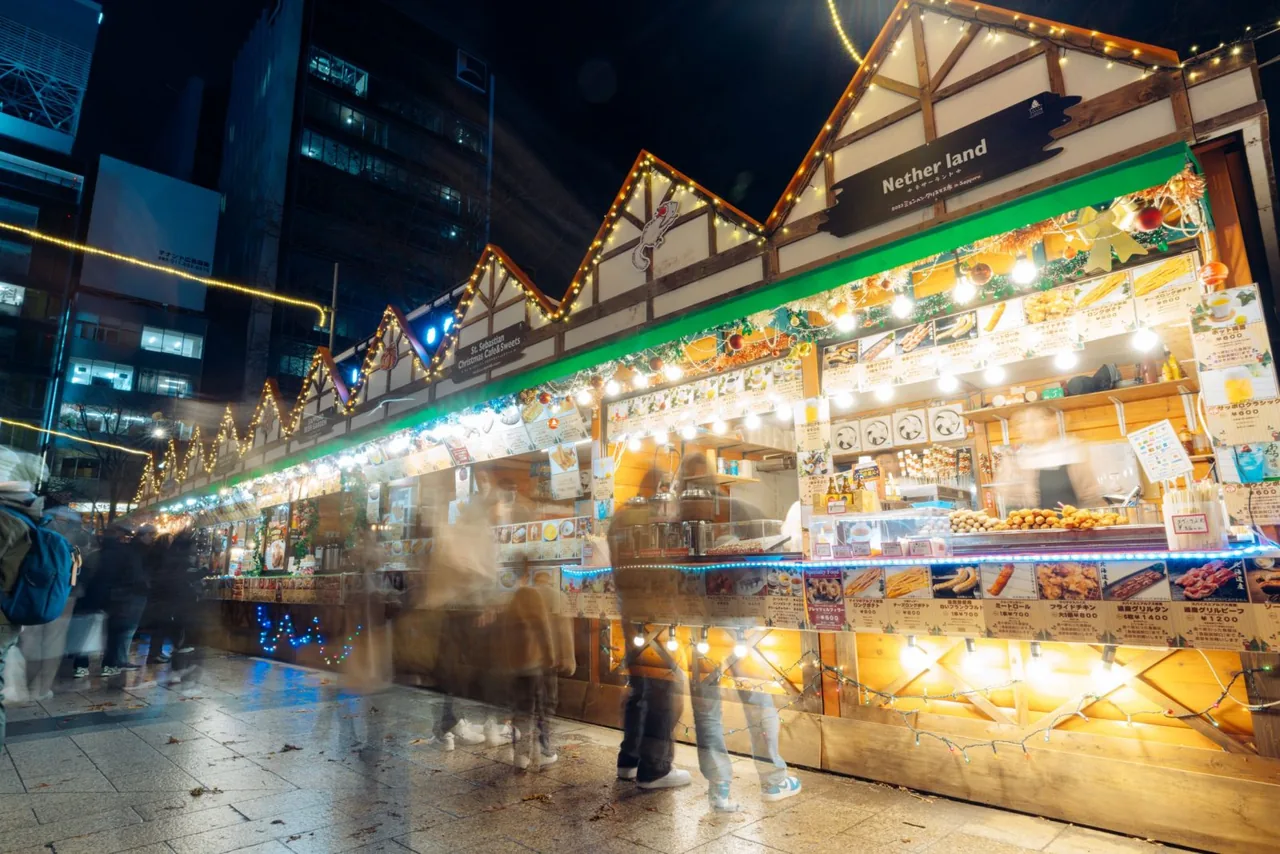 Nov 20 – Dec 25Munich Christmas Market in Sapporo
 Nov 20 – Mar 14Sapporo White Illumination
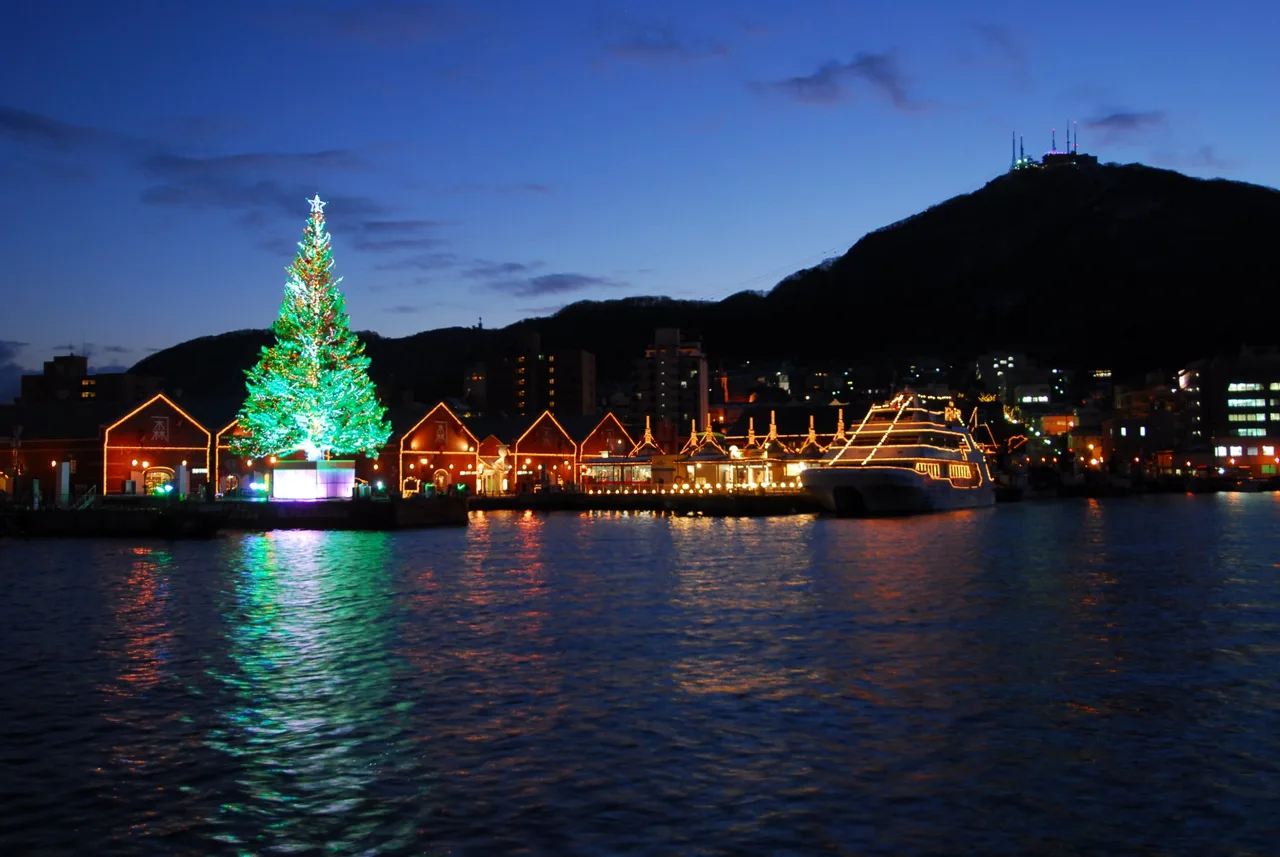 Dec 1 – Dec 25Hakodate Christmas Fantasy
Find on the map
This page is translated from the Japanese edition. Read the Japanese edition
What is the area like?
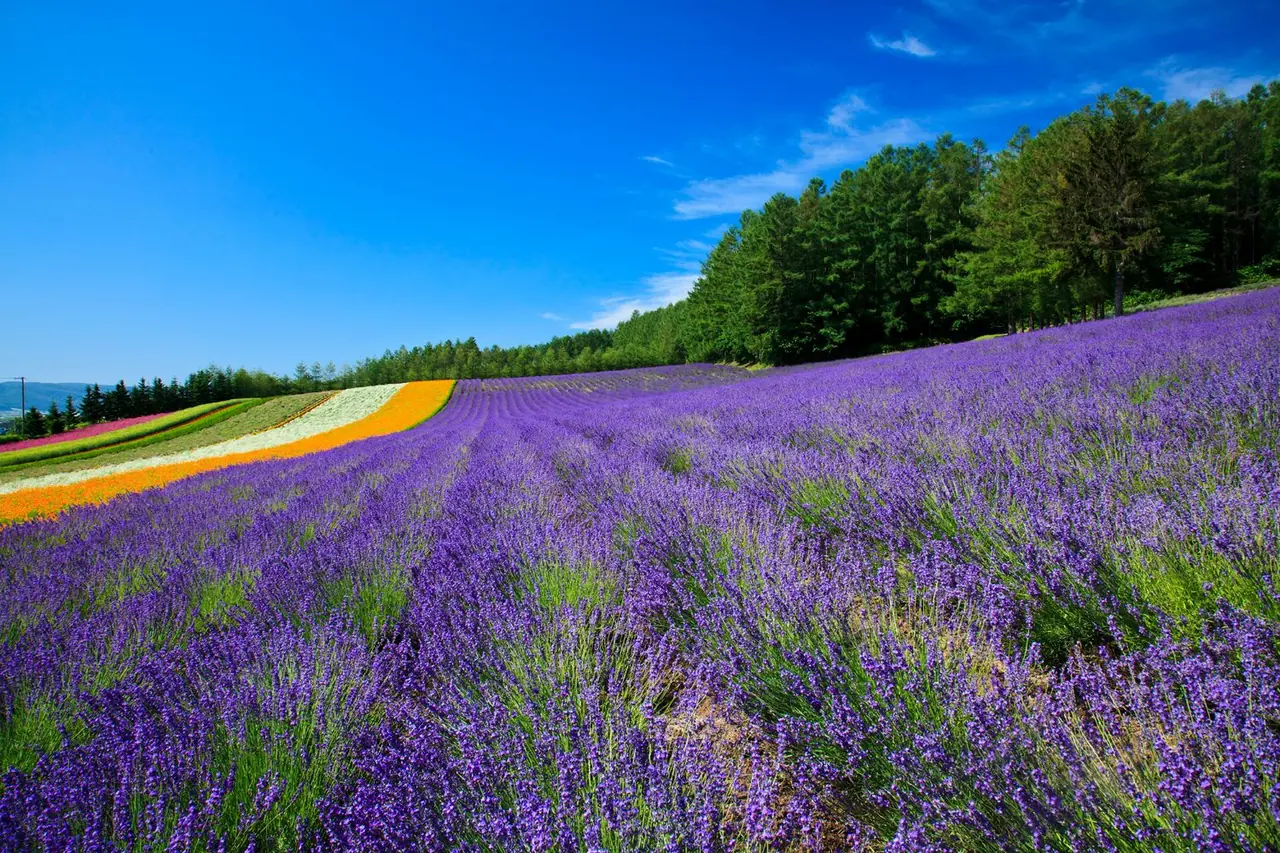
Partway along the JR Furano Line between Asahikawa and Furano, in the northern part of the Furano Basin, Nakafurano is a town known for its lavender fields. The town's lavender park covers the slope of Mt. Hokusei, within walking distance of Nakafurano Station, and about 2 km from the station, on a hillside of lavender fields, is the farm Farm Tomita.
In summer, when the flowers are out, purple stripes run across slopes all over town. According to the town of Nakafurano, its lavender is usually at its peak from around July 20 to early August, though the weather can push this earlier or later. Different varieties flower at slightly different times, and fields are harvested one by one as they pass their best.
Main sights
Farm Tomita
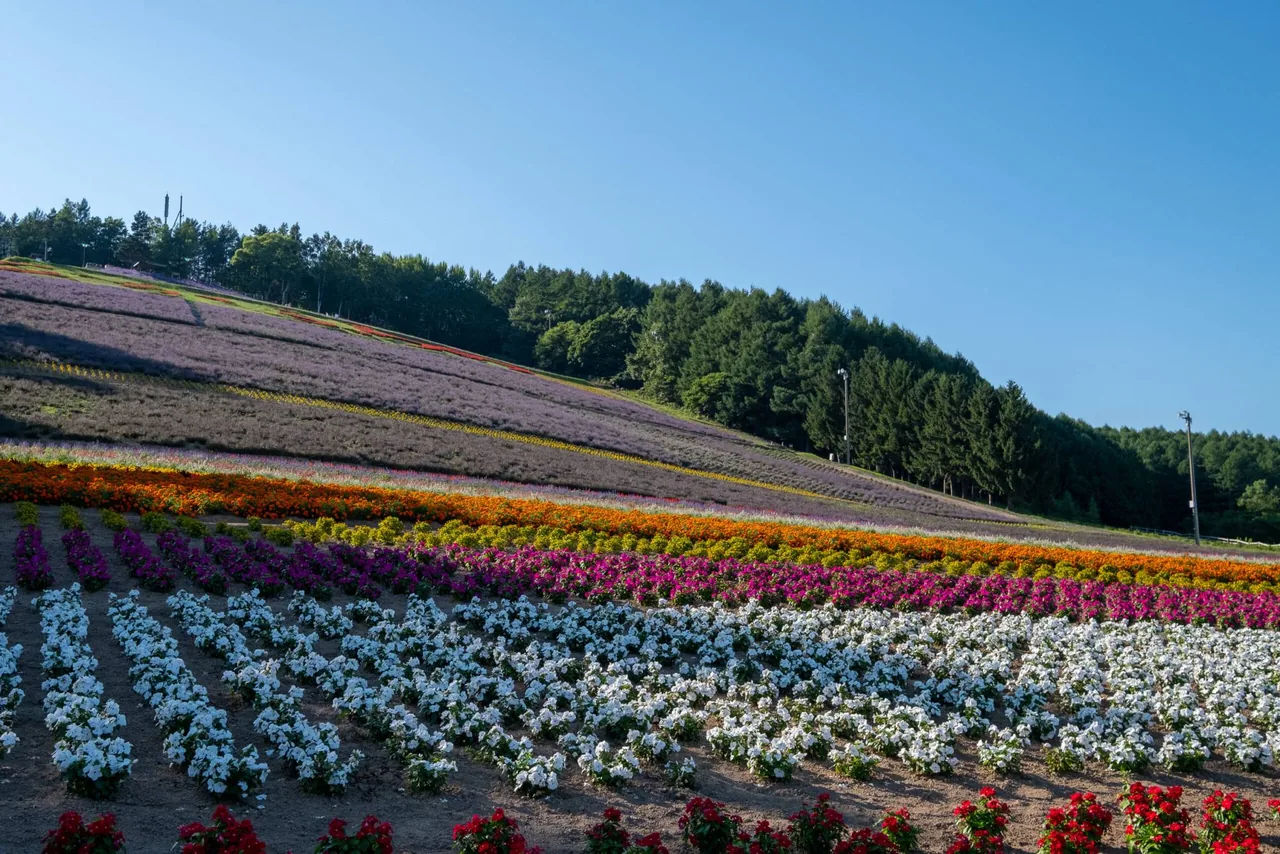
This farm is known for the lavender that covers its hillside. Besides lavender, the hillside holds the Irodori Field ("field of colors"), with baby's breath, poppies and other flowers planted in stripes. See Farm Tomita for details.
Hokuseiyama Lavender Park
A park run by the town, with lavender and other flowers covering the slope of Mt. Hokusei, which becomes the Hokusei Ski Area in winter. In summer a sightseeing chairlift runs up to a viewing area near the top, looking over the lavender, the farmland of the Furano Basin and the Tokachi mountain range. Check the town's notices for the lift's season. See Hokuseiyama Lavender Park for details.
Lavender bloom index
The town of Nakafurano publishes a "bloom index" showing how far its lavender has opened. Checking the lavender bloom index (Town of Nakafurano, Japanese) the week before you go makes it easier to catch the flowers at their best.
Food and shopping
Farm Tomita has cafes and shops on the grounds, where you can try lavender soft-serve ice cream and more. For a proper meal, you will find more choice in central Furano or Asahikawa.
Getting there
- JR: take the JR Furano Line from Asahikawa or Furano to Nakafurano Station. Hokuseiyama Lavender Park is about a 10-minute walk from the station; Farm Tomita is about 2 km away, roughly a 25-minute walk.
- From Sapporo: take a limited express to Asahikawa and change to the Furano Line, or go to Takikawa, take the Nemuro Main Line to Furano and come back up the Furano Line.
The Furano-Biei Norokko sightseeing train, which stopped at the summer-only Lavender Batake (Lavender Field) Station, made its last run on September 23, 2026. If you see older guidebooks or blogs that use this train, it is no longer an option.
Getting around the area
From the station, head first to nearby Hokuseiyama Lavender Park; if the lift is running, ride up for a view over the flowers and the basin. Then move on to Farm Tomita and spend the rest of your time in its fields and cafes. On weekends at peak bloom, parking lots and the roads around the fields get busy; arriving early in the morning lets you walk the fields before the crowds.
Stay out of the fields and keep to the paths. Do not pick flowers or step into the fields for photos.
Sights in Nakafurano
Recommended hotels in NakafuranoPR
See prices and availability for hotels in Sapporo and book on our partner Trip.com.
See hotels in Sapporo on Trip.comHokkaido guides
See all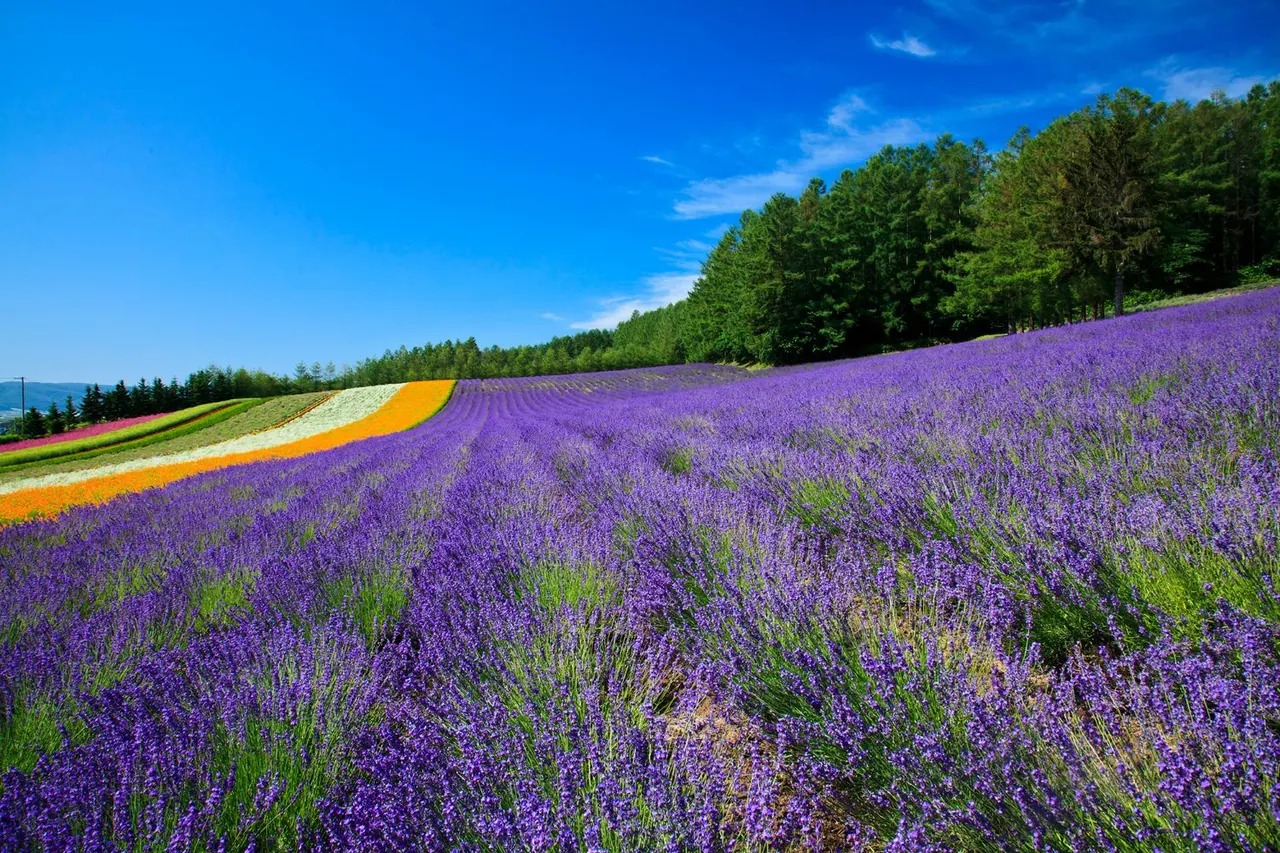
More areas of Hokkaido
- Sapporo Station & Odori
- Moerenuma Park
- Susukino
- Hitsujigaoka
- Maruyama & Hokkaido Jingu
- Mt. Moiwa
- Jozankei Onsen
- Otaru
- Hakodate Bay Area & Motomachi
- Hokuryu
- Goryokaku
- Yunokawa
- Onuma Park
- Matsumae
- Asahiyama Zoo
- Mt. Asahidake
- Sounkyo Gorge
- Shirogane, Biei
- Mt. Tokachidake
- Noboribetsu Onsen
- Lake Shikaribetsu
- Nukabira & Lake Nukabira
- Mikuni Pass
- Lake Toya & Mt. Usu
- Shakotan Peninsula
- Muroran
- Miyanosawa
- Lake Shikotsu
- Shiretoko & Utoro
- Takinoue
- Niseko
- Shari
- Abashiri
- Nakashibetsu & Kaiyodai
- Biei Hills
- Asahikawa
- Notsuke Peninsula
- Lake Akan & Lake Onneto
- Lake Mashu & Lake Kussharo
- Tsurui
- Kushiro Wetland
- Wakkanai
- Sarobetsu Wetland
- Cape Soya
- Rishiri Island
- Rebun Island
- Cape Erimo