
Tsurui
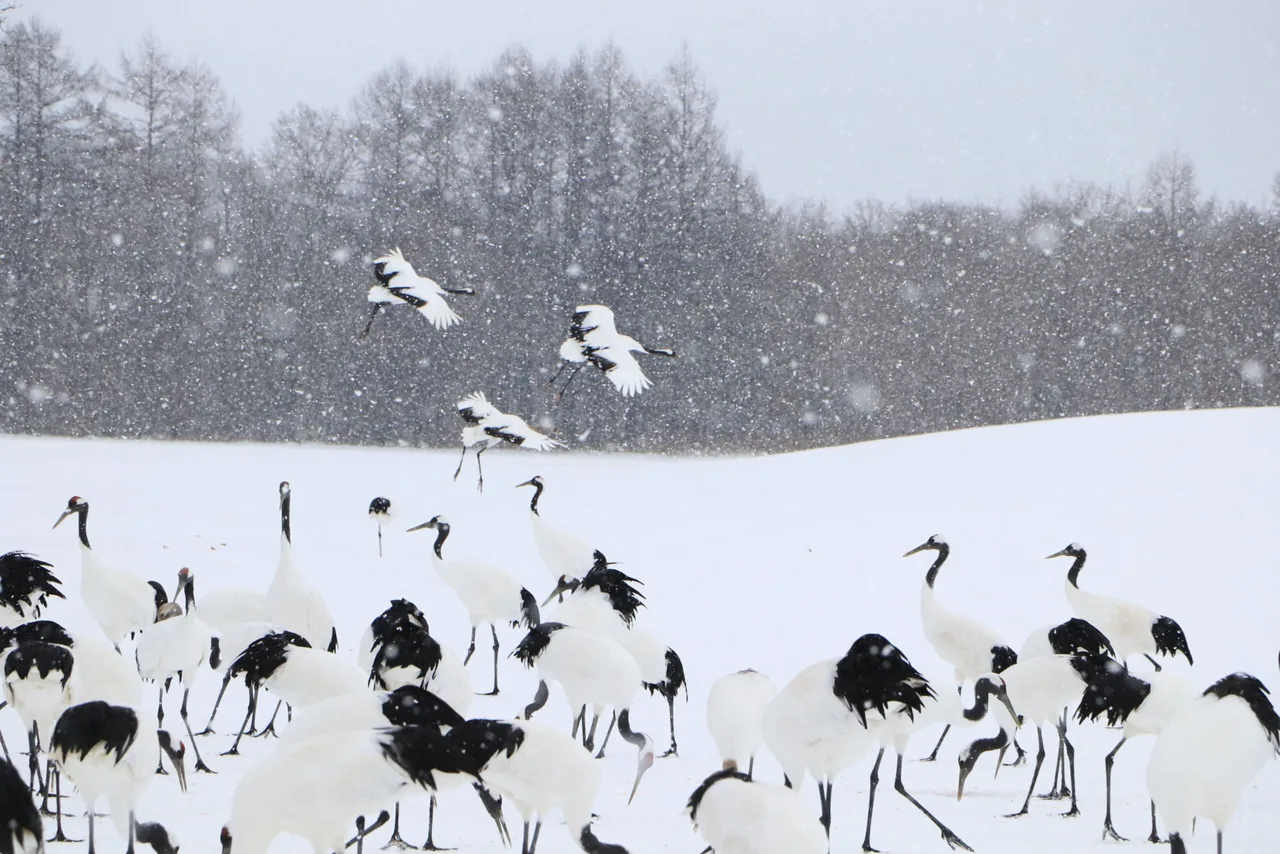
Photo: Hokkaido Love! Photo Library
Areas of Hokkaido
Tsurui
Watching red-crowned cranes in winter at Tsurui: the Tsurui-Ito Tancho Crane Sanctuary, when to go, etiquette at Otowa Bridge at dawn, and the bus or drive from Kushiro.
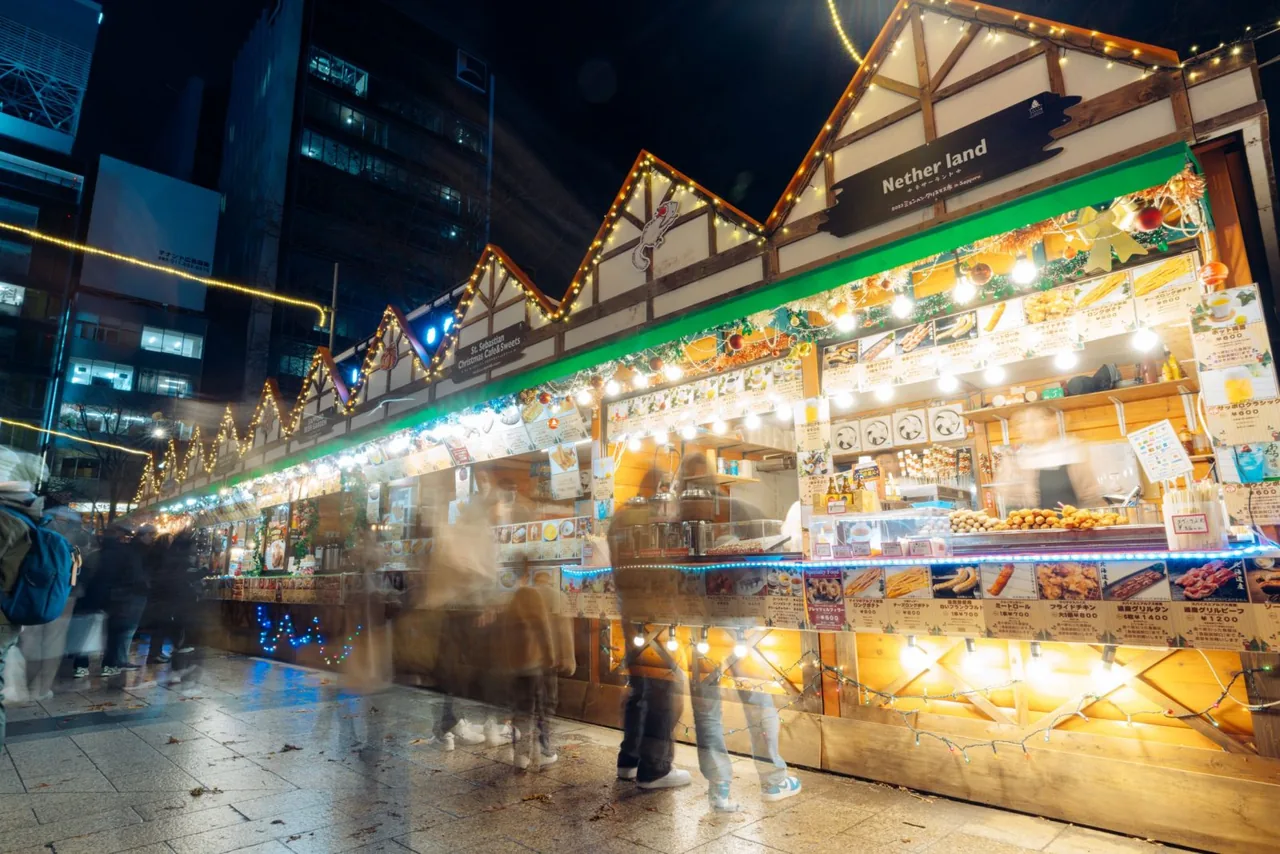 Nov 20 – Dec 25Munich Christmas Market in Sapporo
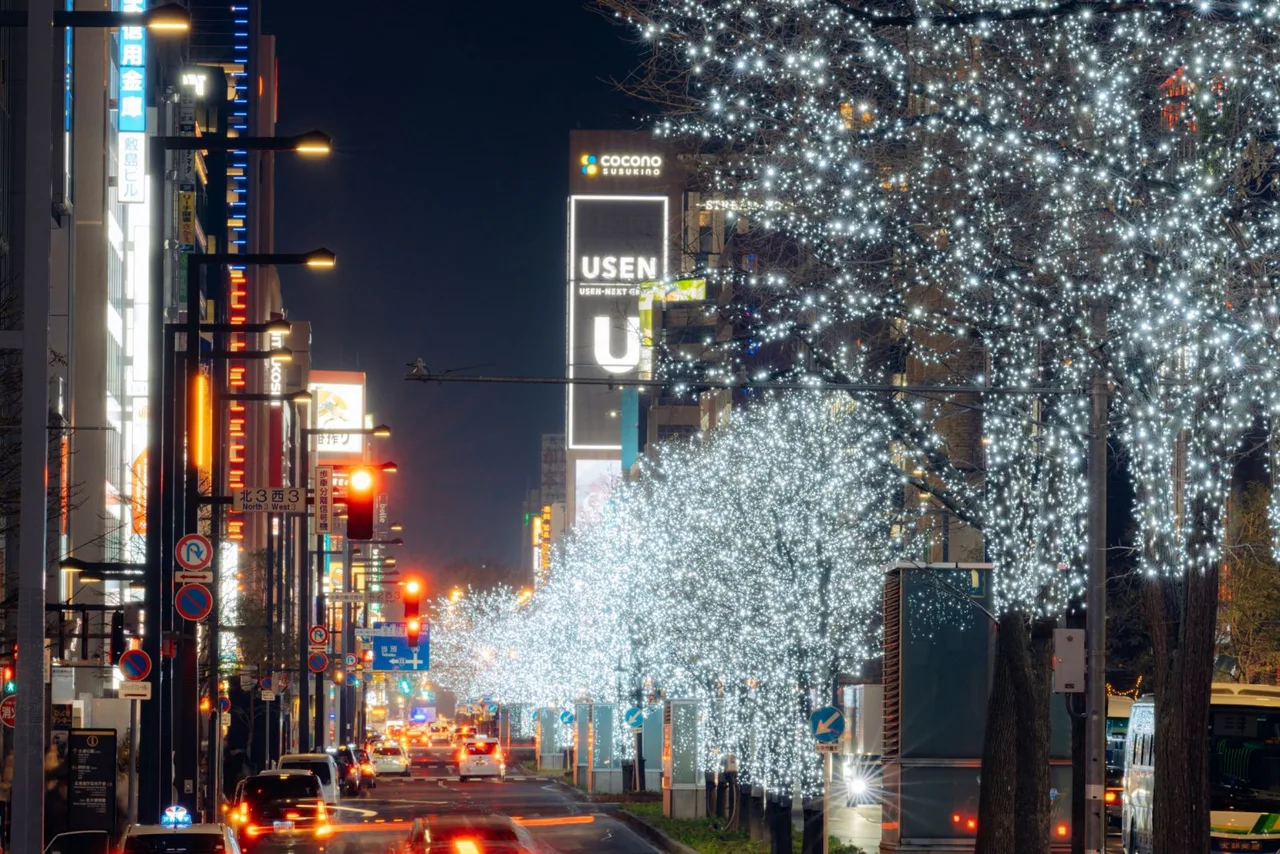 Nov 20 – Mar 14Sapporo White Illumination
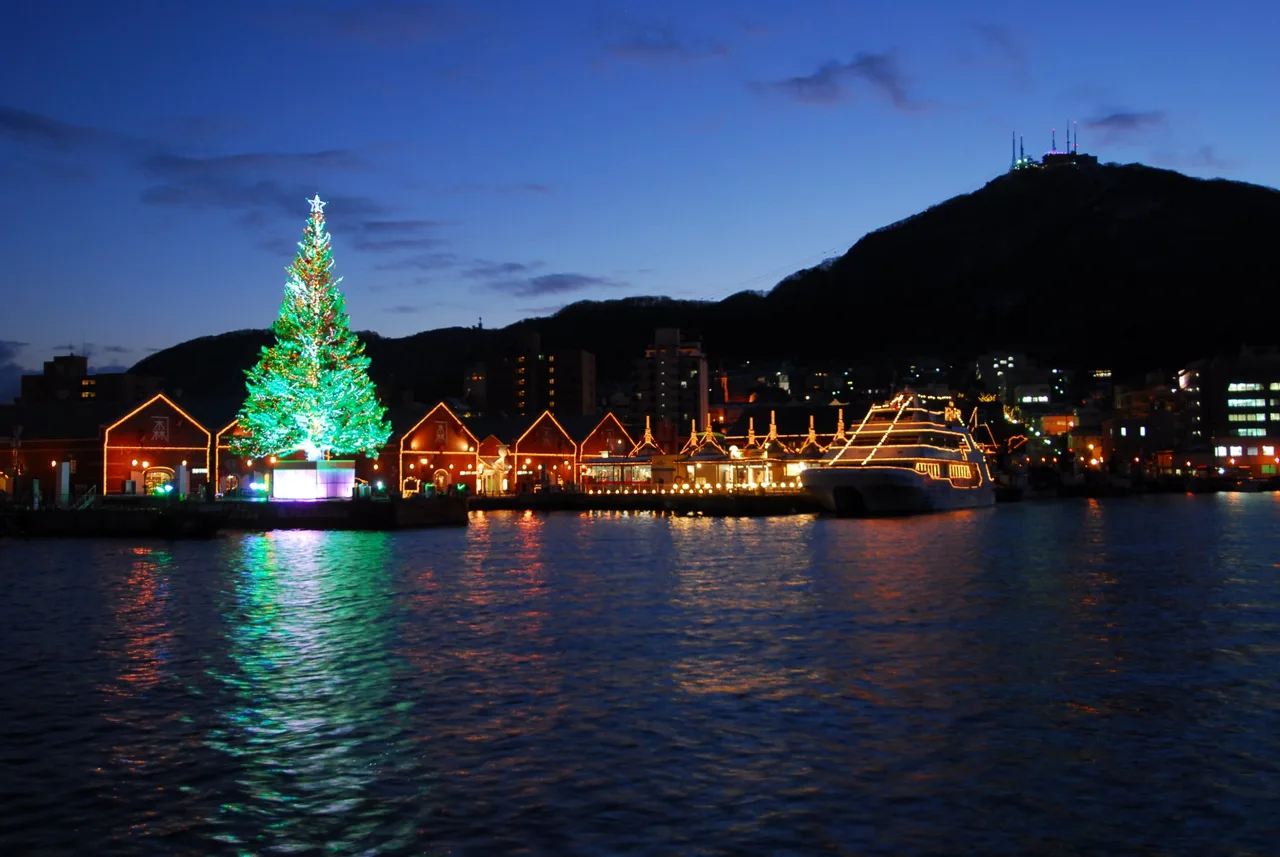 Dec 1 – Dec 25Hakodate Christmas Fantasy
Find on the map
This page is translated from the Japanese edition. Read the Japanese edition
What is the area like?
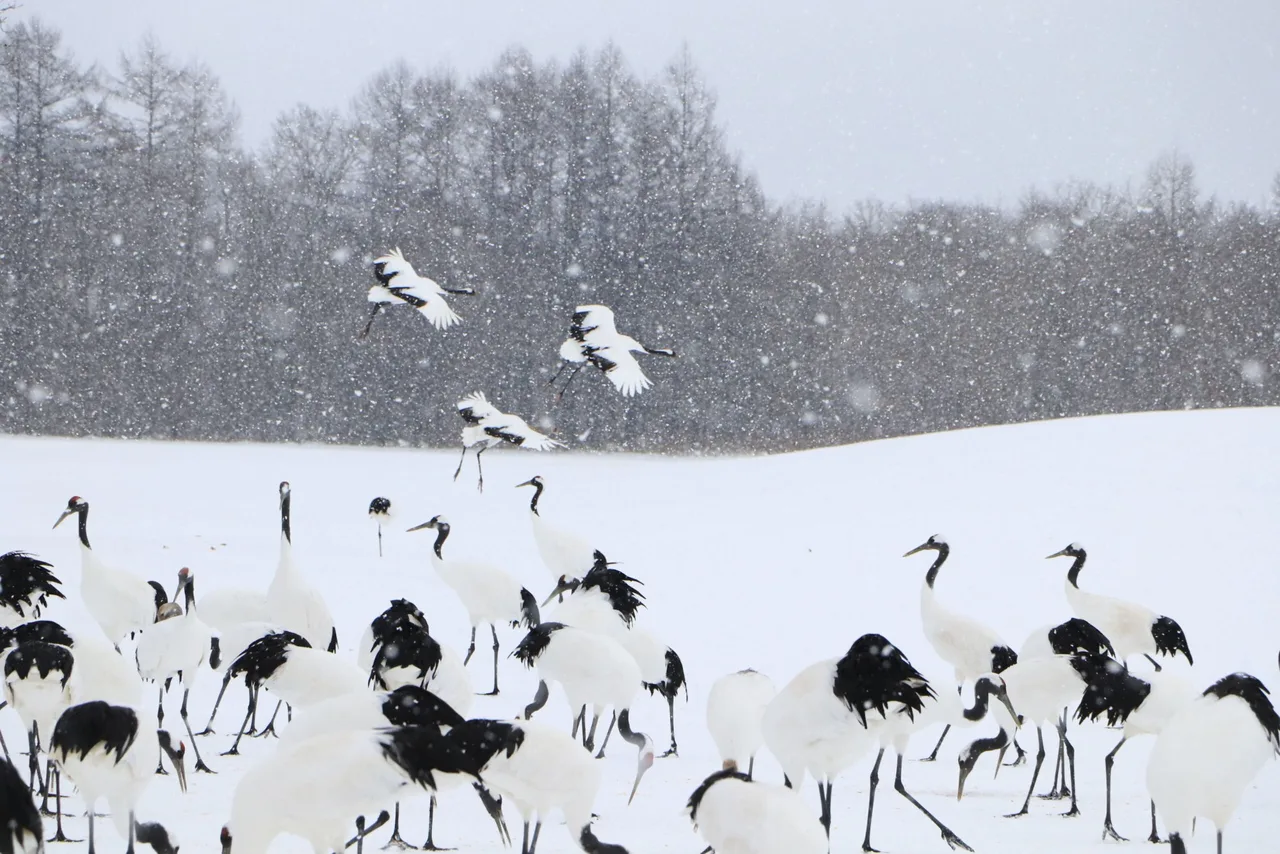
Tsurui is a dairy-farming village spreading north of the Kushiro Wetland. In summer it is a quiet place of pastures and cows, but in winter the red-crowned cranes that live in the wetland gather at feeding grounds in the snowfields, and people come from Japan and abroad to watch and photograph them. The red-crowned crane (tancho) is a Special Natural Monument of Japan, a large bird with a white body, a patch of red on its head and black feathers on its neck.
The best time to watch is November to March, when food in the wetland runs short. There are several feeding grounds in the village, and among them the Tsurui-Ito Tancho Crane Sanctuary, run by the Wild Bird Society of Japan, has viewing facilities and guides, making it easy to visit even the first time.
Main sights
Tsurui-Ito Tancho Crane Sanctuary
A crane sanctuary set up by the Wild Bird Society of Japan on land provided by dairy farmer Yoshitaka Ito. Feeding takes place from November to March, and many cranes come down onto the snowy fields. Pairs facing each other and calling in unison, or spreading their wings and leaping in a dance, are sights of this season. In winter the nature center is open, so you can watch through the windows from a warm room, and rangers sometimes give explanations. Check the facility's information for opening days. See Tsurui-Ito Tancho Crane Sanctuary.
Otowa Bridge
A red bridge over the Setsuri River, known as a place to watch cranes sleeping in the river from a distance in the early mornings of winter. On clear, bitterly cold mornings you can see the cranes start to stir amid mist rising from the water like steam and frost-covered trees, and tripods line up before sunrise.
Photograph from the bridge's sidewalk, and do not step into the roadway to set up a tripod. Cars use the bridge, and the road surface is icy on winter mornings. So as not to startle the cranes, don't raise your voice or go down to the riverbank.
Tsurumidai
A feeding ground beside the road into the village center, where you can watch cranes gathering on the field from a roadside viewing area. As at the sanctuary, cranes are seen here mainly in winter. When touring the village by car, you can stop here as well as at the sanctuary.
Food and shopping
Tsurui is a dairy village, and cheese and other dairy products are made from its milk. The village center has shops selling local products and a few places to eat, but not many. On days when you start at Otowa Bridge at dawn, bring hot drinks and a snack so you're not left looking for breakfast.
Feeding the cranes around the feeding grounds is not allowed. If you eat or drink at a viewing spot, take all your rubbish with you.
Getting there
- By bus: Take an Akan Bus bound for Tsurui from JR Kushiro Station, about 1 hour, to the Tsurui Village Office stop; the sanctuary is about a 15-minute walk from there. The bus passes the Kushiro City Wetland Observatory on the way. Buses are few, so check the return times first.
- By car: Head north from central Kushiro on Hokkaido Route 53; it is about 50 minutes by car from JR Kushiro Station to the sanctuary. Winter roads freeze, so if you are not used to driving on snow, a winter sightseeing bus or a guided tour from Kushiro is the safer choice.
Getting around the area
In winter, the classic order for watching is Otowa Bridge before dawn to see the cranes sleeping in the river, then Tsurumidai and the sanctuary's feeding ground once the sun is up. Some mornings at Otowa Bridge drop to around minus 20°C, so dress for deep winter, down to gloves, hat and boots.
Outside winter the cranes scatter across the wetland and the countryside around the village, so you won't see many at the feeding grounds. From spring to autumn, pair a visit with the observatories and trails of the Kushiro Wetland to the south of the village. For more on the cranes and the society's work, see the Wild Bird Society of Japan website.
Sights in Tsurui
Recommended hotels in TsuruiPR
See prices and availability for hotels in Sapporo and book on our partner Trip.com.
See hotels in Sapporo on Trip.comHokkaido guides
See all
More areas of Hokkaido
- Sapporo Station & Odori
- Moerenuma Park
- Susukino
- Hitsujigaoka
- Maruyama & Hokkaido Jingu
- Mt. Moiwa
- Jozankei Onsen
- Otaru
- Hakodate Bay Area & Motomachi
- Hokuryu
- Goryokaku
- Yunokawa
- Onuma Park
- Matsumae
- Asahiyama Zoo
- Mt. Asahidake
- Sounkyo Gorge
- Shirogane, Biei
- Mt. Tokachidake
- Nakafurano
- Noboribetsu Onsen
- Lake Shikaribetsu
- Nukabira & Lake Nukabira
- Mikuni Pass
- Lake Toya & Mt. Usu
- Shakotan Peninsula
- Muroran
- Miyanosawa
- Lake Shikotsu
- Shiretoko & Utoro
- Takinoue
- Niseko
- Shari
- Abashiri
- Nakashibetsu & Kaiyodai
- Biei Hills
- Asahikawa
- Notsuke Peninsula
- Lake Akan & Lake Onneto
- Lake Mashu & Lake Kussharo
- Kushiro Wetland
- Wakkanai
- Sarobetsu Wetland
- Cape Soya
- Rishiri Island
- Rebun Island
- Cape Erimo