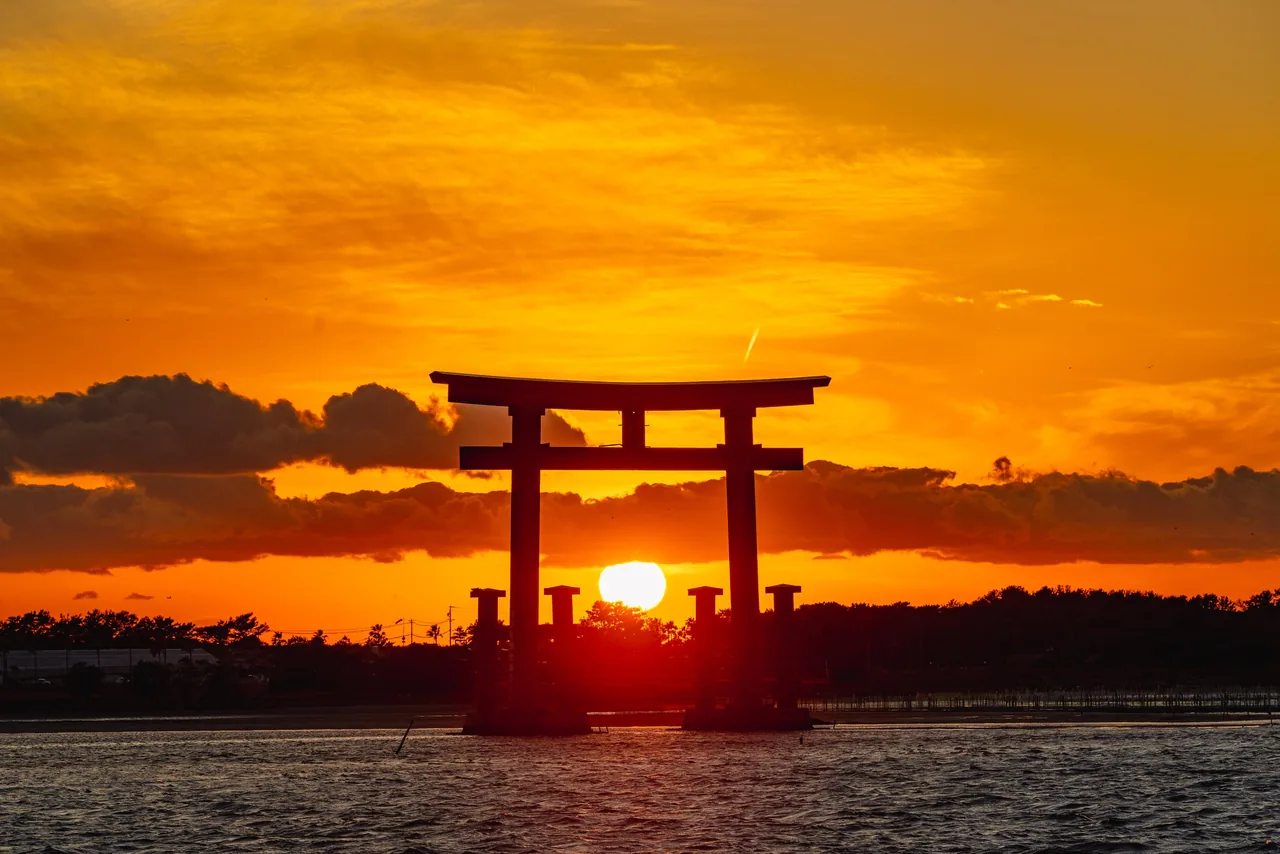
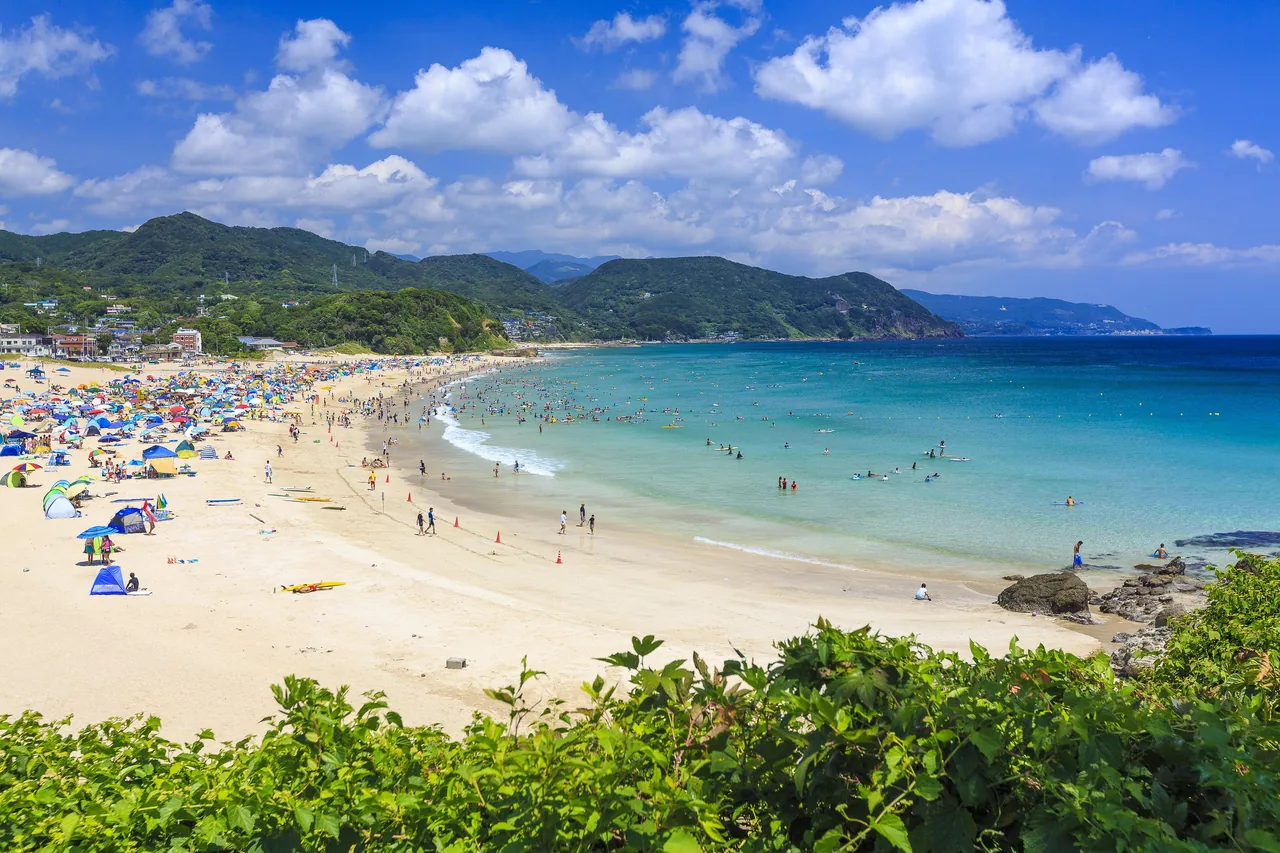
Atami Half-Day Itinerary: Kinomiya Shrine, Plum Garden and Izusan
- Kinomiya Shrine (Kinomiya Jinja)
- Atami Baien
- Izusan Shrine (Izusan Jinja)

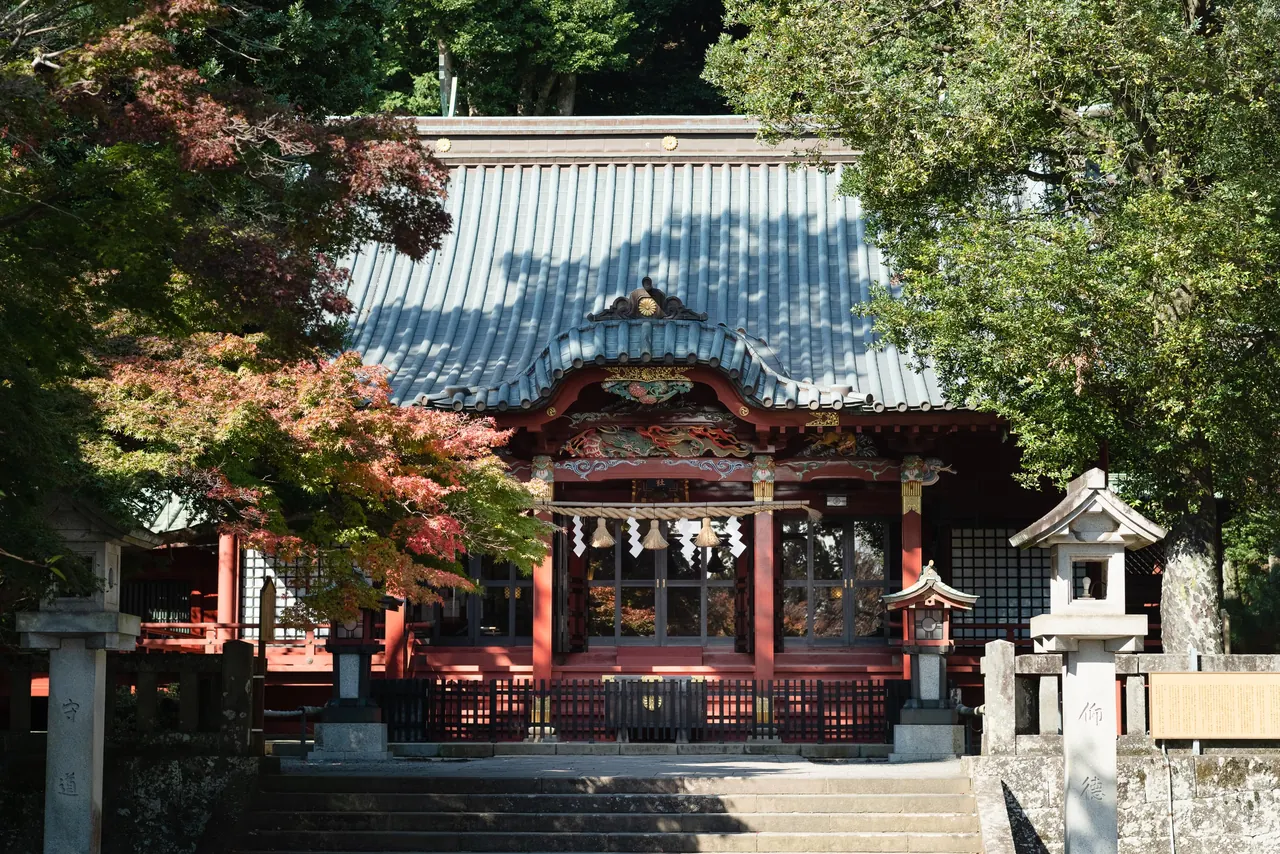
Photo: copyright© Shizuoka Prefectural Tourism Association.
Areas of Shizuoka
Things to do in Atami: Izusan Shrine, the giant camphor at Kinomiya Shrine, plums and late autumn leaves at Atami Baien, Mt. Fuji from Jukkoku Pass, and buses to each.
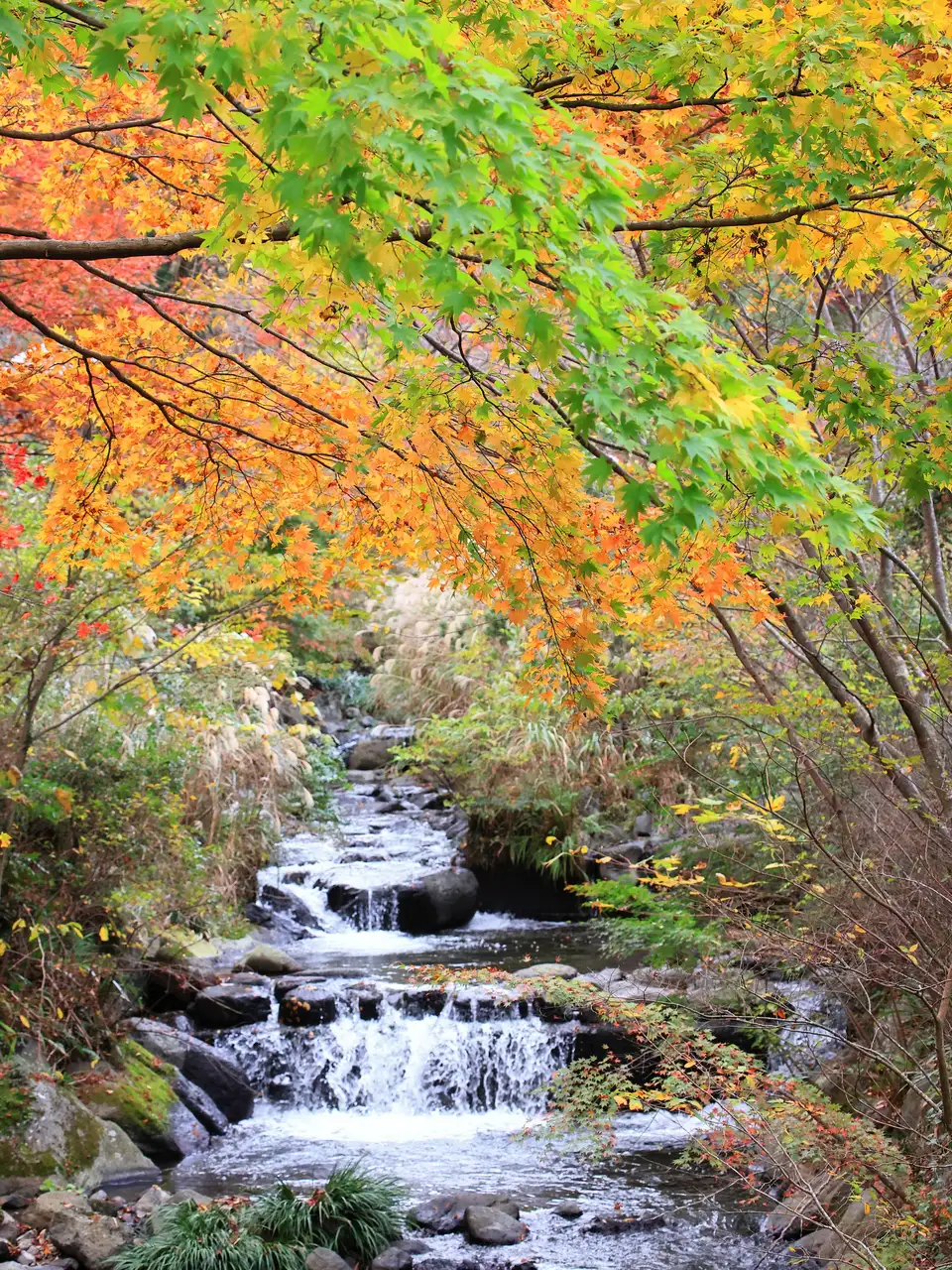 Nov 14 – Dec 6Atami Baien Autumn Leaves Festival (Momiji Matsuri)
 GuidesShizuoka Autumn Leaves: Mt. Fuji, Shuzenji, Sumatakyo and Temples
 GuidesStrawberry and Mikan Picking in Shizuoka: Kuno, Izu, Ito, Mikkabi
This page is translated from the Japanese edition. Read the Japanese edition
Atami Station, served by the Tokaido Shinkansen and the JR Tokaido and Ito lines, is the eastern gateway to the Izu Peninsula. The town climbs the slopes above Sagami Bay. One stop away, around Kinomiya Station, Kinomiya Shrine with its giant camphor tree and the Atami Baien plum garden are within walking distance of each other.
North of the station, Izusan Shrine, linked to Minamoto no Yoritomo, stands halfway up Mt. Izu, and from Jukkoku Pass on the hills to the west you can look straight at Mt. Fuji. Many people come for the seasons: plum blossoms from January to early March, autumn leaves from late November to early December.
Head south on the Ito Line for Ito & Izu-Kogen, or take a boat from Atami Port to Hatsushima.
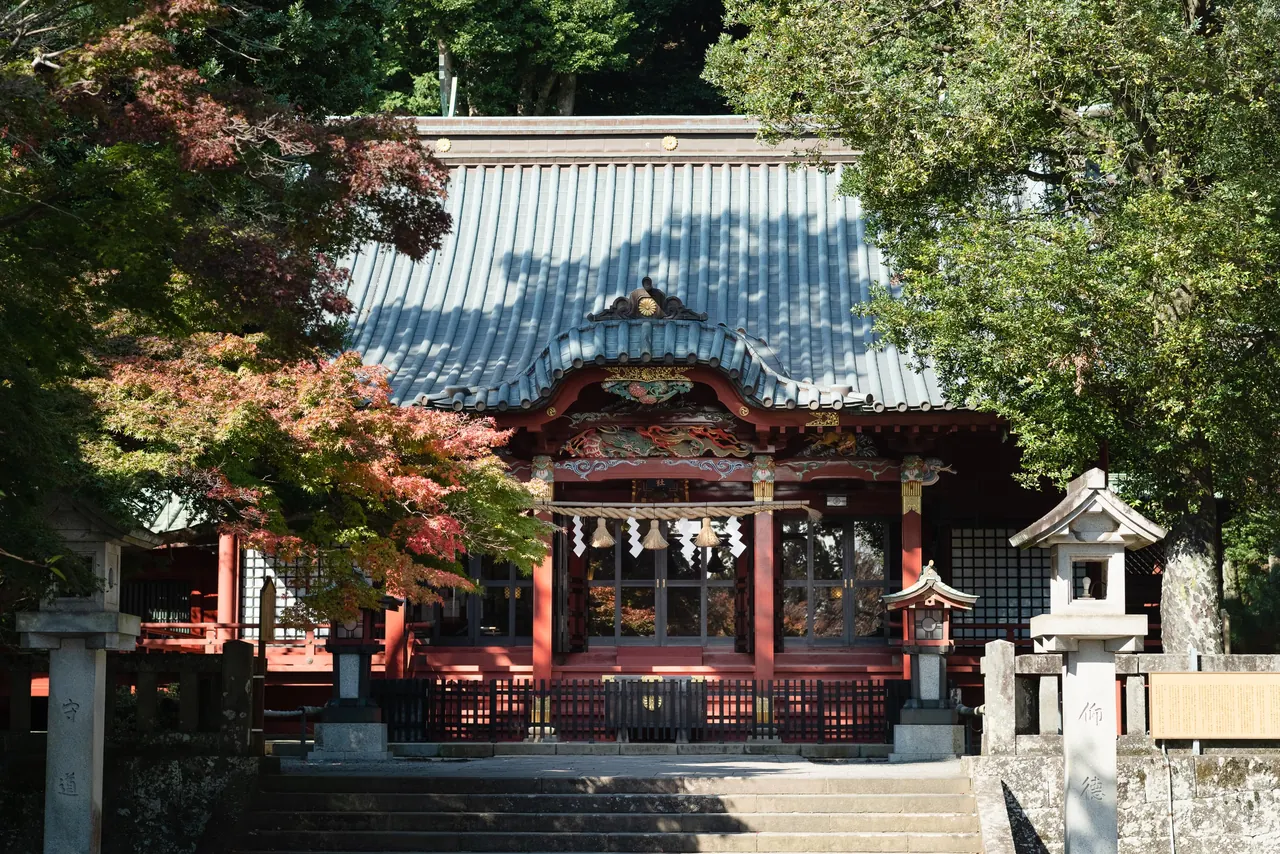
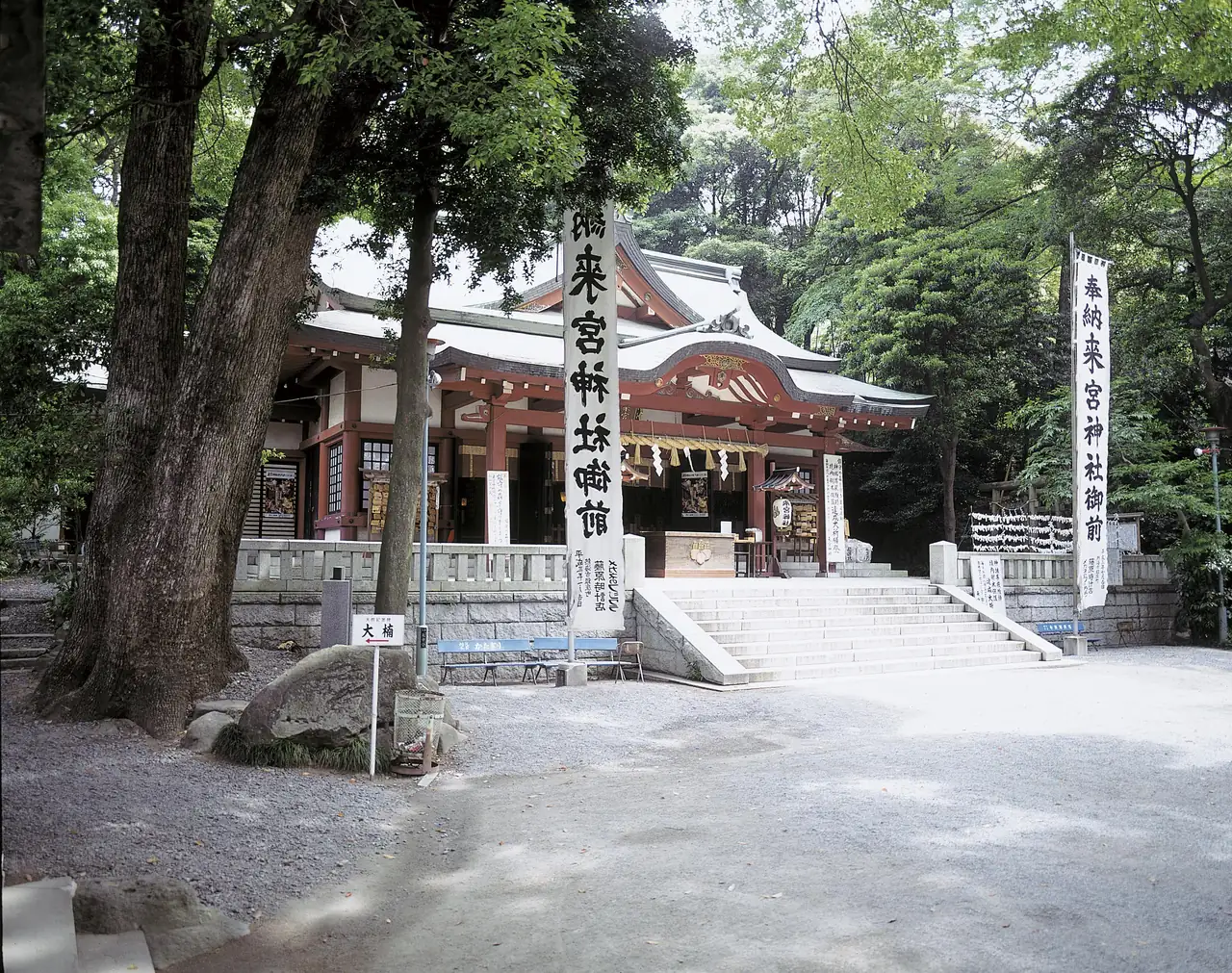
About 5 minutes on foot from Kinomiya Station, this shrine is known for the giant camphor tree at the back of its grounds. The tree is said to be more than 2,000 years old, its trunk is about 24 m around, and it is a Natural Monument of Japan. Legend says that walking once around the trunk adds a year to your life, and some visitors circle it slowly. See Kinomiya Shrine.
This plum garden opened in 1886 and has about 470 trees of around 60 varieties. Known for having the earliest-blooming plums in Japan, it holds the Atami Baien Plum Festival from January to early March each year.
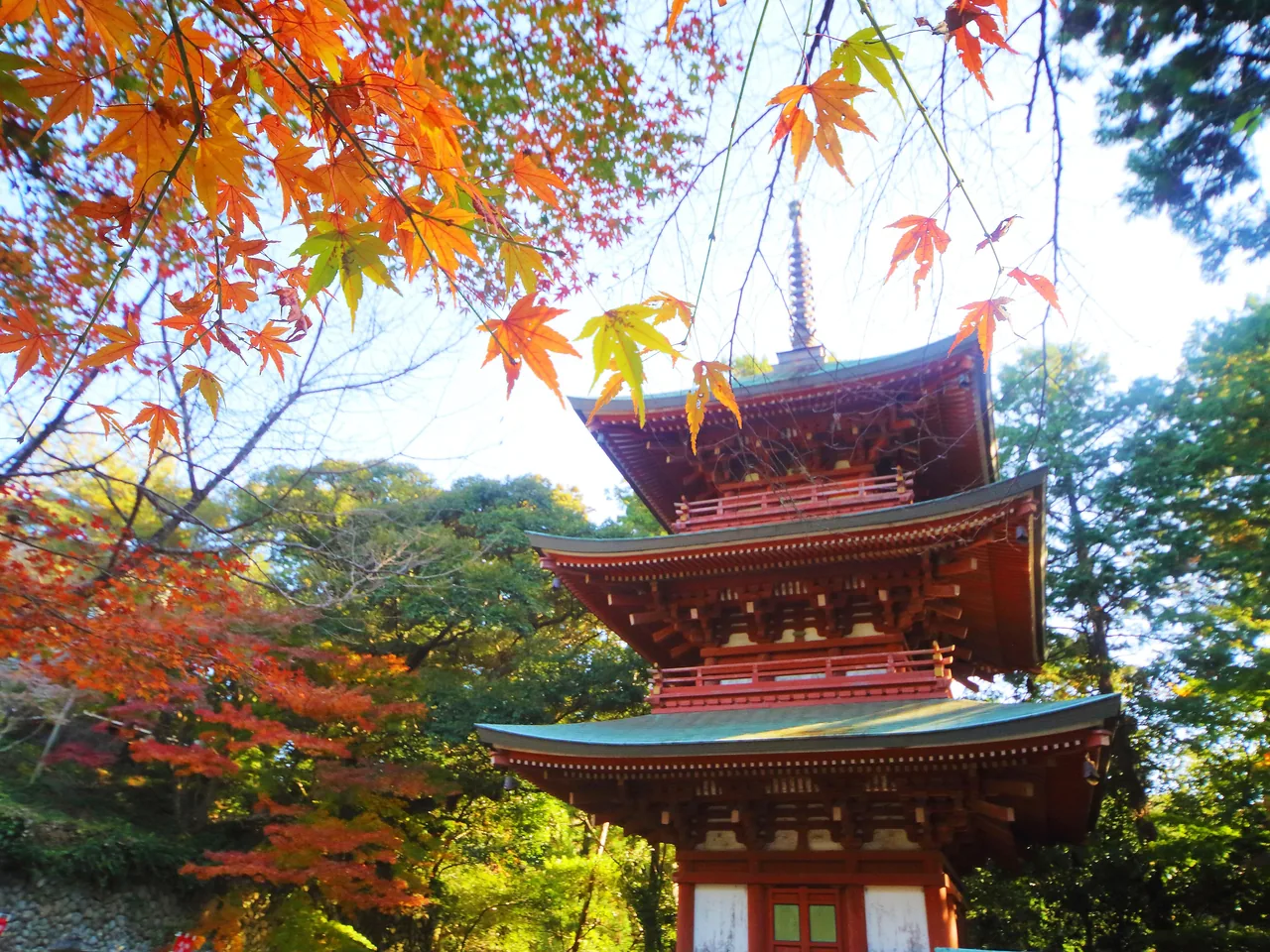
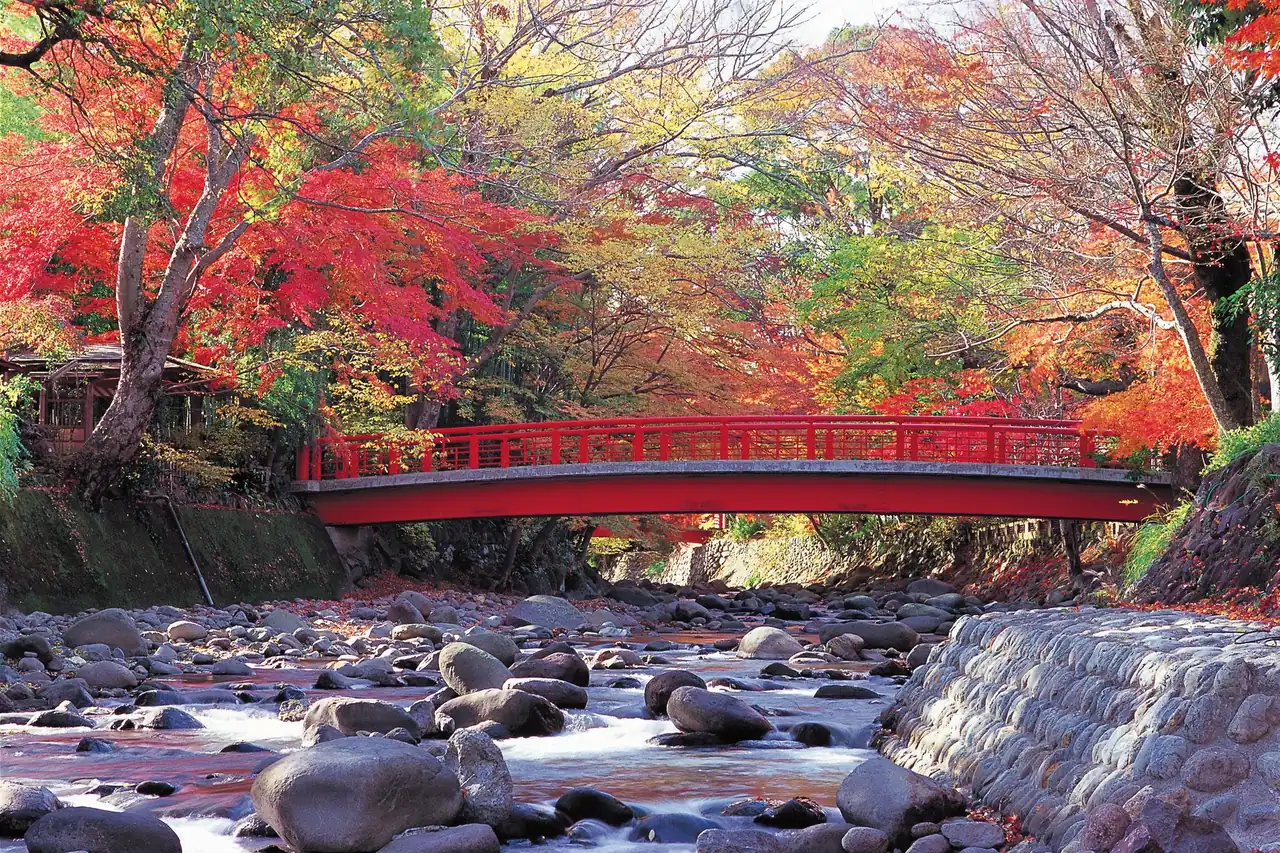
In autumn, about 380 maples turn red, and the colored leaves last into early December. The Atami Baien Autumn Leaves Festival in 2026 runs from November 14 to December 6, with the leaves lit up every day from 4:30 pm to 9 pm. Parking nearby is limited during both festivals, so come by train and bus.
An old shrine halfway up Mt. Izu, north of central Atami, looking down on Sagami Bay. It was once called Izusan Gongen or Soto Gongen and has long been tied to Hashiriyu, the hot spring that rises on the shore below. The young Minamoto no Yoritomo worshipped here while in exile in Izu, and the grounds hold the Koshikake-ishi, a stone where he and Hojo Masako are said to have sat and talked. From the bus stop, you climb a flight of steps. See Izusan Shrine.
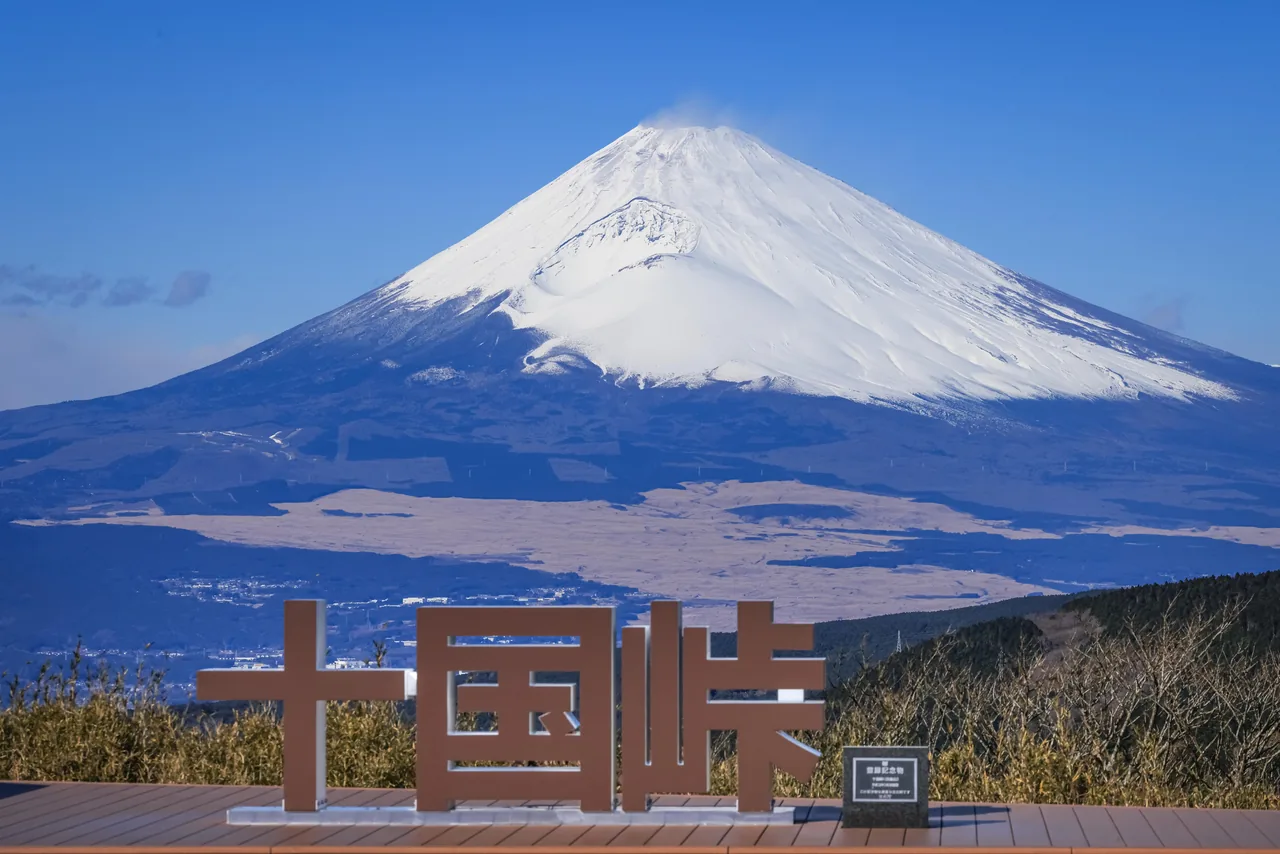
A viewpoint on the border of Atami and Kannami, named for the ten old provinces once visible from it. A cable car (316 m long) climbs from Jukkoku-toge Noboriguchi Station to the top, where Mt. Fuji rises in front of you and Sagami Bay and the Izu islands spread out behind. For the clearest view of Fuji, aim for a crisp winter morning. See Jukkoku Pass.
The area around Atami Station is the starting point for walks around town. You can find places to eat in the list further down this page. Shizuoka's local specialties are covered in our Shizuoka food guide.
From Kinomiya Station you can walk between Kinomiya Shrine and Atami Baien. Izusan Shrine lies on the opposite, northern side of Atami Station, and Jukkoku Pass is up in the hills, so it is easiest to visit each by a separate bus from Atami Station. Bus routes and times can change, so check before you go.
Atami has many shrines; Izusan and Kinomiya also appear in our guide to Shizuoka's shrines. Plum and autumn-leaf seasons are covered in Shizuoka's flower calendar and Shizuoka's autumn leaves.
Restaurant information: Powered by ホットペッパー グルメ Webサービス