Fujinomiya Half Day: Sengen Taisha Shrine and Shiraito Falls
- Fujisan Hongu Sengen Taisha Shrine
- Mt. Fuji World Heritage Centre, Shizuoka
- Shiraito Falls

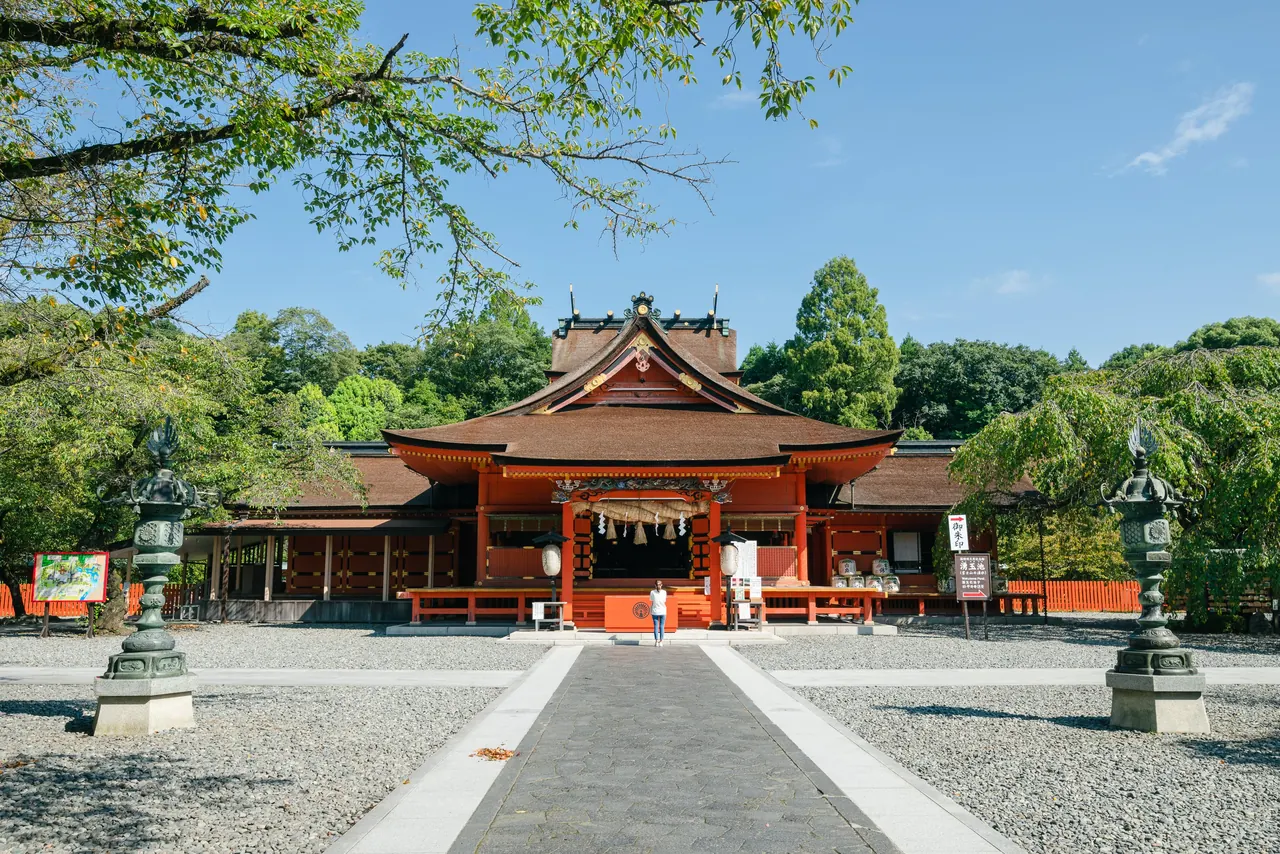
Photo: copyright© Shizuoka Prefectural Tourism Association.
Areas of Shizuoka
Things to do in Fujinomiya: Fujisan Hongu Sengen Taisha and Wakutama Pond, the Mt. Fuji World Heritage Centre, Yamamiya Sengen Shrine, yakisoba and May yabusame.
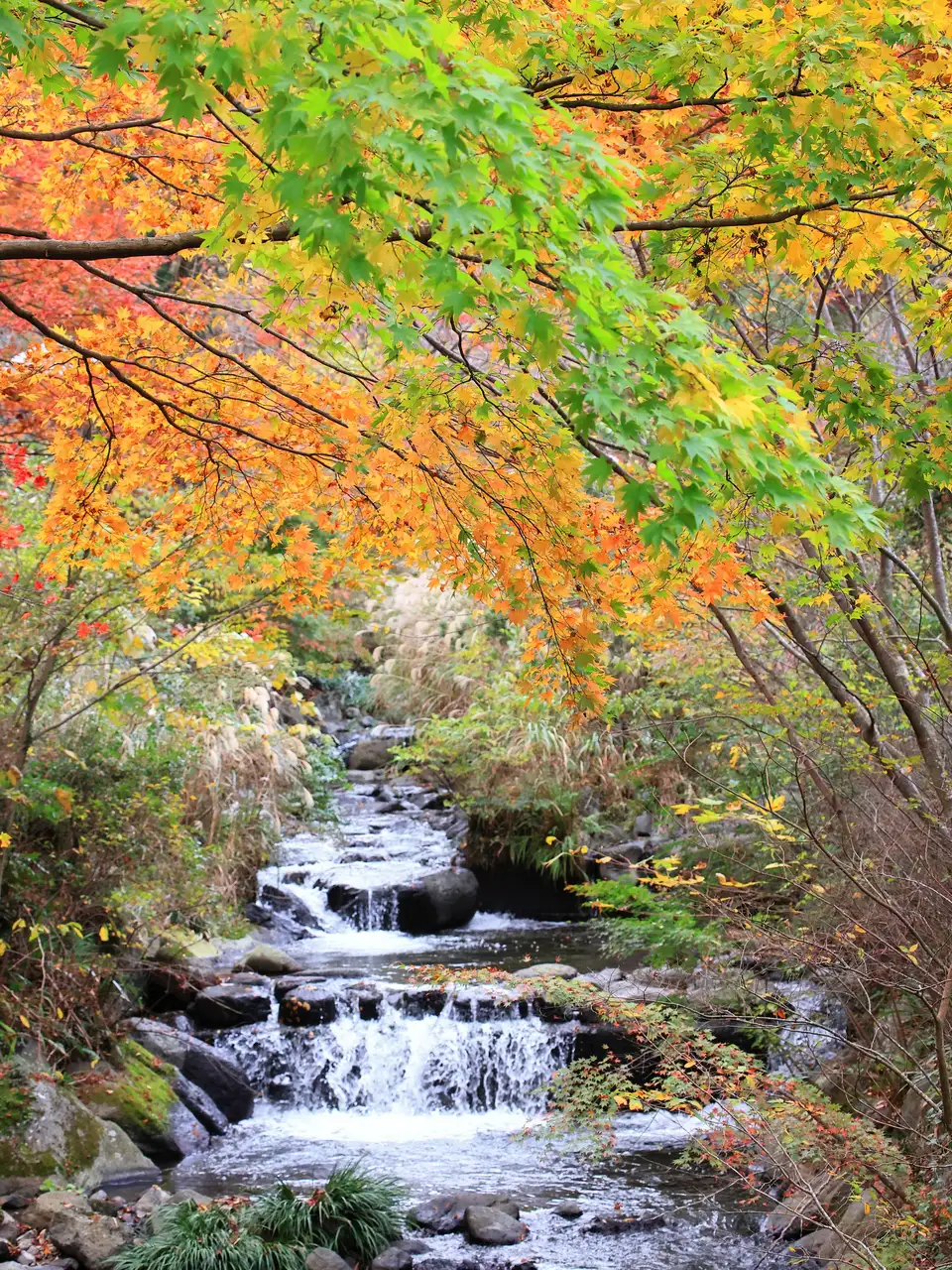 Nov 14 – Dec 6Atami Baien Autumn Leaves Festival (Momiji Matsuri)
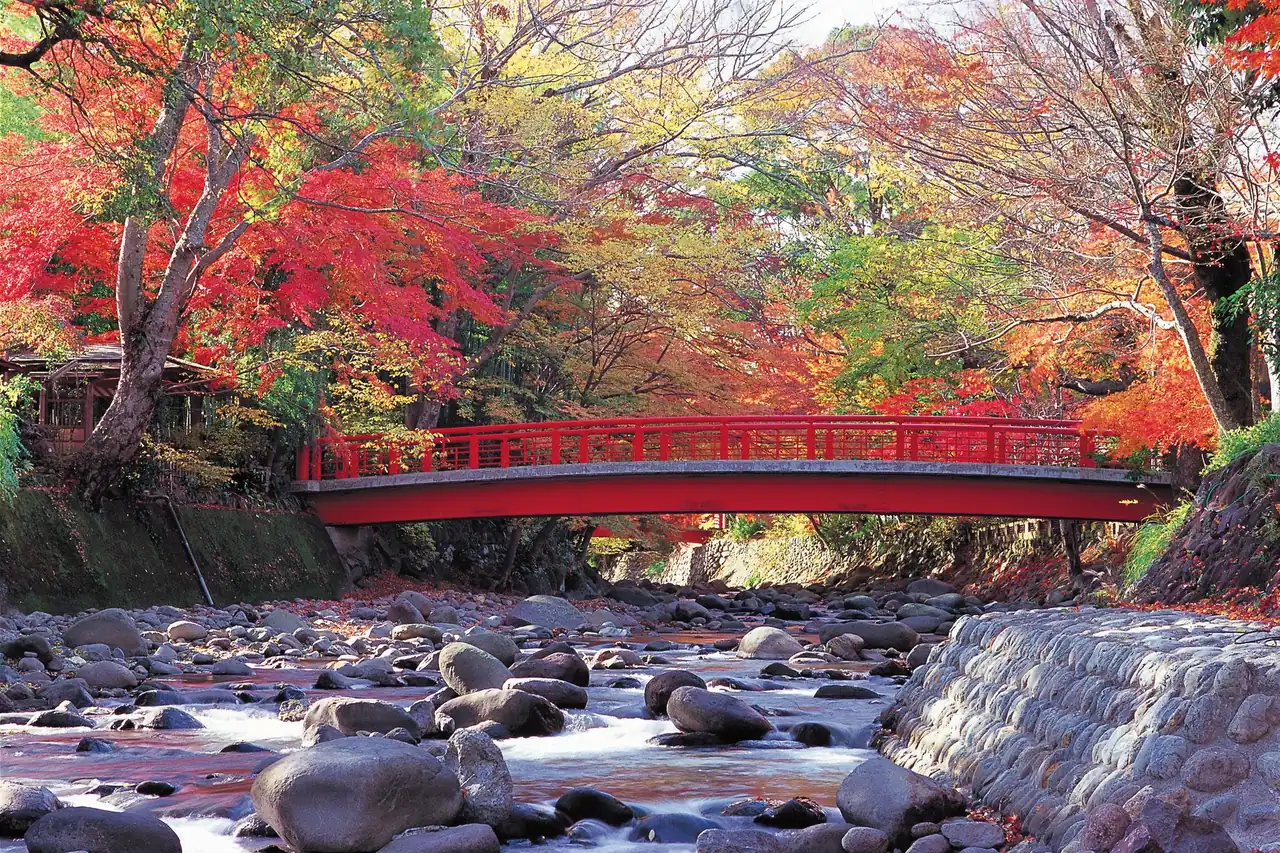 GuidesShizuoka Autumn Leaves: Mt. Fuji, Shuzenji, Sumatakyo and Temples
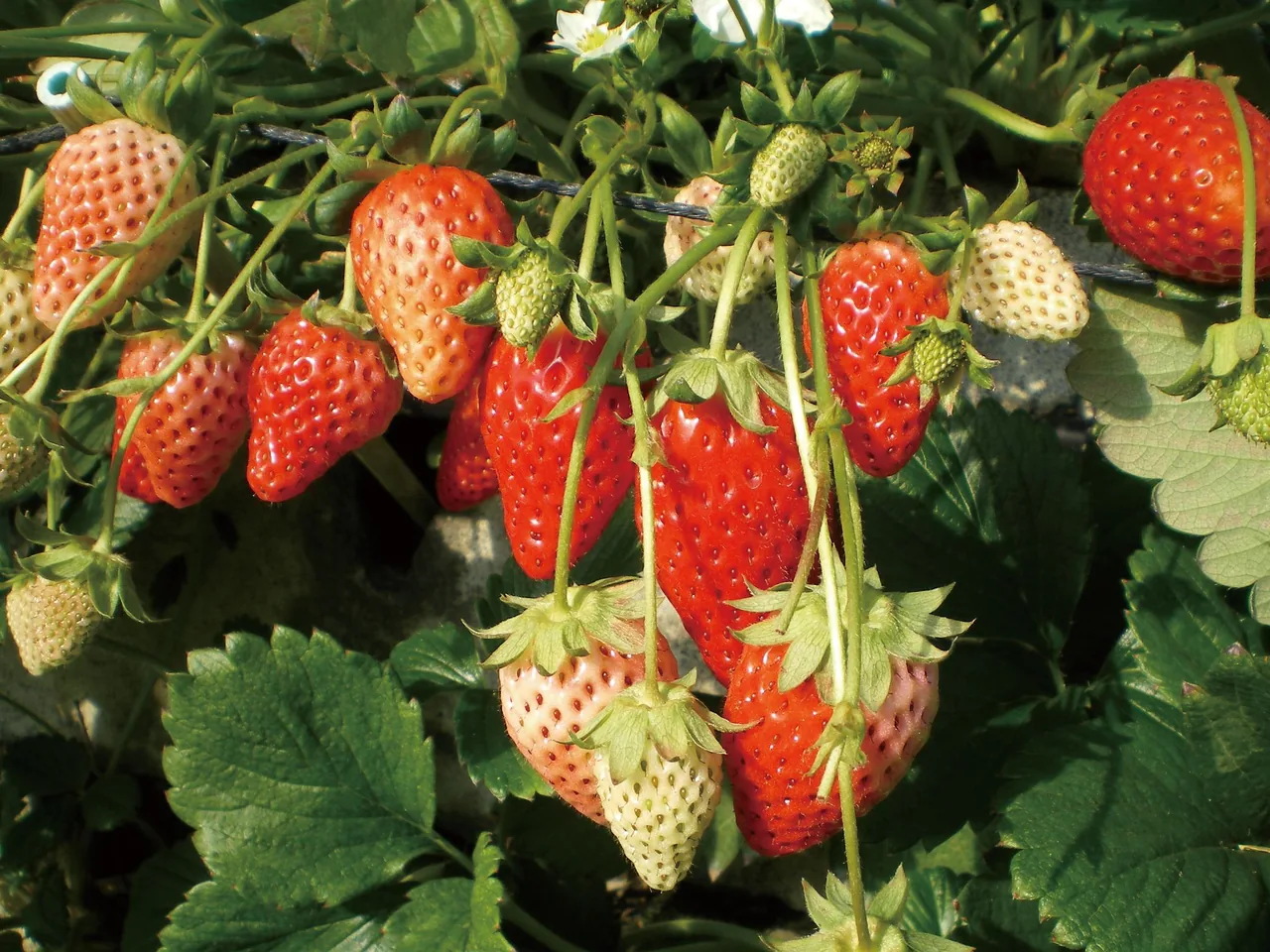 GuidesStrawberry and Mikan Picking in Shizuoka: Kuno, Izu, Ito, Mikkabi
This page is translated from the Japanese edition. Read the Japanese edition
About 10 minutes' walk from Fujinomiya Station on the JR Minobu Line brings you to Fujisan Hongu Sengen Taisha, a shrine whose object of worship is Mt. Fuji itself. It is the head shrine of about 1,300 Sengen shrines across Japan, and together with Wakutama Pond in its grounds it is part of the Mt. Fuji World Heritage Site. Nearby, the Mt. Fuji World Heritage Centre, Shizuoka, introduces the faith and art surrounding the mountain.
At Yamamiya, north of the city, Yamamiya Sengen Shrine has no main hall and worships Mt. Fuji directly. Head north to the western foot of Fuji for Shiraito Falls & Lake Tanuki and the Asagiri Highlands, or up the mountain's flank for the Southern Slopes of Mt. Fuji.
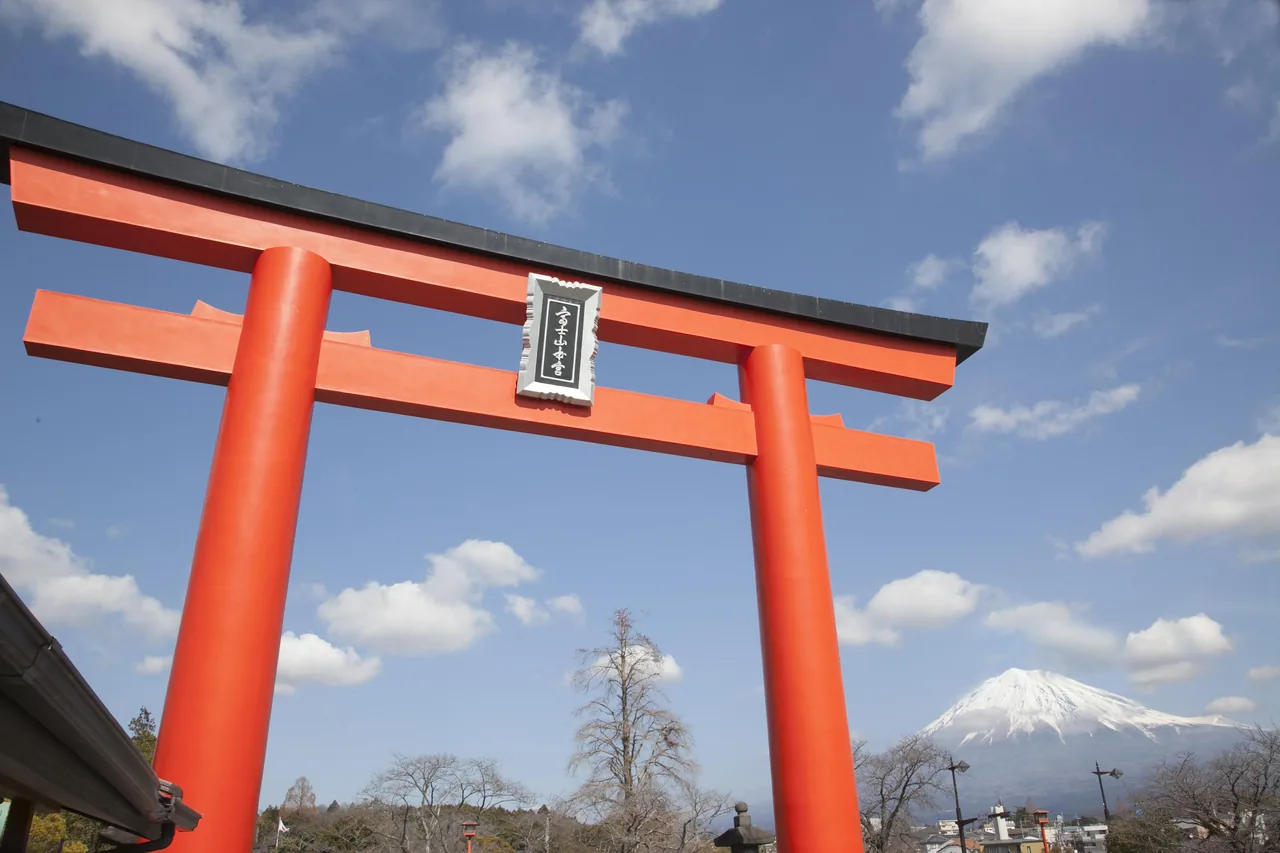
The main deity is Konohanasakuya-hime (Asama no Okami). According to the shrine, it began as a place to worship the mountain god to calm Fuji's eruptions and moved to its present site in 806. Through the two-story gate, the worship hall stands at the back of wide, gravel-covered grounds. The Yabusame Festival is held every year from May 4 to 6, and at the main festival on the 5th, archers on horseback perform Ogasawara-style yabusame on the shrine's cherry-lined riding ground. See Fujisan Hongu Sengen Taisha Shrine.
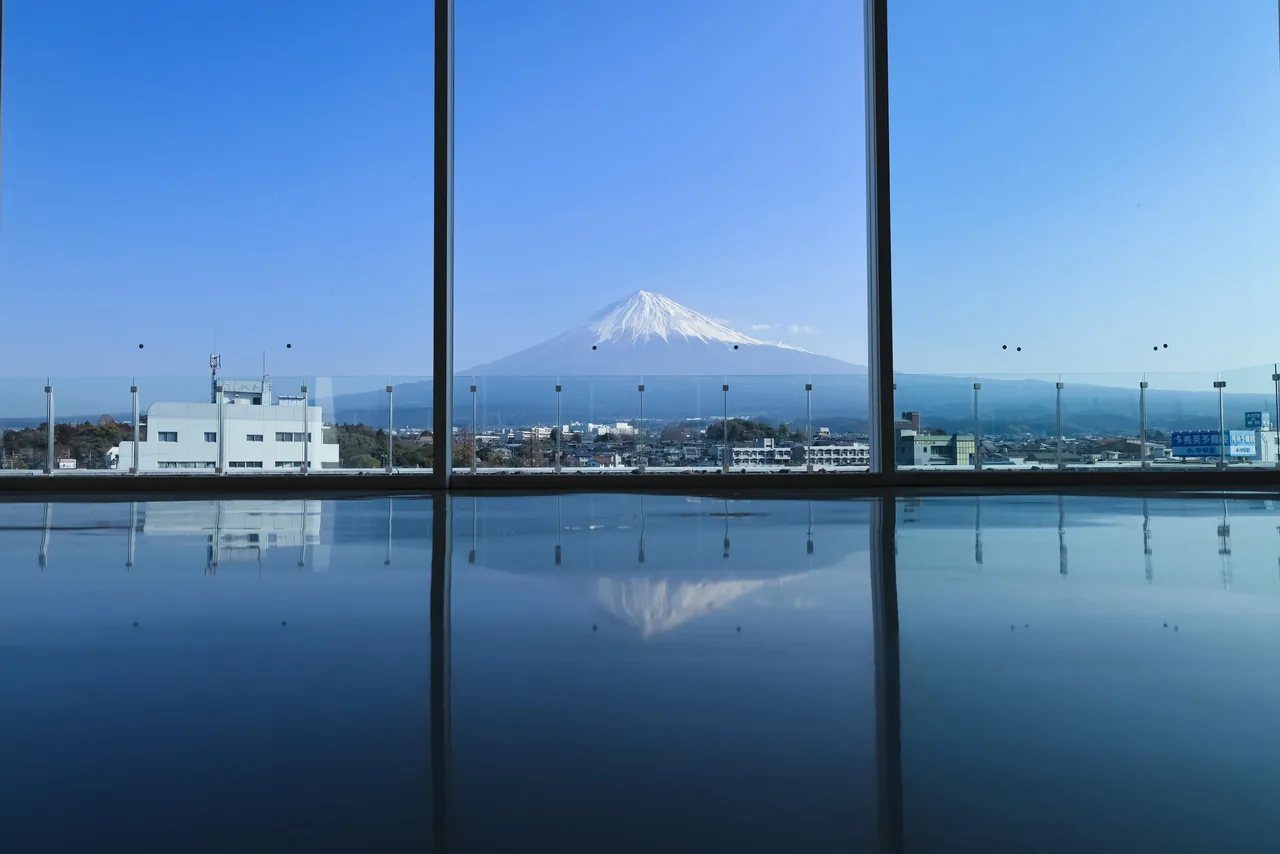
When the inverted-cone exhibition building, shaped like an upside-down Fuji, is reflected in the pool in front, the shape of Mt. Fuji appears on the water. Walk up the spiral ramp inside and the scenery projected on the walls changes from the foot of the mountain to the summit; in the top-floor viewing hall, a large window frames the real Mt. Fuji. It is a good choice on a rainy day. See Mt. Fuji World Heritage Centre, Shizuoka.
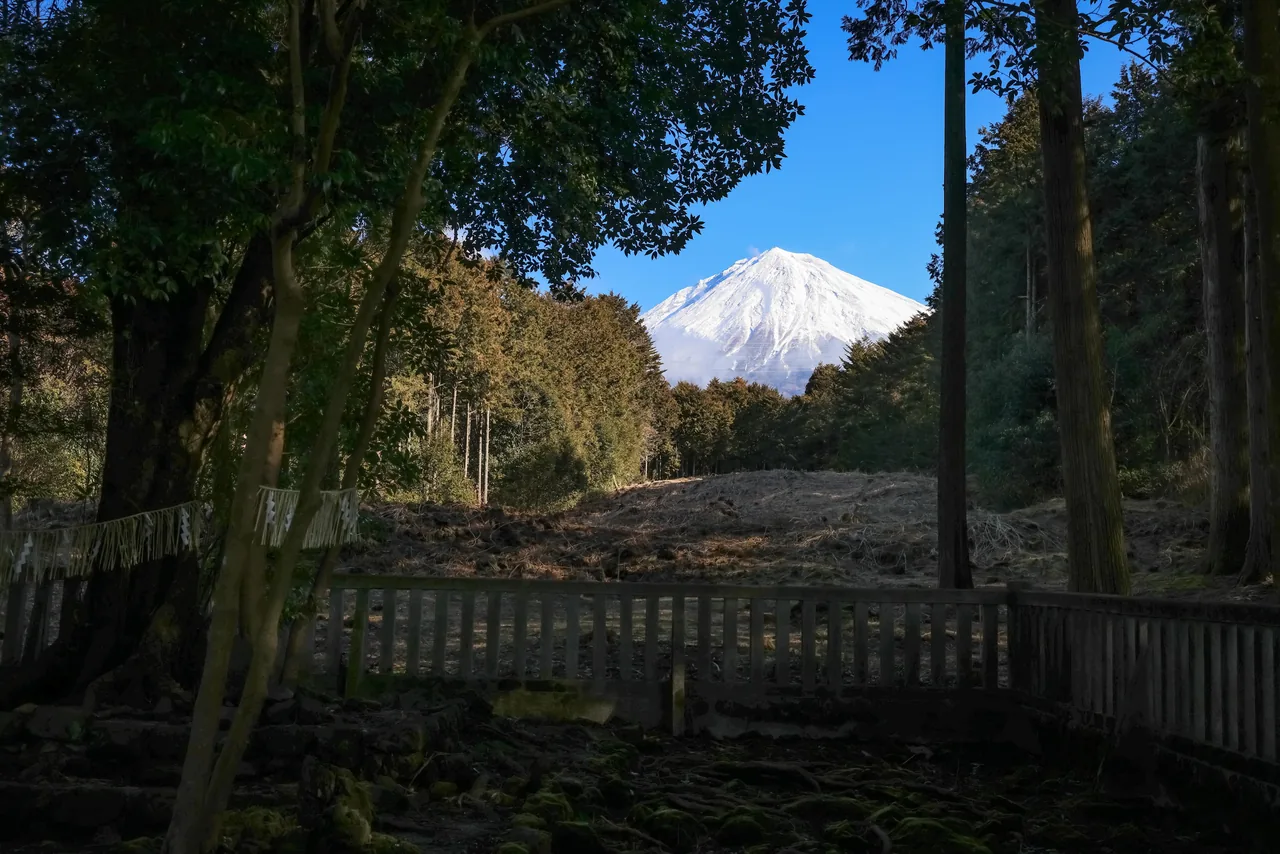
Where a main hall would normally be, there is a worship site enclosed by lava stone walls, from which people worship Mt. Fuji itself. It is thought to preserve an ancient way of worshipping the mountain and is part of the World Heritage Site. The information office opens from 10 am to 3 pm on weekends and holidays, when Mt. Fuji World Heritage guides can show you around. To protect the site, you cannot enter the fence around the worship area. See Yamamiya Sengen Shrine.
Fujinomiya's specialty is Fujinomiya yakisoba: firm steamed noodles from local noodle makers fried with nikukasu (crispy pork bits left after rendering lard) and finished with sardine powder. The restaurants cluster in the shrine's town, so many people eat it after visiting (see our Shizuoka food guide).
The shrine and the World Heritage Centre are within walking distance of each other, so with a yakisoba lunch in between, half a day is enough. Yamamiya Sengen Shrine is north of the city, so it fits best with Shiraito Falls on a day with a car. During the Yabusame Festival the area is crowded and parking can be impossible, so come by train or bus.
How to see Mt. Fuji as a World Heritage Site from the Shizuoka side is covered in our Mt. Fuji World Heritage in Shizuoka guide.