
Kanaya (Makinohara Plateau)
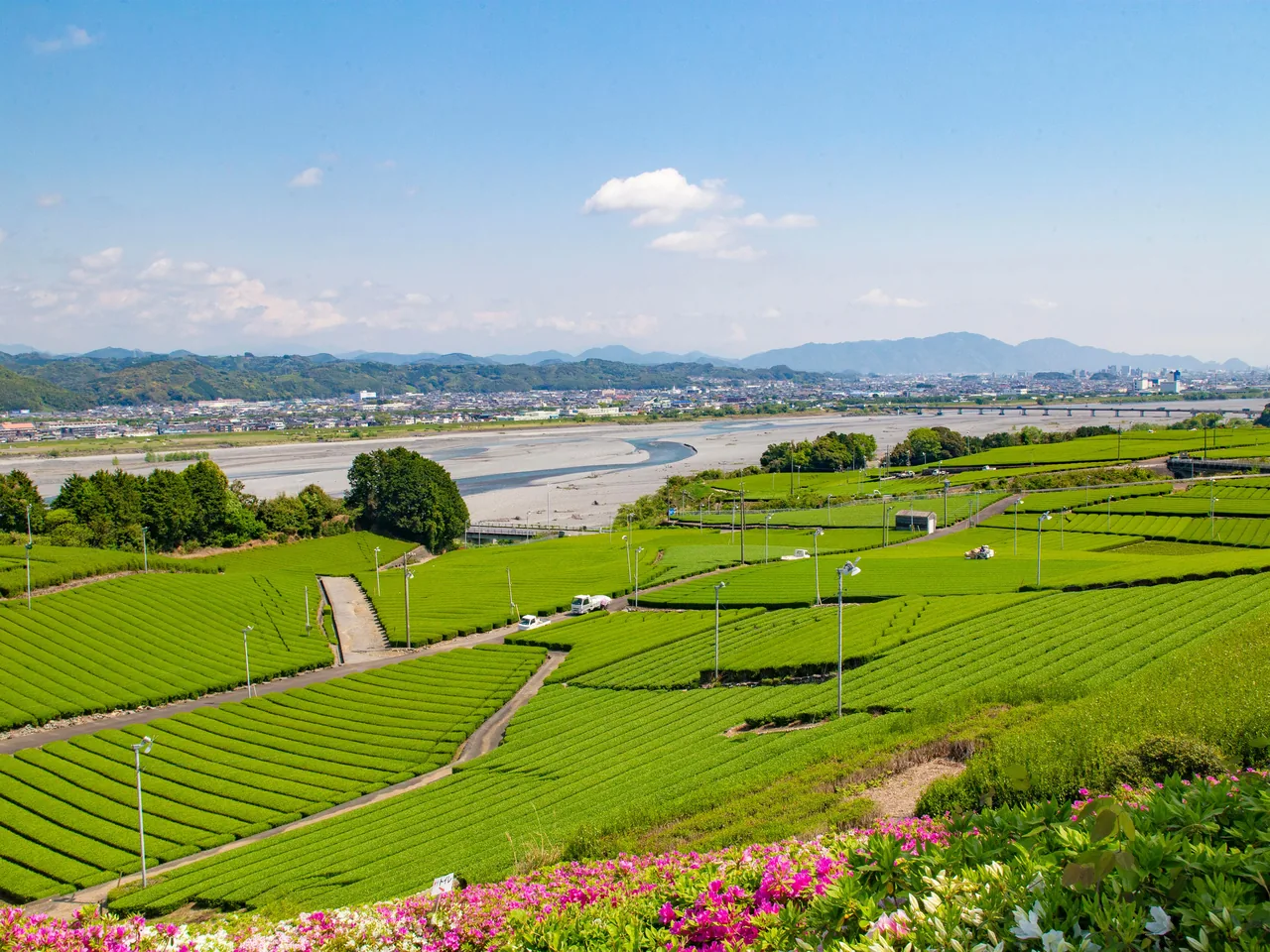
Photo: copyright© Shizuoka Prefectural Tourism Association.
Areas of Shizuoka
Kanaya (Makinohara Plateau)
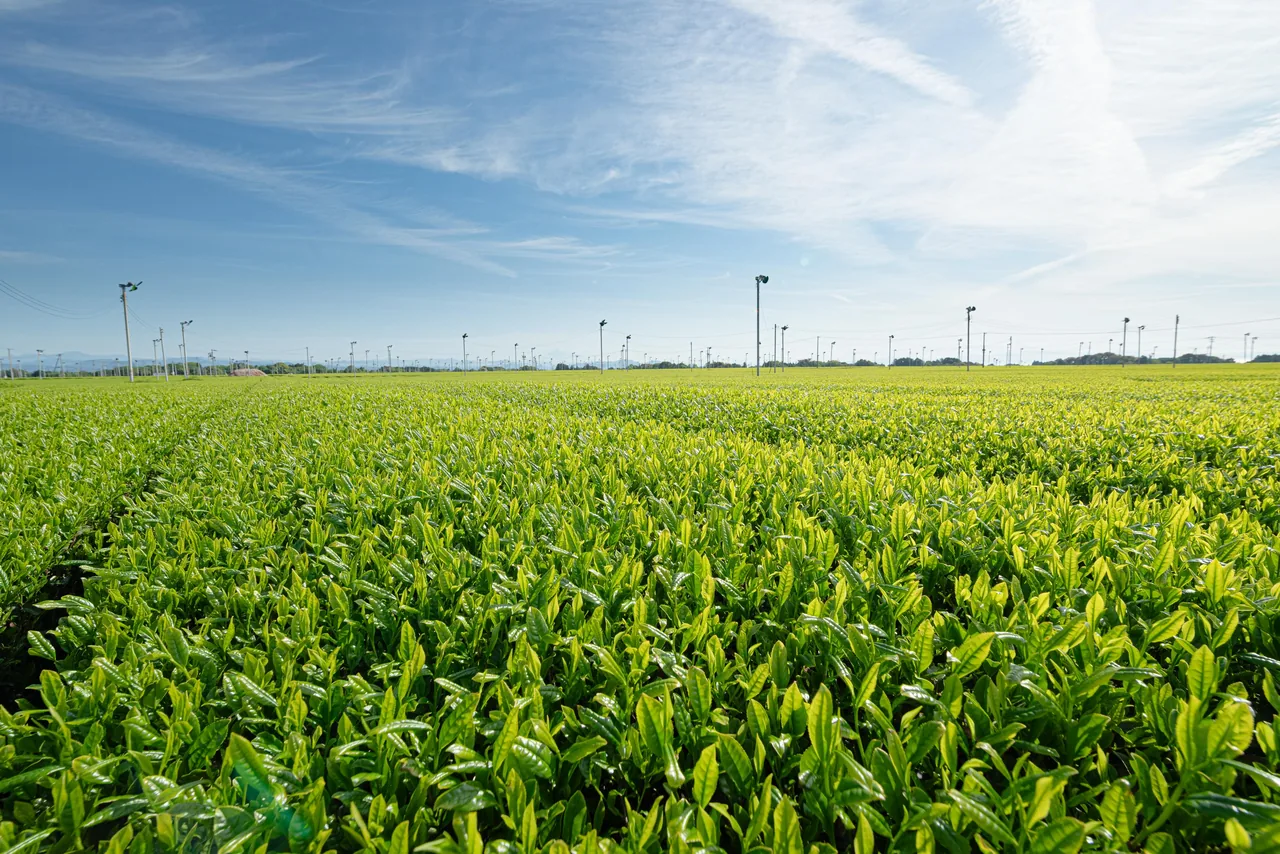
West of the Oi River, the Makinohara Plateau is covered in tea as far as you can see. Frost fans, the Oi River and Mt. Fuji from Makinohara Park, new tea and access.
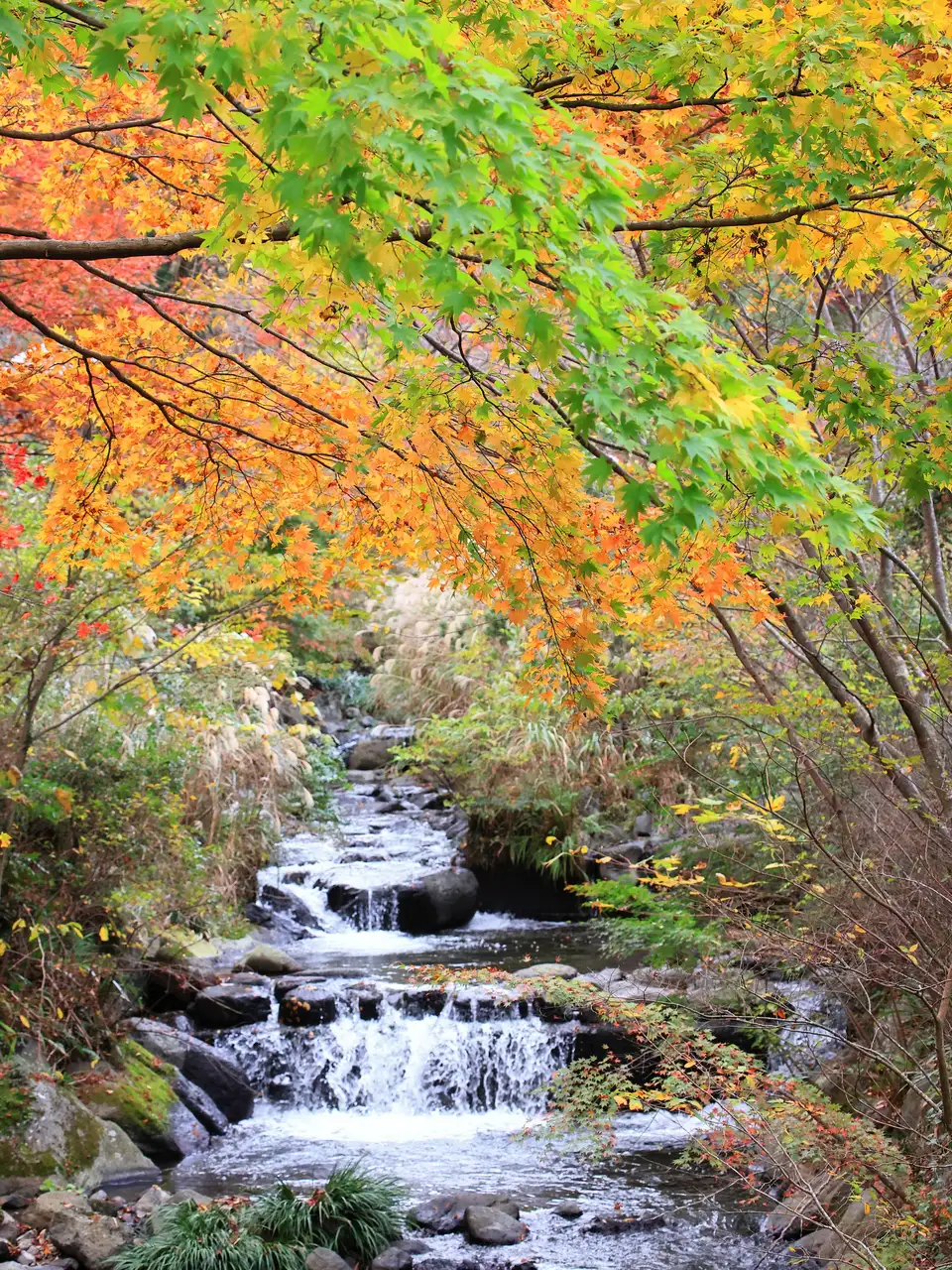 Nov 14 – Dec 6Atami Baien Autumn Leaves Festival (Momiji Matsuri)
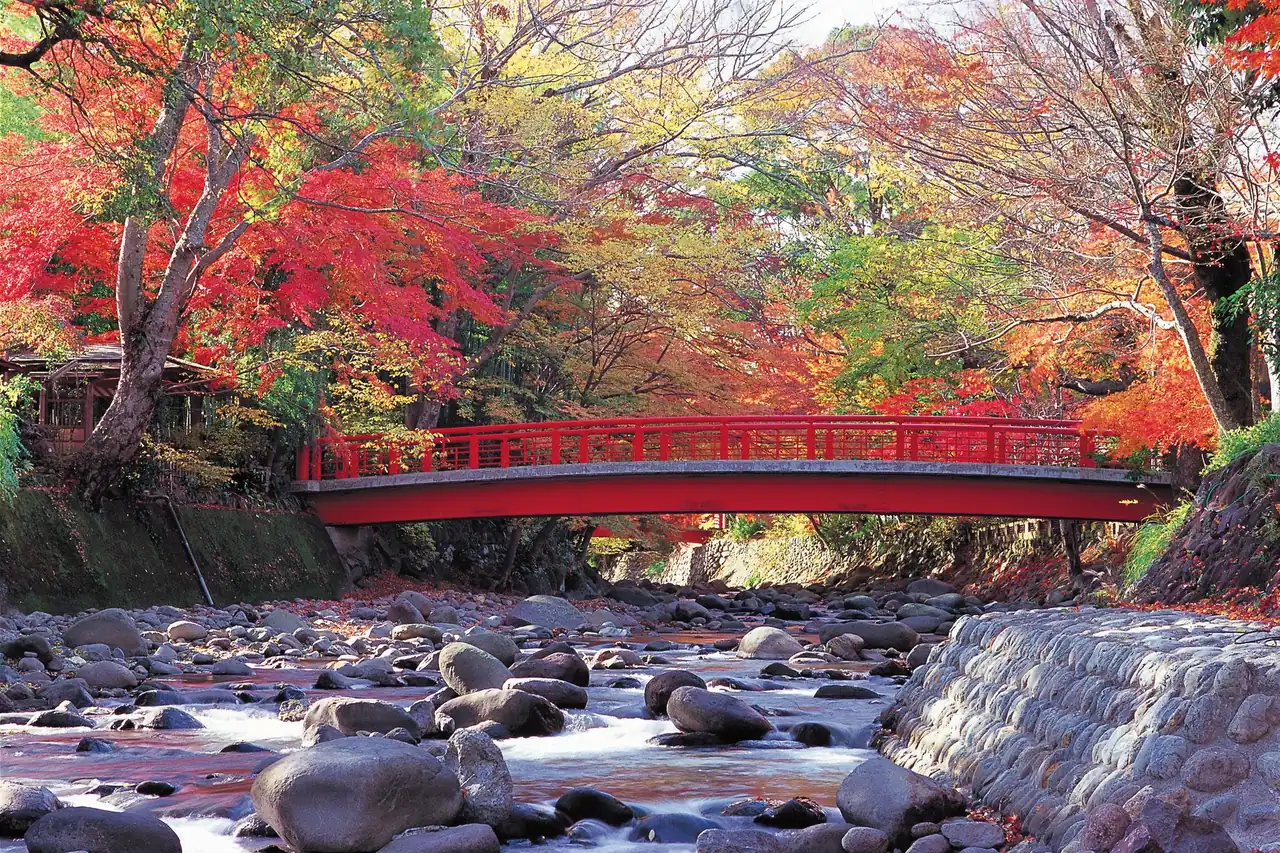 GuidesShizuoka Autumn Leaves: Mt. Fuji, Shuzenji, Sumatakyo and Temples
 GuidesStrawberry and Mikan Picking in Shizuoka: Kuno, Izu, Ito, Mikkabi
Find on the map
This page is translated from the Japanese edition. Read the Japanese edition
What is the area like?
West of Kanaya Station on the JR Tokaido Line and Oigawa Railway, the Makinohara Plateau above the Oi River is one of Japan's great tea areas, with tea fields as far as the eye can see. The great plantation is said to have begun in the early Meiji era, when samurai of the former shogunate who had lost their posts came to clear the plateau.
Frost fans stand above the fields to protect the new shoots from frost. In the new-tea season of spring, the fields turn bright yellow-green. Up on the plateau in Makinohara City, Makinohara (Hagima) offers tea picking, and upstream along the Oi River is Kawane.
Main sights
Makinohara Tea Plantation
The plateau top is flat, and rows of tea run straight into the distance. The fans on top of poles all over the fields are frost fans: on cold early-spring nights they push warmer air from above down onto the tea bushes to save the new shoots from frost. On clear days, Mt. Fuji appears beyond the tea. See Makinohara Park and the Makinohara Tea Plantation.
Makinohara Park
A park on the eastern edge of the plateau with a statue of the Zen priest Eisai, said to have spread tea in Japan, looking down on the Oi River and Shimada's townscape, with Mt. Fuji beyond on clear days. A statue of Chujo Kageaki, who led the clearing of the land, stands in another park nearby.
Food and shopping
In central and western Shizuoka, including Makinohara and Kakegawa, much of the tea is fukamushi-cha, steamed longer to soften its bitterness. You can choose tea from different areas at farm shops near the fields or souvenir shops at stations (see our Shizuoka green tea guide).
Getting there
- Car: Driving up onto the plateau from Kanaya Station on the JR Tokaido Line and Oigawa Railway is the easiest way.
Getting around the area
The tea fields spread across the plateau far from the station and buses are few, so a car makes things easier. Mt. Fuji is often clearest in the morning, and in the new-tea season you can see the bright green fields with snow still on Fuji.
The fields belong to farmers, so do not walk between the rows; view them from roads or parks. In the new-tea season many farm vehicles use the lanes, so do not park on the road.
Sights in Kanaya (Makinohara Plateau)
Shizuoka guides
See all
More areas of Shizuoka
- Atami
- Hatsushima
- Ito & Izu-Kogen
- Atagawa & Inatori
- Kawazu
- Shimoda
- Cape Irozaki
- Matsuzaki & Kumomi
- Nishiizu (Dogashima & Koganezaki)
- Shuzenji
- Amagi-Yugashima
- Izu-Nagaoka & Nirayama
- Mishima
- Western Hakone (Mishima Skywalk & Yamanaka Castle)
- Numazu Port
- Cape Osezaki
- Gotemba
- Oyama (Takenoshita)
- Susono
- Southern Slopes of Mt. Fuji (Mizugatsuka & Nishiusuzuka)
- Fujinomiya
- Shiraito Falls & Lake Tanuki
- Asagiri Highlands
- Fuji City
- Tagonoura
- Obuchi Sasaba
- Kanbara
- Yui & Satta Pass
- Shimizu & Miho
- Nihondaira & Kunozan
- Central Shizuoka City
- Utsunoya
- Yaizu
- Okabe (Gyokuro no Sato)
- Kawane
- Sumatakyo Gorge
- Okuoi-Kojo Station
- Sagara
- Makinohara (Hagima)
- Omaezaki
- Kakegawa
- Higashiyama & Nissaka
- Daito & Osuka (Takatenjin & Yokosuka Castles)
- Fukuroi (Kasuisai & Yusanji)
- Hattasan
- Mori
- Iwata
- Hamamatsu
- Tenryu-Futamata
- Okuhamanako (Hokoji & Ryugashido Cave)
- Bentenjima & Arai