
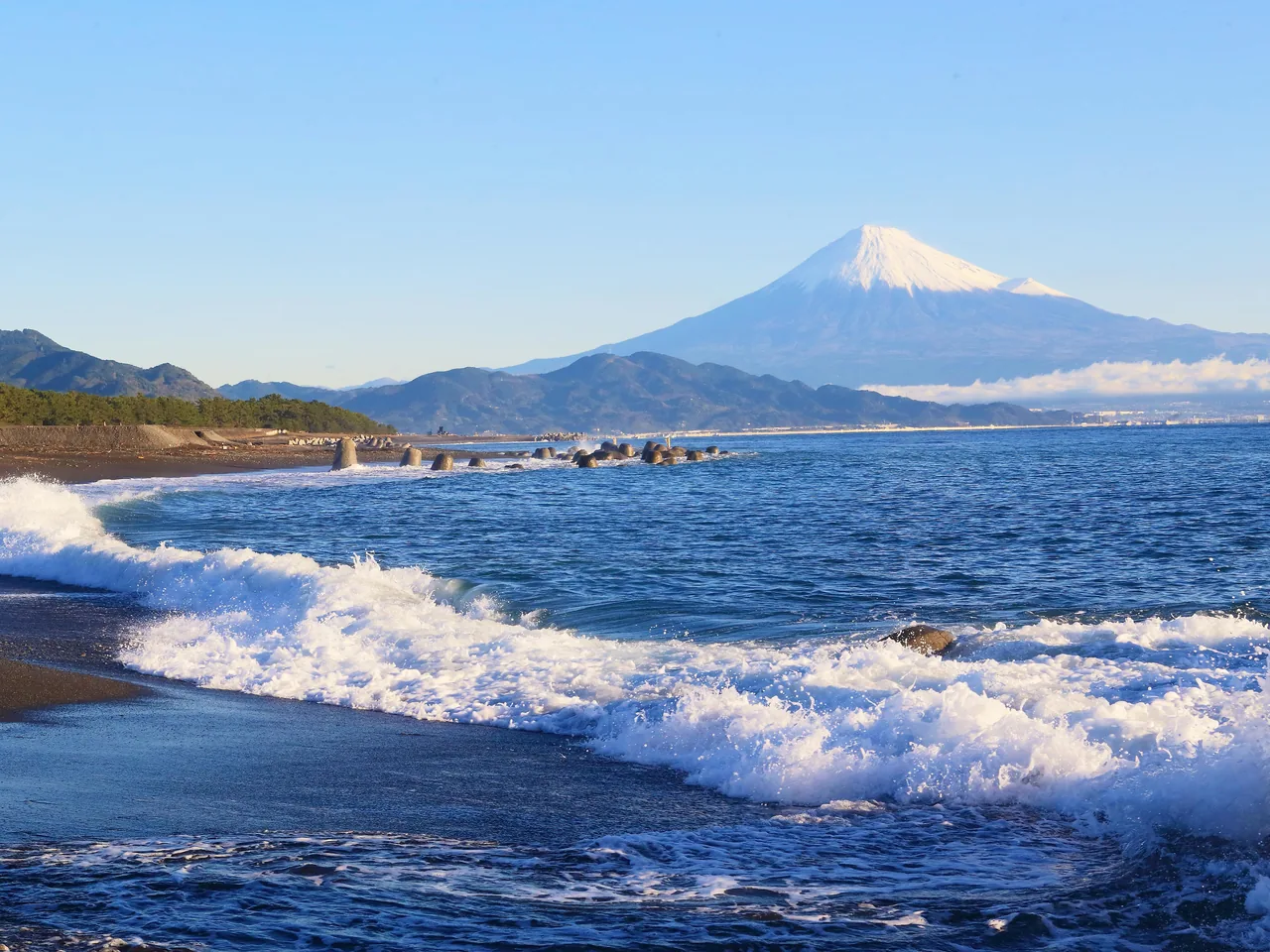
Shimizu & Miho
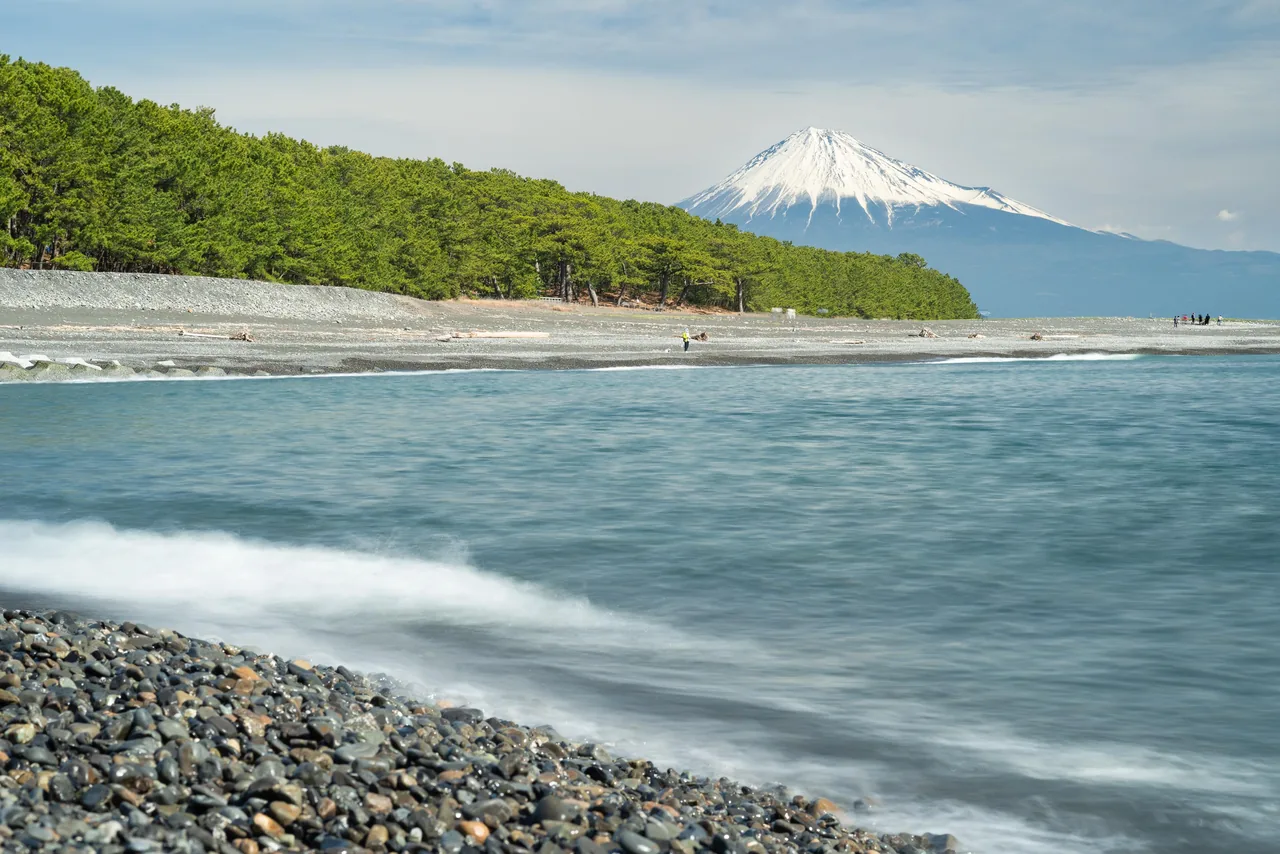
Photo: copyright© Shizuoka Prefectural Tourism Association.
Areas of Shizuoka
Shimizu & Miho
Shimizu and Miho: the World Heritage pine beach of Miho no Matsubara and its Path of the Gods, Shimizu Port with Mt. Fuji, Seikenji Temple at Okitsu, tuna and buses.
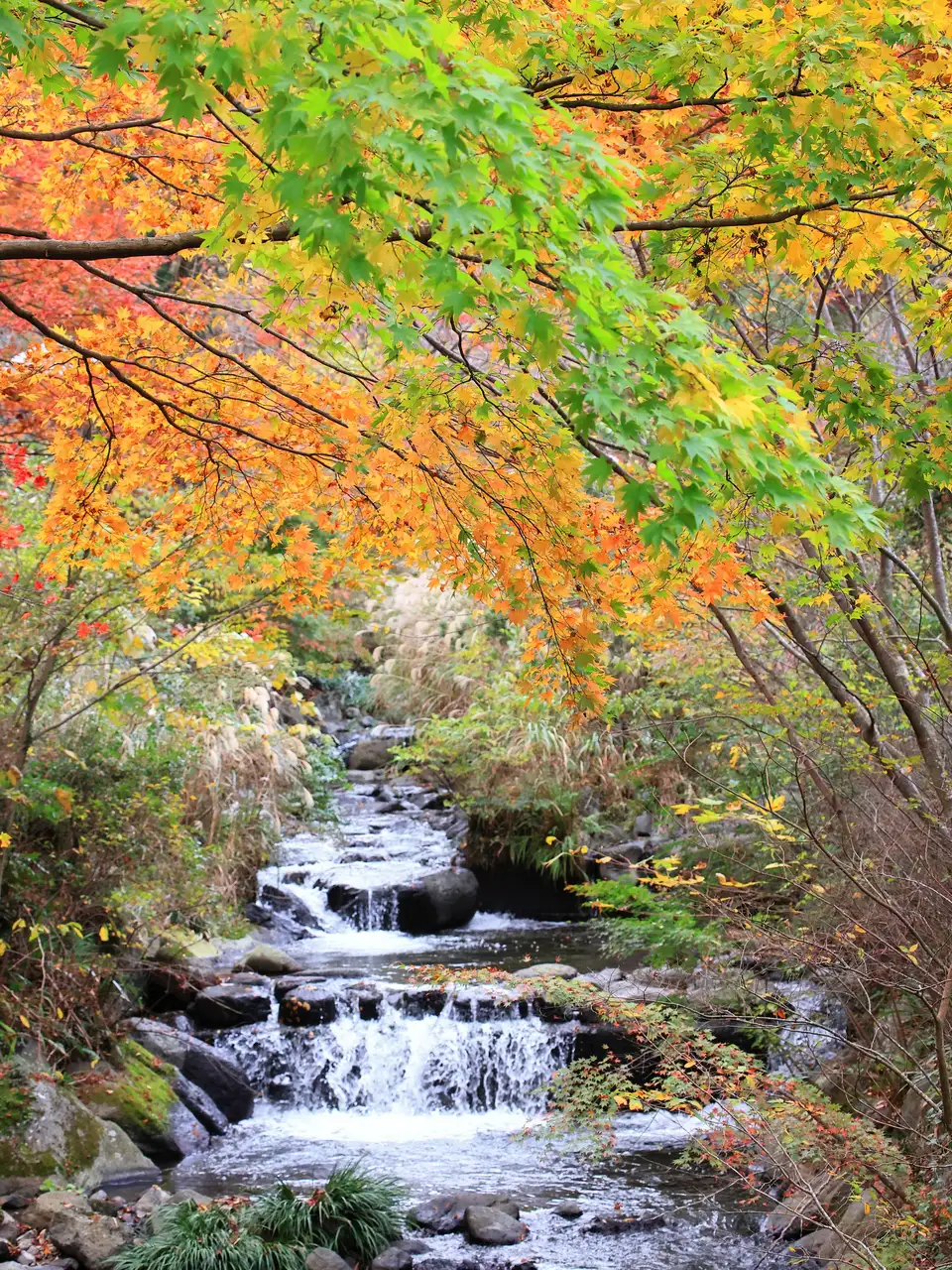 Nov 14 – Dec 6Atami Baien Autumn Leaves Festival (Momiji Matsuri)
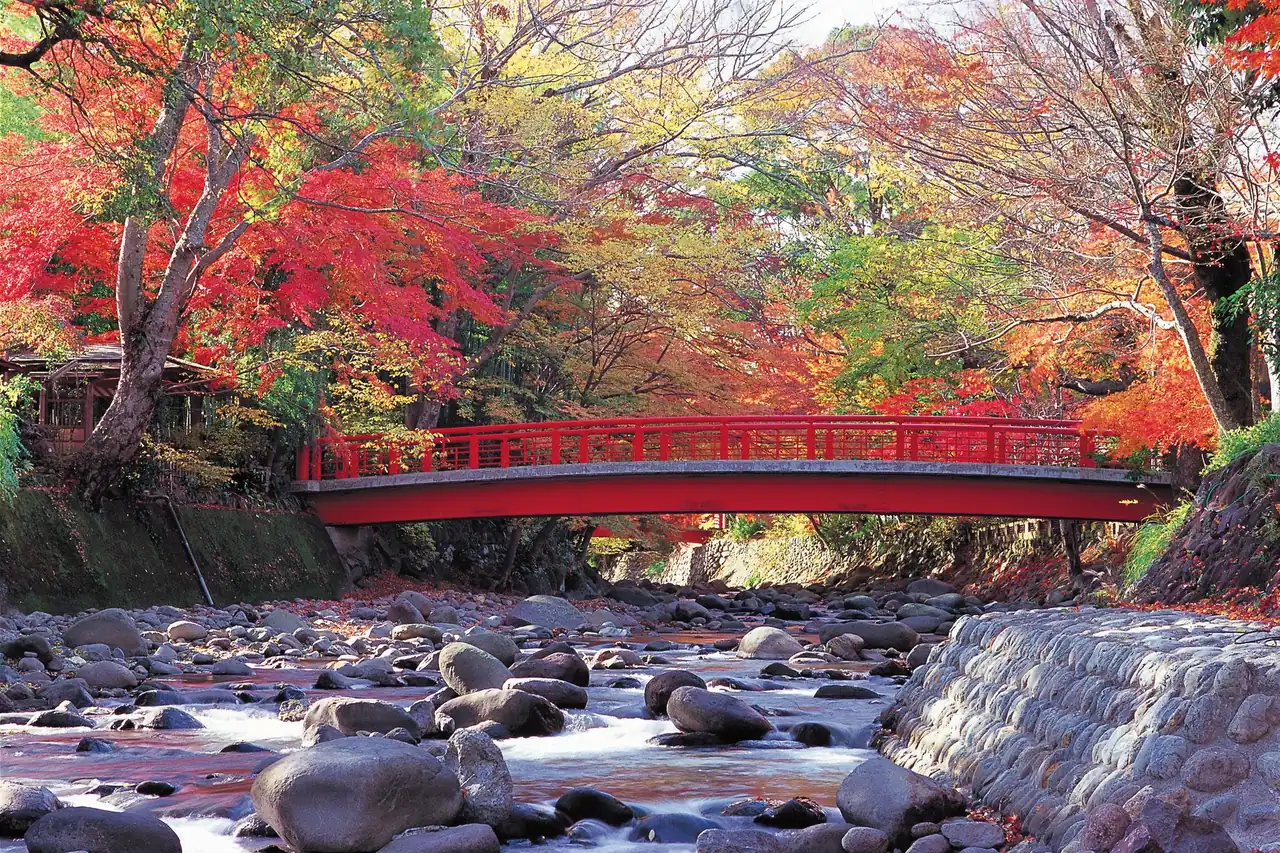 GuidesShizuoka Autumn Leaves: Mt. Fuji, Shuzenji, Sumatakyo and Temples
 GuidesStrawberry and Mikan Picking in Shizuoka: Kuno, Izu, Ito, Mikkabi
Find on the map
This page is translated from the Japanese edition. Read the Japanese edition
What is the area like?
Shimizu Ward in Shizuoka City is the town of Shimizu Port, sheltered by the Miho Peninsula at the head of Suruga Bay. Along the peninsula's shore, the pine forest of Miho no Matsubara is famous for its view of Mt. Fuji beyond the pines. Although it is about 45 km southwest of the summit, it was added to the Mt. Fuji World Heritage Site in 2013.
At Okitsu, east of the port, the old temple of Seikenji stands in a post town of the old Tokaido. Cross the pass to the east for Yui & Satta Pass, and up on the hill to the southwest is Nihondaira & Kunozan.
Main sights
Miho no Matsubara
The setting for the legend of a celestial maiden who hung her feathered robe on a pine. The legendary Hagoromo Pine, the Path of the Gods (a 500 m avenue of pines leading to Miho Shrine) and the Mihoshirube visitor center are all close together. The Path of the Gods is a boardwalk so as not to damage the pine roots. The beach is mostly round pebbles and the waves can get high, so do not go too close to the water's edge. Walking the pine forest is free and open at all hours. See Miho no Matsubara.
Shimizu Port
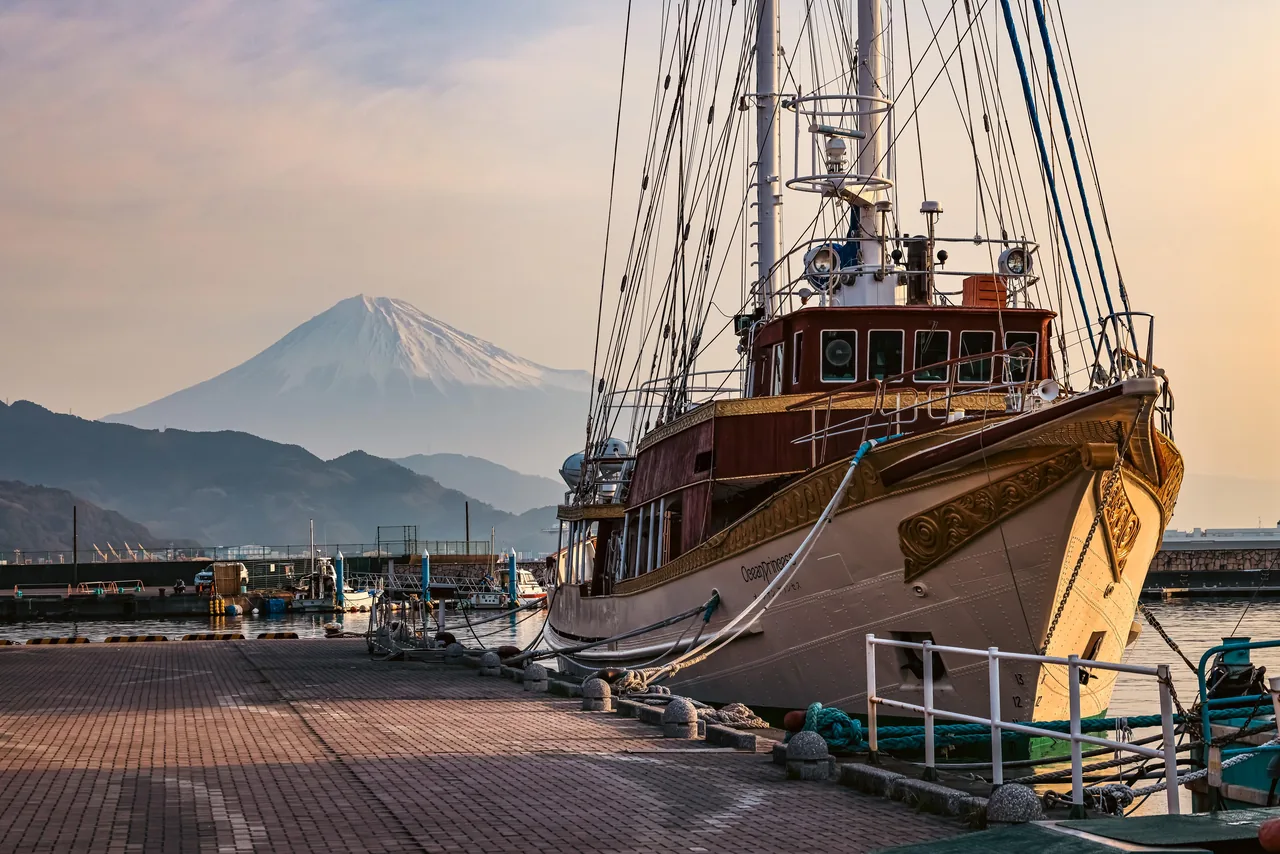
Around the port are Shimizu Marine Park with its seaside boardwalk, the S-Pulse Dream Plaza shopping complex and the Verkehr Museum (Shimizu Port Museum) on the history of the port and ships, with Mt. Fuji visible across the quays. When a sailing ship is in, Fuji appears beyond its masts. See Shimizu Port.
Seikenji Temple
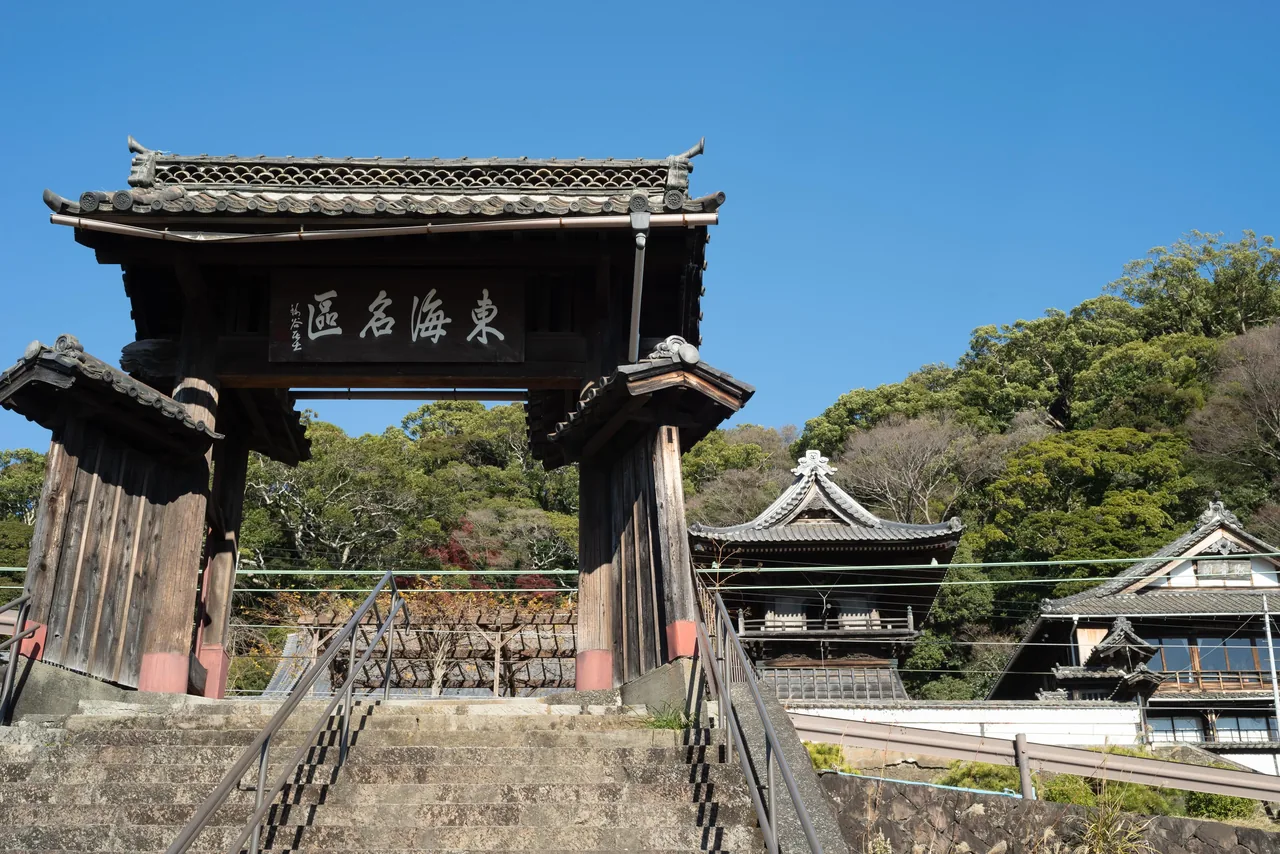
An old Rinzai Zen temple in Okitsu-juku on the old Tokaido; in the Edo period, Korean diplomatic missions (Chosen Tsushinshi) used it as lodging and a resting place. Its grounds were designated a Historic Site of Japan in 1994. The garden of the study hall, whose rocks and trees Tokugawa Ieyasu is said to have helped arrange, is a Place of Scenic Beauty, and there is also the Garyubai plum said to have been planted by Ieyasu and 500 statues of rakan (Buddhist saints). See Seikenji Temple.
Food and shopping
Shimizu Port is known for landing tuna and bonito. Sushi and seafood bowl restaurants cluster around it, serving local fish from Suruga Bay alongside deep-sea tuna (see our Shizuoka food guide).
Getting there
- To Miho no Matsubara: From JR Shimizu Station, take the Shizutetsu Justline Miho Yamanote Line bus (about 25 minutes) to Miho-no-Matsubara Iriguchi and walk about 15 minutes. On weekends and holidays, some buses go on to the Sekai Isan Miho-no-Matsubara stop near the Hagoromo Pine (about 5 minutes' walk).
- To Shimizu Port: The nearest station is Shimizu on the JR Tokaido Line. For the Verkehr Museum, take a bus to the Hatoba Verkehr Hakubutsukan stop.
- To Seikenji: About 10 minutes on foot from Okitsu Station on the JR Tokaido Line.
Getting around the area
The usual way to see Miho no Matsubara is to walk from the Hagoromo Pine along the Path of the Gods to Miho Shrine and back. Stopping at Mihoshirube before you go to the beach changes how you see the pines. Mt. Fuji is clearest on fine days from autumn to spring.
Seikenji is walkable from Okitsu Station, so it fits at the start or end of a day walking Satta Pass. Miho no Matsubara also appears in our Mt. Fuji World Heritage in Shizuoka guide.
Sights in Shimizu & Miho
Where to eat in Shimizu & Miho


Restaurant information: Powered by ホットペッパー グルメ Webサービス
Shizuoka guides
See all
More areas of Shizuoka
- Atami
- Hatsushima
- Ito & Izu-Kogen
- Atagawa & Inatori
- Kawazu
- Shimoda
- Cape Irozaki
- Matsuzaki & Kumomi
- Nishiizu (Dogashima & Koganezaki)
- Shuzenji
- Amagi-Yugashima
- Izu-Nagaoka & Nirayama
- Mishima
- Western Hakone (Mishima Skywalk & Yamanaka Castle)
- Numazu Port
- Cape Osezaki
- Gotemba
- Oyama (Takenoshita)
- Susono
- Southern Slopes of Mt. Fuji (Mizugatsuka & Nishiusuzuka)
- Fujinomiya
- Shiraito Falls & Lake Tanuki
- Asagiri Highlands
- Fuji City
- Tagonoura
- Obuchi Sasaba
- Kanbara
- Yui & Satta Pass
- Nihondaira & Kunozan
- Central Shizuoka City
- Utsunoya
- Yaizu
- Okabe (Gyokuro no Sato)
- Kawane
- Sumatakyo Gorge
- Okuoi-Kojo Station
- Kanaya (Makinohara Plateau)
- Sagara
- Makinohara (Hagima)
- Omaezaki
- Kakegawa
- Higashiyama & Nissaka
- Daito & Osuka (Takatenjin & Yokosuka Castles)
- Fukuroi (Kasuisai & Yusanji)
- Hattasan
- Mori
- Iwata
- Hamamatsu
- Tenryu-Futamata
- Okuhamanako (Hokoji & Ryugashido Cave)
- Bentenjima & Arai