
Numata
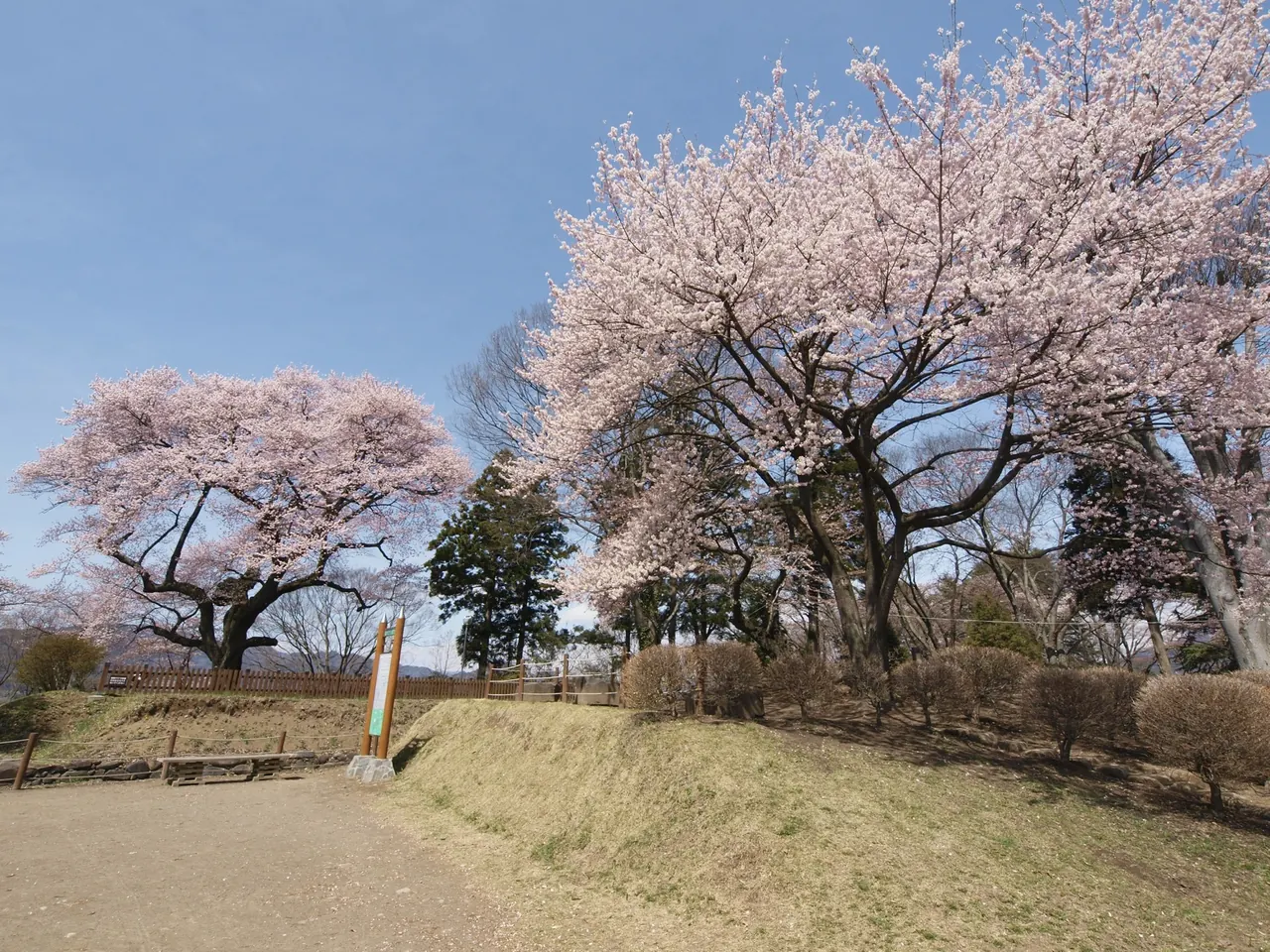
Photo: https://gunma-kanko.jp/
Areas of Gunma
Numata
Numata, a castle town of the Sanada clan built on river terraces: Numata Park (castle ruins), the Numata Festival in August, Showa's lettuce fields and apple picking.
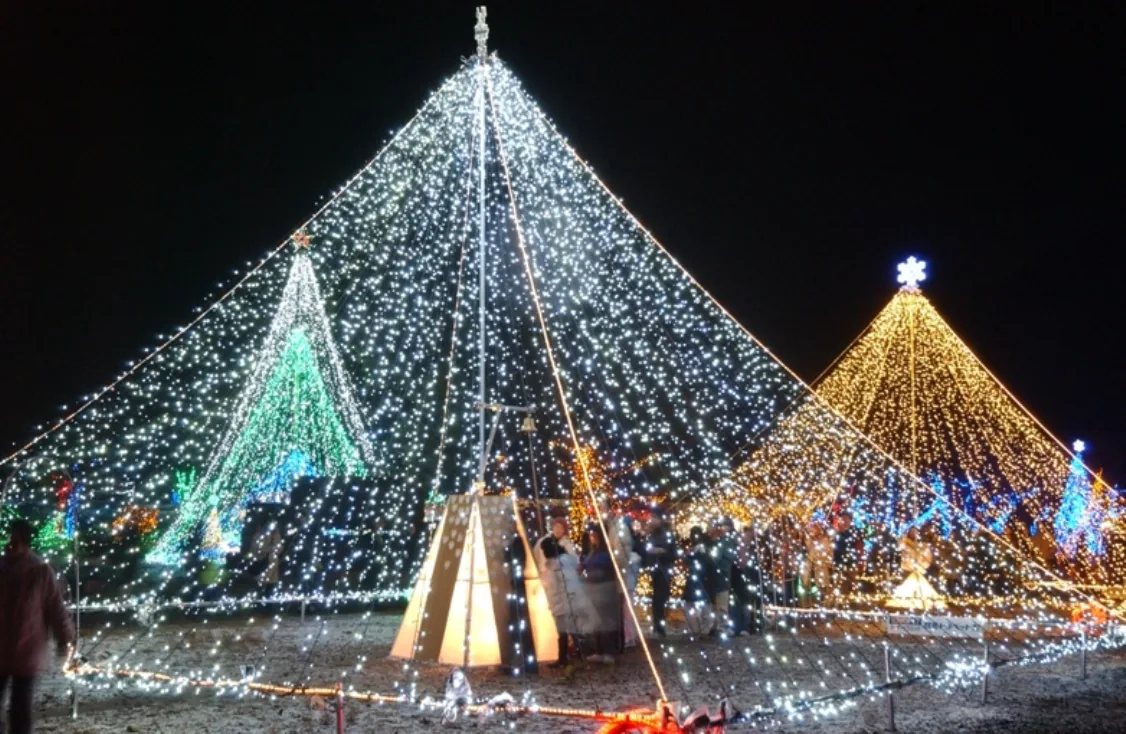 Dec 19 – Dec 26Lake Haruna Fireworks & Illumination Winter Fes
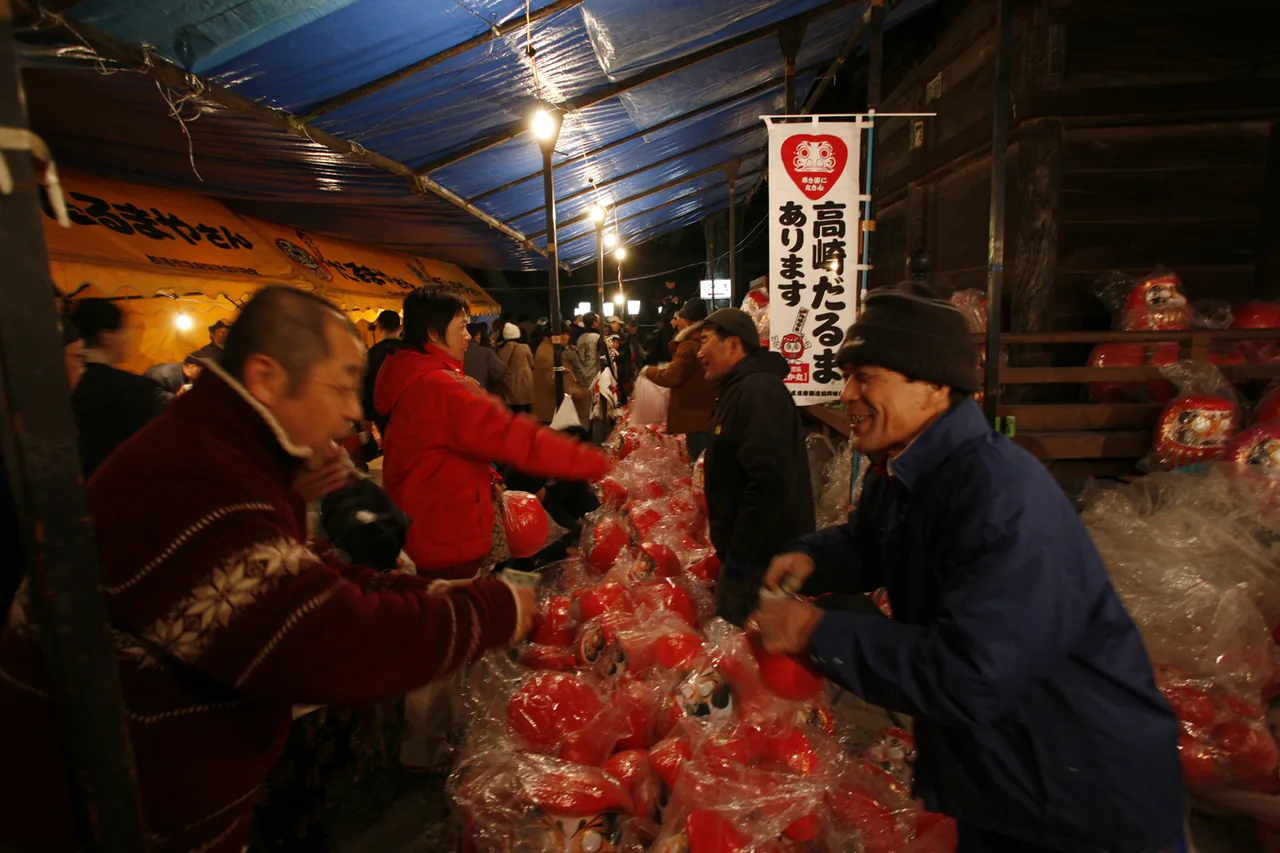 Jan 6 – Jan 7Shorinzan Daruma Market (Nanakusa Festival)
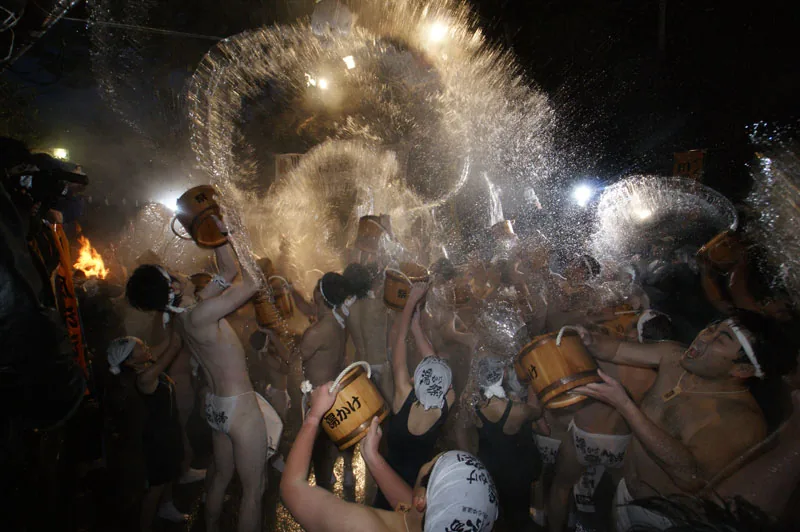 Jan 20Kawarayu Onsen Yukake Festival
Find on the map
This page is translated from the Japanese edition. Read the Japanese edition
What is the area like?
Leave Numata Station on the JR Joetsu Line and head for the town centre, and the road starts climbing almost at once. Central Numata sits on high ground atop river terraces carved by the Tone, Katashina and other rivers, while the station lies at the bottom.
At the edge of the high ground are the remains of Numata Castle, fought over by the Uesugi, Hojo and Takeda clans in the Warring States period and later ruled by the Sanada. To the east, in the village of Showa, fields of lettuce and other crops spread across stepped land on the northern foot of Mount Akagi. Buses to Oze and Oigami Onsen leave from Numata Station, so the town is also a stop on the way into Gunma's northern mountains.
Main sights
Numata Park (Numata Castle Ruins)
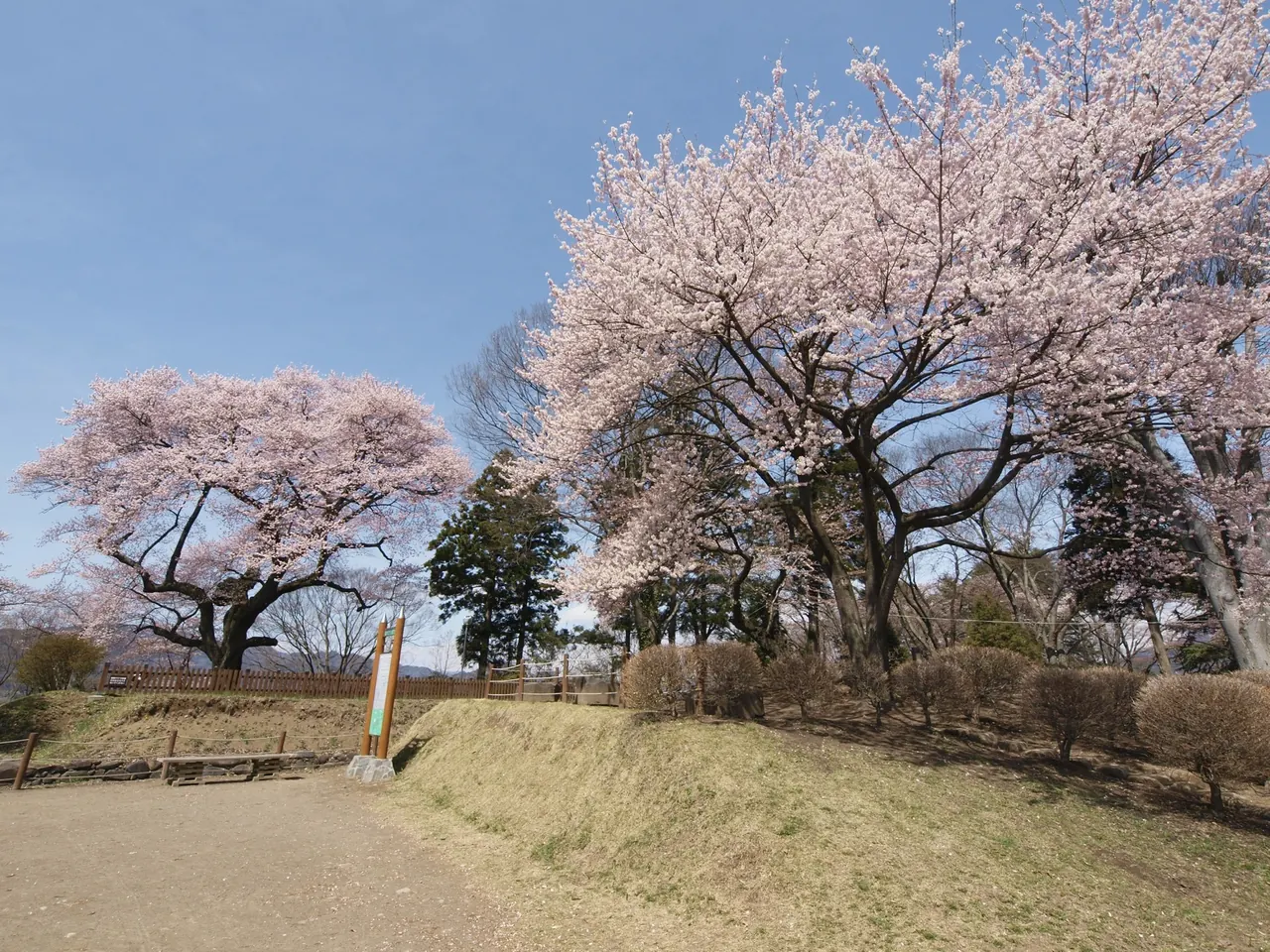
A park on the high ground where Numata Castle once stood, with part of its stone walls and a restored bell tower. Stories of Sanada Nobuyuki and his wife Komatsuhime live on here, and signs explain the castle's history. In spring the park's cherry trees bloom all at once, the great old trees being the highlight. From the edge of the park you can look out over the fields below the terraces and the mountains beyond. See Numata Park (Numata Castle Ruins) for details.
Numata Festival (usually August)
A summer festival held in the town centre for three days in early August. In 2026 it ran from 3 to 5 August, and in 2027 it is planned for 6 to 8 August. The highlight is the Great Tengu Mikoshi, a portable shrine made from a huge tengu mask, carried through the streets by about 300 women. The mask, normally displayed at Tengu Plaza in the town centre, is 4.3 m long with a 2.9 m nose. At night, each neighbourhood's floats and mikoshi pass through the lantern-lit streets to the sound of drums and festival music. See Numata Festival for details.
Showa Village river terraces and lettuce fields
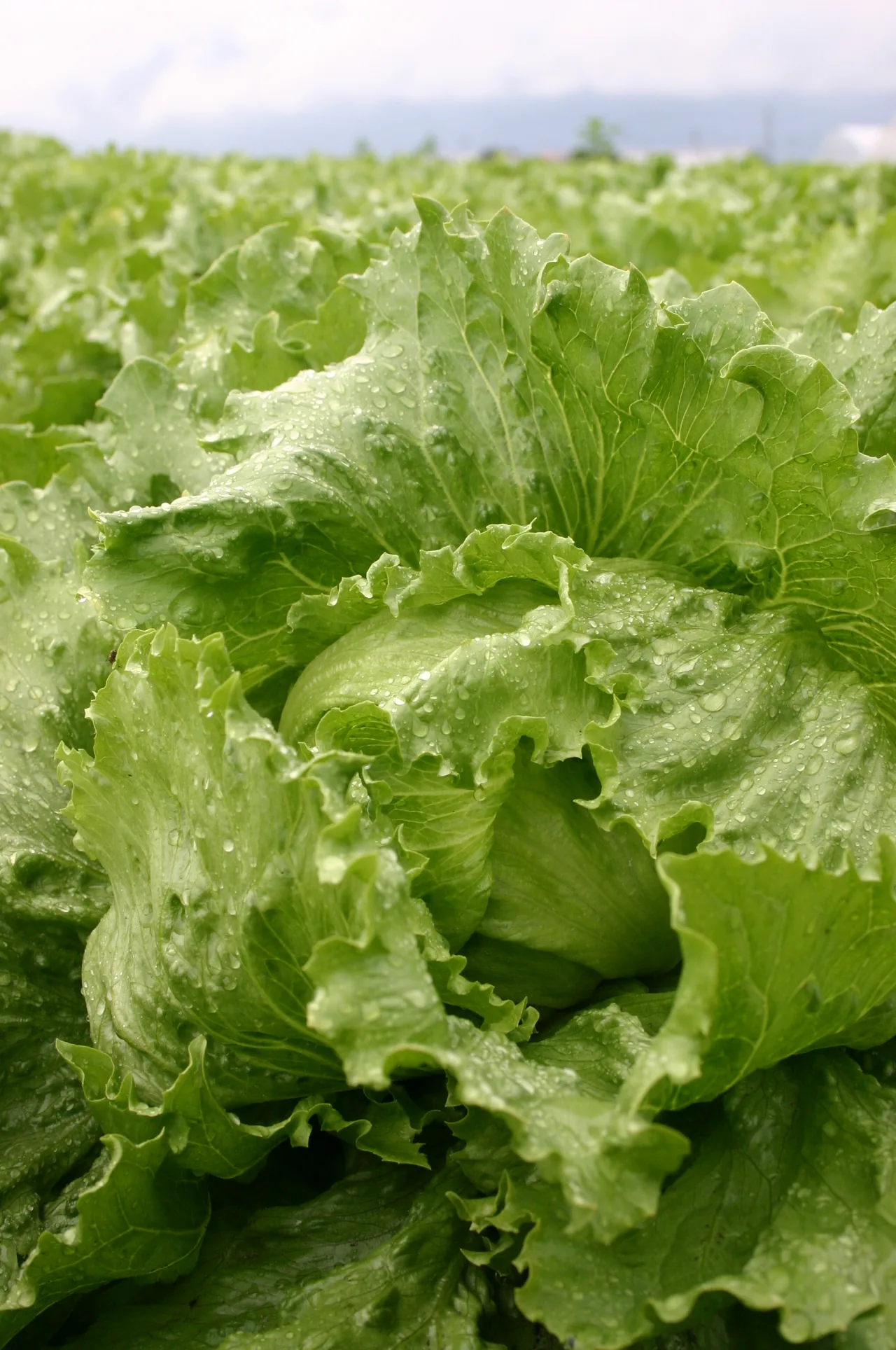
Showa, on the northern foot of Mount Akagi, is a farming village where fields run across gently sloping terraces at around 500 to 800 m above sea level. The big difference between day and night temperatures makes it a producer of highland vegetables such as lettuce and spinach, and it grows more konjac potatoes than anywhere else in Japan. In 2009 it joined "The Most Beautiful Villages in Japan" association. Lettuce is harvested early in the morning, before the sun gets strong. The fields are farmers' workplaces, so look from the road and other spots outside them. See Showa Village River Terraces and Lettuce Fields for details.
Food and shopping
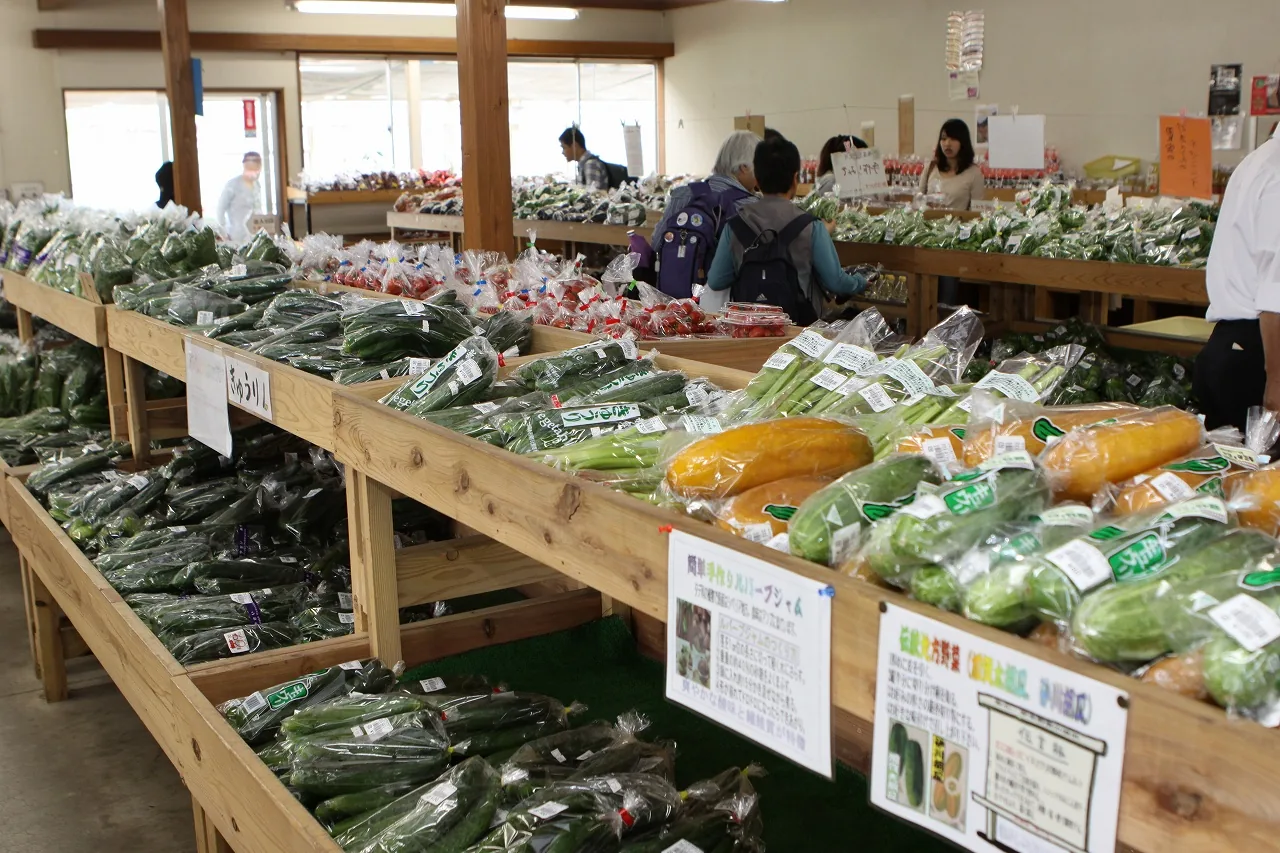
Right by the Showa interchange on the Kan-etsu Expressway, Agurimu Showa roadside station has a farm shop, Shunsaikan, selling seasonal vegetables grown in Showa. Apple orchards open to visitors are dotted around Numata, and autumn is apple-picking season. According to Numata City, the orchards in the Shirasawa district open from early September to late November. Check the list of orchards on the Numata Tourism Association's fruit page. You can find places to eat in the list further down this page.
Getting there
- To Numata Station: from Tokyo, take the Joetsu Shinkansen to Takasaki Station and change to the JR Joetsu Line.
- To Numata Park: buses run from Numata Station into the town centre. On foot, it is uphill all the way.
- To Showa Village: the fields spread around the Showa interchange on the Kan-etsu Expressway, so a car is the easiest way to visit.
During the Numata Festival there are traffic restrictions in the town centre. Check dates and any cancellations or changes on the Numata City official website.
Getting around the area
By train, take the bus from Numata Station up to the town centre, see the castle ruins and terrace views in Numata Park, and then walk around town. Showa's fields, the roadside station and the orchards on the outskirts are far from the station, so they are easier with a car. Head east from Numata and you reach Oigami Onsen & Fukiware Falls in the Katashina River gorge, and beyond that Oze & Katashina. Kawaba, to the north, is also a short drive away.
Sights in Numata
Gunma guides
See all


More areas of Gunma
- Kusatsu Onsen
- Ikaho Onsen
- Shima Onsen
- Nakanojo & Sawatari Onsen
- Kuni & Lake Nozori
- Takayama Village
- Minakami & Mount Tanigawa
- Tsukiyono & Takumi no Sato
- Sarugakyo & Hoshi Onsen
- Fujiwara & Naramata
- Takasaki
- Maebashi
- Tomioka
- Mount Akagi
- Mount Haruna & Lake Haruna
- Tambara Plateau
- Kawaba
- Oigami Onsen & Fukiware Falls
- Oze & Katashina
- Katashina & Mount Hotaka
- Marunuma & Suganuma
- Agatsuma Gorge & Kawarayu
- Tsumagoi & Mount Asama
- Usui Pass & Yokokawa
- Mount Myogi
- Kiryu
- Ota
- Tatebayashi