
Kawaba
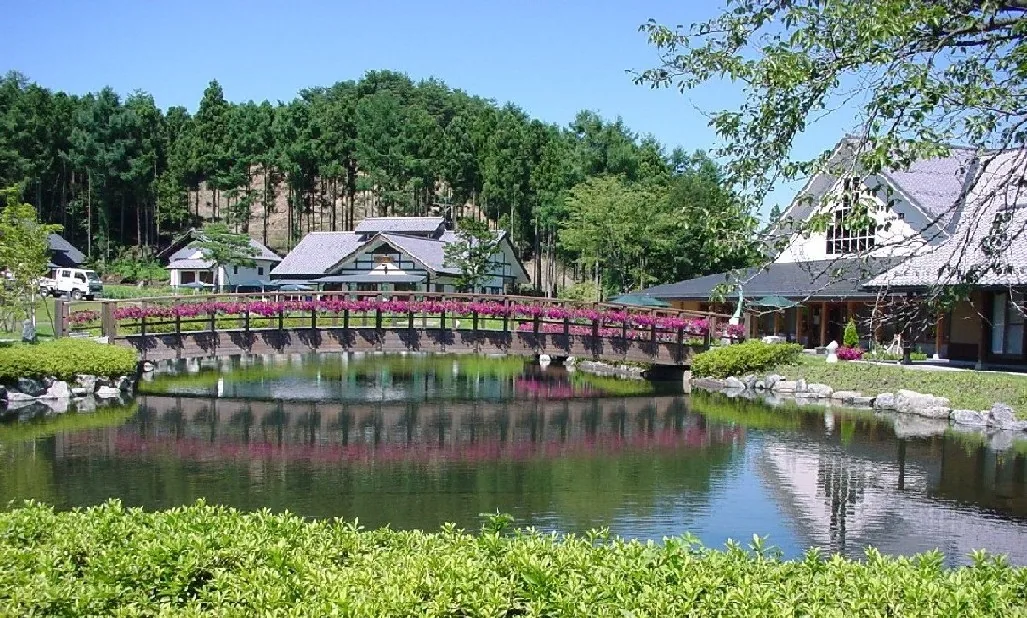
Photo: https://gunma-kanko.jp/
Areas of Gunma
Kawaba
Kawaba, a mountain village near the Numata interchange: Kawaba Denen Plaza's bakery and craft beer, Kichijoji's garden and waterfall, a Meiji schoolhouse, and buses.
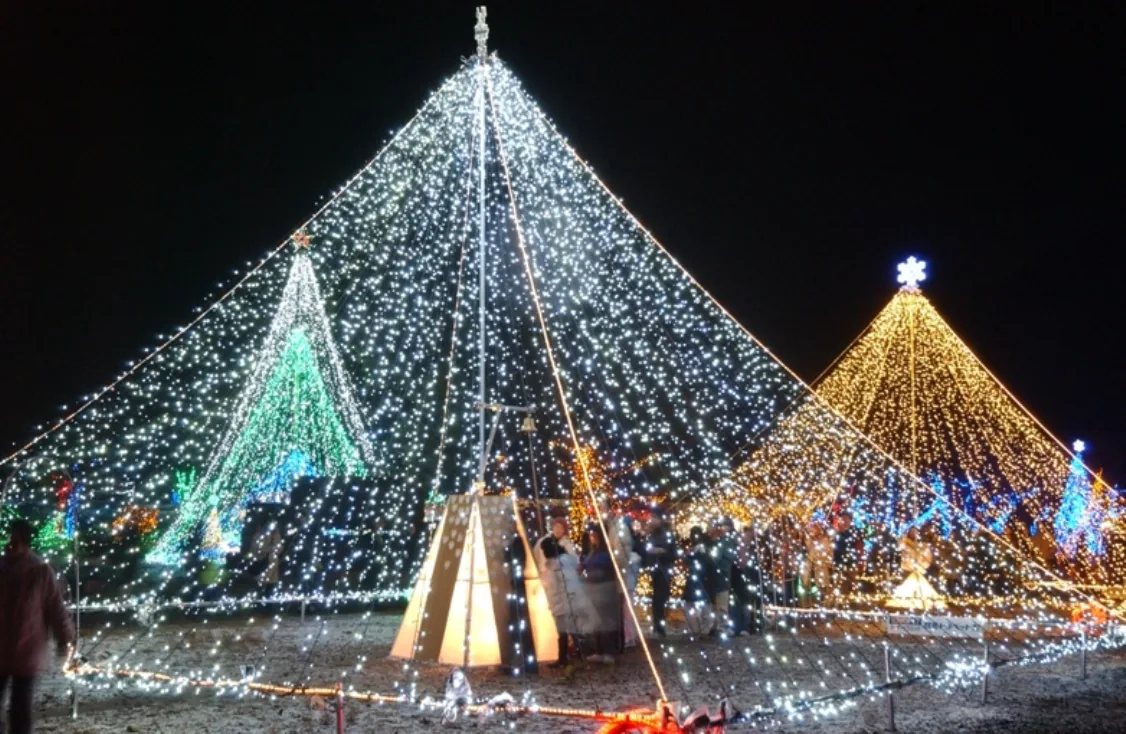 Dec 19 – Dec 26Lake Haruna Fireworks & Illumination Winter Fes
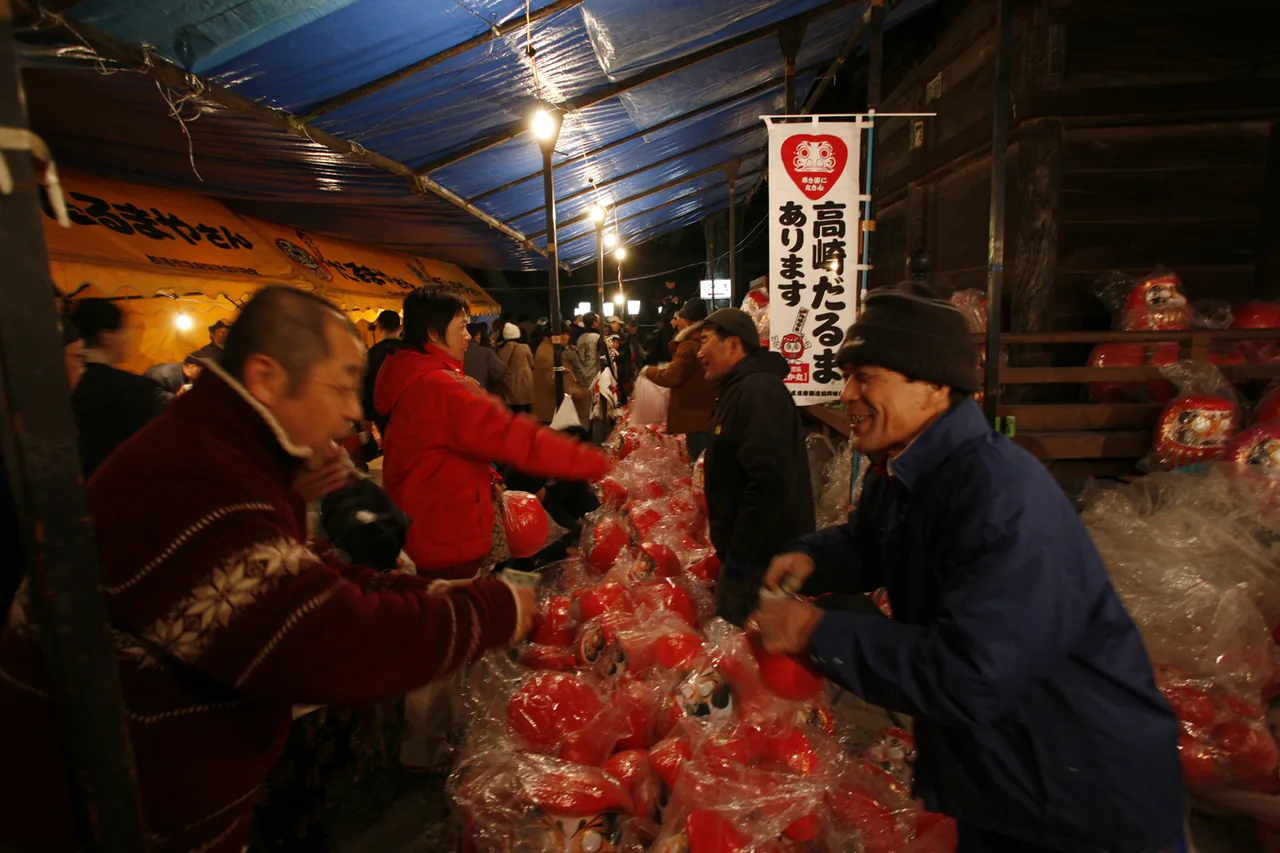 Jan 6 – Jan 7Shorinzan Daruma Market (Nanakusa Festival)
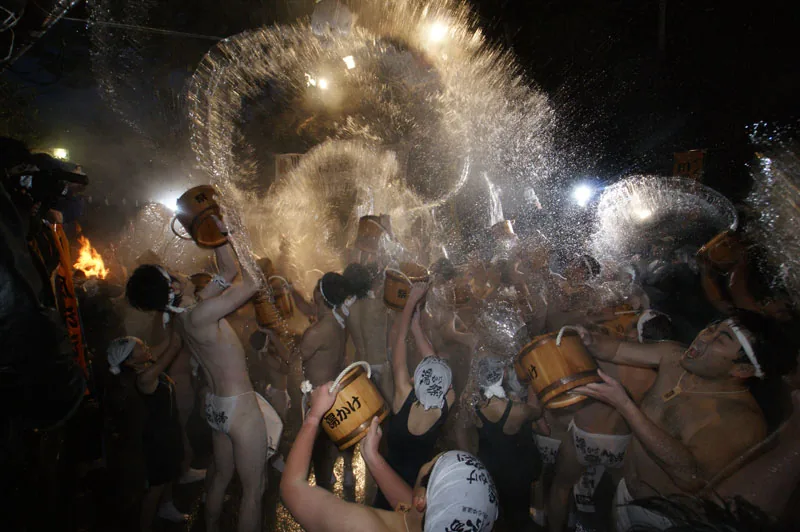 Jan 20Kawarayu Onsen Yukake Festival
Find on the map
This page is translated from the Japanese edition. Read the Japanese edition
What is the area like?
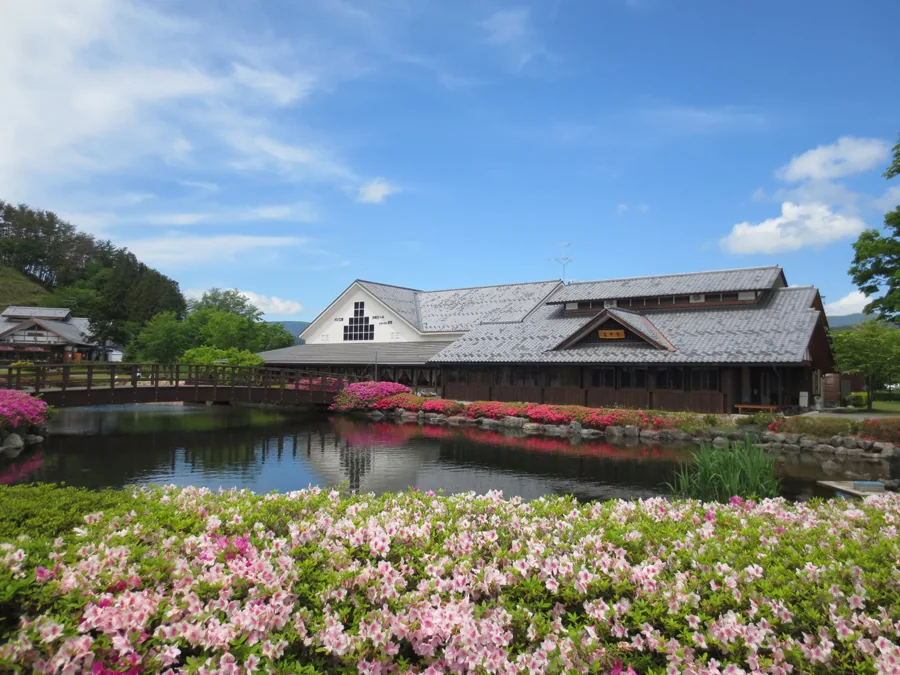
On a weekend morning, drive about 10 minutes from the Numata interchange into the hills and the wide car park of a roadside station appears beyond the fields. Kawaba is a village at the foot of the mountains next to Numata City, and for most visitors the main draw is Kawaba Denen Plaza, a roadside station whose own workshops make bread, craft beer, ham and dairy products.
Go a little further toward the hills and you find a Zen temple surrounded by seasonal flowers and a museum in a Meiji-era schoolhouse, a quieter side of the village than the busy roadside station.
Main sights
Kawaba Denen Plaza (Roadside Station)
The grounds hold a bakery, a meat workshop, a dairy workshop, a craft beer restaurant and more. Many people buy a little of everything fresh and sample it on the lawn, and with play equipment as well, a family can easily spend half a day here. There are also places to try making things, such as a pottery studio. The car park fills up on weekends, so arriving early in the morning makes it easier to get around. Opening hours differ from shop to shop. See Kawaba Denen Plaza for details.
Seiryuzan Kichijoji Temple
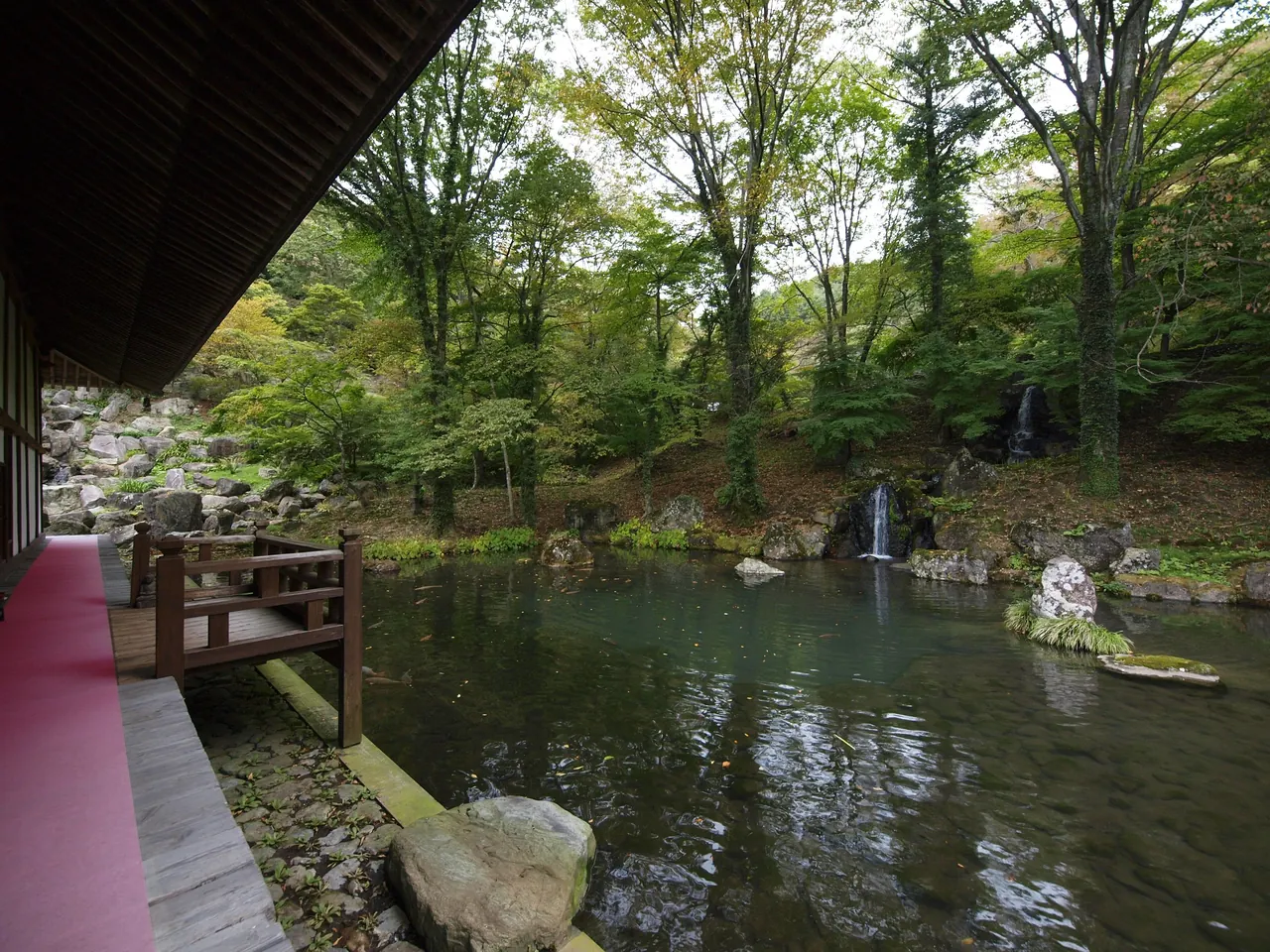
A Rinzai Zen temple at the foot of the mountains, under Kenchoji in Kamakura as its head temple. More than 100 kinds of flowers bloom through the seasons on its grounds, and it is fondly called "the temple of flowers." Through the two-story gate and along the approach is the main hall; in front of it lies a dry landscape garden of stone and sand representing flowing water, and to the north falls a waterfall likened to a reclining dragon. Sitting on the veranda looking out at the garden is the way to enjoy this temple. There is an admission fee. See Kichijoji Temple for details.
Kawaba Village Museum of History and Folklore
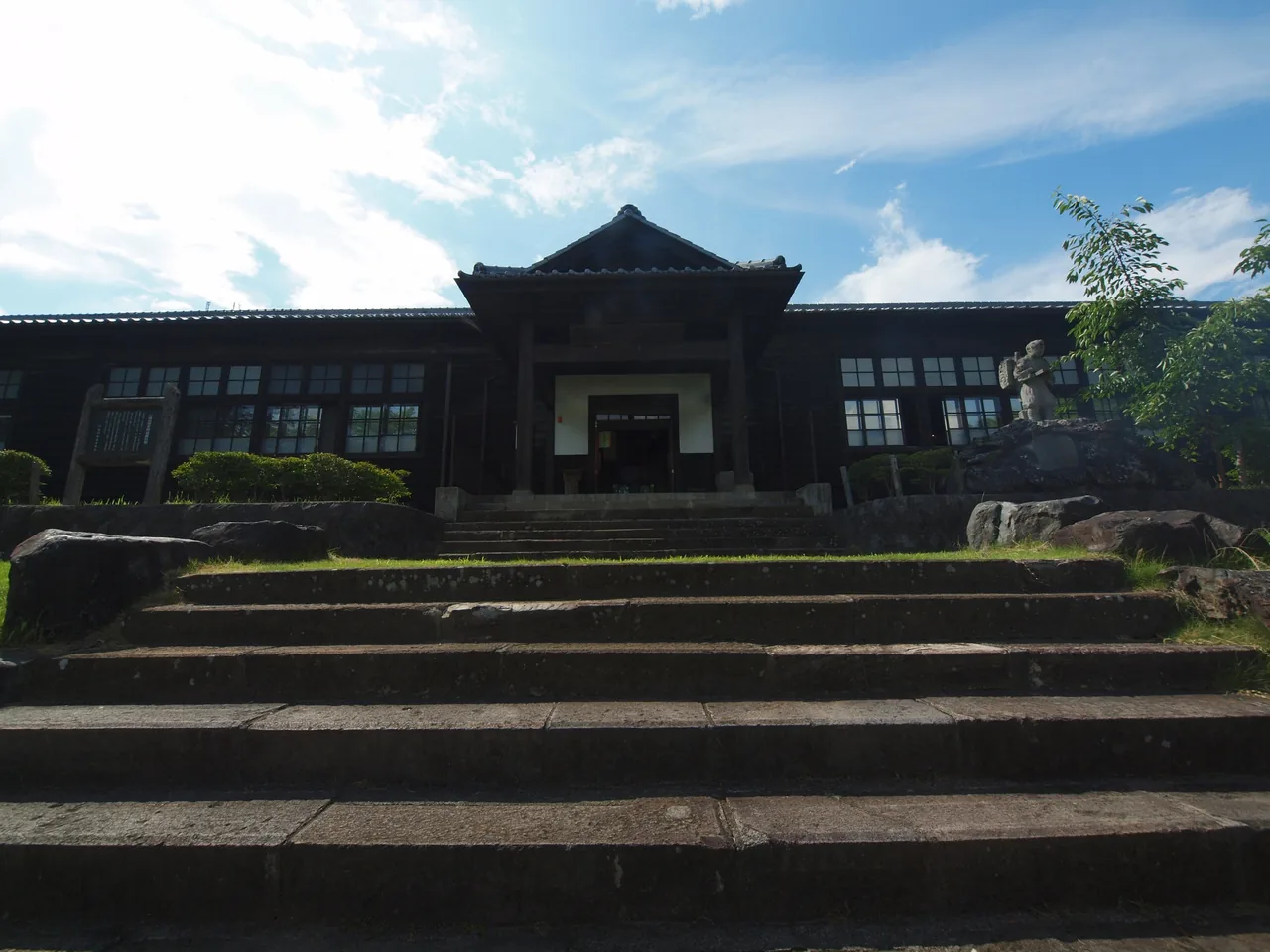
A museum in the relocated Meiji-era schoolhouse of the former Kawaba Elementary and Upper Elementary School. The building is a registered tangible cultural property of Japan; inside, the exhibition hall is open to the exposed beams, and you can look down on the displays from the second-floor gallery. Exhibits cover the village's history and life in a mountain village. See Kawaba Village Museum of History and Folklore for details.
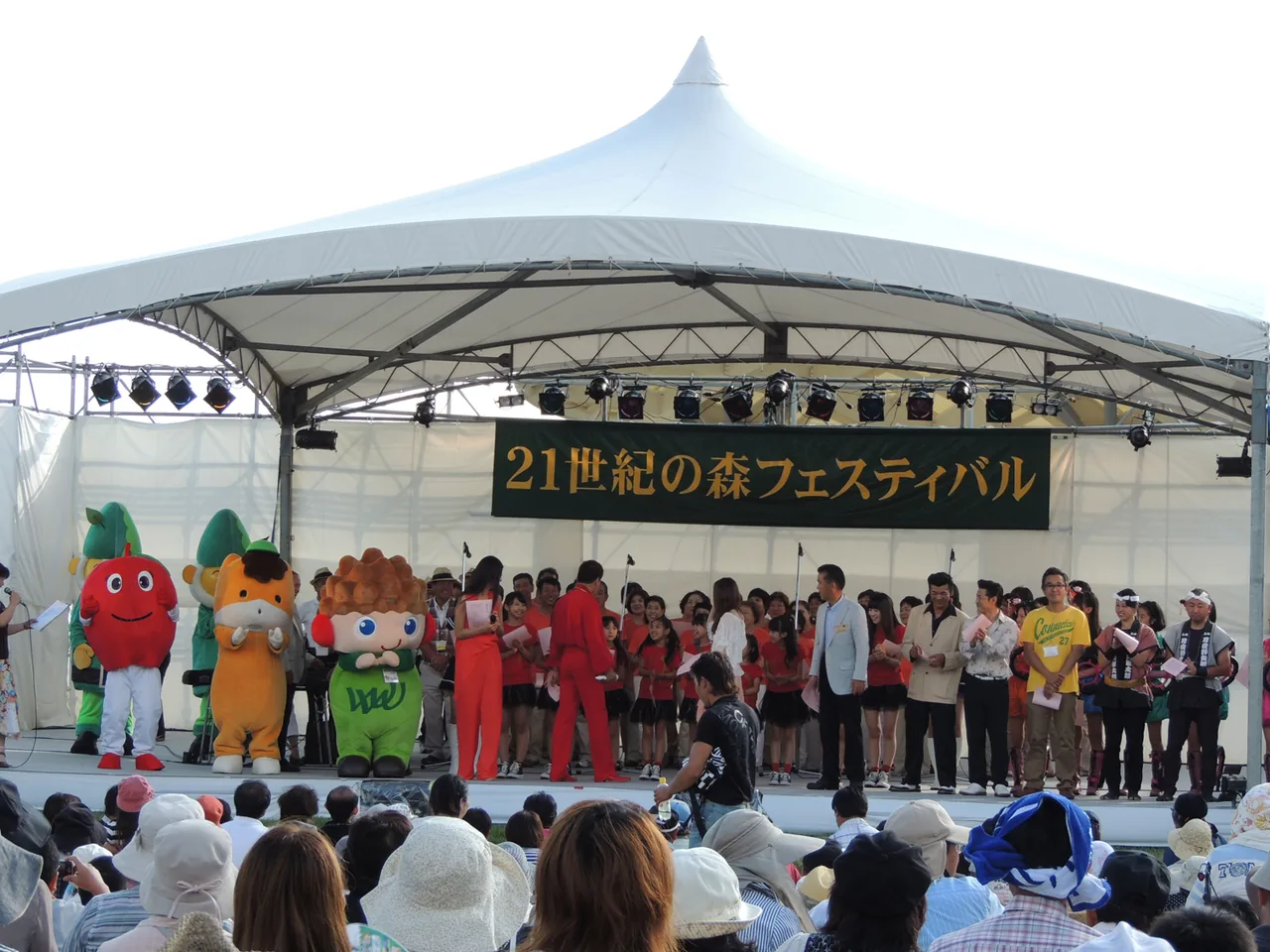
21st Century Forest
A Gunma Prefecture forest park spanning Numata City and Kawaba Village. It opened after hosting the 49th National Tree Planting Festival in 1998, and in 2010 it also hosted the 34th National Forest Fostering Festival. It has an exhibition building, an observation deck and walking trails through the woods. See 21st Century Forest for details.
Food and shopping
Kawaba's specialties are the bread, ham and sausages, dairy products and craft beer made in Denen Plaza's workshops. The usual way to enjoy them is to buy a little from each shop and taste them side by side on the lawn, and the dairy products and ham also make good souvenirs to take home. You can find places to eat in the list further down this page.
Getting there
- By car: about 10 minutes from the Numata interchange on the Kan-Etsu Expressway to Denen Plaza and Kichijoji. A car is also the easiest way to reach the museum and the 21st Century Forest.
- By train and bus: from Numata Station on the JR Joetsu Line, take a bus toward Kawaba Village; it is about 20 minutes to Denen Plaza on the anticlockwise (hidari-mawari) route, or 35 to 45 minutes on the clockwise (migi-mawari) route. For Kichijoji, get off at "Kichijoji Iriguchi" and walk about 3 minutes.
Check the shops and activities at Denen Plaza on the Kawaba Denen Plaza official website.
Getting around the area
Denen Plaza gets busier toward weekend lunchtime, so arrive in the morning, finish your shopping, and move on to Kichijoji or the museum around midday to enjoy both in peace. Kichijoji's garden changes color with the seasons: cherry blossoms and rhododendrons in spring, hydrangeas in early summer, autumn leaves in fall.
With a car, you can build a day around lavender and the marsh on Tambara Plateau in summer, or Oigami Onsen & Fukiware Falls in autumn. For sights in the town of Numata, see Numata. Gunma's other local foods are in our Gunma food guide.
Sights in Kawaba
Gunma guides
See all


More areas of Gunma
- Kusatsu Onsen
- Ikaho Onsen
- Shima Onsen
- Nakanojo & Sawatari Onsen
- Kuni & Lake Nozori
- Takayama Village
- Minakami & Mount Tanigawa
- Tsukiyono & Takumi no Sato
- Sarugakyo & Hoshi Onsen
- Fujiwara & Naramata
- Takasaki
- Maebashi
- Tomioka
- Mount Akagi
- Mount Haruna & Lake Haruna
- Numata
- Tambara Plateau
- Oigami Onsen & Fukiware Falls
- Oze & Katashina
- Katashina & Mount Hotaka
- Marunuma & Suganuma
- Agatsuma Gorge & Kawarayu
- Tsumagoi & Mount Asama
- Usui Pass & Yokokawa
- Mount Myogi
- Kiryu
- Ota
- Tatebayashi