
Sarugakyo & Hoshi Onsen
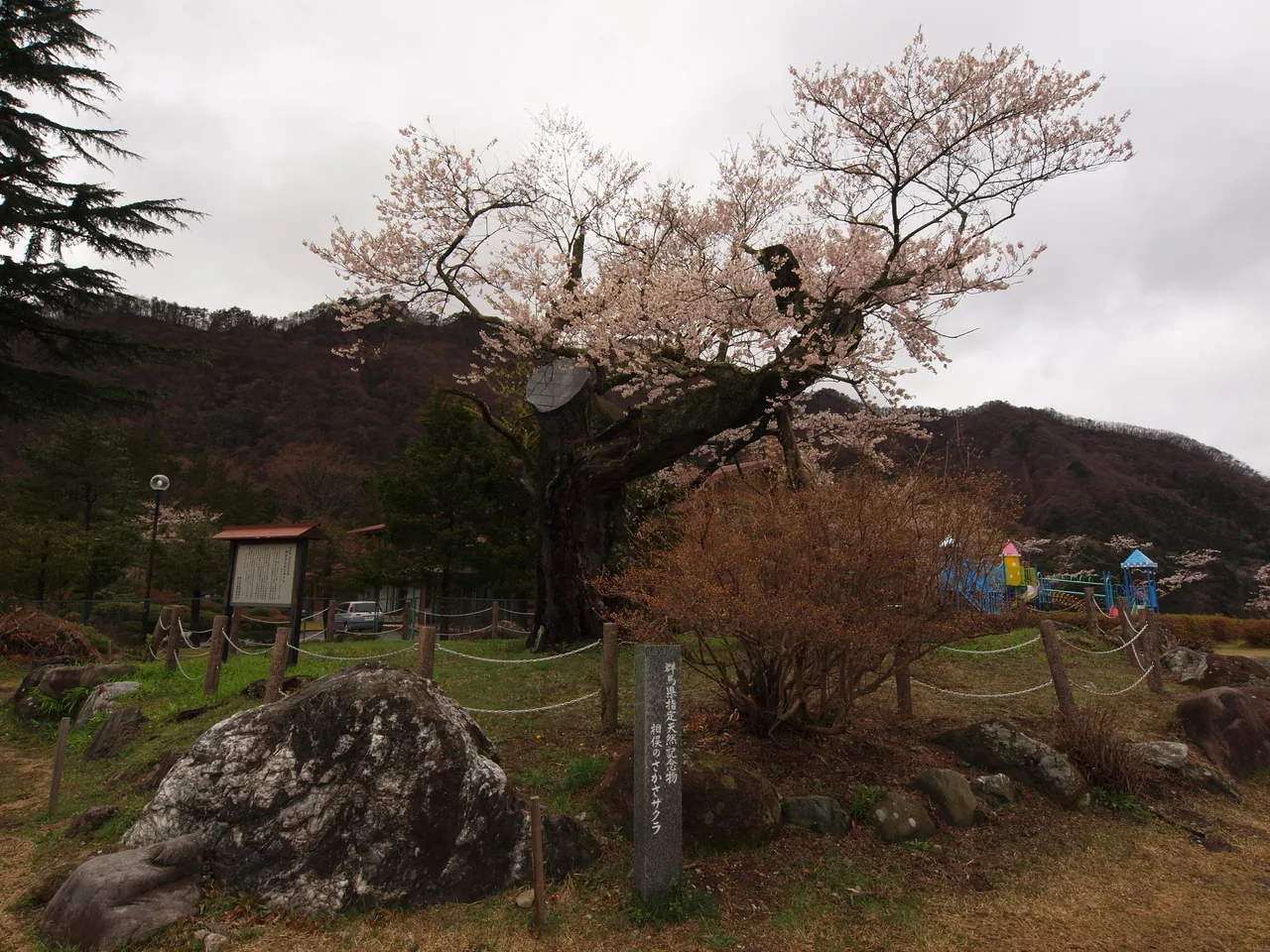
Photo: https://gunma-kanko.jp/
Areas of Gunma
Sarugakyo & Hoshi Onsen
Sarugakyo Onsen by Lake Akaya on the old Mikuni Kaido: the checkpoint museum, the upside-down cherry tree of the Uesugi Kenshin legend, Hoshi Onsen, and buses.
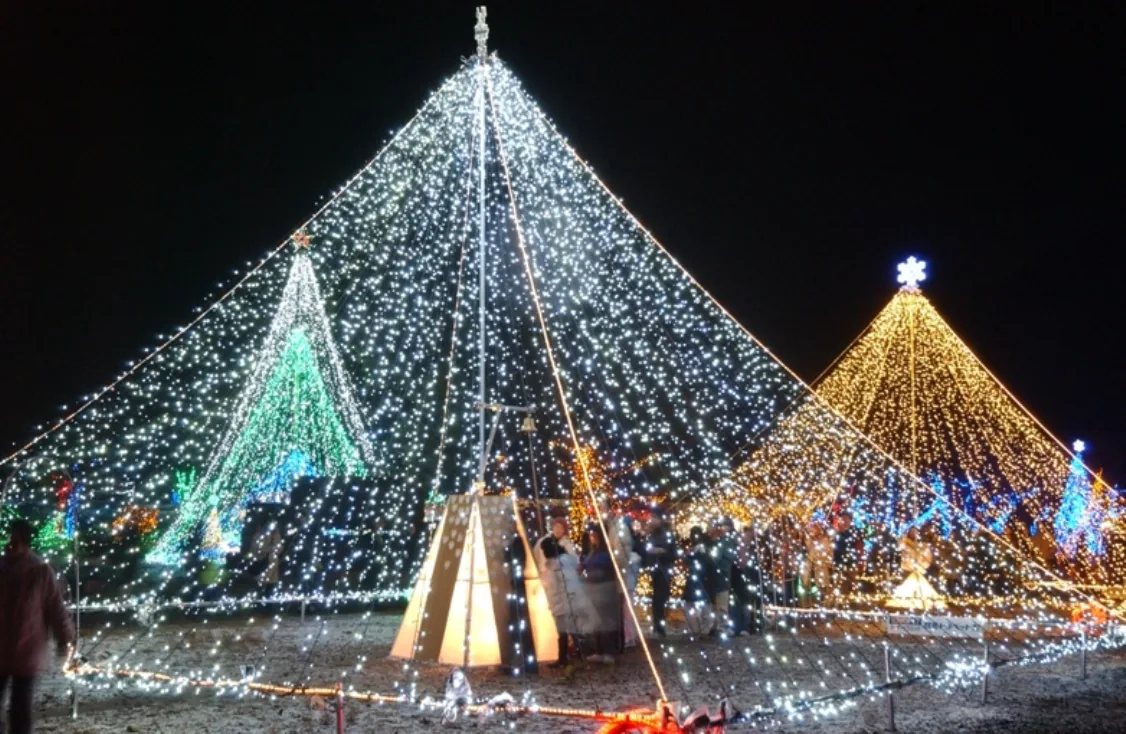 Dec 19 – Dec 26Lake Haruna Fireworks & Illumination Winter Fes
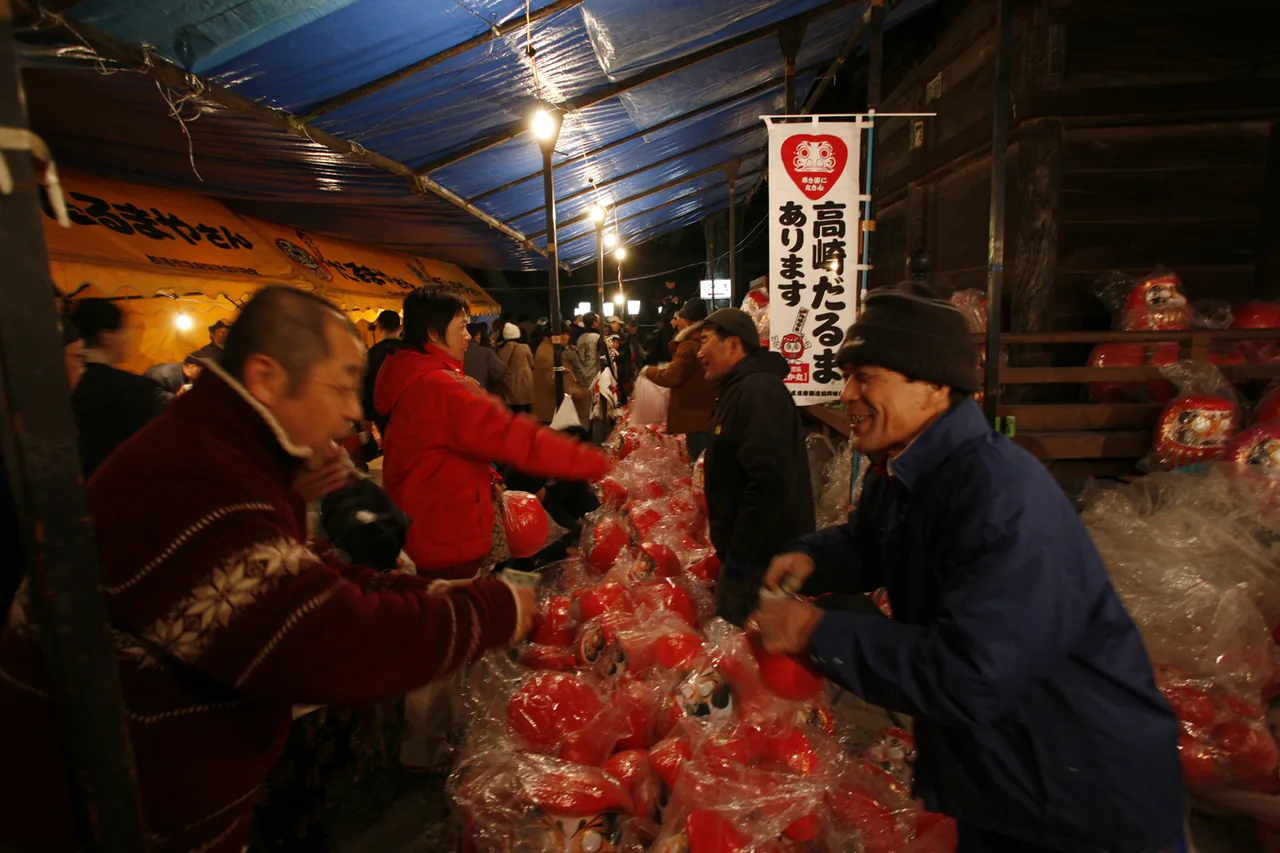 Jan 6 – Jan 7Shorinzan Daruma Market (Nanakusa Festival)
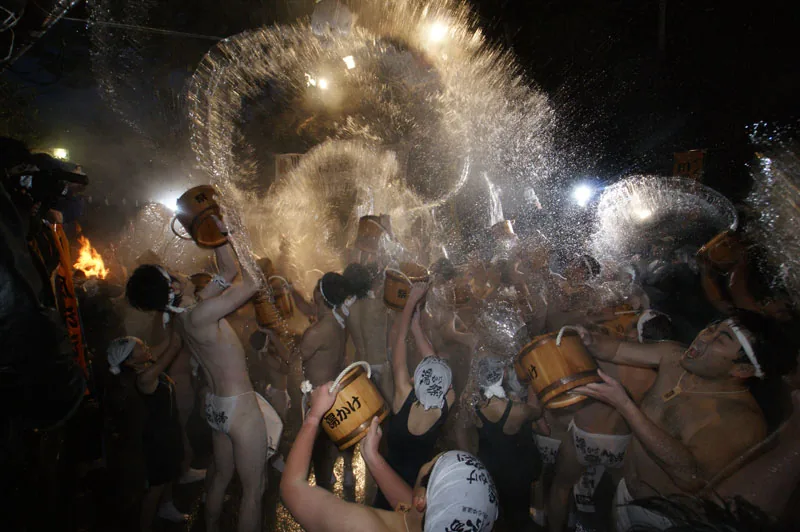 Jan 20Kawarayu Onsen Yukake Festival
Find on the map
This page is translated from the Japanese edition. Read the Japanese edition
What is the area like?
The bus from Jomo-Kogen Station climbs into the hills until Lake Akaya, a dam lake, comes into view. The inns scattered along its shore make up Sarugakyo Onsen. This is where the Mikuni Kaido, the old road from Edo to Echigo, approached the Mikuni Pass, and in the Edo period a checkpoint stood here to inspect travelers.
Further in, in the hills at the foot of the Mikuni Pass, is Hoshi Onsen, a single inn that keeps a wooden bathhouse from the Meiji era. One is a hot spring where you relax with a view of the lake; the other is about bathing in a historic building. Which you choose sets the mood of the trip.
Main sights
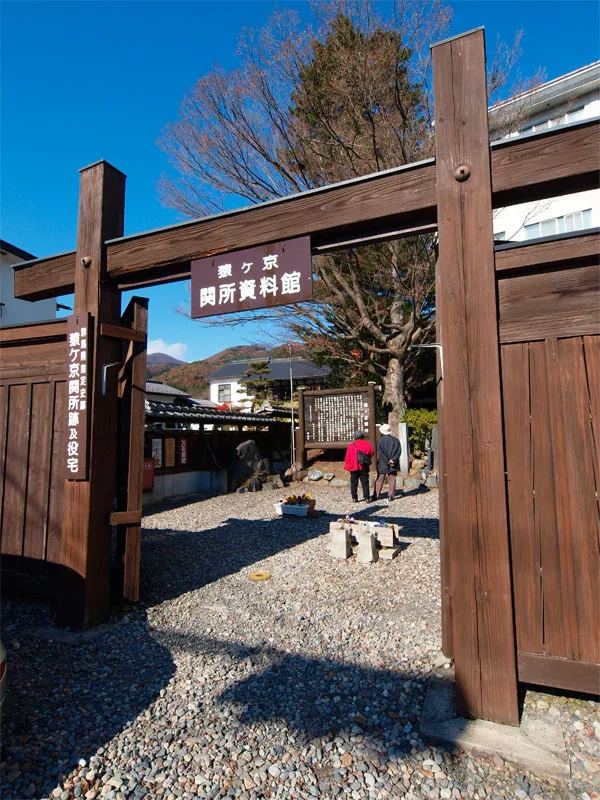
Sarugakyo Checkpoint Site (Sarugakyo Sekisho Museum)
The site of a checkpoint said to have been set up on the Mikuni Kaido in 1631. The residence of the officials who ran it survives, and as a museum it displays travelers' belongings, travel permits, and signs from post-town inns and teahouses. It is designated a Gunma Prefecture historic site as the "Sarugakyo Checkpoint Site and Former Officials' Residence." Opening hours and closing days change with the season, so check before you go. See Sarugakyo Checkpoint Site for details.
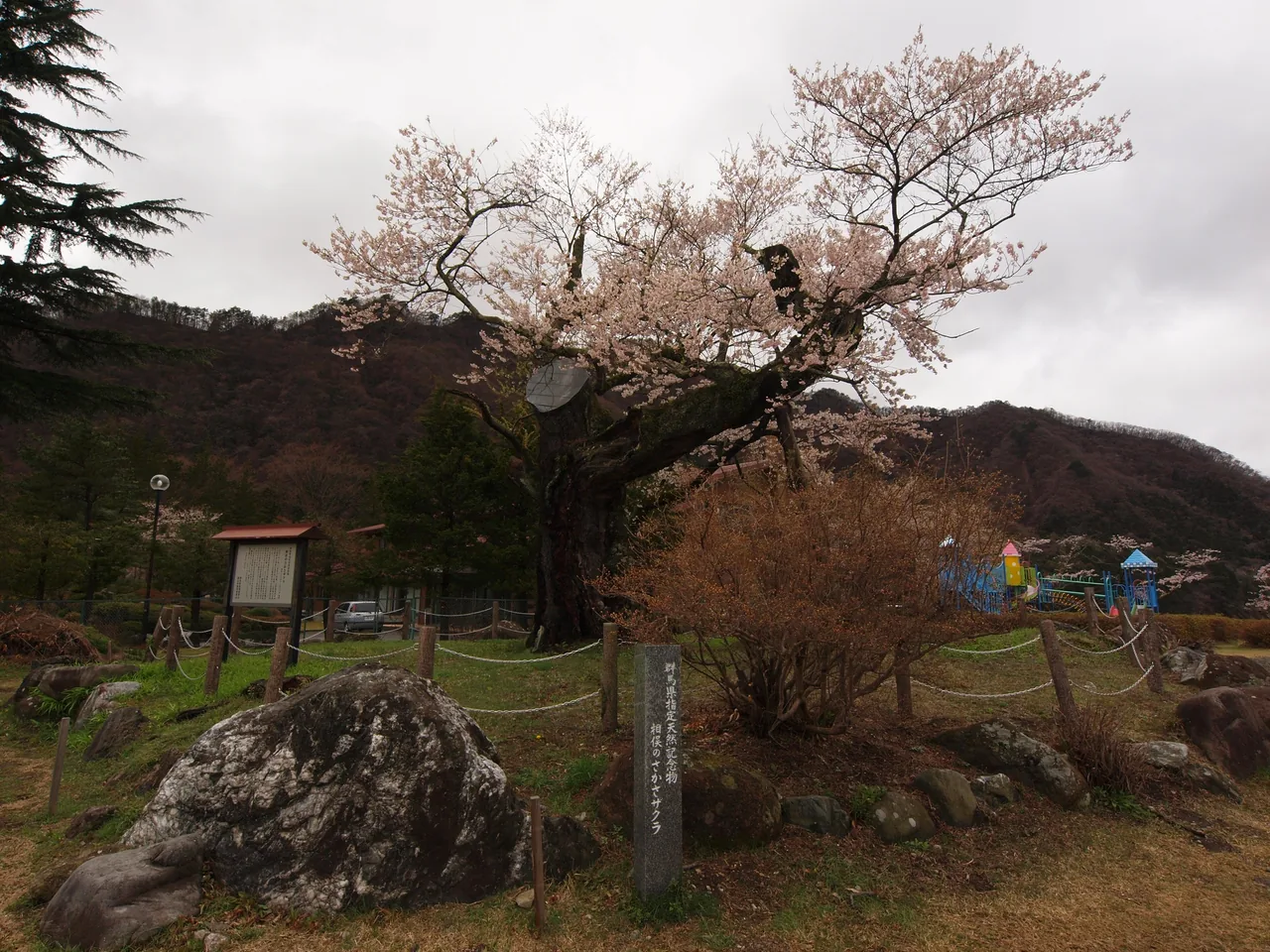
Aimata Sakasa-zakura (Upside-down Cherry Tree)
An Edo higan cherry about 10 m tall in the hamlet of Aimata. Legend has it that in spring 1552, when Uesugi Kenshin first crossed the Mikuni Pass to invade the Kanto region, he prayed at the local Hie Shrine and stuck his cherry-wood riding whip upside down into the ground, and a few years later it sprouted. It was designated a Gunma Prefecture natural monument in 1952. Blooming times vary from year to year, so check the tourism association's flower updates. See Aimata Sakasa-zakura for details.
Hoshi Onsen
The hot spring of Chojukan, a single inn at the foot of the Mikuni Pass. Its main bathhouse, Hoshi-no-Yu, built in 1895, is a wooden hall lined with Western-style windows and is a nationally registered tangible cultural property. The water wells up between the pebbles on the bottom of the bath, and Hoshi-no-Yu is mixed bathing, with set hours for women only. Check day-visitor bathing hours and closing days with the inn. To compare it with Gunma's other hot springs, see how to choose a hot spring in Gunma.
Food and shopping
At Sarugakyo and Hoshi Onsen, trips usually center on staying at an inn and eating there. If you want handmade crafts, stop off on the bus route to Sarugakyo at Tsukiyono & Takumi no Sato, where you can try a workshop. You can find places to eat in the list further down this page.
Getting there
- To Sarugakyo: from Jomo-Kogen Station on the Joetsu Shinkansen, take a Kan-Etsu Kotsu bus bound for Sarugakyo. Check the nearest stops for the checkpoint and the cherry tree, and travel times, on the timetable.
- To Hoshi Onsen: take the bus from Jomo-Kogen Station to Sarugakyo, then change to the town bus and ride to the last stop.
Check bus times and sights on the Minakami Town Tourism Association's official website.
Getting around the area
The bus from Jomo-Kogen Station runs to Sarugakyo by way of Takumi no Sato and Yujuku Onsen. On day one, look around the workshops at Takumi no Sato on the way and check in at an inn in Sarugakyo or Hoshi Onsen by evening, so the bus ride itself shapes the trip. For Hoshi Onsen you change to the town bus at Sarugakyo, so check the connection times in advance.
On the morning of day two, walk around the checkpoint and the shore of Lake Akaya near your inn before heading back to the station. If your timing matches the cherry blossom, you can stop at the Sakasa-zakura on the way to or from the hot spring. To go on to Mount Tanigawa and the Minakami hot springs, see Minakami & Mount Tanigawa.
Sights in Sarugakyo & Hoshi Onsen
Gunma guides
See all


More areas of Gunma
- Kusatsu Onsen
- Ikaho Onsen
- Shima Onsen
- Nakanojo & Sawatari Onsen
- Kuni & Lake Nozori
- Takayama Village
- Minakami & Mount Tanigawa
- Tsukiyono & Takumi no Sato
- Fujiwara & Naramata
- Takasaki
- Maebashi
- Tomioka
- Mount Akagi
- Mount Haruna & Lake Haruna
- Numata
- Tambara Plateau
- Kawaba
- Oigami Onsen & Fukiware Falls
- Oze & Katashina
- Katashina & Mount Hotaka
- Marunuma & Suganuma
- Agatsuma Gorge & Kawarayu
- Tsumagoi & Mount Asama
- Usui Pass & Yokokawa
- Mount Myogi
- Kiryu
- Ota
- Tatebayashi