
Tambara Plateau
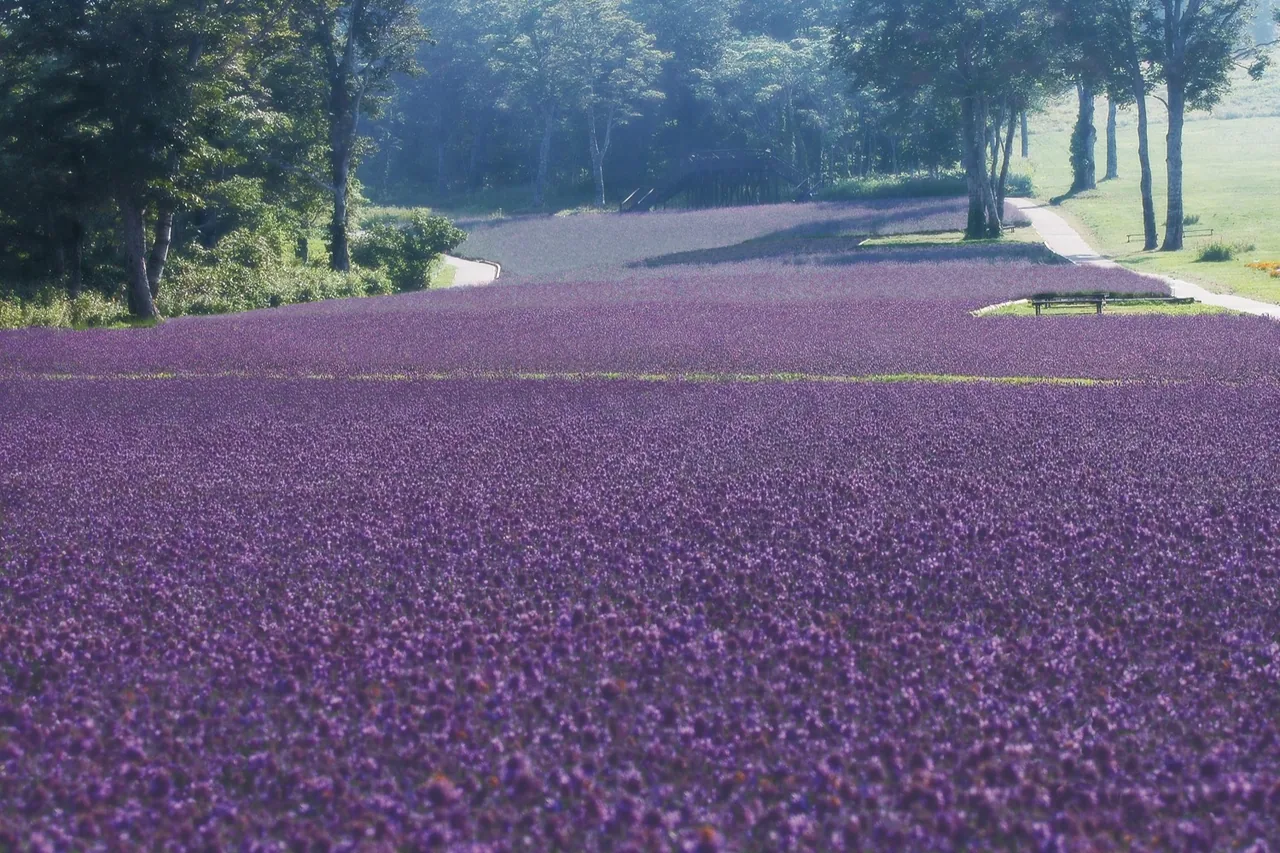
Photo: https://gunma-kanko.jp/
Areas of Gunma
Tambara Plateau
Tambara Plateau north of Numata at about 1,300 m: when the 50,000 lavender plants bloom, Tamahara Marsh and its beech forest, the tengu temple of Kashozan, and access.
 Dec 19 – Dec 26Lake Haruna Fireworks & Illumination Winter Fes
 Jan 6 – Jan 7Shorinzan Daruma Market (Nanakusa Festival)
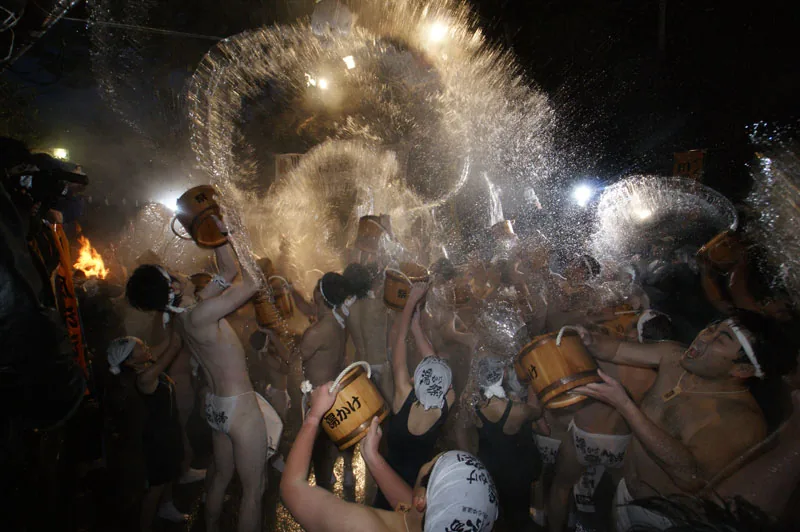 Jan 20Kawarayu Onsen Yukake Festival
Find on the map
This page is translated from the Japanese edition. Read the Japanese edition
What is the area like?
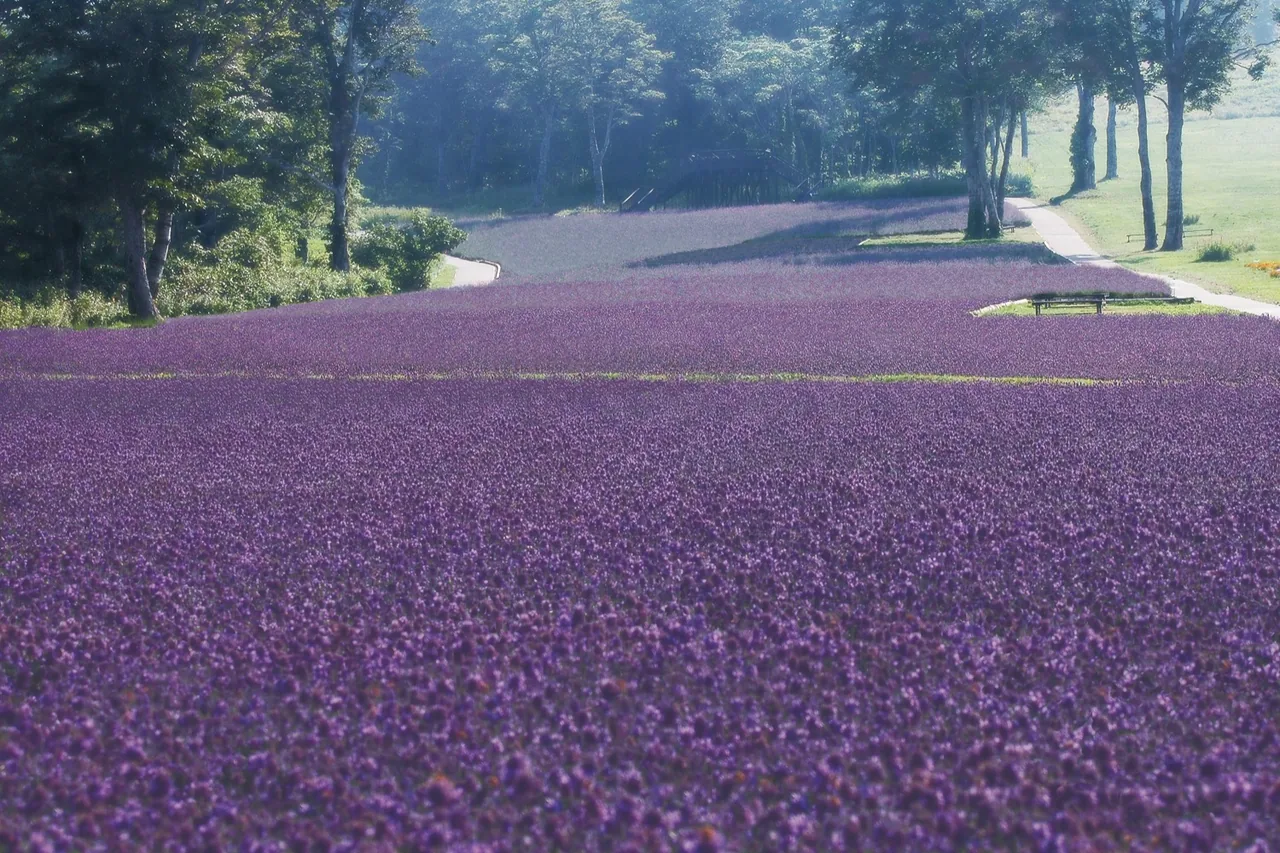
In July, even on a hot day down in Numata, the air turns cool as you climb onto Tambara Plateau, where rows of purple lavender run down the ski slopes. Tambara Plateau lies north of Numata City at about 1,300 m, a ski area in winter and a field of lavender in summer.
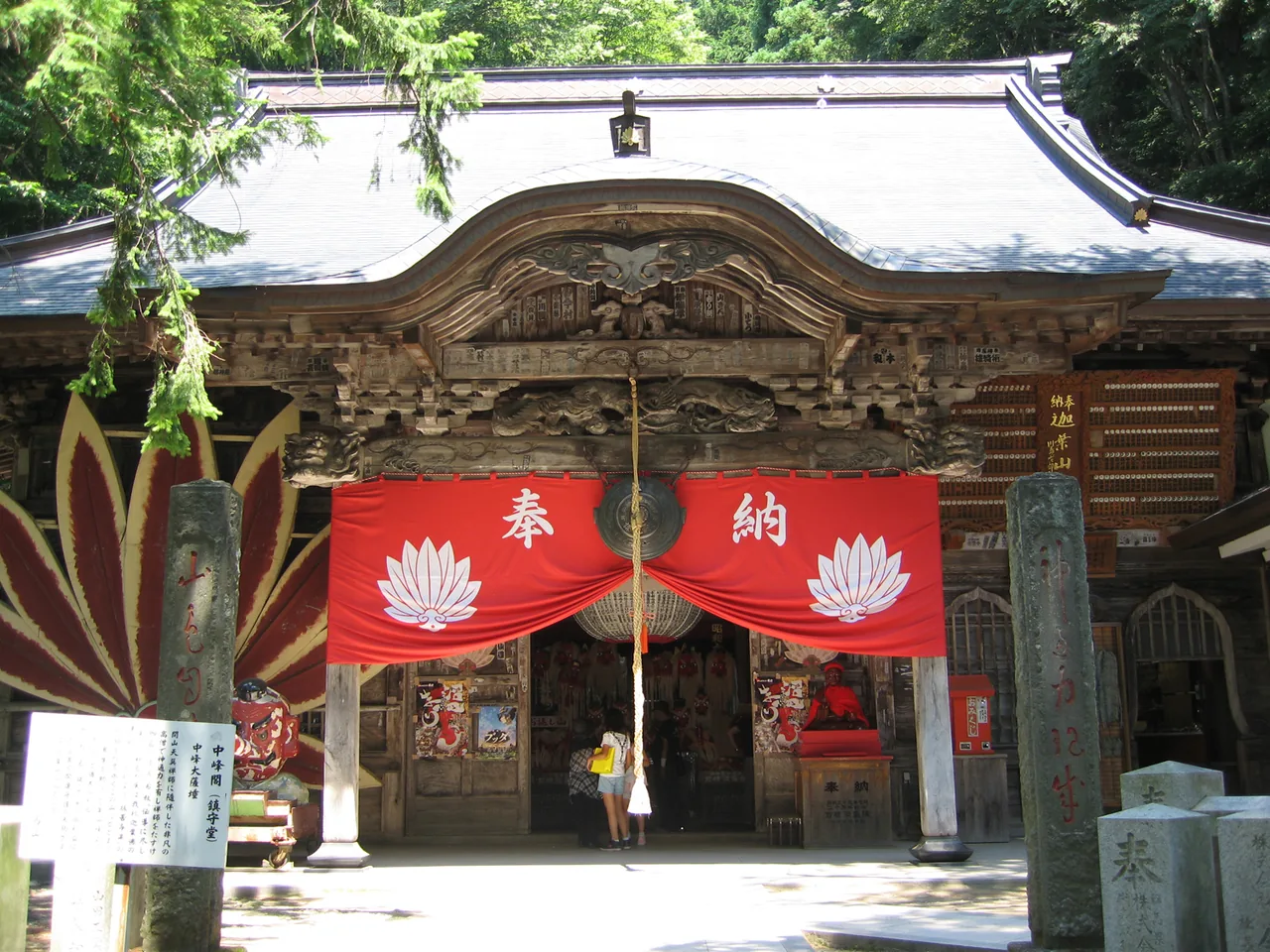
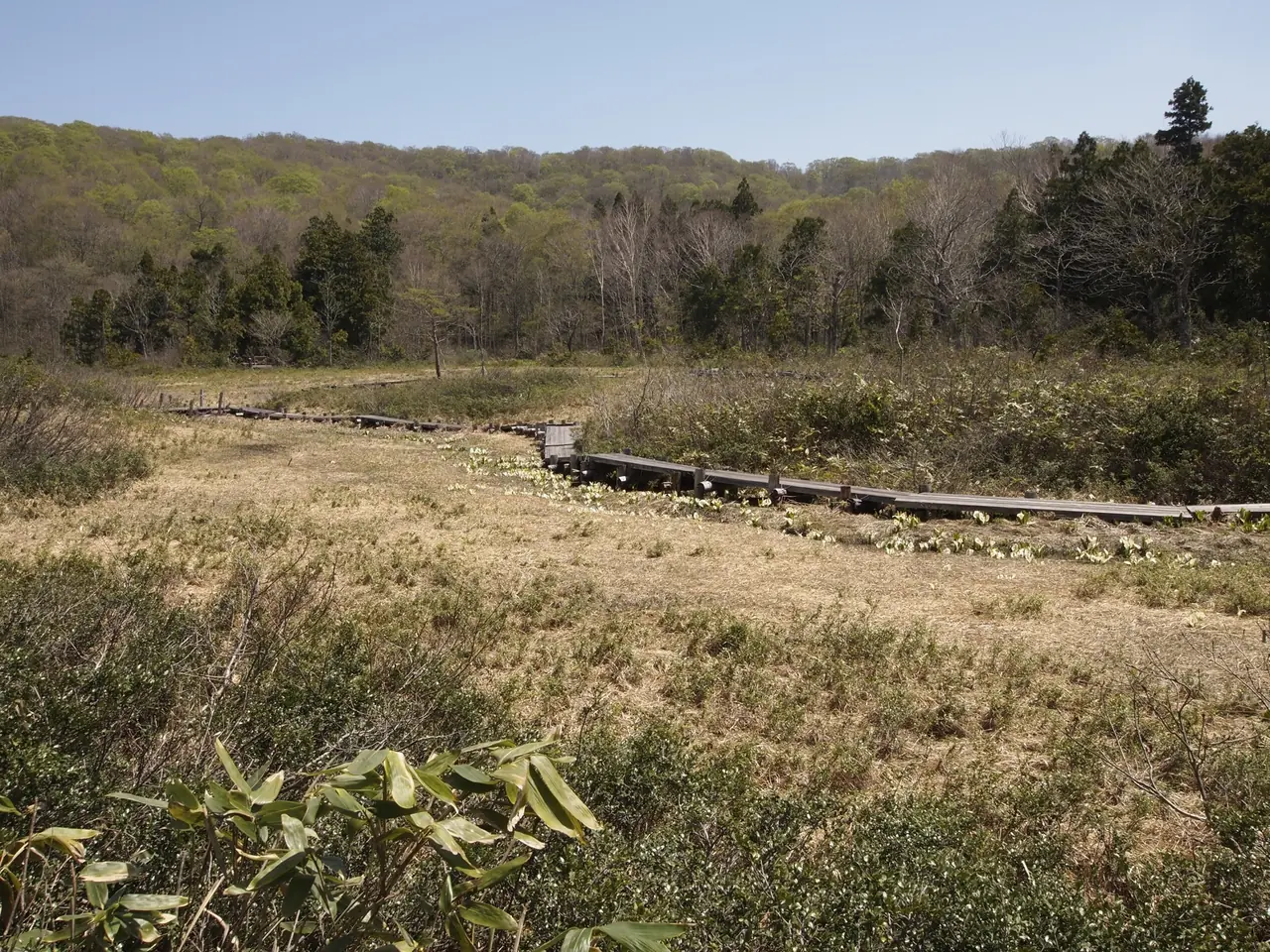
On the plateau are a marsh, nicknamed "Little Oze" because it looks like Oze, and a forest of big beech trees, both walkable from snowmelt to autumn. On Mount Kasho, also in northern Numata, stands Kashozan Mirokuji, a temple that enshrines a huge tengu mask, and you can take it in on the same drive.
Main sights
Tambara Lavender Park
About 50,000 lavender plants grow on the slopes of a ski area that operates in winter. They are usually at their best from early July to mid-August; early, mid-season and late varieties are planted, so the blooming part of the slope shifts over the season. At some times a chairlift takes you to the top of the slope, and looking down you see bands of purple with mountains beyond. Opening dates and hours depend on the flowers and the weather, so check the official website. See Tambara Lavender Park for details.
Tamahara Marsh and Bunadaira Beech Forest
A boardwalk loops all the way around the marsh. Skunk cabbage blooms after the snow melts, from late April into May; summer brings highland flowers and autumn the russet of the grasses. It takes much less time to walk than Oze, so it is an easy way to enjoy a highland marsh. Nearby, Bunadaira is a forest of thick beech trunks, best walked in the fresh green of May and June and the yellow leaves of October or so. Stepping off the boardwalk damages the plants, so stay on the path. See Tamahara Marsh and Bunadaira for details.
Kashozan Mirokuji Temple
An old temple on the slopes of Mount Kasho, known as the temple of the tengu. In its Chubudo hall hangs a giant tengu mask said to be among the largest in Japan. First-time visitors borrow one of the tengu masks offered in the hall and take it home; on their next visit they return it together with a new mask bought at the temple gate, a custom that continues today. The approach, lined with huge cedars, has the quiet of a mountain temple. See Kashozan Mirokuji Temple for details.
Food and shopping
For meals and shopping, combine the plateau with central Numata or the roadside station in Kawaba, about 10 minutes by car from the Numata interchange. At Kashozan Mirokuji you can buy a tengu mask at the temple gate. You can find places to eat in the list further down this page.
Getting there
- By car: about 30 minutes from the Numata interchange on the Kan-Etsu Expressway to Tambara Lavender Park and Tamahara Marsh. Kashozan Mirokuji is also about 30 minutes from the Numata interchange.
- By train and bus: while the lavender park is open, a free shuttle bus that must be booked sometimes runs from Numata Station on the JR Joetsu Line. Check on the official website whether it is running and how to book.
Check how the lavender is blooming and the opening dates on the Tambara Lavender Park official website.
Getting around the area
The plateau is really a place to explore by car. In summer, go up to the lavender park in the morning and walk the boardwalks of Tamahara Marsh and Bunadaira around midday to make the most of the cool air. At this altitude mornings, evenings and cloudy days can feel chilly even in midsummer, and fog can roll in, so bring an extra layer.
Tamahara Marsh is snowbound in winter, and at the mountain temple of Kashozan you need to watch for snow and ice in winter too. The tengu of Kashozan are also linked to the great tengu mikoshi carried at the Numata Festival, held every year in early August. For the town of Numata and its river terraces, see Numata; to go on to Oze, see our Oze hiking guide.
Sights in Tambara Plateau
Gunma guides
See all


More areas of Gunma
- Kusatsu Onsen
- Ikaho Onsen
- Shima Onsen
- Nakanojo & Sawatari Onsen
- Kuni & Lake Nozori
- Takayama Village
- Minakami & Mount Tanigawa
- Tsukiyono & Takumi no Sato
- Sarugakyo & Hoshi Onsen
- Fujiwara & Naramata
- Takasaki
- Maebashi
- Tomioka
- Mount Akagi
- Mount Haruna & Lake Haruna
- Numata
- Kawaba
- Oigami Onsen & Fukiware Falls
- Oze & Katashina
- Katashina & Mount Hotaka
- Marunuma & Suganuma
- Agatsuma Gorge & Kawarayu
- Tsumagoi & Mount Asama
- Usui Pass & Yokokawa
- Mount Myogi
- Kiryu
- Ota
- Tatebayashi