
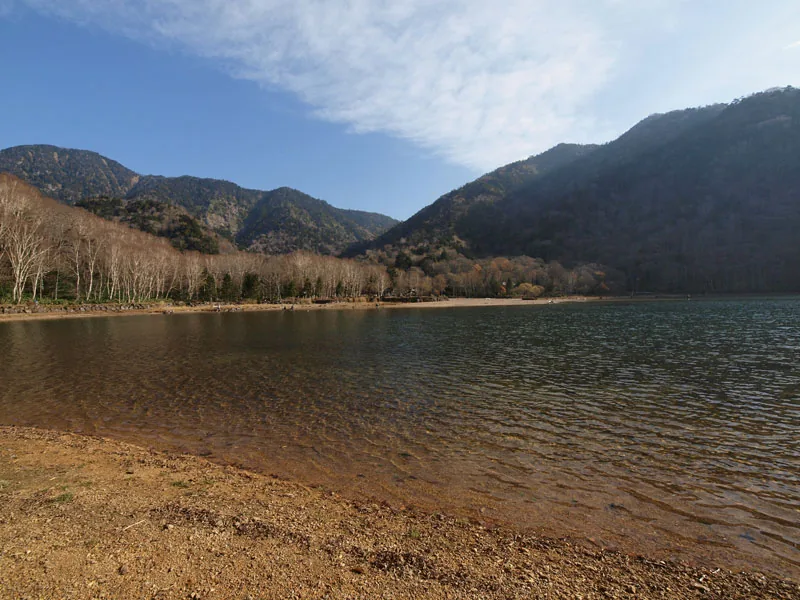
Marunuma & Suganuma
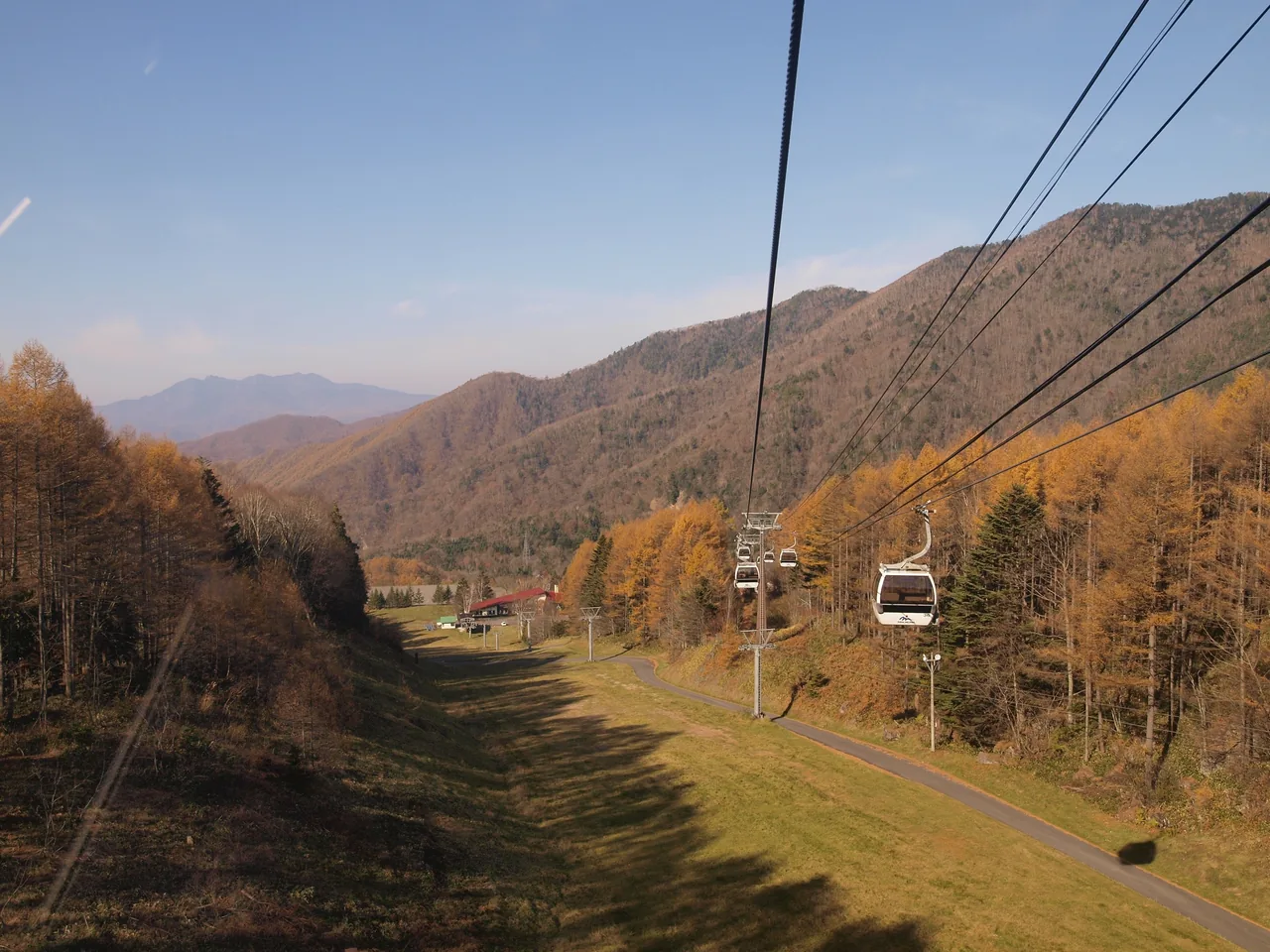
Photo: https://gunma-kanko.jp/
Areas of Gunma
Marunuma & Suganuma
Lakes formed by lava at the foot of Mount Nikko-Shirane: the Marunuma Kogen ropeway and summit footbath, Lake Marunuma, Lake Suganuma, driving routes and when to go.
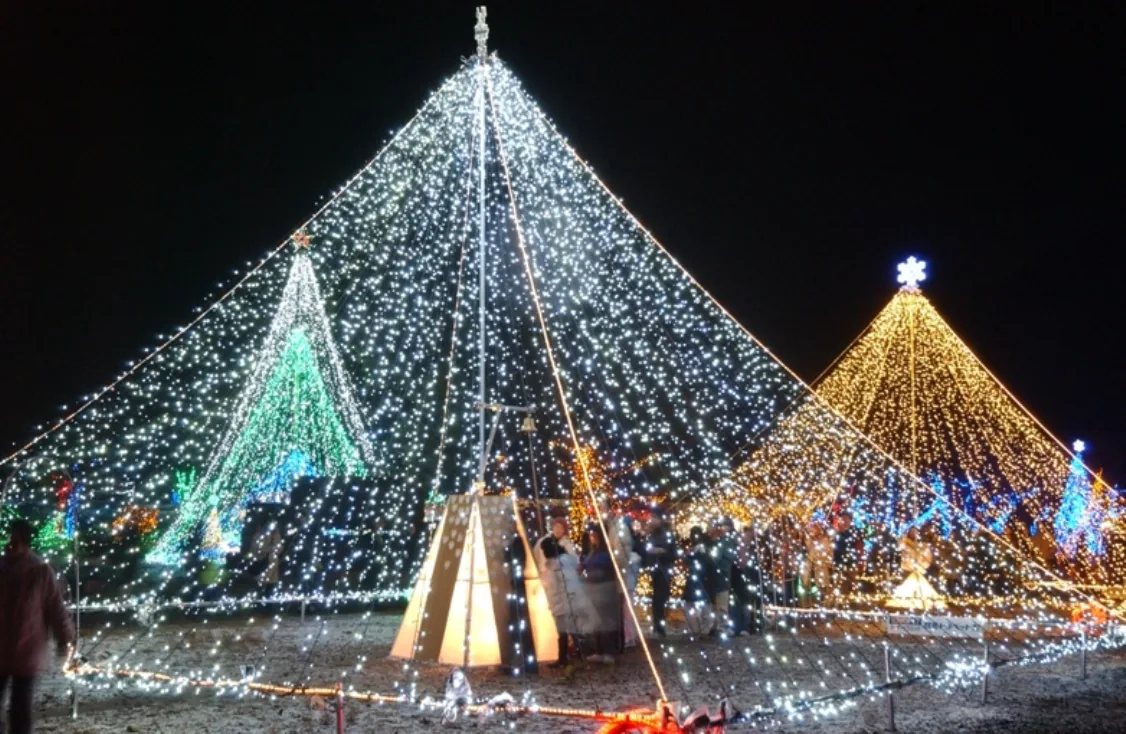 Dec 19 – Dec 26Lake Haruna Fireworks & Illumination Winter Fes
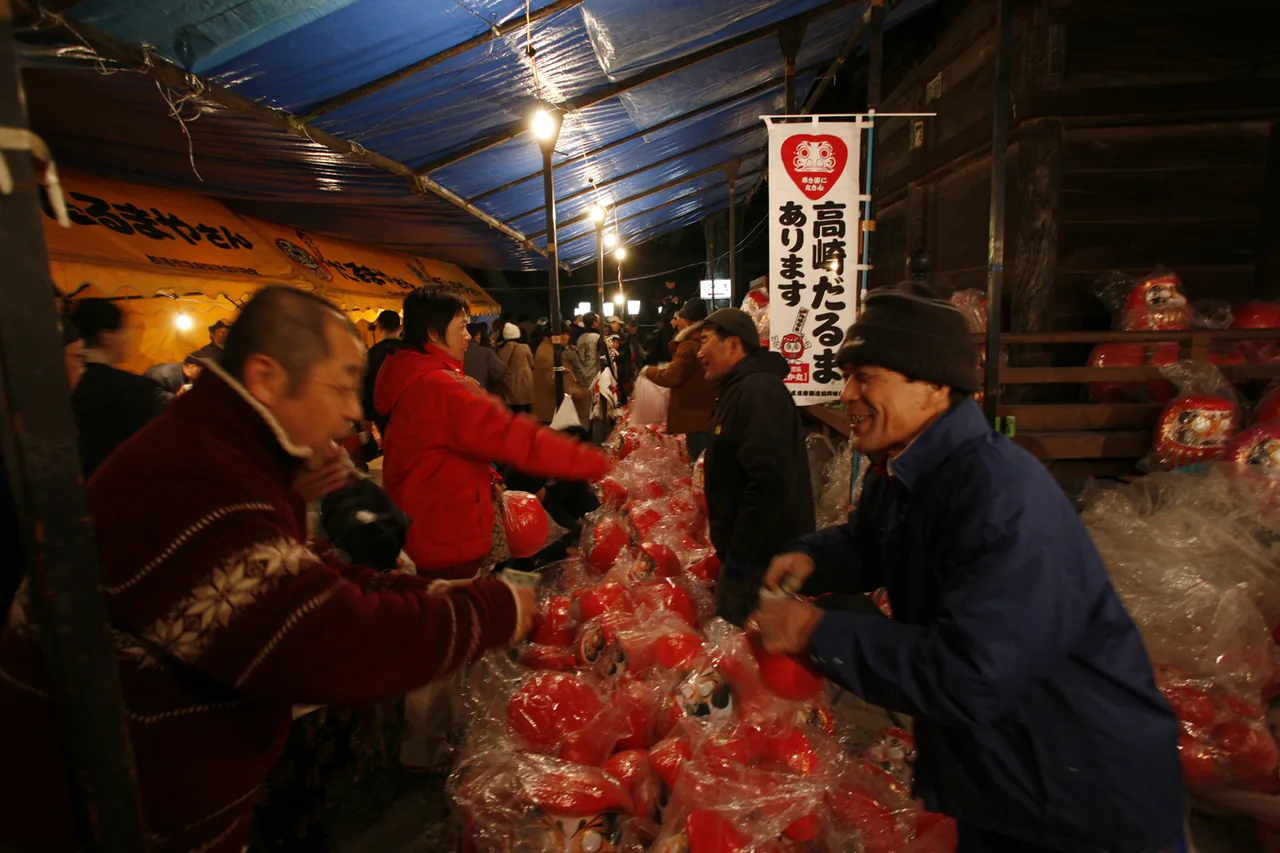 Jan 6 – Jan 7Shorinzan Daruma Market (Nanakusa Festival)
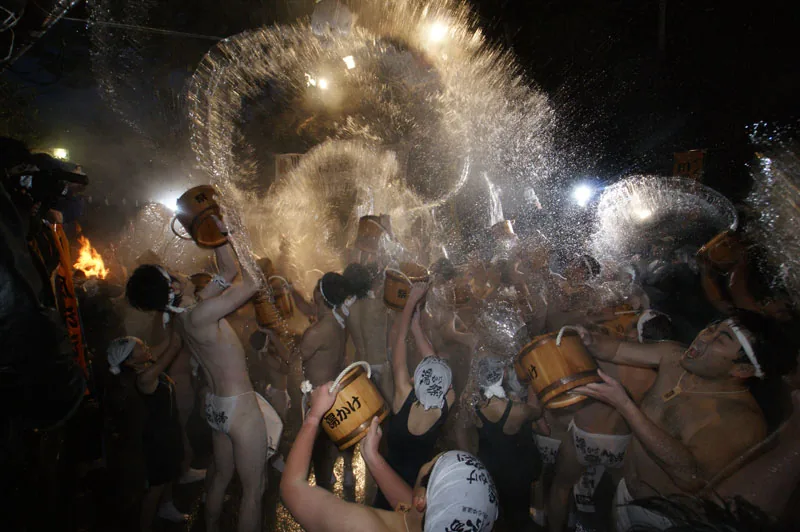 Jan 20Kawarayu Onsen Yukake Festival
Find on the map
This page is translated from the Japanese edition. Read the Japanese edition
What is the area like?
Drive up Route 120 from Kamata in Katashina toward Nikko in Tochigi and the road plunges into deep forest, with quiet lakes glimpsed between the trees. This area lies at the foot of Mount Nikko-Shirane, which rises on the border between Gunma and Tochigi. At 2,578 metres, Nikko-Shirane is said to be the highest mountain in Japan north of the Kanto region.
Lake Marunuma, Lake Suganuma and Lake Ojirinuma downstream were all formed when lava from Nikko-Shirane's eruptions dammed rivers. People come for different reasons through the year: the cool highland air in summer, the lakeside foliage in autumn and skiing in winter.
Main sights
Marunuma Kogen ropeway and the sky-high footbath
From Marunuma Kogen a ropeway climbs to a summit station about 2,000 metres up. At the top there is a free footbath facing Mount Nikko-Shirane, and a rock garden where alpine plants such as komakusa bloom. There is also a nature trail of about 45 minutes and a two-hour heritage trail past the stone Buddhas of the old mountain pilgrimage. See Marunuma Kogen and Lake Marunuma for details.
Lake Marunuma
A quiet lake surrounded by old-growth forest, right by Marunuma Kogen. In autumn the lakeside trees turn colour and are reflected in the water. For more of Gunma's foliage spots and when they peak, see Gunma Autumn Leaves.
Lake Suganuma
A lake about 1,730 metres up, further along Route 120 from Lake Marunuma toward Konsei Pass. It formed when lava from Nikko-Shirane dammed a river, and it is known for water that shifts from indigo to emerald green depending on the depth.
Food and shopping
The ropeway's summit station has a cafe, so you can rest on the mountain along with the footbath; its season varies through the year. For highland vegetables and souvenirs, stop on the way at Michi-no-Eki Oze Katashina in the center of Katashina village, where the farm stand sells local produce. You can find places to eat in the list further down this page.
Getting there
- By car: about 50 minutes from the Numata interchange on the Kan-etsu Expressway to Marunuma Kogen.
- From the Nikko side: you can cross Konsei Pass from Nikko in Tochigi, but the pass road is closed in winter.
- By bus: check whether buses are running, and their times, with Kan-etsu Kotsu and other operators.
Check the ropeway's operating season, summit station facilities and hiking information for Mount Nikko-Shirane on the Marunuma Kogen official website.
Getting around the area
The ropeway runs from early summer to around early November, and in winter Marunuma Kogen becomes a ski resort. On a clear summer day, ride the ropeway up in the morning for the footbath and trails, then spend the afternoon at the shores of Lake Marunuma and Lake Suganuma, and you see both the highland and the lakes in a day. A trail leads from the summit station toward the top of Nikko-Shirane, but it is a serious mountain hike, so set out only with proper gear and good weather.
From November, mountain roads may have snow or ice. Back in the center of Katashina you can stay at the inns and hot springs of Katashina & Mount Hotaka, and go on to Oze & Katashina the next day.
Sights in Marunuma & Suganuma
Gunma guides
See all


More areas of Gunma
- Kusatsu Onsen
- Ikaho Onsen
- Shima Onsen
- Nakanojo & Sawatari Onsen
- Kuni & Lake Nozori
- Takayama Village
- Minakami & Mount Tanigawa
- Tsukiyono & Takumi no Sato
- Sarugakyo & Hoshi Onsen
- Fujiwara & Naramata
- Takasaki
- Maebashi
- Tomioka
- Mount Akagi
- Mount Haruna & Lake Haruna
- Numata
- Tambara Plateau
- Kawaba
- Oigami Onsen & Fukiware Falls
- Oze & Katashina
- Katashina & Mount Hotaka
- Agatsuma Gorge & Kawarayu
- Tsumagoi & Mount Asama
- Usui Pass & Yokokawa
- Mount Myogi
- Kiryu
- Ota
- Tatebayashi