
Ikaho Onsen
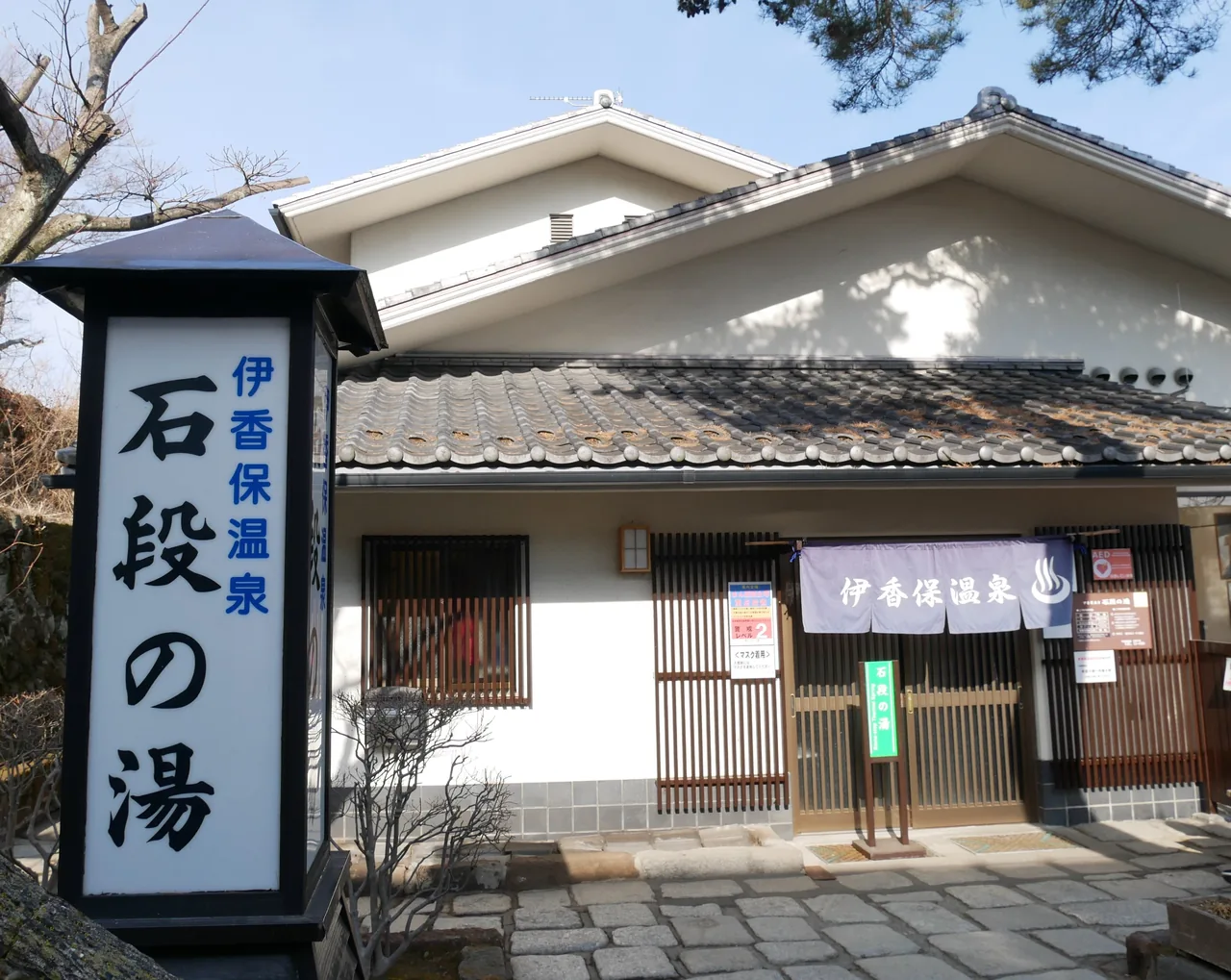
Photo: https://gunma-kanko.jp/
Areas of Gunma
Ikaho Onsen
Ikaho Onsen sights and access: the 365 stone steps and Ikaho Shrine, the September festival, art museums, Mizusawa Kannon and its udon, and trains from Tokyo.
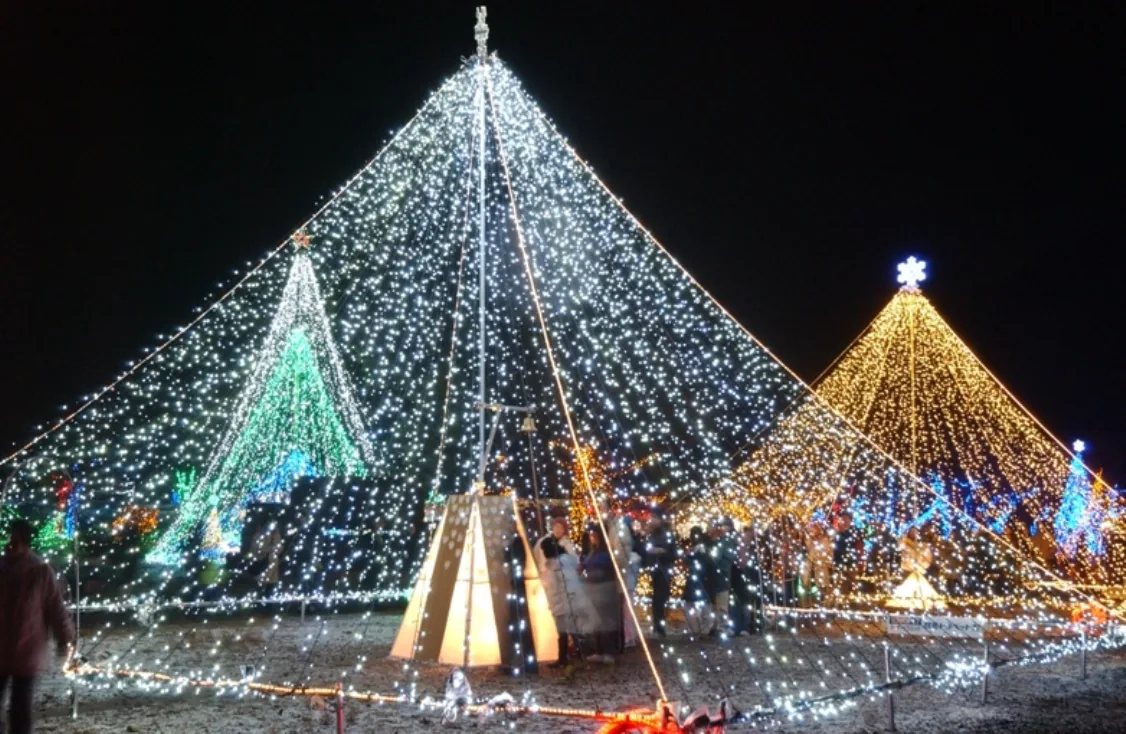 Dec 19 – Dec 26Lake Haruna Fireworks & Illumination Winter Fes
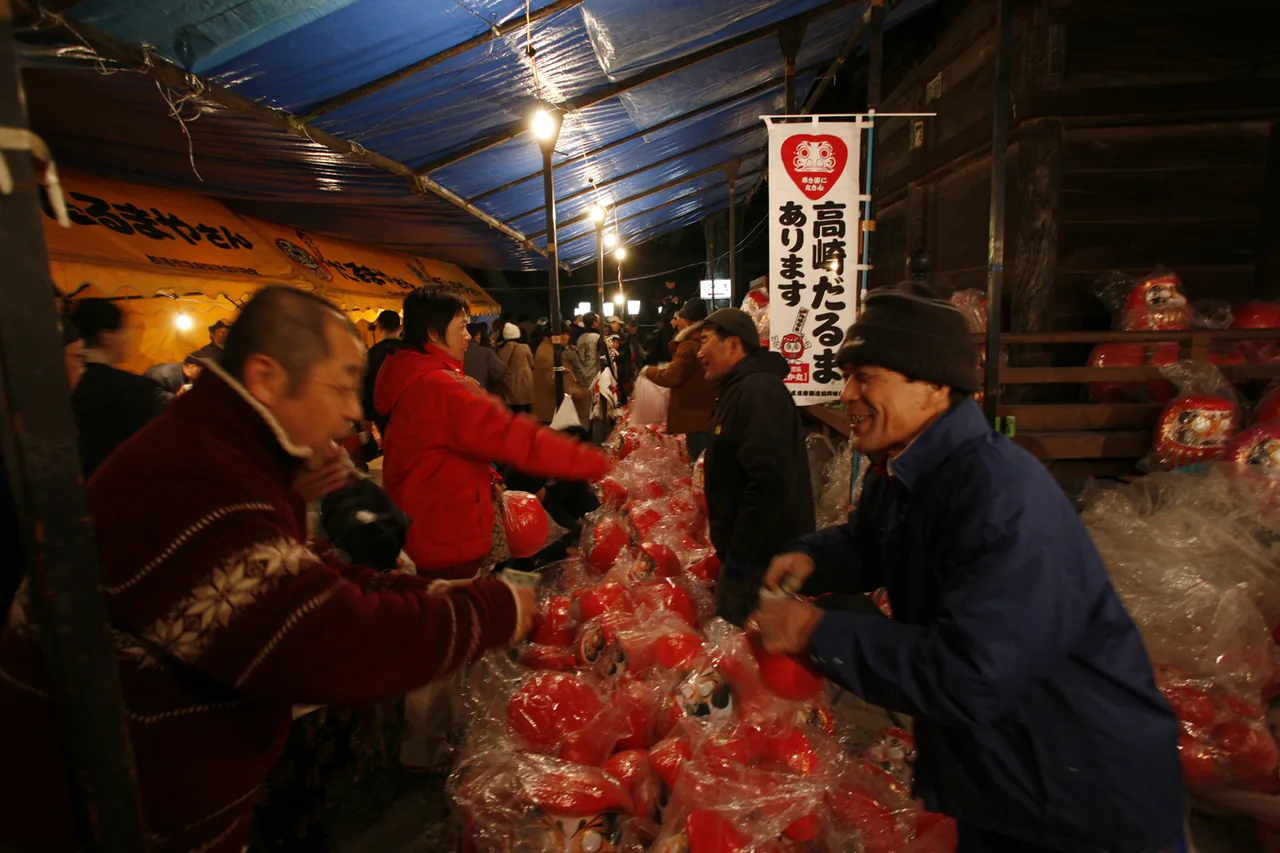 Jan 6 – Jan 7Shorinzan Daruma Market (Nanakusa Festival)
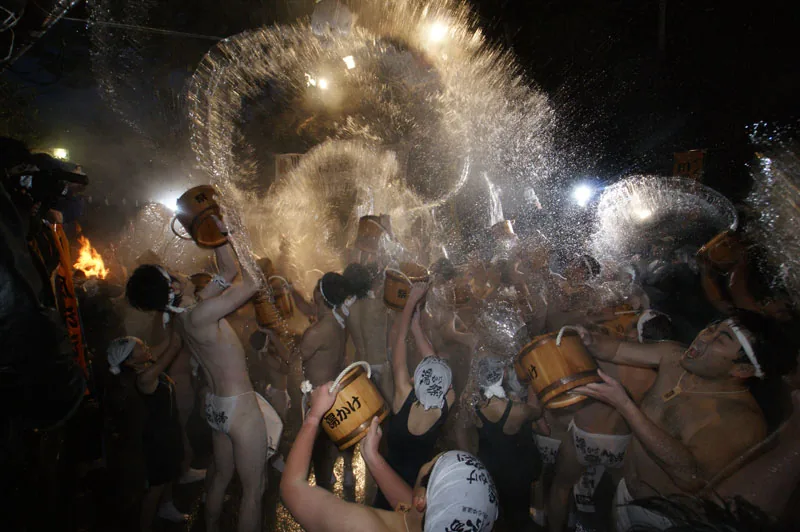 Jan 20Kawarayu Onsen Yukake Festival
Find on the map
This page is translated from the Japanese edition. Read the Japanese edition
What is the area like?
Get off the bus from Shibukawa Station and stand at the foot of the stone steps, and they climb on and on between inns, souvenir shops, shooting galleries and manju stalls. Ikaho Onsen sits on the slopes of Mount Haruna, and a flight of 365 stone steps runs straight through the middle of town. The steps are said to date from around 1576, when the hot-spring town was laid out, and hot spring water still flows beneath them to be shared among the inns.
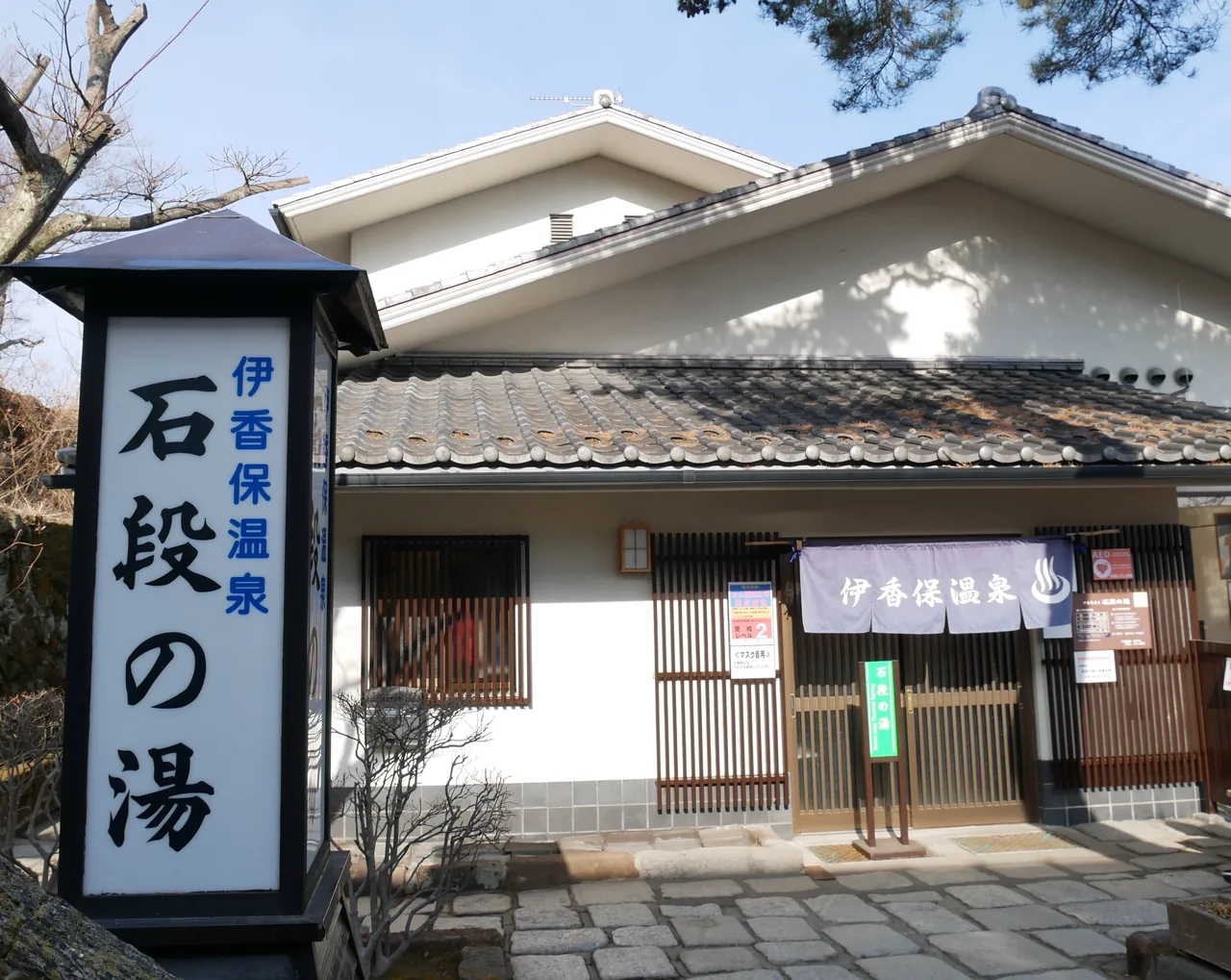
There are two kinds of water: the reddish-brown "golden water" and the clear "silver water". Along the road down toward the foot of Mount Haruna are a ranch, museums and an art museum, and in the hills to the south stands Mizusawa Kannon, known for Mizusawa udon.
Main sights
The stone steps and Ikaho Shrine
Climb the steps one by one and the townscape slowly changes around you. There is a footbath along the way, and at a small square partway up you can peer down at the water flowing beneath the steps. At the top of all 365 is Ikaho Shrine, dedicated to the god of hot springs, where you can look down over the roofs of the town. Beyond the shrine a path continues to where the spring water emerges. The steps are steep, so wear comfortable shoes. See Ikaho Onsen Stone Steps for details.
Ikaho Festival (usually 18–20 September)
The annual grand festival of Ikaho Shrine. The 18th brings the eve festival and the Roka Festival, held on the anniversary of the death of the writer Tokutomi Roka, who loved Ikaho; the 19th and 20th are the main festival days. Bearers shout in unison as they carry barrel mikoshi and the main mikoshi (19th only) up the 365 steps to Ikaho Shrine. Traffic is restricted during the festival, so public transport is the easier way to come. See Ikaho Festival for details.
Takehisa Yumeji Ikaho Memorial Museum
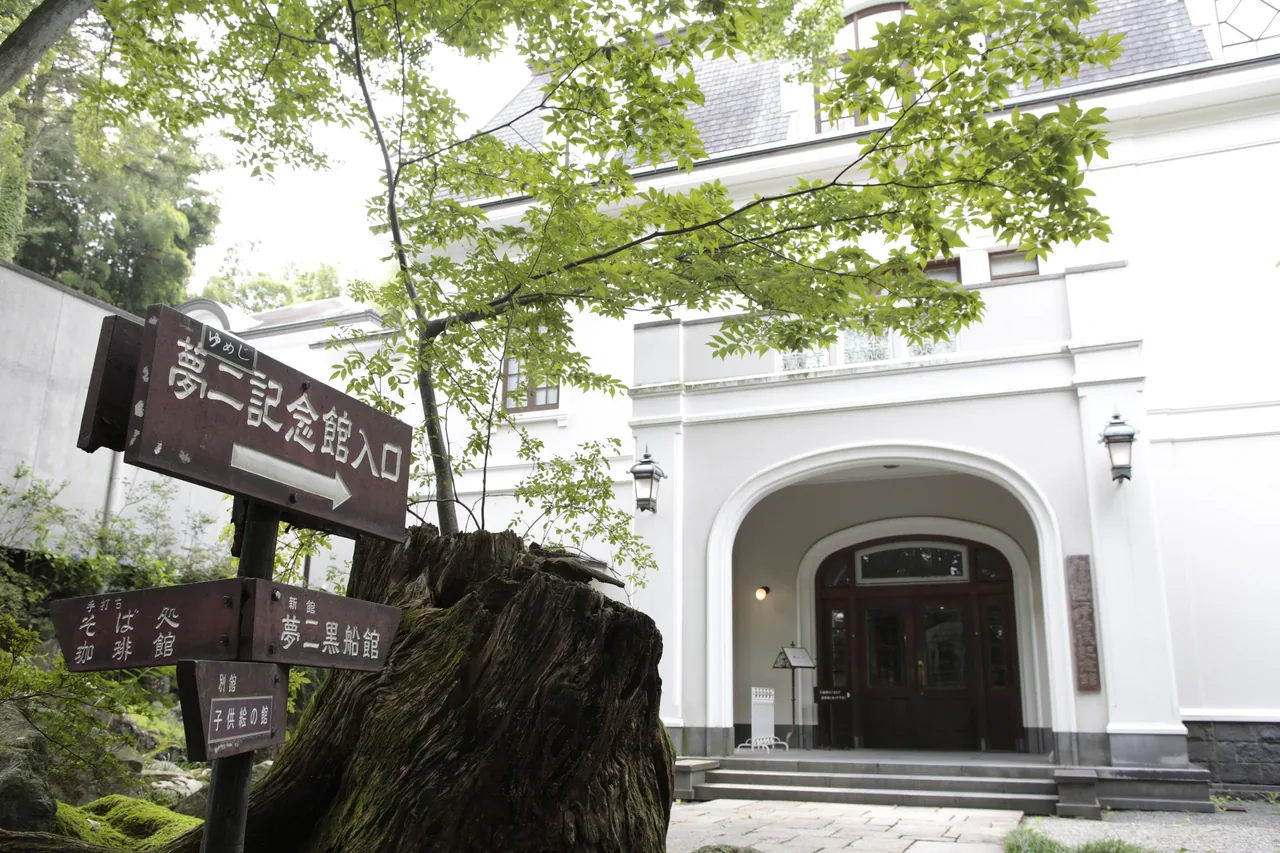
A museum devoted to Takehisa Yumeji, the leading painter of Taisho-era romanticism. Yumeji first visited Ikaho in 1919 (Taisho 8) and returned many times. From a collection of more than 16,000 items, the museum shows rotating selections of his hand-painted portraits of women, prints, and designs such as book covers. It is close to the stone steps and a good choice on a rainy day. See Takehisa Yumeji Ikaho Memorial Museum for details.
Hara Museum ARC and Ikaho Green Bokujo
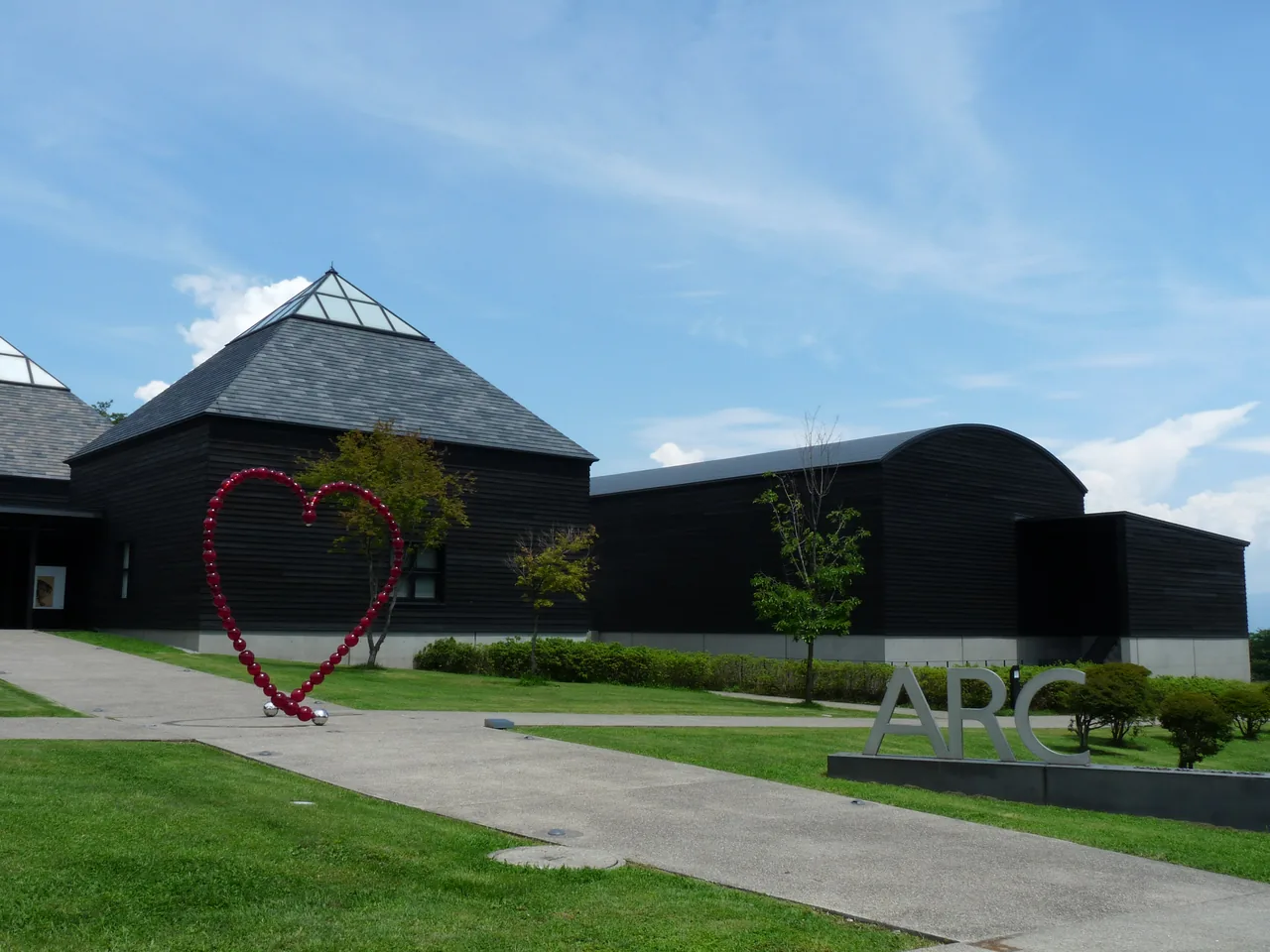
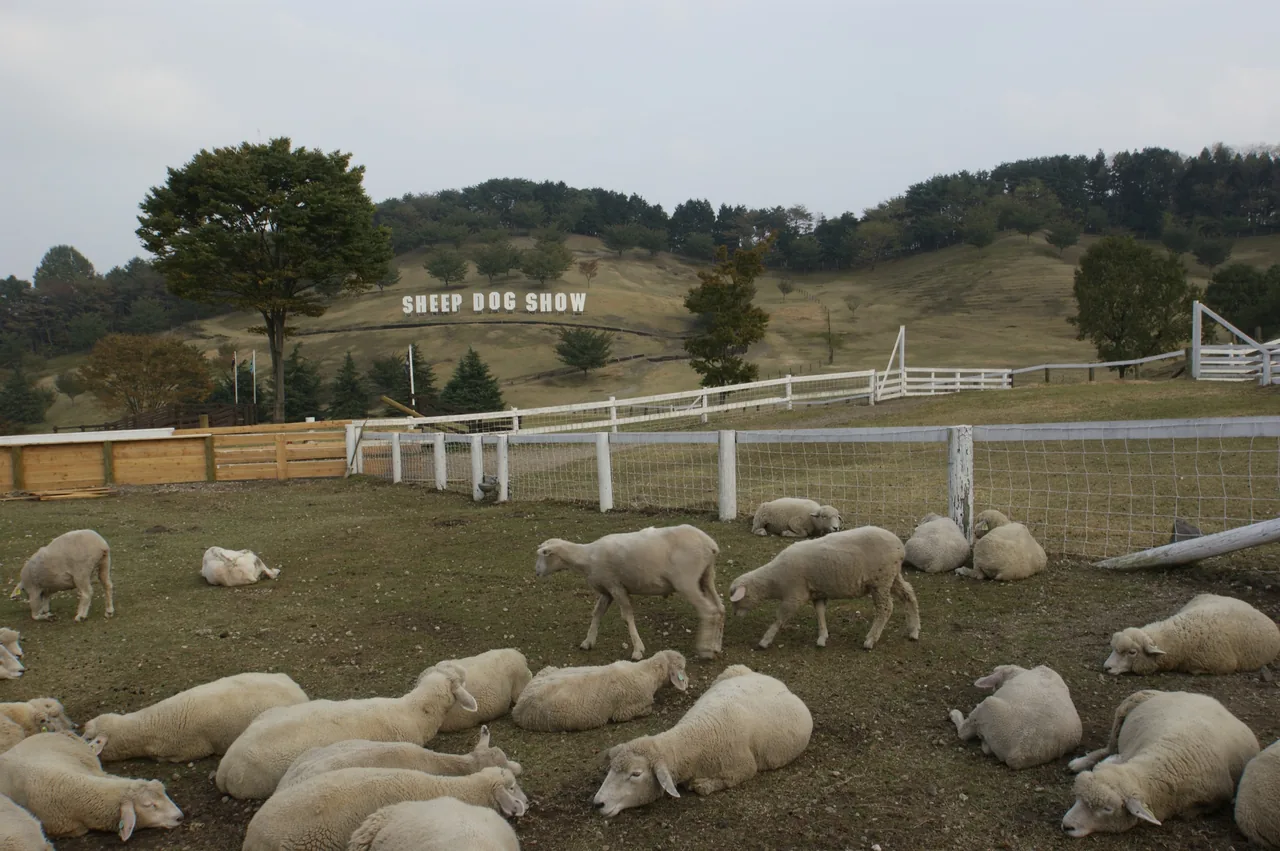
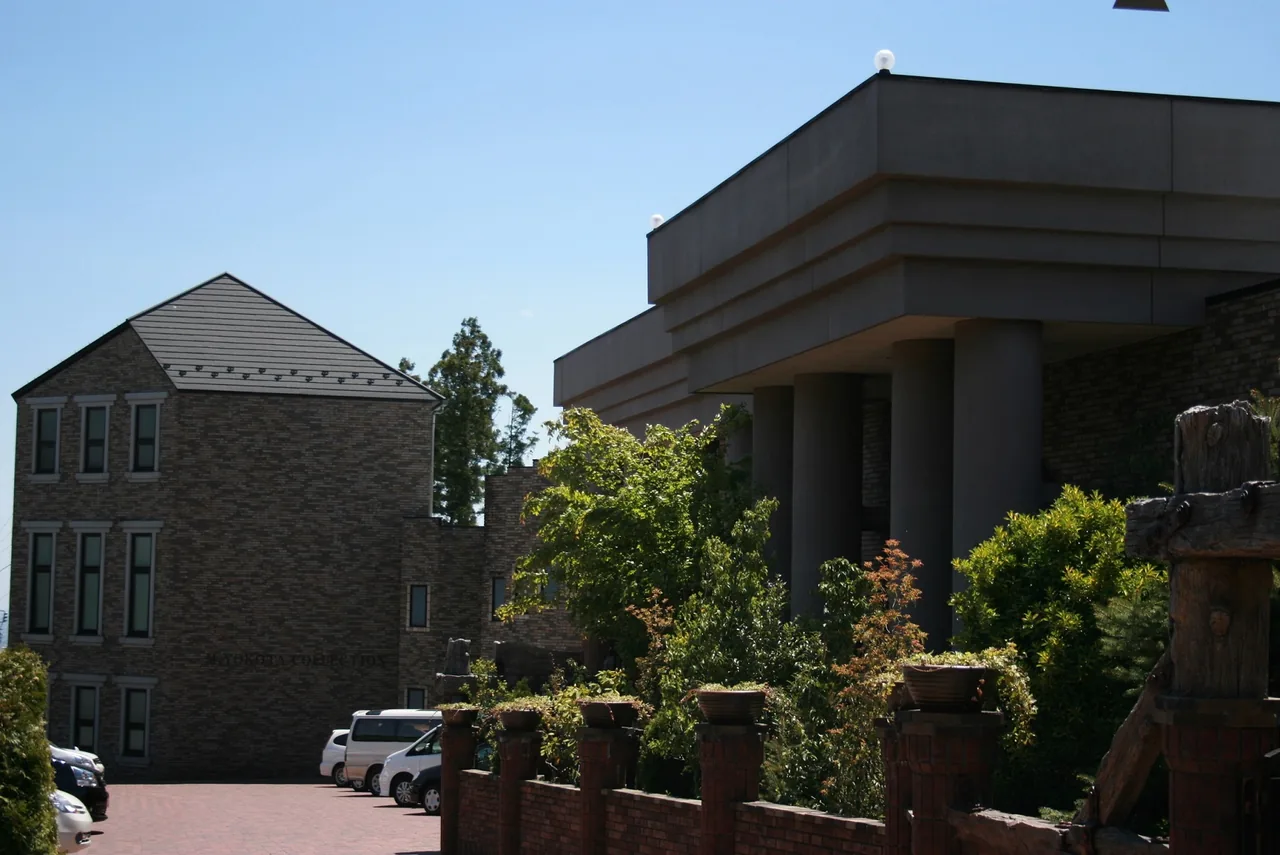
On the road up to Ikaho Onsen, on the slopes at the foot of Mount Haruna, a tourist ranch and a contemporary art museum sit side by side. Ikaho Green Bokujo is best known for its sheepdog show, in which dogs gather the flock. Hara Museum ARC opened in 1988 in a building designed by the architect Arata Isozaki; after the Hara Museum in Shinagawa, Tokyo, closed in 2021, it became the museum's base. It shows contemporary art and classical East Asian art, and outdoor works are dotted around its lawn.
Ikaho Toy, Doll and Car Museum
A museum of Showa-era toys and dolls and nostalgic cars. Inside is a recreated Showa streetscape with a cheap-sweets shop and old movie posters, so you look around as if walking down the street. See Ikaho Toy, Doll and Car Museum for details.
Mizusawa Kannon (Mizusawa-dera)
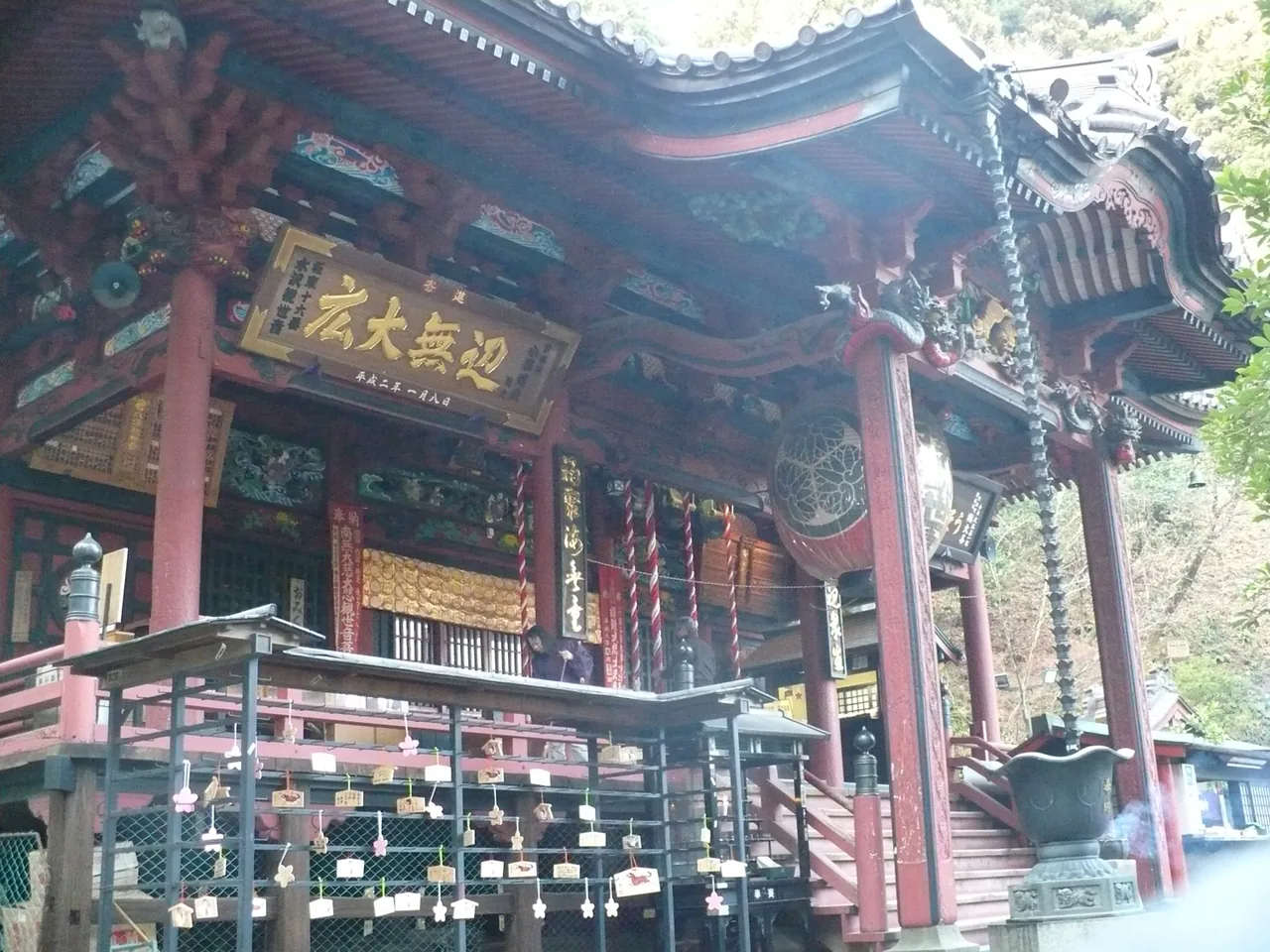
Temple No. 16 of the Bando 33 Kannon pilgrimage, in the hills south of Ikaho Onsen. Six Jizo statues are enshrined in its two-tiered hexagonal pagoda, and there is a steady stream of people turning the base as they make a wish. See Mizusawa Kannon (Mizusawa-dera) and Mizusawa Udon for details.
Food and shopping
Ikaho's signature dish is Mizusawa udon from in front of Mizusawa-dera, long served to pilgrims. The thick white noodles are firm and chewy, and the classic way to eat them is cold on a bamboo tray. A row of udon restaurants lines the road to the temple, about 8 minutes from Ikaho Onsen by Gunma Bus, which makes it just right for lunch on the day you stay. On the stone steps you can also find yaki manju, Gunma's grilled buns brushed with sweet miso sauce. Gunma's specialities are also covered in our Gunma food guide. For places to eat, see the list further down this page.
Getting there
- Train and bus: from Shibukawa Station on the JR Joetsu Line, take a bus bound for Ikaho Onsen, about 25 minutes. The limited express Kusatsu-Shima runs to Shibukawa from Ueno Station without a change, or you can take the Joetsu Shinkansen to Takasaki and change to a local line.
- Highway bus: there are also highway buses from Tokyo to Ikaho Onsen.
- To the museum and ranch: take a bus toward Ikaho Onsen from Shibukawa Station and get off at the Green Bokujo-mae stop.
- To Mizusawa Kannon: take a Gunma Bus bound for Ikaho Onsen from JR Takasaki or Shibukawa Station to the Mizusawa Kannon stop, right outside. From Ikaho Onsen it is about 8 minutes by Gunma Bus. Buses are infrequent, so check times before you set out.
Check inns and events in town on the Shibukawa Ikaho Onsen Tourism Association website.
Getting around the area
Half a day is enough to walk the stone steps and visit Ikaho Shrine at a relaxed pace. If you take the bus from Takasaki Station bound for Ikaho Onsen, which passes Mizusawa Kannon, you can get off on the way for udon and a temple visit before heading into town (buses are few, so check the time of the next one first). If you come in from Shibukawa Station, get off at Green Bokujo-mae on the way and visit the museum or ranch before going up to the town. Walk the steps in the evening, then relax in your inn's bath at night. The next day, Ikaho is well placed for a trip up to the lake on top of the mountain at Mount Haruna & Lake Haruna. For how Ikaho compares with other spa towns, see our guide to choosing a Gunma onsen.
Sights in Ikaho Onsen
Gunma guides
See all


More areas of Gunma
- Kusatsu Onsen
- Shima Onsen
- Nakanojo & Sawatari Onsen
- Kuni & Lake Nozori
- Takayama Village
- Minakami & Mount Tanigawa
- Tsukiyono & Takumi no Sato
- Sarugakyo & Hoshi Onsen
- Fujiwara & Naramata
- Takasaki
- Maebashi
- Tomioka
- Mount Akagi
- Mount Haruna & Lake Haruna
- Numata
- Tambara Plateau
- Kawaba
- Oigami Onsen & Fukiware Falls
- Oze & Katashina
- Katashina & Mount Hotaka
- Marunuma & Suganuma
- Agatsuma Gorge & Kawarayu
- Tsumagoi & Mount Asama
- Usui Pass & Yokokawa
- Mount Myogi
- Kiryu
- Ota
- Tatebayashi