
Nakanojo & Sawatari Onsen
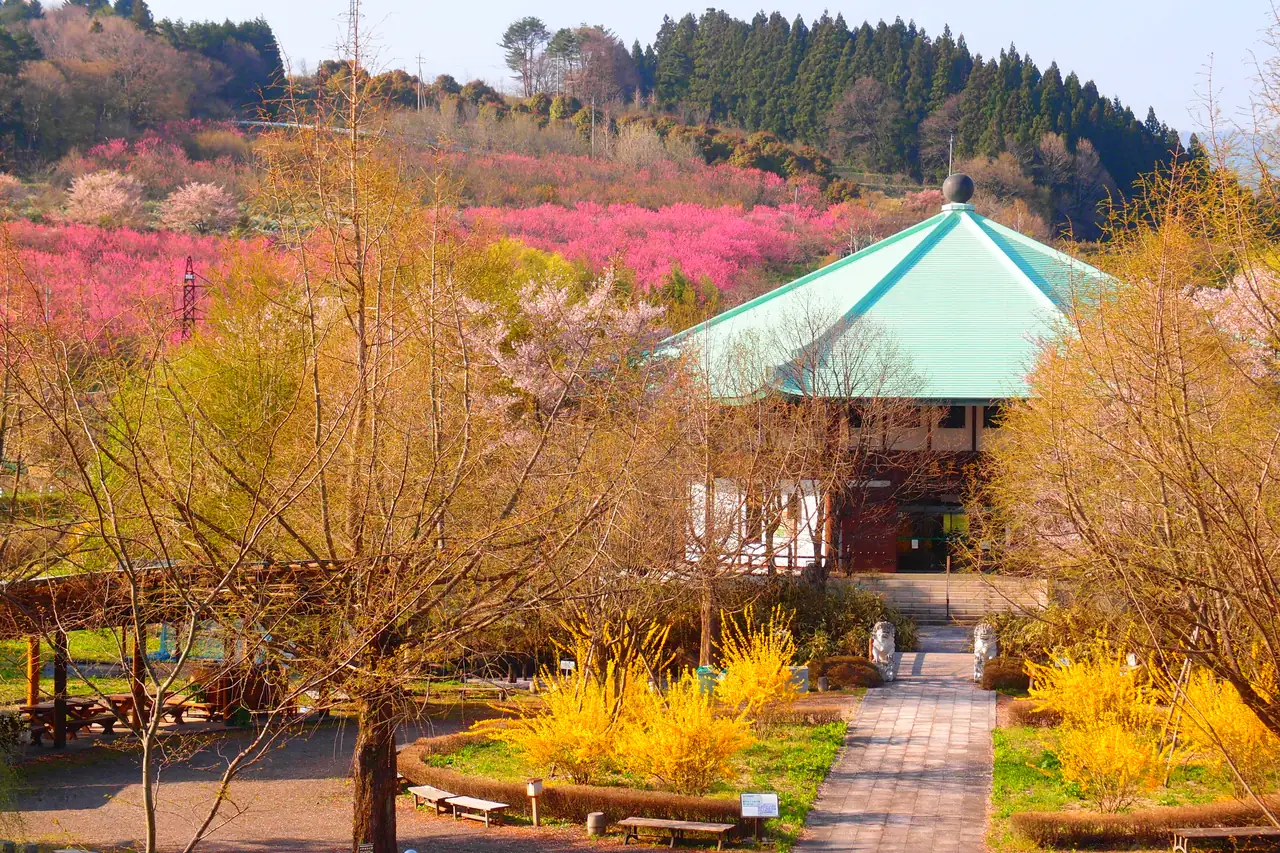
Photo: https://gunma-kanko.jp/
Areas of Gunma
Nakanojo & Sawatari Onsen
Around Nakanojo Station: quiet Sawatari Onsen, Nakanojo Gardens, the Musée in a Meiji schoolhouse, the Tomizawa house, Mount Takeyama, and the train from Ueno.
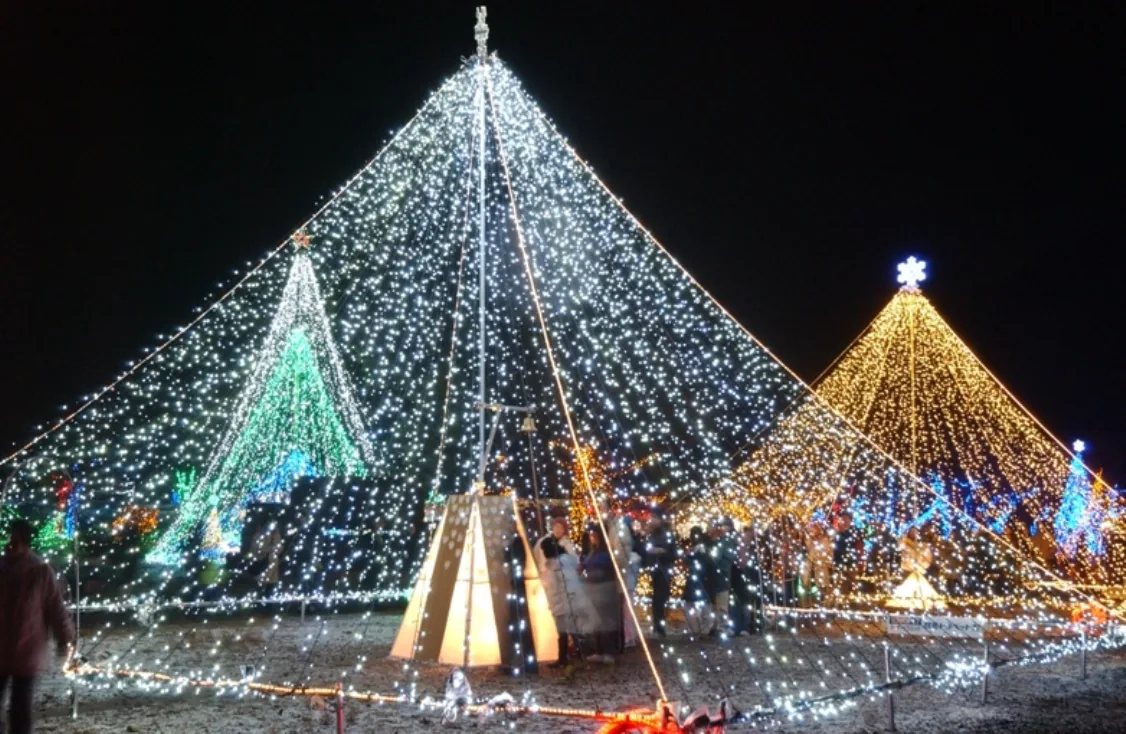 Dec 19 – Dec 26Lake Haruna Fireworks & Illumination Winter Fes
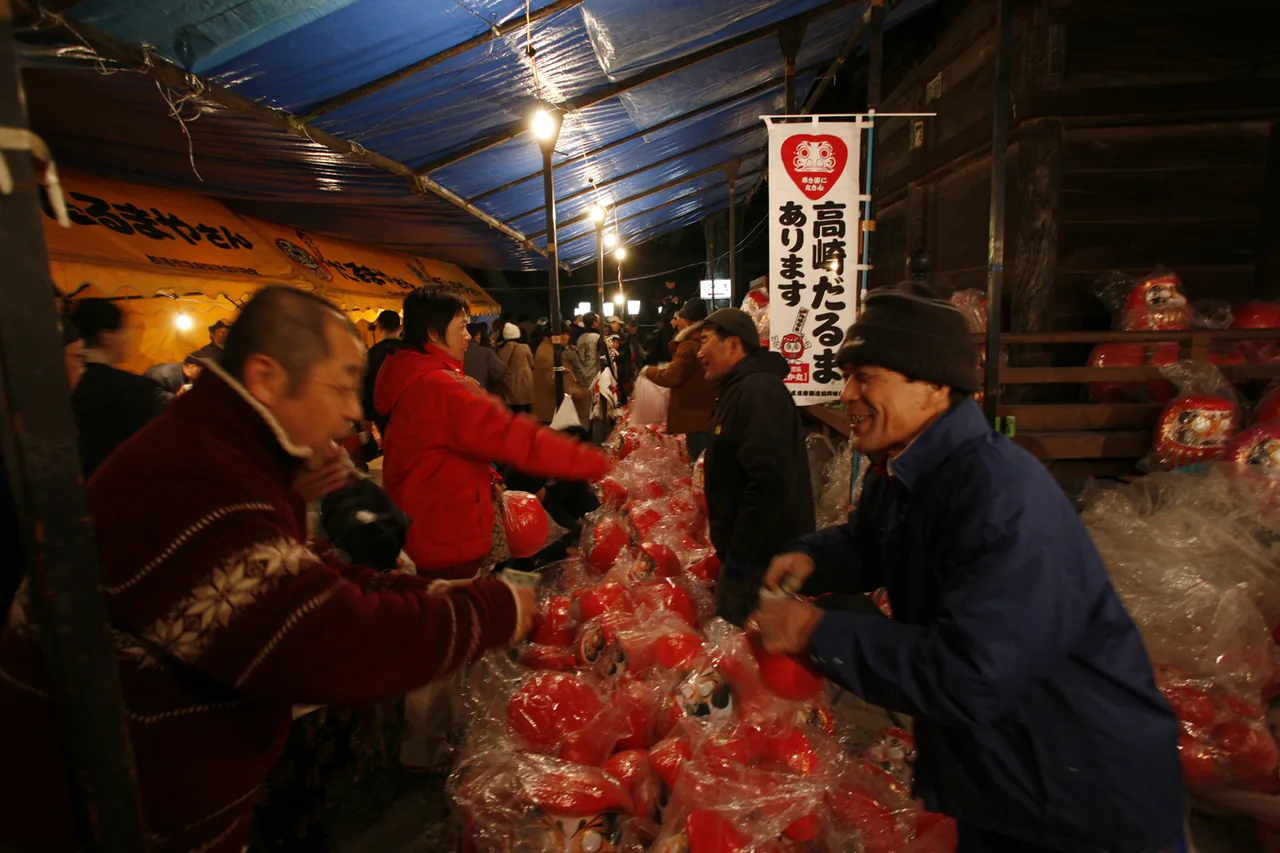 Jan 6 – Jan 7Shorinzan Daruma Market (Nanakusa Festival)
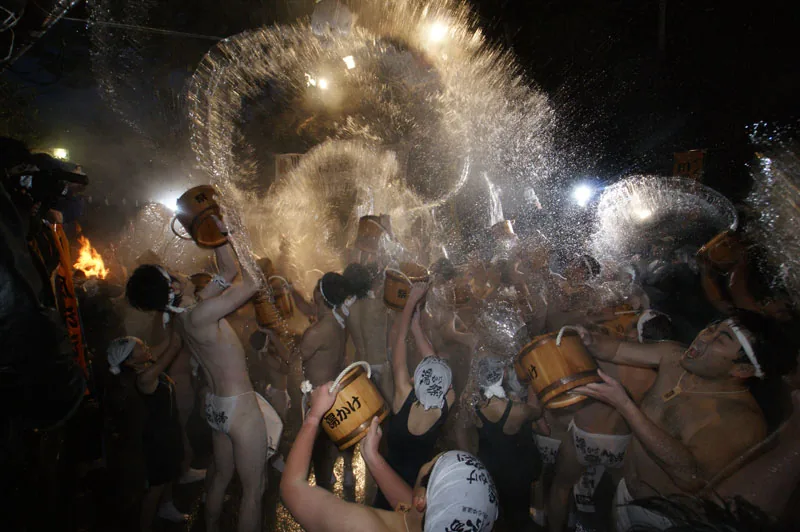 Jan 20Kawarayu Onsen Yukake Festival
Find on the map
This page is translated from the Japanese edition. Read the Japanese edition
What is the area like?
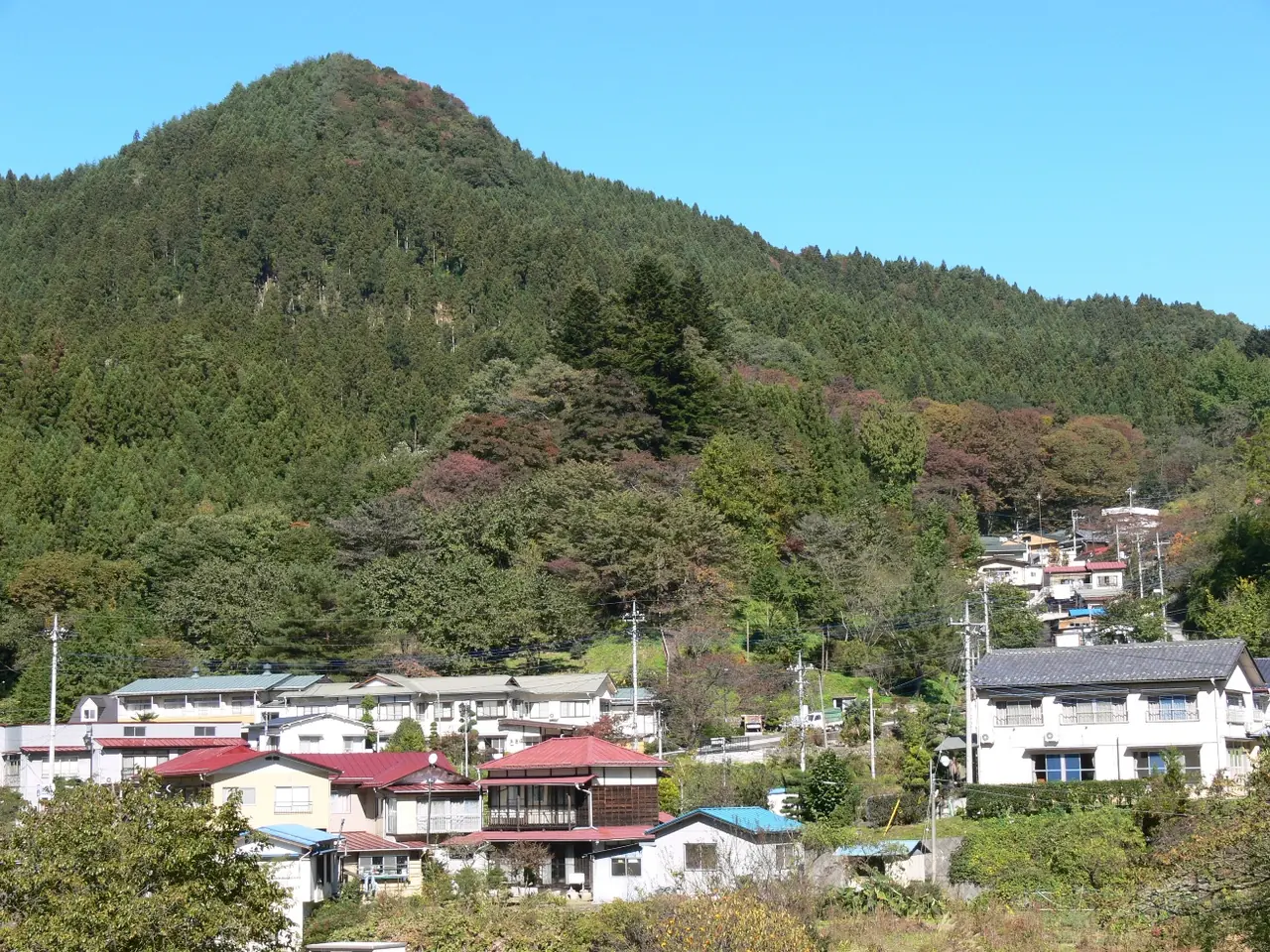
When the limited express from Ueno pulls into Nakanojo Station, a small town ringed by the mountains of Agatsuma opens up outside. Nakanojo is best known as the place to change for Shima Onsen, but in town there is a museum in a Meiji-era schoolhouse, and in the hills around it a flower garden, an Edo-period farmhouse and an old school that served as a film location. Head into the valley northwest of the station and you reach Sawatari Onsen, a handful of inns gathered together.
Nakanojo also hosts the Nakanojo Biennale, an international contemporary art festival held every two years. It began in 2007, and its tenth edition took place in 2025. Wooden schoolhouses, old farmhouses and other spots all over town become venues. The next edition is planned for 2027, so check the dates on the official website.
Main sights
Sawatari Onsen
A small hot spring village where a few inns and a public bathhouse huddle in a valley. The clear, soft water is said to have long been a "finishing bath," where people rested their skin after the strong waters of Kusatsu. There is no busy hot spring street; it suits a quiet mountain-village stay, with a walk in the riverside park and a soak in the public bath. See Sawatari Onsen for details.
Nakanojo Gardens
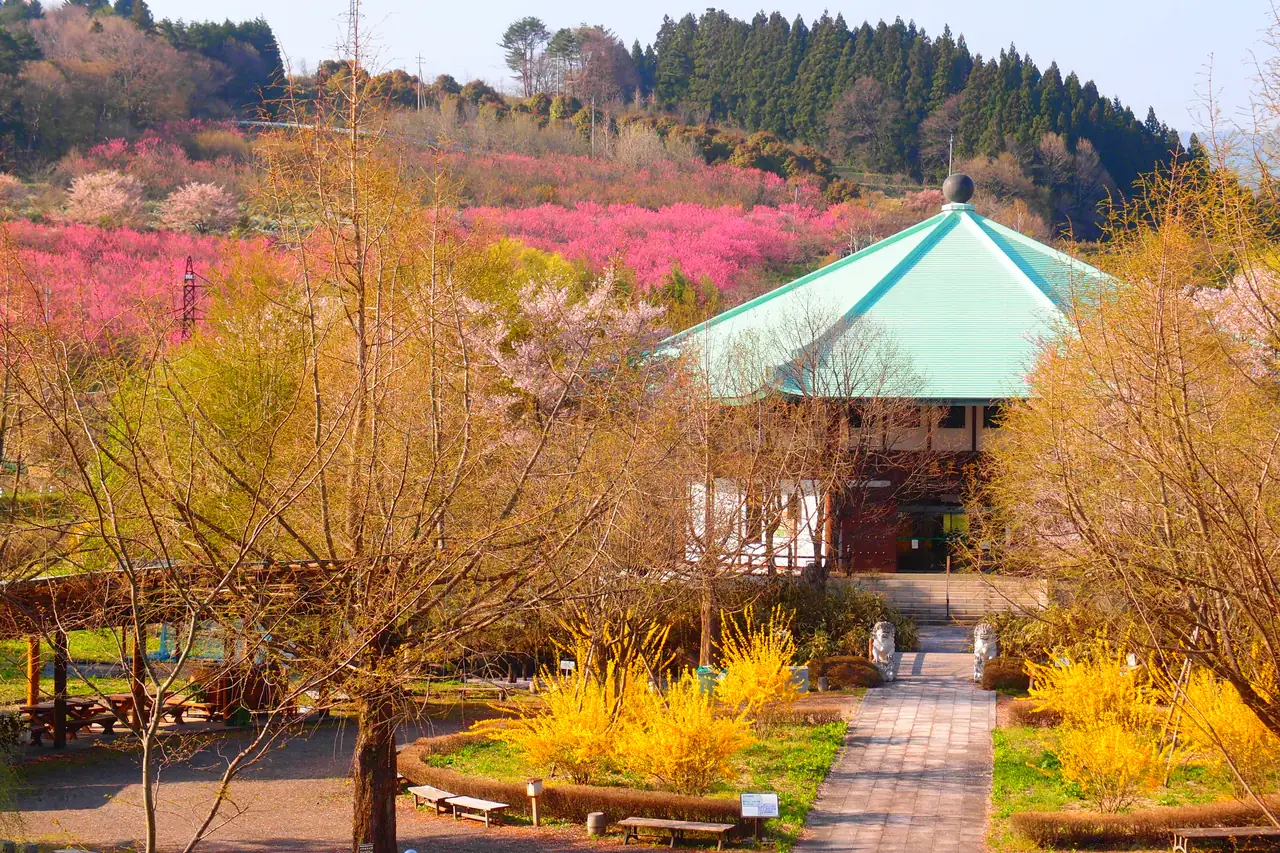
A town-run garden where rose gardens and seasonal flower gardens spread across a hillside. Around April flowering peach trees turn the slopes deep pink, hydrangeas bloom in the rainy season and roses from early summer to autumn. See Nakanojo Gardens for details.
The Musée and Tsumuji
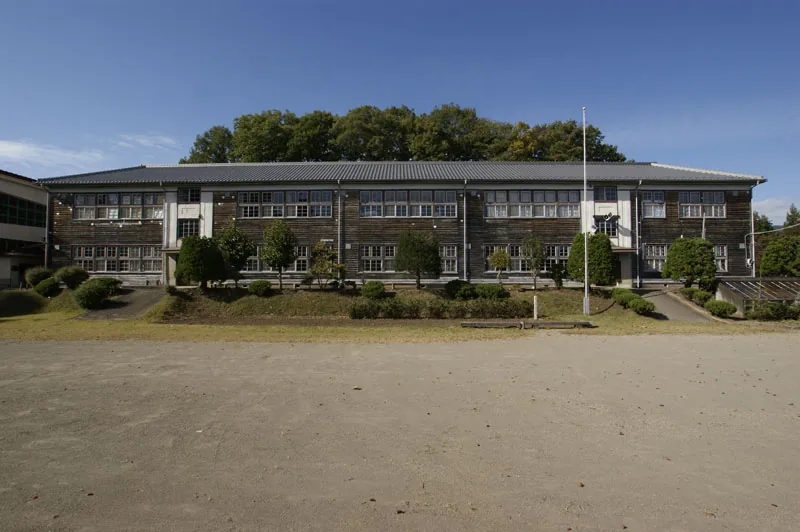
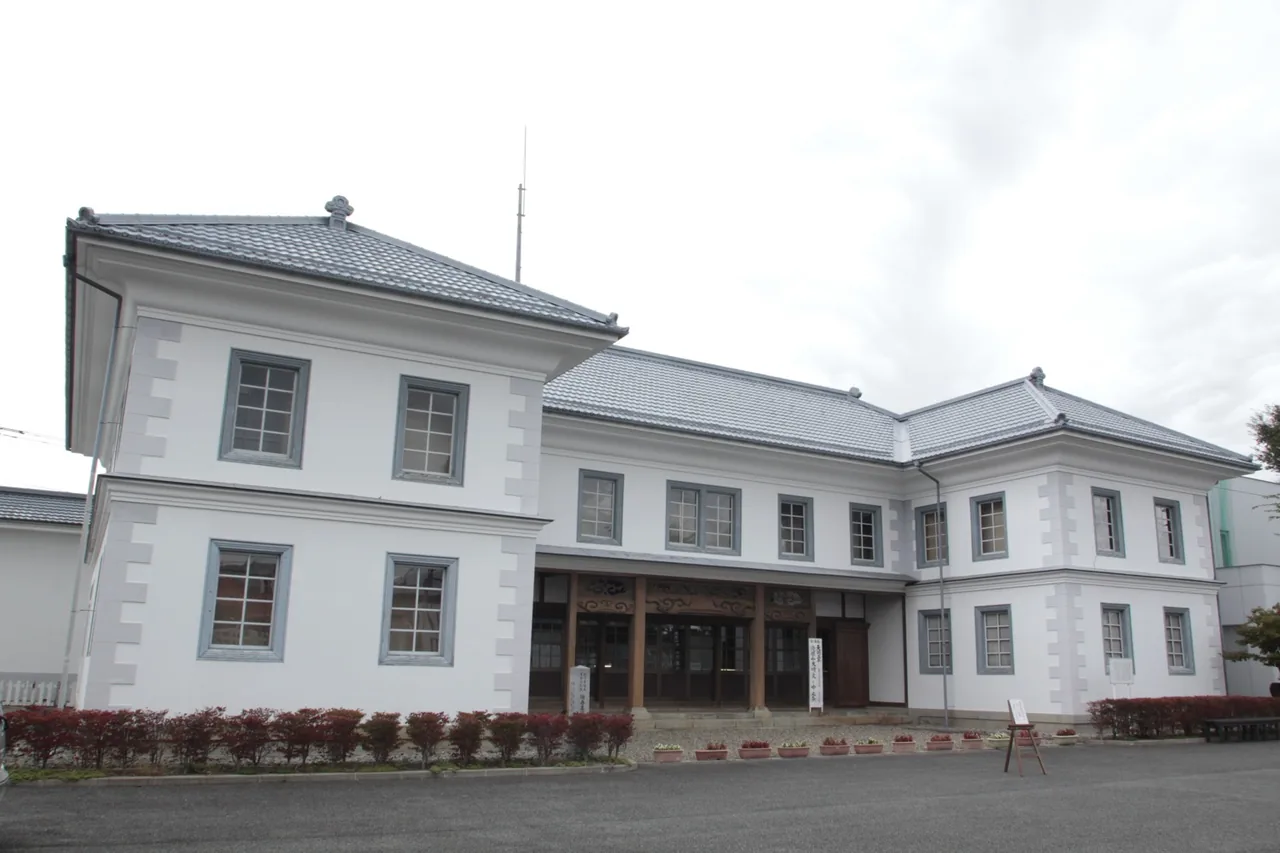
The Nakanojo Museum of History and Folklore "Musée" has its main building in the schoolhouse of the former Agatsuma Third Elementary School, which opened in 1885. With its tiled roof, white walls and tall windows, it is a Western-style Meiji school building and a Gunma Prefecture Important Cultural Property. Close by, Tsumuji is a community center with cafes and shops around a lawn, plus a free footbath using water from Shima Onsen.
Isama Studio Park
A park in the wooden schoolhouse of a closed junior high school. It became known as "Isama Studio" after serving as the base for filming the movie Nemuru Otoko (Sleeping Man, released in 1996). The school displays material on the film, and the Isama Studio Film Festival is held every autumn. See Isama Studio Park for details.
Tomizawa Family House
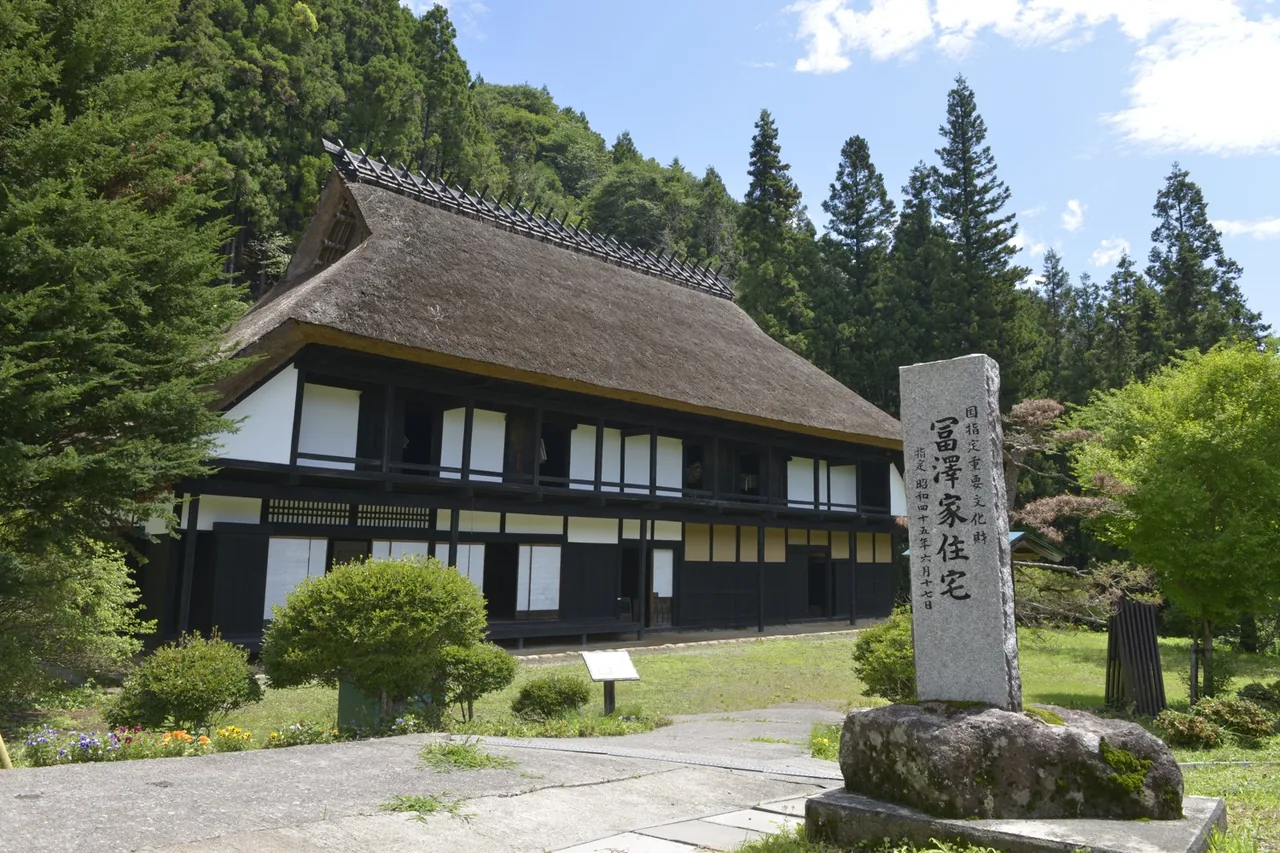
The residence of the Tomizawa family, village heads in the Edo period, and a large silk-farming house in the kabuto-zukuri style, with the front of the roof raised like a samurai helmet. Thought to date from the late 18th century, it is a national Important Cultural Property. Public transport does not go near it, so go by taxi or car. See Tomizawa Family House for details.
Michi-no-Eki Ryozan Takeyama and Mount Takeyama
A roadside station at the foot of the rocky peak of Mount Takeyama (789 m), at the start of its main trail. Around the Takeyama Festival on May 5 each year, about 100 carp streamers fly against the rock face. Stone Buddhas dot the mountain and some sections are climbed with chains, so watch your footing. See Michi-no-Eki Ryozan Takeyama for details.
Shirokubo Ochako (February 24 every year)
Held every year on February 24 in the Shirokubo district, this is a game of drinking tea blended from roasted teas, sweet hydrangea tea, dried tangerine peel and more, and guessing the mix. It is said to preserve the form of tocha, a tea-guessing game popular in medieval Japan, and is a national Important Intangible Folk Cultural Property. It takes place in the thatched Ochako House. See Shirokubo Ochako for details.
Food and shopping
In town, Tsumuji has a cafe serving dishes and sweets made with local ingredients, and a shop of traditional crafts and one-off pieces by makers, good for souvenirs you will only find in Nakanojo. Michi-no-Eki Ryozan Takeyama has a farm stand of local produce, and you can try making soba noodles. Nakanojo Gardens also has a shop and a restaurant. You can find places to eat in the list further down this page.
Getting there
- By train: JR's Kusatsu-Shima limited express runs from Ueno Station to Nakanojo Station with no change in about 2 hours 5 minutes. All seats are reserved.
- Into town: the Musée is about a 15-minute walk from Nakanojo Station. You can also take a Kan-etsu Kotsu bus bound for Shima Onsen or Sawatari Onsen about 5 minutes to the Hakubutsukan-mae stop.
- To Sawatari Onsen: about 25 to 30 minutes by Kan-etsu Kotsu bus from Nakanojo Station.
- By car: Michi-no-Eki Ryozan Takeyama is about 50 minutes from the Shibukawa-Ikaho interchange on the Kan-etsu Expressway.
Check train times on JR East's Kusatsu-Shima limited express page, and the town's sights and events on the Nakanojo Tourism Association's official website.
Getting around the area
If you come by train, walk from the station to the Musée and Tsumuji, rest at the footbath, then take the bus to Sawatari Onsen, and you have a full day without a car. Nakanojo Gardens, Isama Studio Park, the Tomizawa house and Mount Takeyama are away from the town center, so use a taxi or car for those.
Sawatari Onsen also works as a "finishing bath" on the way home from a night in Kusatsu. It pairs well with Kuni & Lake Nozori over Kuresaka Pass, or Shima Onsen, reached by bus from the same Nakanojo Station. For how Gunma's hot spring towns differ, see our Gunma Onsen Guide.
Sights in Nakanojo & Sawatari Onsen
See all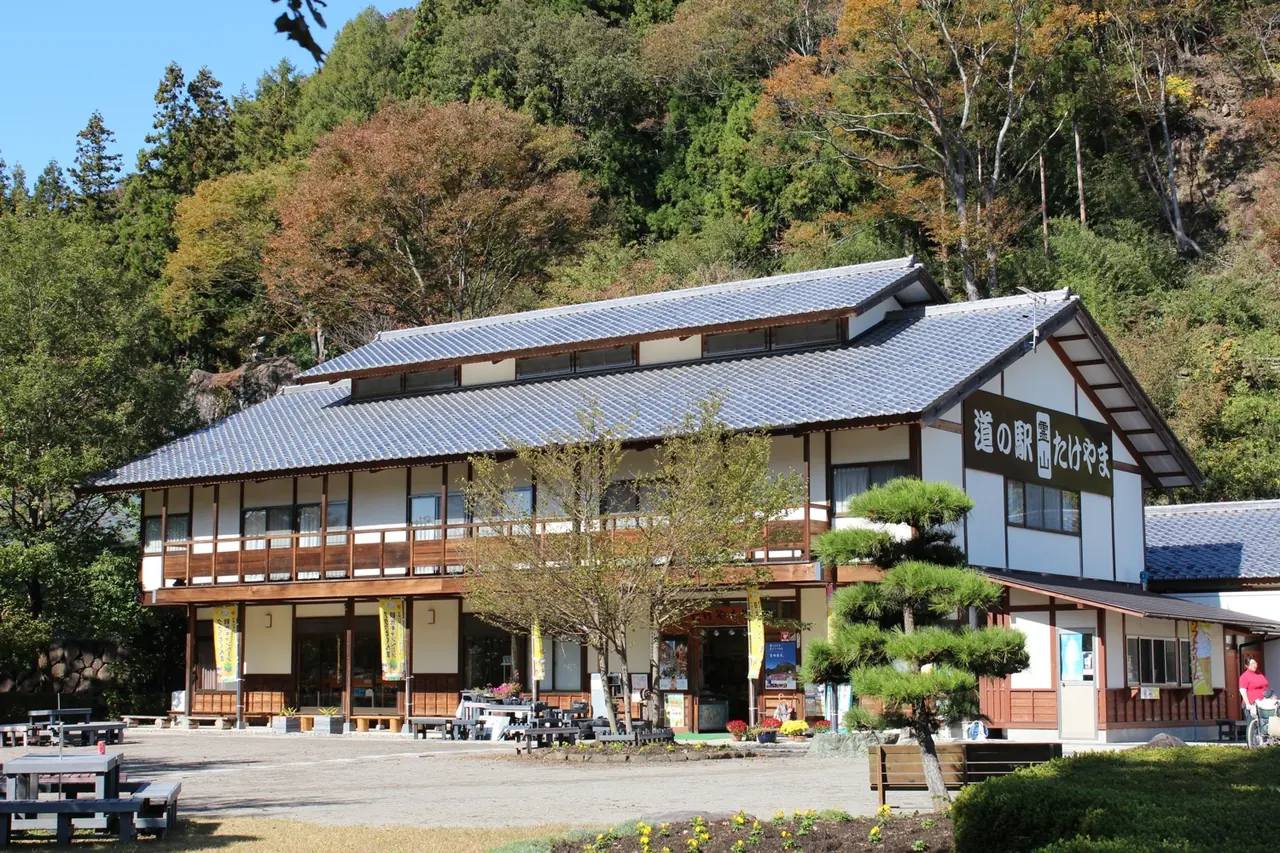
Gunma guides
See all


More areas of Gunma
- Kusatsu Onsen
- Ikaho Onsen
- Shima Onsen
- Kuni & Lake Nozori
- Takayama Village
- Minakami & Mount Tanigawa
- Tsukiyono & Takumi no Sato
- Sarugakyo & Hoshi Onsen
- Fujiwara & Naramata
- Takasaki
- Maebashi
- Tomioka
- Mount Akagi
- Mount Haruna & Lake Haruna
- Numata
- Tambara Plateau
- Kawaba
- Oigami Onsen & Fukiware Falls
- Oze & Katashina
- Katashina & Mount Hotaka
- Marunuma & Suganuma
- Agatsuma Gorge & Kawarayu
- Tsumagoi & Mount Asama
- Usui Pass & Yokokawa
- Mount Myogi
- Kiryu
- Ota
- Tatebayashi