
Ota
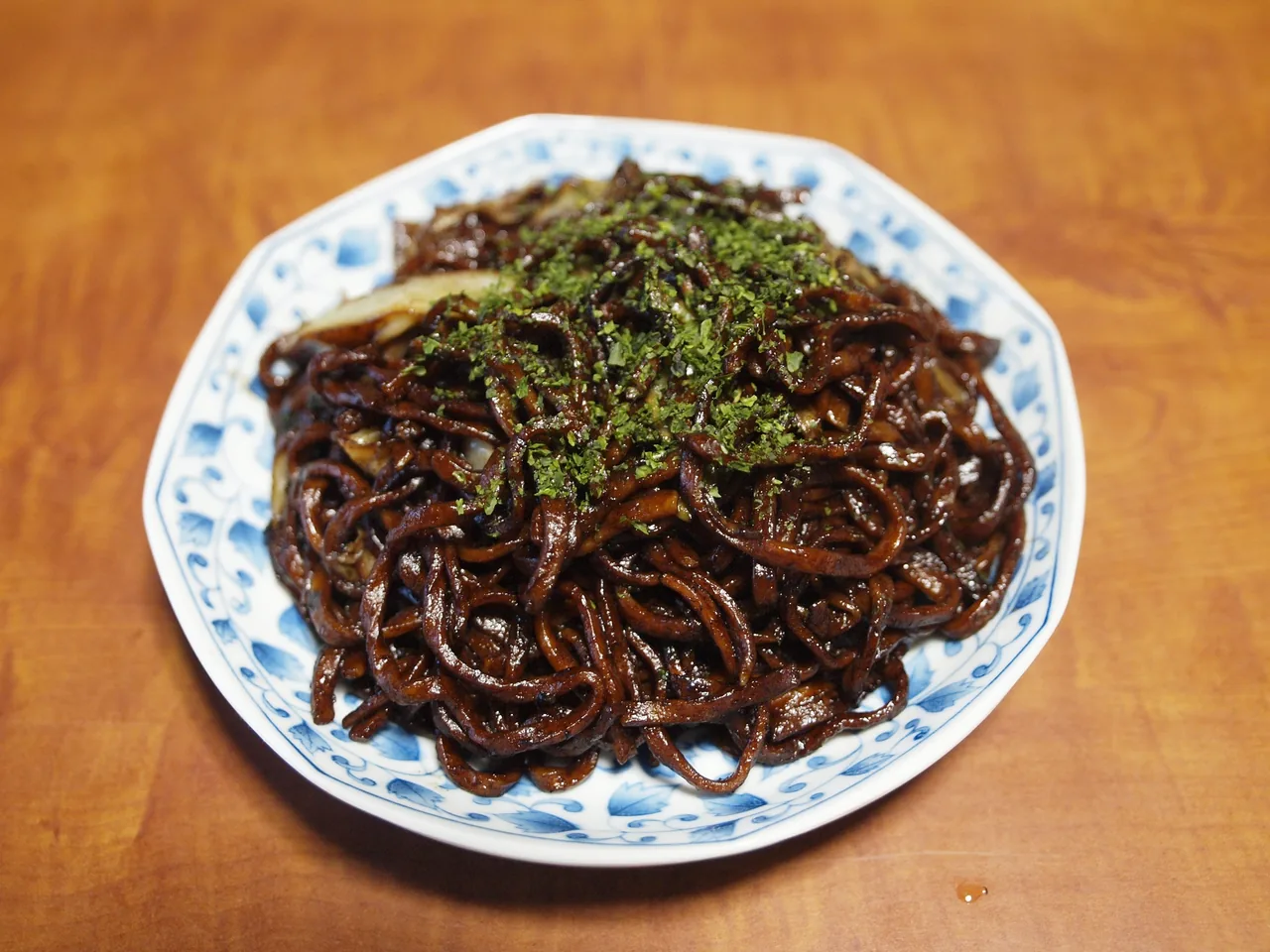
Photo: https://gunma-kanko.jp/
Areas of Gunma
Ota
Ota, tied to the Nitta clan and the Tokugawa: Daikoin temple, Serada Toshogu with halls moved from Nikko, Kanayama Castle, Joshu Ota yakisoba and trains from Asakusa.
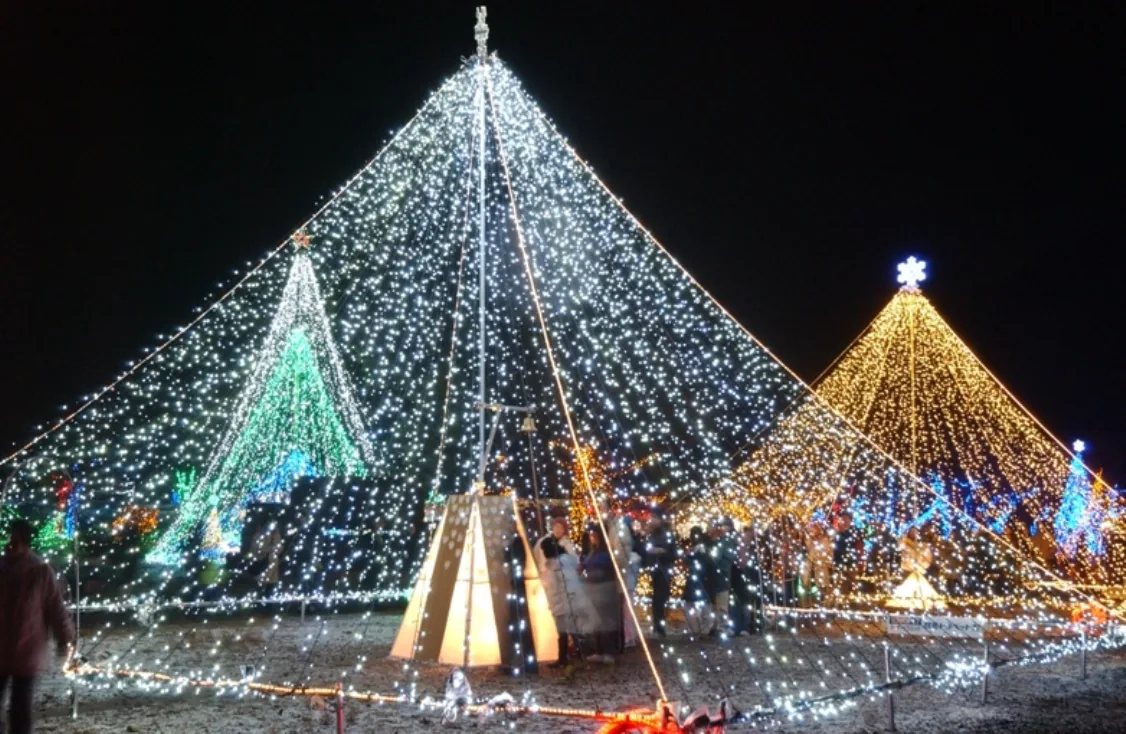 Dec 19 – Dec 26Lake Haruna Fireworks & Illumination Winter Fes
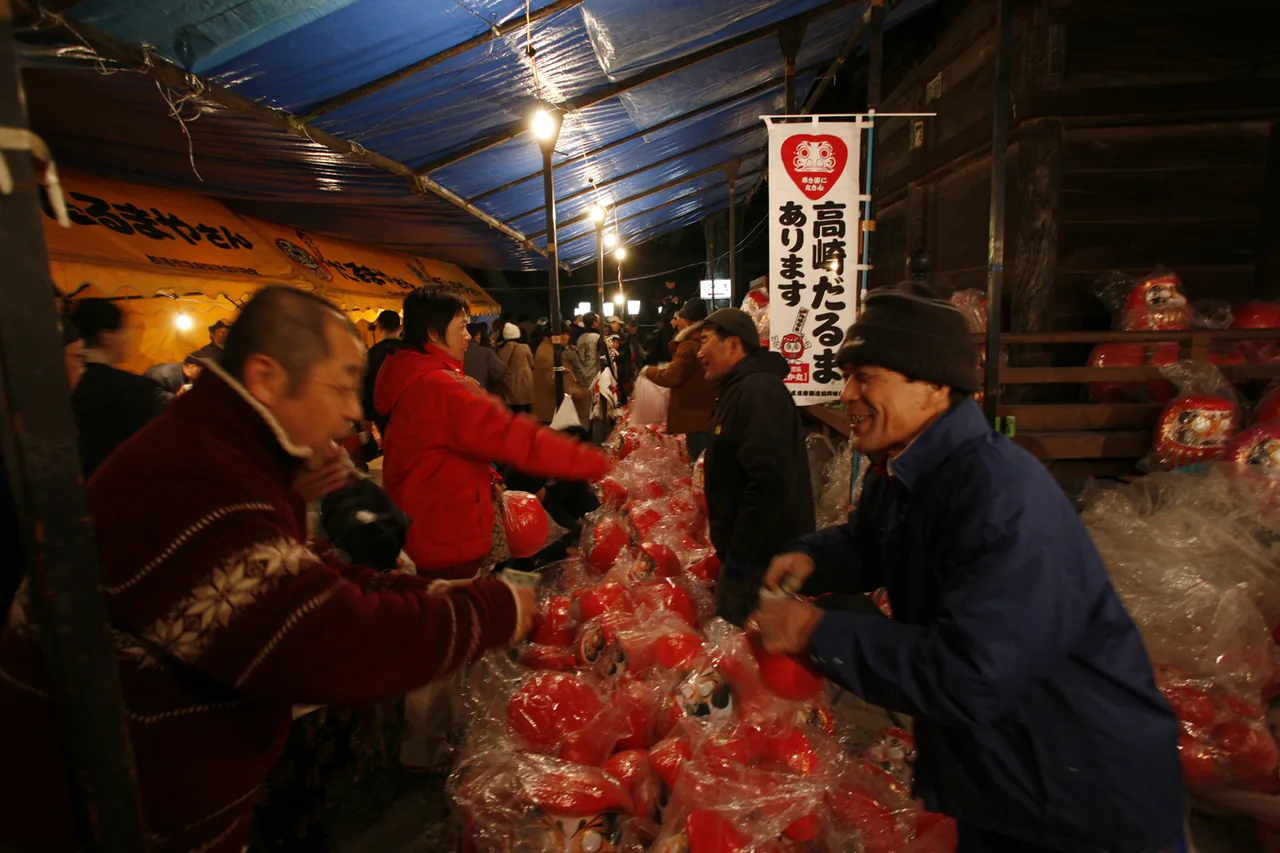 Jan 6 – Jan 7Shorinzan Daruma Market (Nanakusa Festival)
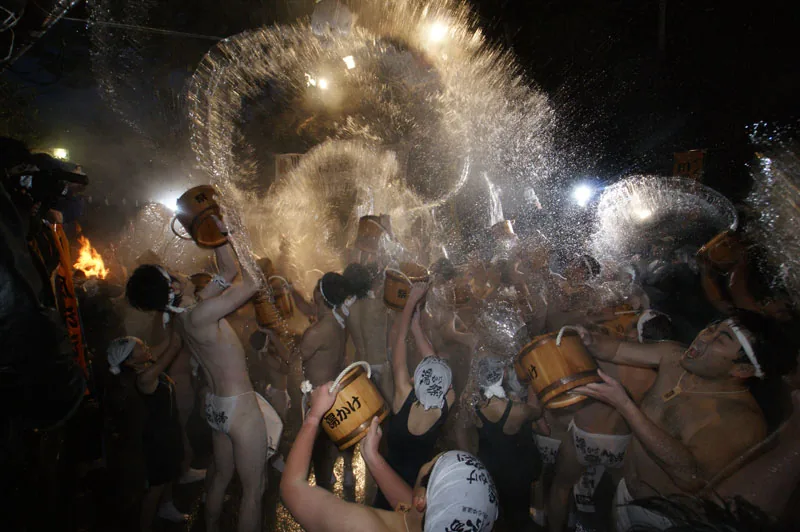 Jan 20Kawarayu Onsen Yukake Festival
Find on the map
Choose a numbered circle to zoom in there; choose a name to open the area's page.
This page is translated from the Japanese edition. Read the Japanese edition
What is the area like?
North of central Ota rises the wooded hill of Kanayama, and at its southern foot stands Daikoin, a temple known affectionately as "Kosodate Donryu," Donryu the child-raiser. Ota is a town tied to the Nitta clan and the Tokugawa family, with a Nitta-clan castle on Kanayama and a temple honoring Nitta Yoshishige, whom Tokugawa Ieyasu claimed as his ancestor.
Head west from the center on the Tobu Isesaki Line and you reach Serada Toshogu, built with halls moved from Nikko Toshogu. For lunch you can compare Ota yakisoba, which tastes different at every shop.
Main sights
Daikoin (Kosodate Donryu)
A Jodo-sect temple founded in 1613 by Tokugawa Ieyasu for the prosperity of his family and in memory of Nitta Yoshishige, the founder of his line. The priest Donryu, its first head priest, took in abandoned children and children of poor families as his disciples and raised them, so he came to be called "Kosodate Donryu," and the temple still draws deep devotion. The Kissho-mon gate is said to have got its name, "auspicious gate," because its ridgepole was raised on the day Osaka Castle fell. See Ota City's page on Daikoin and Donryu for details.
Serada Toshogu
The shrine began when the worship hall, Karamon gate and multi-storied pagoda of Nikko Toshogu's former inner shrine, built in the Genna era, were moved to the grounds of Chorakuji temple in Serada at the wish of the priest Tenkai. The main hall, Karamon gate and worship hall are Important Cultural Properties. Nikko's shrine buildings were completely rebuilt by the third shogun, Tokugawa Iemitsu, in 1636, so the worship hall and gate moved here show what Nikko looked like before then. Its history and cultural properties are covered on Ota City's Toshogu page.
Kanayama Castle ruins
The remains of a mountain castle built in 1469 by Iwamatsu Iezumi of the Nitta clan, now a National Historic Site and one of Japan's 100 Fine Castles. Unusually for a mountain castle in the Kanto region, it made heavy use of stone walls and stone paving, and large ponds such as Hi-no-ike remain near the summit. It is said never to have fallen in about 120 years, and was abandoned after Toyotomi Hideyoshi's campaign against Odawara in 1590. See Ota City's Kanayama Castle page for details.
Food and shopping
Ota is a yakisoba town, with a great many places serving it across the city. Joshu Ota yakisoba has no set recipe. Some shops use thick noodles with a rich sauce and nothing but cabbage, others use thin noodles, and some add pork or potato. Try a few on the day you visit the temples and you will taste the difference. For more of Gunma's specialties, see our Gunma food guide. For places to eat, see the list further down this page.
Getting there
- From Tokyo: the Tobu Ryomo limited express runs from Asakusa Station to Ota Station without a change.
- To Serada Toshogu: Serada Station on the Tobu Isesaki Line is the nearest.
Check stops and times for the limited express on Tobu Railway's Ryomo page.
Getting around the area
Daikoin sits at the southern foot of Kanayama, so see the castle ruins and Daikoin together in the morning, eat Ota yakisoba for lunch, then take the train to Serada Toshogu in the afternoon. Next door to the north, Kiryu is a town of old weaving streets, and you could cover both in two days. Also along the Ryomo line is Tatebayashi, known for its azalea garden.
Gunma guides
See all


More areas of Gunma
- Kusatsu Onsen
- Ikaho Onsen
- Shima Onsen
- Nakanojo & Sawatari Onsen
- Kuni & Lake Nozori
- Takayama Village
- Minakami & Mount Tanigawa
- Tsukiyono & Takumi no Sato
- Sarugakyo & Hoshi Onsen
- Fujiwara & Naramata
- Takasaki
- Maebashi
- Tomioka
- Mount Akagi
- Mount Haruna & Lake Haruna
- Numata
- Tambara Plateau
- Kawaba
- Oigami Onsen & Fukiware Falls
- Oze & Katashina
- Katashina & Mount Hotaka
- Marunuma & Suganuma
- Agatsuma Gorge & Kawarayu
- Tsumagoi & Mount Asama
- Usui Pass & Yokokawa
- Mount Myogi
- Kiryu
- Tatebayashi