
Fujiwara & Naramata
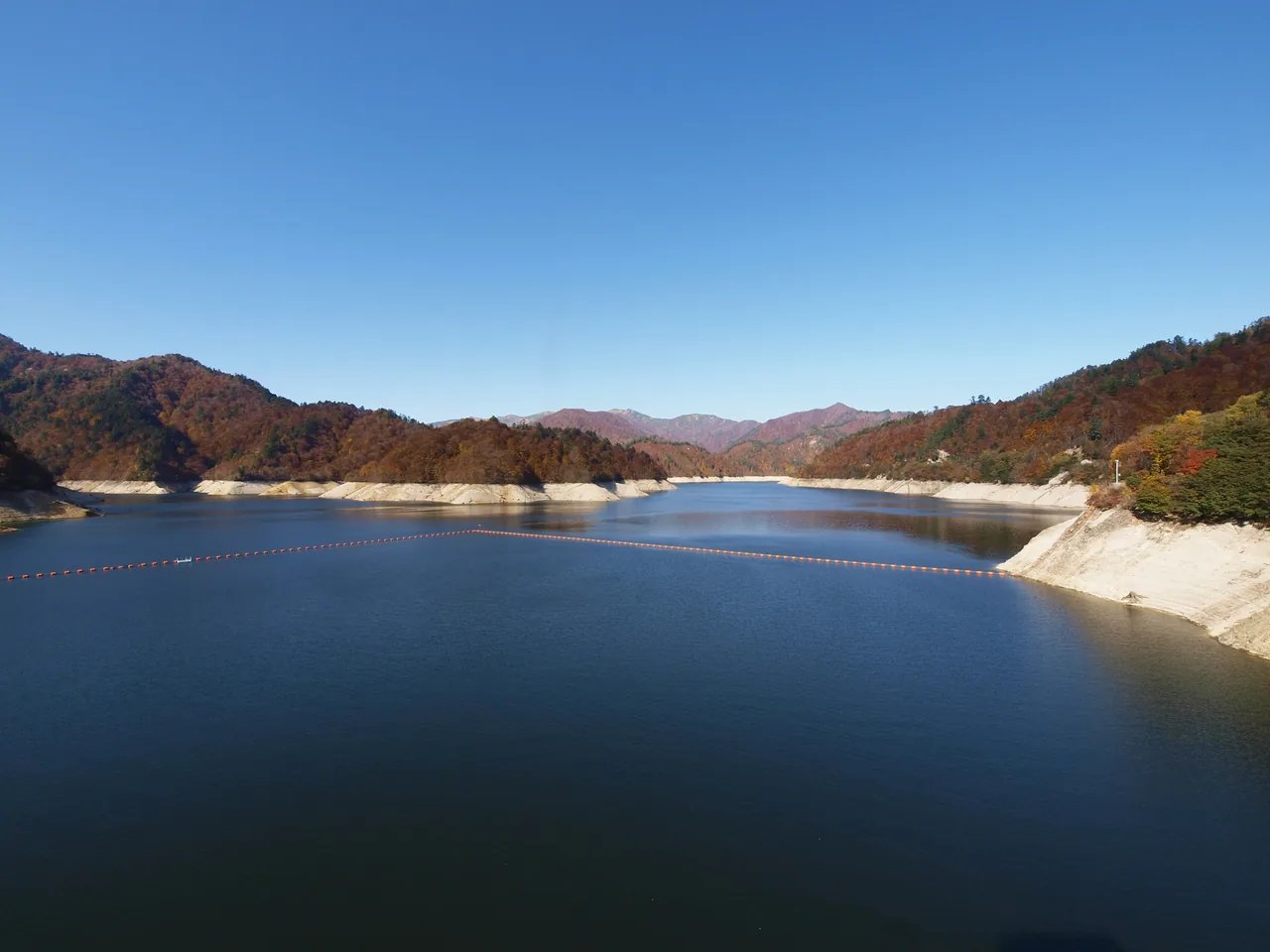
Photo: https://gunma-kanko.jp/
Areas of Gunma
Fujiwara & Naramata
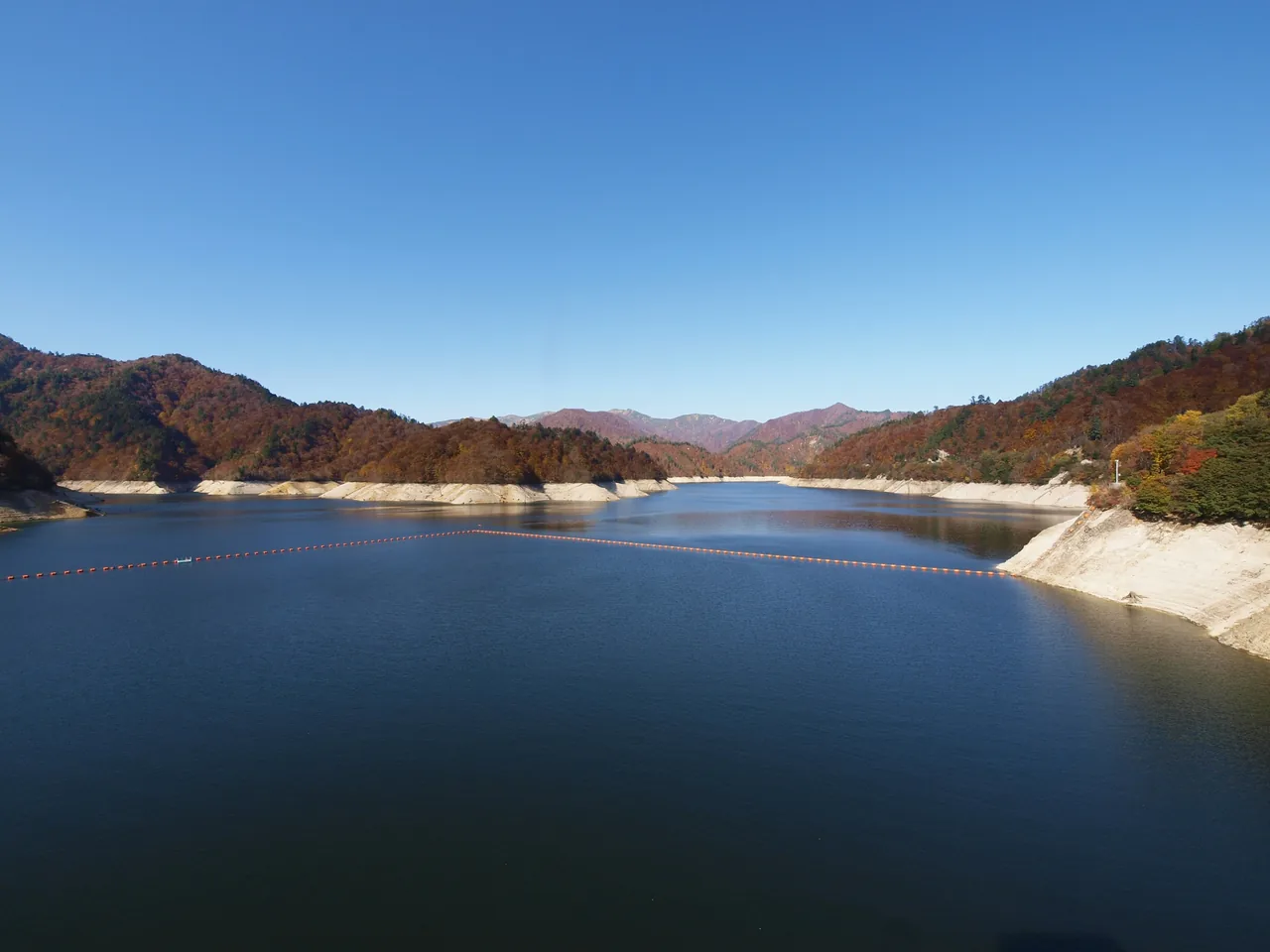
Fujiwara, near the source of the Tone River in Minakami: the 158 m Naramata Dam, Lake Okutone, Teriha Gorge's autumn leaves, Yunokoya Onsen, winter road closures.
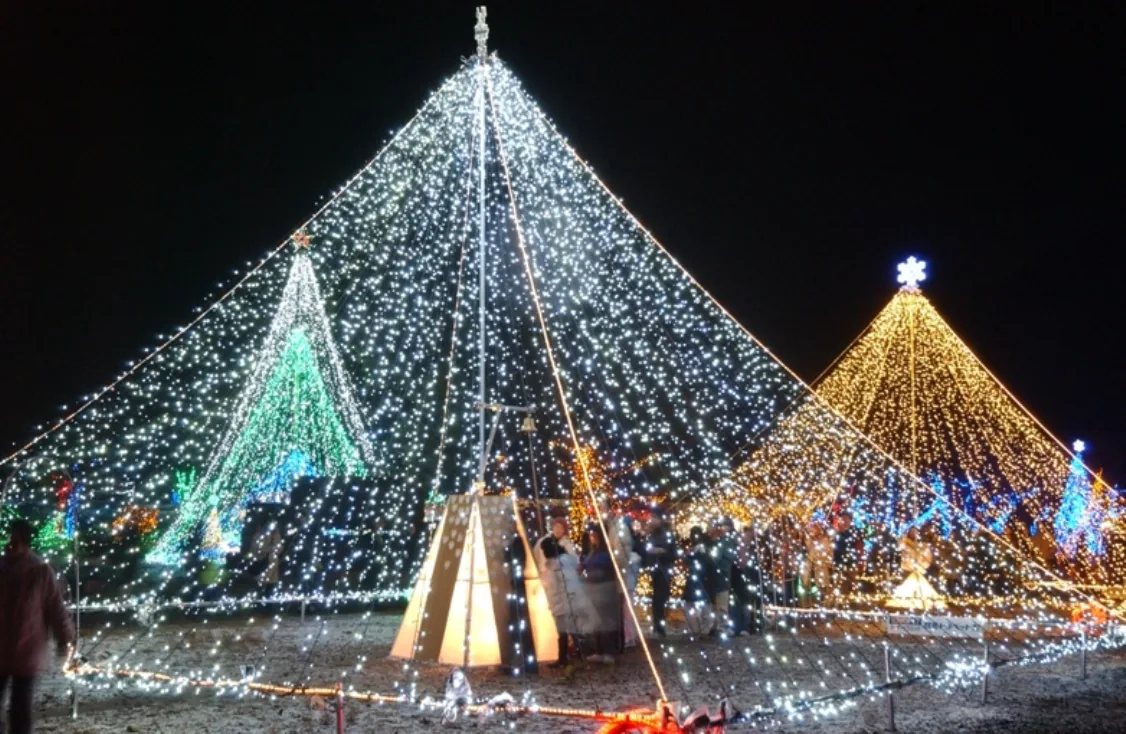 Dec 19 – Dec 26Lake Haruna Fireworks & Illumination Winter Fes
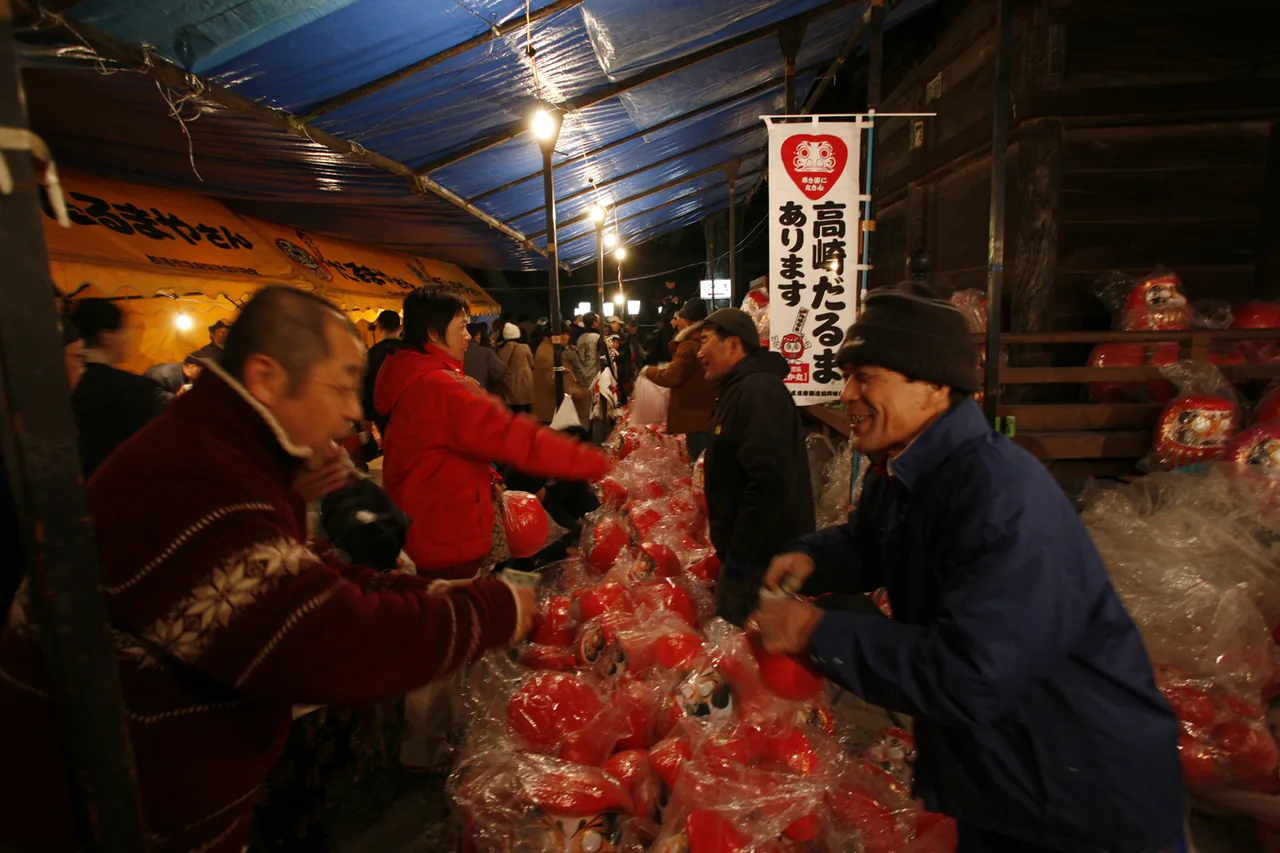 Jan 6 – Jan 7Shorinzan Daruma Market (Nanakusa Festival)
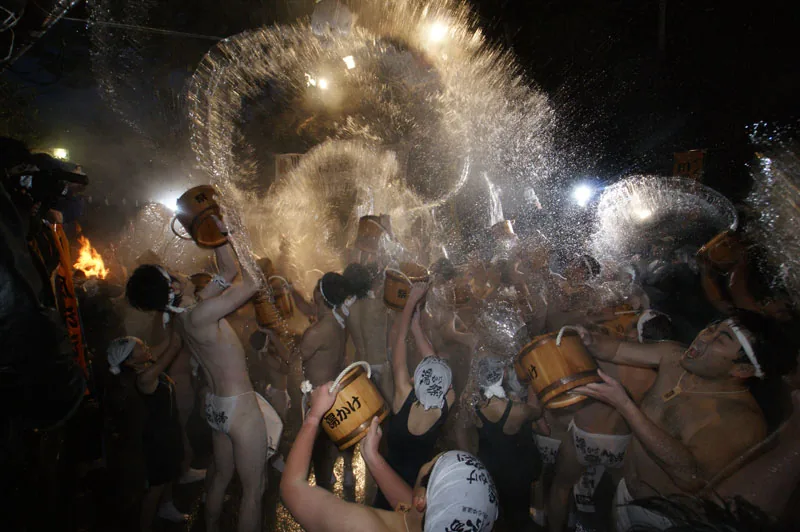 Jan 20Kawarayu Onsen Yukake Festival
Find on the map
This page is translated from the Japanese edition. Read the Japanese edition
What is the area like?
Past the hot spring town of Minakami, follow the Tone River upstream and the houses thin out until deep forest closes in on both sides of the road. Fujiwara is the far end of Minakami Town, a mountain area near the borders with Niigata and Fukushima prefectures. Close to the source of the Tone, it has a string of dams across its valleys and the lakes they hold back.
Lake Fujiwara, Lake Dogen and Lake Okutone are known together as the "three lakes of Okutone," and on a tributary stands the huge rock-built Naramata Dam. In autumn the mountains around the lakes turn red and yellow, and Teriha Gorge, with its eleven waterfalls, is known as a valley you take in from the car window. A legend that refugees of the Oshu Fujiwara clan settled here gives the area another name, "Fujiwara-go," and the inns of Yunokoya Onsen sit along its mountain streams.
Main sights
Teriha Gorge (Terihakyo)
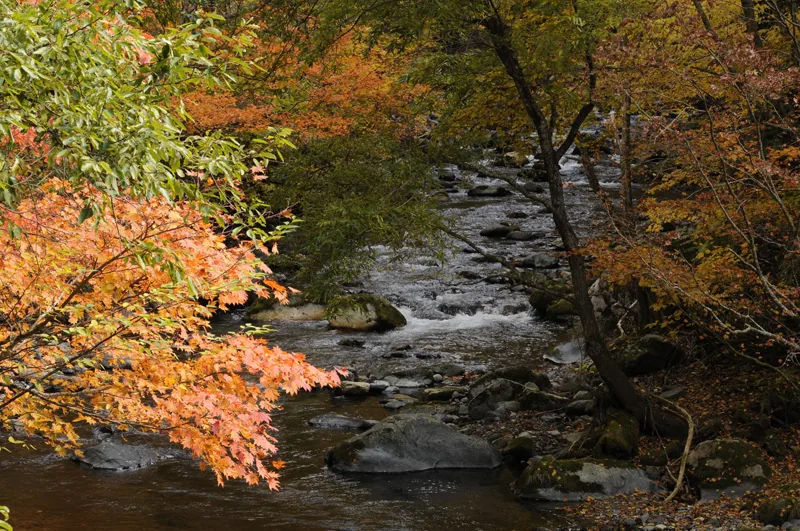
A gorge along a prefectural road in the mountains of Oku-Tone, with eleven waterfalls large and small dotted along about 5 km of it. It is known for autumn leaves, which are usually at their best from early to late October. Because it is high up, the color starts earlier than down in Minakami. There are almost no footpaths or car parks, so the usual way to see it is from the car as you drive. The prefectural road through the gorge closes in winter, and in 2026 it closed on November 5. Check Gunma Prefecture's announcements for when it is open. See Teriha Gorge for details.
Lake Okutone and Lake Dogen (Yagisawa and Sudagai Dams)
Lake Okutone, held back by the 131 m Yagisawa arch dam, is the largest lake in Okutone and is surrounded by virgin beech forest. You can view the dam from Nature View Yagisawa, a visitor center beside it. Downstream, Lake Dogen was formed by the Sudagai Dam, and nearby the Dogen Falls pour down over rock steps. The service road to the dams closes in winter, so check when it is open before you go. See Lake Okutone and Lake Dogen for details.
Naramata Dam and Lake Naramata
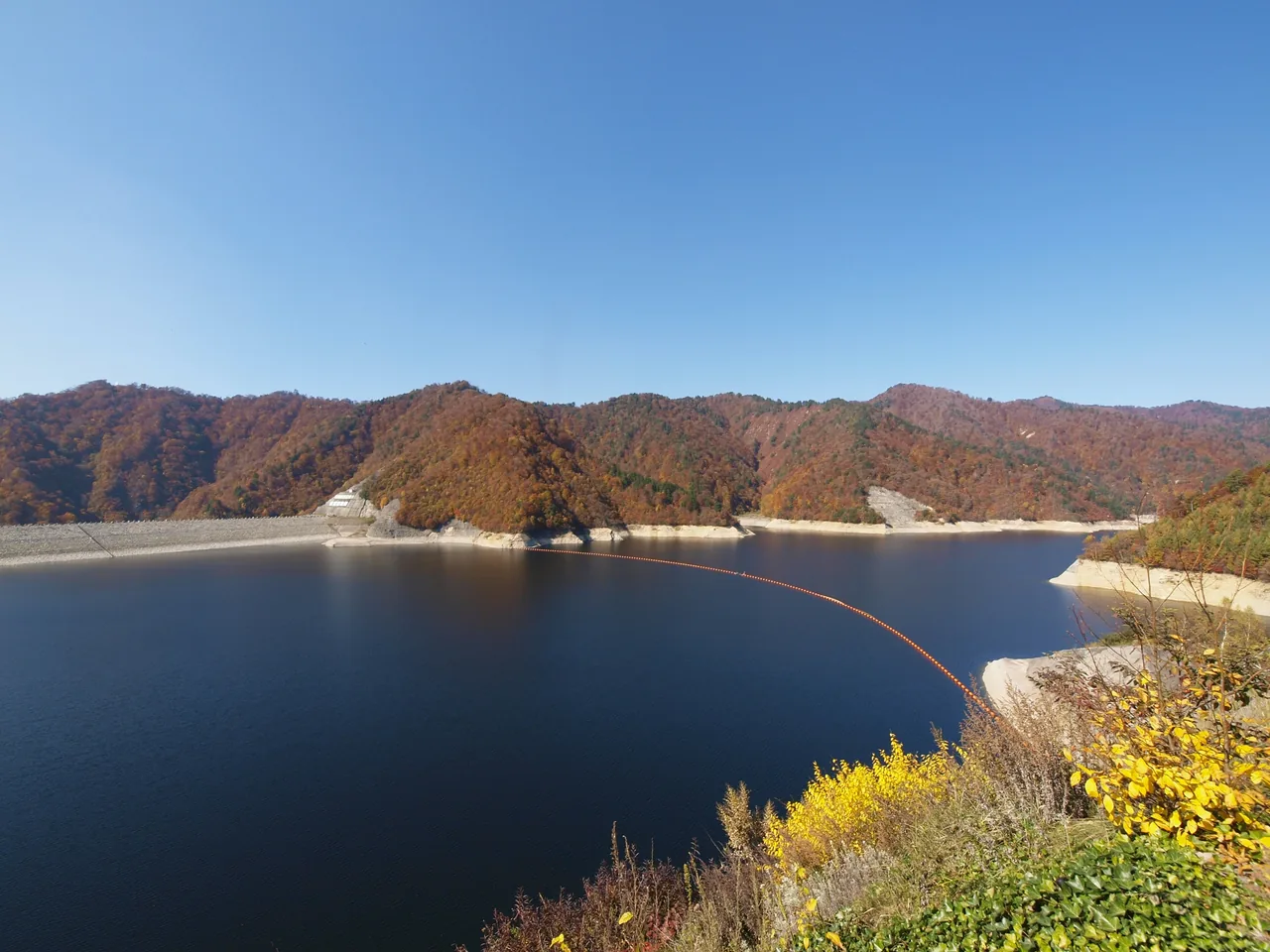
A rock-fill dam built from piled rock and stone on the Naramata River, a tributary of the Tone. It is 158 m high and was completed in 1991. Look up from the base and you see the full size of its slope of tightly packed boulders; from the top you look out over Lake Naramata, ringed by mountains. It closes in winter, so check the official website for when you can visit. See Naramata Dam and Lake Naramata for details.
Yunokoya Onsen
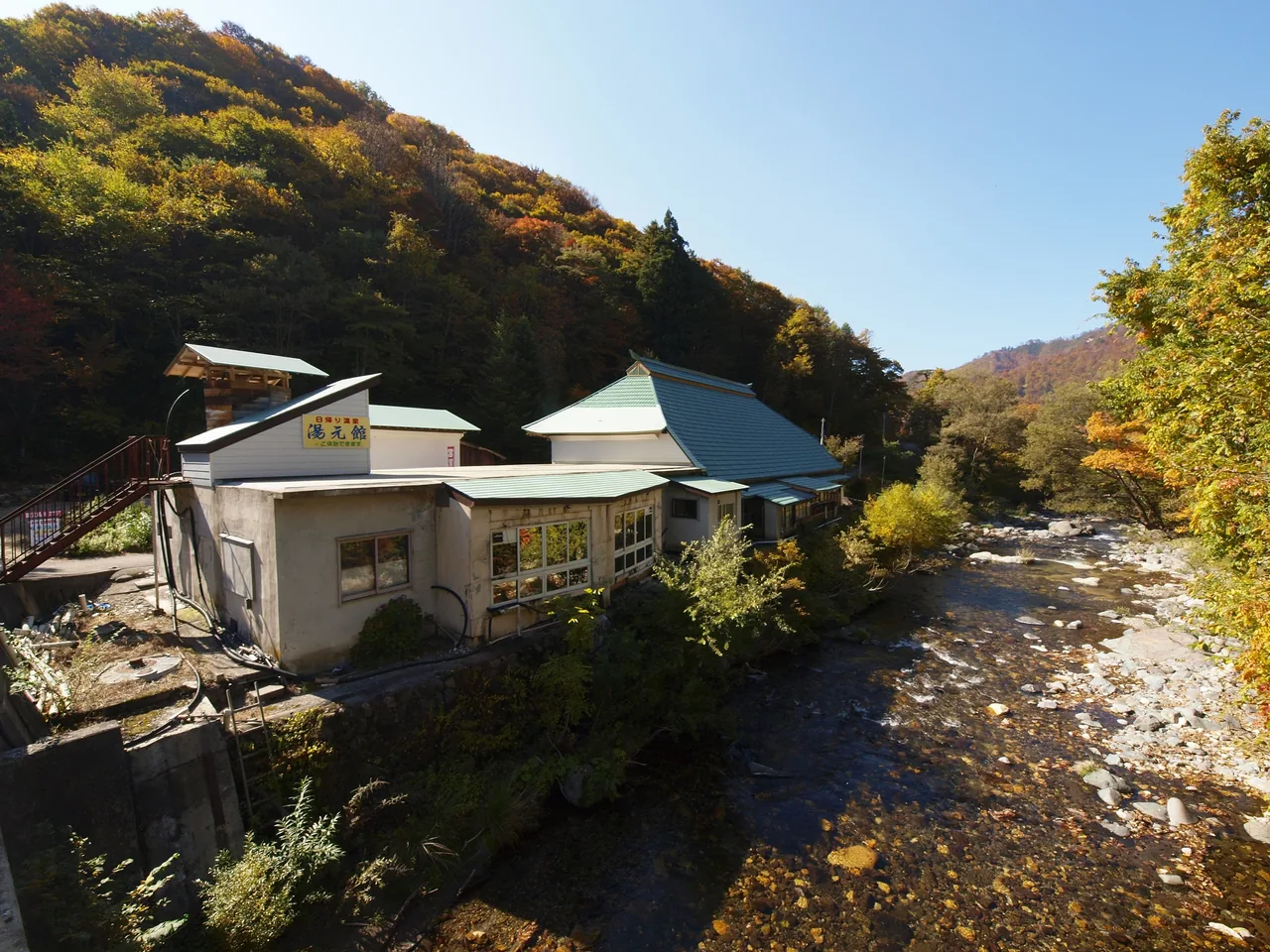
The northernmost hot spring area in Gunma, with inns scattered along the Kinonezawa stream that flows into Lake Dogen. The water is a simple spring. There is no busy onsen street, just a quiet hot spring village deep in the mountains. In autumn the slopes along the stream turn red and yellow. See Yunokoya Onsen for details.
Food and shopping
The roads past the dams and gorges run a long way through the mountains, far from towns. Pick up drinks and snacks in Minakami's hot spring town or at Minakami Mizukikokan Roadside Station by the Tone River before heading up. You can find places to eat in the list further down this page.
Getting there
- By car: from the Minakami interchange on the Kan-Etsu Expressway, follow the prefectural road toward Okutone. To get around the dams and Teriha Gorge, a car is the only realistic option.
- By bus: Kan-Etsu Kotsu buses bound for Yunokoya run from Minakami Station on the JR Joetsu Line to Yunokoya Onsen. Check travel times and stops on the timetable. Teriha Gorge lies beyond the last stop of this bus, too far to walk.
Check Teriha Gorge on the Gunma Prefectural Tourism Association's Teriha Gorge page, and the dams and hot springs on the Minakami Town Tourism Association's official website.
Getting around the area
For the dam lakes and Teriha Gorge, October, when the gorge's leaves are at their peak, is the best season. Mountain roads are dark after sunset, and from November snow and ice are possible. The roads to Teriha Gorge and Lake Okutone, and Naramata Dam itself, close in winter. If you go late in autumn, always check on the official websites that the roads are open and when the dam can be visited.
To stay overnight, choose Yunokoya Onsen, or the big outdoor baths of Takaragawa Onsen, which runs a shuttle from a stop on the Yunokoya bus route (see how to choose a hot spring in Gunma). Our guide to Gunma's autumn leaves covers routes for the fall colors, and Minakami & Mount Tanigawa covers Mount Tanigawa and Minakami's hot spring town.
Sights in Fujiwara & Naramata
Gunma guides
See all


More areas of Gunma
- Kusatsu Onsen
- Ikaho Onsen
- Shima Onsen
- Nakanojo & Sawatari Onsen
- Kuni & Lake Nozori
- Takayama Village
- Minakami & Mount Tanigawa
- Tsukiyono & Takumi no Sato
- Sarugakyo & Hoshi Onsen
- Takasaki
- Maebashi
- Tomioka
- Mount Akagi
- Mount Haruna & Lake Haruna
- Numata
- Tambara Plateau
- Kawaba
- Oigami Onsen & Fukiware Falls
- Oze & Katashina
- Katashina & Mount Hotaka
- Marunuma & Suganuma
- Agatsuma Gorge & Kawarayu
- Tsumagoi & Mount Asama
- Usui Pass & Yokokawa
- Mount Myogi
- Kiryu
- Ota
- Tatebayashi