
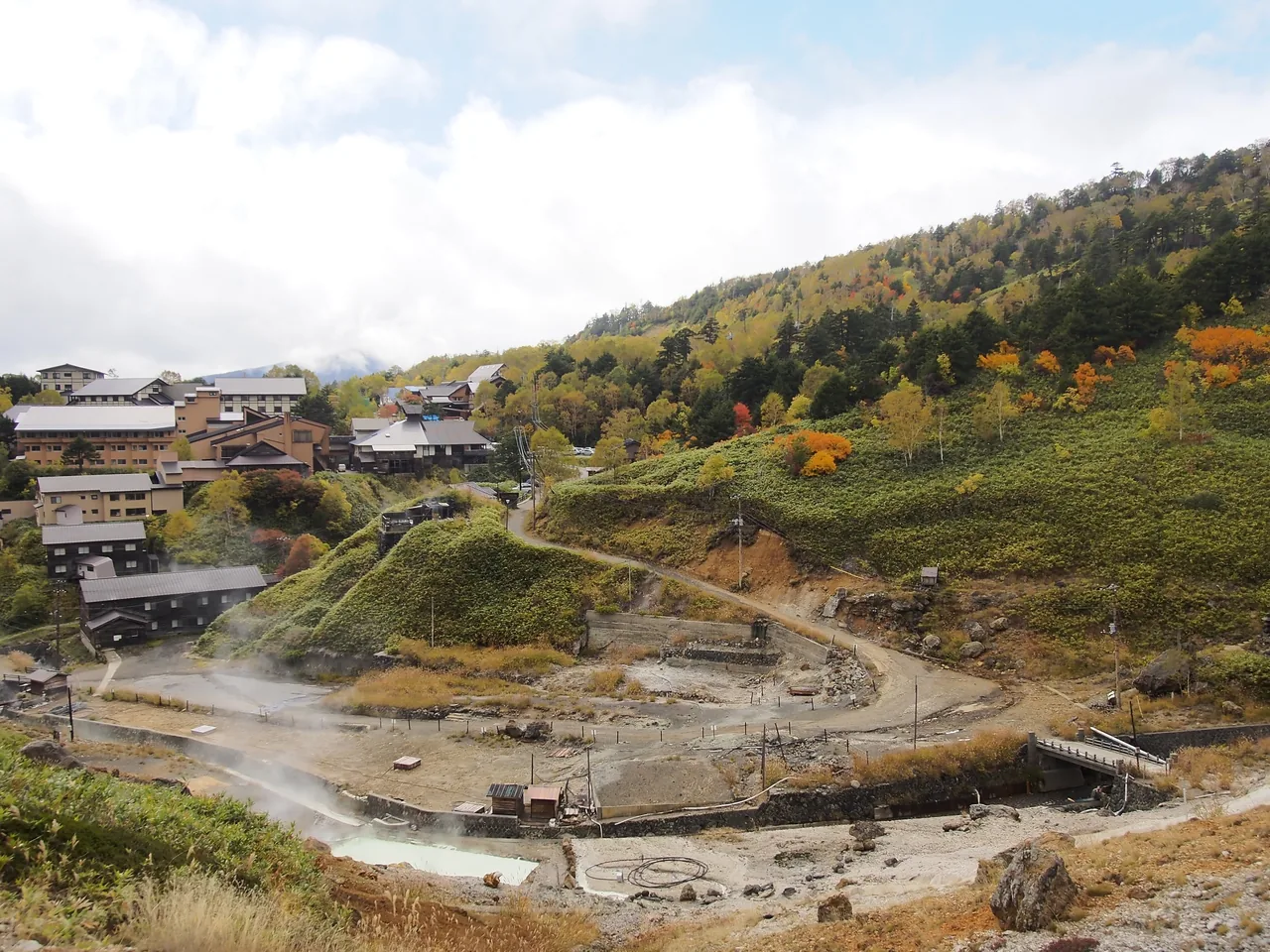
Kusatsu Onsen
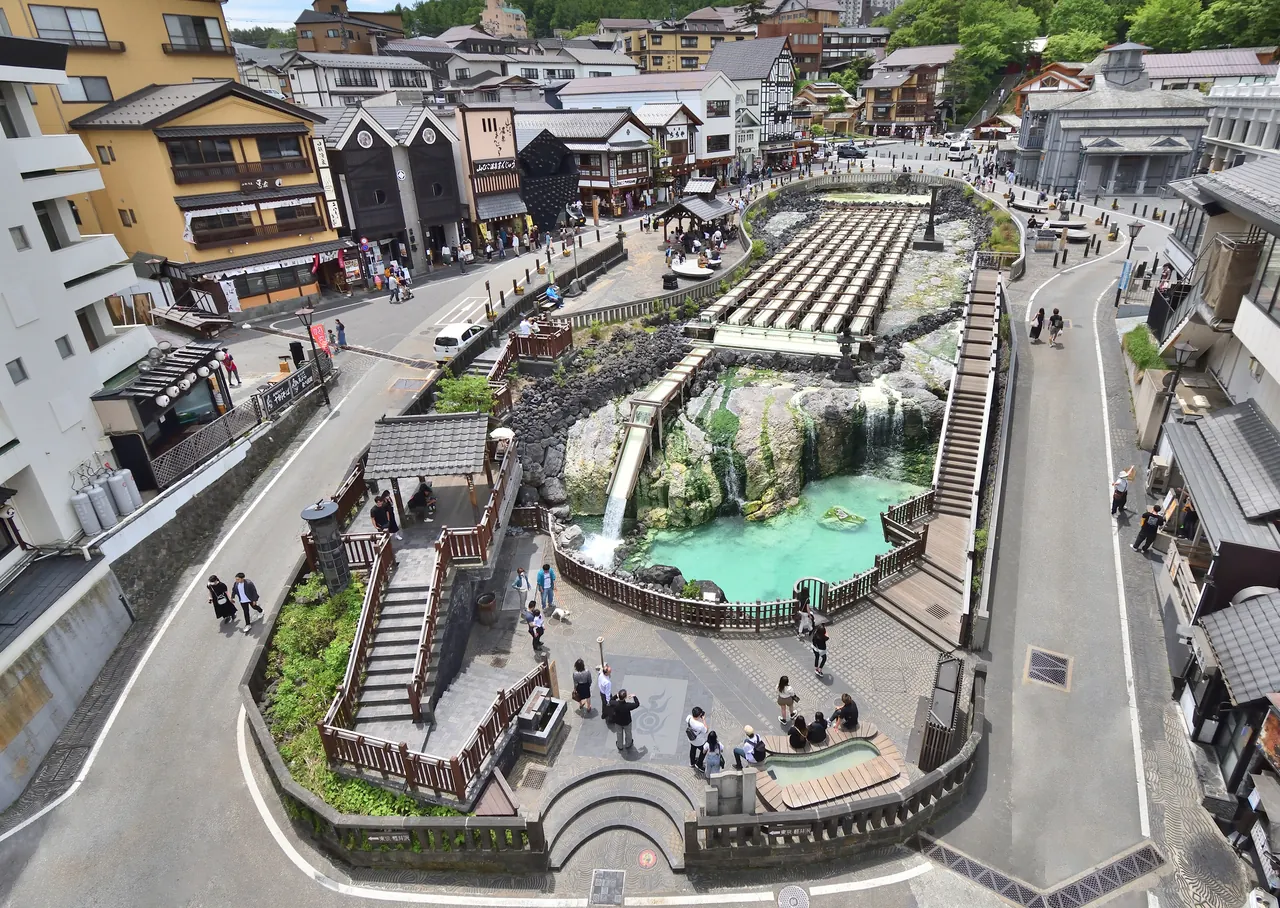
Photo: https://gunma-kanko.jp/
Areas of Gunma
Kusatsu Onsen
Kusatsu Onsen sights and access: the Yubatake and yumomi, the Sainokawara open-air bath, Mount Kusatsu-Shirane, milky Manza Onsen, and trains and buses from Tokyo.
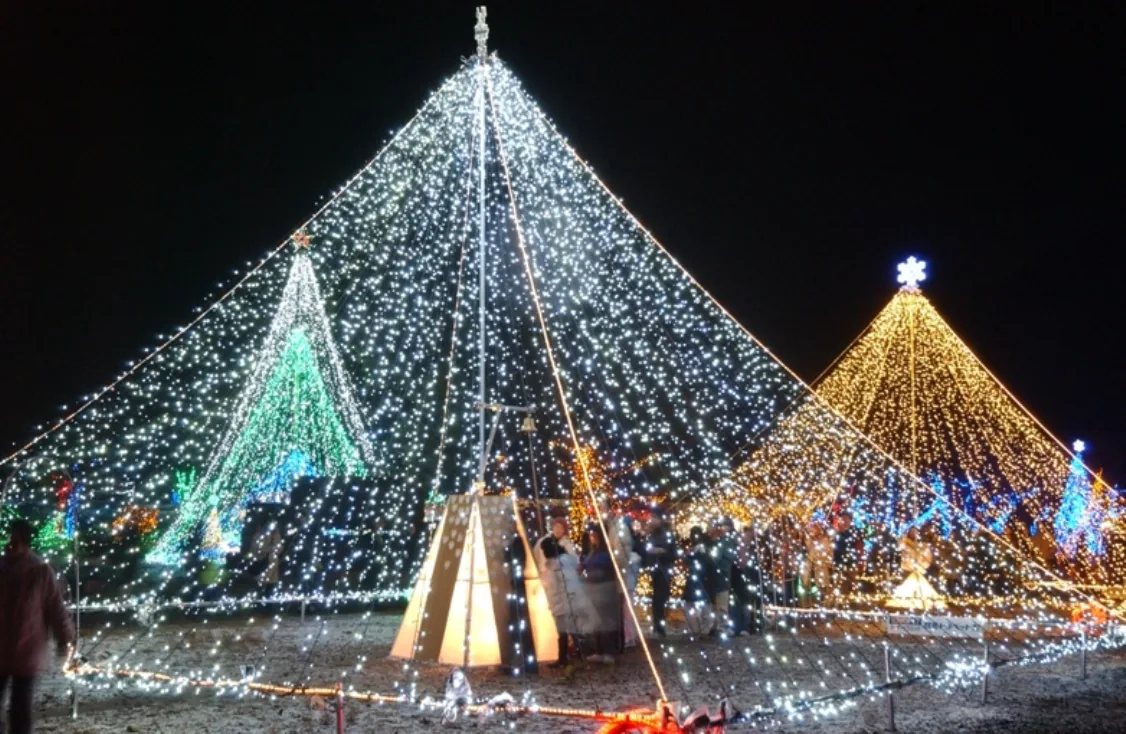 Dec 19 – Dec 26Lake Haruna Fireworks & Illumination Winter Fes
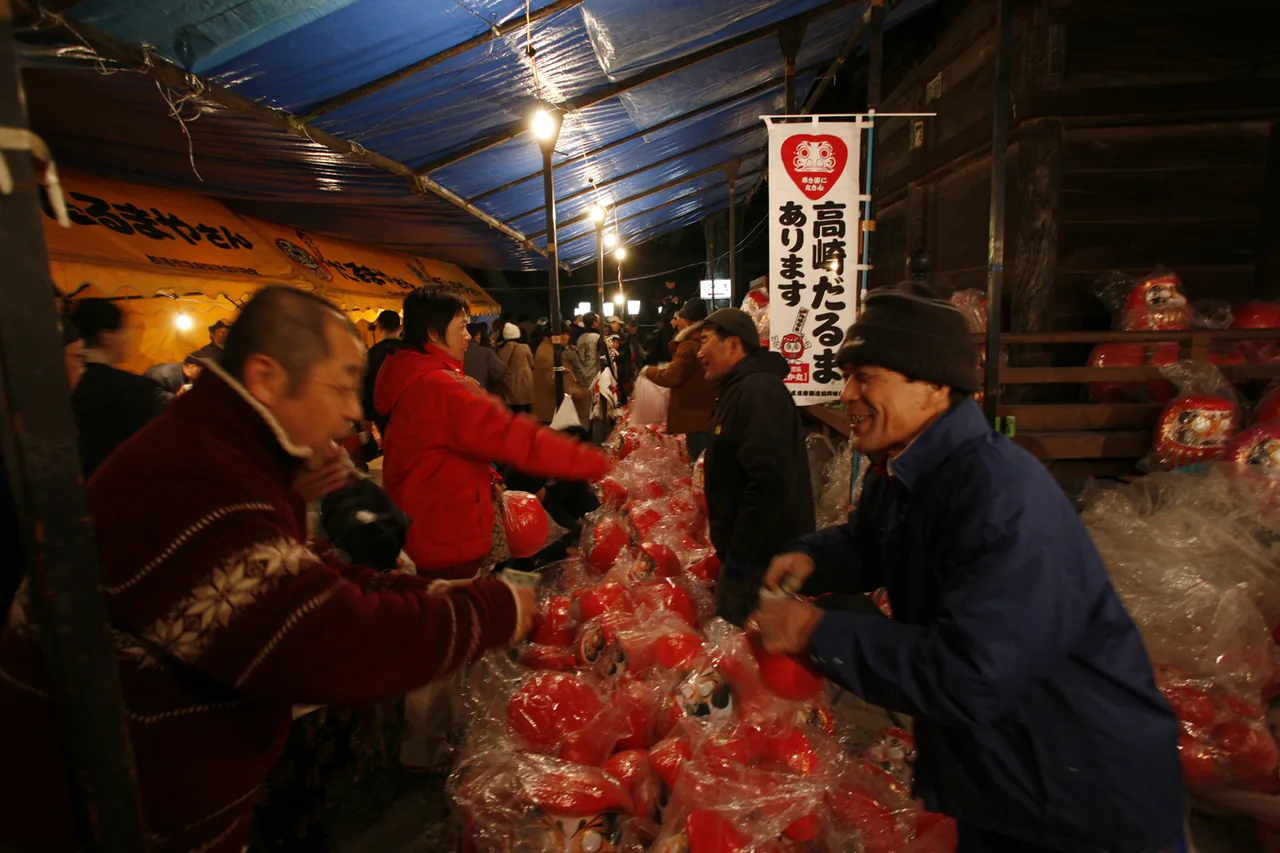 Jan 6 – Jan 7Shorinzan Daruma Market (Nanakusa Festival)
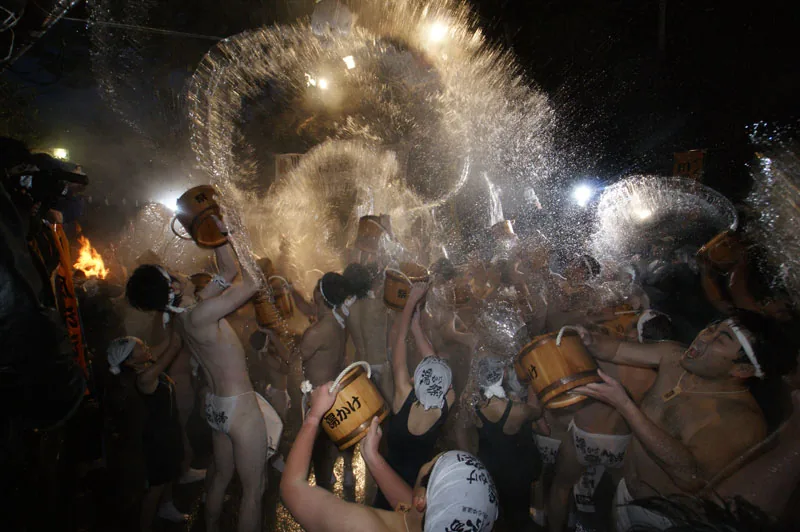 Jan 20Kawarayu Onsen Yukake Festival
Find on the map
This page is translated from the Japanese edition. Read the Japanese edition
What is the area like?
Step off the bus at Kusatsu Onsen Bus Terminal and the smell of sulphur is already in the air. About five minutes' walk away is the Yubatake, where steaming water pours down wooden channels. Kusatsu Onsen sits on a plateau about 1,200m up in northwest Gunma, and it is said to have the largest volume of naturally flowing hot water of any spa town in Japan.
The town is built around the Yubatake, with inns, souvenir shops and public baths all around it. Sainokawara Park is only 10 to 15 minutes away on foot, so you won't miss having a car. West of town rises the active volcano Mount Kusatsu-Shirane, and on the plateau beyond it lies Manza Onsen, known for its milky water.
Main sights
The Yubatake and yumomi
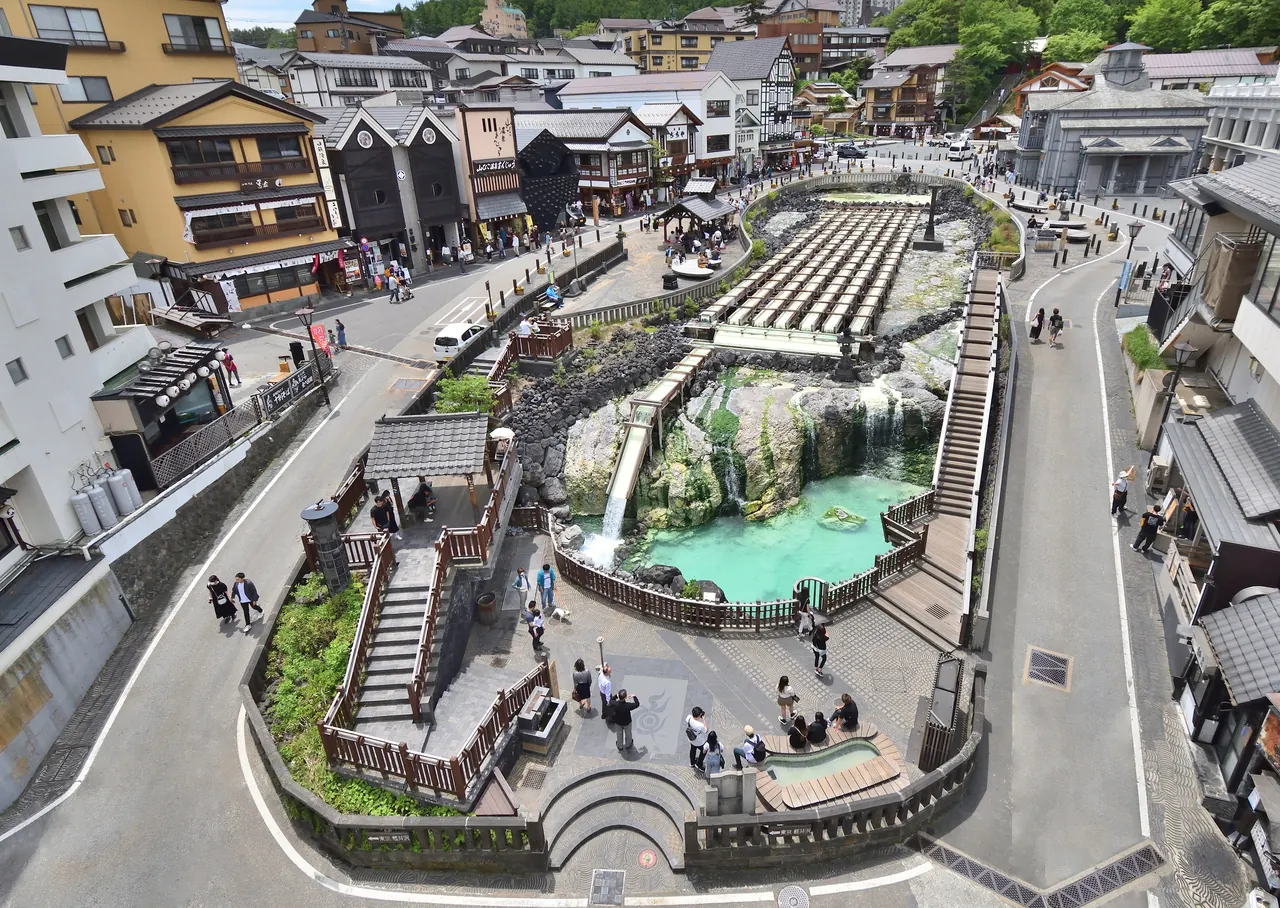
This hot-spring source at the heart of town sends its water down rows of wooden channels, cooling it before it is piped to the inns. It was named Yubatake, "hot-water field", because it is a field where yunohana, the "hot-spring flowers" that settle in the wooden channels (yutoi), can be gathered. The water is strongly acidic and the air smells of sulphur. After dark the whole Yubatake is lit up and more people come out to stroll in yukata. At Netsunoyu beside it, yumomi shows, Kusatsu's tradition of cooling the water by stirring it with long boards, are held several times a day (admission charged). See Yubatake (Kusatsu Onsen) for details.
Sainokawara Park and its open-air bath
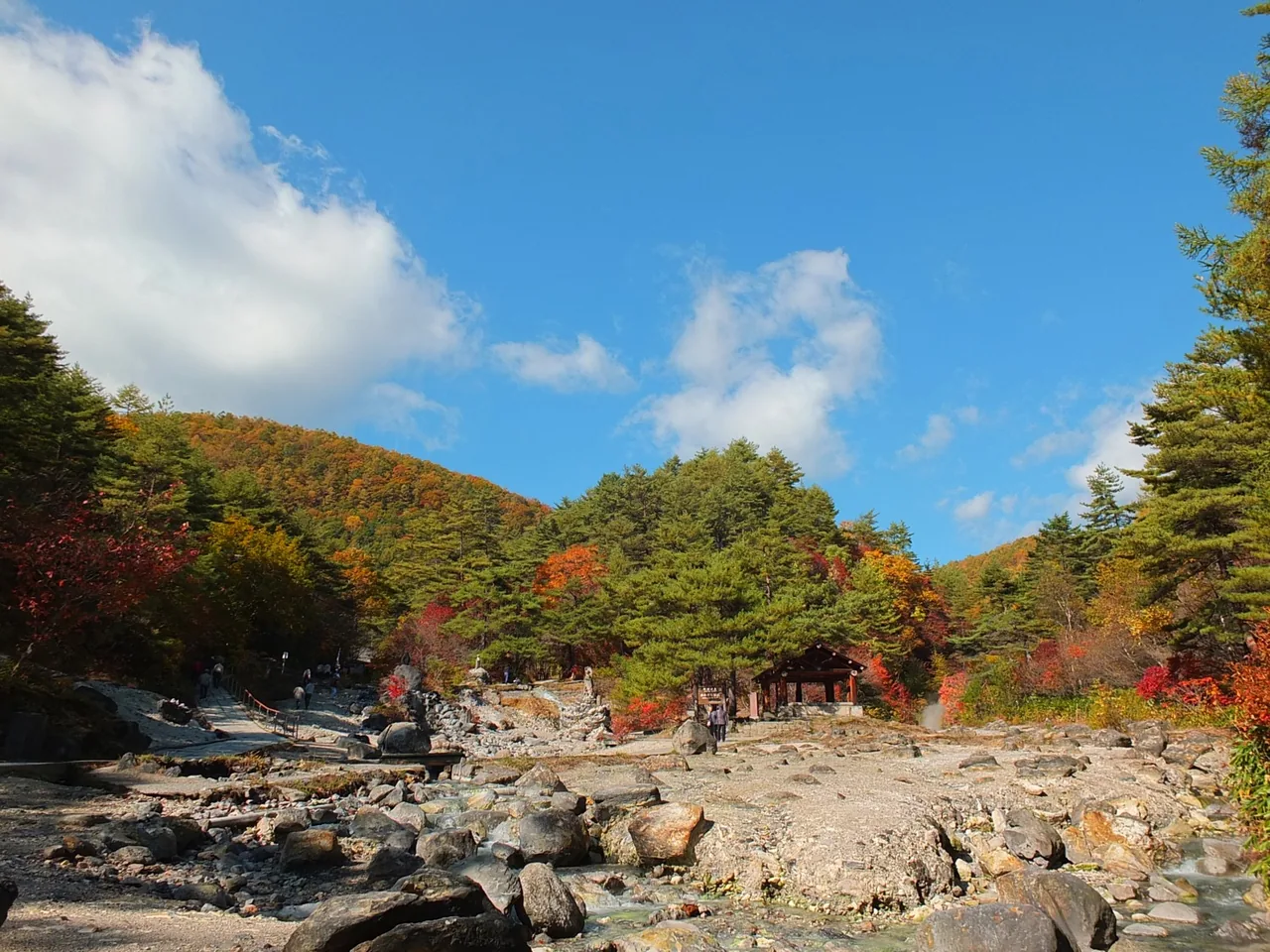
This park, about 10 minutes' walk west of the Yubatake, has a stream that is itself a hot spring. Water bubbles up between the rocks, and a walking path runs through the steam. At the far end is the Sainokawara open-air bath, about 500㎡, with separate sides for men and women. Surrounded by trees, it lets you soak among fresh greenery in spring, autumn colour in fall and snow in winter. The park is free to walk around; the bath charges admission. See Sainokawara Park and Open-Air Bath for details.
Mount Kusatsu-Shirane
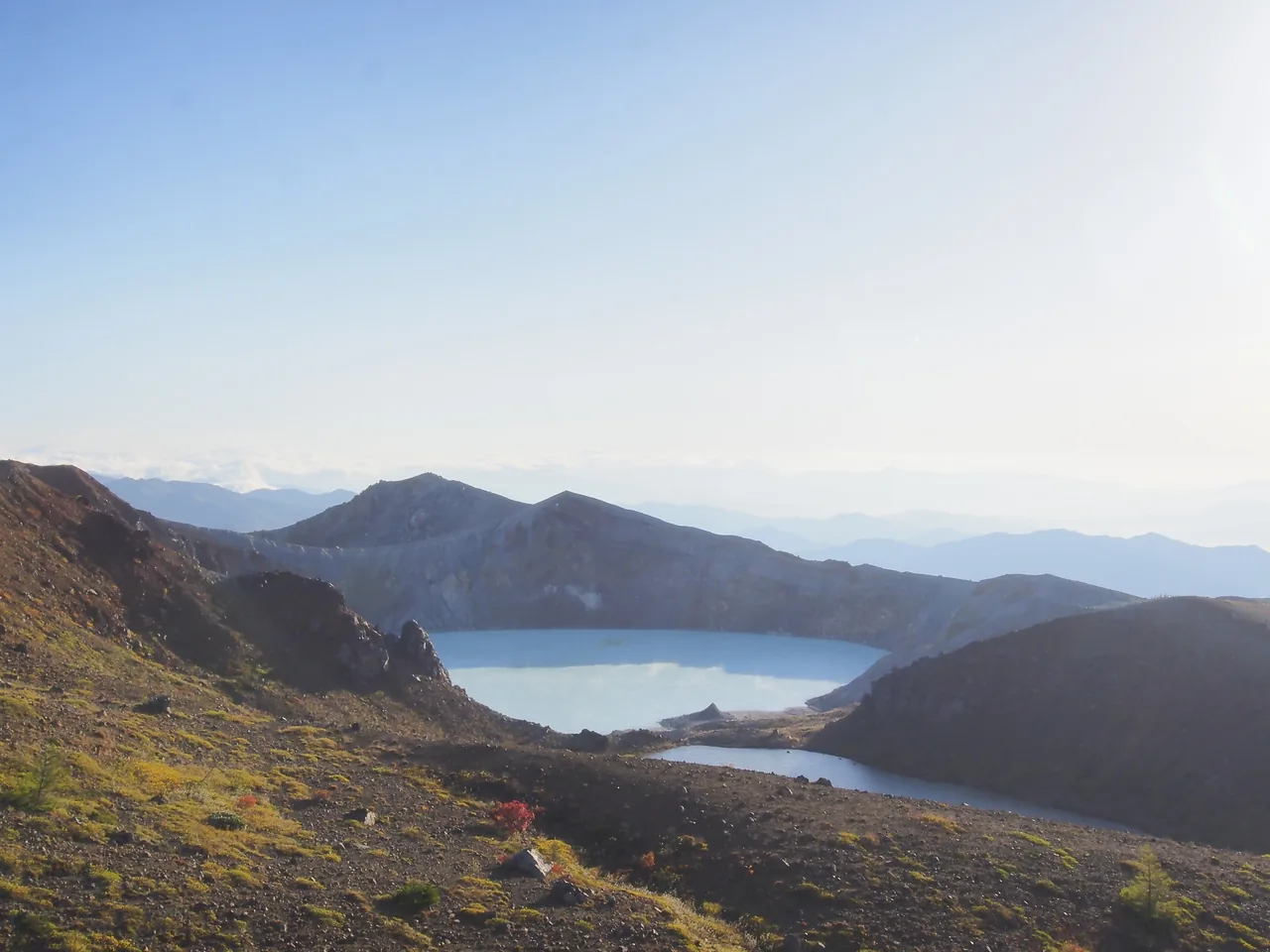
An active volcano west of Kusatsu Onsen, with the crater lake Yugama near its summit. The Shiga-Kusatsu Kogen Road (Route 292) crosses its flank at high altitude, and near Shibu Pass on the Gunma–Nagano border you can look out over the mountains. From late June to around July, the alpine flower komakusa blooms on the gravel slopes. Access to the mountain and the road changes with volcanic activity, and the road closes in winter, so always check the Japan Meteorological Agency's volcano information and Kusatsu Town's notices before you go. See Mount Kusatsu-Shirane (Mount Motoshirane) for details.
Manza Onsen
A spa town on a plateau about 1,800m up, known for its milky white water with a strong smell of sulphur. It is popular as a cool escape in summer and a snowy hot spring in winter. Hydrogen sulphide gas comes out near the springs, so keep out of any area marked off-limits. You can drive here from Kusatsu Onsen, but the roads have seasonal restrictions. See Manza Onsen for details.
Food and shopping
Sainokawara-dori, the street from the Yubatake to Sainokawara Park, is lined with shops selling onsen manju buns and pickles, easy to drop into along the way. Souvenir shops also gather around the Yubatake, so you can browse when you go out to see it lit up at night. For places to eat, see the list further down this page.
Getting there
- Train and bus: the limited express Kusatsu-Shima runs from Ueno Station to Naganohara-Kusatsuguchi Station in about 2 hours 35 minutes. All seats are reserved, and the days it runs vary. From Naganohara-Kusatsuguchi, take a JR bus for about 25 minutes to Kusatsu Onsen Bus Terminal; the Yubatake is about 5 minutes' walk away.
- Highway bus: buses run from Shinjuku and other parts of Tokyo to Kusatsu Onsen Bus Terminal without a change in about 4 hours.
- To Manza Onsen: take a bus from Manza-Kazawaguchi Station on the JR Agatsuma Line, about 40 minutes.
Check the express's running days and times on JR East's Kusatsu-Shima page, and information on the town on the Kusatsu Onsen Tourism Association website.
Getting around the area
If you stay one night, visit Sainokawara Park and its bath on the afternoon you arrive, walk around the lit-up Yubatake in the evening, and try the Yubatake and a public bath early the next morning while the town is quiet. Kusatsu's water is strong, so rather than staying in for a long time at once, soak with breaks in between. How to use the public baths and try yumomi is covered in our Kusatsu Onsen guide. For hot springs and wetlands deeper in the mountains, head north of Kusatsu to Kuni & Lake Nozori. To compare Kusatsu with a quiet valley onsen, see our guide to choosing a Gunma onsen.
Sights in Kusatsu Onsen
Gunma guides
See all


More areas of Gunma
- Ikaho Onsen
- Shima Onsen
- Nakanojo & Sawatari Onsen
- Kuni & Lake Nozori
- Takayama Village
- Minakami & Mount Tanigawa
- Tsukiyono & Takumi no Sato
- Sarugakyo & Hoshi Onsen
- Fujiwara & Naramata
- Takasaki
- Maebashi
- Tomioka
- Mount Akagi
- Mount Haruna & Lake Haruna
- Numata
- Tambara Plateau
- Kawaba
- Oigami Onsen & Fukiware Falls
- Oze & Katashina
- Katashina & Mount Hotaka
- Marunuma & Suganuma
- Agatsuma Gorge & Kawarayu
- Tsumagoi & Mount Asama
- Usui Pass & Yokokawa
- Mount Myogi
- Kiryu
- Ota
- Tatebayashi