
Maebashi
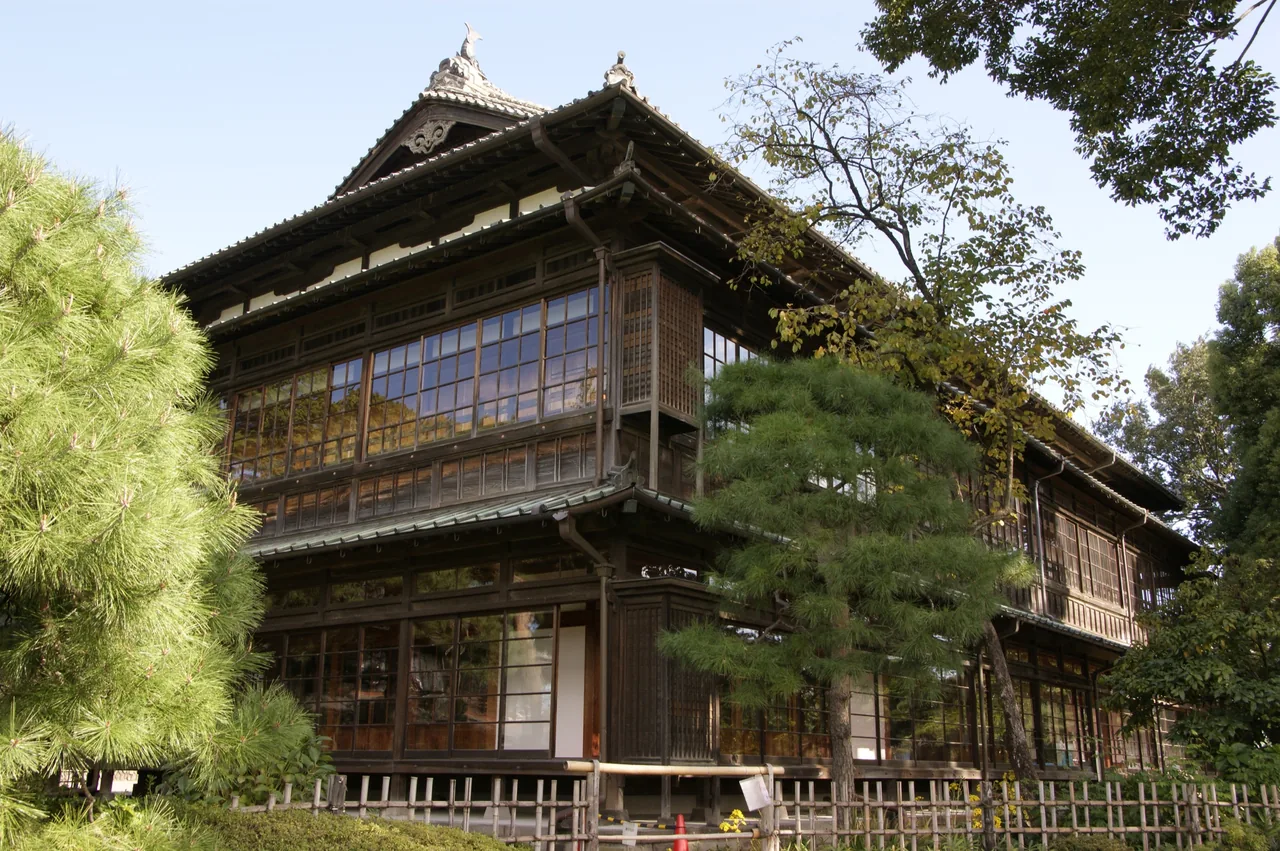
Photo: https://gunma-kanko.jp/
Areas of Gunma
Maebashi
Maebashi sights and access: Rinkokaku (closed until March 2027), and the Maebashi Literature Museum and Hagiwara Sakutaro memorial hall by the Hirose River.
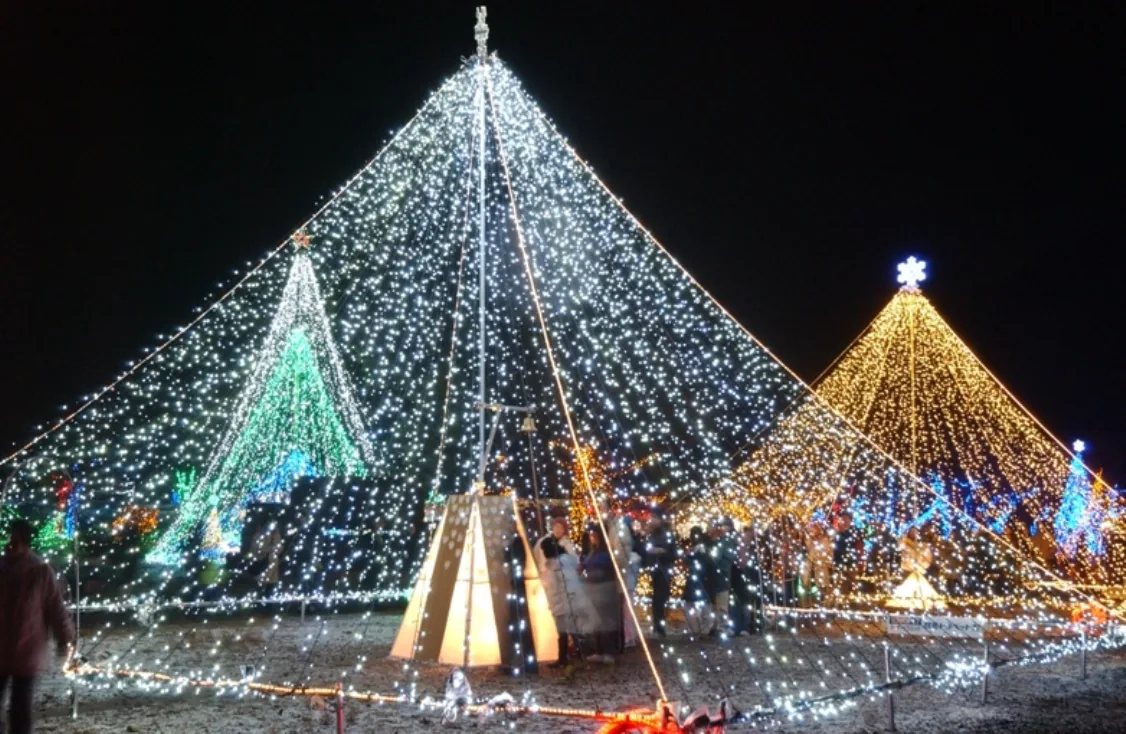 Dec 19 – Dec 26Lake Haruna Fireworks & Illumination Winter Fes
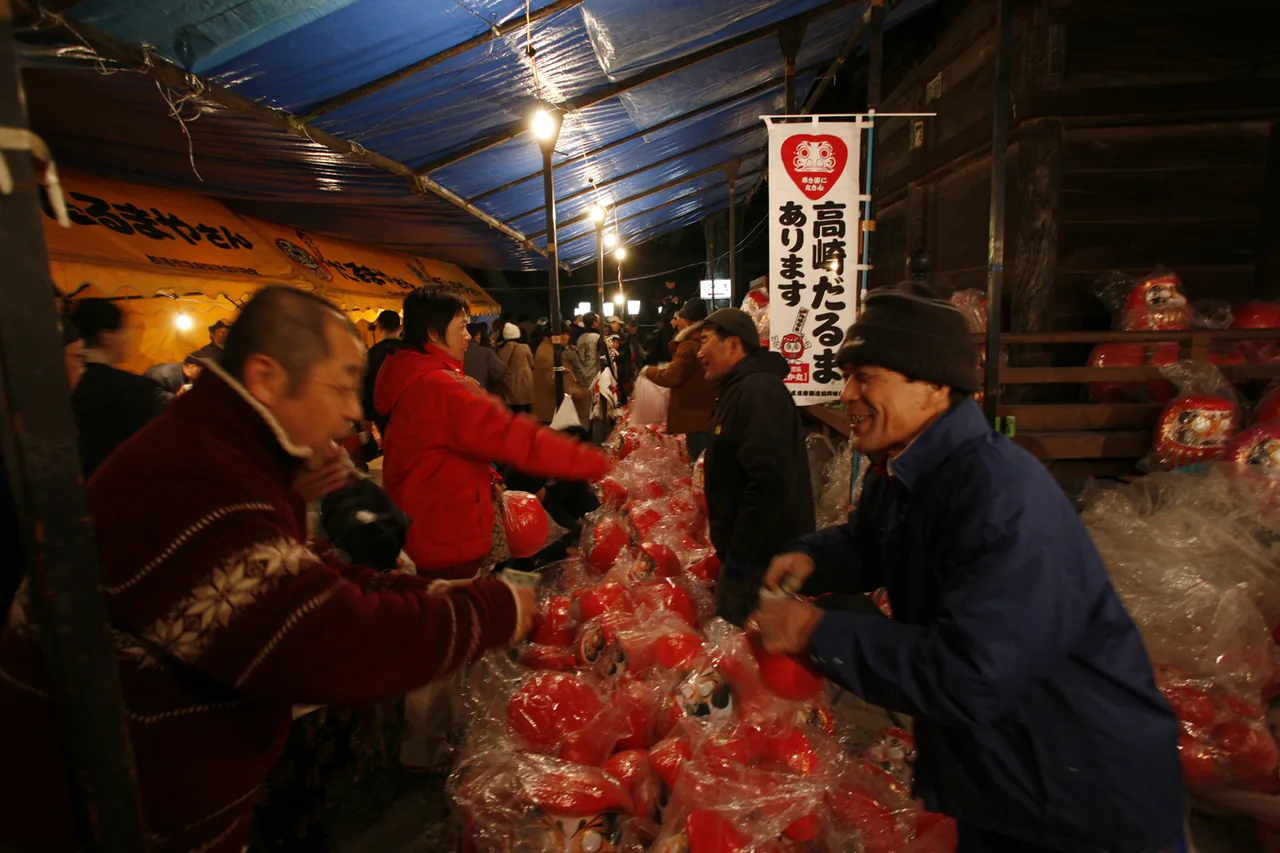 Jan 6 – Jan 7Shorinzan Daruma Market (Nanakusa Festival)
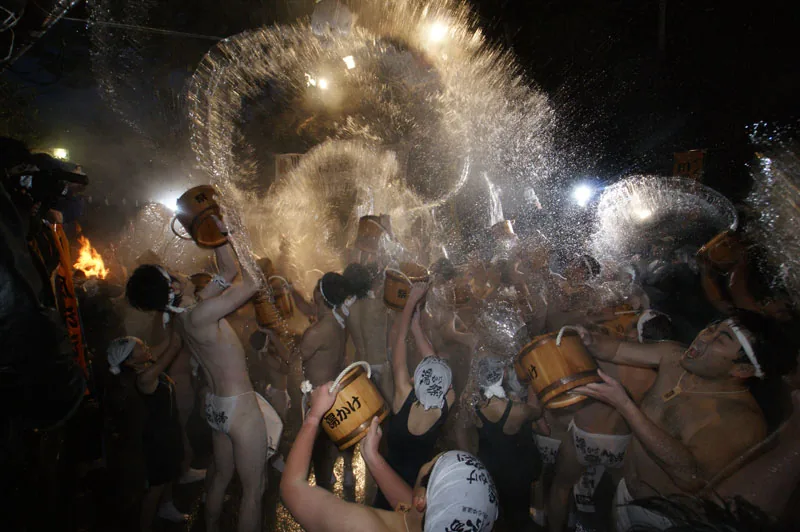 Jan 20Kawarayu Onsen Yukake Festival
Find on the map
This page is translated from the Japanese edition. Read the Japanese edition
What is the area like?
Walk through central Maebashi and the Hirose River flows beside a riverside path, with stones carved with poets' words dotted along its banks. Maebashi is the capital of Gunma Prefecture and the hometown of the modern poet Hagiwara Sakutaro.
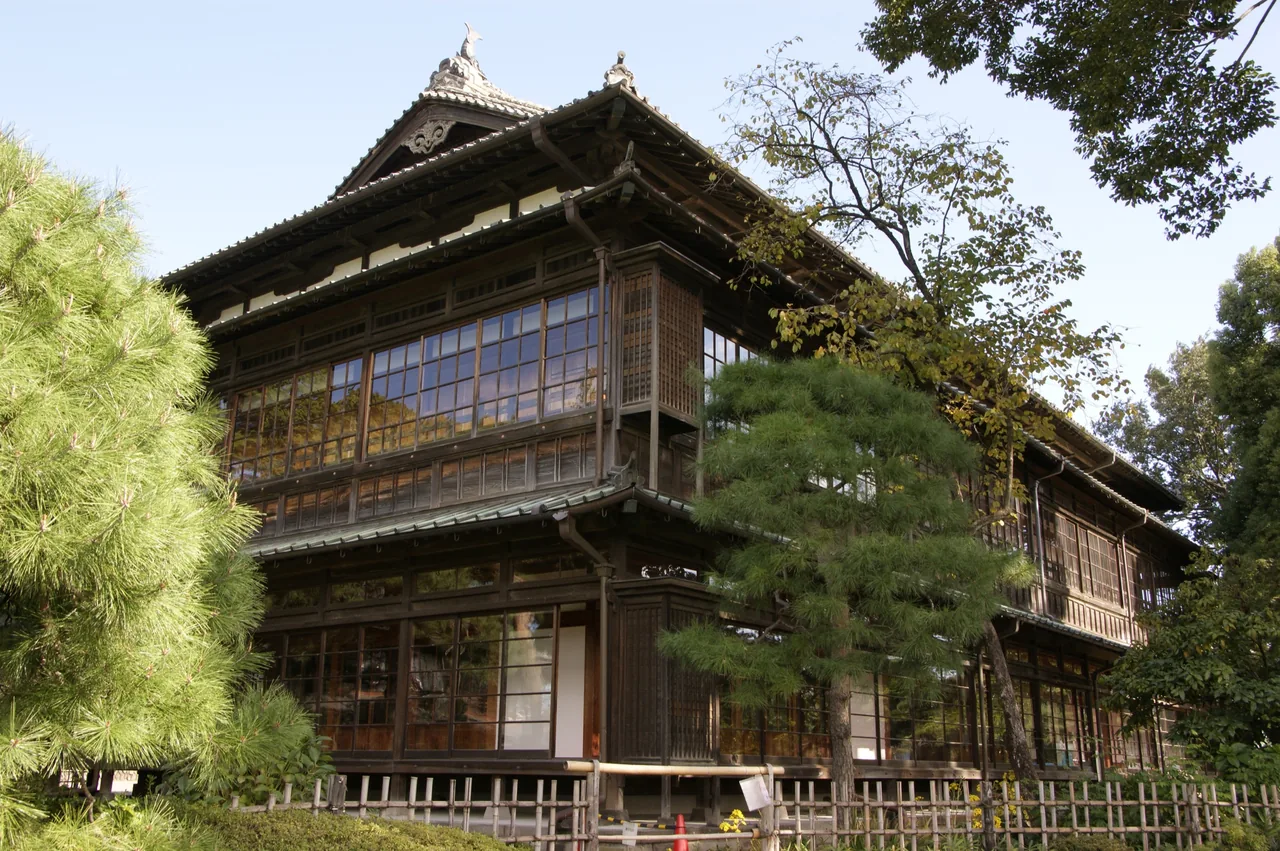
Next to Maebashi Park stands Rinkokaku, built as a Meiji-era guesthouse for distinguished visitors. The city is a starting point for trips to Mount Akagi to the north, and it is only about 15 minutes from Takasaki on the JR Ryomo Line, so you can also see both cities in a day.
Main sights
Rinkokaku
A modern Japanese-style wooden complex next to Maebashi Park, whose three buildings, the main hall, annex and tea house, are Important Cultural Properties. The main hall and tea house were built in 1884 (Meiji 17) by Katori Motohiko, then governor of Gunma, and others as a guesthouse for members of the imperial family and other dignitaries. The annex, a shoin-style building, was put up in 1910 (Meiji 43) as the VIP hall for an industrial exhibition held jointly by Tokyo and 14 prefectures, and has a 180-tatami hall on its upper floor. Normally you can tour the buildings while looking out over a Japanese garden with a pond, but Rinkokaku is closed for fire-safety work from 1 June 2026 to 31 March 2027 (the period may change). See Rinkokaku for details.
The Hirose River and the Maebashi Literature Museum
In the riverside green space along the Hirose River in the city centre is the Maebashi Literature Museum, which introduces poets linked to Maebashi, above all Hagiwara Sakutaro. Opposite is the Hagiwara Sakutaro Memorial Hall, the storehouse, study and detached room from his family home, moved and restored here from Shikishima Park in 2017. Along the riverside path stand monuments to poems by Sakutaro, Yamamura Bocho, Kitahara Hakushu and others, so you can combine the museum and memorial hall with a stroll by the river.
Food and shopping
Central Maebashi has specialist shops selling yaki manju: fluffy steamed buns brushed with sweet miso sauce and grilled. They are best eaten hot at the shop front. Gunma's specialities are covered in our Gunma food guide. For places to eat, see the list further down this page.
Getting there
- Train: from Tokyo Station, take the Joetsu or Hokuriku Shinkansen to Takasaki Station, about 50 minutes, then change to the JR Ryomo Line for Maebashi Station, about 15 minutes.
- To Rinkokaku: take a bus from JR Maebashi Station to the Runapark Rinkokaku-mae stop, about 10 minutes; it is right there.
- To the Maebashi Literature Museum: about 5 minutes on foot from Chuo-Maebashi Station on the Jomo Electric Railway, or about 20 minutes from JR Maebashi Station.
Always check whether Rinkokaku is open before you go. Sightseeing information for the city is on the Maebashi Convention and Visitors Bureau website.
Getting around the area
While Rinkokaku is closed, the easiest plan is a half-day walk: follow the Hirose River to the literature museum and memorial hall, then try yaki manju in town. If you have time, head north to Mount Akagi for Lake Onuma, the caldera lake near the summit, and Akagi Shrine. If you're stopping between shinkansen connections, pairing Maebashi with Takasaki and its Byakue Kannon makes the most of your time.
Sights in Maebashi
Gunma guides
See all


More areas of Gunma
- Kusatsu Onsen
- Ikaho Onsen
- Shima Onsen
- Nakanojo & Sawatari Onsen
- Kuni & Lake Nozori
- Takayama Village
- Minakami & Mount Tanigawa
- Tsukiyono & Takumi no Sato
- Sarugakyo & Hoshi Onsen
- Fujiwara & Naramata
- Takasaki
- Tomioka
- Mount Akagi
- Mount Haruna & Lake Haruna
- Numata
- Tambara Plateau
- Kawaba
- Oigami Onsen & Fukiware Falls
- Oze & Katashina
- Katashina & Mount Hotaka
- Marunuma & Suganuma
- Agatsuma Gorge & Kawarayu
- Tsumagoi & Mount Asama
- Usui Pass & Yokokawa
- Mount Myogi
- Kiryu
- Ota
- Tatebayashi