
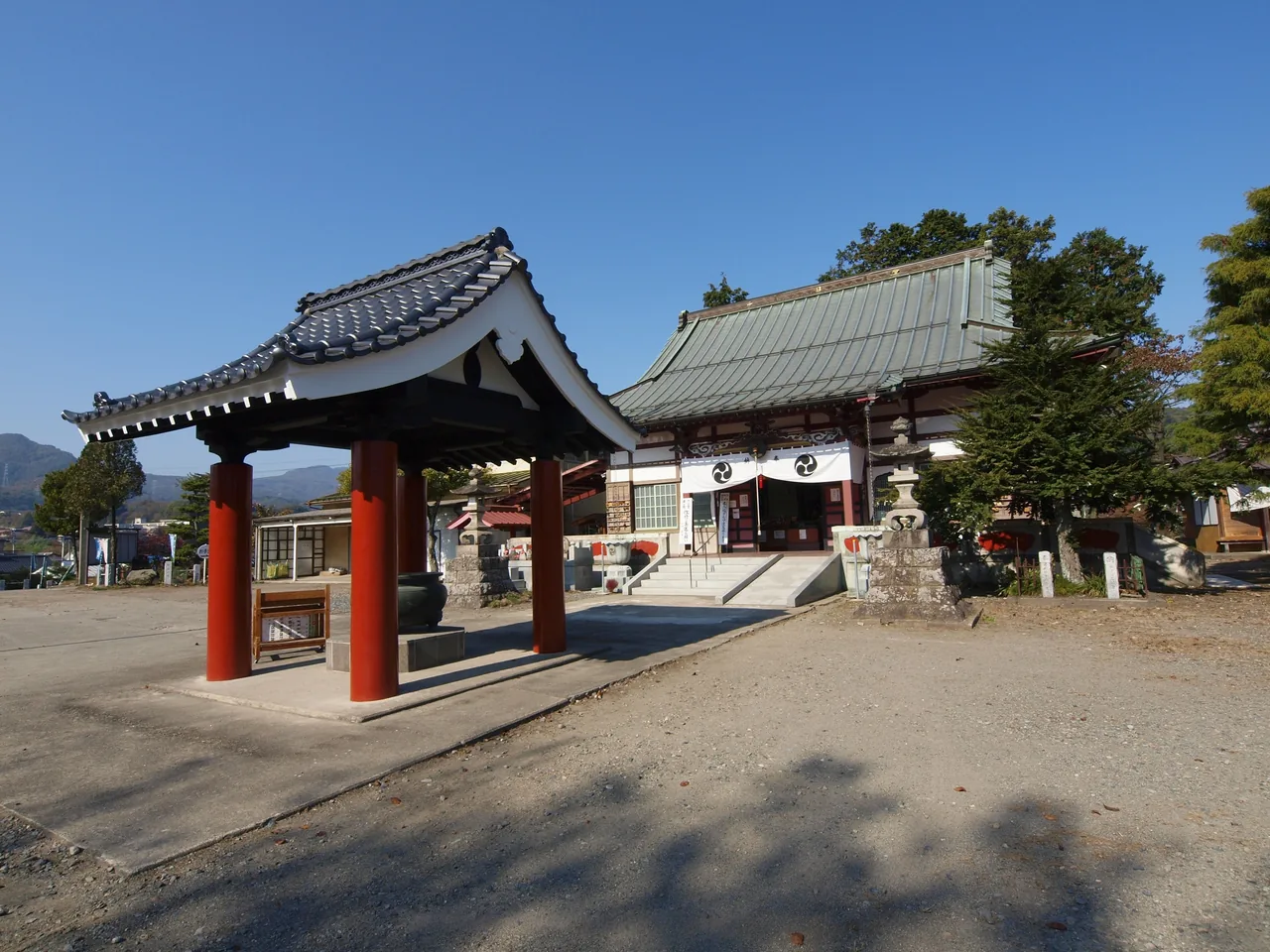
Tsukiyono & Takumi no Sato
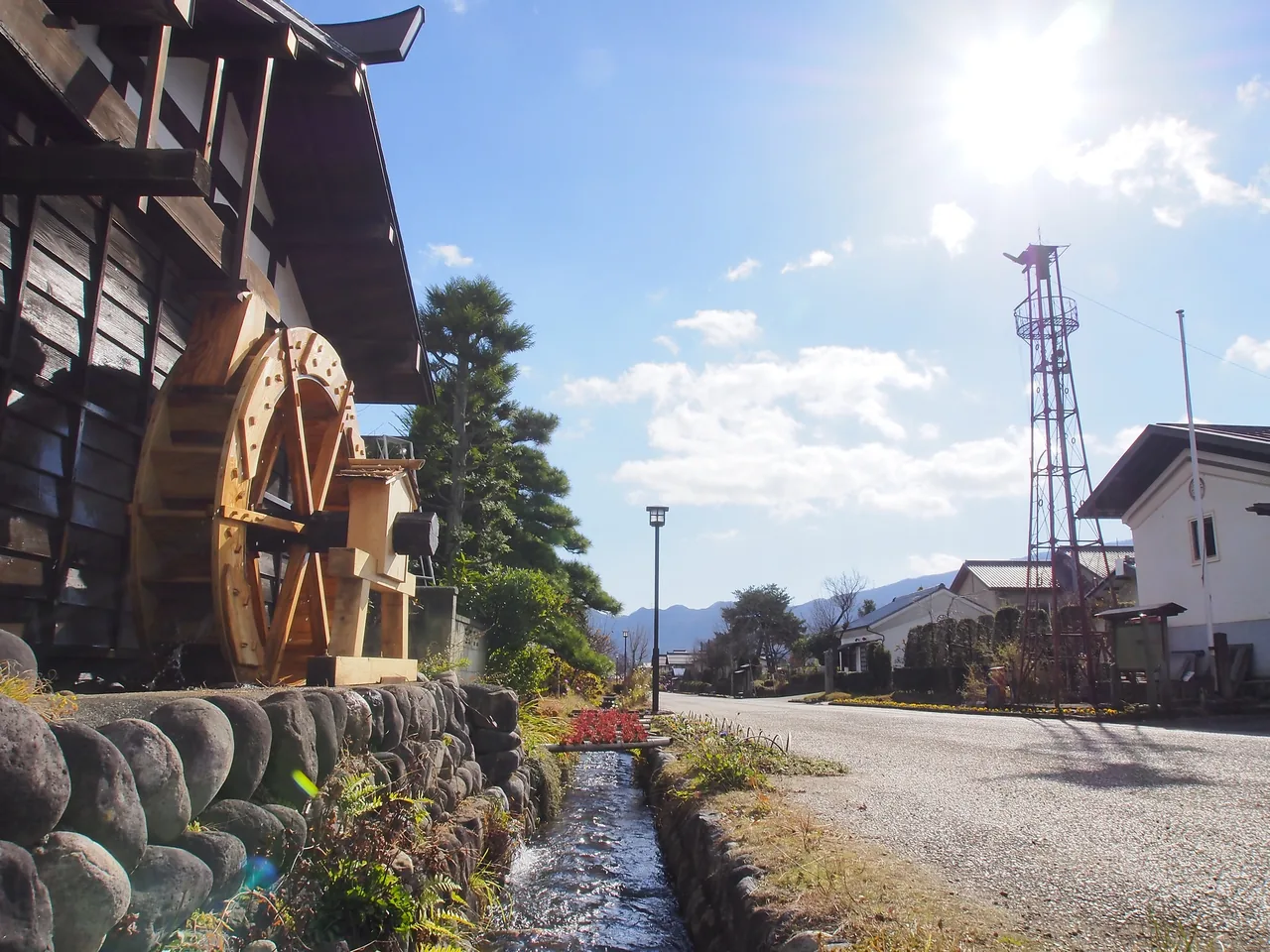
Photo: https://gunma-kanko.jp/
Areas of Gunma
Tsukiyono & Takumi no Sato
Takumi no Sato and Tsukiyono near Jomo-Kogen Station: hands-on craft workshops, Yujuku Onsen's bathhouses, Nagurumi Castle Ruins, the Yase site, fireflies, and buses.
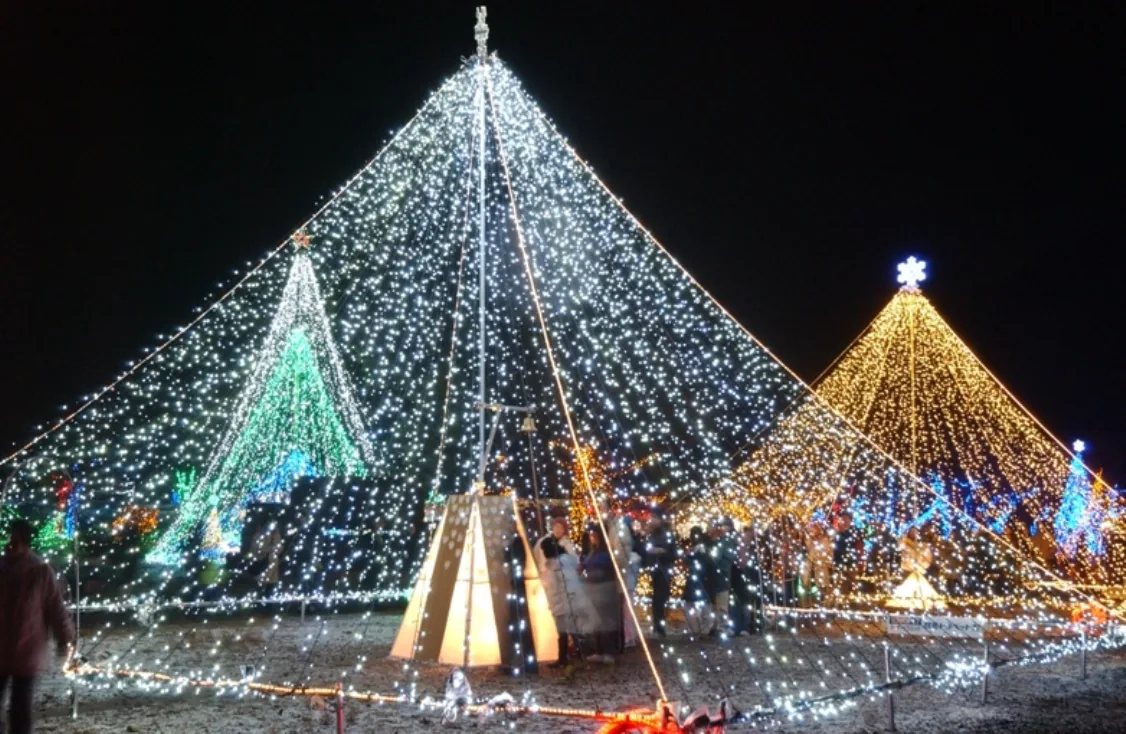 Dec 19 – Dec 26Lake Haruna Fireworks & Illumination Winter Fes
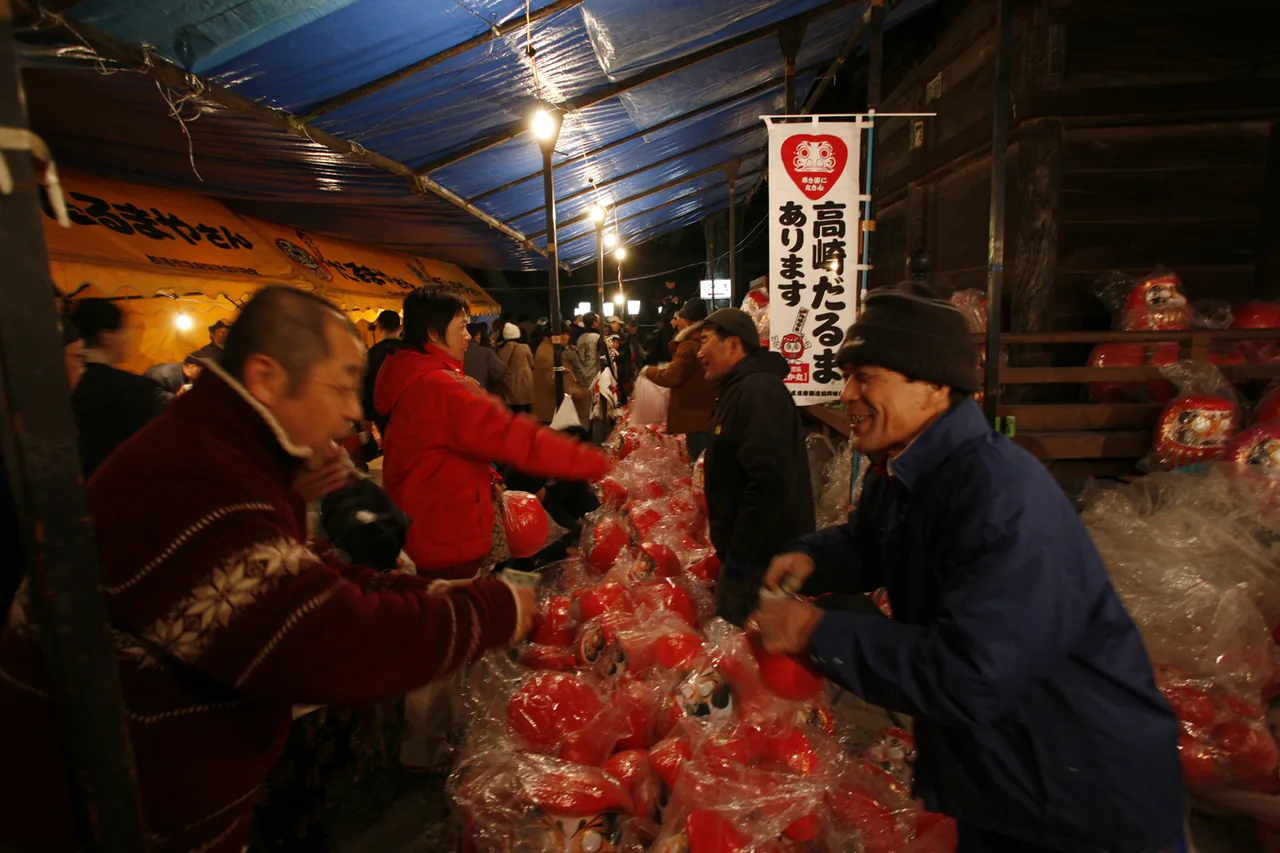 Jan 6 – Jan 7Shorinzan Daruma Market (Nanakusa Festival)
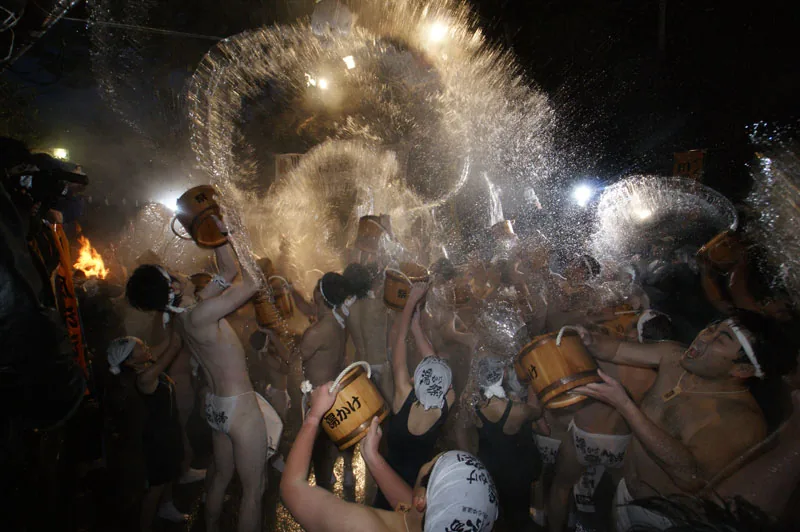 Jan 20Kawarayu Onsen Yukake Festival
Find on the map
This page is translated from the Japanese edition. Read the Japanese edition
What is the area like?
Step out of Jomo-Kogen Station on the Joetsu Shinkansen and fields and houses spread across terraces carved by the Tone River, with layers of mountains beyond. Tsukiyono is the southern part of Minakami Town, the stretch you pass before Minakami Onsen and Mount Tanigawa. Near the station are the remains of a Jomon-period village and a Sengoku-period hilltop castle, and heading into the hills you follow traces of the post towns on the Mikuni Kaido, the old road from Edo to Echigo.
Along that road lie Takumi no Sato, where craft workshops are scattered around the former Sugawa post town, and Yujuku Onsen, with its inns on a narrow stone-paved street. Both are on the bus route from Jomo-Kogen Station toward Sarugakyo, so you can spend the day making something in a workshop and the night soaking in an old-fashioned spa town.
Main sights
Takumi no Sato (Craft Village)
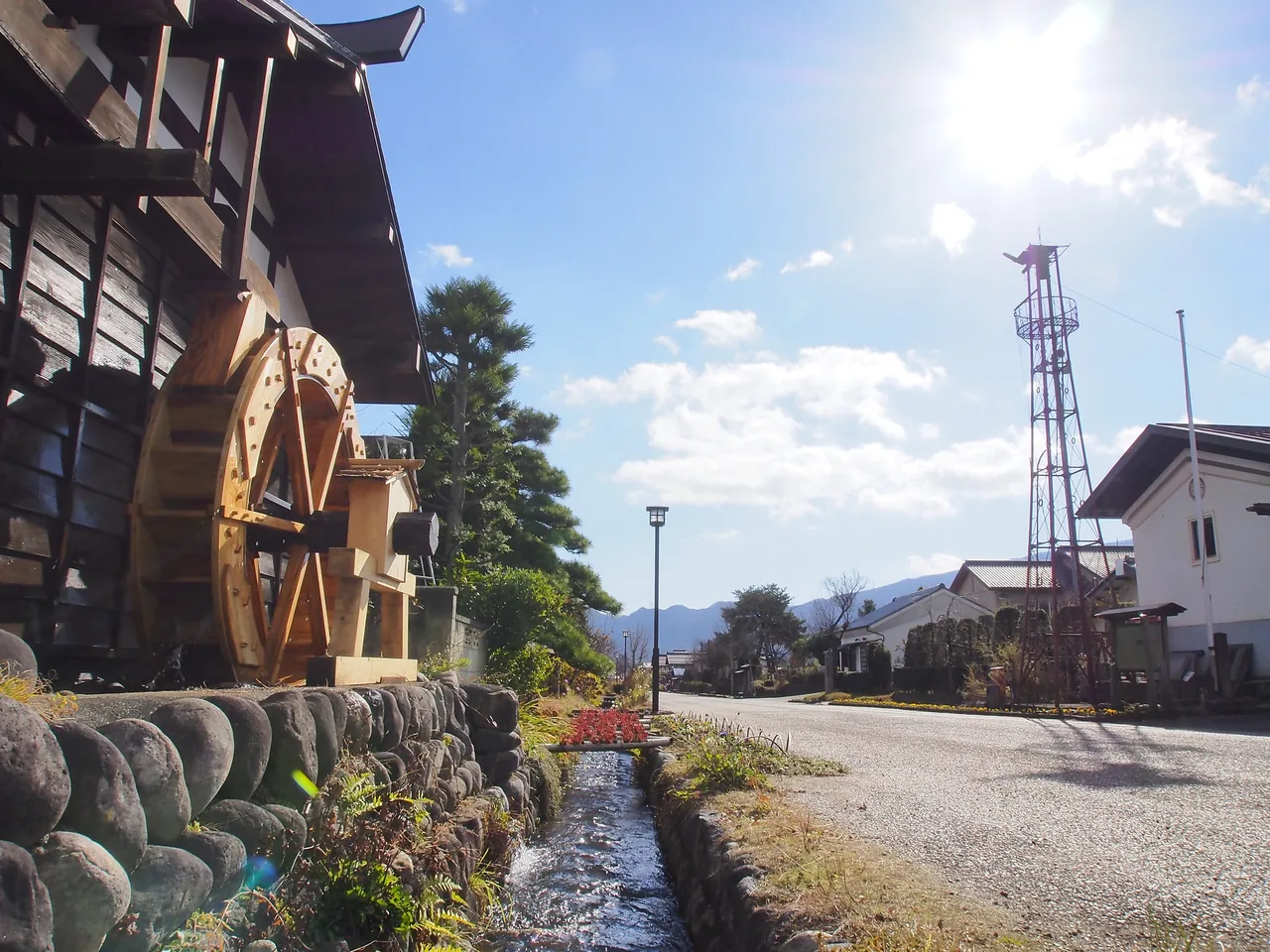
Twenty or more hands-on workshops are scattered around Sugawa, once a post town on the old Mikuni Kaido. Each offers something different, from woodwork, straw craft and washi paper to pottery and soba making, and you walk between them on lanes through the fields. The Sugawa-juku Museum in the middle of the old street displays documents left by the feudal lords who passed through on their journeys to and from Edo. Start at Horakukan, which doubles as an information center, to pick up a map and check which workshops are open that day. See Takumi no Sato for details.
Yujuku Onsen
A small hot spring that prospered as a post town on the Mikuni Kaido. A handful of inns line a narrow stone-paved street, and behind them are four communal bathhouses. The source water is hot, so the baths run hot too. This is not a lively onsen town but a place that keeps the feel of an old bathing retreat. See Yujuku Onsen for details.
Nagurumi Castle Ruins
The remains of a hilltop castle on a cliff-ringed plateau near where the Tone and Akaya rivers meet. Sanada Masayuki made it a proper castle in the Sengoku period, and the dispute over it is said to have triggered Toyotomi Hideyoshi's 1590 attack on the Hojo clan at Odawara. It is a Gunma Prefecture historic site and free to enter, and the information center at its foot displays materials on the castle. See Nagurumi Castle Ruins for details.
Tsukiyono Yase Shinsui Park Roadside Station (Yase Site)
A roadside station within walking distance of Jomo-Kogen Station, with the Jomon-period Yase village site on its grounds. The site dates from about 3,500 to 2,300 years ago; dwellings, a ritual area and a water place were found close together, and it is a national historic site. Around it is a park with lawns and play equipment, handy for filling time before a train. See Tsukiyono Yase Shinsui Park for details.
Mozaemon Jizo Sennichido Hall
A hall dedicated to Sugiki Mozaemon, a Tsukiyono farmer of the Edo period who petitioned directly against the misrule of the lord of Numata and was crucified for it. The farmers built the hall to pray for him for a thousand days. Every year on the spring and autumn equinox days a fair is held, with stalls lining the grounds. See Mozaemon Jizo Sennichido Hall for details.
Shiobara Tasuke Memorial Park
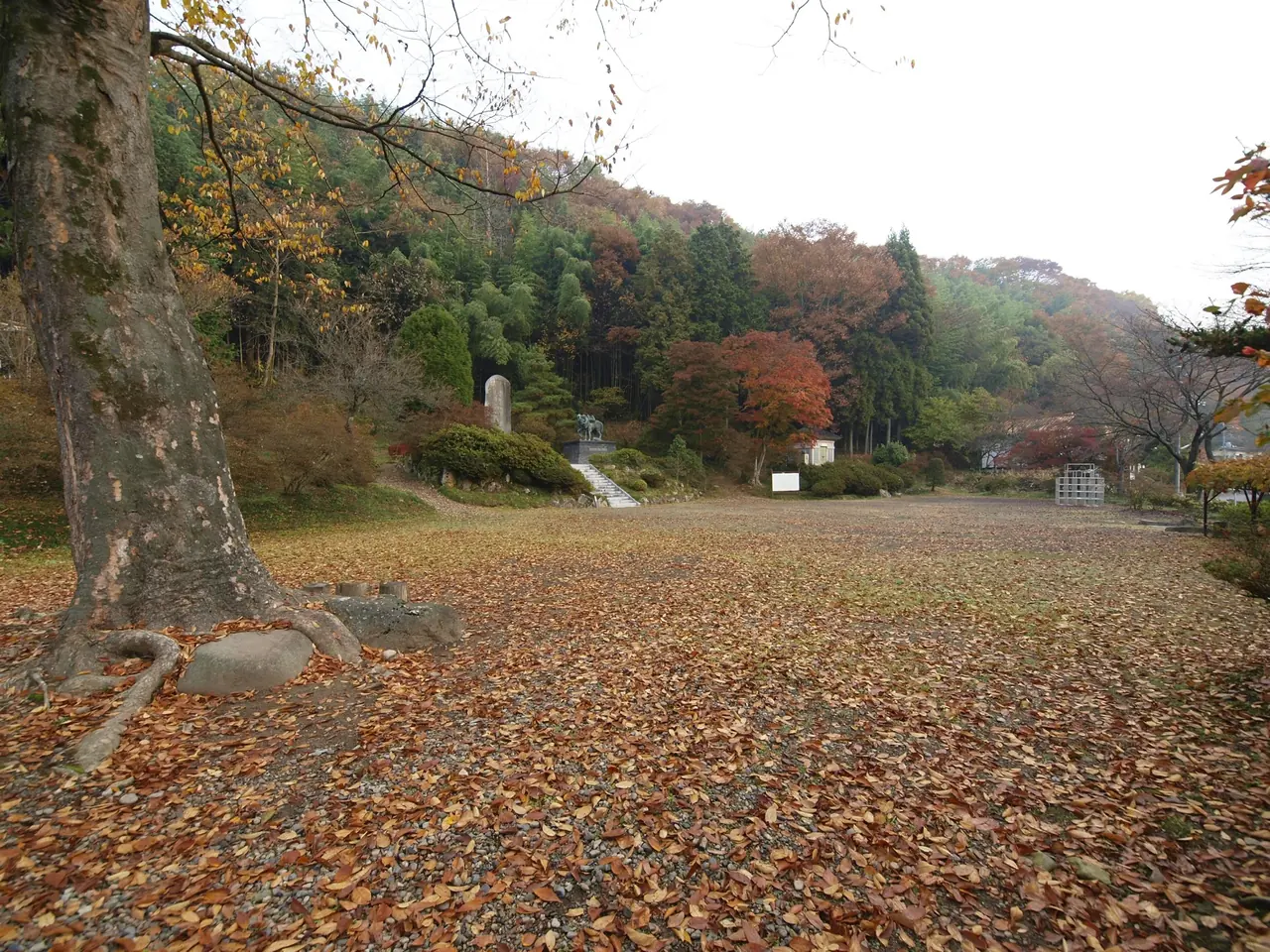
A park beside the birthplace of Shiobara Tasuke (1743–1816), who went to Edo and became a wealthy merchant. His life became widely known through the rakugo story "Shiobara Tasuke Ichidaiki" by Sanyutei Encho. In the park stands a statue of the scene where Tasuke says goodbye to his beloved horse, Ao. See Shiobara Tasuke Memorial Park for details.
Ominenuma Pond
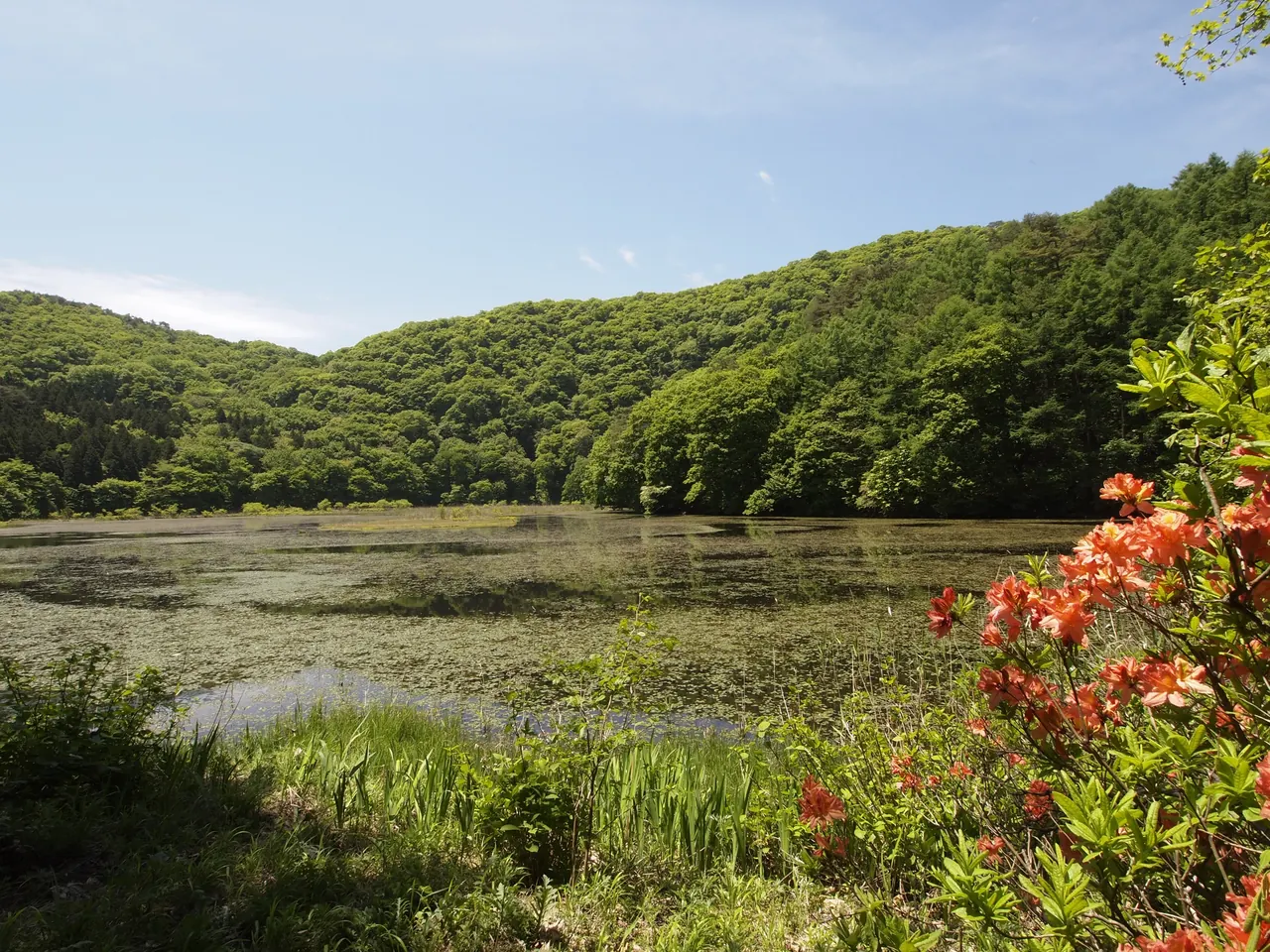
A pond about 1 km around, in a forest at about 1,000 m on the east side of Mount Omine. A marsh formed by peat built up over more than 10,000 years floats on it as a "floating island," a Gunma Prefecture natural monument. Park at the trailhead car park and walk up a mountain path. See Ominenuma Pond for details.
Fireflies at Tsukiyono Hotaru no Sato (usually mid-June to mid-July)
At the "Firefly Village" laid out around Gakurinji Temple west of Jomo-Kogen Station, small lights blink in the grass by the water after dark. The best time to watch is around 8 to 9 p.m. To avoid startling the fireflies, do not use flashlights, phone screens or camera flash. See Fireflies at Tsukiyono Hotaru no Sato for details.
Food and shopping
For local produce, go to the farm stand at the Tsukiyono Yase Shinsui Park roadside station. It is within walking distance of the Shinkansen station, so you can stop by before your train home. At Takumi no Sato, whatever you make in a workshop becomes your souvenir. How you take it home and when it is ready vary by workshop, so ask when you sign up. You can find places to eat in the list further down this page.
Getting there
- From Tokyo: take the Joetsu Shinkansen to Jomo-Kogen Station. Most of Tsukiyono's sights start from here.
- To Takumi no Sato and Yujuku Onsen: take a Kan-Etsu Kotsu bus bound for Sarugakyo from Jomo-Kogen Station and get off at "Takumi no Sato" or "Yujuku Onsen." Takumi no Sato is about 15 minutes away by car. Check bus times and frequency on the timetable.
- To Nagurumi Castle Ruins: about 7 minutes by taxi from Jomo-Kogen Station or from Gokan Station on the JR Joetsu Line.
- To Yase Shinsui Park: about a 10-minute walk from Jomo-Kogen Station, or about 10 minutes by car from the Tsukiyono interchange on the Kan-Etsu Expressway.
Check sights and buses on the Minakami Town Tourism Association's official website.
Getting around the area
Getting to Takumi no Sato means working around the bus times, so decide on your buses there and back before you go. You can walk around the village, but it is a long way from one end to the other. Rather than trying to fit in many workshops in one day, pick a few and take your time. If you stay at Yujuku Onsen, the same bus route takes you on the next day to Sarugakyo & Hoshi Onsen.
Yase Shinsui Park and Nagurumi Castle Ruins, both close to the station, fit into half a day. On early summer evenings, head to the firefly village. For Mount Tanigawa and the river, go further north to Minakami & Mount Tanigawa. Our guide to outdoor activities in Minakami helps you choose between rafting and hiking.
Sights in Tsukiyono & Takumi no Sato
See all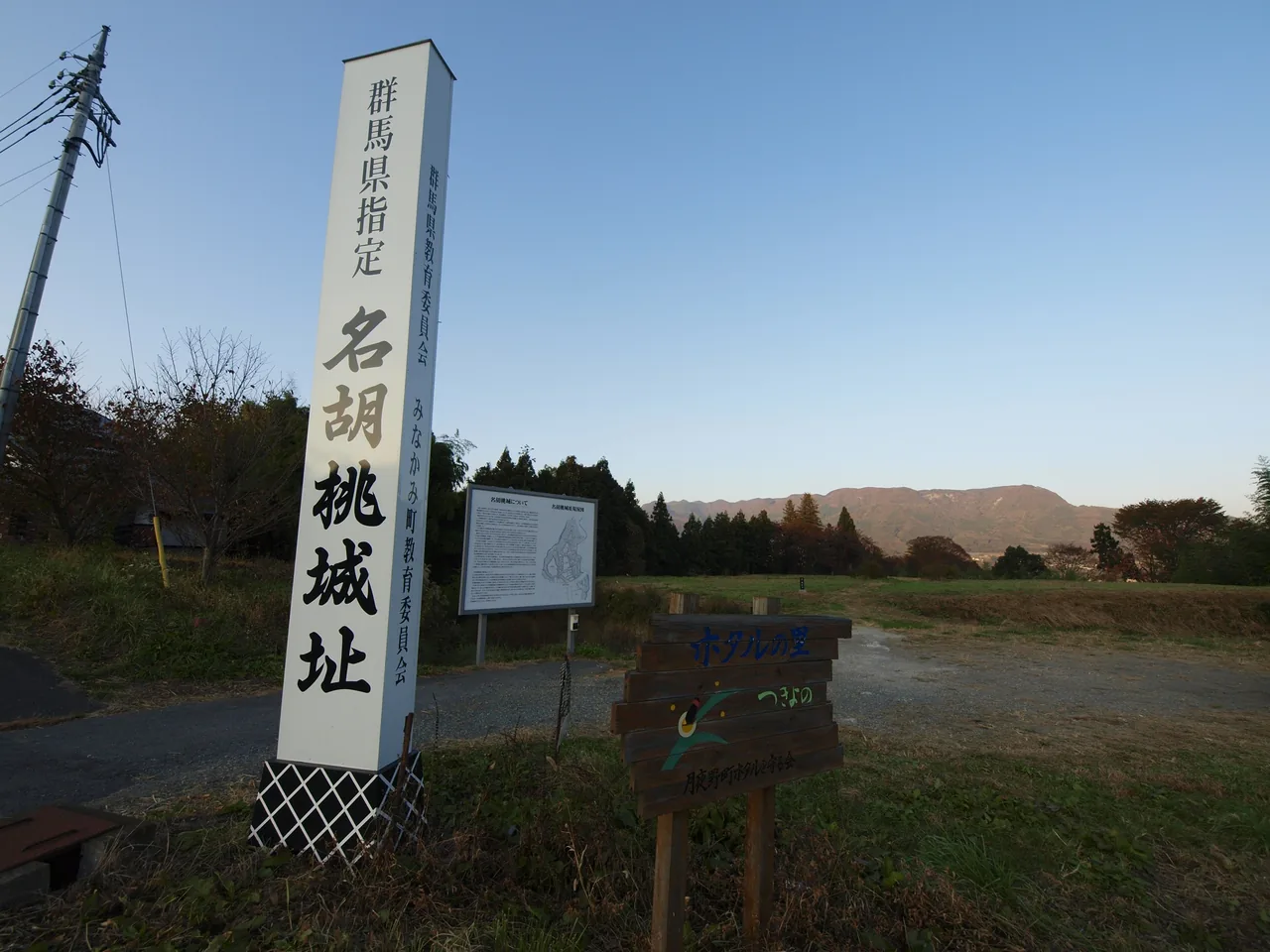
Gunma guides
See all


More areas of Gunma
- Kusatsu Onsen
- Ikaho Onsen
- Shima Onsen
- Nakanojo & Sawatari Onsen
- Kuni & Lake Nozori
- Takayama Village
- Minakami & Mount Tanigawa
- Sarugakyo & Hoshi Onsen
- Fujiwara & Naramata
- Takasaki
- Maebashi
- Tomioka
- Mount Akagi
- Mount Haruna & Lake Haruna
- Numata
- Tambara Plateau
- Kawaba
- Oigami Onsen & Fukiware Falls
- Oze & Katashina
- Katashina & Mount Hotaka
- Marunuma & Suganuma
- Agatsuma Gorge & Kawarayu
- Tsumagoi & Mount Asama
- Usui Pass & Yokokawa
- Mount Myogi
- Kiryu
- Ota
- Tatebayashi