
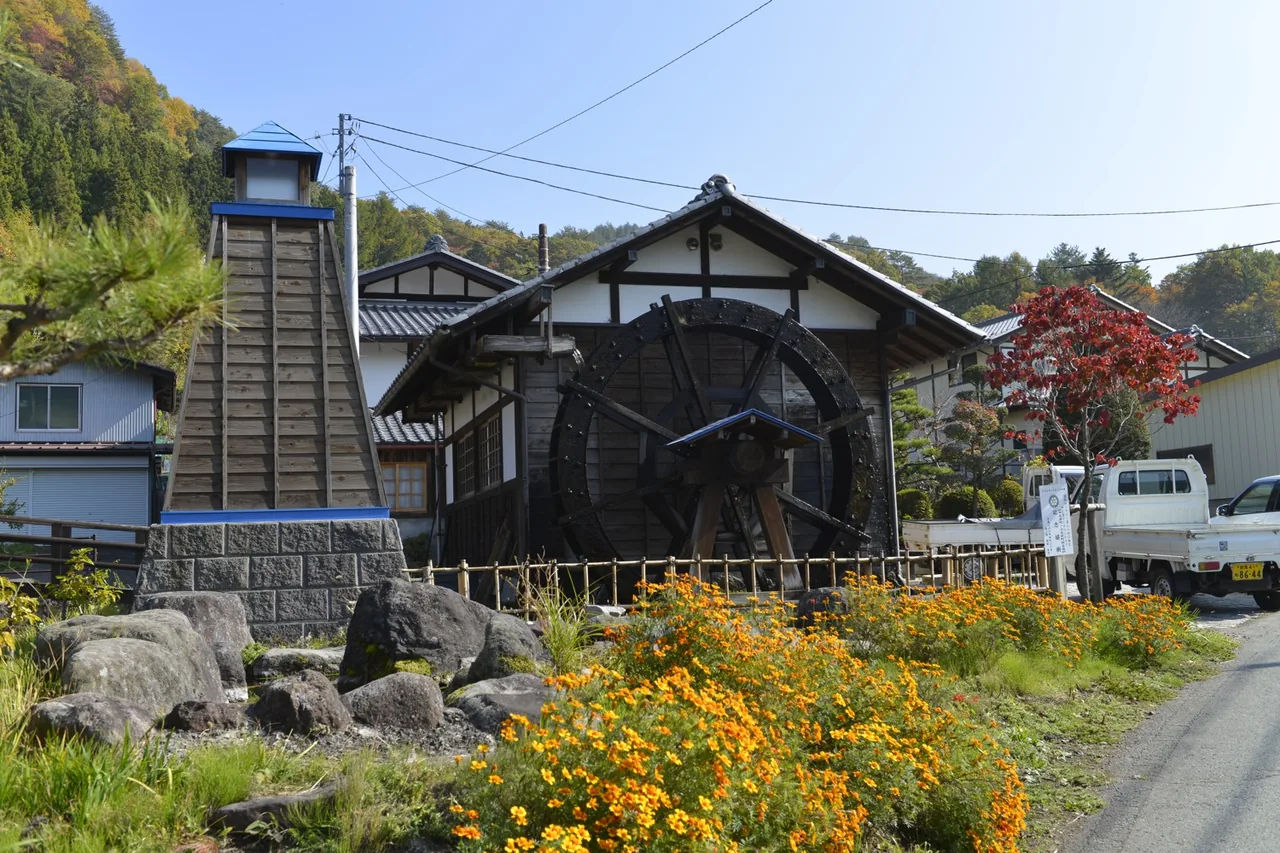
Kuni & Lake Nozori
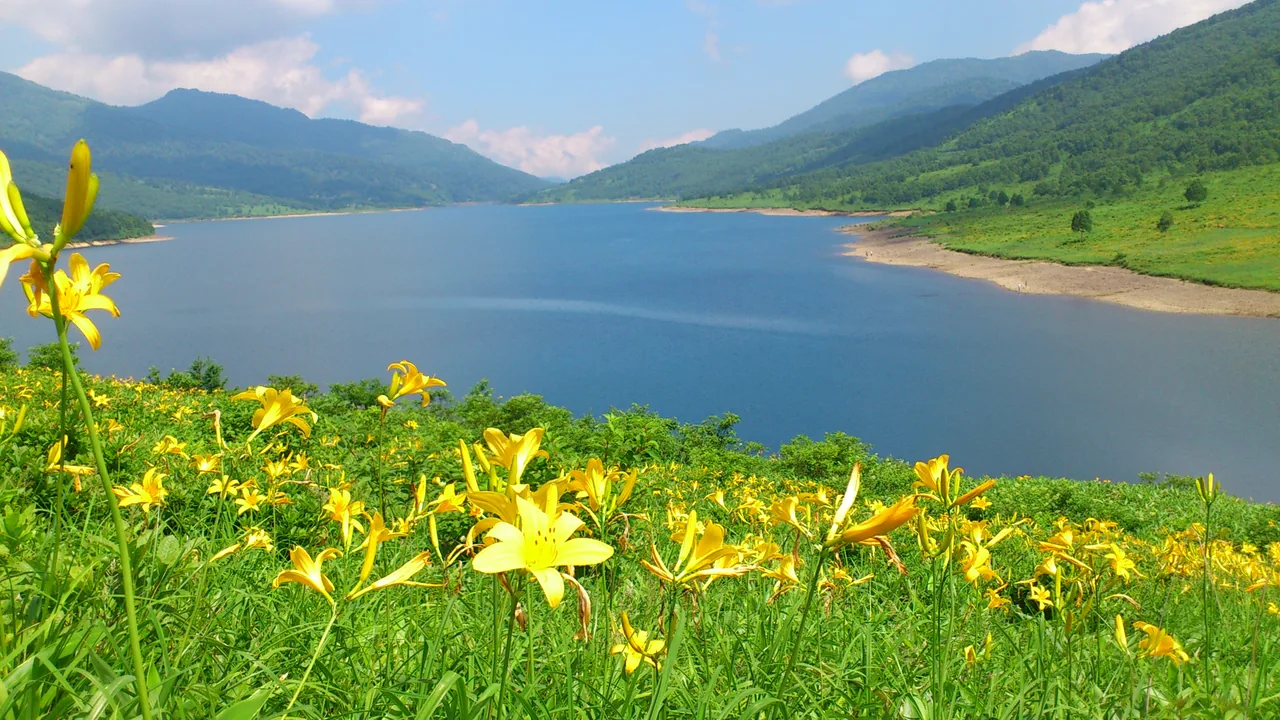
Photo: https://gunma-kanko.jp/
Areas of Gunma
Kuni & Lake Nozori
Kuni, Nakanojo's mountain district: Lake Nozori 1,500 m up, the river bath of Shiriyaki Onsen, Chatsubomi Moss Park, a silk-farming village and winter closures.
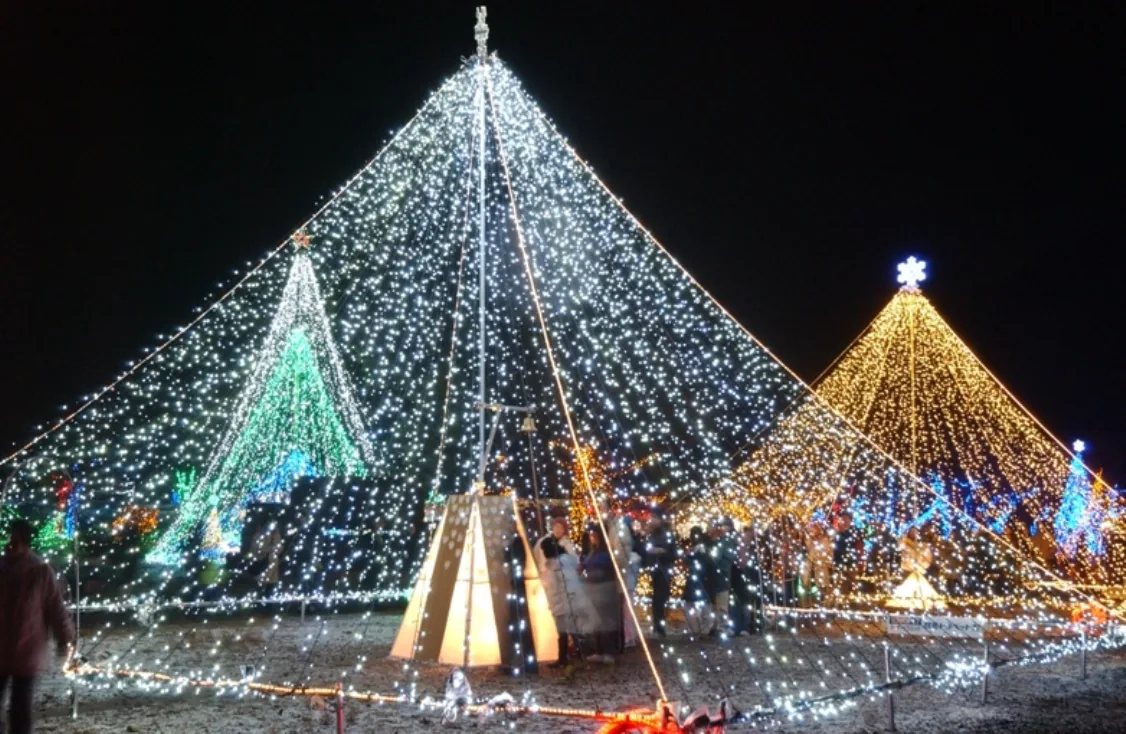 Dec 19 – Dec 26Lake Haruna Fireworks & Illumination Winter Fes
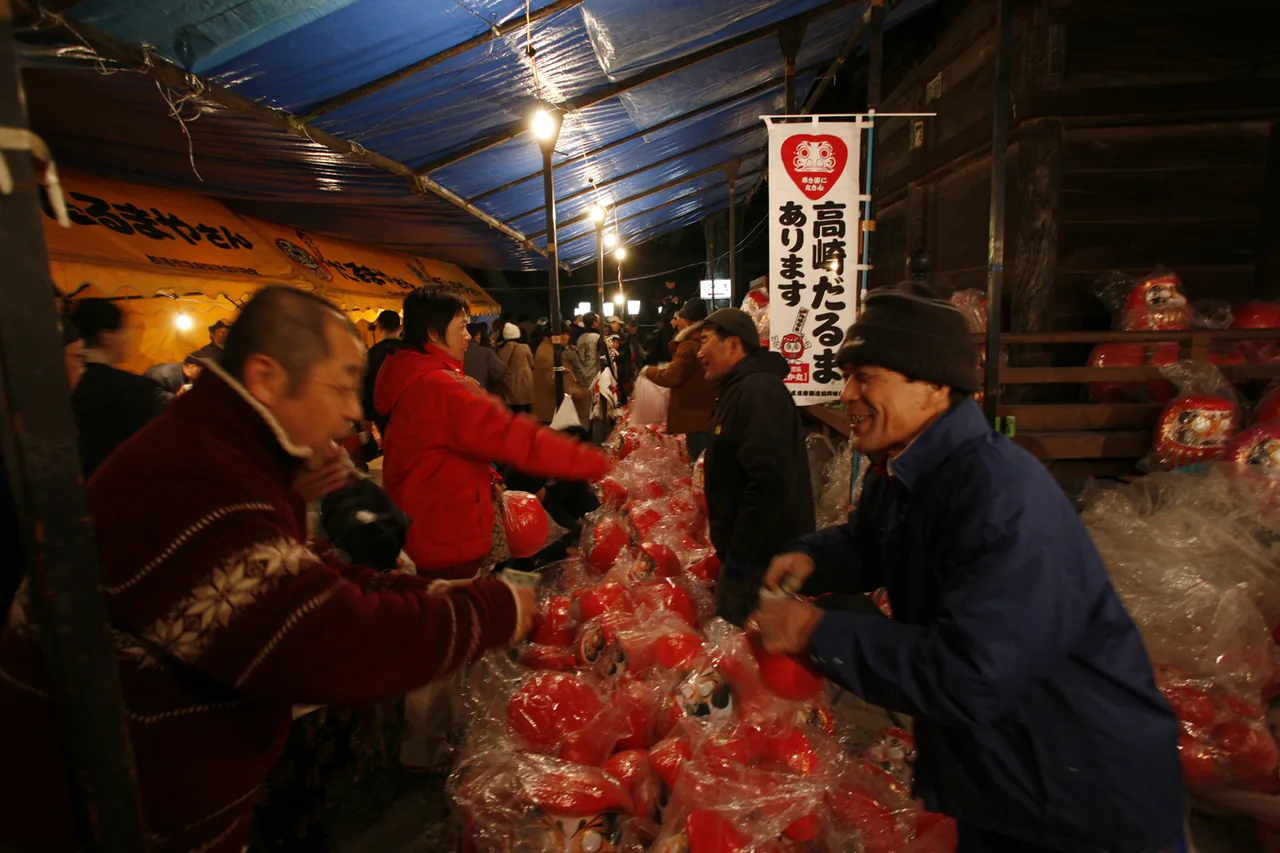 Jan 6 – Jan 7Shorinzan Daruma Market (Nanakusa Festival)
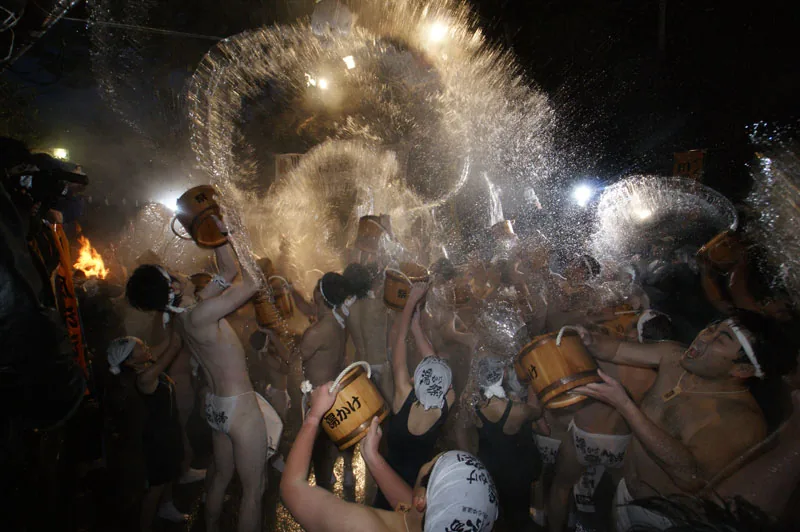 Jan 20Kawarayu Onsen Yukake Festival
Find on the map
This page is translated from the Japanese edition. Read the Japanese edition
What is the area like?
Head north from Naganohara-Kusatsuguchi Station along the valley of the Shirasuna River and the valley narrows, with small hot springs and hamlets appearing one after another by the water. Kuni is the mountain district in the northwest of Nakanojo town, north of Kusatsu Onsen. Further in, near the borders of Gunma, Niigata and Nagano, Lake Nozori sits on a plateau about 1,500 metres up.
What draws people here is scenery made by nature: a hot spring welling up from a riverbed, a valley of moss that grows in acidic water, and marshland registered under the Ramsar Convention, all places you rarely see elsewhere. Along the Shirasuna River there is also a hamlet of houses that grew prosperous on silk farming.
Main sights
Lake Nozori
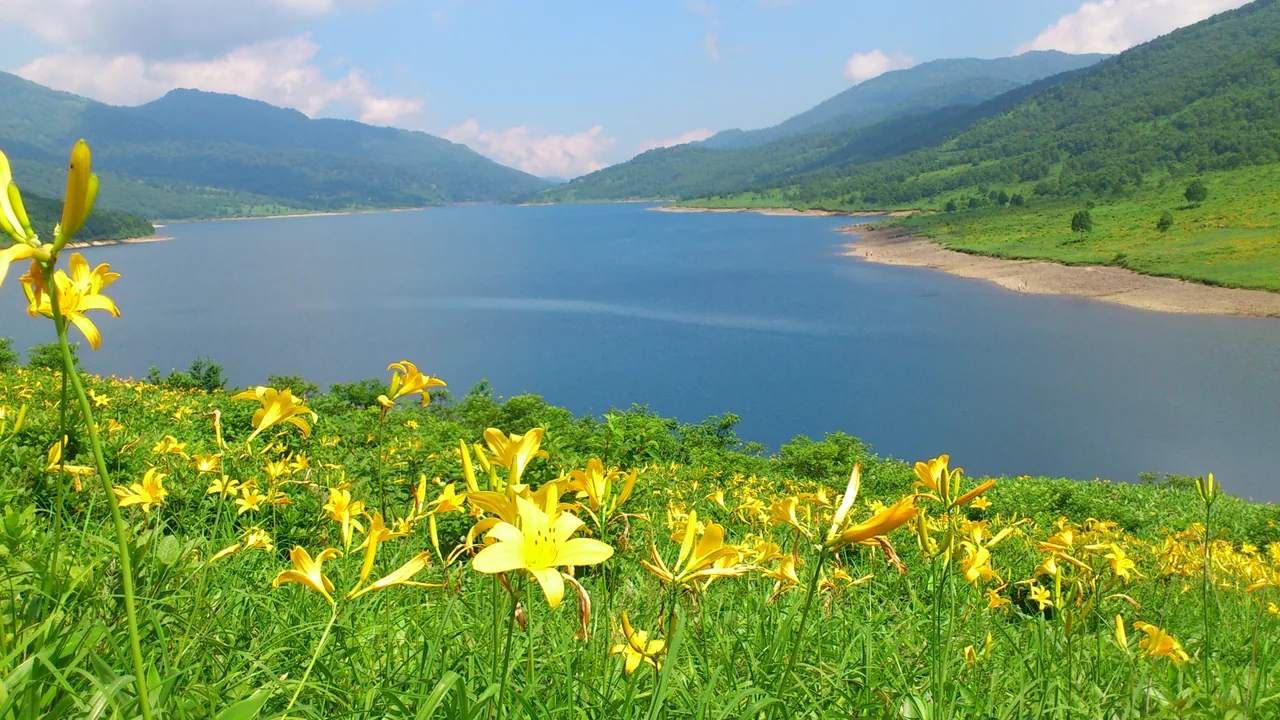
A highland lake ringed by mountains, its water a deep blue. The flowers around the shore change through the seasons: azaleas from June to early July, Nozori day lilies around July, and the autumn colours of the grasses. From Fujimi Pass you can look down on the lake spread out between the mountains. See Lake Nozori for details.
Shiriyaki Onsen and the Kuni Hot Springs
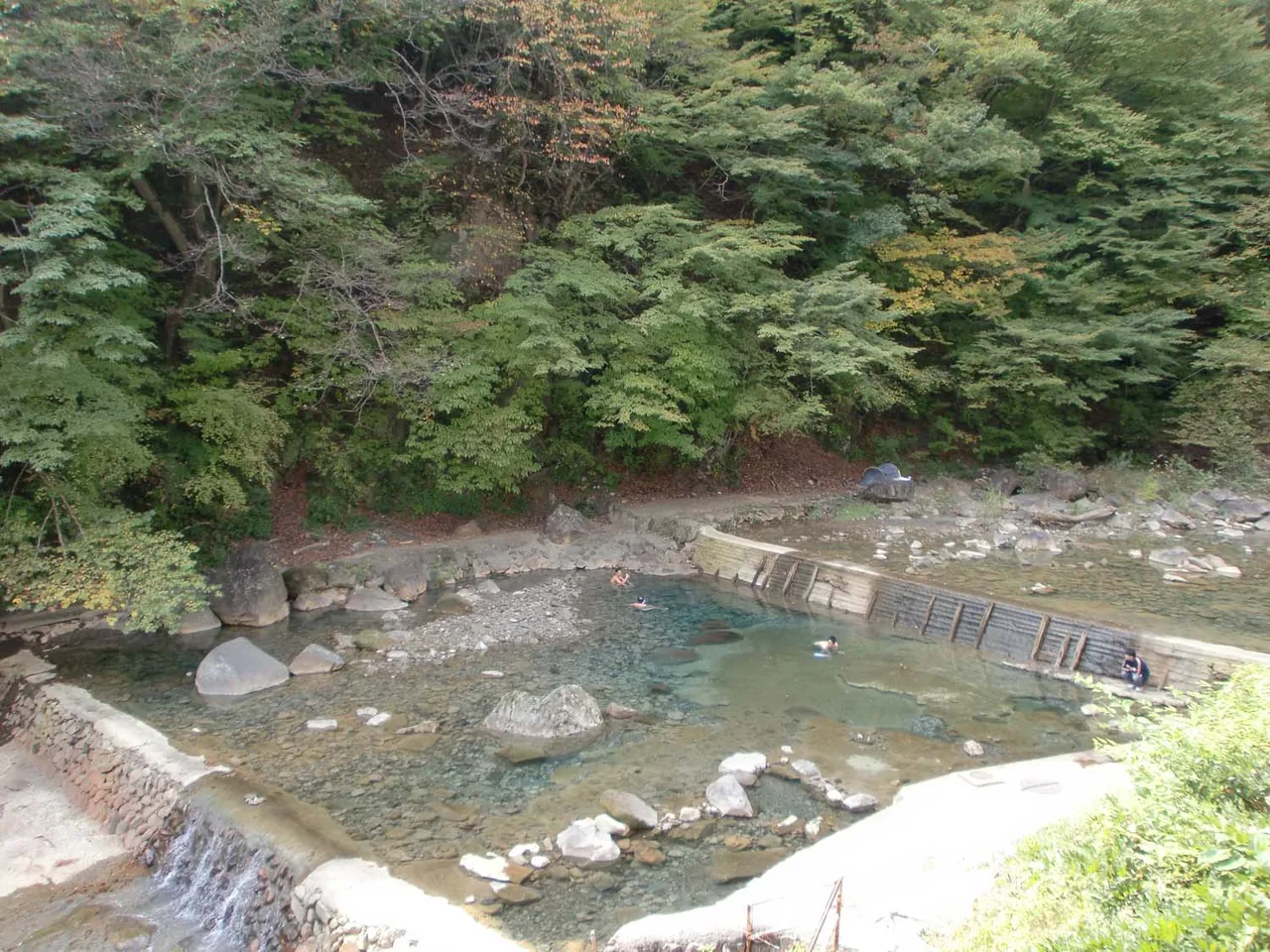
Hot water rises from the bed of the Nagasasazawa River, and a dammed stretch of the river, the "river bath," serves as a huge open-air bath. It is free, but there are no changing rooms and swimsuits are recommended. You cannot bathe when rain or snowmelt swells the river. Other small hot springs such as Hanashiki Onsen and Otoku Onsen are dotted around. See Shiriyaki Onsen and the Kuni Hot Springs for details.
Chatsubomi Moss Park
A park in a valley called Ana-jigoku, where strongly acidic water flows and chatsubomi moss carpets the ground. Hot spring water runs between the bright green moss, and in early June the orange of azaleas lies over the green. The park closes in winter. See Chatsubomi Moss Park for details.
Yoshigadaira Wetlands
A group of wetlands east of Mount Kusatsu-Shirane, straddling Nakanojo and Kusatsu, registered under the Ramsar Convention in 2015. Chatsubomi Moss Park is part of the same group. The central Yoshigadaira marsh lies about 1,830 metres up, and from mid-June to early July it fills with the white tufts of cotton grass. You reach the marsh on foot by mountain trail, so come with hiking gear. See Yoshigadaira Wetlands for details.
Akaiwa Sericulture Village
A hamlet of large farmhouses whose second and third floors were used for raising silkworms. In 2006 it became the first place in Gunma chosen as a national Important Preservation District for Groups of Traditional Buildings. The Yumoto family house keeps the "Choei room," where the late-Edo scholar of Western learning Takano Choei is said to have hidden. People live here, so walk quietly. See Akaiwa Sericulture Village (Kuni) for details.
Yodate Hachitaki Falls
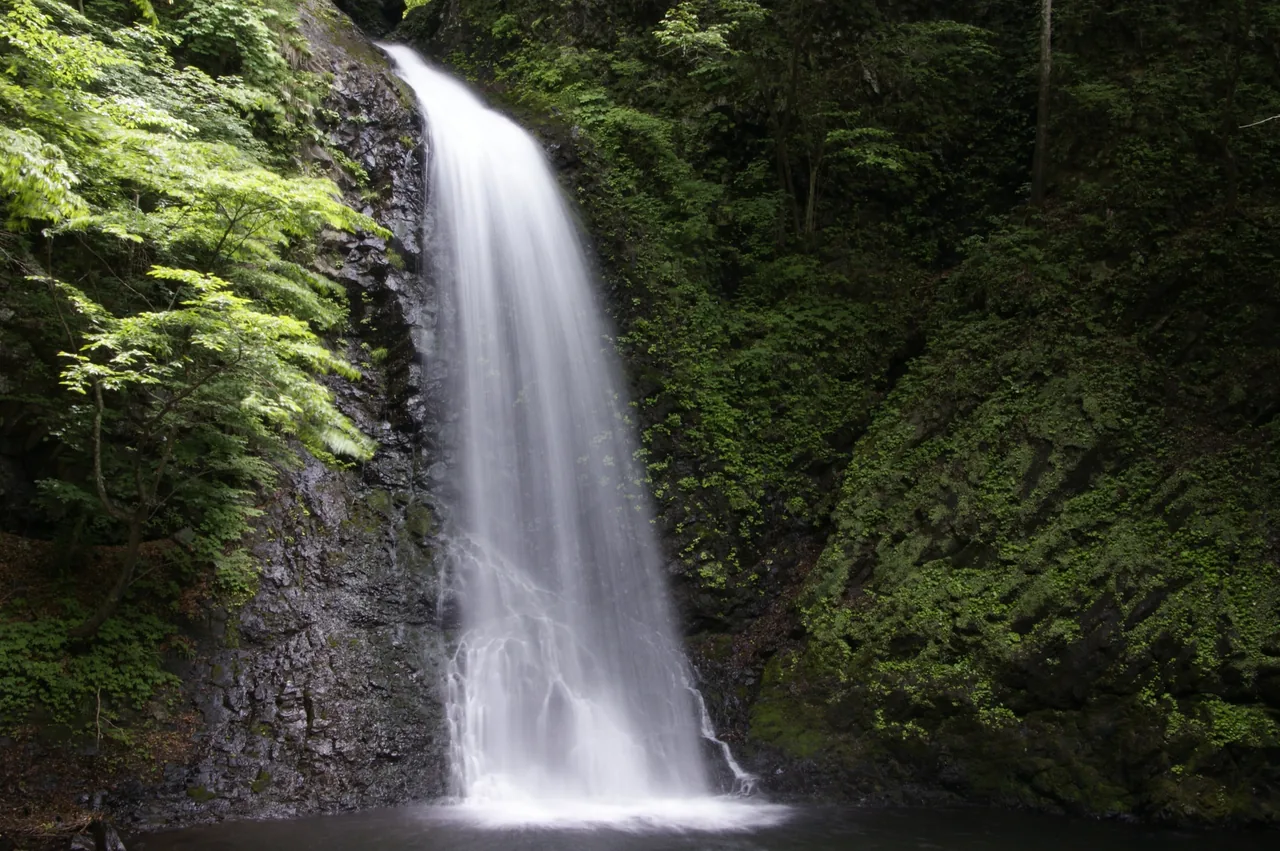
A gorge in Iriyama with eight waterfalls in a row; the lowest, Daisen Falls, is visible from Route 292. Daisen Falls is about a two-minute walk from the start of the trail and drops straight down a rock face. The path to the upper falls climbs and drops steeply, so wear good walking shoes. See Yodate Hachitaki Falls for details.
Kuresaka Pass
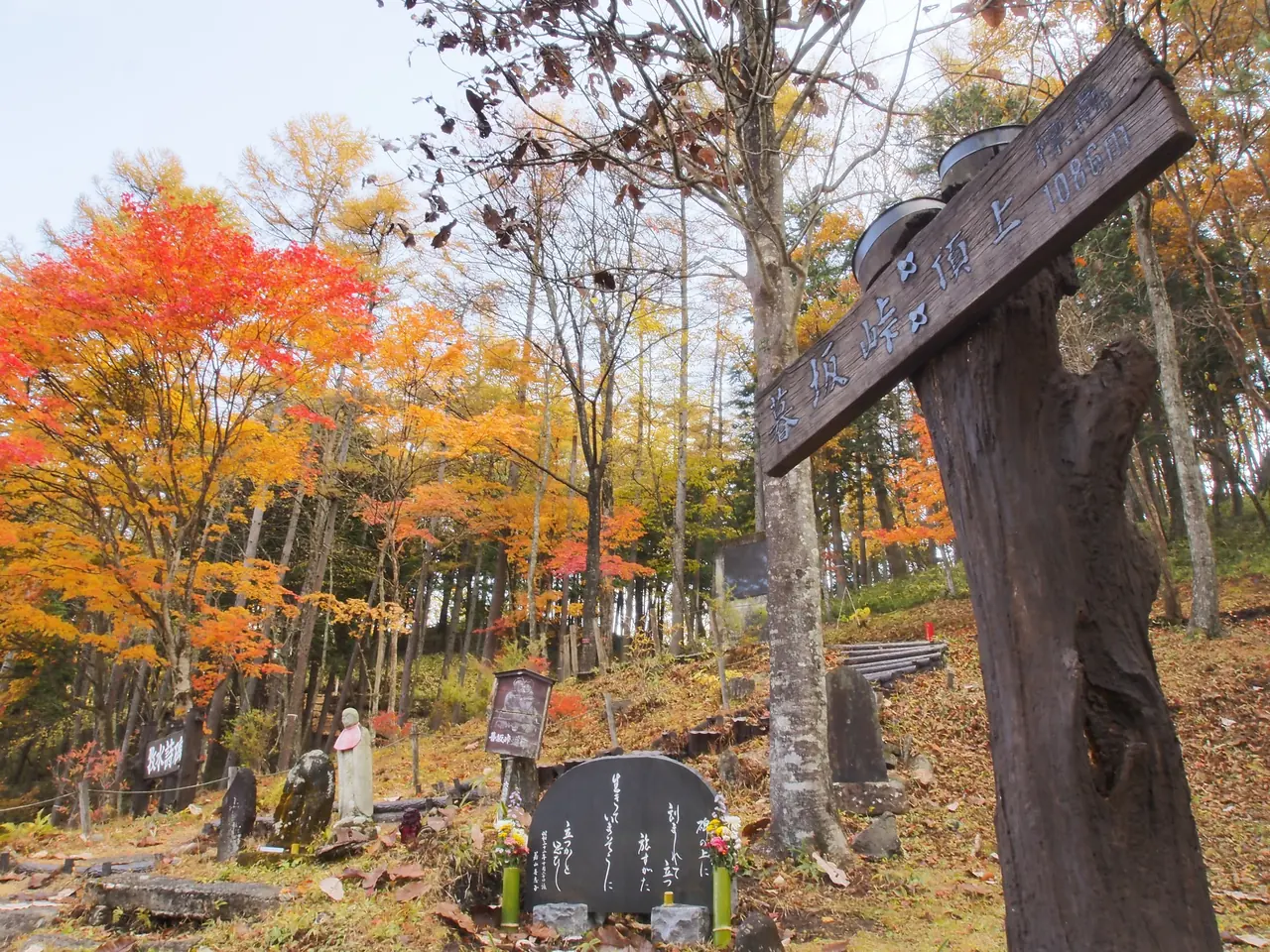
A 1,088-metre pass on the road between Sawatari Onsen and Kusatsu. In 1922 the poet Wakayama Bokusui crossed it and left the poem "Kareno no Tabi" (Journey across withered fields). A statue of Bokusui in traveling clothes and a monument with the poem stand at the pass, and the foliage usually peaks from mid to late October. See Kuresaka Pass for details.
Food and shopping
Michi-no-Eki Kuni, a roadside station on Route 292 near Otoku Onsen, has a farm stand stocking products made with the district's specialty hana-ingen (scarlet runner beans) and mountain vegetables. It also has a day-use hot spring, handy for washing after a soak in the river bath. You can find places to eat in the list further down this page.
Getting there
- By train: JR's Kusatsu-Shima limited express runs from Ueno Station to Naganohara-Kusatsuguchi Station with no change.
- By bus: from Naganohara-Kusatsuguchi Station, a local bus takes about 35 minutes to the Hanashiki Onsen stop, then it is about a 10-minute walk to Shiriyaki Onsen. Buses are infrequent, so check the times beforehand.
- By car: from the Shibukawa-Ikaho interchange on the Kan-etsu Expressway, take Routes 353, 145 and 292 into Kuni.
Check train times on JR East's Kusatsu-Shima limited express page, and opening seasons and road conditions on the Nakanojo Tourism Association's official website.
Getting around the area
The sights are far apart and few are on a bus route, so a car is the practical way to get around. The stretch of Route 405 that climbs the last 12.3 km to Lake Nozori is usually closed for winter from late November to late April, and Chatsubomi Moss Park also closes in winter. For flowers, June and July bring the azaleas, Nozori day lilies and cotton grass.
In summer you can see Lake Nozori and Chatsubomi Moss Park, then stop at the river bath of Shiriyaki Onsen on the way back. If you are staying in Kusatsu, it is easy to make a side trip from Kusatsu Onsen. Cross Kuresaka Pass and you reach the quiet inns of Nakanojo & Sawatari Onsen.
Sights in Kuni & Lake Nozori
See all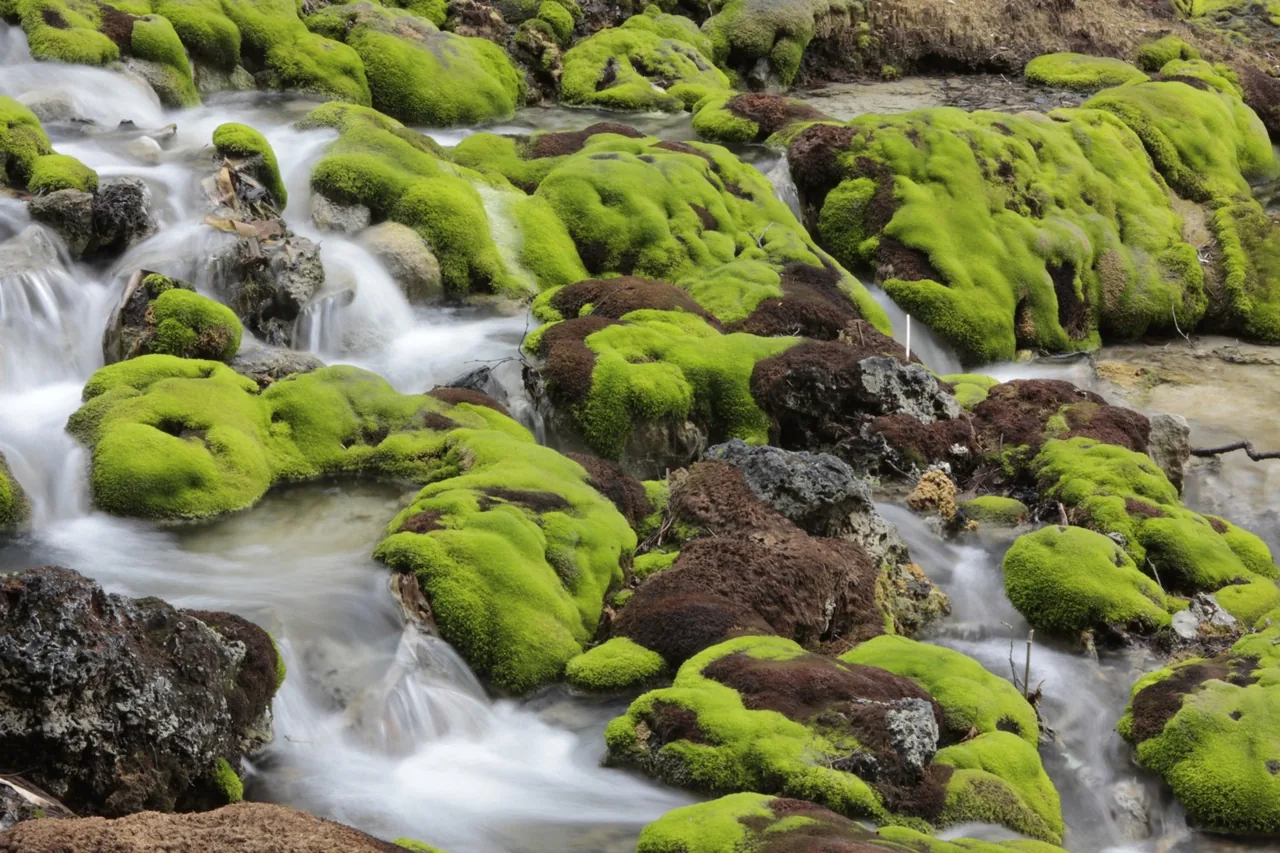
Gunma guides
See all


More areas of Gunma
- Kusatsu Onsen
- Ikaho Onsen
- Shima Onsen
- Nakanojo & Sawatari Onsen
- Takayama Village
- Minakami & Mount Tanigawa
- Tsukiyono & Takumi no Sato
- Sarugakyo & Hoshi Onsen
- Fujiwara & Naramata
- Takasaki
- Maebashi
- Tomioka
- Mount Akagi
- Mount Haruna & Lake Haruna
- Numata
- Tambara Plateau
- Kawaba
- Oigami Onsen & Fukiware Falls
- Oze & Katashina
- Katashina & Mount Hotaka
- Marunuma & Suganuma
- Agatsuma Gorge & Kawarayu
- Tsumagoi & Mount Asama
- Usui Pass & Yokokawa
- Mount Myogi
- Kiryu
- Ota
- Tatebayashi