Mt. Iwaki
Areas of Aomori
Mt. Iwaki
Things to do at Mt. Iwaki: Iwakiyama Shrine at Hyakuzawa, the bus from Hirosaki, the Tsugaru Iwaki Skyline and lift toward the summit, and Dake kimi sweet corn.
 Dec 1 – Feb 28Winter Sakura Light-up (Fuyu ni Saku Sakura)
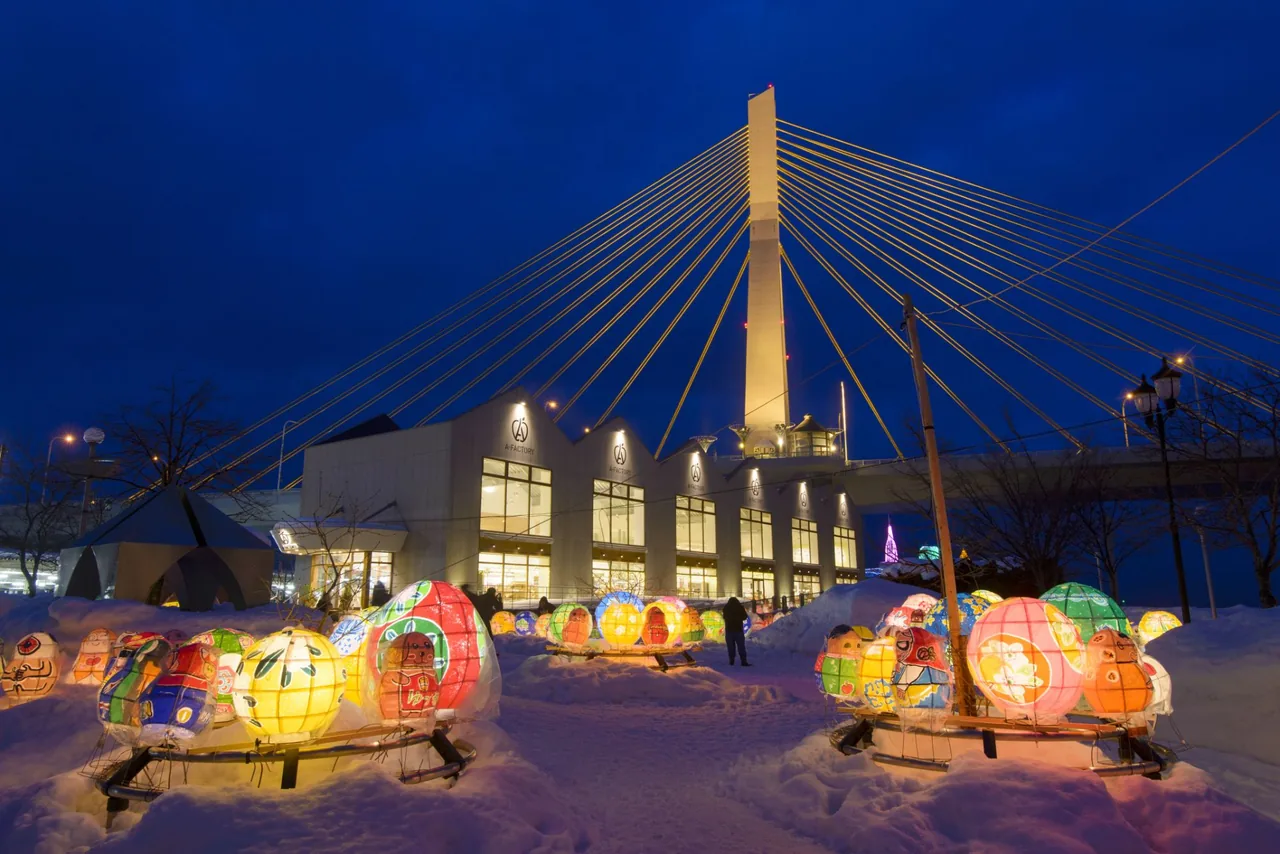 Dec 12 – Feb 15Aomori Akari to Kami Pageant (Light and Paper Pageant)
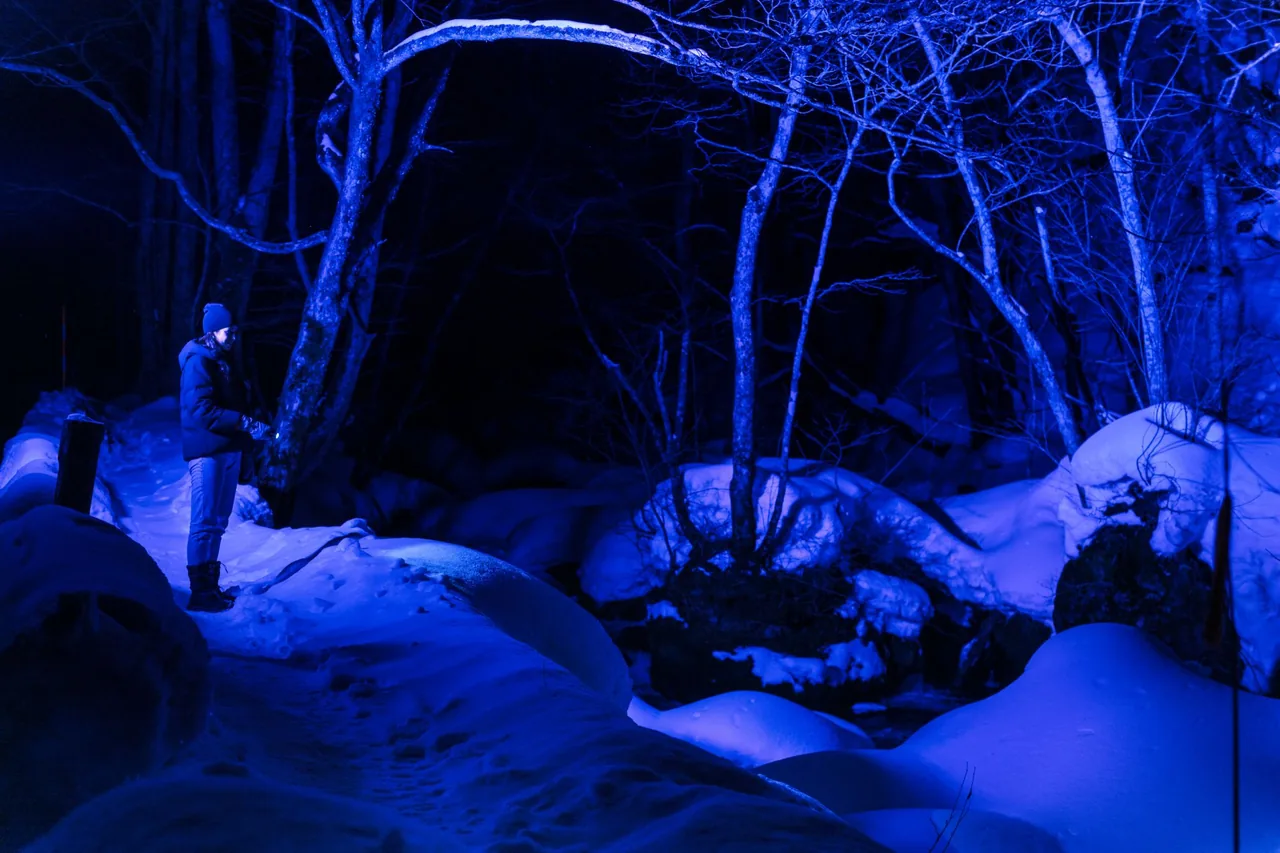 Dec 25 – Feb 28Oirase Gorge Ice Falls Night Tour
Find on the map
This page is translated from the Japanese edition. Read the Japanese edition
What is the area like?
Look west from Hirosaki and a mountain with wide, sweeping slopes rises beyond the Tsugaru Plain. This is Mt. Iwaki, at 1,625 meters the highest peak in Aomori Prefecture. It is also called "Tsugaru Fuji" and is one of Japan's 100 Famous Mountains.
This area covers Hyakuzawa, at the southeastern foot of the mountain. It is the shrine town of Iwakiyama Shrine, with the Hyakuzawa hot springs that give a bus stop its name. The bus from Hirosaki Station takes about 40 minutes, so you can stay in Hirosaki and visit in half a day.
Main sights
Iwakiyama Shrine
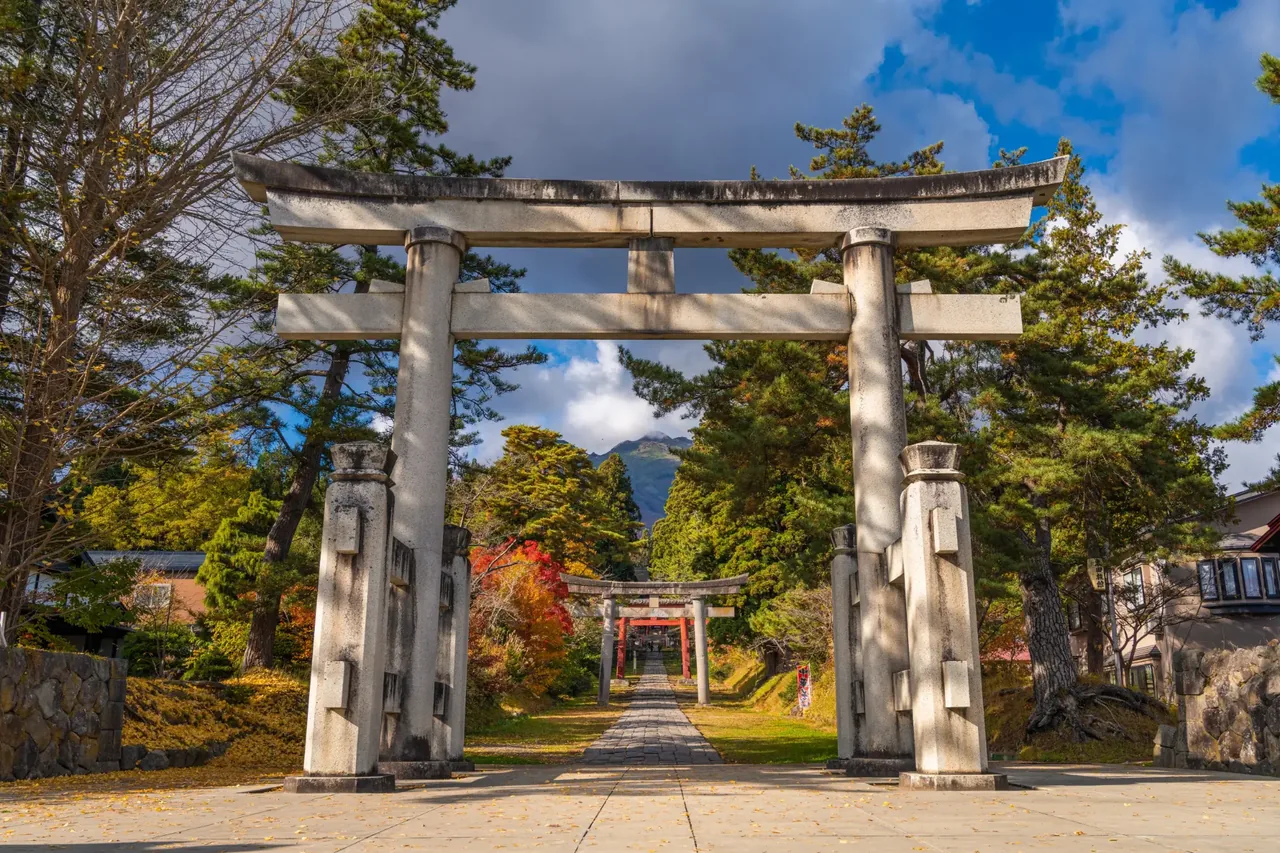
The shrine's inner sanctuary sits on the summit, and the buildings at the foot of the mountain were built in the Edo period by successive lords of the Hirosaki domain. The vermilion two-story gate and the worship hall were once the gate and main hall of a temple called Hyakutakuji, and together with the main sanctuary, inner gate, fence and middle gate they are Important Cultural Properties. Their richness earned the shrine the name "Nikko of the North."
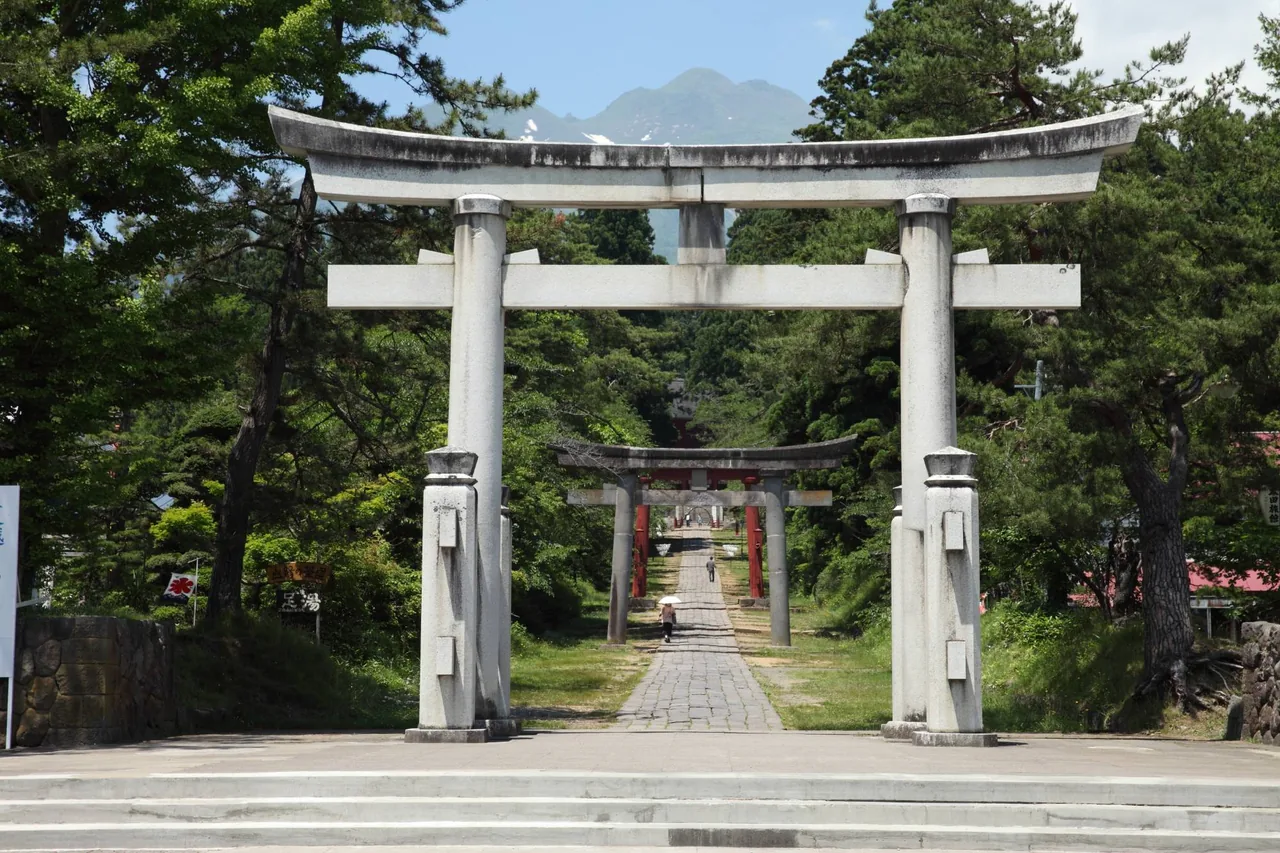
From the great torii at the entrance, Mt. Iwaki stands straight ahead at the end of the cedar-lined approach. Around the first day of the eighth month of the old lunar calendar, people from across Tsugaru climb the mountain in groups to pray at the summit sanctuary. This pilgrimage, the Oyama Sankei, is an Important Intangible Folk Cultural Property. See Iwakiyama Shrine.
Tsugaru Iwaki Skyline and the 8th station
A toll road, the Tsugaru Iwaki Skyline, climbs to the mountain's 8th station (1,247 meters), and a lift goes higher from there. The road is usually open from mid-April to early November; the lift season is shorter, and both can stop in bad weather. The road is closed in winter. In some years, Konan Bus runs a shuttle from Dake Onsen to the 8th station that connects with the bus from Hirosaki. Check the season and times on Hirosaki's tourism website or Konan Bus's website before you go.
Food and shopping
On the Dake Plateau at the foot of Mt. Iwaki, farmers grow a sweet corn called "Dake kimi" ("kimi" means corn in the Tsugaru dialect). The big difference between day and night temperatures makes it sweet, and it is in season in August and September. From around the Obon holidays in mid-August, farm stands line the road from Hyakuzawa toward Dake.
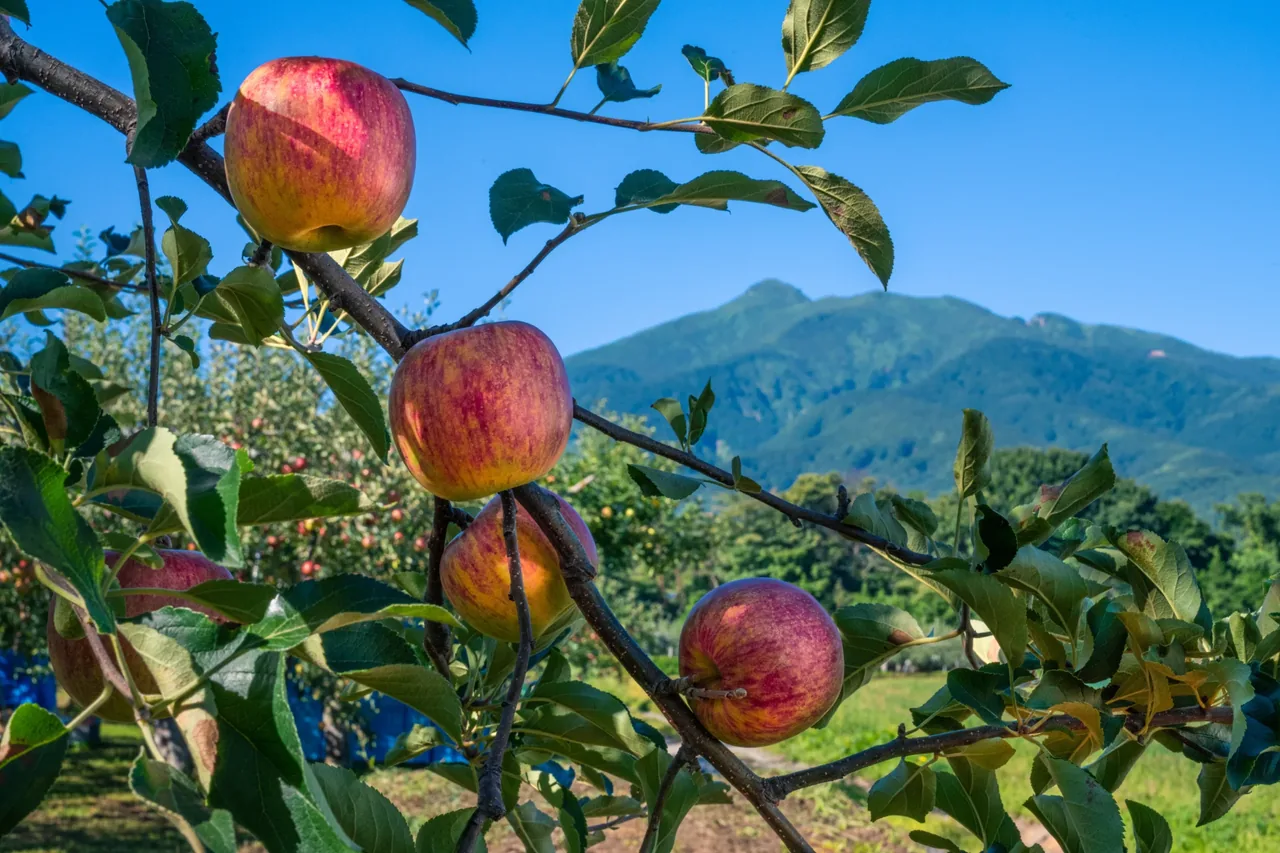
Apple orchards also spread across the foothills, with Mt. Iwaki behind the blossoms in spring and the fruit in autumn. Our Aomori apple guide covers apples, and our Aomori food guide covers Dake kimi and other Tsugaru flavors.
Getting there
- By bus: from the Hirosaki Bus Terminal near JR Hirosaki Station, take the Konan Bus Karekidaira Line (via Takaoka) and get off at Iwakiyama-jinja-mae. It takes about 40 minutes from Hirosaki Station.
- By car: drive from central Hirosaki toward the foot of Mt. Iwaki. For the 8th station, use the Tsugaru Iwaki Skyline.
Getting around the area
Before you set out, check the times of buses back as well. If you go up to the 8th station, bring an extra layer, since it is colder up the mountain than at the foot.
In winter the shrine is covered in snow and the approach gets slippery. Back in Hirosaki, you can round out the day with Hirosaki Park and other sights in town.