
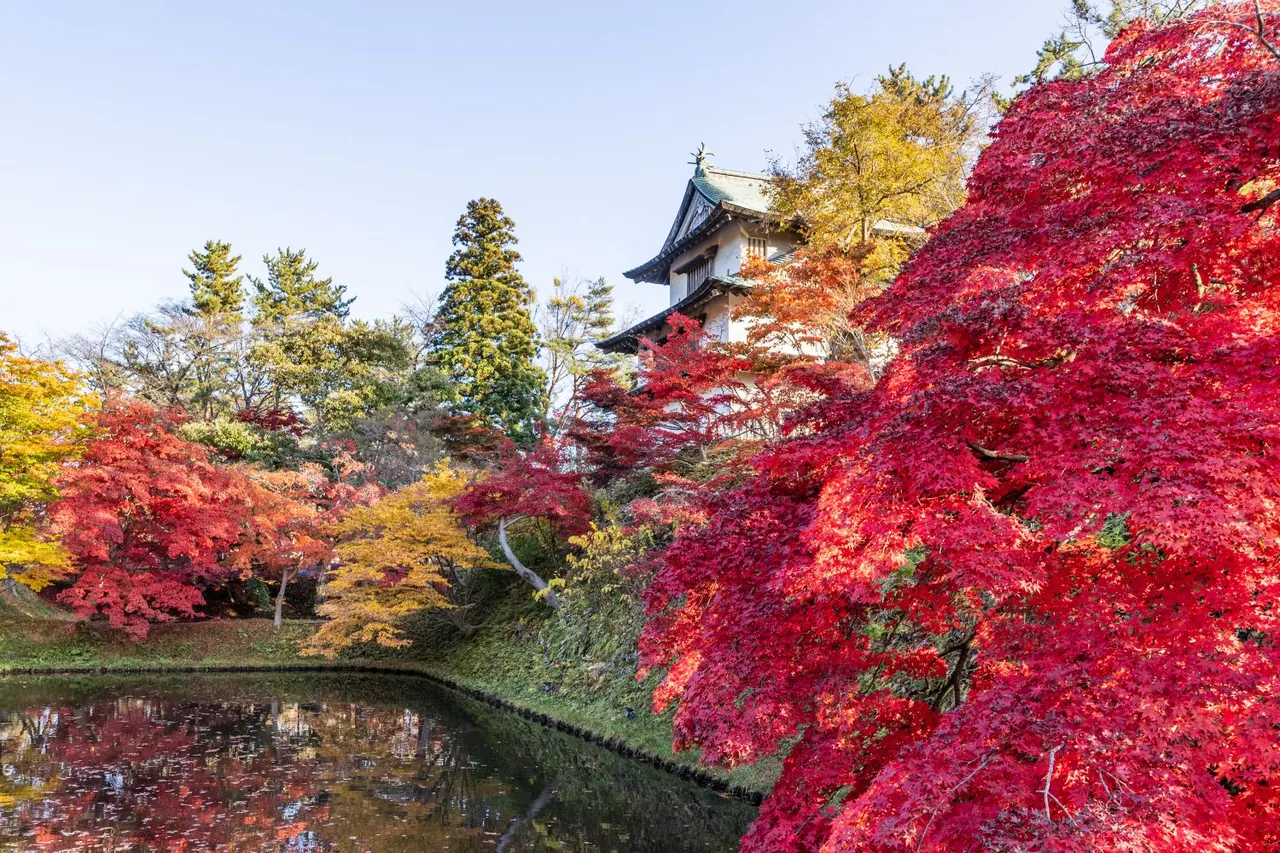
Tsugaru
Areas of Aomori
Tsugaru
Tsugaru City, Aomori: the winding torii of Takayama Inari Shrine, the Kamegaoka Jomon site, how to get there from Goshogawara, and winter driving tips.
 Dec 1 – Feb 28Winter Sakura Light-up (Fuyu ni Saku Sakura)
 Dec 12 – Feb 15Aomori Akari to Kami Pageant (Light and Paper Pageant)
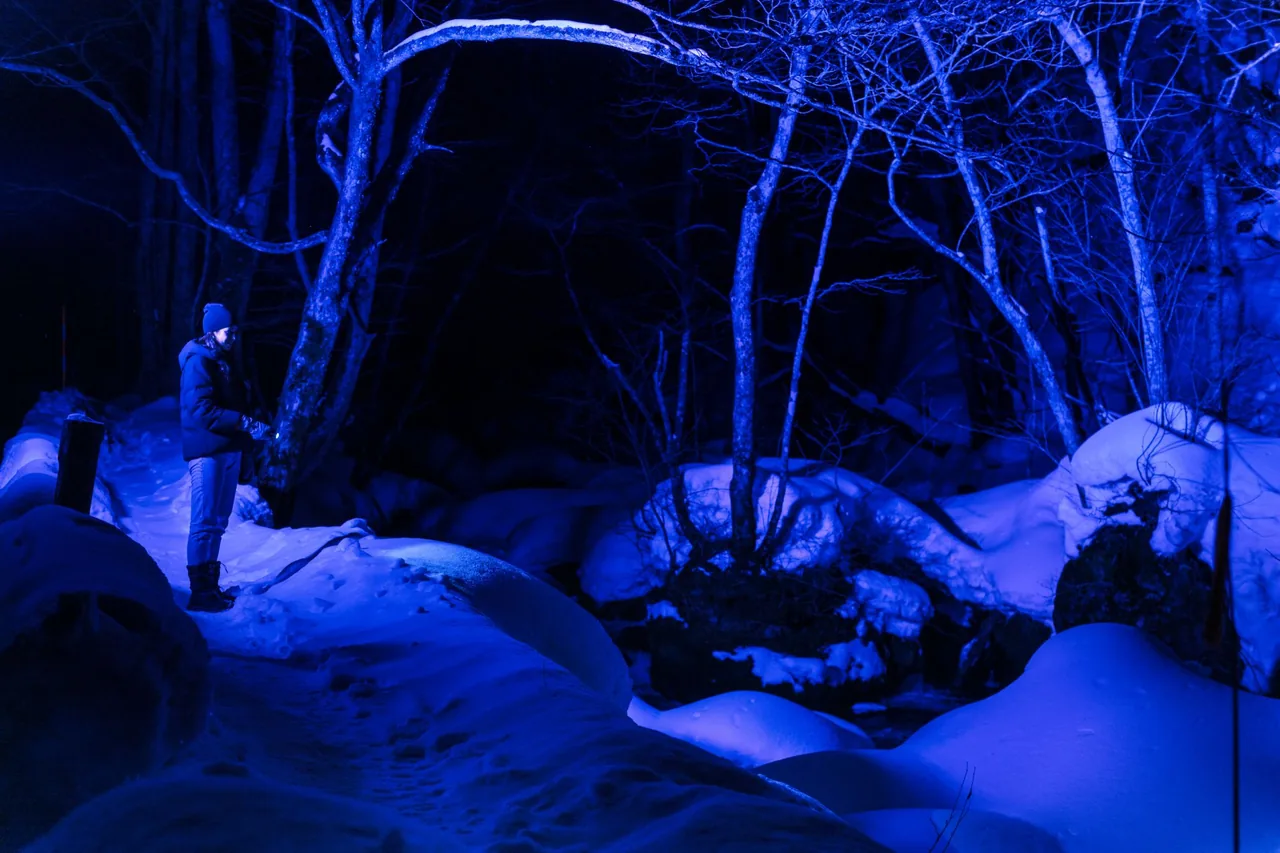 Dec 25 – Feb 28Oirase Gorge Ice Falls Night Tour
Find on the map
This page is translated from the Japanese edition. Read the Japanese edition
What is the area like?
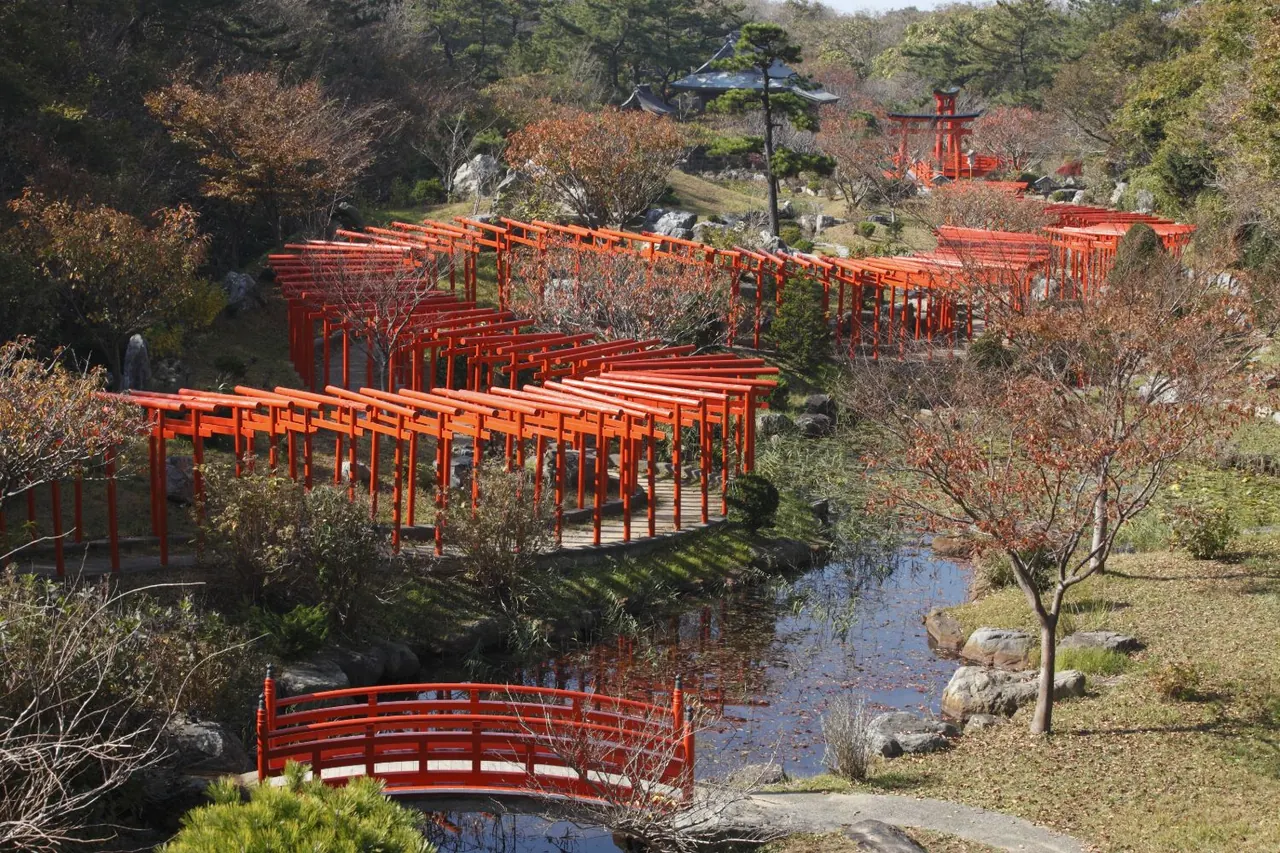
Tsugaru City sits on the western edge of the Tsugaru Plain, where the sands of Shichiri-nagahama Beach run north to south along the Sea of Japan. On a hill near the sea in Ushigata stands Takayama Inari Shrine, whose vermilion torii gates snake down a slope. It is the city's best-known sight.
The city also has Jomon-period sites. Kamegaoka Stone Age Site, where the goggle-eyed dogu figurine was found, and the Tagoyano Shell Mound, the remains of an Early Jomon settlement, became part of the "Jomon Prehistoric Sites in Northern Japan" World Heritage Site in 2021. The shrine and the sites are easiest to combine with a car.
Nearby are Kanagi, where the writer Dazai Osamu's family home still stands, and Goshogawara & Tsuruta, known for the towering Tachi-neputa floats.
Main sights
Takayama Inari Shrine and its thousand torii
The "thousand torii" of Takayama Inari Shrine curve down the slope beyond the main hall. You can walk through the gates, and from the lookout in the grounds the shape of the red line is easy to see. In spring there are cherry blossoms; in winter the vermilion stands out sharply against the snow.
The shrine is close to the sea at Shichiri-nagahama. In 1889 the American merchant ship Chesebrough ran aground off this coast, and local people rescued members of the crew. A memorial and an observation deck stand in the small Takayama park nearby.
Kamegaoka Stone Age Site and Tagoyano Shell Mound
Kamegaoka Stone Age Site dates from the Final Jomon period. The dogu figurine with wide, goggle-like eyes was found here; the original is in the collection of the Tokyo National Museum. Tagoyano Shell Mound is an Early Jomon settlement, where many half-finished shell bracelets have been dug up, suggesting that bracelets were made here. For more on the sites, see our guide to Aomori's Jomon sites.
Finds from the sites are on display at the Tsugaru City Jomon Dwelling Museum (Calco), about a 15-minute walk from Kizukuri Station on the JR Gono Line. Kizukuri Station itself has a huge figure shaped like the goggle-eyed dogu fixed to its front, affectionately called "Shako-chan."
Food and shopping
The Byobusan dunes on the Sea of Japan side of Tsugaru City are melon and watermelon country. The crops grow in well-drained sandy soil with big swings between day and night temperatures, and shipments peak in summer. If you come in summer, try the fruit in season.
The shrine and the sites are a long way from any town center, so eat in central Goshogawara or elsewhere before you set off and you won't have to watch the clock.
Getting there
- Takayama Inari Shrine: about 30 minutes by car from Goshogawara Station on the JR Gono Line. By bus, take the Konan Bus Kodomari Line (via Jusan) from Goshogawara Station for about 40 minutes to Takayama Jinja Iriguchi, then a taxi for about 5 minutes.
- Jomon Dwelling Museum (Calco): about a 15-minute walk from Kizukuri Station on the JR Gono Line.
Getting around the area
The shrine, the sites and Kizukuri Station are far apart, so a rental car makes sense if you want to see several. If you take the bus to the shrine, check the times of return buses before you go.
In winter the Tsugaru Plain gets ground blizzards, when wind lifts the snow and visibility drops to almost nothing. Winter tires are essential if you drive, and with the short days it is best to plan your visit to finish while it is still light. Information on the sites and the museum is on Tsugaru City's World Heritage page.
Sights in Tsugaru
Aomori guides
See all
More areas of Aomori
- Aomori City
- Komakino
- Natsudomari Peninsula
- Hakkoda
- Oirase & Tsuta
- Lake Towada
- Hirosaki
- Mt. Iwaki
- Kuroishi & Inakadate
- Goshogawara & Tsuruta
- Kanagi
- Cape Tappi
- Imabetsu & Cape Takano
- Shirakami-Sanchi (Nishimeya)
- Juniko
- Fukaura
- Hachinohe
- Tanesashi Coast & Kabushima
- Misawa
- Mutsu
- Osorezan
- Wakinosawa
- Hotokegaura
- Oma
- Cape Shiriya