Wakinosawa
Areas of Aomori
Wakinosawa
Wakinosawa is home to the world's northernmost wild monkeys: see Japanese macaques at the monkey park, try winter cod soup, and arrive by ferry from Kanita.
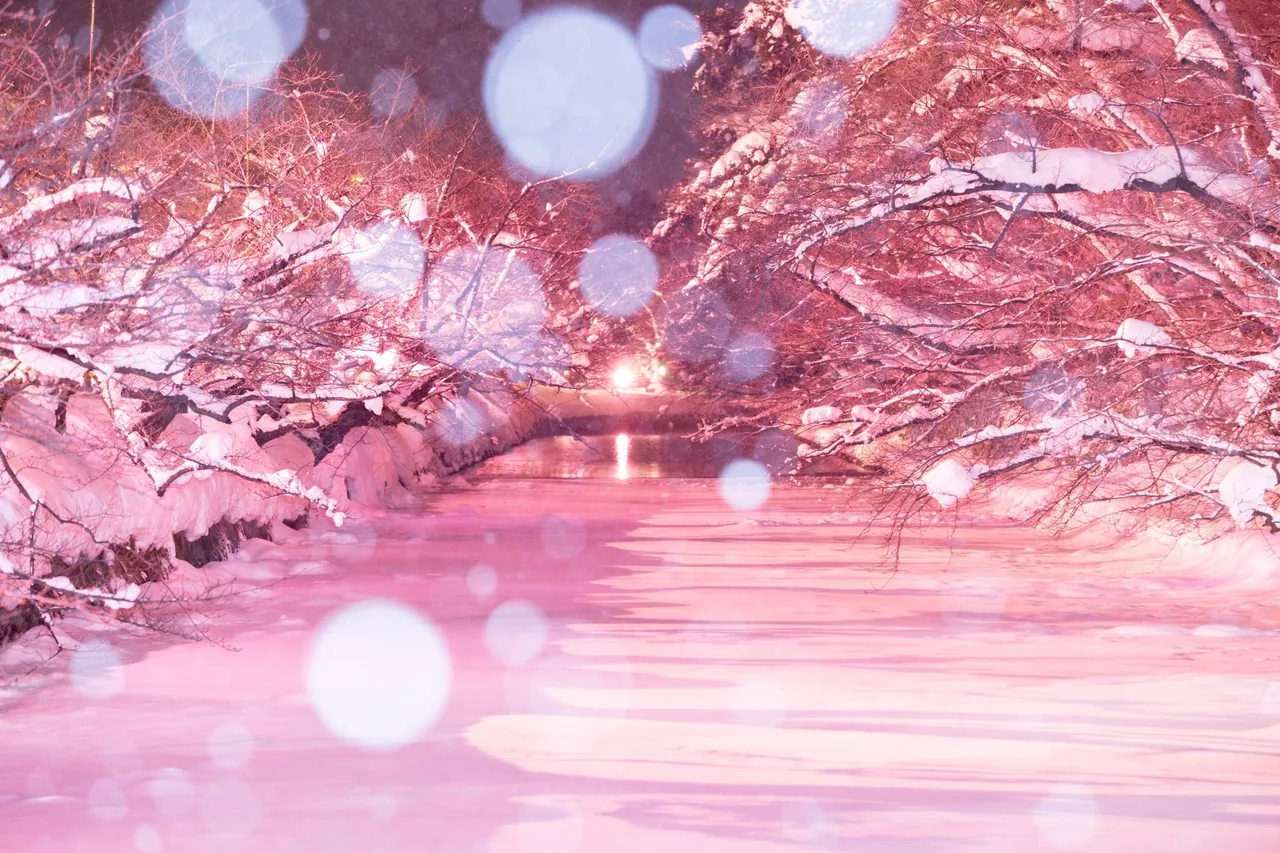 Dec 1 – Feb 28Winter Sakura Light-up (Fuyu ni Saku Sakura)
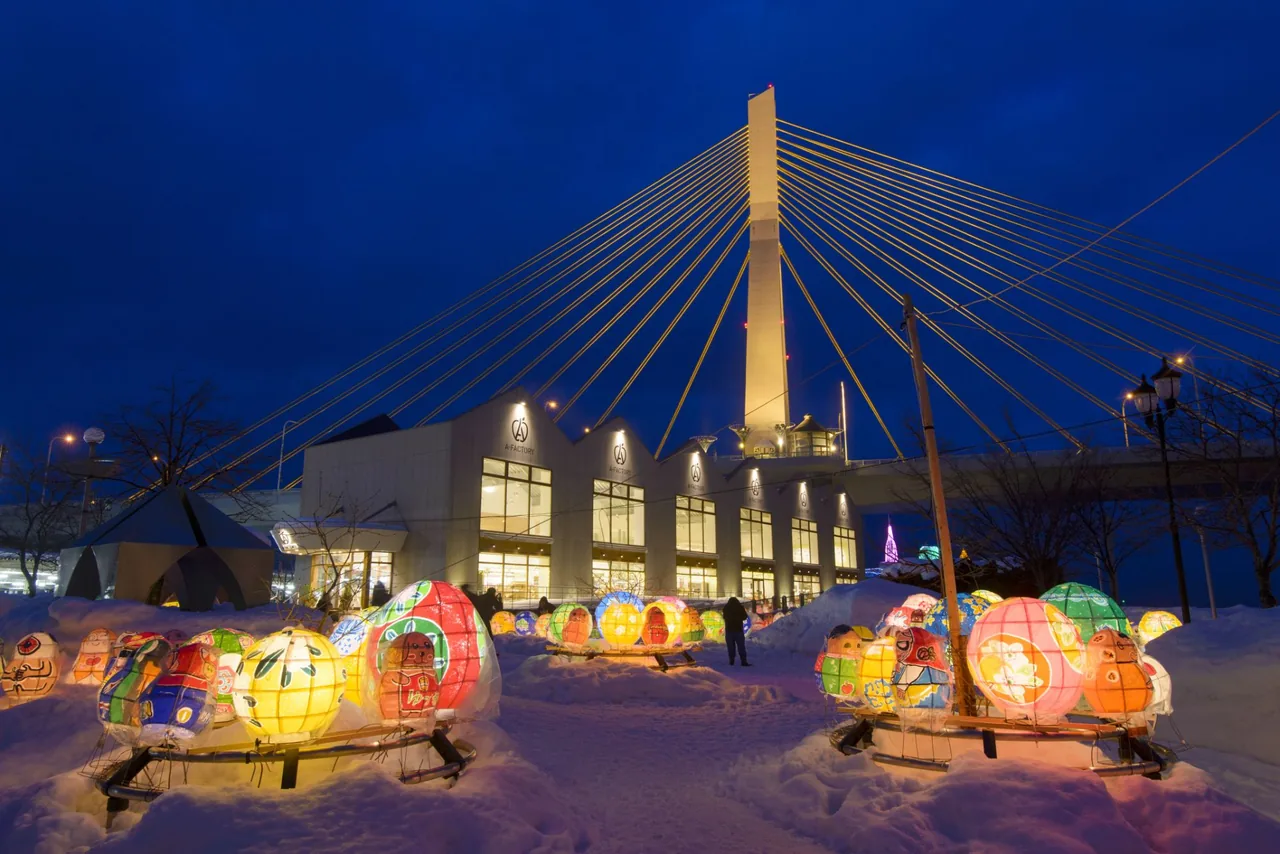 Dec 12 – Feb 15Aomori Akari to Kami Pageant (Light and Paper Pageant)
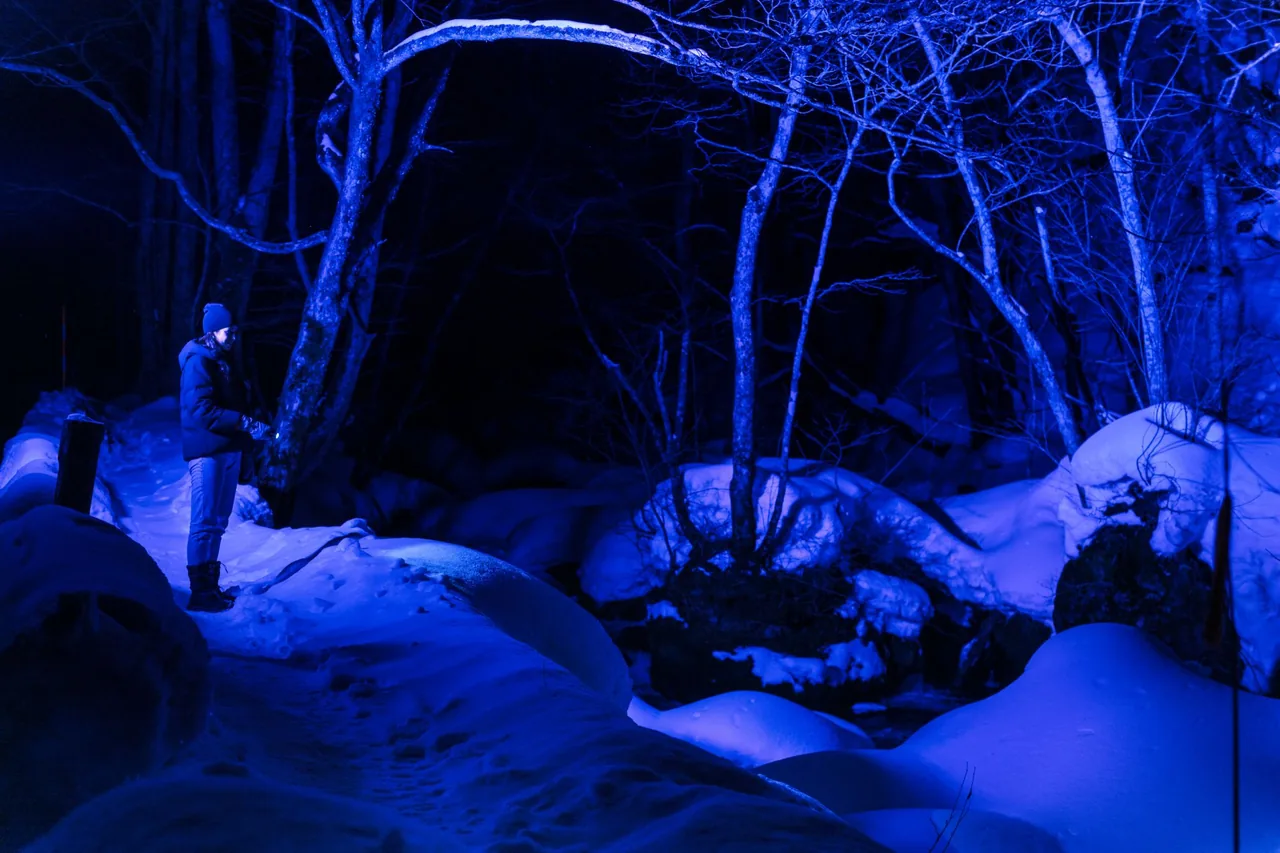 Dec 25 – Feb 28Oirase Gorge Ice Falls Night Tour
Find on the map
This page is translated from the Japanese edition. Read the Japanese edition
What is the area like?
The Shimokita Peninsula curls around Mutsu Bay from the north, and at its southwestern tip, facing the bay, lies the fishing village of Wakinosawa. Once a village in its own right, it is now part of Mutsu City. The mountains come right down to the sea, and the houses cluster around the harbor.
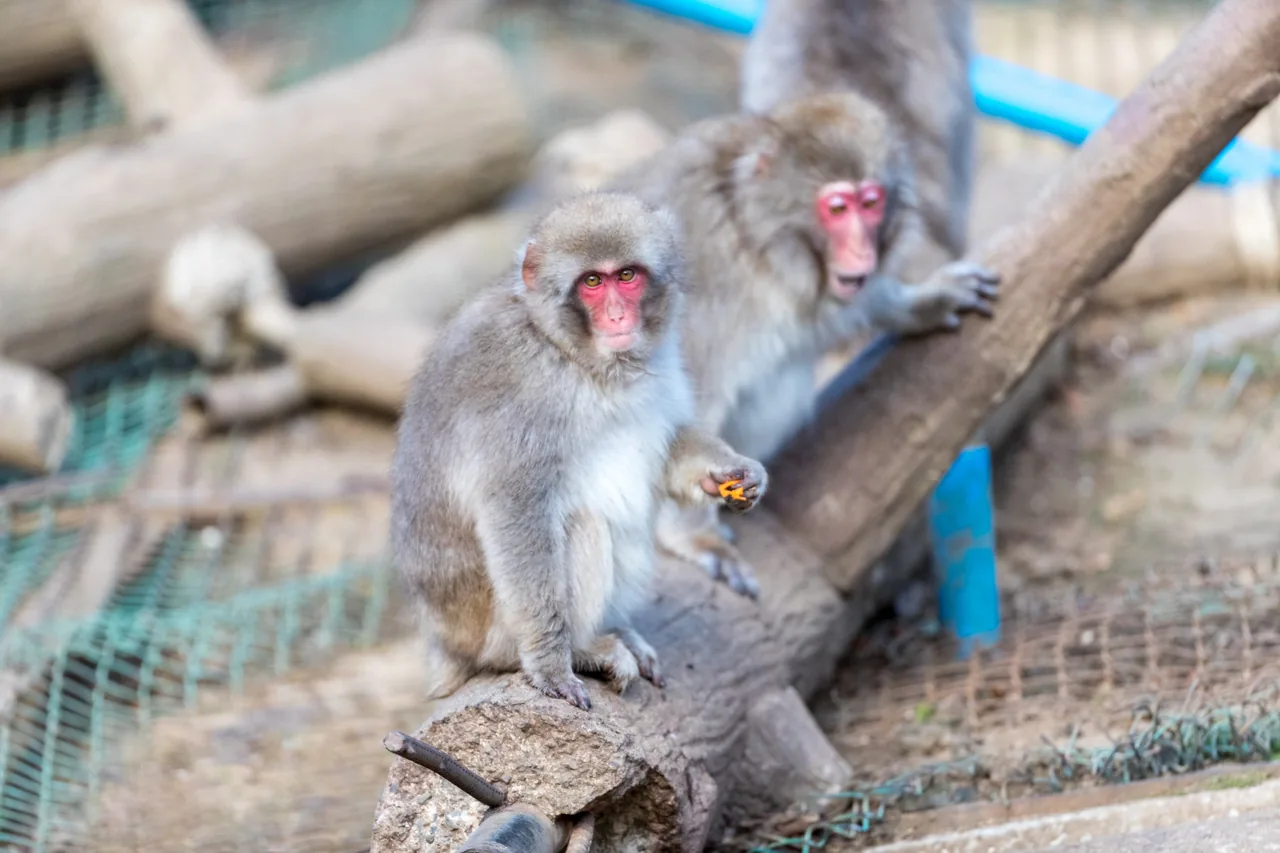
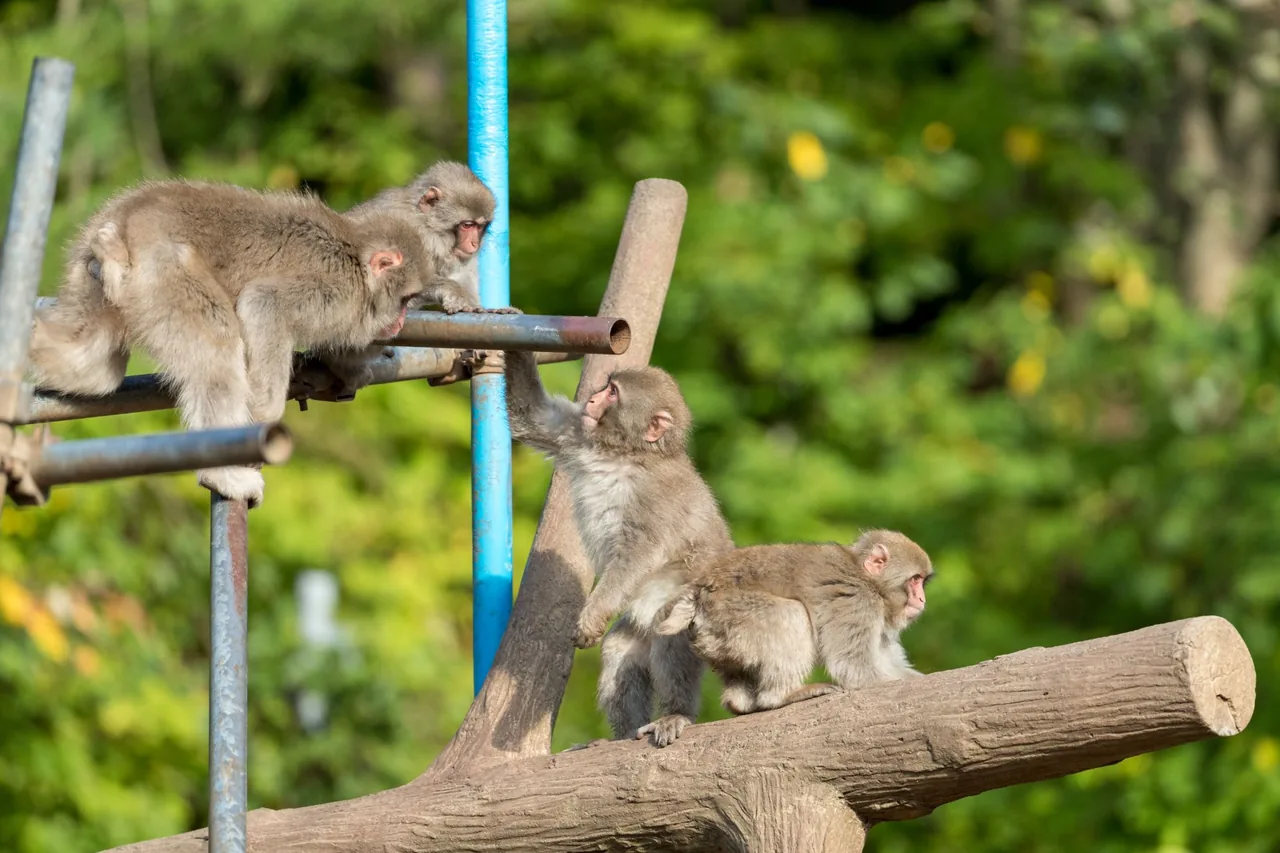
What puts Wakinosawa on the map is the Japanese macaques living in its hills. The Shimokita monkeys are known as the northernmost population of any non-human primate in the world, and are protected as a national Natural Monument under the name "Monkeys of the Shimokita Peninsula and the Northern Limit of Their Habitat". The place to see them up close is the monkey park on the hillside above the village.
From central Mutsu or Osorezan, Wakinosawa lies to the west along the northern shore of Mutsu Bay. A ferry links it with the Tsugaru Peninsula across the water, making it a gateway for travelers crossing by sea from Tsugaru to Shimokita.
Main sights
Wakinosawa Wild Monkey Park (Yaen Koen)
Opened in 1981 in Nanahiki, in what was then Wakinosawa Village, the park lets you watch a troop of Japanese macaques from close range. Most of the world's wild monkeys live south of latitude 40°N, but Shimokita's macaques range as far north as the forests of Oma Town, at about 41°32'N, the northern limit for wild monkeys anywhere. In recognition of that scientific value, they were designated a national Natural Monument in 1970.
Many troops live across the north of the peninsula and along its western coast on the Tsugaru Strait; a 2004 prefectural estimate put the population at 28 troops and more than 1,500 animals. Even so, finding a troop in the mountains is not easy. The park's appeal is the chance to watch at leisure as mothers cradle their young and juveniles play together.
In Wakinosawa the monkeys sometimes come down to raid the fields, and villagers use electric fences and other measures to keep a line between human and monkey territory. If you see wild monkeys outside the park, do not feed them or approach them. Check Mutsu City's facility page for closing days before you go. See Wakinosawa Wild Monkey Park for more.
Food and shopping
Wakinosawa is a fishing village known for its winter catch of Pacific cod (madara). According to Mutsu City, cod fishing here probably began in the 1700s. Every year from around December to February, the cod swim into Mutsu Bay in schools to spawn, and the fishermen have long set their nets to meet them.
The local winter dish is jappa-jiru, a soup of the head, bones and innards left after filleting, simmered with daikon radish, leeks, tofu and other ingredients in miso or salt broth. Locals rate the version with milt especially highly. Cod is a winter fish, so if you visit in another season, look for Shimokita seafood in central Mutsu and other towns in the middle of the peninsula. For Aomori's regional food as a whole, see our guide to Aomori food.
Getting there
- Ferry (from the Tsugaru Peninsula): Mutsu Bay Ferry links Kanita Port on the Tsugaru Peninsula with Wakinosawa Port in about 60 minutes. It runs seasonally from spring to autumn (roughly late April to early November), with two round trips a day. Check the season and timetable with Mutsu Bay Ferry before you go.
- Bus (from central Mutsu): JR Bus Tohoku's Shimokita Line runs from Tanabu in Mutsu City via Ominato Station to Wakinosawa. You can board at Ominato Station, the end of the JR Ominato Line. Check JR Bus Tohoku for times.
Getting around the area
Wakinosawa is a long way from the peninsula's other sights, so it is easiest to set aside half a day to a full day from central Mutsu. Coming from the Tsugaru Peninsula, you can take the ferry from Kanita to Wakinosawa, visit the monkey park, then ride the bus to central Mutsu, entering Shimokita by looping around Mutsu Bay. Ferries and buses are infrequent, so work out your connections in advance.
The ferry stops in winter, so if you come for the cod season, plan a round trip by car or bus from central Mutsu. For routes that also take in Oma in the north and Hotokegaura on the west coast, see our Shimokita Peninsula guide.