
Juniko
Areas of Aomori
Juniko
Juniko, 33 lakes and ponds below Shirakami-Sanchi: the deep-blue Aoike Pond, beech forest trails, Nihon Canyon, buses from Juniko Station and winter closures.
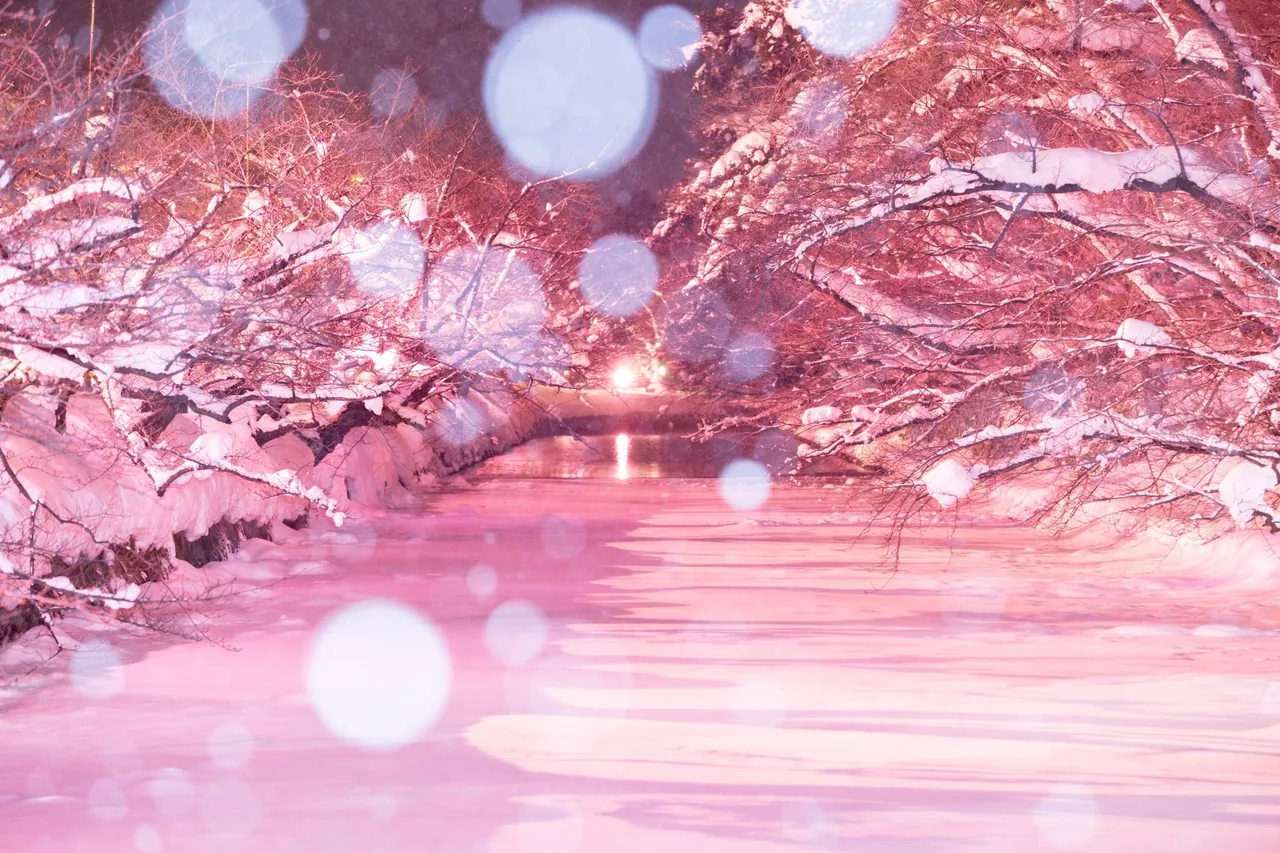 Dec 1 – Feb 28Winter Sakura Light-up (Fuyu ni Saku Sakura)
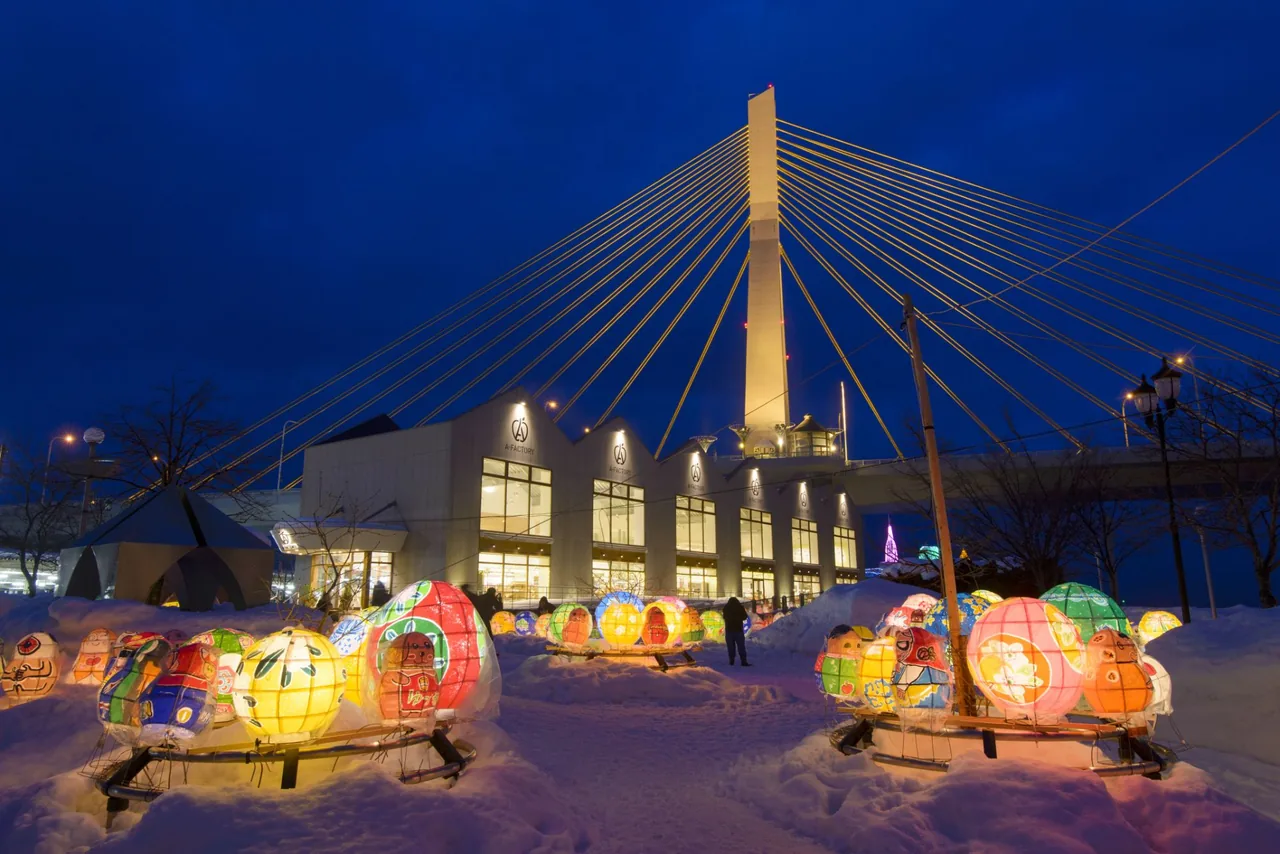 Dec 12 – Feb 15Aomori Akari to Kami Pageant (Light and Paper Pageant)
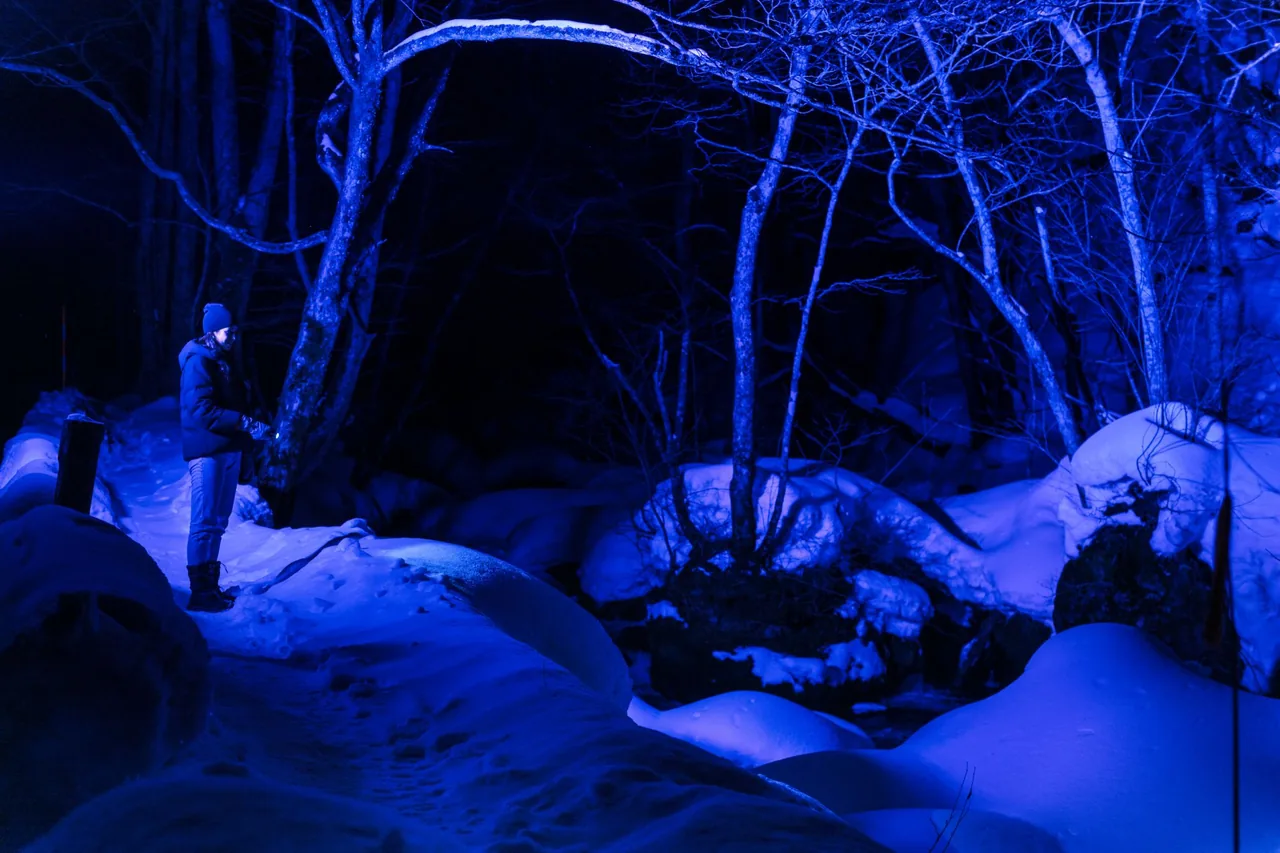 Dec 25 – Feb 28Oirase Gorge Ice Falls Night Tour
Find on the map
This page is translated from the Japanese edition. Read the Japanese edition
What is the area like?
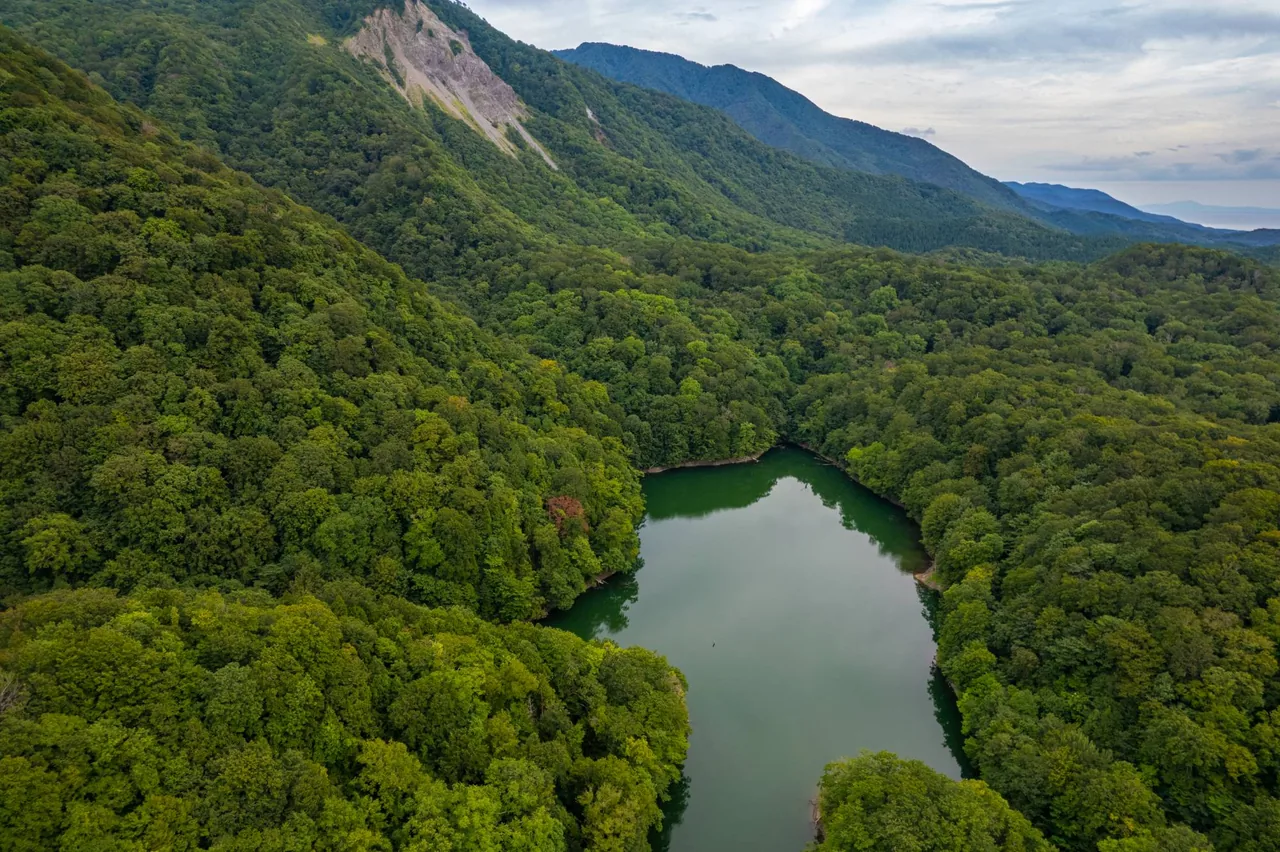
Juniko is a cluster of 33 lakes and ponds, large and small, scattered through the forest of Fukaura at the foot of Shirakami-Sanchi. They are said to have formed in a great earthquake in 1704, when streams were dammed and the ground sank. The name means "twelve lakes": from the top of Mt. Kuzure to the east, the small ponds are hidden by the forest and only the twelve largest lakes can be seen.
The most famous is Aoike Pond, whose water is so clear you can see fallen trees lying on the bottom. Trails through the natural beech forest link the lakes and ponds, so you can visit several of them on a forest walk.
The same area also has Nihon Canyon, a line of white cliffs. In winter the roads around Juniko close, so spring to autumn is the practical time to visit.
Main sights
Aoike Pond and the beech forest
Aoike Pond is a small pond in the forest. Look in and the deep blue is startling, and you can make out sunken trunks and branches clearly beneath the surface. A viewing deck stands at the edge, and the blue looks different depending on the time of day and the light. When sunlight filters through the trees onto the water, the color is at its most vivid.
Beyond Aoike spreads natural beech forest, with trails leading on to other lakes and ponds. Fishing is banned in the Juniko ponds.
Nihon Canyon
In the Juniko area, these cliffs of bare white tuff were named for their resemblance to the Grand Canyon in the United States. To reach the observation deck, climb a mountain path for about 20 minutes from the car park near Hakkei-no-ike Pond. The path is maintained but steeper than you might expect.
Food and shopping
Juniko Station has a tourist information office where you can pick up maps and information before your walk. Take drinks with you on trail days. For local food such as tuna dishes, see our Fukaura page.
Getting there
- From Juniko Station on the JR Gono Line, take a local bus for about 15 minutes to Oku-Juniko Chushajo (Oku-Juniko Parking), then walk about 10 minutes to Aoike. Local buses do not run in winter (December 1 to March 31).
- The Resort Shirakami sightseeing train between Akita and Aomori also stops at Juniko Station. Check operating days and times in JR East's Gono Line guide.
Getting around the area
The standard route is to walk from Oku-Juniko Parking to Aoike, then follow the beech forest trails past the other ponds. Buses are infrequent, so check the return bus and your connecting Gono Line train before you set out. For more on rail travel, see our guide to Aomori's local trains.
In winter the roads to Juniko are closed and you can only enter with a specialist guide. In the snow season, local guides sometimes run snow hikes. Shirakami-Sanchi (Nishimeya), home to Anmon Falls, is on the opposite side of the mountains, toward Hirosaki.
Sights in Juniko
Aomori guides
See all
More areas of Aomori
- Aomori City
- Komakino
- Natsudomari Peninsula
- Hakkoda
- Oirase & Tsuta
- Lake Towada
- Hirosaki
- Mt. Iwaki
- Kuroishi & Inakadate
- Goshogawara & Tsuruta
- Kanagi
- Tsugaru
- Cape Tappi
- Imabetsu & Cape Takano
- Shirakami-Sanchi (Nishimeya)
- Fukaura
- Hachinohe
- Tanesashi Coast & Kabushima
- Misawa
- Mutsu
- Osorezan
- Wakinosawa
- Hotokegaura
- Oma
- Cape Shiriya