Osorezan
Areas of Aomori
Osorezan
Osorezan, a sacred site in a volcanic caldera on the Shimokita Peninsula: Sai-no-Kawara, hot springs, the May to October season and the bus from Shimokita.
 Dec 1 – Feb 28Winter Sakura Light-up (Fuyu ni Saku Sakura)
 Dec 12 – Feb 15Aomori Akari to Kami Pageant (Light and Paper Pageant)
 Dec 25 – Feb 28Oirase Gorge Ice Falls Night Tour
Find on the map
This page is translated from the Japanese edition. Read the Japanese edition
What is the area like?
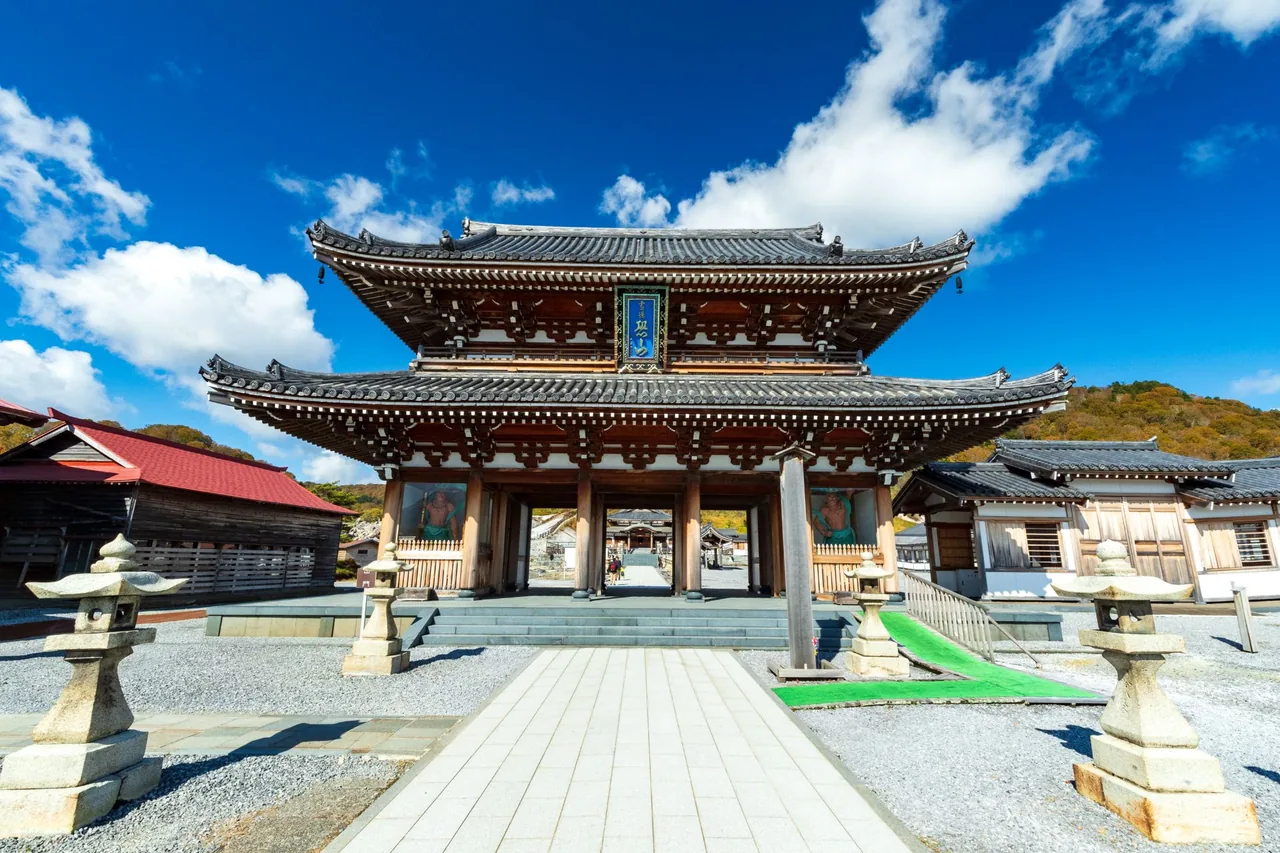
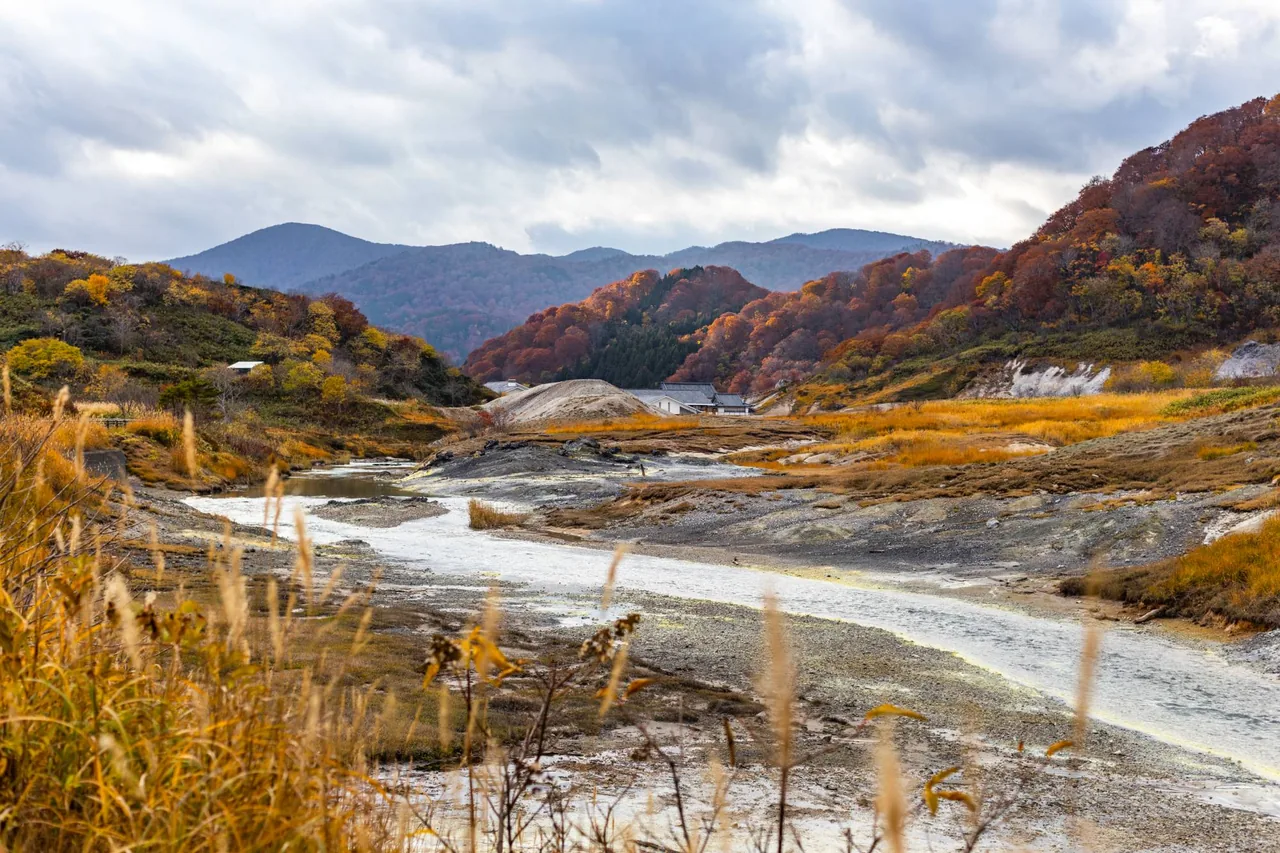
Climb the mountain road from central Mutsu and you reach a caldera lake and a wide stretch of bare rock. Osorezan is a volcano with a caldera about 3 km across, and Lake Usori lies at its center. Steam still rises from the rocky ground beside the lake, and a temple stands in the middle of it all. Osorezan is counted among Japan's three great sacred sites.
According to temple tradition, Osorezan was founded in 862 by the monk Ennin (Jikaku Daishi). People of Shimokita have long come here to remember the dead, and the place has always been linked with the itako, mediums who pass on the words of those who have died.
The temple is open from May 1 to October 31 each year and closed from November to April. Even if you travel the Shimokita Peninsula in winter, you cannot visit Osorezan.
Main sights
Lake Usori and the caldera
Fumaroles and hot springs dot the shore of Lake Usori at the center of the caldera, and geothermal activity continues to this day. A temple set inside volcanic terrain makes this a sacred site unlike most others. In autumn the surrounding mountains change color.
Sai-no-Kawara and the Jizo statues
Among the rocks on the temple grounds is Sai-no-Kawara, a "riverbank of the underworld" tended since the Edo period. It is tied to the belief that children who have died are saved by the bodhisattva Jizo, and stacked stones, offerings of pinwheels and Jizo statues are found all over the rocky ground. Some spots give off volcanic gas, so stay on the marked paths and do not touch the offerings. See Osorezan.
Hot springs on the temple grounds
There are four wooden bathhouses on the grounds, free for anyone who has paid a visit to the temple. All are sulfur springs. Some are mixed-gender and some alternate between men and women by time, so check the signs before you go in.
Summer Grand Festival and autumn pilgrimage
The Summer Grand Festival (Kaki Reitaisai) runs for five days from July 20 to 24 each year, and the autumn pilgrimage (Aki-mairi) takes place over the Saturday, Sunday and Monday ending on Sports Day in October. Both draw large numbers of worshippers. If you prefer to walk in quiet, avoid these dates.
Food and shopping
Osorezan is up in the mountains, so it is best to eat and shop in central Mutsu before you head up. For the Ominato navy food you can eat in Mutsu, see the Mutsu page.
The temple has lodgings for visitors (shukubo) where you can stay with a vegetarian Buddhist dinner and breakfast. If you would like to spend the night and early morning at the sacred site, see the temple's official website.
Getting there
- Bus: From Shimokita Station on the JR Ominato Line, the direct Shimokita Kotsu bus to Osorezan takes 43 minutes. Buses are infrequent, so check the timetable in advance.
- From Ominato Station: About 30 minutes by car. By bus, take JR Bus Tohoku to Yanagimachi and change to the bus for Osorezan.
- For trains to Shimokita Station, see the Mutsu page.
Getting around the area
There is an admission fee (900 yen for adults) to enter the grounds. You will be walking over rocky ground, so wear comfortable shoes. Check the opening season, festival dates and lodging information on the Osorezan Bodaiji official website.
Osorezan makes an easy day trip from central Mutsu. To see more of the Shimokita Peninsula, use our Shimokita Peninsula guide and combine it with Hotokegaura or Oma.