Cape Shiriya
Areas of Aomori
Cape Shiriya
Cape Shiriya on the Shimokita Peninsula: when to see the Kandachime horses, the winter gate closure, lighthouse tours, and access by bus or car.
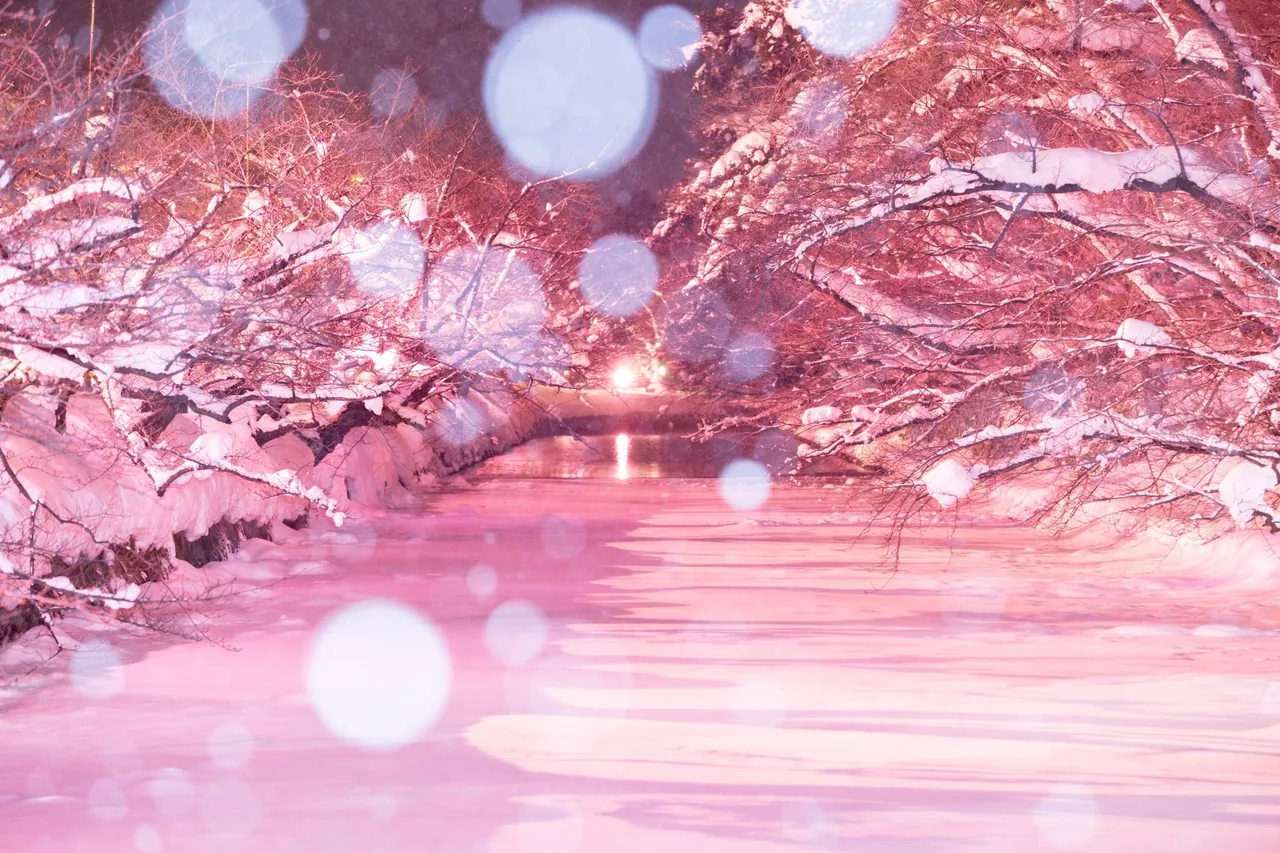 Dec 1 – Feb 28Winter Sakura Light-up (Fuyu ni Saku Sakura)
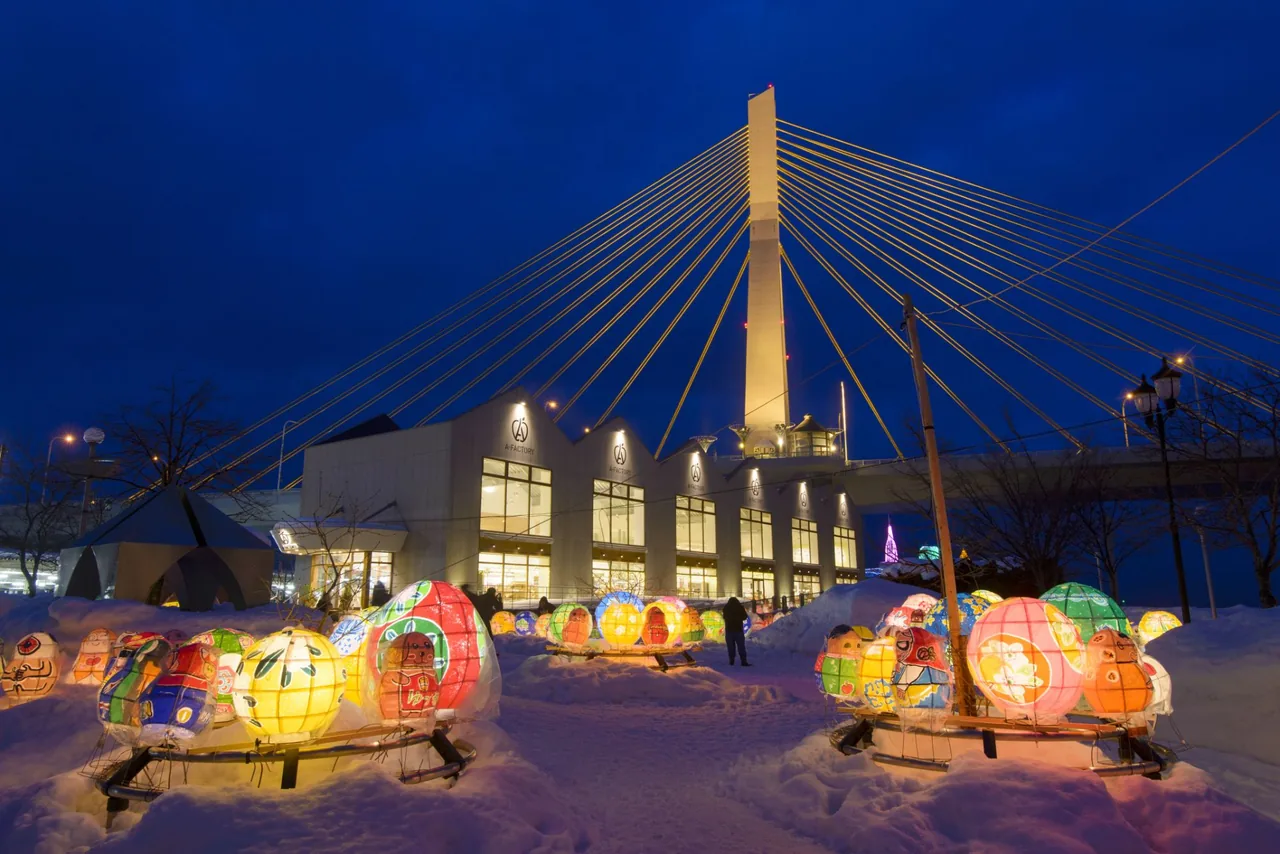 Dec 12 – Feb 15Aomori Akari to Kami Pageant (Light and Paper Pageant)
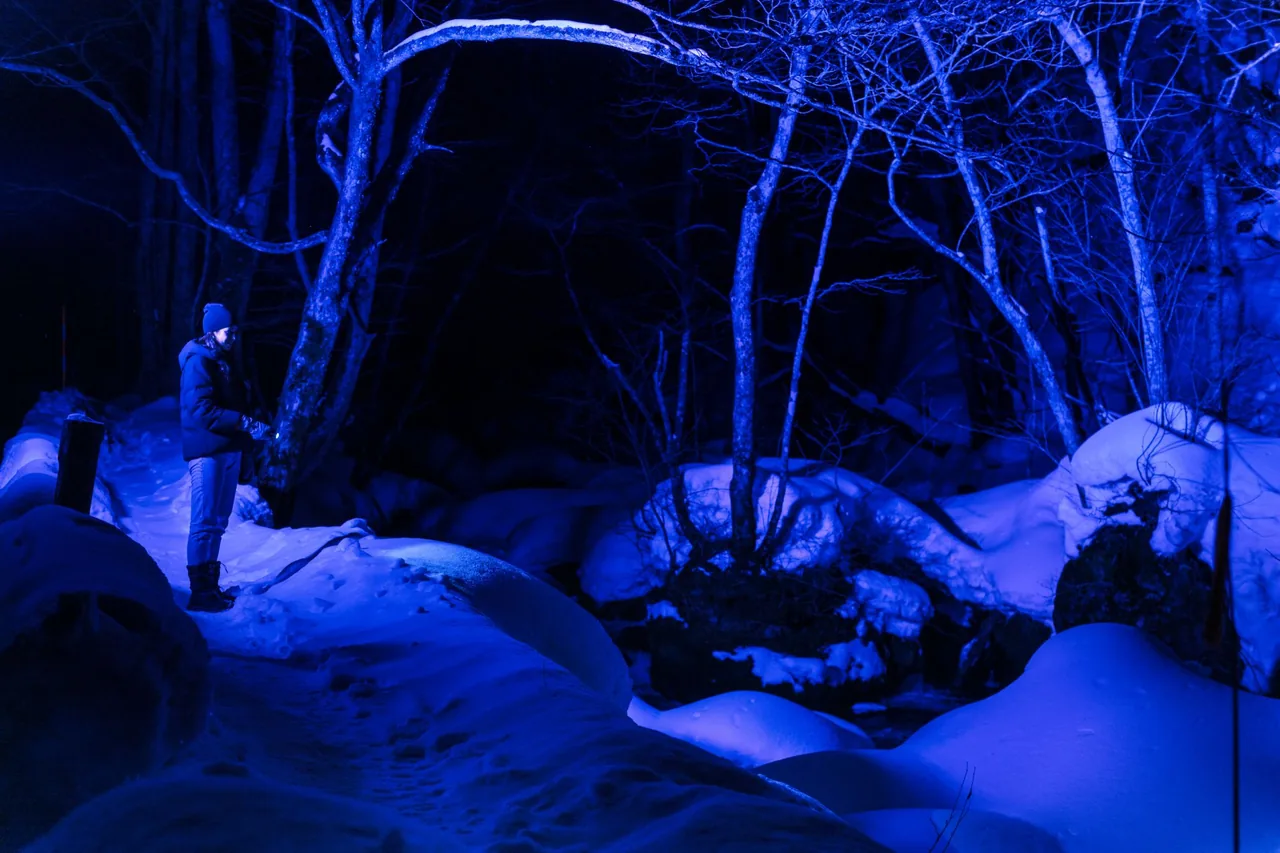 Dec 25 – Feb 28Oirase Gorge Ice Falls Night Tour
Find on the map
Choose a numbered circle to zoom in there; choose a name to open the area's page.
This page is translated from the Japanese edition. Read the Japanese edition
What is the area like?
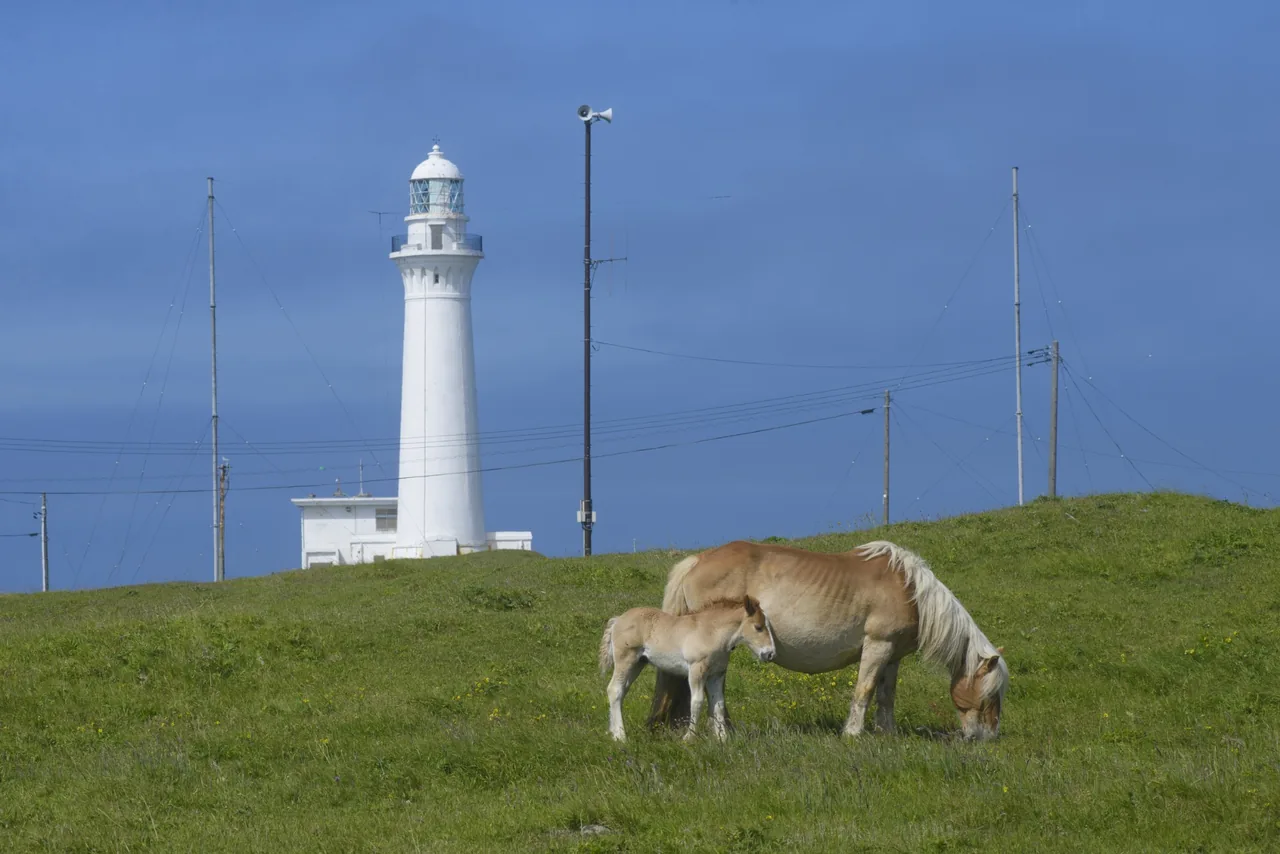
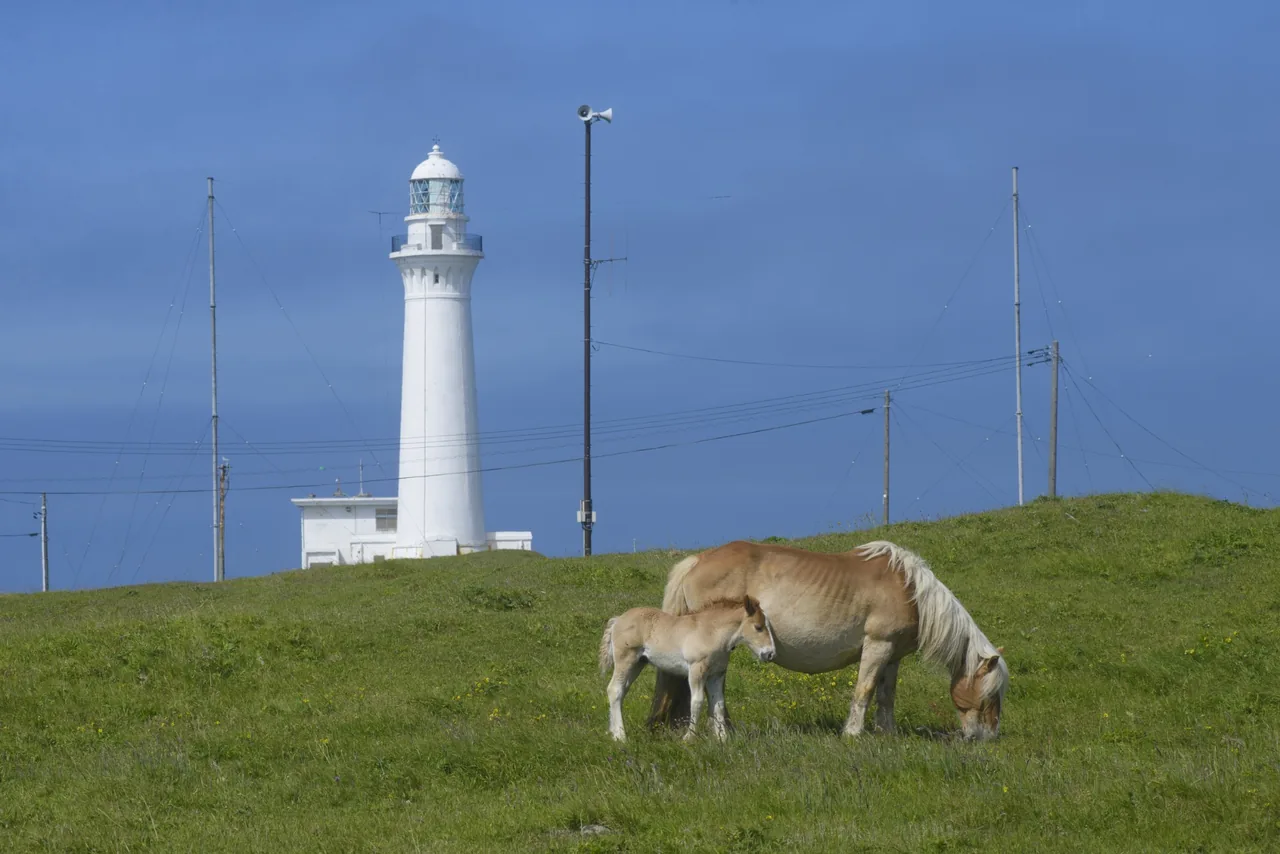
Pass through the gate and follow the road toward the cape, and you'll find sturdy, thick-set horses grazing unhurriedly on grassland that slopes gently to the sea. This is Cape Shiriya, in Higashidori Village at the northeastern tip of the Shimokita Peninsula. At the far end of the grass stands the white Shiriyazaki Lighthouse, with the Pacific Ocean and the Tsugaru Strait beyond.
The horses grazing here are the Kandachime. The horses and their habitat are a designated Natural Monument of Aomori Prefecture. A gate at the entrance to the cape road is closed in winter (December 1 to March 31). This is a place where timing matters, so check the season first.
The cape lies east of central Mutsu by car, at the opposite corner of the peninsula from Oma, the northernmost point of Honshu.
Main sights
Kandachime horses
The Kandachime are descended from Nanbu horses, with records going back to the Heian period. In Shiriya, horses seem to have been grazed outdoors year-round since around the Horeki era of the Edo period, and from 1960 they were crossbred with Breton horses.
The name Kandachime comes from the sight of the horses standing still on the winter snowfields, which recalled kandachi, a word used by matagi hunters for a serow standing in the snow. It spread after the principal of Shiriya Elementary and Junior High School used it in a New Year calligraphy poem in 1970, and in 2002 the horses and their habitat were designated a prefectural Natural Monument.
The horses are on the Cape Shiriya pasture from April to November; from January to March they move to a wintering pasture called Ataka. Foals are born in spring, and you can see them playing and grazing beside their mothers. These are free-grazing animals, so don't get too close, don't feed them, and watch from a distance.
Shiriyazaki Lighthouse
Designed by the British engineer Richard Henry Brunton, the lighthouse was first lit in 1876. It is the oldest brick lighthouse in Tohoku and was designated a national Important Cultural Property in 2022. The interior is open to visitors from mid-April to early November, with no tours in winter.
For more on the horses and the lighthouse, see Cape Shiriya and the Kandachime Horses.
Food and shopping
The cape area is mostly pasture and the lighthouse. Eat in central Mutsu and bring drinks and snacks before you head out.
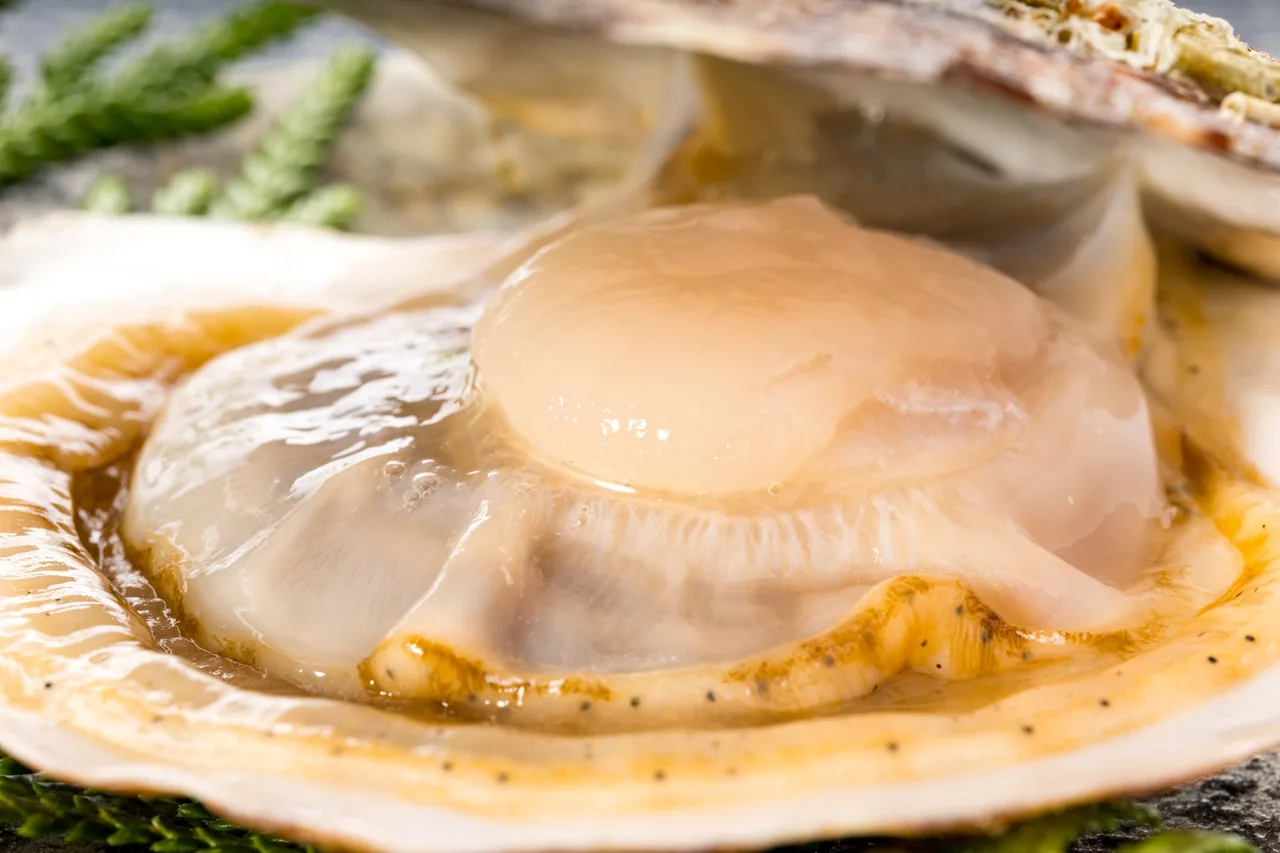
Food on the Shimokita Peninsula centers on seafood, such as tuna from Oma at the peninsula's tip and scallops from Mutsu Bay. For Aomori's regional food as a whole, see our guide to Aomori food.
Getting there
- By car: About 40 minutes from Shimokita Station on the JR Ominato Line. You enter the cape through the gate at its entrance. Gate hours change with the season and it may close in bad weather, so check Higashidori Village's information before you go.
- Bus: About an hour by Shimokita Kotsu bus from central Mutsu; get off at the Shiriyazaki stop. The bus runs only from spring to autumn, so check the operating period and times with Shimokita Kotsu.
Getting around the area
The best time to see the Kandachime is April to November, when they are on the Cape Shiriya pasture. In winter the gate is closed and you cannot enter the cape. If you want to go inside the lighthouse, plan for mid-April to early November, when tours run.
On the pasture, don't walk behind the horses or approach the foals.
With a hotel in central Mutsu as your base, it's easy to visit Cape Shiriya and the sacred mountain of Osorezan on separate days. For the peninsula as a whole, see our Shimokita Peninsula guide.