Hachinohe
Areas of Aomori
Hachinohe
Things to do in Hachinohe: yokocho alleys near Hon-Hachinohe Station, the Sansha Taisai and Enburi festivals, Korekawa Jomon Museum, senbei-jiru and access.
 Dec 1 – Feb 28Winter Sakura Light-up (Fuyu ni Saku Sakura)
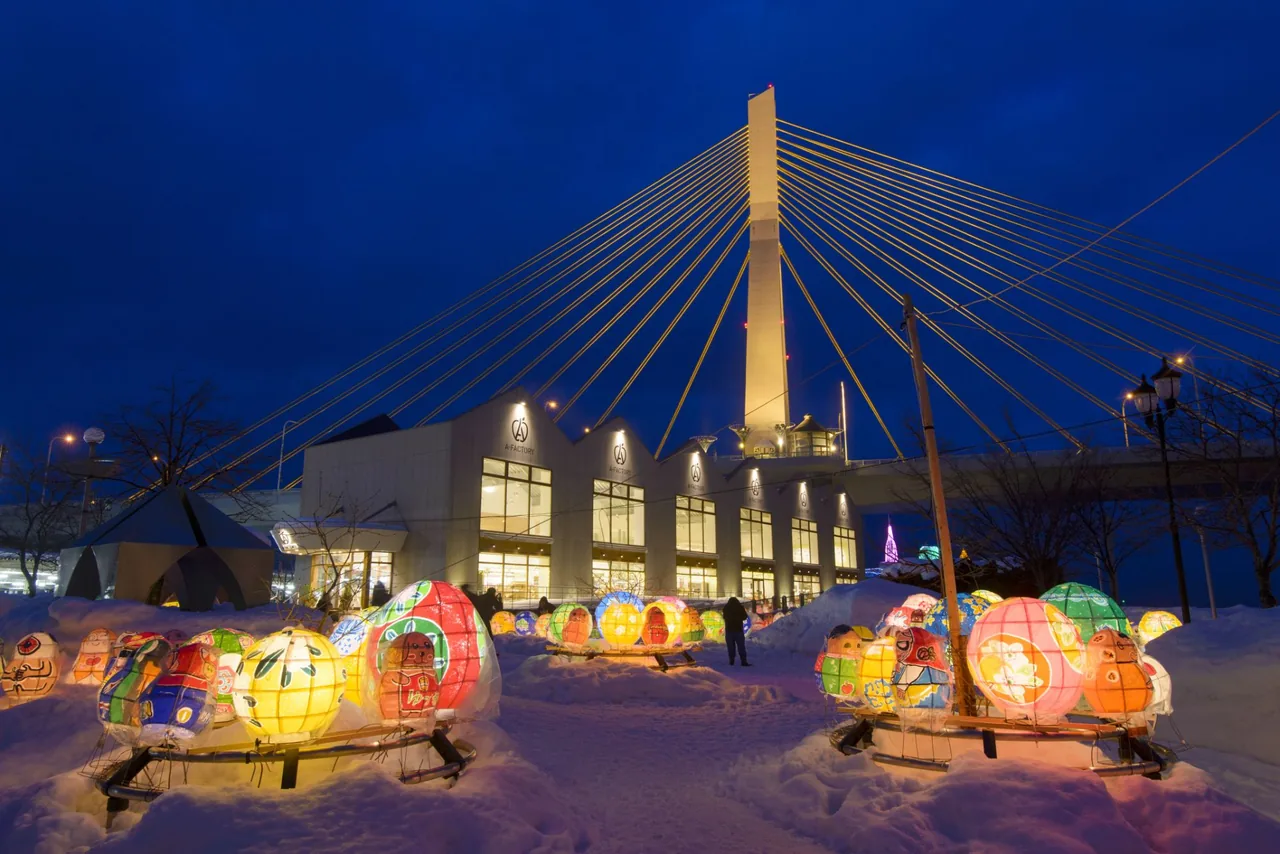 Dec 12 – Feb 15Aomori Akari to Kami Pageant (Light and Paper Pageant)
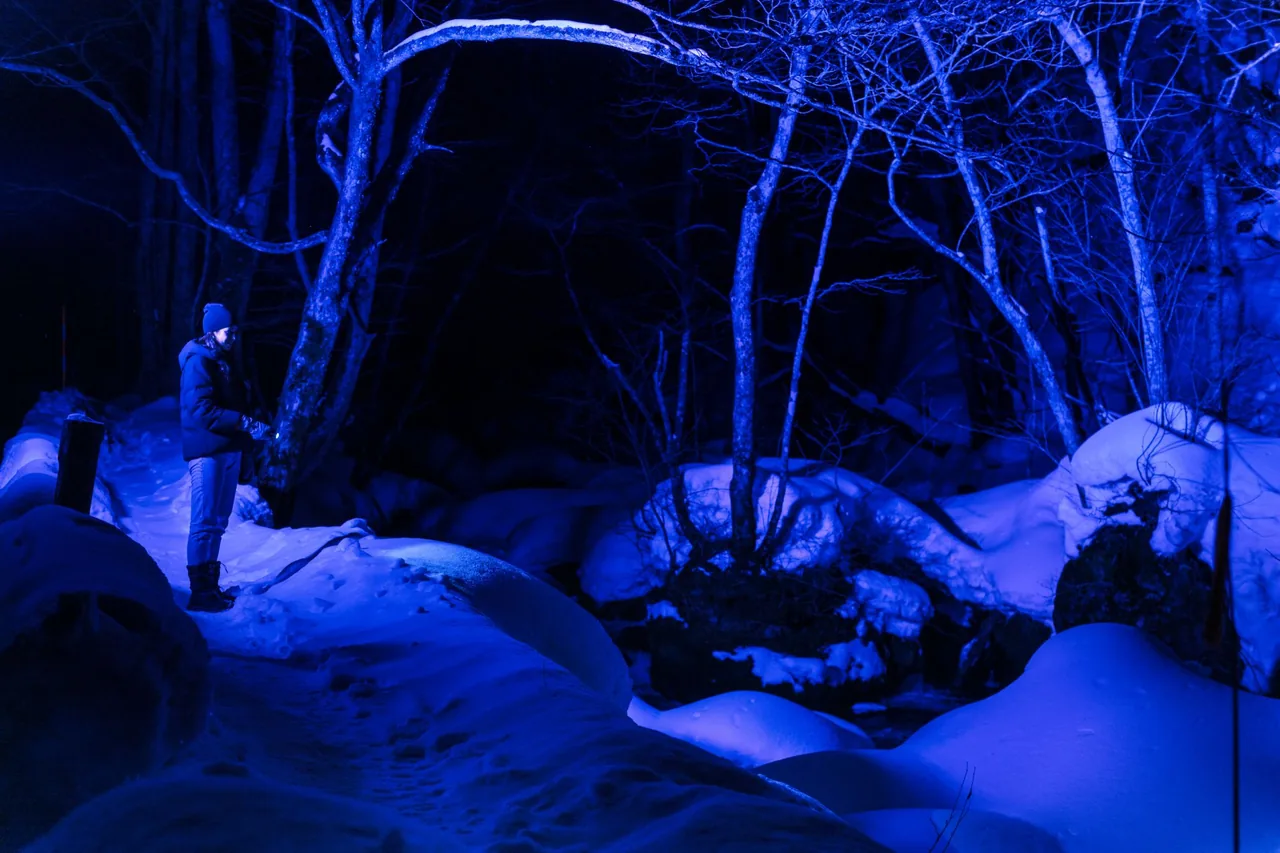 Dec 25 – Feb 28Oirase Gorge Ice Falls Night Tour
Find on the map
This page is translated from the Japanese edition. Read the Japanese edition
What is the area like?
Arrive at Hachinohe Station on the Tohoku Shinkansen and you will find no lively district outside. Hachinohe's downtown, where the restaurants, the yokocho alleys and the festival venues are, lies near Hon-Hachinohe Station on the JR Hachinohe Line, about a 10-minute walk from its south exit. Local buses also run frequently between Hachinohe Station and downtown.
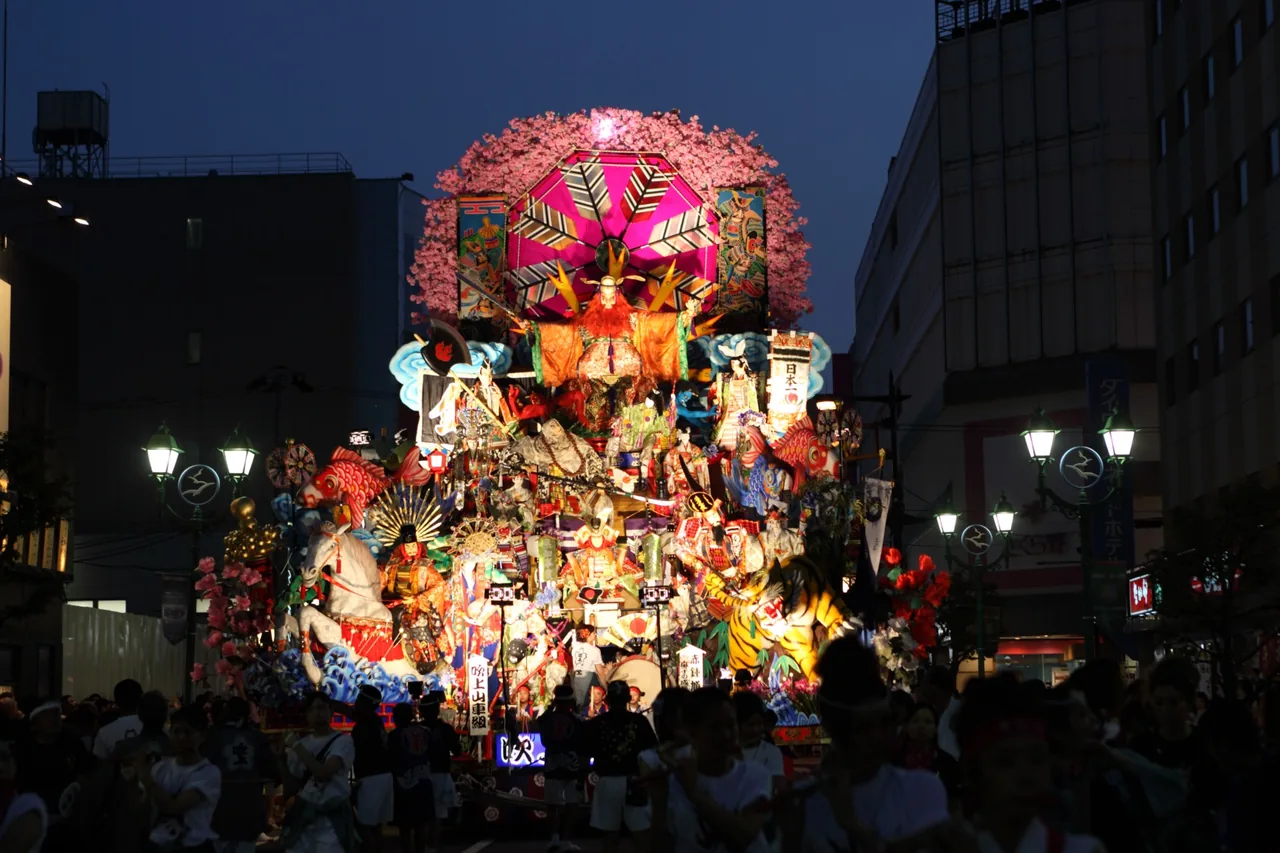
After dark, lights come on in the yokocho, narrow alleys lined with tiny bars and eateries. Hachinohe has eight of these alleys with a Showa-era feel, and hopping from one small place to the next is how the town spends its evenings. The city's two signature festivals, the Hachinohe Sansha Taisai in summer and Hachinohe Enburi in winter, also take place downtown, centered on the area in front of City Hall.
South of downtown, in the Korekawa district, the Korekawa Jomon Museum displays finds from the Jomon period. Kabushima Island with its black-tailed gulls and the Tanesashi Coast, where grass runs down to the sea, are further along the Hachinohe Line toward the coast and are covered on the Tanesashi Coast & Kabushima page.
Main sights
Hachinohe Sansha Taisai (July 31 to August 4)
A joint festival of three shrines: Ogami Shrine, Chojasan Shiragi Shrine and Shinmeigu Shrine. Shrine processions are followed by huge floats built by each neighborhood. July 31 is the eve festival, when the floats stand on display in the plaza in front of City Hall and around downtown before they start moving. On August 1, in the procession known as Otori, the shrine processions and 27 floats set off together from City Hall and parade through downtown. In 2016 the float festival was inscribed on UNESCO's Intangible Cultural Heritage list as one of Japan's Yama, Hoko, Yatai float festivals. Paid seating is set up along the route. See Hachinohe Sansha Taisai.
Hachinohe Enburi (February 17 to 20)
A festival of a folk performing art danced in February, often with snow still on the ground, to pray for a good harvest. In enburi, dancing is called "suru," and on the first day, the 17th, more than 30 troupes line up along the main street downtown and begin dancing all at once. Over the four days the troupes perform at several venues around the city, so you can compare the slow, stately naga-enburi with the fast-paced dosai-enburi. See Hachinohe Enburi.
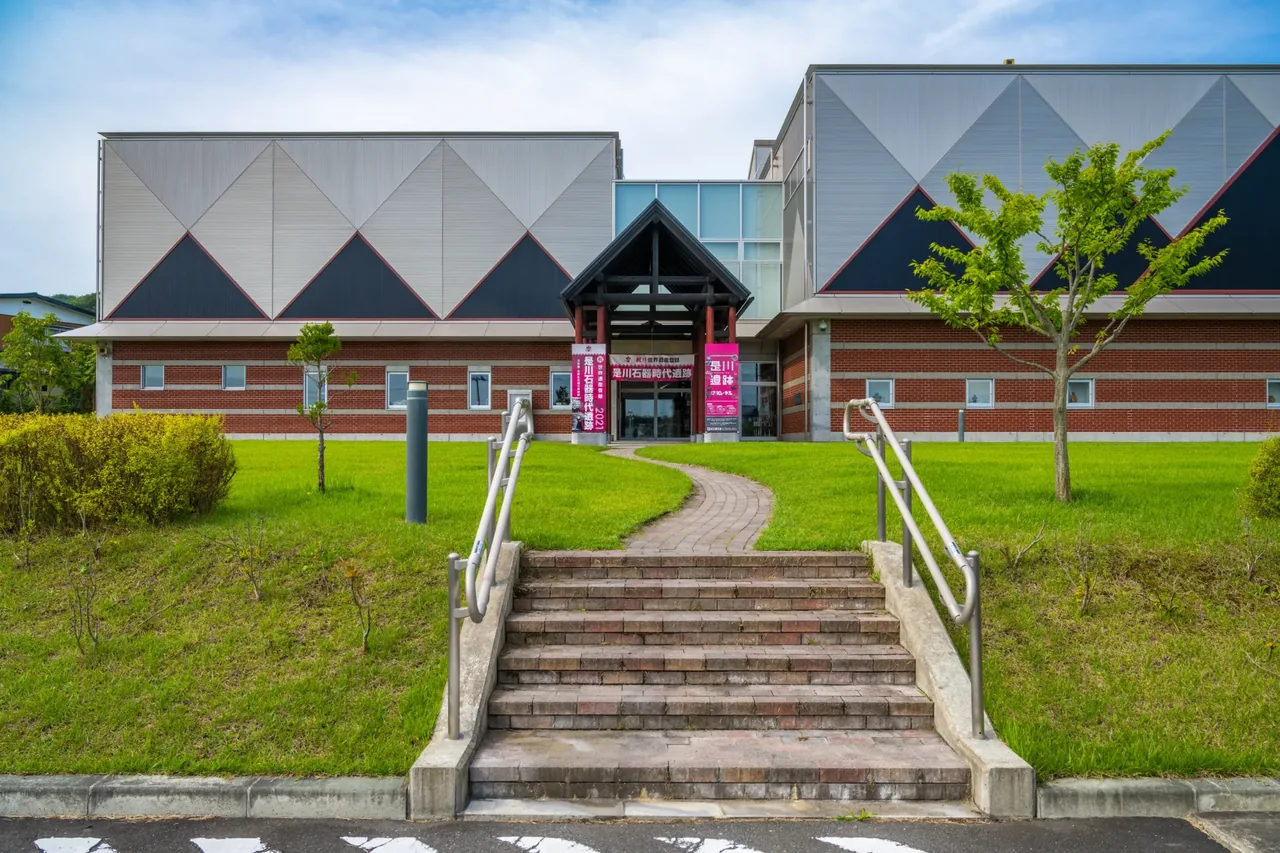
Korekawa Jomon Museum
The city's archaeological center, displaying finds from the Korekawa Stone Age Site, the Kazahari 1 Site and other sites in Hachinohe. It opened in 2011. The Korekawa Stone Age Site is one of the components of the World Heritage Site "Jomon Prehistoric Sites in Northern Japan," and 963 of its finds are designated Important Cultural Properties.
The highlight is the National Treasure "Gassho Dogu," the only piece in the National Treasure gallery. This clay figure, about 3,600 years old, sits with its knees drawn up and its hands pressed together in front of its chest. The Nakai Site also yielded many lacquered vessels and wooden objects, materials that rarely survive underground, and their color and finish are worth a close look. The Gassho Dogu is sometimes lent to other museums, so if it is the reason for your visit, check the official website for display dates before you go. See Korekawa Jomon Museum. Other Jomon sites in Aomori are covered in our Aomori Jomon sites guide.
Hachinohe Portal Museum "Hacchi" and Hachinohe Art Museum
Hacchi, a city facility downtown, opened in 2011, and inside are exhibits shaped like food stalls that introduce the morning markets and the yokocho. Downtown is also home to the Hachinohe Art Museum, newly opened in November 2021.
Food and shopping
The dish to try in Hachinohe is senbei-jiru. Nanbu senbei crackers made especially for soup are broken into a broth and simmered. They hold their shape as they cook and soak up the broth, taking on a pleasantly chewy bite. Many restaurants in the city serve it, and the flavor differs from place to place: soy sauce with chicken broth, salt with fish broth, or miso with horse meat.
In the evening, head for the yokocho downtown. The places are small, so rather than settling into one, people tend to hop between several, which is very much the Hachinohe way.
For a harbor morning market, there is the Tatehana Pier Morning Market on Sundays. From mid-March through December, stalls line the quay every Sunday from dawn until about 9 a.m. It is away from downtown, about a 10-minute walk from Mutsu-Minato Station on the JR Hachinohe Line. Tips on the markets are in our Hachinohe guide.
Getting there
- From Tokyo: The Tohoku Shinkansen reaches Hachinohe Station in about 2 hours 45 minutes on the fastest trains.
- Hachinohe Station to downtown (JR): Take a Hachinohe Line train bound for Kuji or Same, get off at Hon-Hachinohe Station and walk about 10 minutes from the south exit. Trains run about once an hour.
- Hachinohe Station to downtown (bus): Local buses for downtown (chushingai) leave every 10 to 15 minutes from stop 1 at the east exit of Hachinohe Station.
- To the Korekawa Jomon Museum: From Hachinohe Station, take the Nanbu Bus bound for Korekawa Jomonkan and get off at Korekawa Jomonkan. Buses from Hachinohe Station run only on Saturdays, Sundays and holidays.
Getting around the area
Downtown is compact enough to cover on foot. If you stay downtown or around Hon-Hachinohe Station, you can walk back to your hotel from the yokocho at night. Parade times and venues for the Sansha Taisai and Enburi are announced each year, so check the festival information before you go.
The Korekawa Jomon Museum is away from downtown, and there are no buses from Hachinohe Station on weekdays. On a weekday, plan on a taxi or a car. For sea views, take the Hachinohe Line to Same Station and continue to the Tanesashi Coast & Kabushima. About 20 minutes away on the Aoimori Railway, Misawa has an aviation museum with real aircraft on display. Directions to downtown are also on the Hachinohe City website.
Sights in Hachinohe
Where to eat in Hachinohe
See all 43
Aomori Local Sake & Direct-Delivery Fresh Fish Inase

Cafe & Bal Roast

DAINING BAL So Na

Fukufukuya Hachinohe Mikkamachi

Grand Sunpia Hachinohe

Green Family Club

Gyoza Bar MATSUHIRO

Hachinohe no Kura
Restaurant information: Powered by ホットペッパー グルメ Webサービス