
Kanagi
Areas of Aomori
Kanagi
Things to do in Kanagi: Osamu Dazai's birthplace Shayokan, live Tsugaru shamisen, Ashino Park's 1,500 cherry trees, and the Tsugaru Railway and its winter stove train.
 Dec 1 – Feb 28Winter Sakura Light-up (Fuyu ni Saku Sakura)
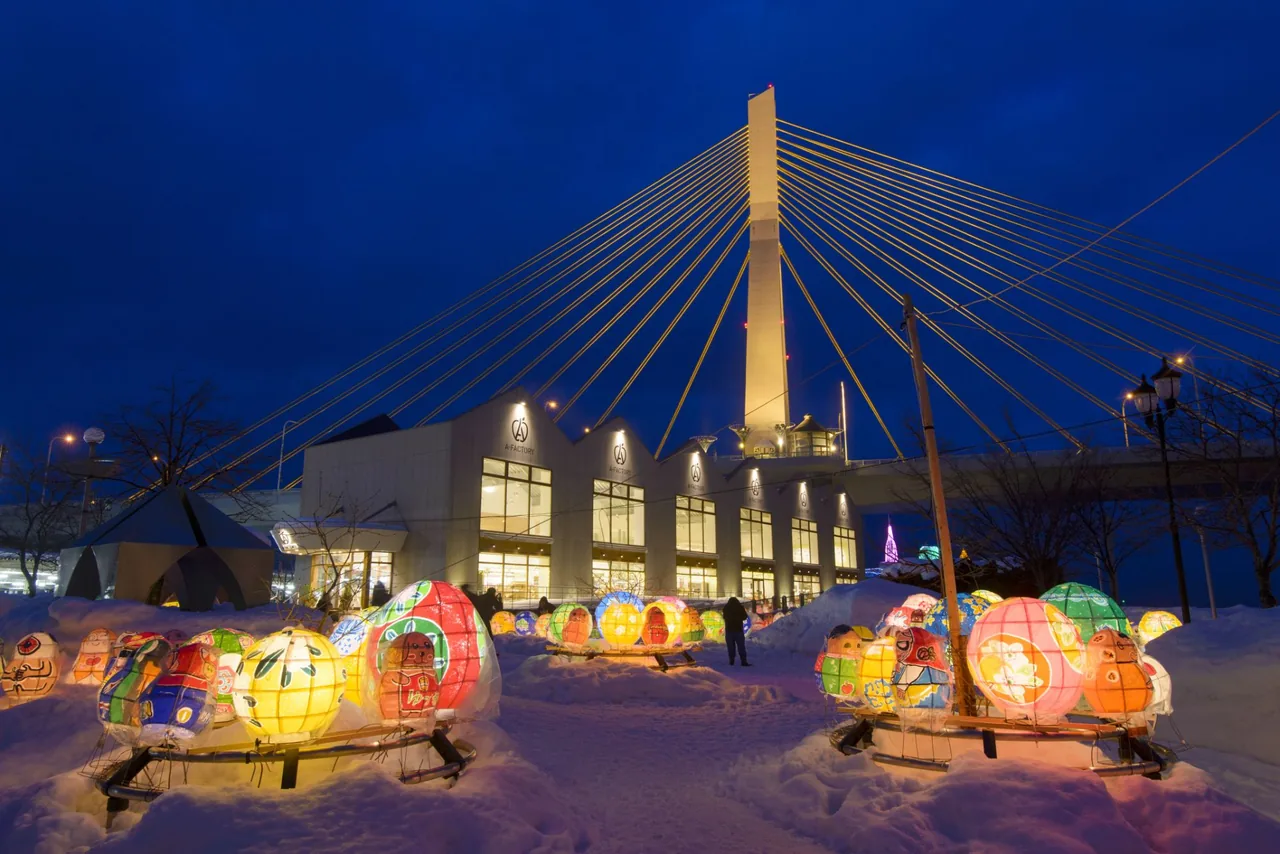 Dec 12 – Feb 15Aomori Akari to Kami Pageant (Light and Paper Pageant)
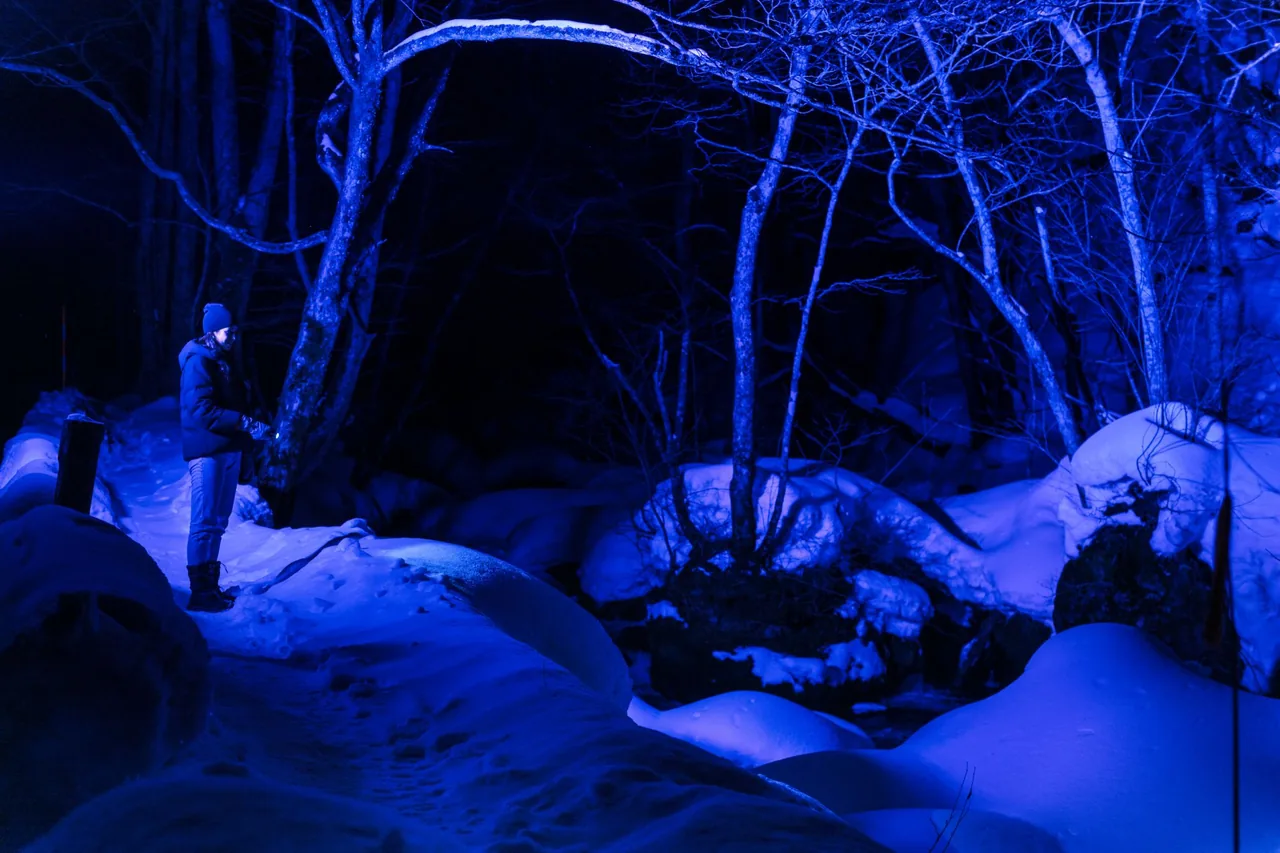 Dec 25 – Feb 28Oirase Gorge Ice Falls Night Tour
Find on the map
This page is translated from the Japanese edition. Read the Japanese edition
What is the area like?
A small Tsugaru Railway train takes about 25 minutes from Tsugaru-Goshogawara Station to Kanagi Station. Kanagi, part of Goshogawara City, is where the writer Osamu Dazai was born and grew up. About a 7-minute walk from the station, the large house his father built still stands and is open as a memorial museum.
Kanagi is also known as the birthplace of the Tsugaru shamisen, and near the museum is a hall where you can hear it played live. One stop north, Ashino Park has about 1,500 cherry trees that bloom in spring. A writer's home, the sound of the shamisen and a park full of cherry trees: the sights are gathered around Kanagi Station and the next station, Ashinokoen.
Main sights
Dazai Osamu Memorial Museum "Shayokan"
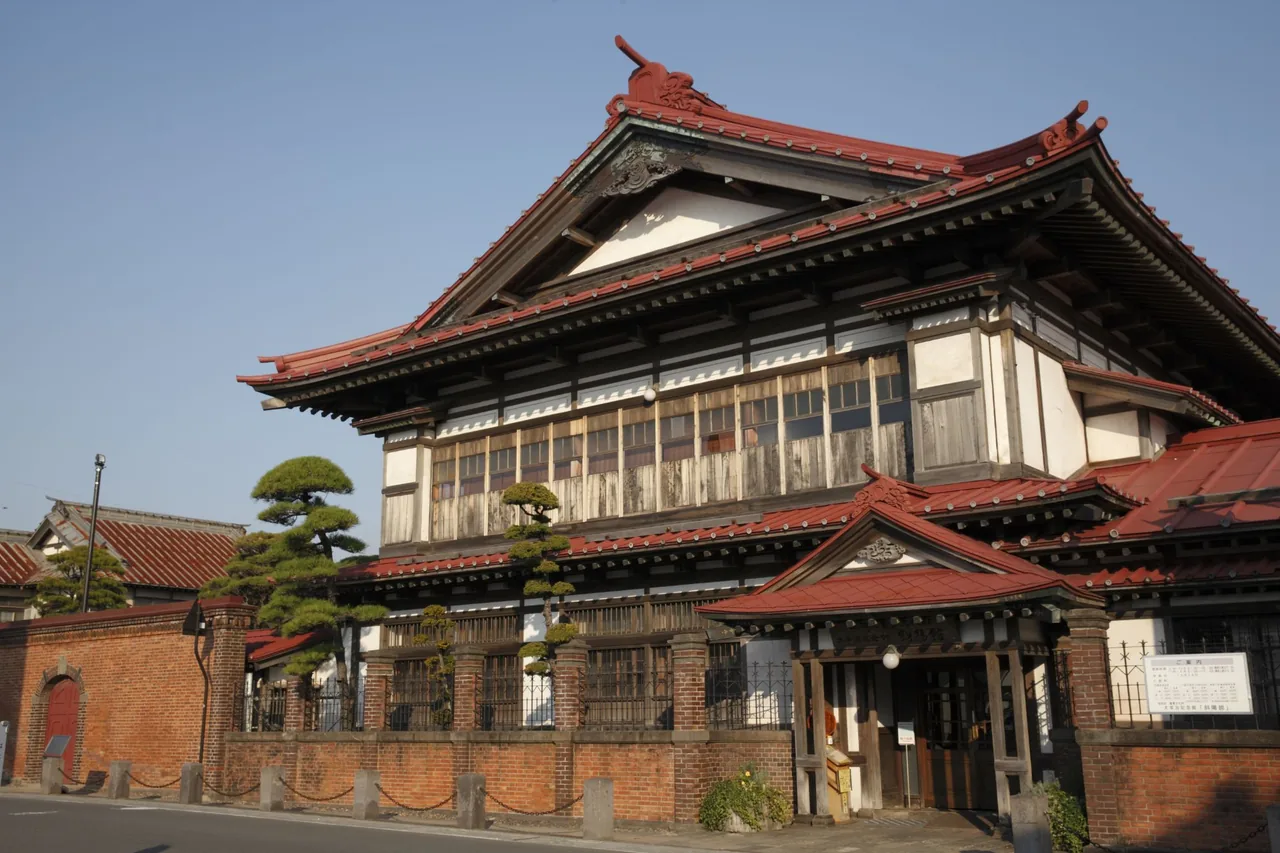
A large house with a hip-and-gable roof built in 1907 by Dazai's father, Tsushima Gen'emon; Dazai was born here two years later, in 1909. It has 11 rooms on the ground floor and 8 upstairs, and hiba cypress was used throughout, down to the rice storehouse. After the war it became an inn called "Shayokan," and since 1998 it has been a memorial museum. The building was designated an Important Cultural Property in 2004. Walking through, the size and craftsmanship of the rooms tell you how the Tsushima family, prominent locals, lived. See Dazai Osamu Memorial Museum "Shayokan".
Tsugaru Shamisen Hall
A hall devoted to the Tsugaru shamisen in Kanagi's Asahiyama district, the same neighborhood as Shayokan. Live performances of about 20 minutes are held on its stage several times a day. Check the performance times and the winter closure on Goshogawara City's website before you go.
Ashino Park
Dazai often played in this park as a boy, and it is one of Japan's Top 100 Cherry Blossom Spots. Its roughly 1,500 cherry trees usually peak from late April to early May, when the Kanagi Cherry Blossom Festival is held. In the park are a monument inscribed with Dazai's writing and a bronze statue of him put up in 2009 to mark the 100th anniversary of his birth. A festival for Dazai's birthday is also held each year around June 19.
Food and shopping
The old station building at Ashinokoen Station is now a café, a good place to rest during a cherry blossom walk. Kanagi is a small town, so if you want more choice of places to eat, have your meal around the station in Goshogawara. Our Aomori food guide covers Tsugaru home cooking.
Getting there
- By train: from the Tsugaru Railway's Tsugaru-Goshogawara Station, near JR Goshogawara Station on the Gono Line, it takes about 25 minutes to Kanagi Station. Goshogawara is about 40 minutes from Hirosaki by JR (see getting there for Goshogawara & Tsuruta).
- For Ashino Park, get off at Ashinokoen Station, one stop north of Kanagi. The park is right by the station.
In winter (usually December 1 to March 31), the Tsugaru Railway runs the "Stove Train," with coaches heated by pot-bellied stoves. For winter 2026, it has been announced that it will start running on December 1. You need a stove train ticket in addition to your fare. Check the operating days and trains on the Tsugaru Railway stove train page. Seasonal trains such as the summer wind-chime train are covered in our guide to Aomori's local trains.
Getting around the area
Shayokan and the Tsugaru Shamisen Hall are each about a 7-minute walk from Kanagi Station. After both, take the train one stop to Ashino Park and you can see it all in half a day. Check the time of your Tsugaru Railway train back in advance so you're not rushed.
If you're heading on to Cape Tappi, Lake Jusan or elsewhere in the north of the Tsugaru Peninsula, a rental car is the easiest way. For getting around the peninsula, see our Tsugaru Peninsula guide.
Sights in Kanagi
Aomori guides
See all
More areas of Aomori
- Aomori City
- Komakino
- Natsudomari Peninsula
- Hakkoda
- Oirase & Tsuta
- Lake Towada
- Hirosaki
- Mt. Iwaki
- Kuroishi & Inakadate
- Goshogawara & Tsuruta
- Tsugaru
- Cape Tappi
- Imabetsu & Cape Takano
- Shirakami-Sanchi (Nishimeya)
- Juniko
- Fukaura
- Hachinohe
- Tanesashi Coast & Kabushima
- Misawa
- Mutsu
- Osorezan
- Wakinosawa
- Hotokegaura
- Oma
- Cape Shiriya