Aomori City Half-Day: Sannai-Maruyama Jomon Site and WA-RASSE
- Sannai-Maruyama Special Historic Site
- Nebuta Museum WA-RASSE
- A-FACTORY
- Hakkoda-maru

Areas of Aomori
Aomori City sightseeing: Nebuta Museum WA-RASSE by Aomori Station, the bay area and the Sannai-Maruyama Jomon site, plus the Nebuta Festival and getting there.
 Dec 1 – Feb 28Winter Sakura Light-up (Fuyu ni Saku Sakura)
 Dec 12 – Feb 15Aomori Akari to Kami Pageant (Light and Paper Pageant)
 Dec 25 – Feb 28Oirase Gorge Ice Falls Night Tour
This page is translated from the Japanese edition. Read the Japanese edition
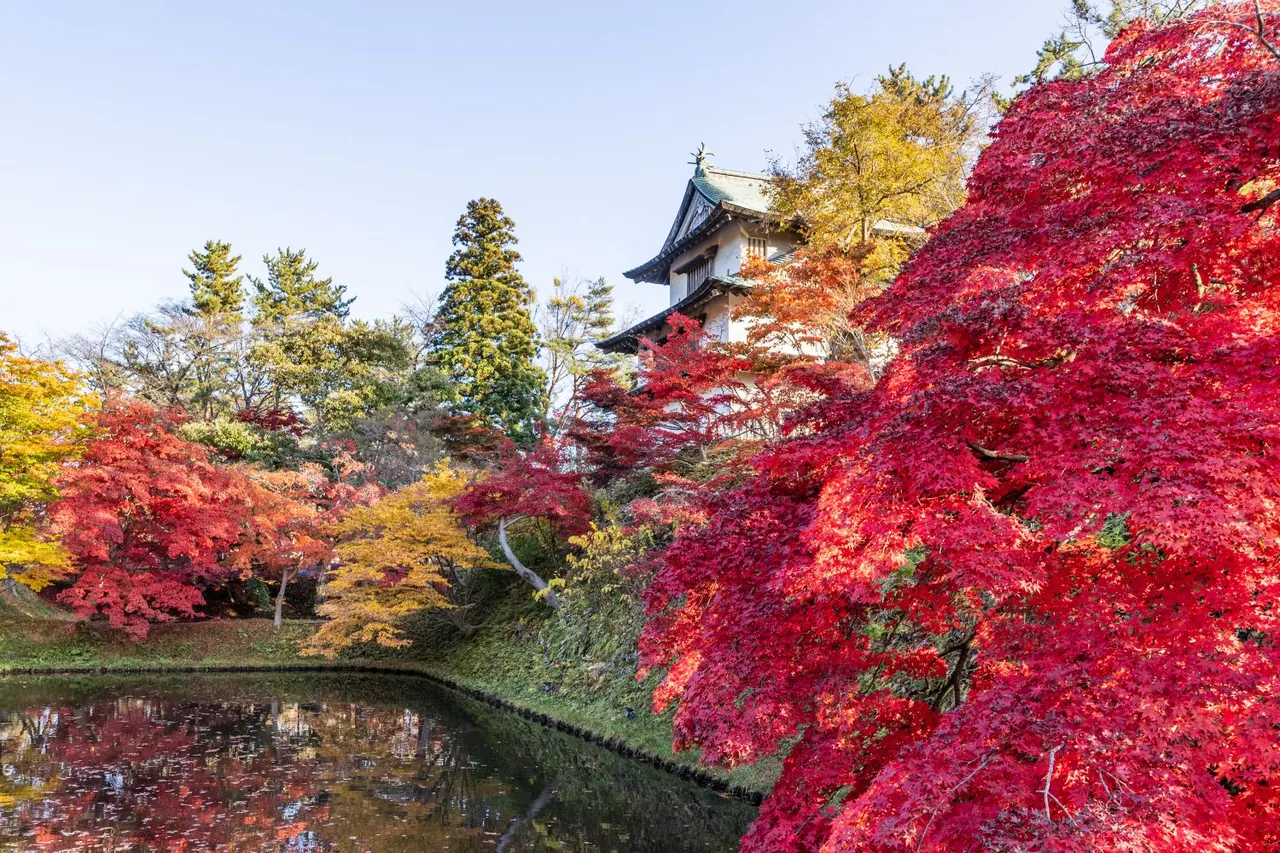
Walk out of JR Aomori Station toward the sea and you reach the harbor on Mutsu Bay within minutes. Right in front of the station is Nebuta Museum WA-RASSE, where festival floats from the Nebuta Festival are on show all year. Along the waterfront stands A-FACTORY, home to a workshop making cidre (apple cider), the former Seikan ferry Hakkoda-maru is moored at the quay, and the Aomori Bay Bridge spans the harbor. Much of what makes Aomori distinctive sits within walking distance of the station.
The city's other gateway is Shin-Aomori Station on the Tohoku Shinkansen. It lies to the west, away from the center, and Aomori Station is one stop and about 5 minutes away by local train. The Sannai-Maruyama Site, the remains of a large Jomon-period settlement, is in the suburbs about 15 minutes by bus from Shin-Aomori.
Aomori is busiest from August 2 to 7, during the Aomori Nebuta Matsuri. In winter the city gets heavy snow, and washi paper lanterns line the waterfront. The Hakkoda mountains rise to the south of the city, and the stone circle of the Komakino site is also in Aomori's outskirts.
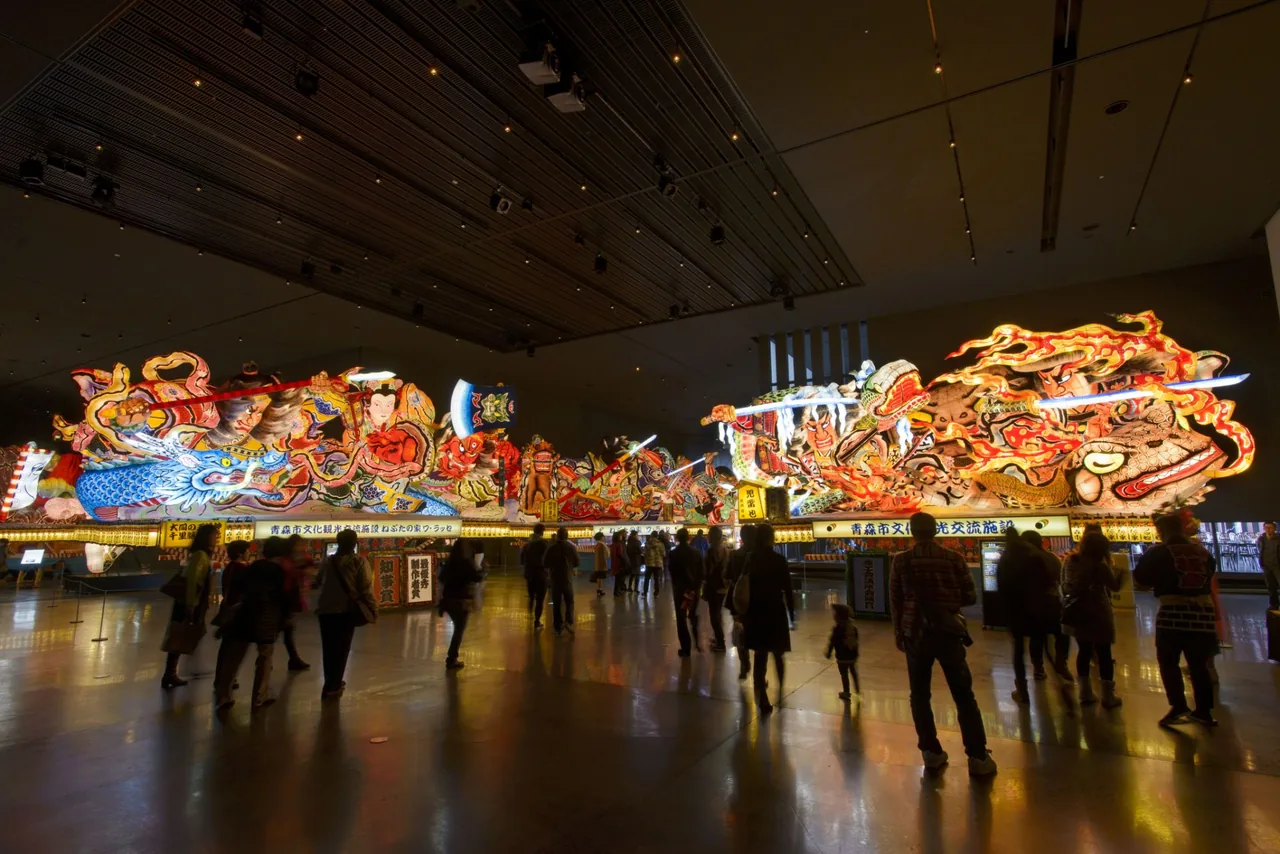
About a 1-minute walk from Aomori Station. The museum displays full-size nebuta floats from the festival, mostly prize-winners. On summer nights they move through the streets; here they stand still, so you can study them from the front and the side. There are live performances of nebuta festival music and a chance to try the haneto dance, so even outside festival season you can see up close how big and colorful the floats are. Allow about 30 minutes for the exhibits alone. See Nebuta Museum WA-RASSE.
A summer festival in which huge illuminated figure floats called nebuta parade through the city center. It runs every year from August 2 to 7, whatever the day of the week: the parades are at night from the 2nd to the 6th and in the daytime on the final day, the 7th. On the evening of the 7th the festival closes with the Aomori Fireworks Festival and a parade of nebuta carried on boats around the harbor. Parade times are announced each year, so check the official information. See Aomori Nebuta Matsuri. For how nebuta differ from neputa, see also Aomori's Nebuta and Neputa festivals.
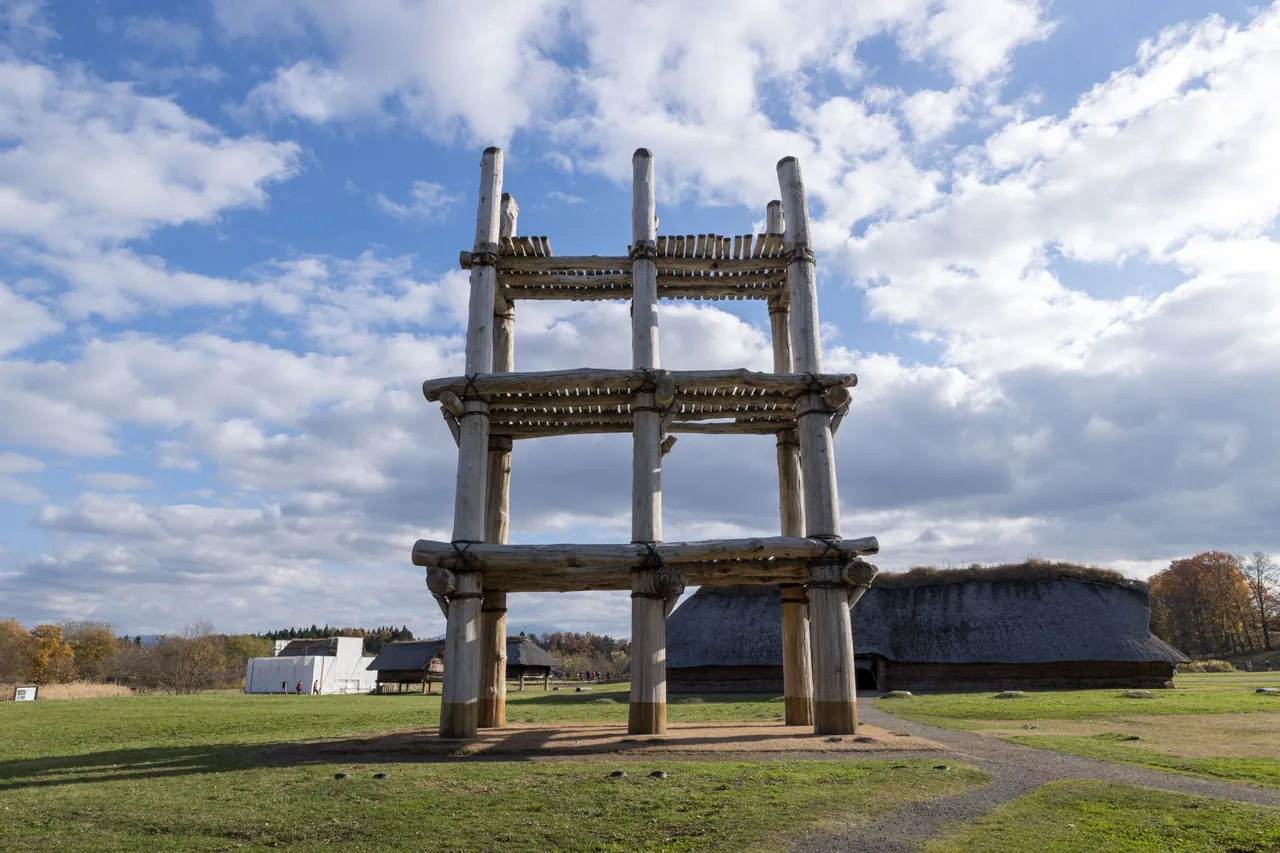
The remains of a large settlement occupied for a long stretch of the early to middle Jomon period, about 5,900 to 4,200 years ago. In 2021 it was inscribed as a World Cultural Heritage Site as part of the Jomon Prehistoric Sites in Northern Japan. Its symbol is the reconstruction of a large pillar-supported building, 14.7 meters tall, raised on six chestnut posts. Sanmaru Museum, in the Jomon Jiyukan visitor center that serves as the entrance, displays about 1,700 finds, including a large slab-shaped clay figurine. Seeing the exhibits first makes the reconstructed buildings outside easier to understand. See Sannai-Maruyama Special Historic Site.
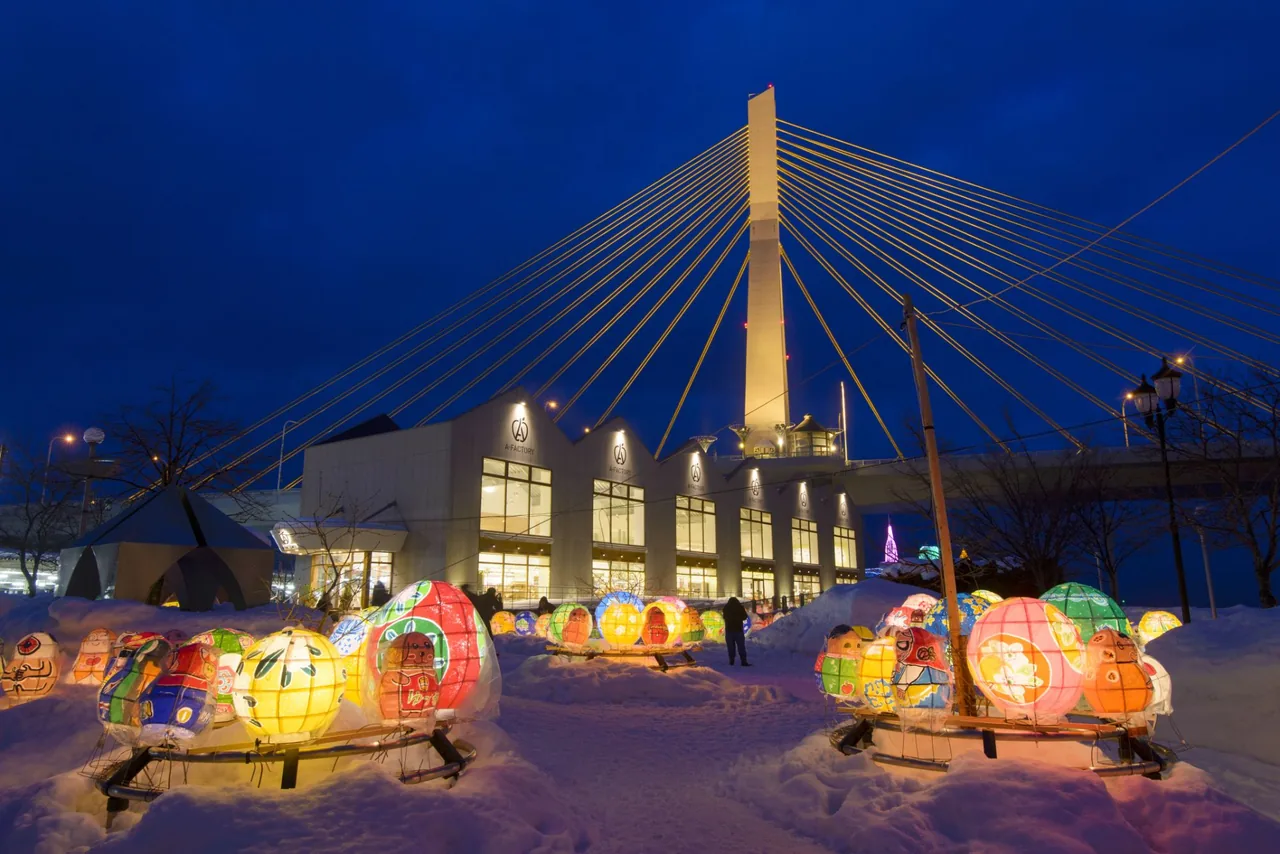
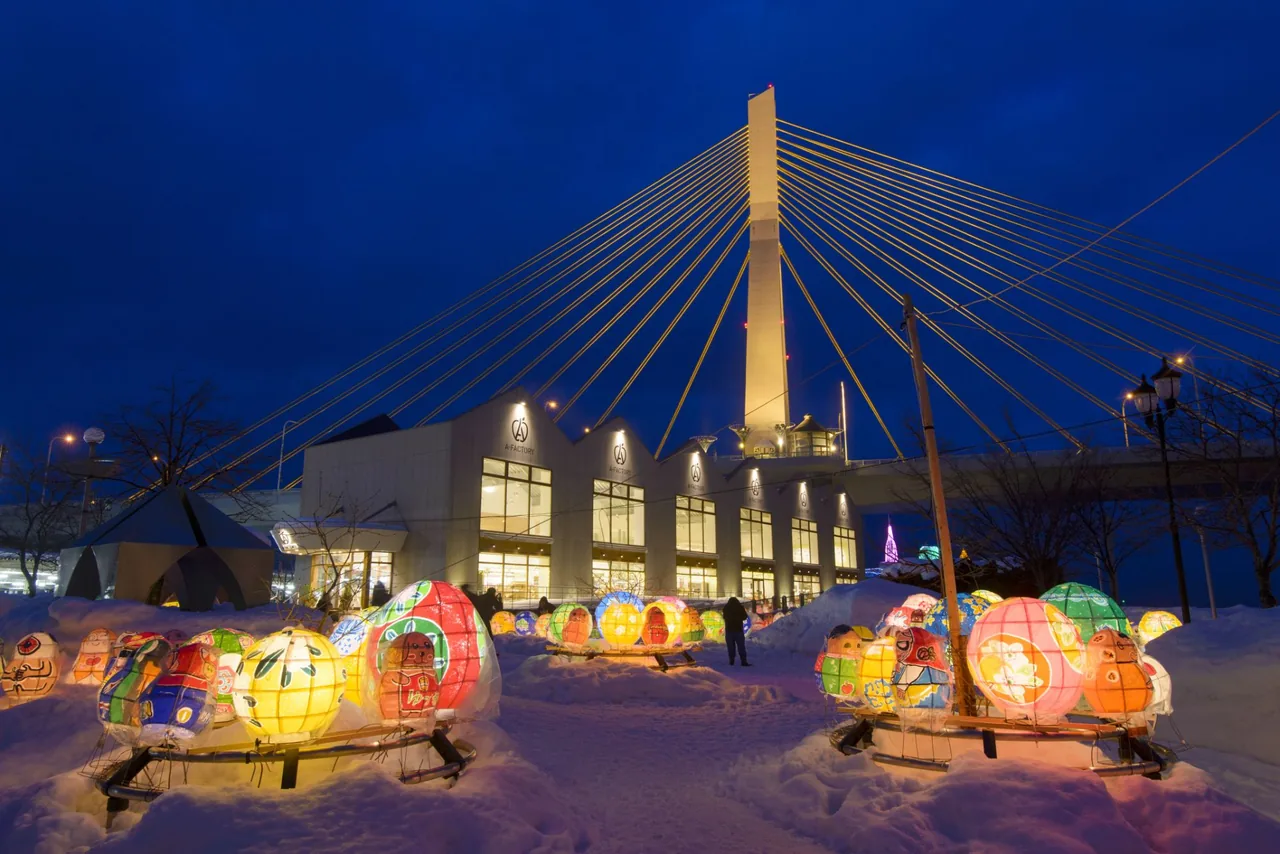
In winter, washi paper sculptures made by local residents with nebuta techniques are lit and set out in the bay area near Aomori Station. Last season it ran from December 12 to February 15, with venues including A-FACTORY, the Hakkoda-maru, WA-RASSE, Aomori Station and the shinkansen concourse at Shin-Aomori Station. The lights fill the snowy squares by the harbor after dark. Check Aomori City's announcement for each year's dates and venues. See Aomori Akari to Kami Pageant.
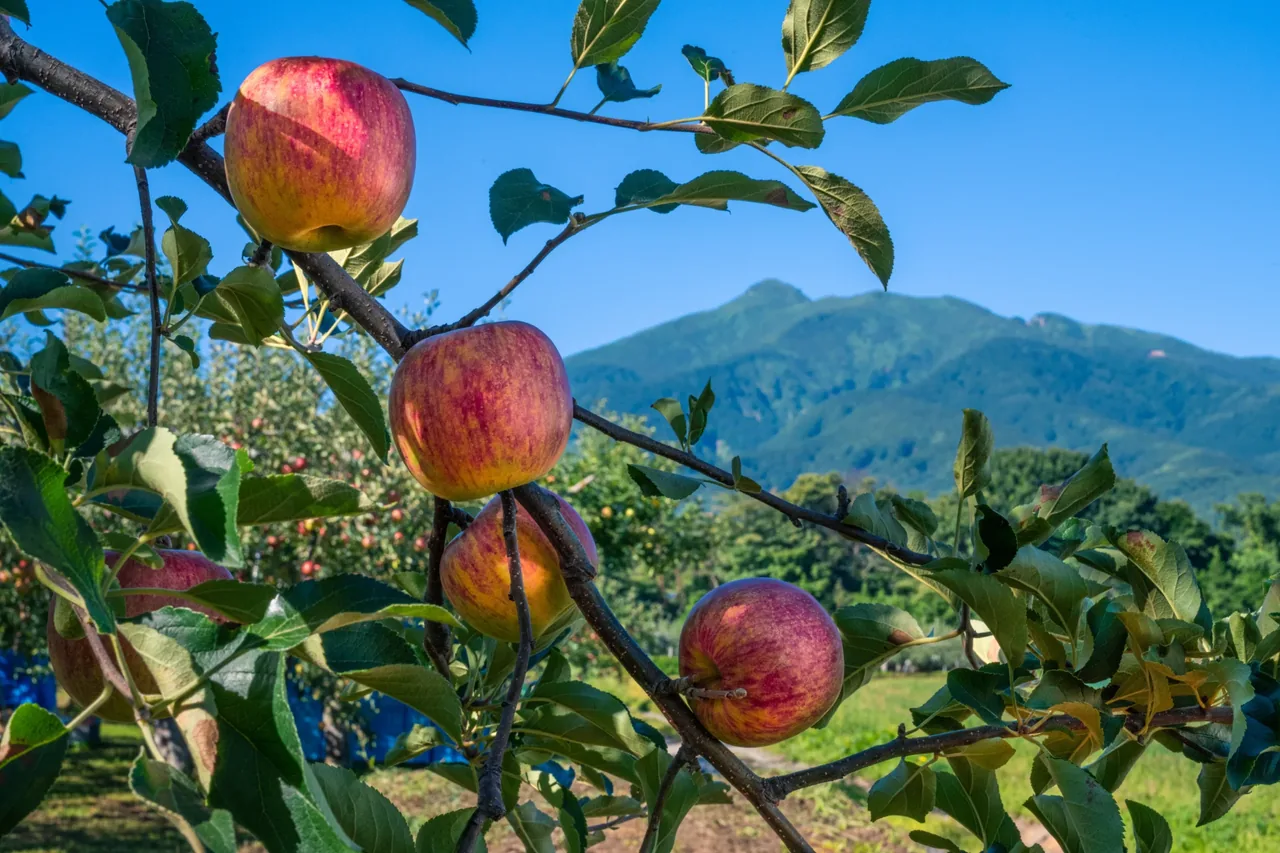
A-FACTORY, in front of Aomori Station, has a workshop that makes cidre from Aomori apples, and you can see the brewing equipment through the glass. WA-RASSE also has places to eat and shop; allow about two hours with the exhibits and you won't feel rushed.
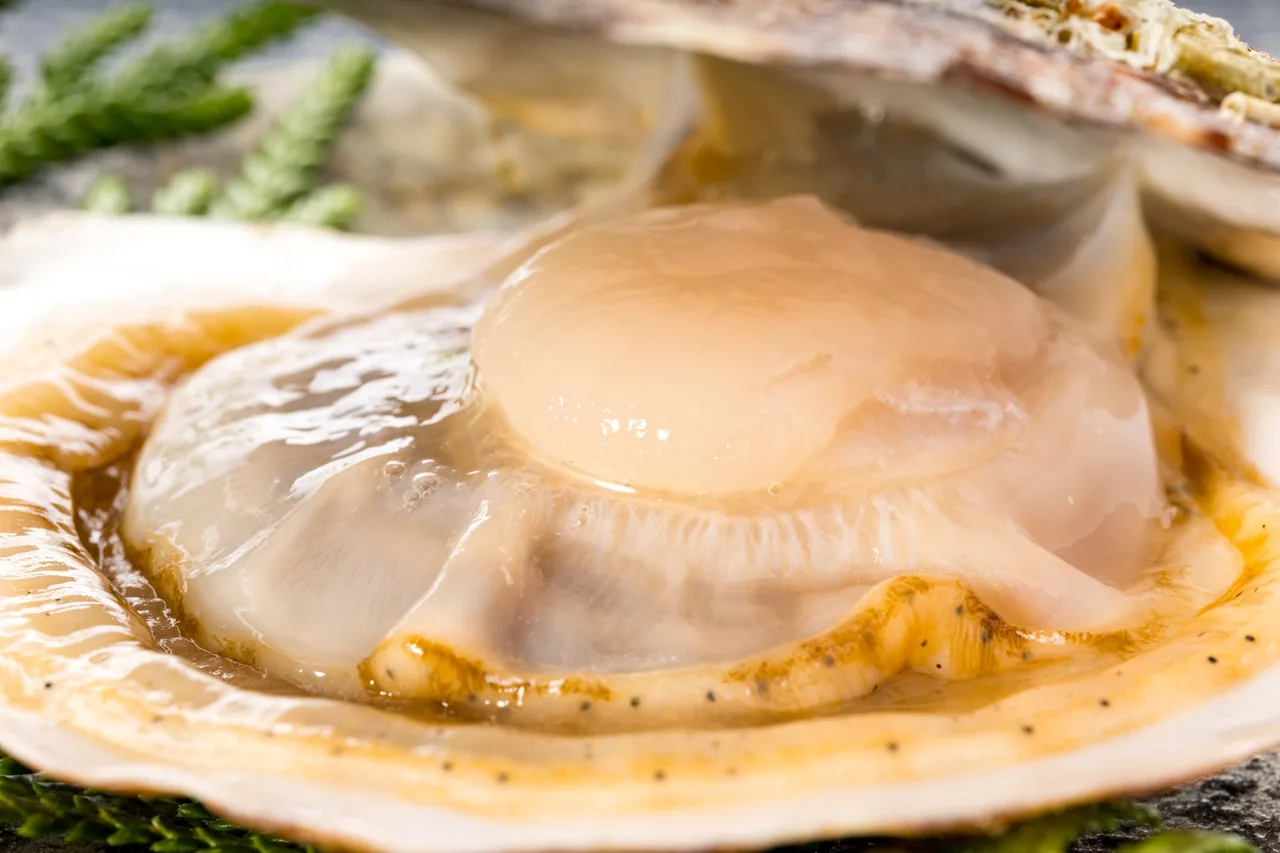
Our features cover Aomori food in more detail, from scallops raised in Mutsu Bay to apples and local dishes.
The area around Aomori Station is easy on foot. WA-RASSE and A-FACTORY are about a minute's walk from the station, and the Hakkoda-maru about five. Take the bus out to the Sannai-Maruyama Site and back, and you can cover it and the station area in a day. If you arrive by shinkansen, ride the Nebutan-go from Shin-Aomori to the site first and then head into Aomori Station, which saves backtracking.
During the Nebuta Festival, crowds gather downtown for the evening parades. Check the official information for the route and viewing arrangements. In winter, snow stays on the sidewalks, so wear shoes with a good grip.
From Aomori City, the bus to Hakkoda in the south takes about 1 hour to 1 hour 20 minutes. About 30 minutes on the Aoimori Railway brings you to Kominato Station, the way to Asadokoro Coast on the Natsudomari Peninsula, where swans spend the winter. For more Jomon sites in Aomori, see Aomori's Jomon sites.





Restaurant information: Powered by ホットペッパー グルメ Webサービス