Natsudomari Peninsula
Areas of Aomori
Natsudomari Peninsula
On the Natsudomari Peninsula in Hiranai, swans winter at Asadokoro Coast and wild camellias bloom on Tsubakiyama. When to go, and the Aoimori Railway from Aomori.
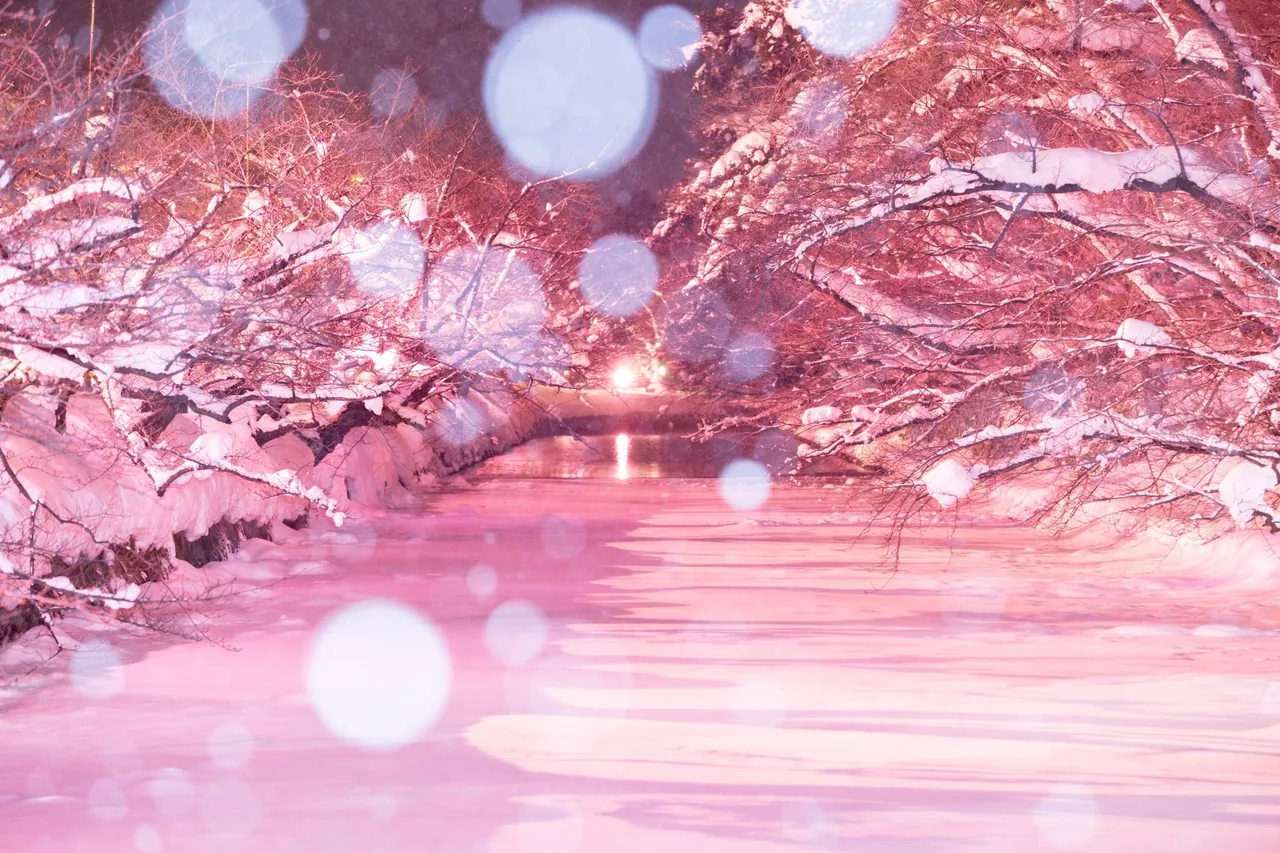 Dec 1 – Feb 28Winter Sakura Light-up (Fuyu ni Saku Sakura)
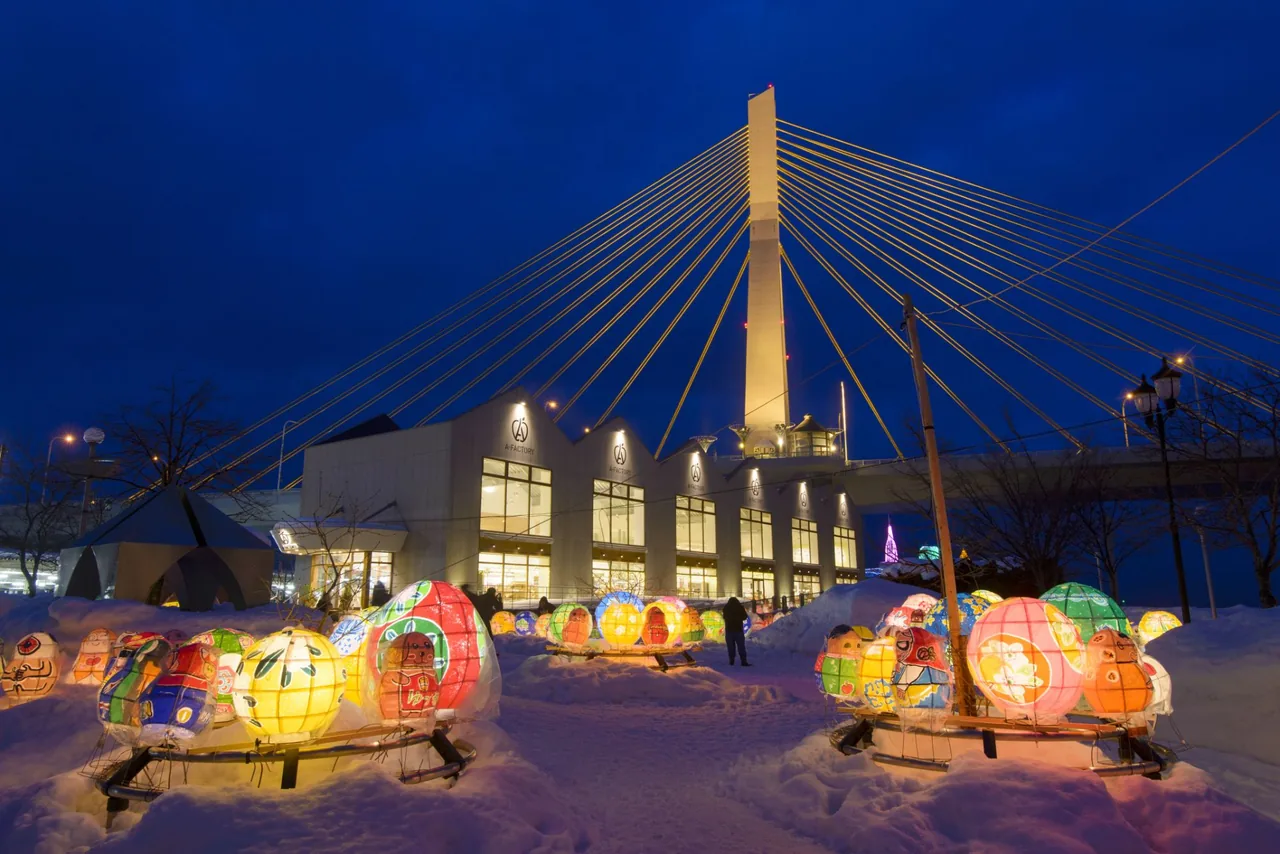 Dec 12 – Feb 15Aomori Akari to Kami Pageant (Light and Paper Pageant)
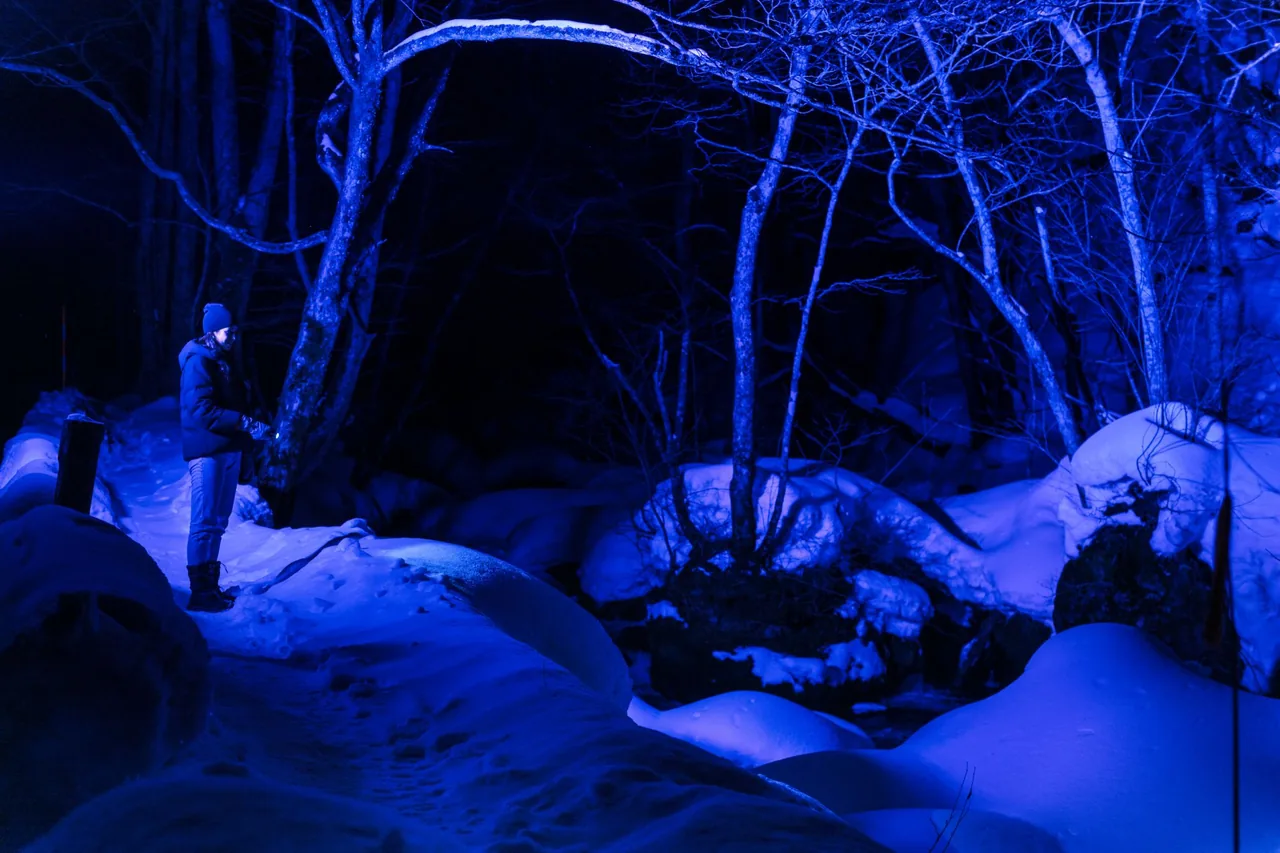 Dec 25 – Feb 28Oirase Gorge Ice Falls Night Tour
Find on the map
Choose a numbered circle to zoom in there; choose a name to open the area's page.
This page is translated from the Japanese edition. Read the Japanese edition
What is the area like?
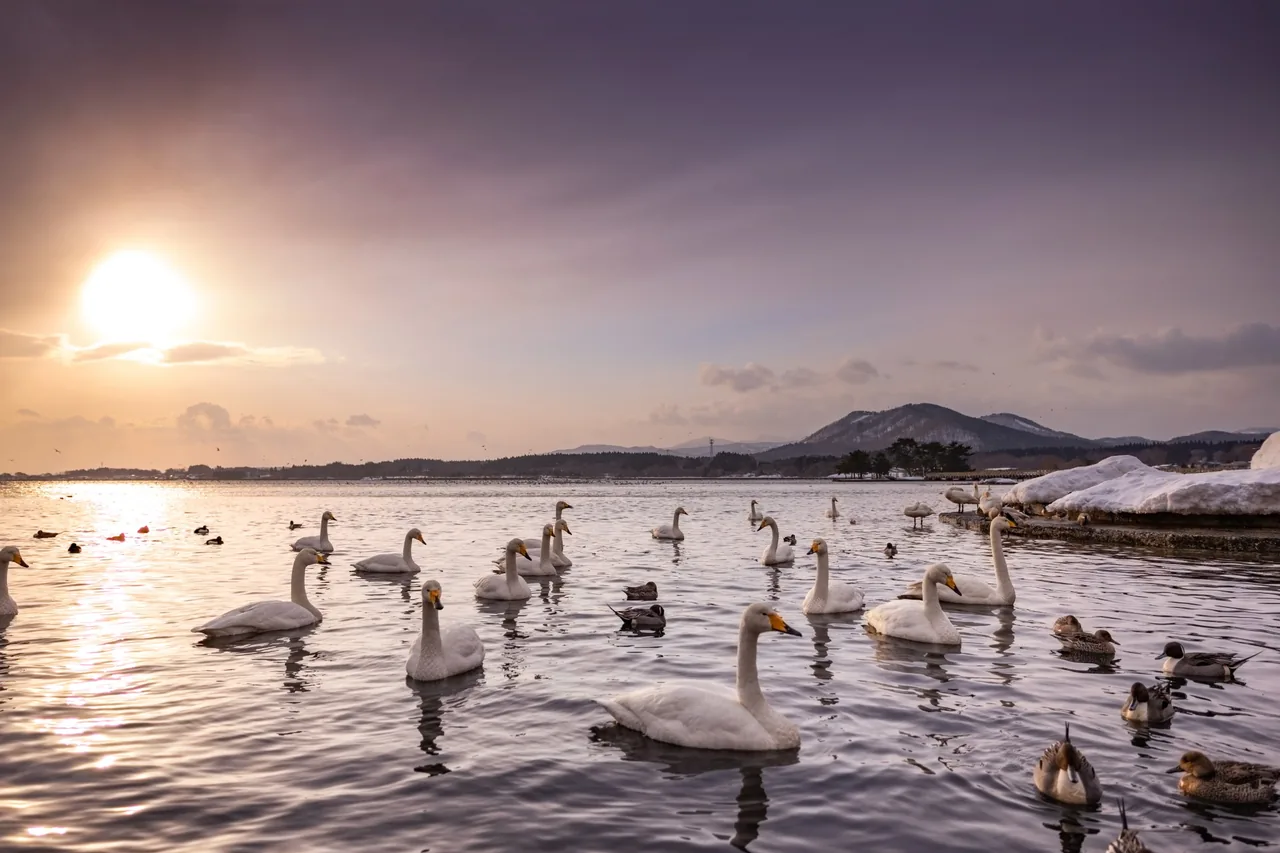
Ride the Aoimori Railway east from Aomori Station for about 30 minutes and get off at Kominato Station, and you are at the base of the Natsudomari Peninsula, which juts north into Mutsu Bay. The peninsula belongs to the town of Hiranai. In winter flocks of swans arrive at Asadokoro Coast, and in spring wild camellias bloom on Tsubakiyama at the peninsula's northern tip.
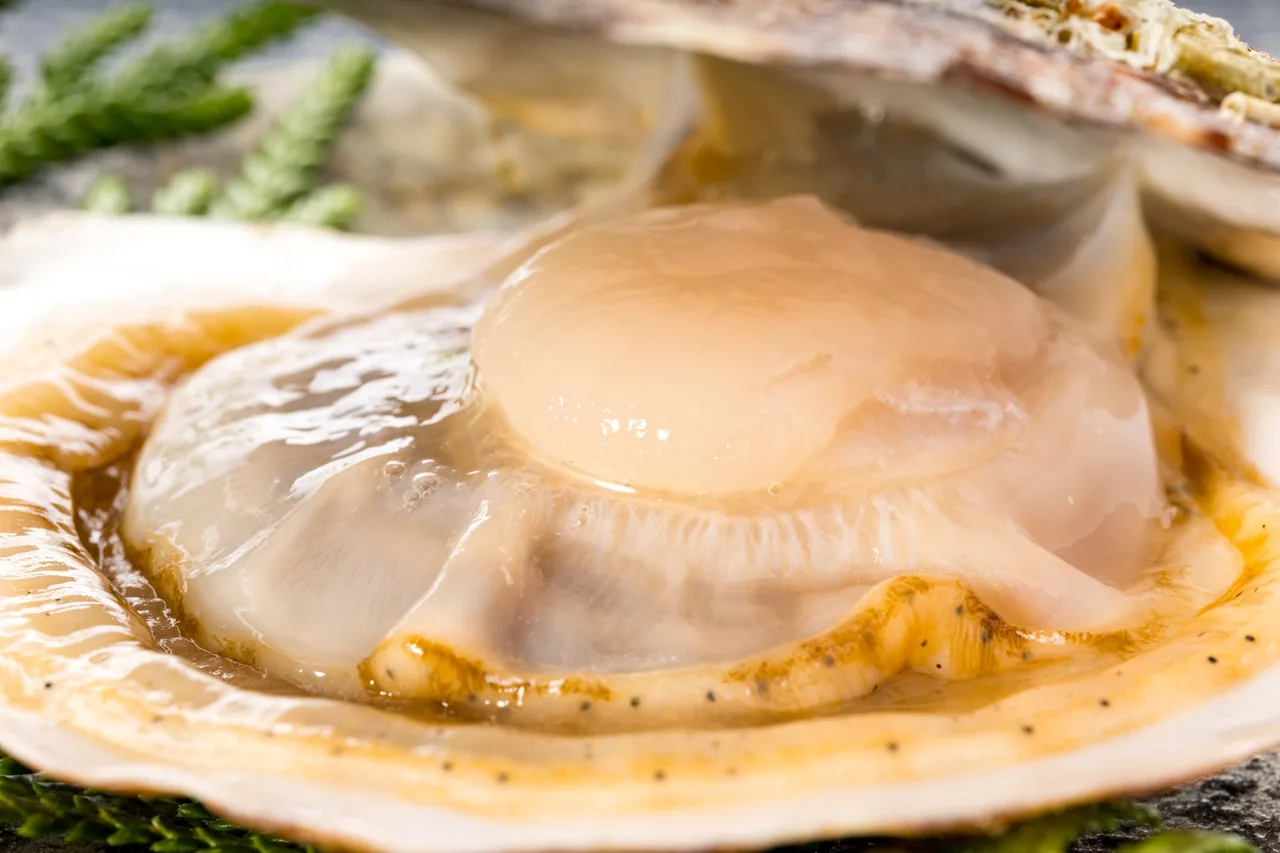
Scallop farming in Mutsu Bay is Hiranai's core industry. What you come to see depends sharply on the season, so pick your timing: winter for the swans, spring for the camellias.
Main sights
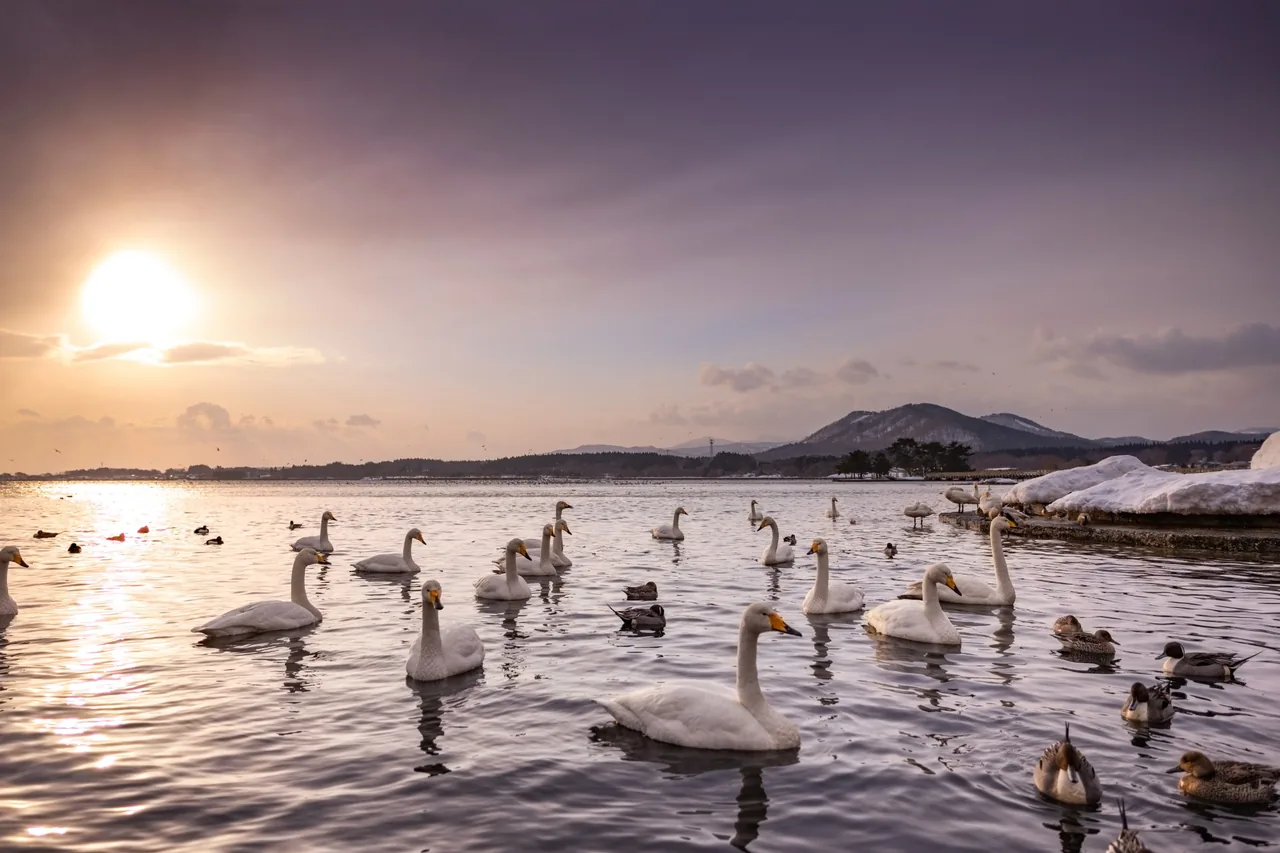
Swans at Asadokoro Coast
The area centered on Asadokoro Coast is designated a Special Natural Monument as "the swans of Kominato and their migration site." The swans fly in from the direction of Siberia around mid-October each year and spend the winter on this shore until around late March. On calm mornings and evenings the tidal flats at the river mouth mirror the sky behind the resting flocks.
As a measure against bird flu, Hiranai Town asks visitors not to feed wild birds for the time being. Don't get too close to the swans; watch quietly from a little way off. The wind off the winter sea is cold, so bring gloves and a hat. See Asadokoro Coast.
Tsubakiyama
A hill at the northern tip of the Natsudomari Peninsula facing Noheji Bay, covering the grounds of Tsubaki Shrine. More than ten thousand wild camellias (yabu-tsubaki) grow here, mostly on the seaward slopes. Because this is considered the northern limit of wild camellias, it was designated a Natural Monument in 1922 as the "Northern Limit of Wild Camellias." They bloom from late April to late May.
Food and shopping
Hiranai is known for scallops raised in Mutsu Bay. Scallops and other Mutsu Bay seafood are covered in Aomori scallops and seafood.
Getting there
- By train: About 30 minutes from Aomori Station to Kominato Station on the Aoimori Railway.
- By car: Head east from Aomori City along Mutsu Bay. Tsubakiyama, at the tip of the peninsula, is a further drive from Kominato Station.
Getting around the area
For the swans, go from Kominato Station to Asadokoro Coast. If you want to loop around the peninsula to Tsubakiyama, a car makes things much easier.
The swans are here from mid-October to late March and the camellias bloom from late April to late May, so the seasons don't overlap; plan around the one you want. For the latest notices on Asadokoro Coast, including the request not to feed the birds, check Hiranai Town's Asadokoro Coast page.
It is an easy day trip from Aomori Station in Aomori City, so you can combine it with the Nebuta museum and other sights in one day.