
Akigawa Valley
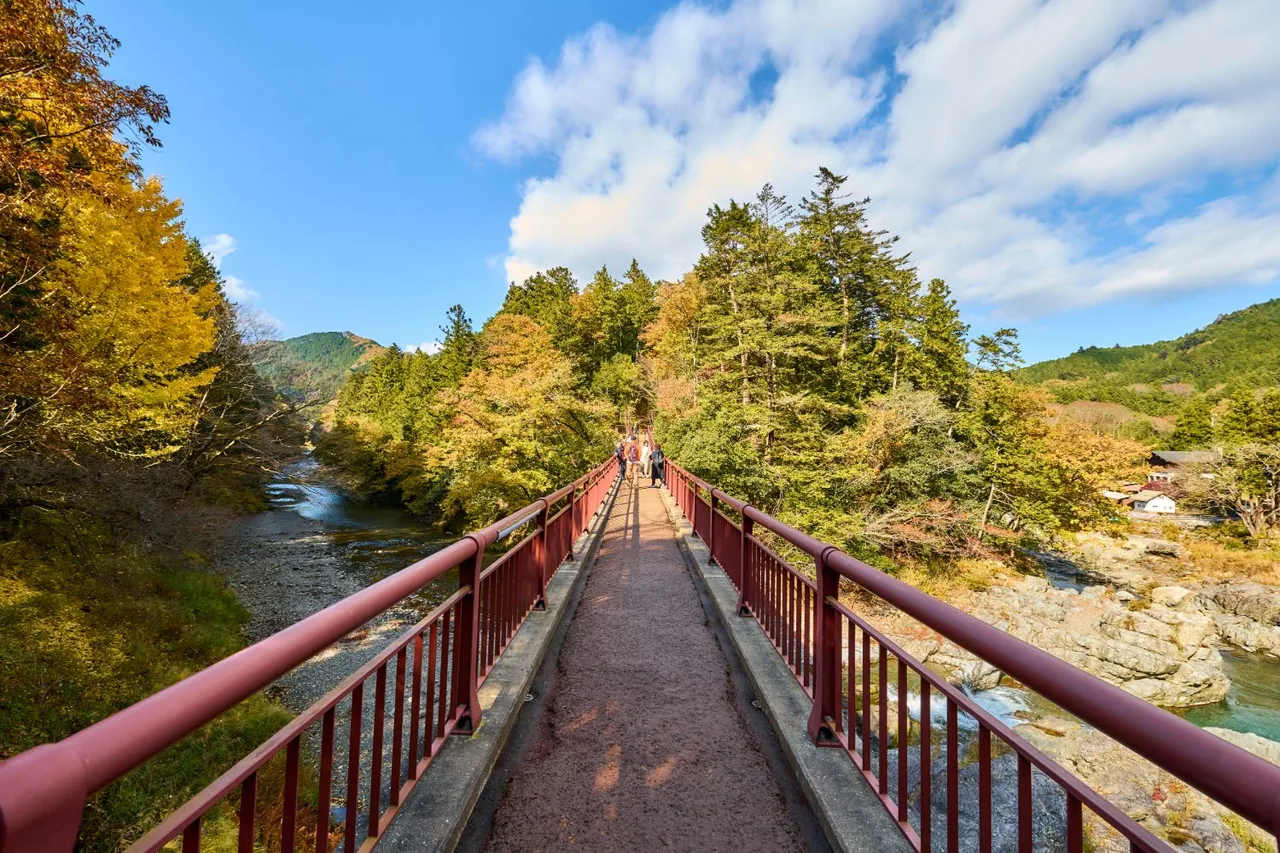
Photo: © TCVB
Areas of Tokyo
Akigawa Valley
Akigawa Valley by bus from Musashi-Itsukaichi Station: Ishifune suspension bridge, the hot spring across it, November leaves, and bus and parking tips.
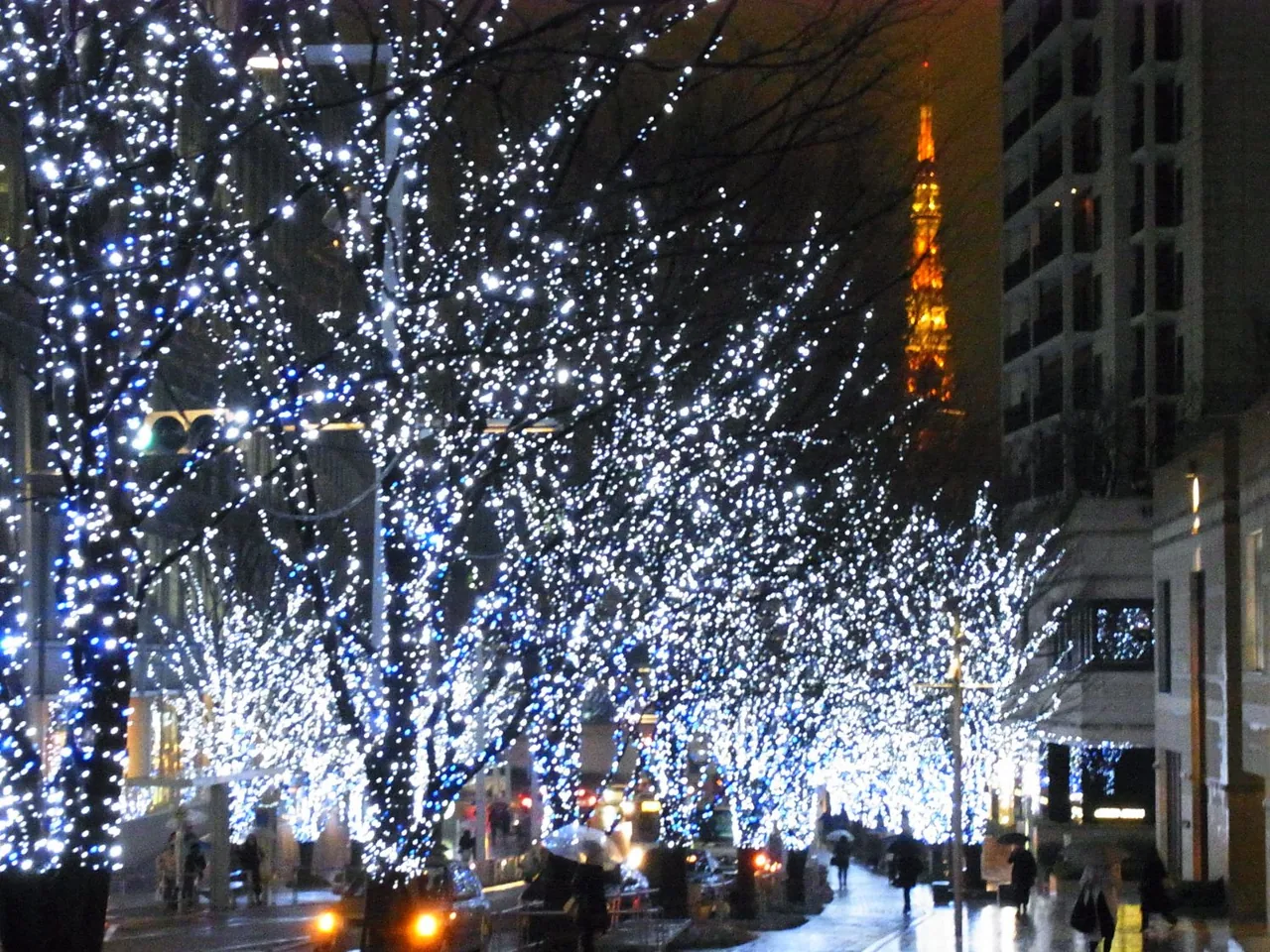 Nov 5 – Dec 25Roppongi Keyakizaka Illumination
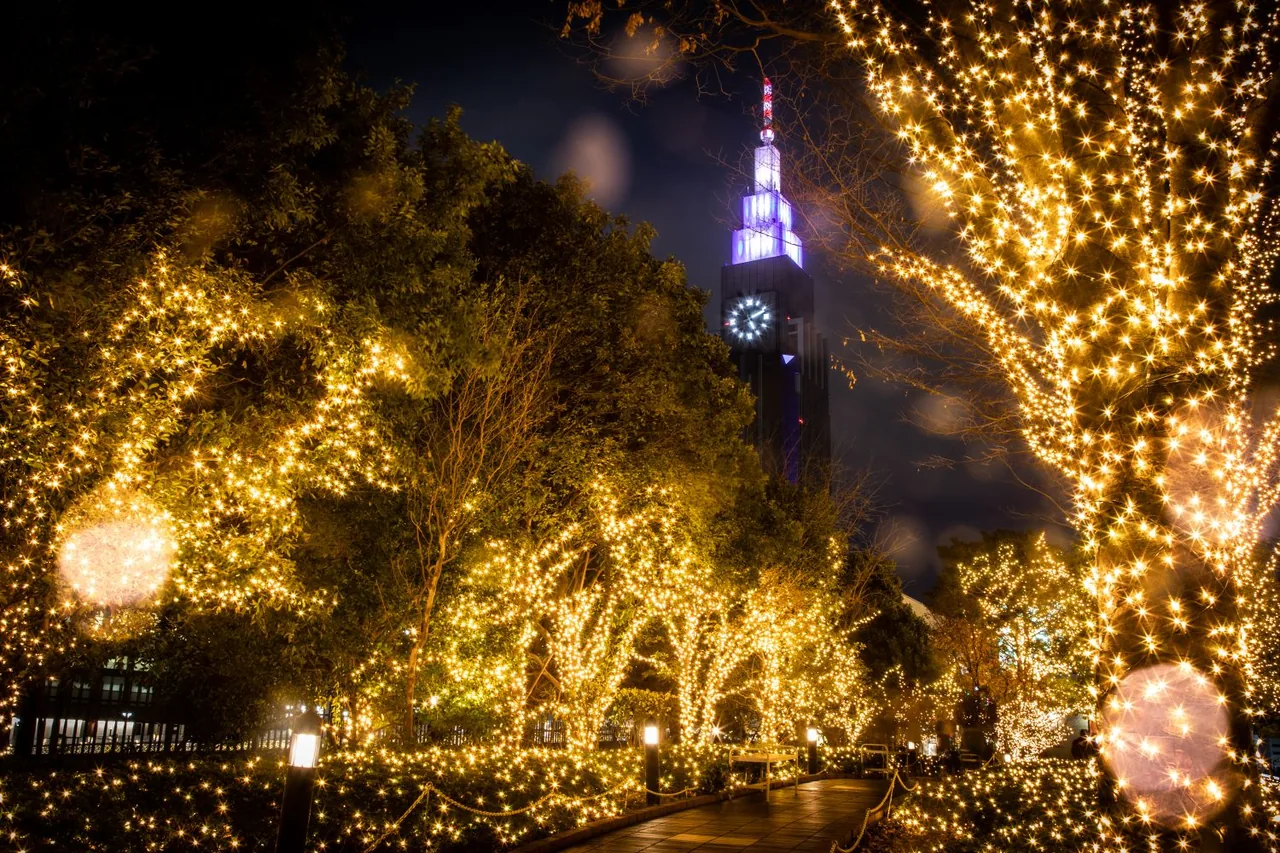 Nov 11 – Feb 14Shinjuku Minamillumi (Shinjuku Southern Terrace Illuminations)
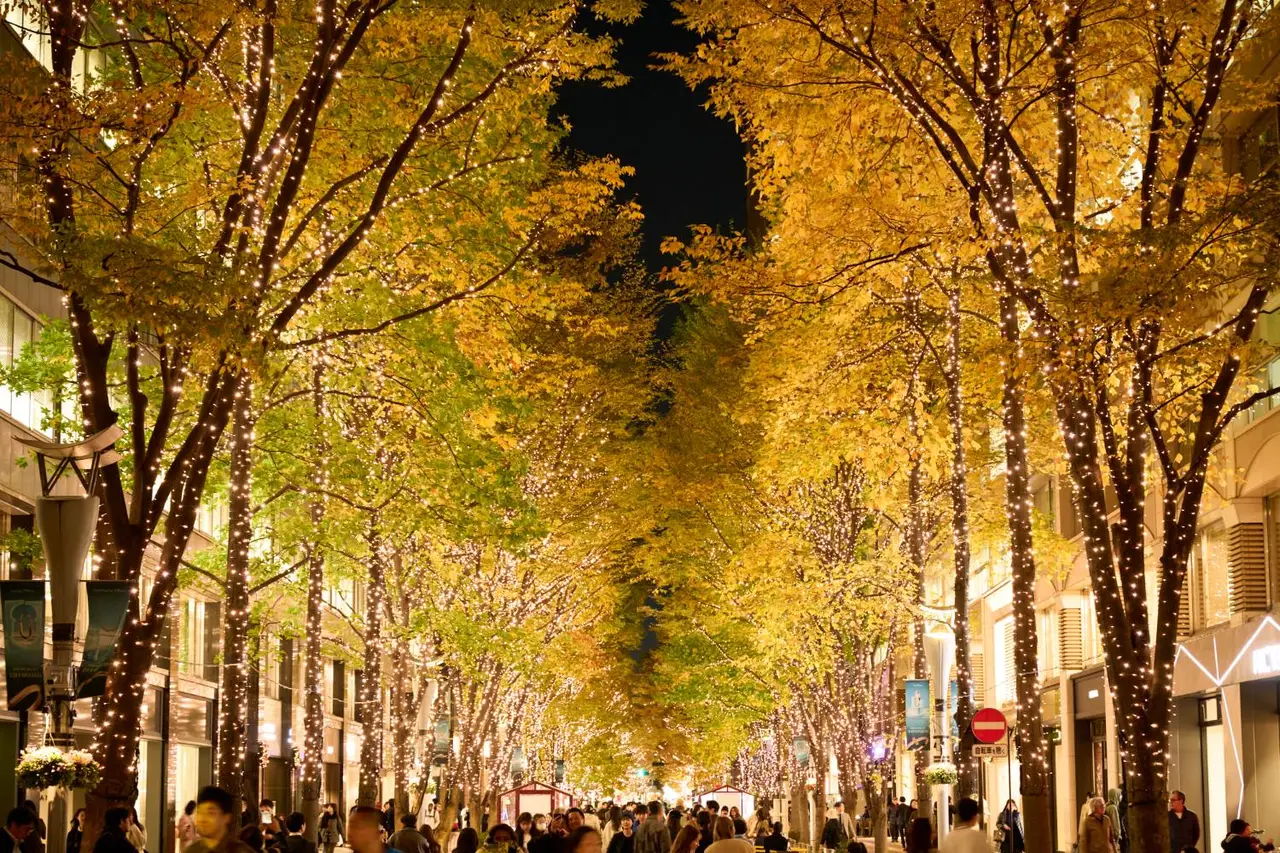
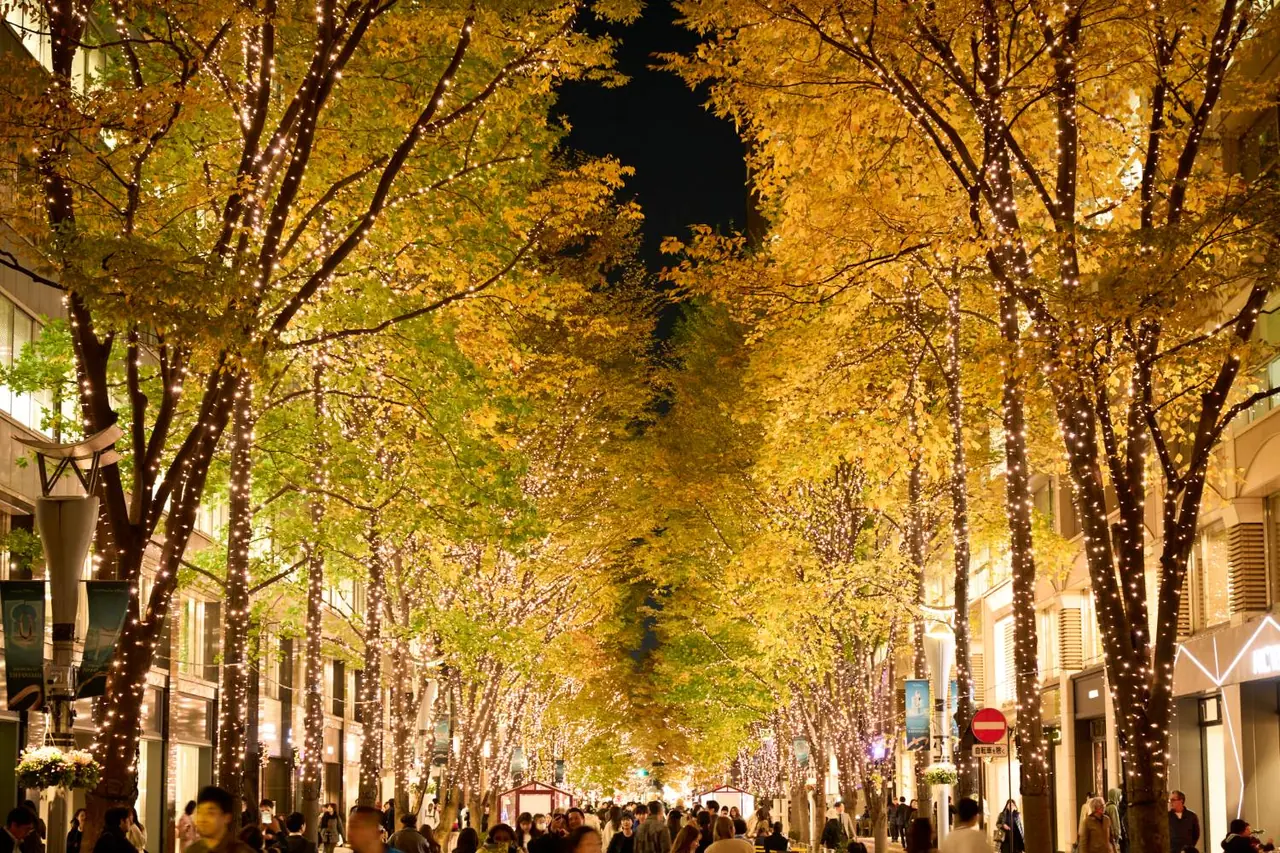 Nov 12 – Feb 14Marunouchi Illumination
Find on the map
This page is translated from the Japanese edition. Read the Japanese edition
What is the area like?
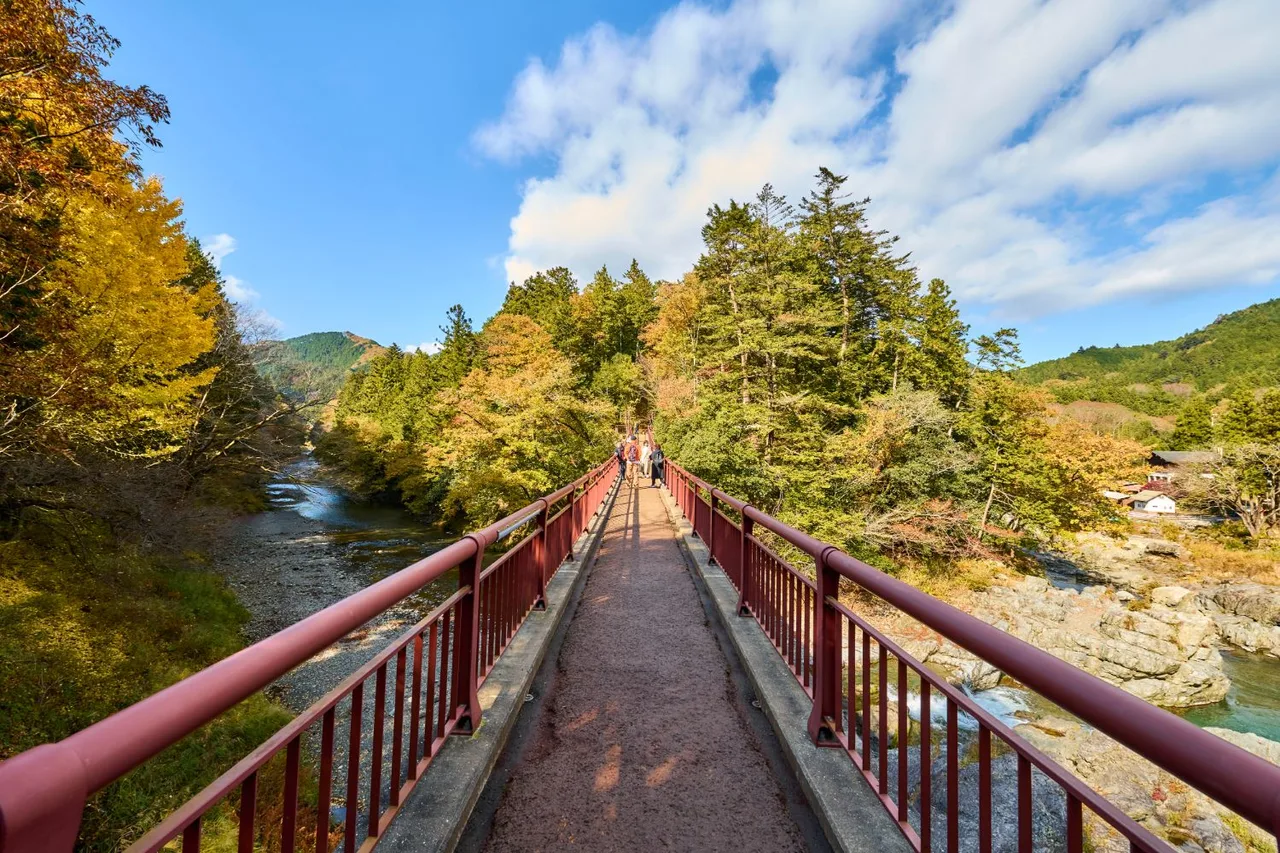
In western Akiruno City, past the town of Itsukaichi, the Akigawa River becomes a gorge winding through a mountain valley. Clear water runs over a rocky riverbed, and woods crowd both banks. The view that sums up the valley is Ishifune Bridge, a pedestrian suspension bridge.
It's about 20 minutes by bus into the hills from Musashi-Itsukaichi Station, the last stop on the JR Itsukaichi Line, so you can enjoy riverside scenery on a day trip from Shinjuku. Although it is also in western Tokyo, it is on a different line from Mitake & Sawai and Lake Okutama on the Ome Line: you change to the Itsukaichi Line at Haijima Station.
Main sights
Ishifune Bridge, Akigawa Valley
This pedestrian-only suspension bridge, about 96 meters long, spans the Akigawa in a gentle arc that blends into the valley scenery. From the bridge you can look upstream and downstream over the rocky riverbed and the woods along the banks. See Ishifune Bridge, Akigawa Valley for details.
Seoto-no-Yu hot spring
Across Ishifune Bridge is the day-use hot spring facility "Akigawa Keikoku Seoto-no-Yu." Because you can wash off after walking the valley, many people visit the bridge and the hot spring together. Check opening hours and prices on the facility's official website.
Autumn leaves in Akigawa Valley
The area around Ishifune Bridge is also known as one of the best places in Akigawa Valley for autumn leaves. They usually peak from November to early December. From the bridge, you can take in the colored trees on the banks and the flowing river together.
Food and shopping
There are few shops along the valley and few places to eat. Around Musashi-Itsukaichi Station there are restaurants and shops, so have lunch or get drinks before you board the bus.
Seoto-no-Yu has a corner selling local vegetables and food products, handy for picking up something to take home. What's on sale changes with the season.
Getting there
- Musashi-Itsukaichi Station on the JR Itsukaichi Line: take the JR Chuo Line to Tachikawa Station and the Ome Line to Haijima Station, then change to the Itsukaichi Line for the end of the line.
- To Ishifune Bridge: take a Nishi Tokyo Bus from Musashi-Itsukaichi Station, get off at "Jurigi," and walk about six minutes. Some buses don't stop at Jurigi depending on their destination, so check before boarding.
The Itsukaichi Line doesn't run often during the day, so look up your connection at Haijima Station in the JR East timetable beforehand to avoid a long wait on the platform.
If you come by car, there is nowhere to park around the bridge. Use the nearby Jurigi parking lot.
Getting around the area
The route with the least walking is to take the bus to Jurigi, cross Ishifune Bridge, relax at Seoto-no-Yu, and take the bus back from Jurigi to Musashi-Itsukaichi Station. If you enjoy walking, there is also a route from Musashi-Itsukaichi Station along the Akigawa, across Ishifune Bridge and on to Seoto-no-Yu. Return buses are infrequent, so check the times first to avoid waiting.
On weekends in the leaf season, the roads to the valley get busy and buses can run late. The mountain roads are also home to Asian black bears, so make noise with a bell on quiet paths and don't walk mountain roads after dusk.
To compare it with the other mountains and valleys of western Tokyo, see our feature "Mt. Takao and Okutama day trip." Before you go, it's also worth looking at Akiruno City's page on the Ishifune Bridge area.
Sights in Akigawa Valley
Recommended hotels in Akigawa ValleyPR
See prices and availability for hotels in Tokyo and book on our partner Trip.com.
See hotels in Tokyo on Trip.comTokyo guides
See all
More areas of Tokyo
- Asakusa
- Ueno
- Akihabara
- Tokyo Station & Marunouchi
- Ginza & Yurakucho
- Shinjuku
- Shibuya & Harajuku
- Ikebukuro
- Roppongi
- Shiba & Azabudai
- Odaiba
- Toyosu
- Kichijoji & Mitaka
- Yanaka, Nezu & Sendagi
- Komagome & Rikugien
- Gotokuji
- Ryogoku
- Nagatacho & Akasaka
- Kita-Senju
- Jingu Gaien & Aoyama
- Suidobashi & Korakuen
- Ebisu
- Shimokitazawa
- Jiyugaoka
- Futako-Tamagawa & Todoroki
- Nakano
- Ogikubo
- Akabane
- Tsukishima, Tsukuda & Harumi
- Kiyosumi-Shirakawa
- Mukojima
- Wakasu
- Kasai Rinkai Park
- Shibamata
- Mizumoto Park
- Haneda Airport
- Arakawa & Machiya
- Ikegami
- Mt. Takao
- Mitake & Sawai
- Lake Okutama
- Jindaiji
- Koganei
- Kokubunji
- Lake Tama
- Takahata Fudo
- Izu Oshima
- Toshima
- Niijima
- Shikinejima
- Kozushima
- Miyakejima
- Hachijojima
- Aogashima
- Ogasawara Islands