
Mukojima
Photo: © TCVB
Areas of Tokyo
Mukojima
Mukojima-Hyakkaen flower garden, the cherry-lined Bokutei bank of the Sumida River and a surviving geisha district, three stops from Asakusa at Higashi-Mukojima.
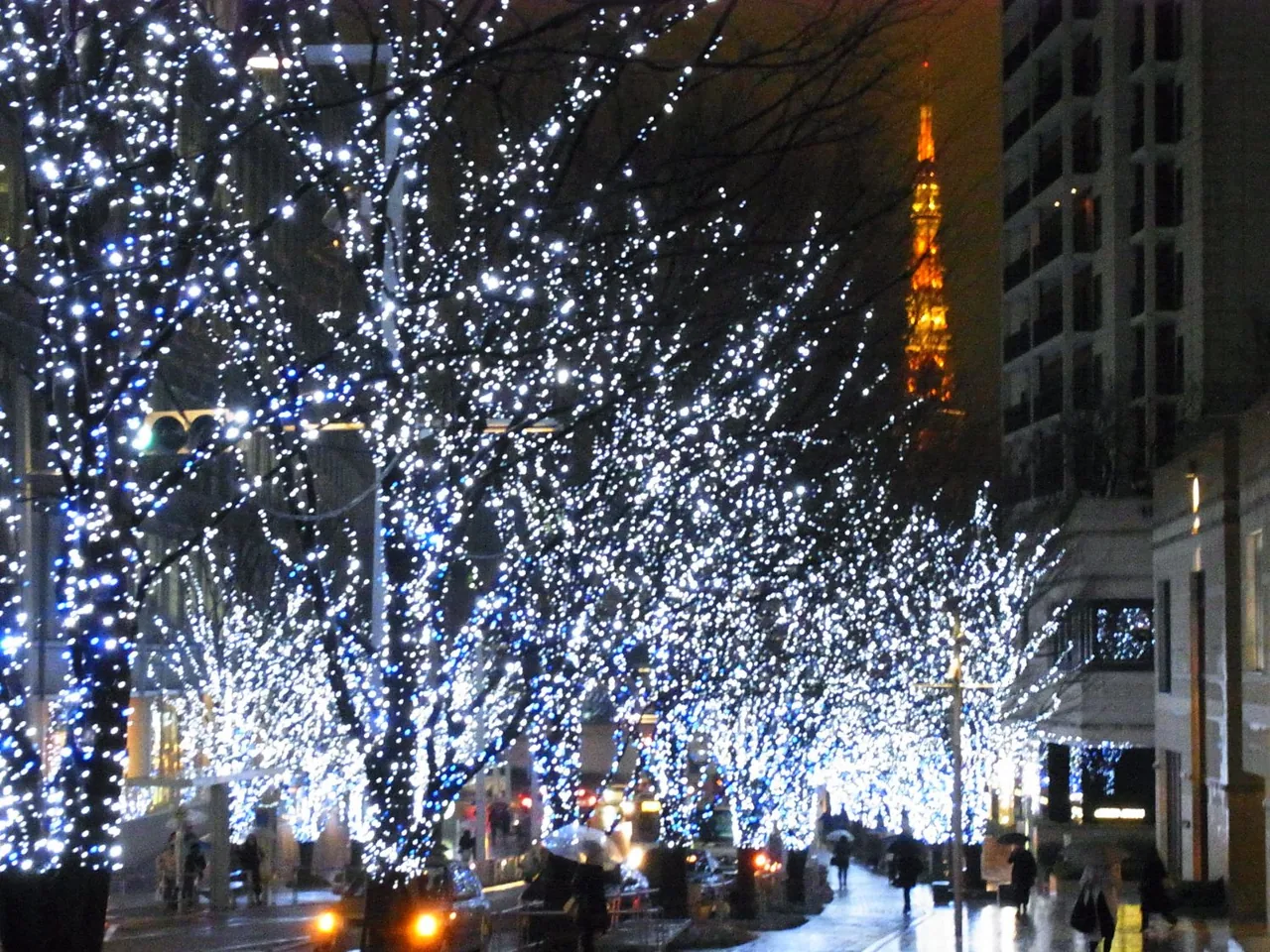 Nov 5 – Dec 25Roppongi Keyakizaka Illumination
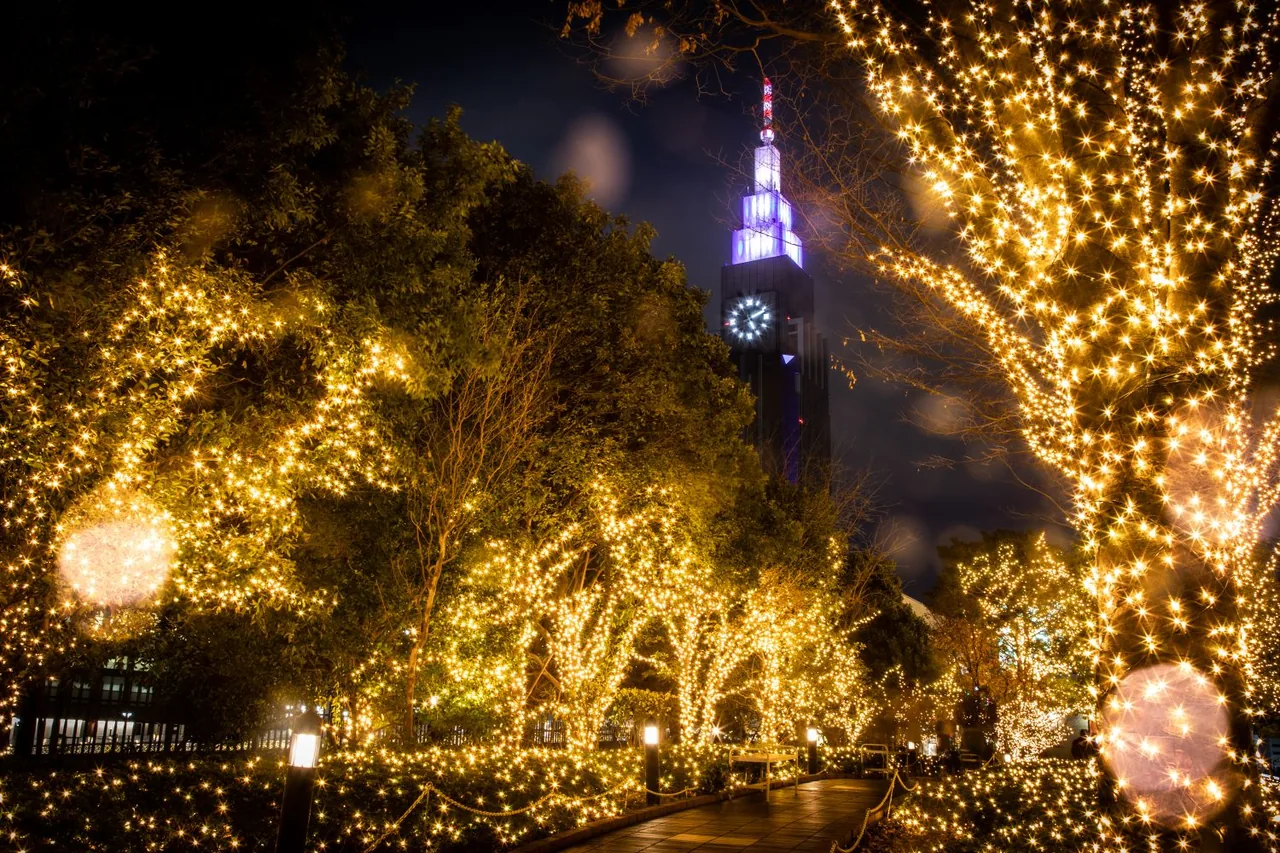 Nov 11 – Feb 14Shinjuku Minamillumi (Shinjuku Southern Terrace Illuminations)
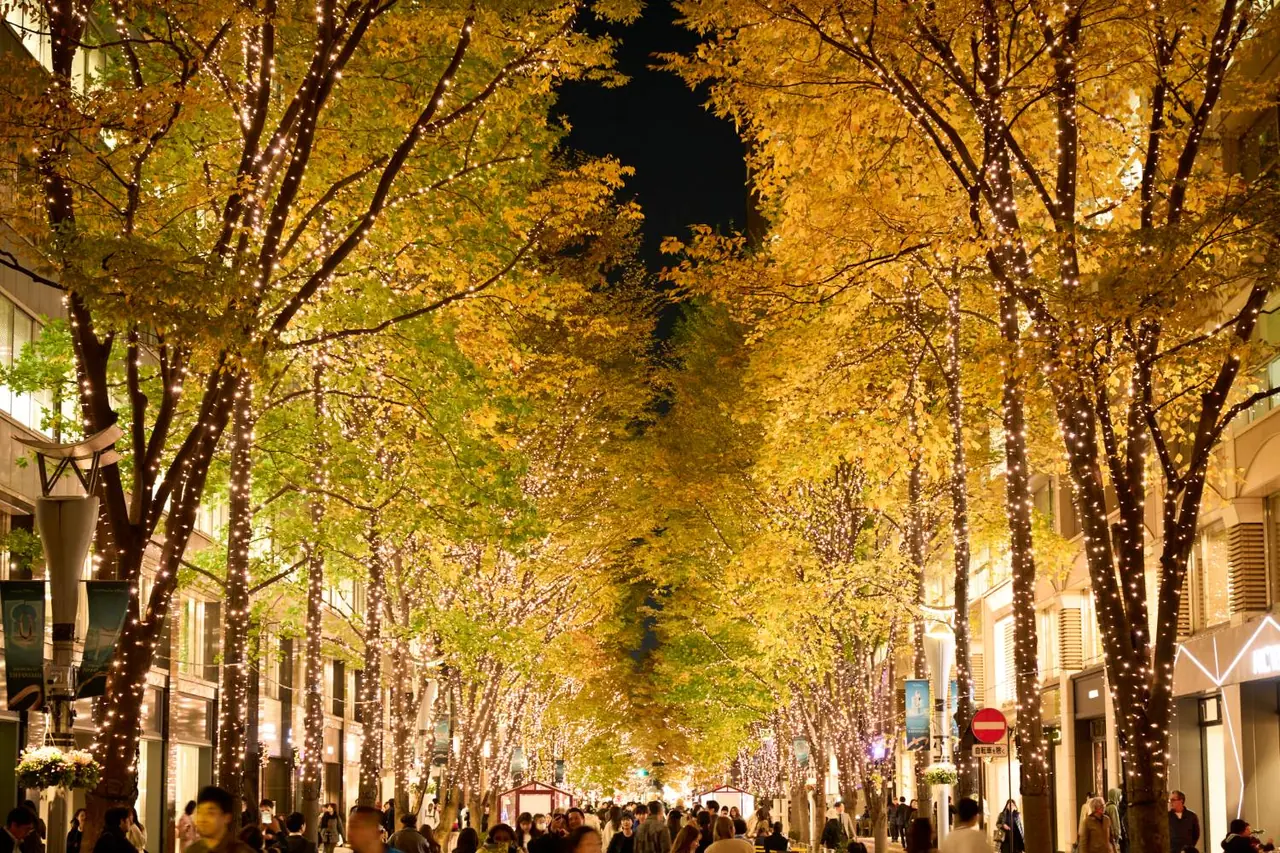 Nov 12 – Feb 14Marunouchi Illumination
Find on the map
This page is translated from the Japanese edition. Read the Japanese edition
What is the area like?
Cross the Sumida River from Asakusa and head north along narrow streets between houses and small workshops, and the gateway of a ryotei, a traditional Japanese restaurant, suddenly appears. Mukojima in Sumida City is an old downtown district along the east bank of the Sumida. In the Edo period it was a pleasure ground on the city's outskirts, where people came for the cherry trees on the riverbank known as the Bokutei and for the temples and shrines among the fields.
Ryotei and a geisha district still survive here, and cherry trees line the river. It is within walking distance of Asakusa and Tokyo Skytree, yet far fewer people pass through, so you can walk at an easy pace.
Main sights
Mukojima-Hyakkaen Garden
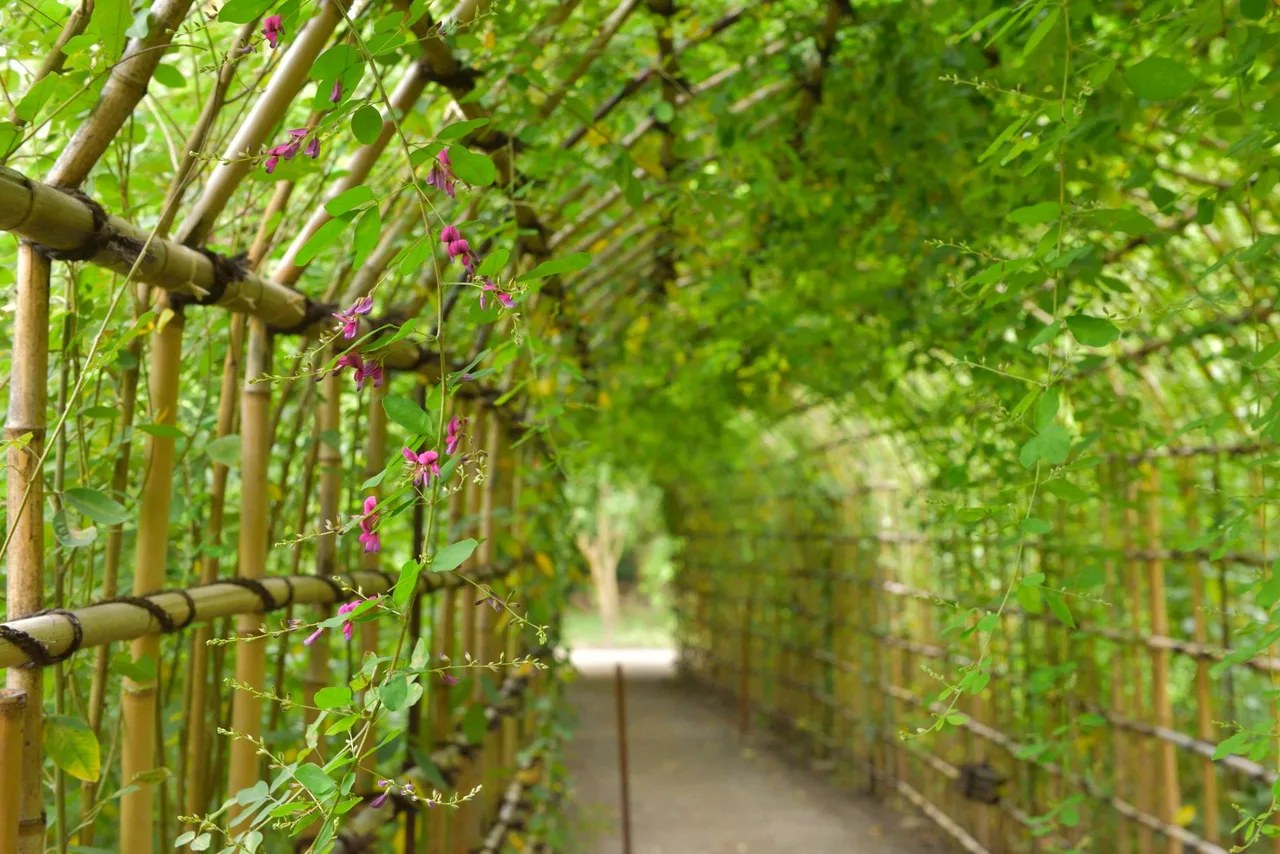
A flower garden opened in the Bunka-Bunsei era of the Edo period by Sahara Kiku'u, an antiques dealer, with the help of the writers and artists he knew. At first it centered on plum trees and was called the "New Plum Mansion"; later, plants celebrated in classical poetry were gathered here, and it became a garden with flowers in every season. There is no large pond or artificial hill as in a feudal lord's garden; instead, plants crowd both sides of narrow paths. In autumn you can see a bush clover tunnel about 30 meters long and the seven flowers of autumn. It is a National Place of Scenic Beauty and Historic Site. Check opening hours and admission on the Tokyo Metropolitan Park Association's Mukojima-Hyakkaen page. See Mukojima-Hyakkaen Garden for details.
The Bokutei bank of the Sumida River and Sumida Park
Walk west from the garden and you come out on the Bokutei, the bank along the Sumida River. Cherry trees are said to have first been planted here on the orders of the shogun in the Edo period, and cherry trees still line the river, drawing crowds of blossom viewers in spring. Part of Sumida Park on the Sumida City side of the river was once the secondary residence of the Mito domain's lords, and nearby is Ushijima Shrine, which has a long history. Across the river you can see the streets of Asakusa, and a little farther off, Tokyo Skytree.
Mukojima's geisha district
This stretch of the Sumida's east bank still has a kenban, the office that coordinates the geisha houses and ryotei, and it is one of Tokyo's surviving geisha districts. The ryotei are not places a tourist can just walk into, but even looking at the streets from outside, you can sense a calmer air than in other parts of old downtown Tokyo. If you see geisha on their way to an engagement, do not stop them or take photos without permission.
Food and shopping
Along the riverbank are Japanese sweet shops said to date from the Edo period, selling sakura mochi wrapped in cherry leaves, dango and more. In cherry blossom season there can be lines, and the sweets do not keep, so buy them to eat the same day.
Around Higashi-Mukojima and Hikifune Stations are old-style shopping streets and places to eat. For a wider choice of restaurants, head to Asakusa or Oshiage.
Getting there
- Higashi-Mukojima Station (Tobu Skytree Line): about an eight-minute walk to Mukojima-Hyakkaen. Three stops from Asakusa Station.
- Keisei-Hikifune Station (Keisei Oshiage Line): about a 13-minute walk to Mukojima-Hyakkaen.
- From Asakusa Station, you can walk to the Bokutei and Sumida Park across the Kototoi Bridge or Sakura Bridge.
Getting around the area
Get off at Higashi-Mukojima, wander the paths of Mukojima-Hyakkaen, then walk west to the Bokutei and follow the Sumida River south. Pass Ushijima Shrine and you reach Sumida Park, from where Asakusa is just across a bridge and Tokyo Skytree is within walking distance. In spring, give most of your time to the cherry trees on the Bokutei; in autumn, to the bush clover at Mukojima-Hyakkaen.
To pair the walk with Asakusa across the river, see the Asakusa area guide; if you are heading to the Skytree, see the feature article "Tokyo Skytree Guide."
Sights in Mukojima
Recommended hotels in MukojimaPR
See prices and availability for hotels in Tokyo and book on our partner Trip.com.
See hotels in Tokyo on Trip.comTokyo guides
See all
More areas of Tokyo
- Asakusa
- Ueno
- Akihabara
- Tokyo Station & Marunouchi
- Ginza & Yurakucho
- Shinjuku
- Shibuya & Harajuku
- Ikebukuro
- Roppongi
- Shiba & Azabudai
- Odaiba
- Toyosu
- Kichijoji & Mitaka
- Yanaka, Nezu & Sendagi
- Komagome & Rikugien
- Gotokuji
- Ryogoku
- Nagatacho & Akasaka
- Kita-Senju
- Jingu Gaien & Aoyama
- Suidobashi & Korakuen
- Ebisu
- Shimokitazawa
- Jiyugaoka
- Futako-Tamagawa & Todoroki
- Nakano
- Ogikubo
- Akabane
- Tsukishima, Tsukuda & Harumi
- Kiyosumi-Shirakawa
- Wakasu
- Kasai Rinkai Park
- Shibamata
- Mizumoto Park
- Haneda Airport
- Arakawa & Machiya
- Ikegami
- Mt. Takao
- Mitake & Sawai
- Lake Okutama
- Akigawa Valley
- Jindaiji
- Koganei
- Kokubunji
- Lake Tama
- Takahata Fudo
- Izu Oshima
- Toshima
- Niijima
- Shikinejima
- Kozushima
- Miyakejima
- Hachijojima
- Aogashima
- Ogasawara Islands