Shibuya, Harajuku and Shinjuku in a Day
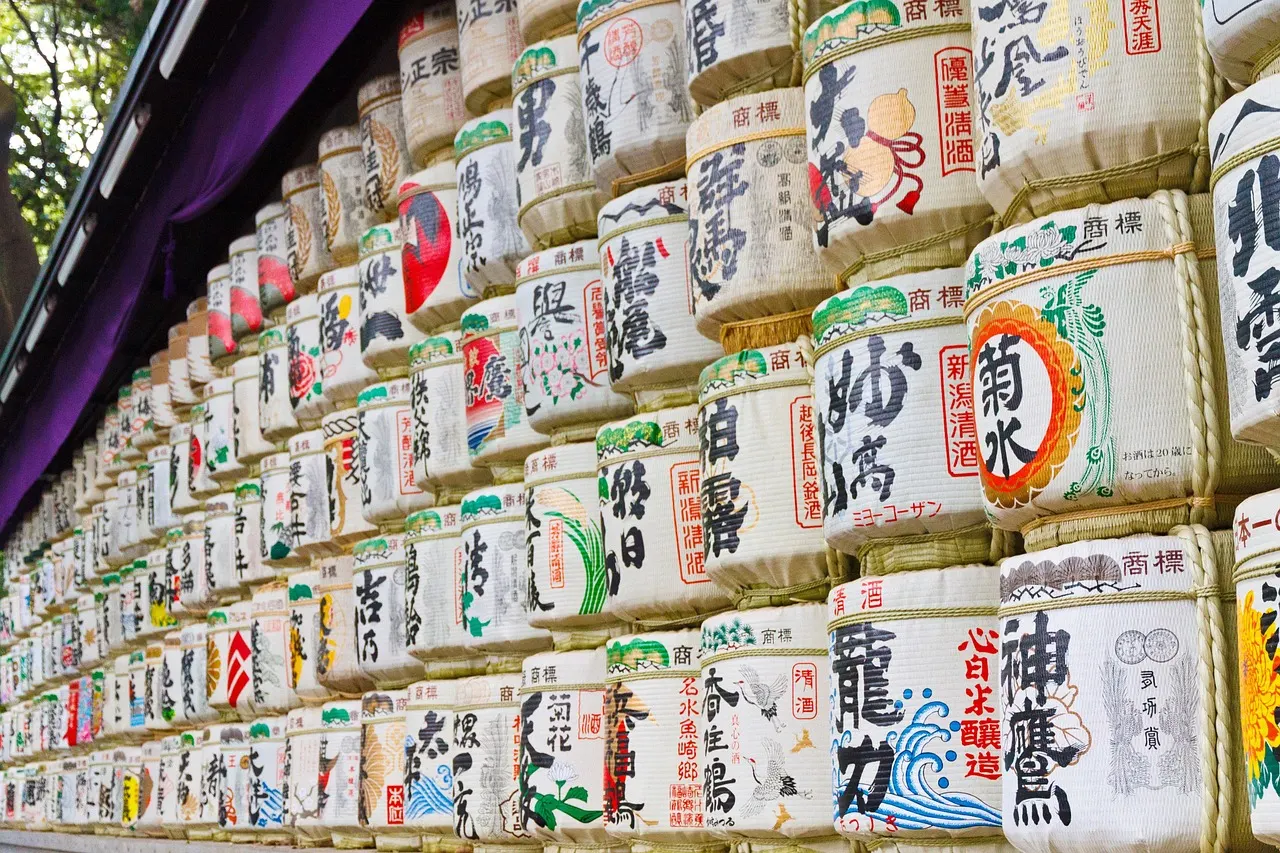
- Meiji Jingu
- Takeshita Street
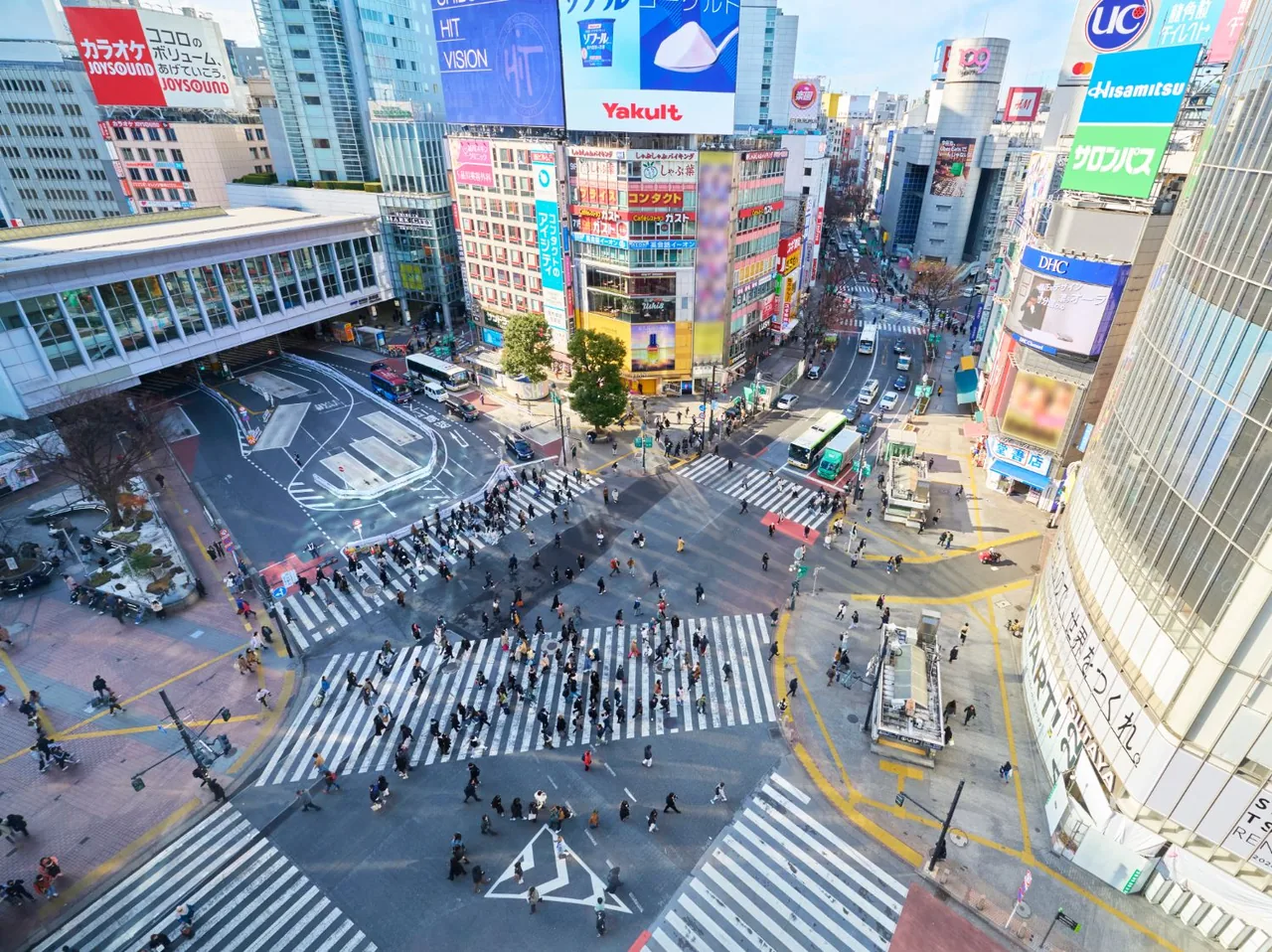
- Shibuya Scramble Crossing
- Lunch (around Shibuya Station)
- Tokyo Metropolitan Government Building Observatories
- Omoide Yokocho

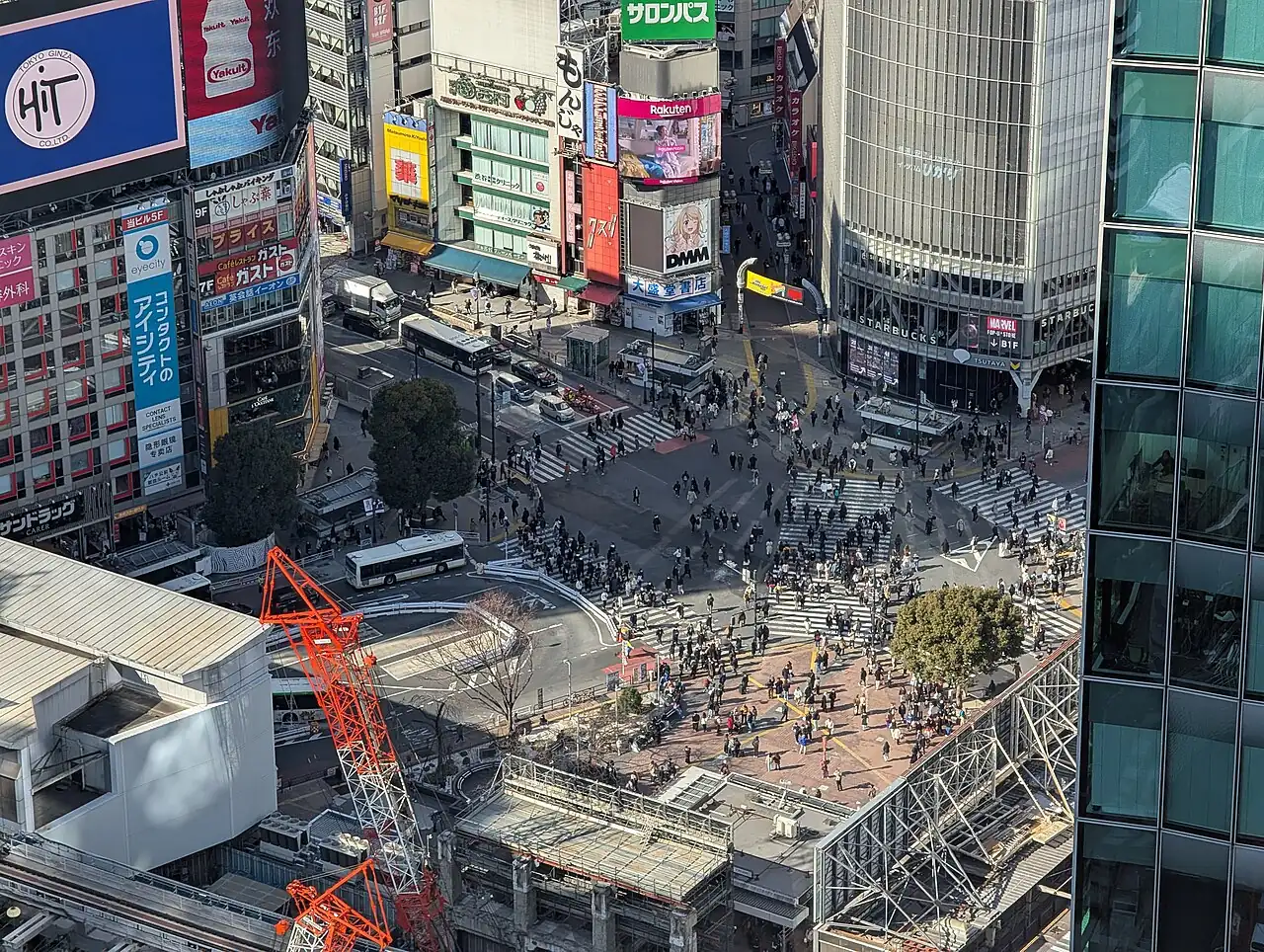
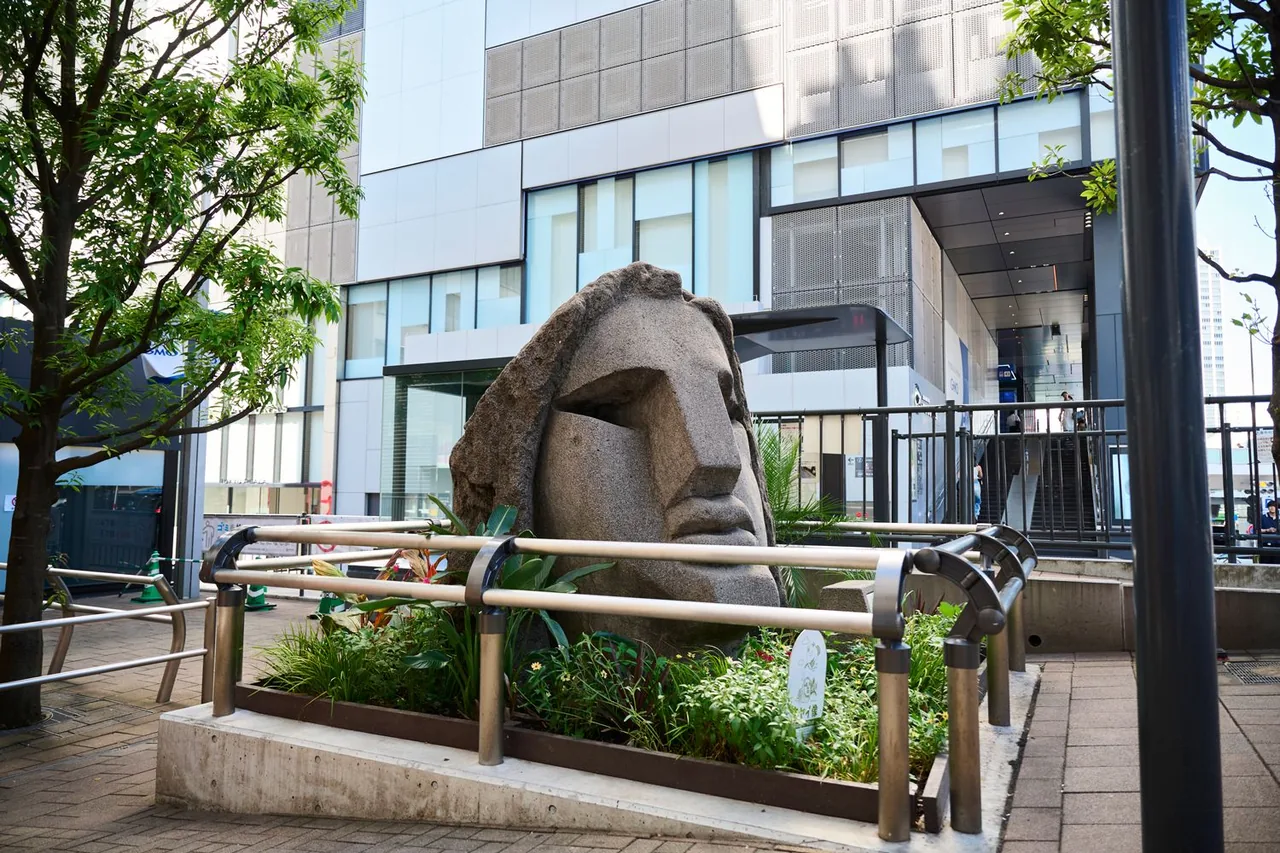
Photo: Syced / Wikimedia Commons(CC0)
Areas of Tokyo
Shibuya Crossing and Hachiko, SHIBUYA SKY, Meiji Jingu, Takeshita Street, Omotesando and Yoyogi Park. What to see in Shibuya and Harajuku, lines and a walking route.
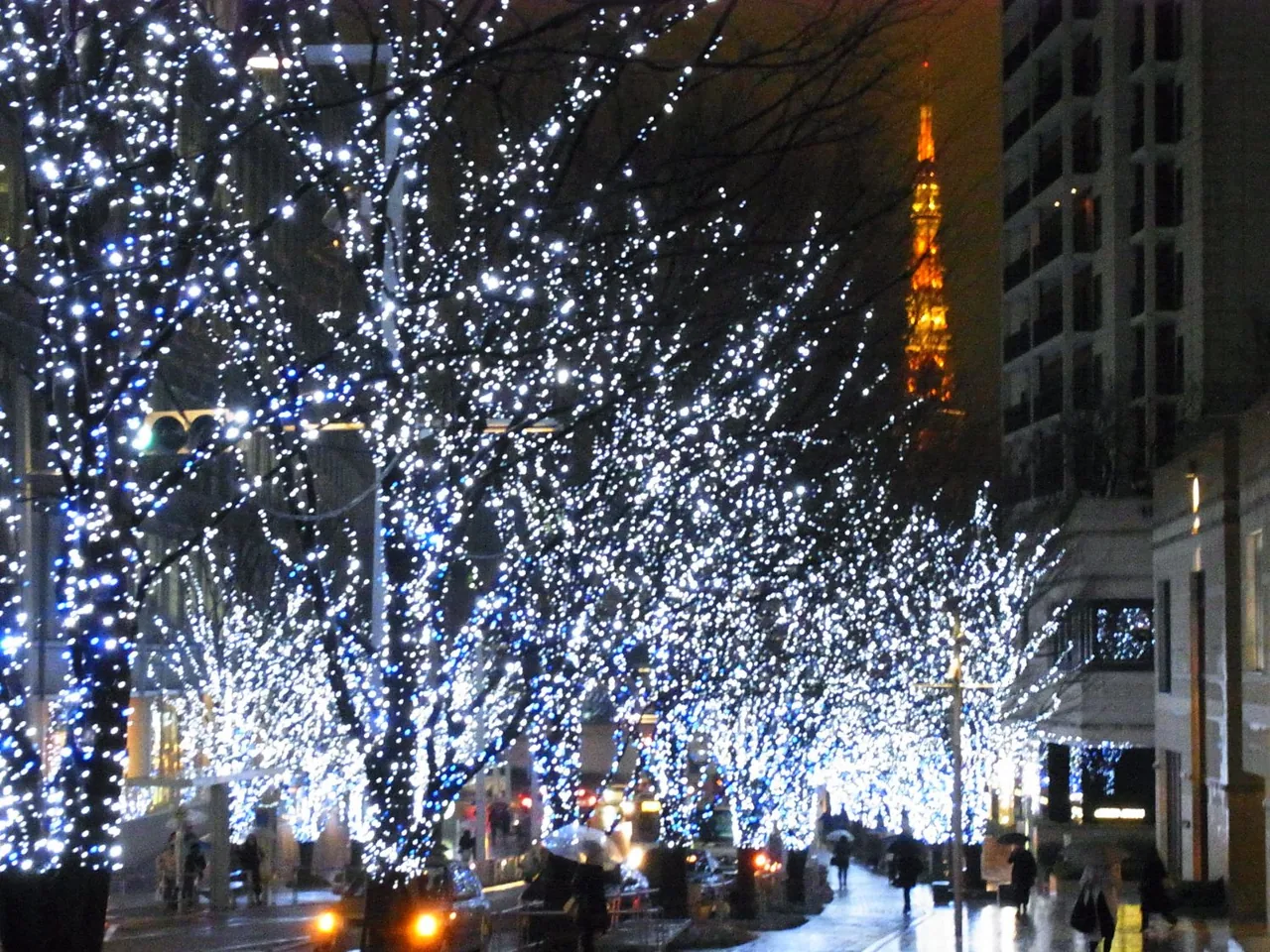 Nov 5 – Dec 25Roppongi Keyakizaka Illumination
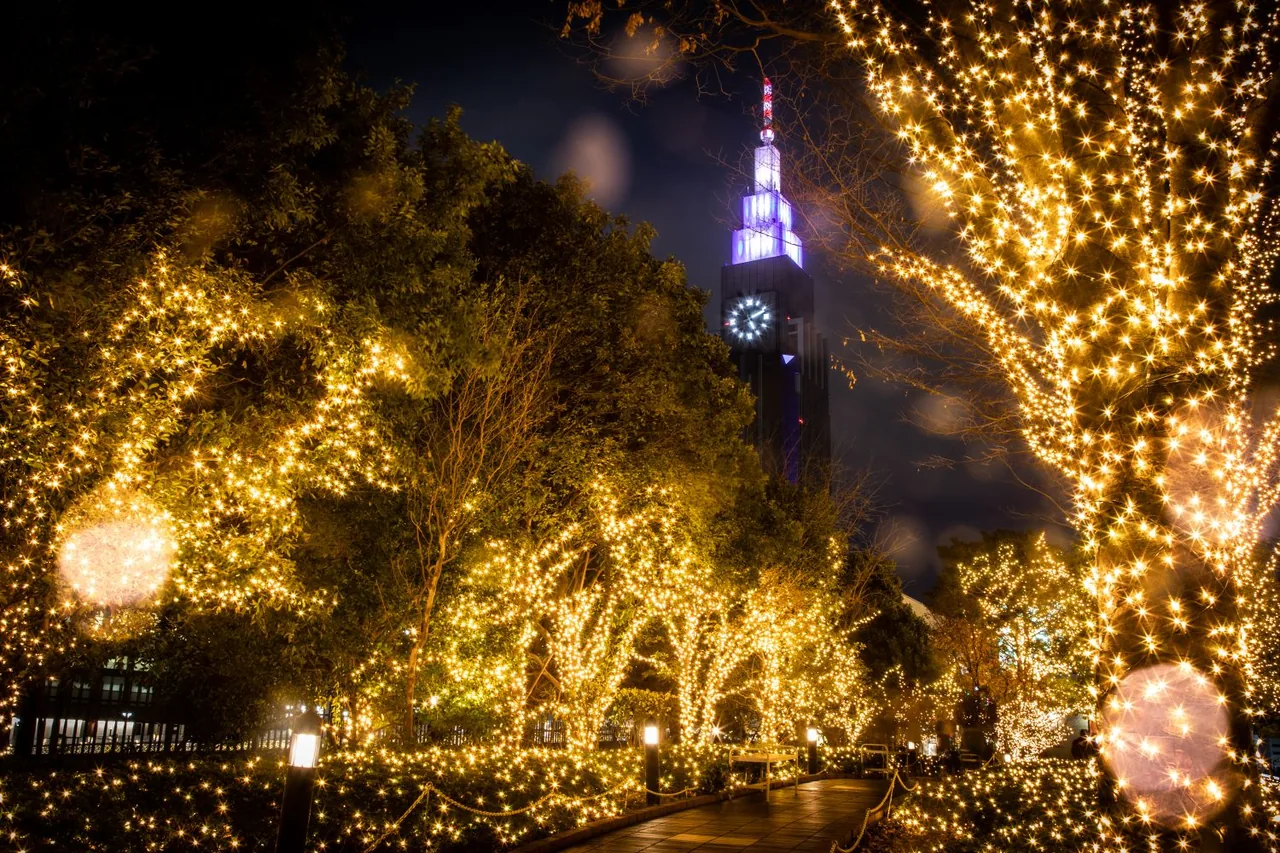 Nov 11 – Feb 14Shinjuku Minamillumi (Shinjuku Southern Terrace Illuminations)
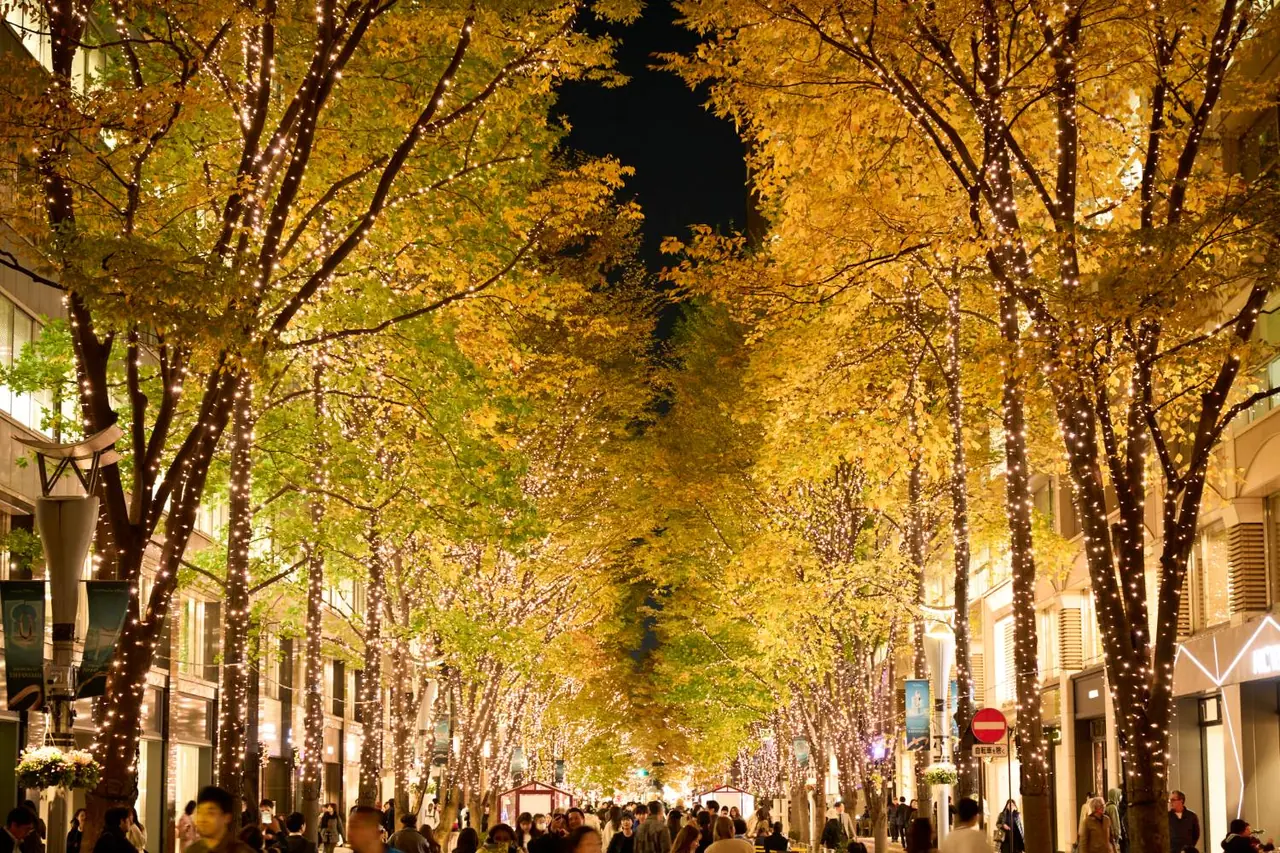 Nov 12 – Feb 14Marunouchi Illumination
This page is translated from the Japanese edition. Read the Japanese edition
The moment the lights turn green, people start crossing Shibuya's Scramble Crossing from every direction at once. Shibuya is a busy district of youth fashion, music and places to eat, and if you walk north to Harajuku, the deep forest of Meiji Jingu spreads out right next to the bustle of Takeshita Street. It's an area where you can enjoy both trendy shops and the calm of a shrine in the same half day.
Allow two to three hours for Shibuya alone, or half a day to a full day if you walk on to Harajuku and Omotesando and visit Meiji Jingu.
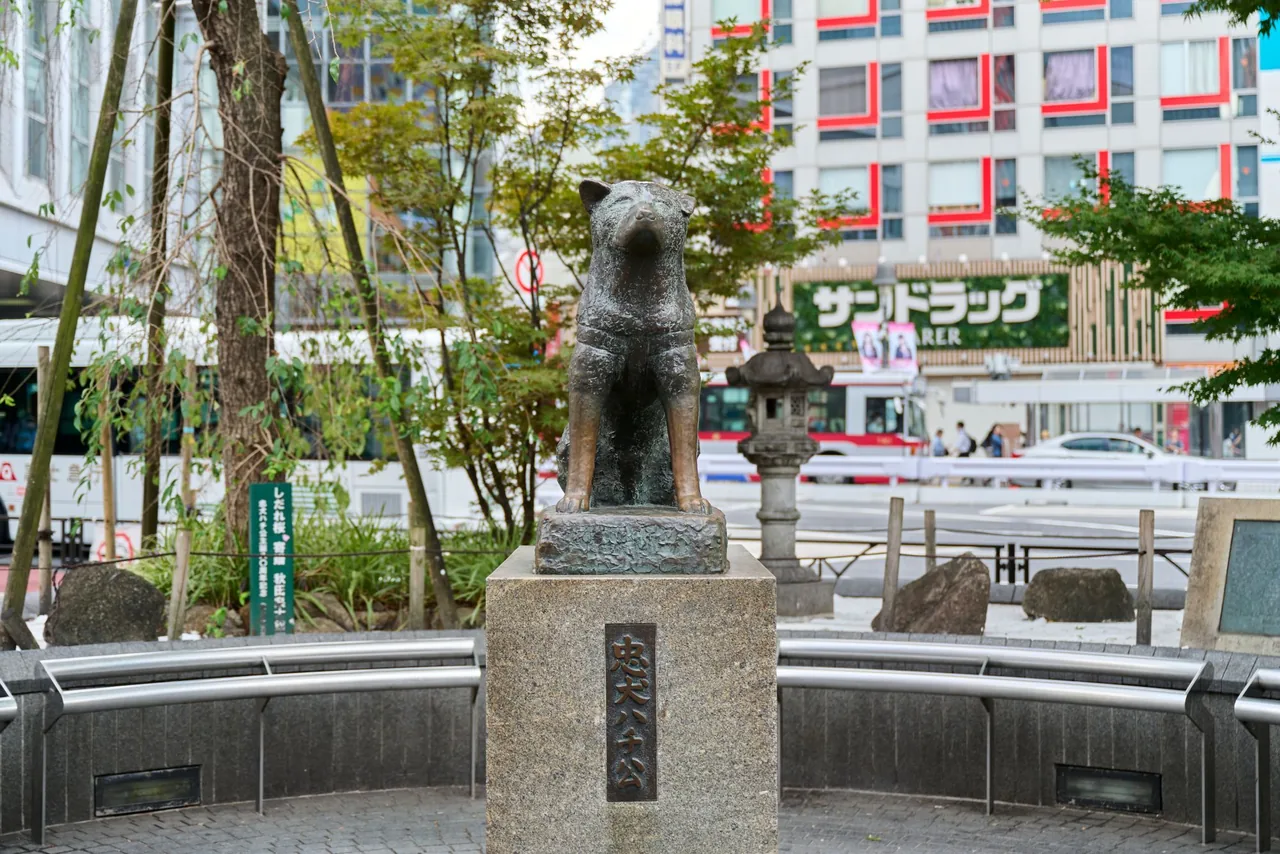
The crossing lies just outside the Hachiko Exit of Shibuya Station, and the sight of crowds surging across all at once is the image of Shibuya. In the square in front of the station is a statue of Hachiko, the dog who kept waiting at the station for his owner to return after the owner had died. It's also a well-known meeting spot.
An observation facility at the top of Shibuya Scramble Square, the tower above Shibuya Station; from its rooftop 229 meters above ground you can look out over Tokyo. Admission varies by time slot, so check the SHIBUYA SKY official website.
A shrine you can enter through the Harajuku entrance, about a one-minute walk from JR Harajuku Station and Meiji-jingumae (Harajuku) Station on the Tokyo Metro. From the entrance to the main shrine is about a 10-minute walk through the forest. The gates open at sunrise and close around sunset, so the times change month by month (Meiji Jingu).
Starting right in front of the Takeshita Exit of JR Harajuku Station, this street is lined with shops selling affordable clothes, accessories and sweets such as crepes (Takeshita Street official website).
A large metropolitan park next to Meiji Jingu, about a three-minute walk from both JR Harajuku Station and Meiji-jingumae (Harajuku) Station. It's a good place to rest on the grass after visiting the shrine (Yoyogi Park).
Around Shibuya Station, high-rise shopping complexes from recent redevelopment stand alongside long-standing streets such as Center Gai, and you can find everything from fashion to accessories and anime goods. In Harajuku, Takeshita Street focuses on affordable clothes and accessories for a younger crowd, while Omotesando is a more grown-up avenue of international brands and architecturally striking stores; walk just a little and the shoppers change completely.
Cat Street, which crosses Omotesando, is lined with vintage clothing, sneaker shops and select shops.
Shibuya Station is served by the JR Yamanote Line and other JR lines, the Tokyo Metro Ginza, Hanzomon and Fukutoshin lines, the Tokyu Toyoko and Den-en-toshi lines, and the Keio Inokashira Line.
In the morning, while it's still quiet, visit Meiji Jingu through the Harajuku entrance, then head to Takeshita Street before lunch. From there, walk down Omotesando and south along Cat Street, and you'll come straight into Shibuya. Finish by watching the sunset from SHIBUYA SKY, and you can build the whole day almost entirely on foot.
Takeshita Street is especially crowded on weekends, so weekdays or mornings are better for browsing at your own pace. To photograph the Scramble Crossing, the upper floors of the buildings around it let you watch the flow of people from above. To keep going, good options are Shinjuku, north on the JR Yamanote Line, or Roppongi, with its many art museums.

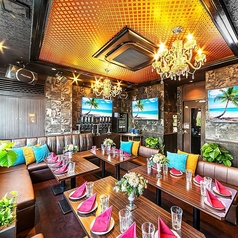



Restaurant information: Powered by ホットペッパー グルメ Webサービス
See prices and availability for hotels in Tokyo and book on our partner Trip.com.
See hotels in Tokyo on Trip.com