
Ikegami
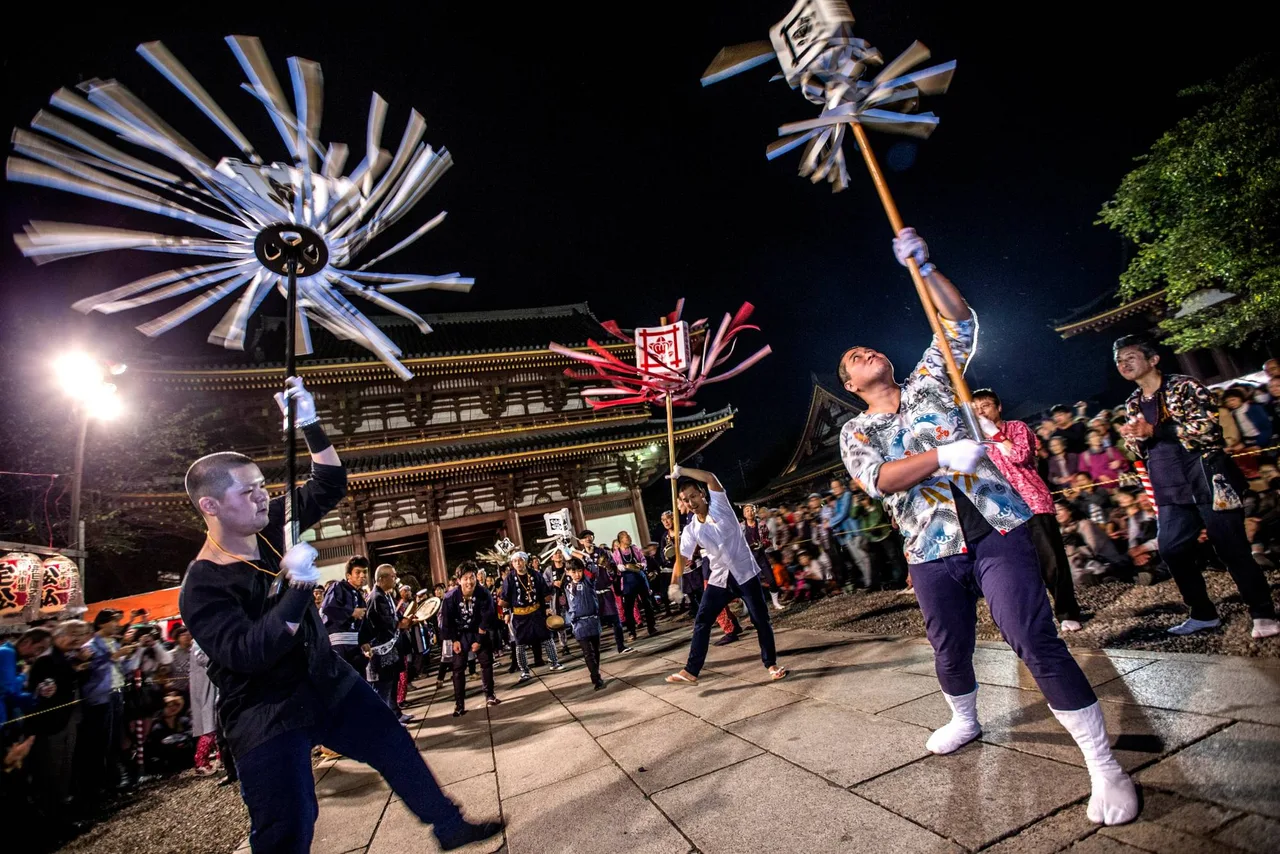
Photo: © TCVB
Areas of Tokyo
Ikegami
Ikegami Honmonji, where Nichiren died, with its 96 stone steps and old five-story pagoda: the walk from Ikegami Station, the October Oeshiki and the plum garden.
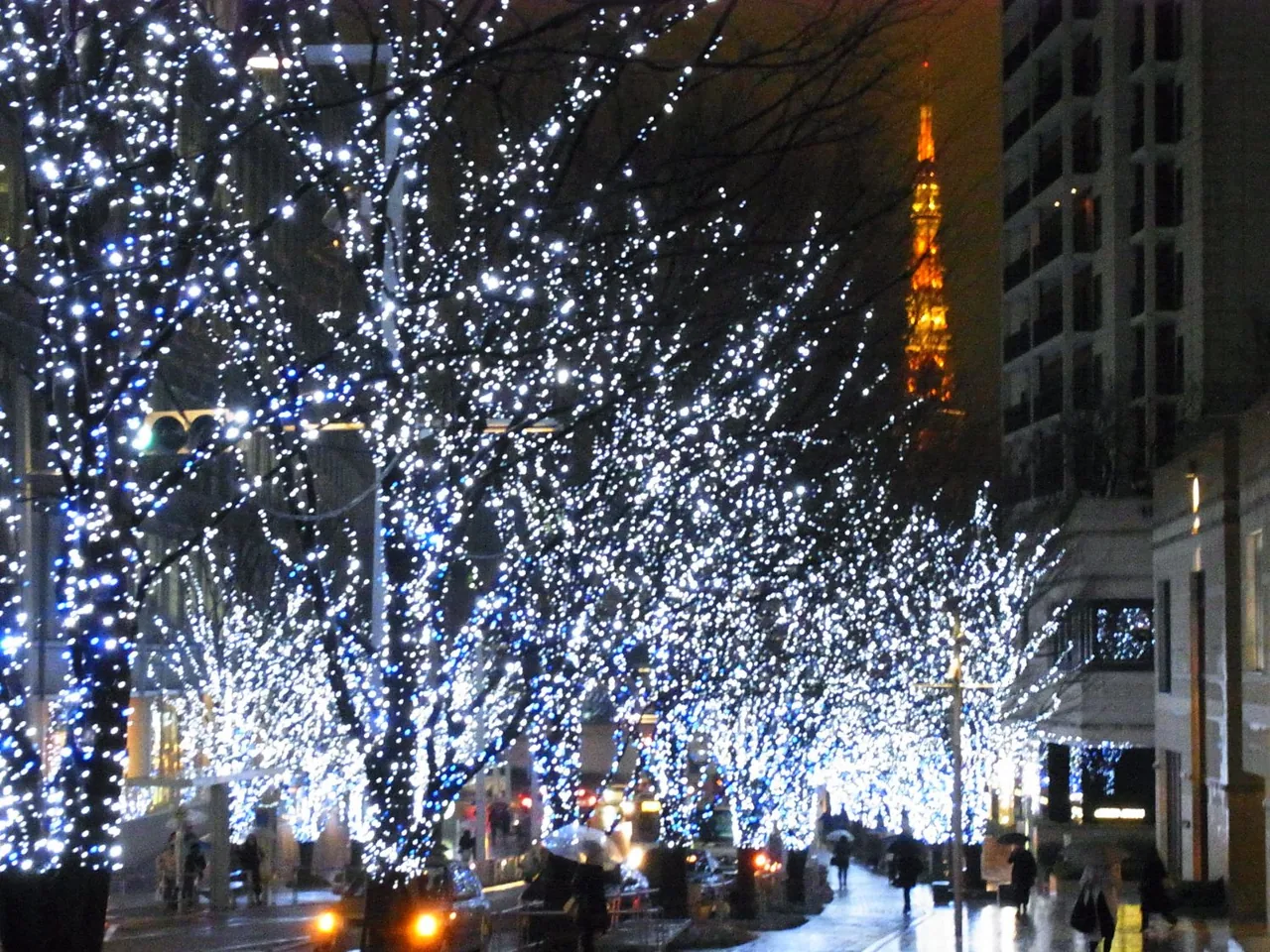 Nov 5 – Dec 25Roppongi Keyakizaka Illumination
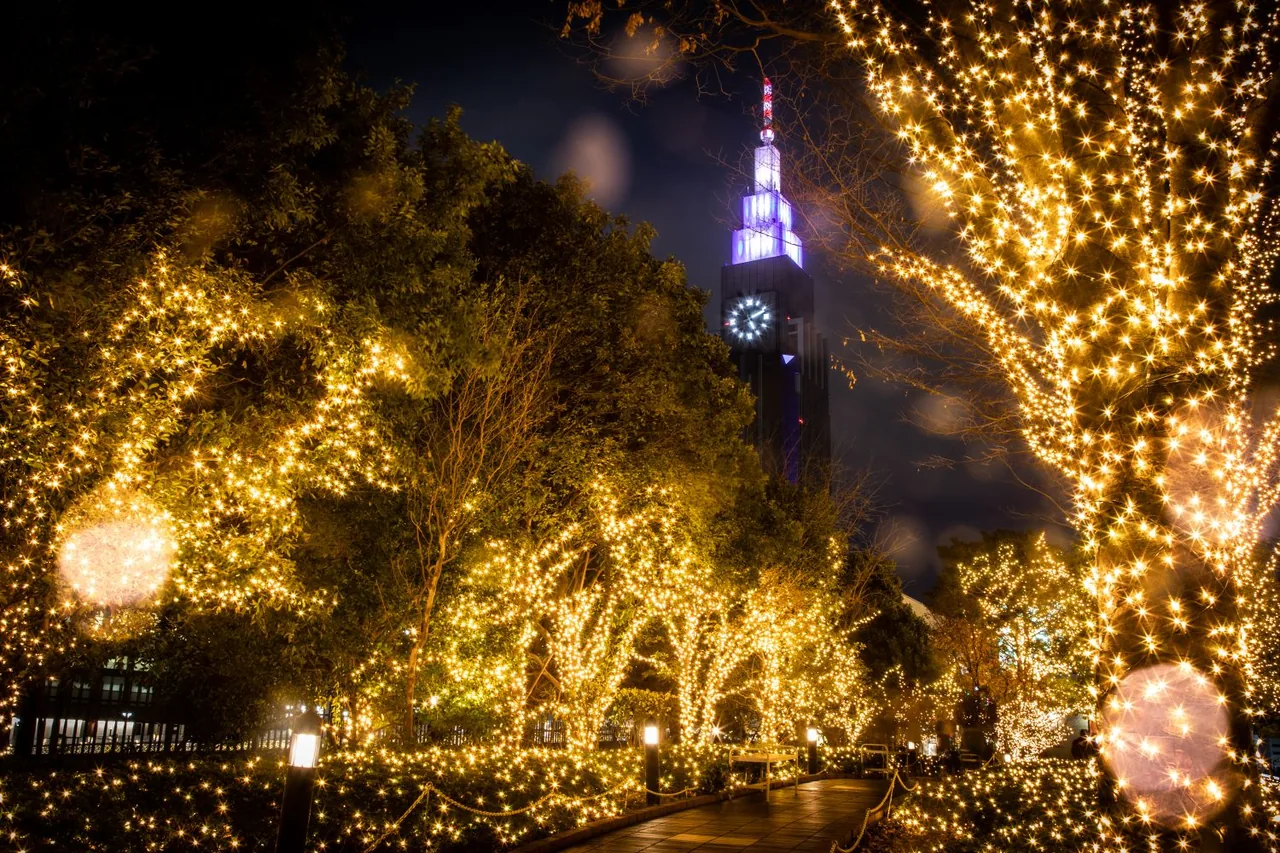 Nov 11 – Feb 14Shinjuku Minamillumi (Shinjuku Southern Terrace Illuminations)
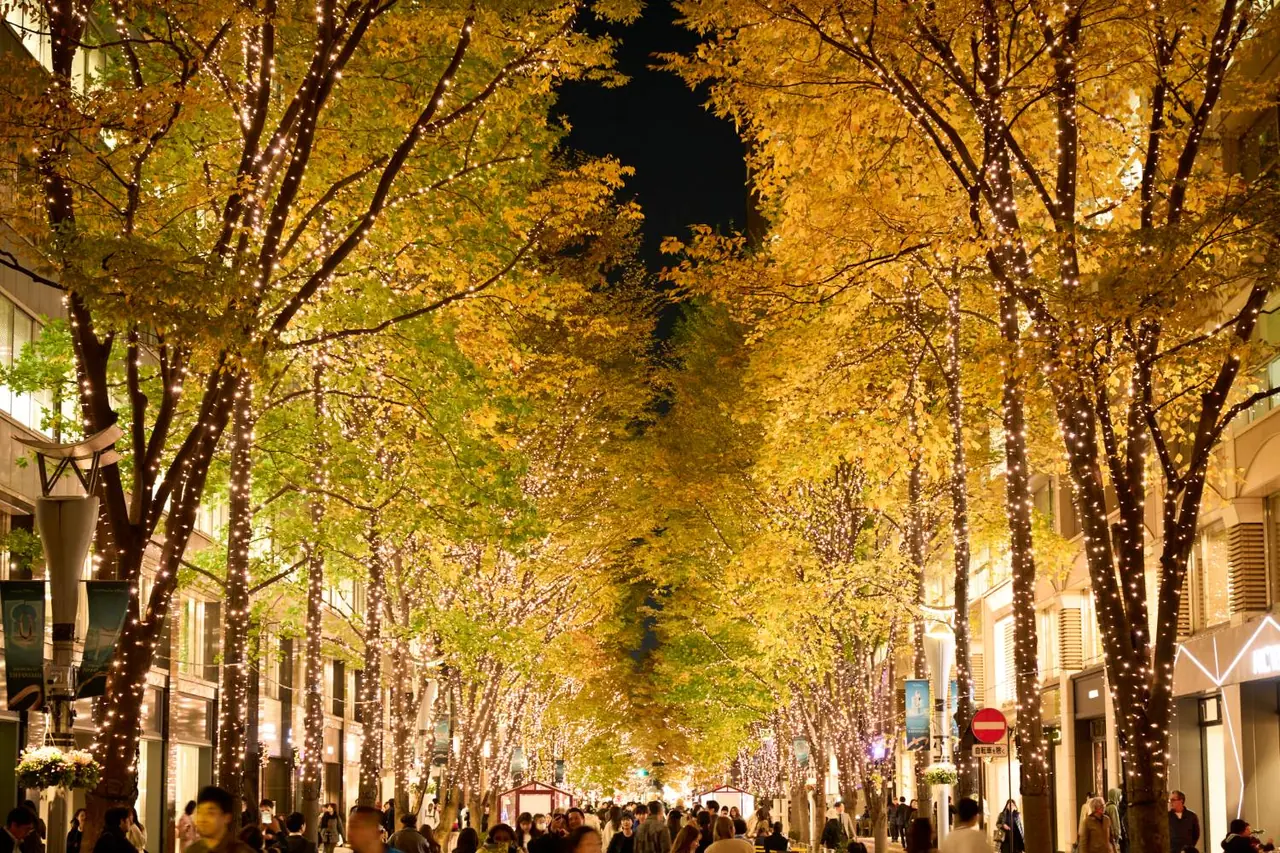 Nov 12 – Feb 14Marunouchi Illumination
Find on the map
This page is translated from the Japanese edition. Read the Japanese edition
What is the area like?
Leave Ikegami Station on the Tokyu Ikegami Line and head north, and beyond a street that feels very much like a temple approach, a tree-covered hill comes into view. Ikegami is a temple town in a residential part of Ota City, centered on Ikegami Honmonji, a head temple of the Nichiren school of Buddhism. The monk Nichiren died here in 1282; the temple grew after his death, and the town grew with it, as a temple town welcoming pilgrims.
Shops selling kuzumochi still line the approach, and up on the hill the temple grounds open into a forest and halls on a scale that is hard to believe so close to central Tokyo. Except on festival days the crowds are light, and it is a quiet place to walk.
Main sights
Ikegami Honmonji Temple
Pass through the main gate and a steep stone stairway, the Shikyonanjizaka, rises in front of you. Its 96 steps are said to match the number of characters in a verse of the Lotus Sutra, and the stairway is traditionally attributed to a donation by the warlord Kato Kiyomasa. At the top, the Great Hall and Main Hall stand in the grounds, and in one corner rises a five-story pagoda built in 1608. It is said to be the oldest surviving five-story pagoda in the Kanto region and is a National Important Cultural Property. If you would rather avoid the steps, you can take the elevator in Ikegami Kaikan, an Ota City facility near the main gate, and enter the grounds from there. Check visiting information and events on the Ikegami Honmonji official website.
Oeshiki (October)
A memorial service held every year from October 11 to 13, timed to the anniversary of Nichiren's death on October 13. On the night of the 12th, groups carrying mando, towering lanterns decorated with paper cherry blossoms, parade from the town to Honmonji to the beat of fan drums and the sound of flutes. Roads around the temple are closed to traffic and it gets extremely crowded, so come by train. See Oeshiki (Ikegami Honmonji) for details.
Ikegami Baien Plum Garden
An Ota City plum garden on the slope west of Honmonji, toward Magome. Red and white plum blossoms usually bloom from around February to March. Check opening hours, closing days and admission on the Ota City page for Ikegami Baien.
Food and shopping
Ikegami's specialty is kuzumochi, sold by shops along the temple approach. This is Tokyo-style kuzumochi, made from fermented and steamed wheat starch and eaten with kinako (roasted soybean flour) and kuromitsu (brown sugar syrup). Some shops have seating and others are takeout only. It does not keep long, so if you want it as a souvenir, check the best-before date at the shop and buy it just before you head home.
Restaurants and shops gather around Ikegami Station, so finding a meal before or after your visit is easy.
Getting there
- Ikegami Station (Tokyu Ikegami Line): about a ten-minute walk to Honmonji. Follow the approach straight north from the station to reach the main gate.
- Nishi-magome Station (Toei Asakusa Line): about a twelve-minute walk to Honmonji, and closer to Ikegami Baien.
The Ikegami Line runs between Gotanda and Kamata; Ikegami Station is about four minutes from Kamata.
Getting around the area
Get off at Ikegami Station, walk up the approach, climb the Shikyonanjizaka steps to see the temple grounds and pagoda, then walk west to Ikegami Baien. Outside plum season, go back down the approach from the temple, stop for kuzumochi and take the Ikegami Line home, and you can see it all in about half a day. If you leave from Nishi-magome Station, the Toei Asakusa Line takes you to Asakusa or Nihombashi without a change.
To compare plum and cherry blossom seasons with other spots, see the feature article "Tokyo Flower Calendar."
Recommended hotels in IkegamiPR
See prices and availability for hotels in Tokyo and book on our partner Trip.com.
See hotels in Tokyo on Trip.comTokyo guides
See all
More areas of Tokyo
- Asakusa
- Ueno
- Akihabara
- Tokyo Station & Marunouchi
- Ginza & Yurakucho
- Shinjuku
- Shibuya & Harajuku
- Ikebukuro
- Roppongi
- Shiba & Azabudai
- Odaiba
- Toyosu
- Kichijoji & Mitaka
- Yanaka, Nezu & Sendagi
- Komagome & Rikugien
- Gotokuji
- Ryogoku
- Nagatacho & Akasaka
- Kita-Senju
- Jingu Gaien & Aoyama
- Suidobashi & Korakuen
- Ebisu
- Shimokitazawa
- Jiyugaoka
- Futako-Tamagawa & Todoroki
- Nakano
- Ogikubo
- Akabane
- Tsukishima, Tsukuda & Harumi
- Kiyosumi-Shirakawa
- Mukojima
- Wakasu
- Kasai Rinkai Park
- Shibamata
- Mizumoto Park
- Haneda Airport
- Arakawa & Machiya
- Mt. Takao
- Mitake & Sawai
- Lake Okutama
- Akigawa Valley
- Jindaiji
- Koganei
- Kokubunji
- Lake Tama
- Takahata Fudo
- Izu Oshima
- Toshima
- Niijima
- Shikinejima
- Kozushima
- Miyakejima
- Hachijojima
- Aogashima
- Ogasawara Islands