
Shibamata
Photo: © TCVB
Areas of Tokyo
Shibamata
The Taishakuten approach lined with kusa dango shops, the carved Taishakudo hall and the Yagiri Ferry over the Edogawa: getting to Shibamata and a walking route.
 Nov 5 – Dec 25Roppongi Keyakizaka Illumination
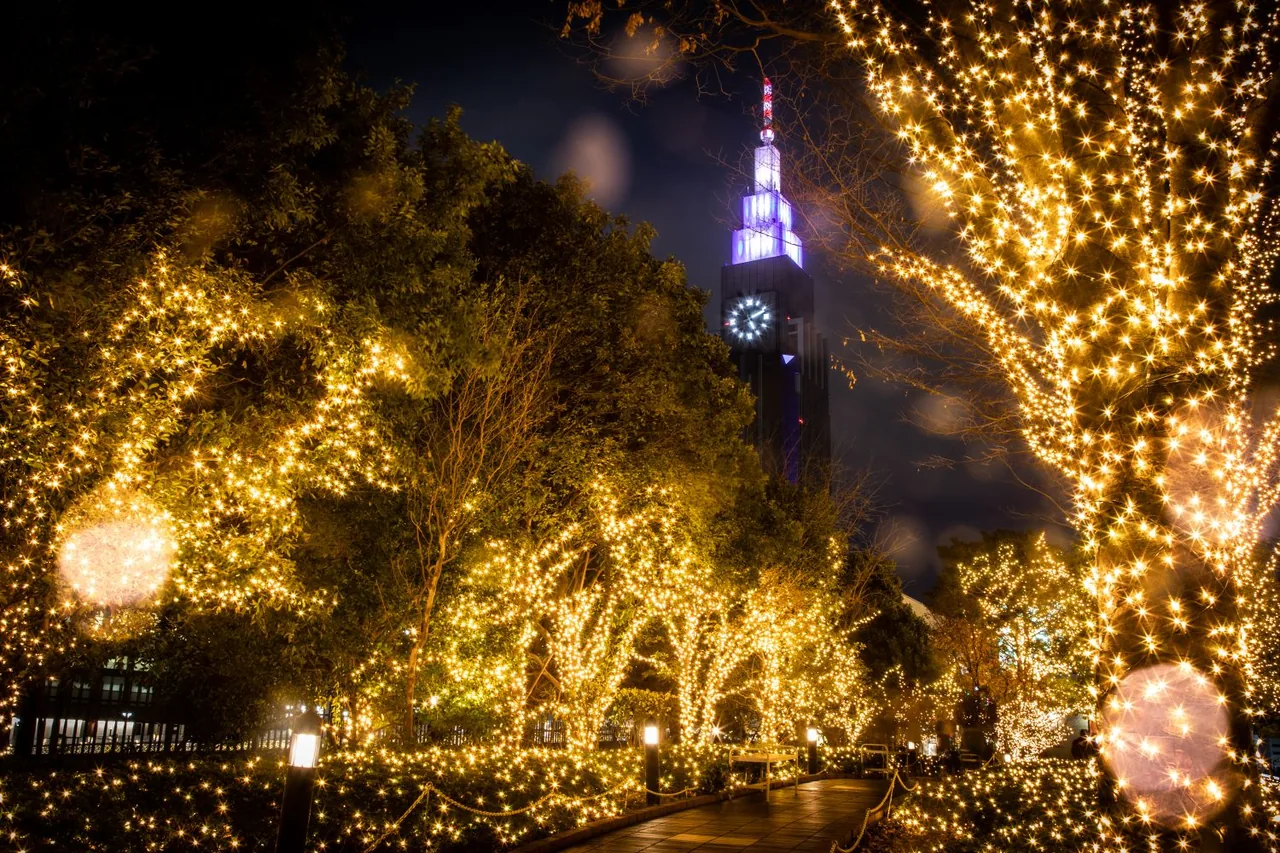 Nov 11 – Feb 14Shinjuku Minamillumi (Shinjuku Southern Terrace Illuminations)
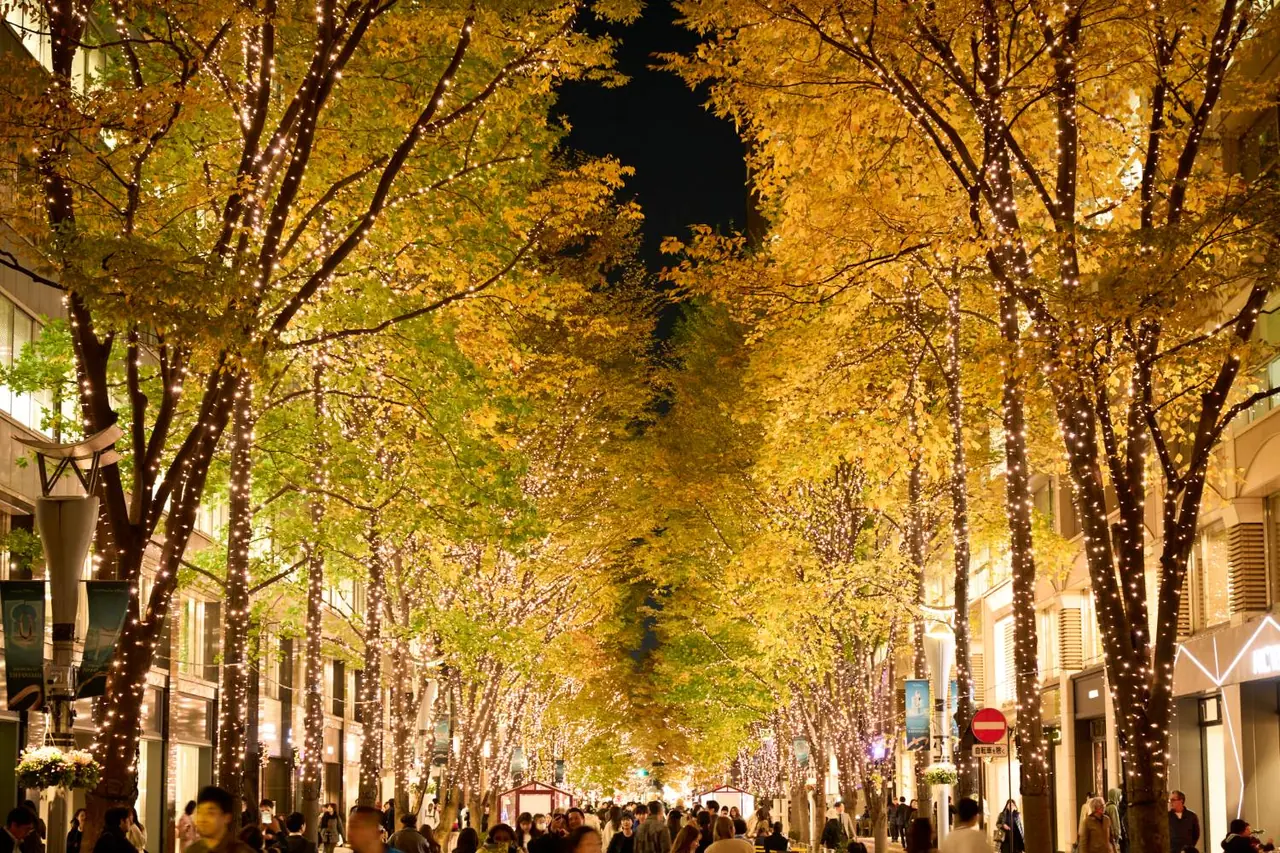 Nov 12 – Feb 14Marunouchi Illumination
Find on the map
This page is translated from the Japanese edition. Read the Japanese edition
What is the area like?
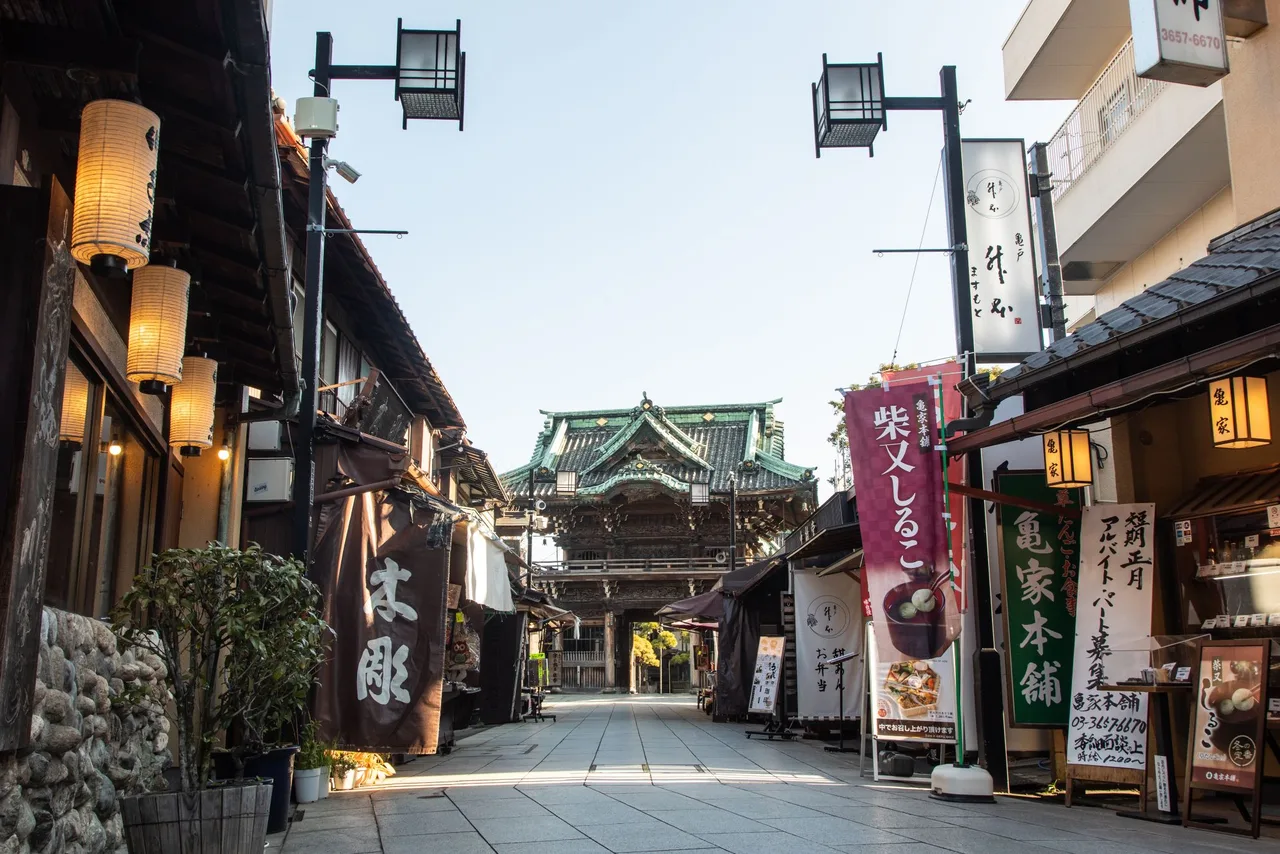
Step out of the small station building at Keisei Shibamata and you'll find a statue of Tora-san, dressed for the road, standing in the plaza. Known as the setting of the film series Otoko wa Tsurai yo, Shibamata is a temple town at the eastern edge of Tokyo, close to the Edogawa River. Turn from the station onto the approach and shops selling kusa dango, rice crackers and pickles line both sides, with the Nitenmon Gate of Shibamata Taishakuten (Kyoeizan Daikyoji Temple) ahead at the end.
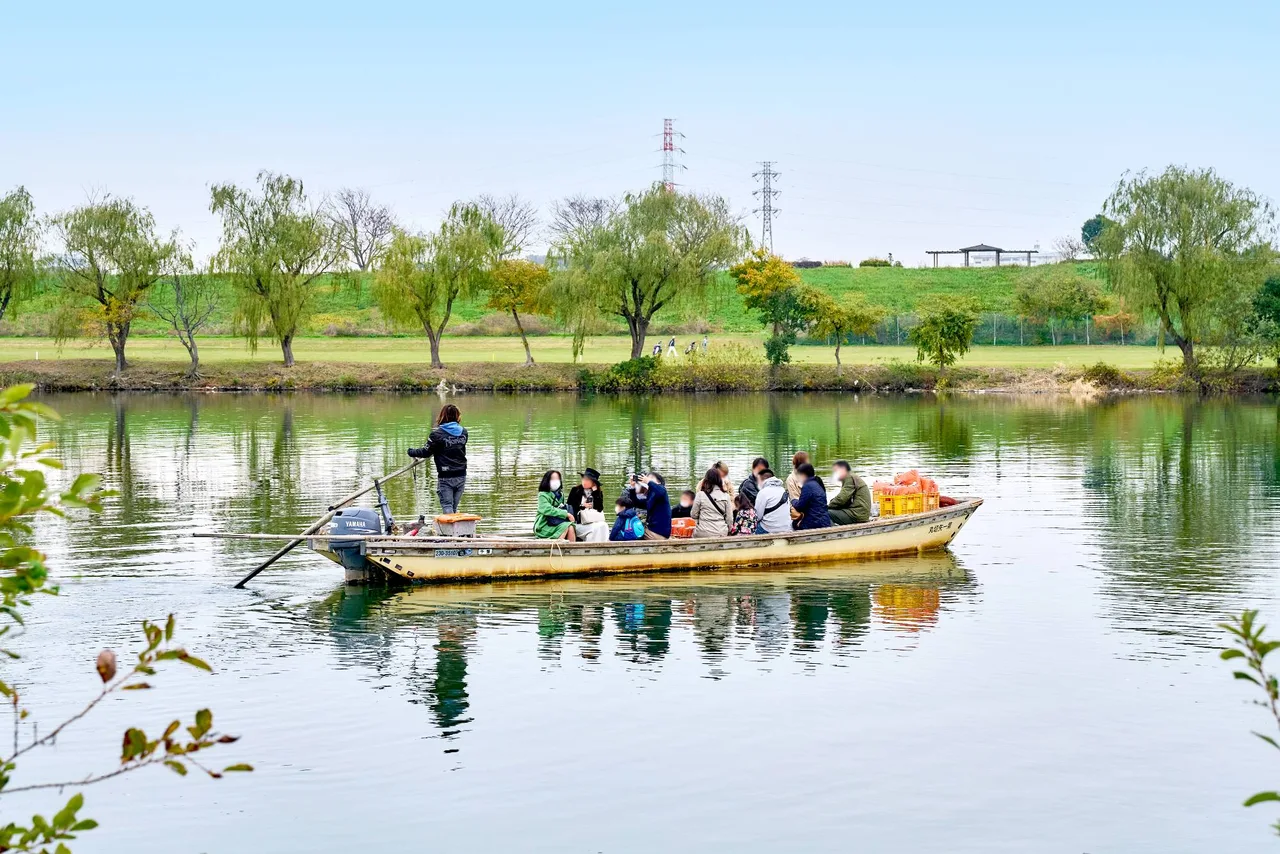
The bank of the Edogawa is close behind Taishakuten, and down on the riverbank is the landing for the Yagiri Ferry, which crosses to Matsudo City in Chiba Prefecture on the opposite shore. The approach, the temple, the museum and the river ferry all lie within walking distance of each other, and half a day is enough to see them all.
It takes a few train changes to get here from central Tokyo, but that distance is why the approach without tall buildings and the wide sky over the river have survived so well. On weekends and holidays the approach gets busy around midday, so if you want to stroll at your own pace, come fairly early in the morning.
Main sights
Shibamata Taishakuten and the approach
The approach from the station to Taishakuten is lined with old wooden shopfronts. The Nitenmon Gate at its end was built in the Meiji era, and beyond it the Taishakudo hall is best known for the carvings that wrap around its outer walls. The Carving Gallery and the Suikeien garden can be viewed for a fee; check the temple's information for opening times. Follow the posted signs for photography and etiquette in the temple grounds. See Shibamata (Taishakuten Approach) for details.
Tora-san Museum and Yamamoto-tei
Behind Taishakuten, near the bank of the Edogawa, the Katsushika Shibamata Tora-san Museum introduces the world of the Otoko wa Tsurai yo films. Exhibits include the set of the dango shop used in filming. Close by, Yamamoto-tei opens a residence combining Japanese and Western-style rooms, along with its Japanese garden, where you can take a break while looking out over the garden. Check closing days and admission for both through official sources such as the Katsushika City Tourism Association.
Yagiri Ferry
A ferry across the Edogawa that links Shibamata with Yagiri in Matsudo City, Chiba Prefecture, on the opposite shore, and has run since the early Edo period. There is no timetable; the boat leaves once enough passengers have gathered. It operates daily in the warmer months and only on weekends, holidays and some other days in winter, and may be suspended depending on the weather and the river level. Yagiri on the far bank is the setting of Sachio Ito's novel Nogiku no Haka. See Yagiri Ferry for details.
Food and shopping
The specialty of the approach is kusa dango, rice dumplings kneaded with mugwort. They're classically eaten topped with sweet bean paste, and you can have them wrapped to take away or eat them at seats inside the shop. There are also shops grilling rice crackers by hand and restaurants serving river fish, so you can peek into shopfronts as you walk along the approach.
Whether you can eat while walking depends on the shop. It's best to eat what you buy at the shop's seats, or ask the staff first. Shops on the approach start closing in the late afternoon, so finish your meal and souvenir shopping while it's still light.
Getting there
- Shibamata Station on the Keisei Kanamachi Line: between Keisei Takasago and Keisei Kanamachi stations, one stop from either. About a one-minute walk to the Taishakuten approach.
- Keisei Takasago Station is served by the Keisei Main Line and by trains running through from the Toei Asakusa Line. From Asakusa, take the Toei Asakusa Line (through service to the Keisei Line) to Keisei Takasago and change to the Kanamachi Line.
- From Kanamachi Station on the JR Joban Line local trains (through service with the Tokyo Metro Chiyoda Line), walk to Keisei Kanamachi Station; Shibamata is one stop from there.
- You can also walk from Shin-Shibamata Station on the Hokuso Line.
Getting around the area
Leave Shibamata Station, say hello to the Tora-san statue and walk the approach to Taishakuten. After viewing the carvings of the Taishakudo hall and the garden, go round the back to the Tora-san Museum and Yamamoto-tei, then come out on the bank of the Edogawa. If the Yagiri Ferry is running that day, crossing to the far shore to take in the river is a fine way to spend some time. On the way back, return along the approach, buy kusa dango and souvenirs, and head for Shibamata Station to complete the loop.
Since you can get here from Asakusa on the Keisei Line, you could also walk around Asakusa in the morning and head to Shibamata in the afternoon. For Asakusa, see the Asakusa area guide.
Sights in Shibamata
Recommended hotels in ShibamataPR
See prices and availability for hotels in Tokyo and book on our partner Trip.com.
See hotels in Tokyo on Trip.comTokyo guides
See all
More areas of Tokyo
- Asakusa
- Ueno
- Akihabara
- Tokyo Station & Marunouchi
- Ginza & Yurakucho
- Shinjuku
- Shibuya & Harajuku
- Ikebukuro
- Roppongi
- Shiba & Azabudai
- Odaiba
- Toyosu
- Kichijoji & Mitaka
- Yanaka, Nezu & Sendagi
- Komagome & Rikugien
- Gotokuji
- Ryogoku
- Nagatacho & Akasaka
- Kita-Senju
- Jingu Gaien & Aoyama
- Suidobashi & Korakuen
- Ebisu
- Shimokitazawa
- Jiyugaoka
- Futako-Tamagawa & Todoroki
- Nakano
- Ogikubo
- Akabane
- Tsukishima, Tsukuda & Harumi
- Kiyosumi-Shirakawa
- Mukojima
- Wakasu
- Kasai Rinkai Park
- Mizumoto Park
- Haneda Airport
- Arakawa & Machiya
- Ikegami
- Mt. Takao
- Mitake & Sawai
- Lake Okutama
- Akigawa Valley
- Jindaiji
- Koganei
- Kokubunji
- Lake Tama
- Takahata Fudo
- Izu Oshima
- Toshima
- Niijima
- Shikinejima
- Kozushima
- Miyakejima
- Hachijojima
- Aogashima
- Ogasawara Islands