
Kokubunji
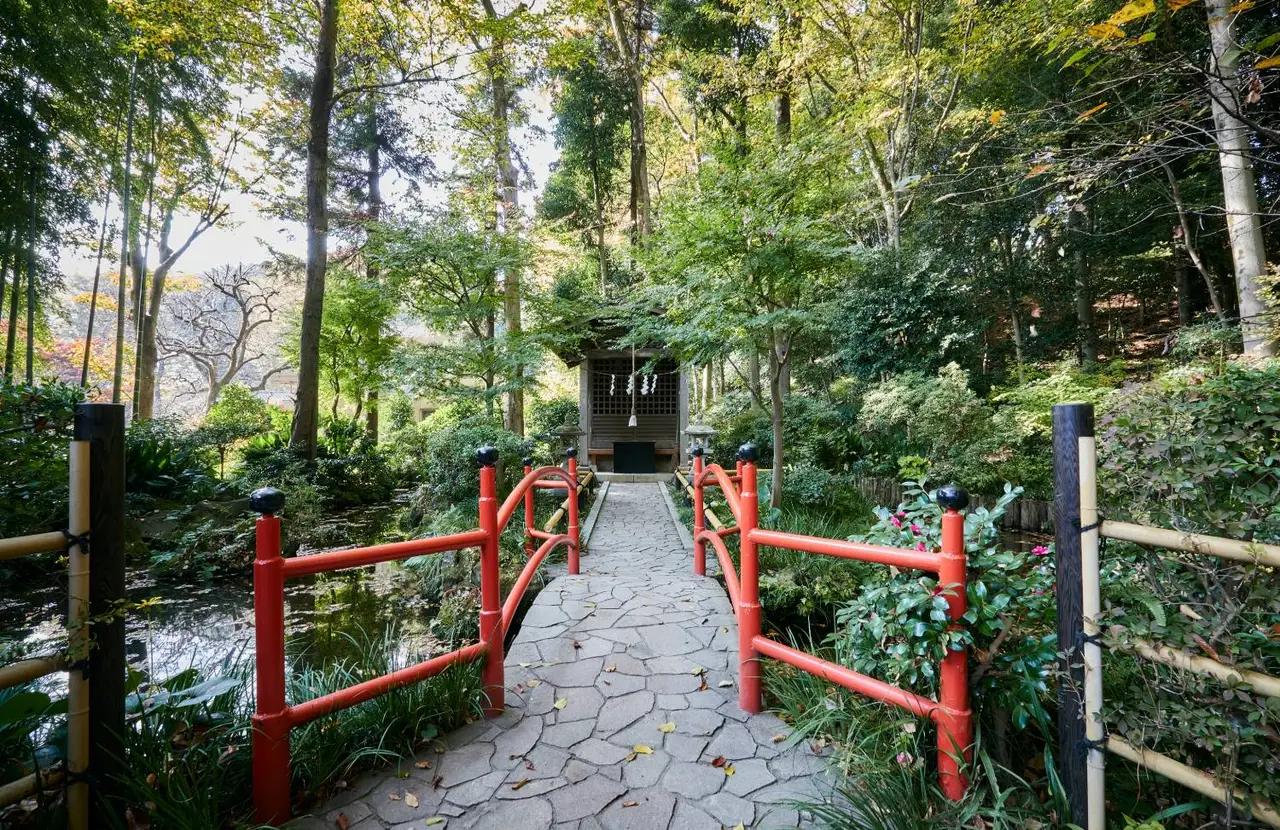
Photo: © TCVB
Areas of Tokyo
Kokubunji
Otaka-no-Michi along a spring-fed stream, Masugata Pond, the Musashi Kokubunji ruins and Tonogayato Garden, with a station-to-station walk.
 Nov 5 – Dec 25Roppongi Keyakizaka Illumination
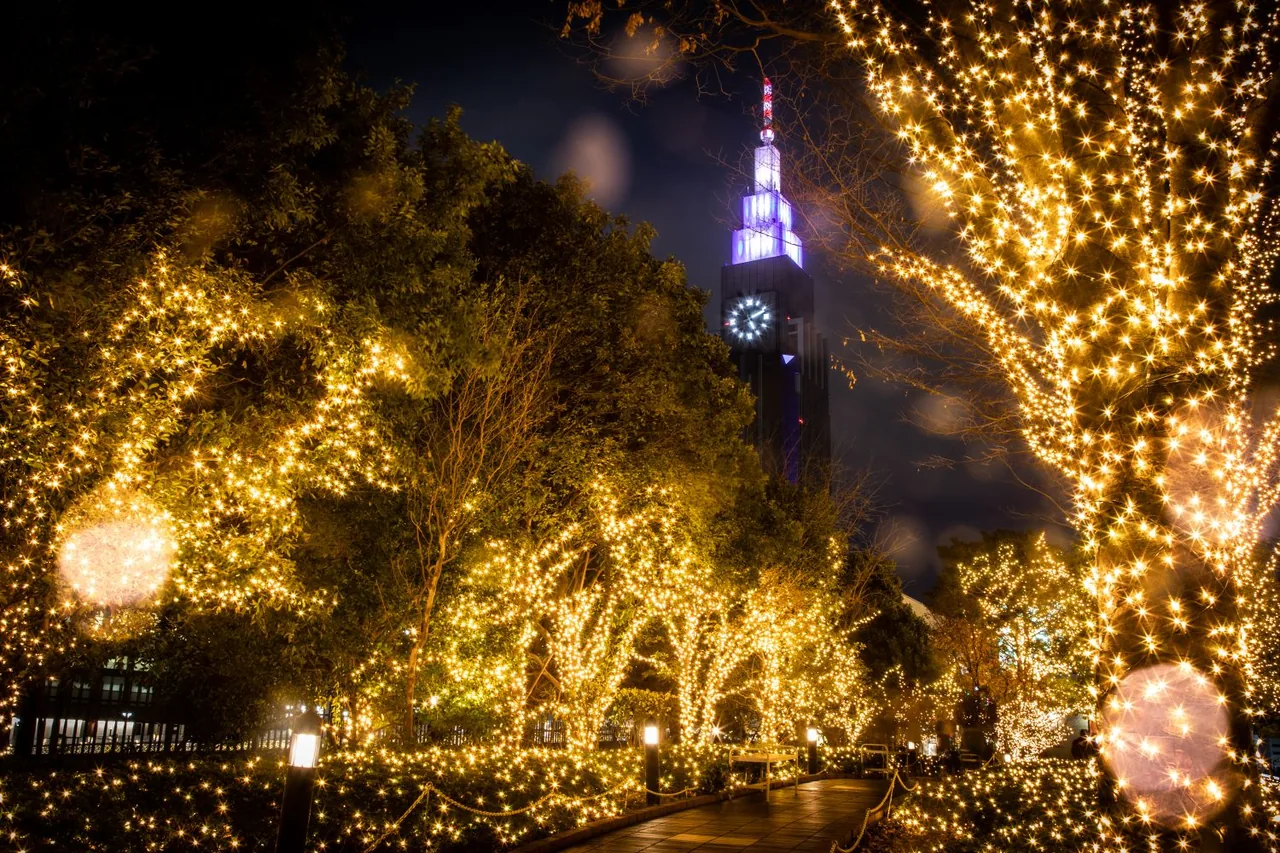 Nov 11 – Feb 14Shinjuku Minamillumi (Shinjuku Southern Terrace Illuminations)
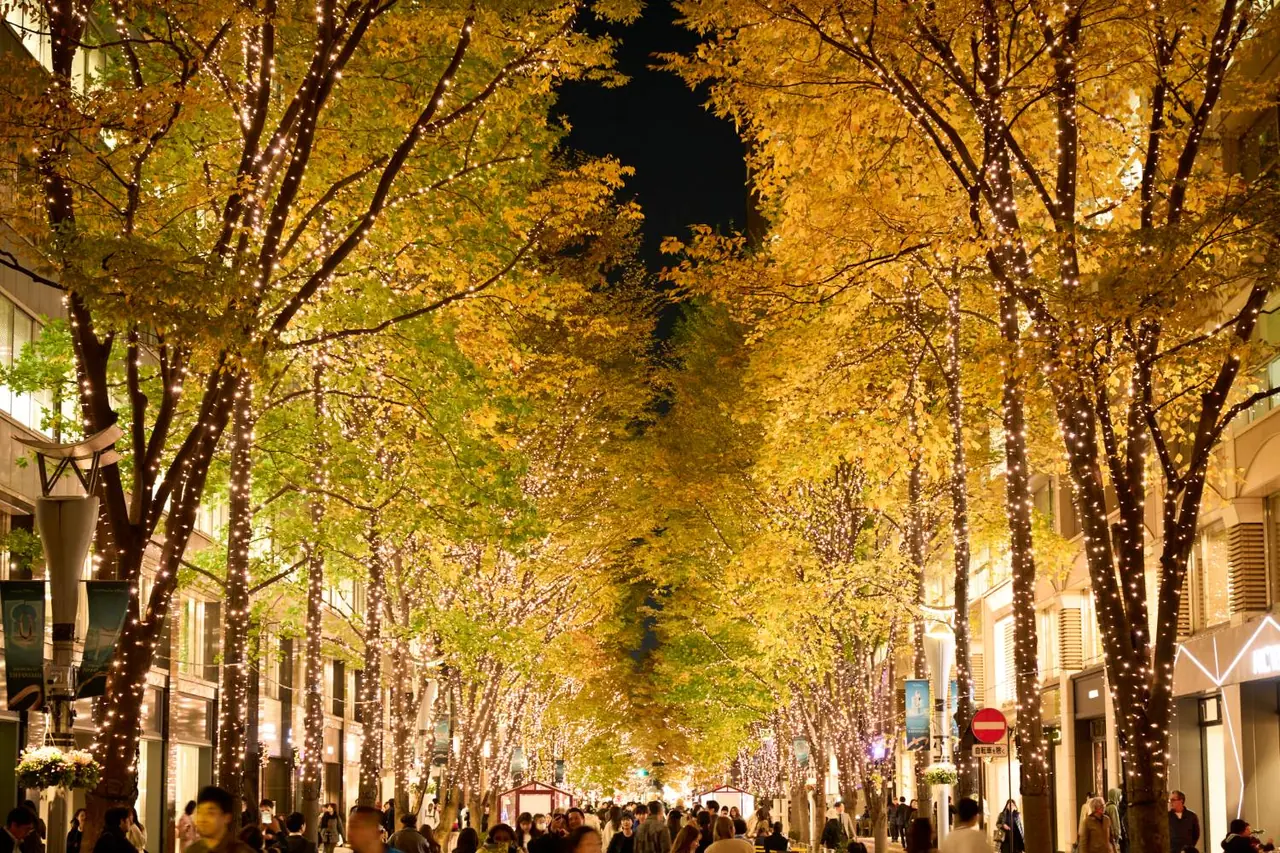 Nov 12 – Feb 14Marunouchi Illumination
Find on the map
This page is translated from the Japanese edition. Read the Japanese edition
What is the area like?
Walk downhill through the houses from the South Exit of Kokubunji Station, and suddenly you hear running water at your feet. In the south of Kokubunji City, a terrace escarpment called the Kokubunji Cliff Line runs east to west, and spring water seeping from its base gathers into a small stream. The path beside that stream is Otaka-no-Michi.
This is also where the provincial temple of Musashi, Musashi Kokubunji, was built in the Nara period. Today the temple site is laid out as a broad historic site, and in about half a day you can walk from one station to another along the spring-fed path and past the ancient temple grounds. It's a quiet area for a stroll, reachable from central Tokyo on the Chuo Line without changing trains.
Main sights
Otaka-no-Michi and the Masugata Pond springs
A walking path of about 350 meters follows a stream fed by water welling up from the foot of the escarpment. The name, meaning "falcon path," comes from the Edo period, when this area was a falconry ground for the Owari Tokugawa family. Masugata Pond, along the way, has a legend that Tamatsukuri Komachi, suffering from illness, purified herself in its water and regained her former beauty. In 1985 it was chosen by the then Environment Agency as one of Japan's 100 best waters. See Otaka-no-Michi and the Masugata Pond springs for details.
Musashi Kokubunji ruins
Just south of Otaka-no-Michi spread the remains of Musashi Kokubunji from the Nara period. It was one of the provincial temples built in every province on the order of Emperor Shomu, and the site is a designated national historic site. No buildings remain today, but walking across the broad, well-kept grassland gives you a feel for how large the temple was.
Along Otaka-no-Michi is Kokubunji City's Musashi Kokubunji Ruins Museum, which displays roof tiles and other finds from the excavations. It stands inside "Otaka-no-Michi Yusuien," the restored former residence of an Edo-period village head, and you need an admission ticket to enter.
Tonogayato Garden
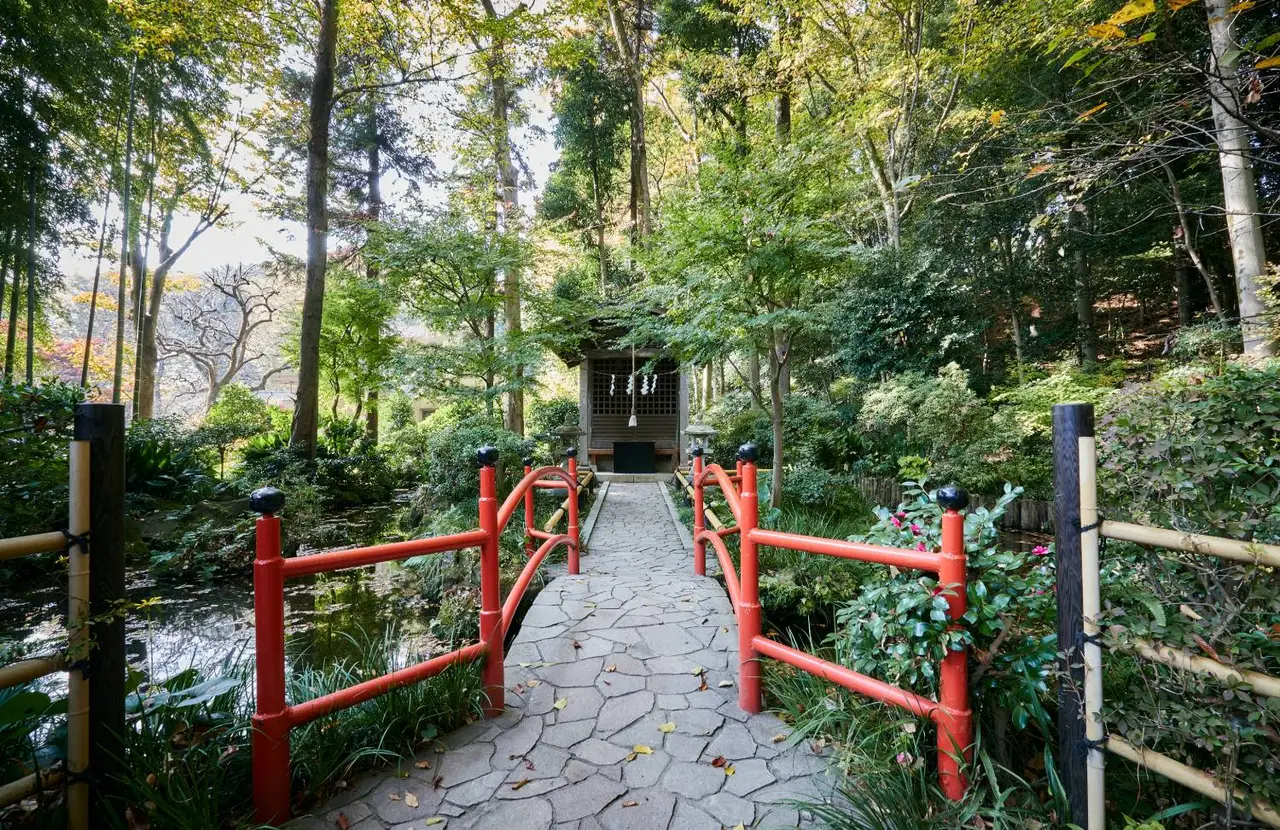
This metropolitan garden is about a two-minute walk from the South Exit of Kokubunji Station. It was created as a villa in the Taisho era and later passed to a member of the Iwasaki family of Mitsubishi. The garden makes use of the slope of the Kokubunji Cliff Line and its spring water, and you walk down from a lawn at the top to a pond below. The trees are so thick you'd hardly guess you were right by the station, and it gets busier in the autumn leaf season. Check admission and opening hours on the official website.
Food and shopping
The area around Otaka-no-Michi is residential, with almost no restaurants. There is a rest area at the entrance to Otaka-no-Michi Yusuien where you can take a break during your walk.
For a meal, your best bet is around Kokubunji or Nishi-Kokubunji Station. Kokubunji Station has many restaurants in its station building and the surrounding shopping streets, making it easy to stop before or after your walk.
Getting there
- Nishi-Kokubunji Station on the JR Chuo and Musashino Lines (South Exit): about a 12-minute walk to Otaka-no-Michi.
- Kokubunji Station on the JR Chuo Line and the Seibu Kokubunji and Tamako Lines (South Exit): about a 15-minute walk to Otaka-no-Michi, and about 2 minutes to Tonogayato Garden.
The Chuo Line runs from Shinjuku Station to Kokubunji Station without a change. There is no parking around Otaka-no-Michi, so come by train.
Getting around the area
Leave Kokubunji Station by the South Exit, walk through Tonogayato Garden, then head southwest down through the houses to Otaka-no-Michi. After watching the water well up at Masugata Pond, stop at the museum, cross the grassland of the Musashi Kokubunji ruins, and head for Nishi-Kokubunji Station. Since you walk from station to station, there's no need to retrace your steps.
Otaka-no-Michi is a lane in a residential neighborhood. Don't step into the pond or the stream, and walk quietly so as not to disturb local residents.
From Musashi-Koganei Station, one stop away on the Chuo Line, buses run to Koganei, home of the Edo-Tokyo Open Air Architectural Museum and its old buildings. From Kokubunji Station, the Seibu Tamako Line also takes you to Lake Tama, where you can walk along the reservoir's embankment.
Sights in Kokubunji
Recommended hotels in KokubunjiPR
See prices and availability for hotels in Tokyo and book on our partner Trip.com.
See hotels in Tokyo on Trip.comTokyo guides
See all
More areas of Tokyo
- Asakusa
- Ueno
- Akihabara
- Tokyo Station & Marunouchi
- Ginza & Yurakucho
- Shinjuku
- Shibuya & Harajuku
- Ikebukuro
- Roppongi
- Shiba & Azabudai
- Odaiba
- Toyosu
- Kichijoji & Mitaka
- Yanaka, Nezu & Sendagi
- Komagome & Rikugien
- Gotokuji
- Ryogoku
- Nagatacho & Akasaka
- Kita-Senju
- Jingu Gaien & Aoyama
- Suidobashi & Korakuen
- Ebisu
- Shimokitazawa
- Jiyugaoka
- Futako-Tamagawa & Todoroki
- Nakano
- Ogikubo
- Akabane
- Tsukishima, Tsukuda & Harumi
- Kiyosumi-Shirakawa
- Mukojima
- Wakasu
- Kasai Rinkai Park
- Shibamata
- Mizumoto Park
- Haneda Airport
- Arakawa & Machiya
- Ikegami
- Mt. Takao
- Mitake & Sawai
- Lake Okutama
- Akigawa Valley
- Jindaiji
- Koganei
- Lake Tama
- Takahata Fudo
- Izu Oshima
- Toshima
- Niijima
- Shikinejima
- Kozushima
- Miyakejima
- Hachijojima
- Aogashima
- Ogasawara Islands