
Aogashima
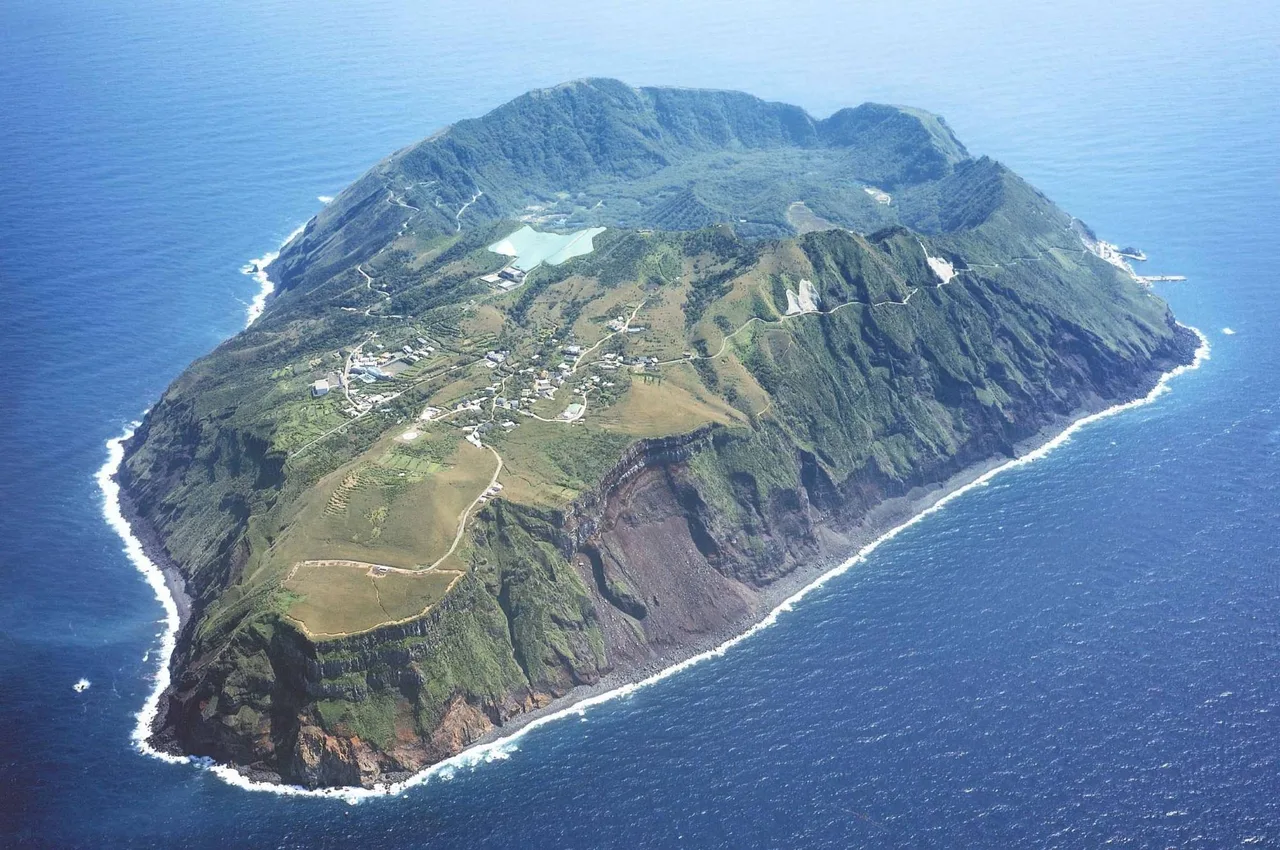
Photo: © TCVB
Areas of Tokyo
Aogashima
Aogashima, a double caldera island: Oyama Observation Park, the geothermal pot and stars at Ikenosawa, the helicopter and boat from Hachijojima, and what to book.
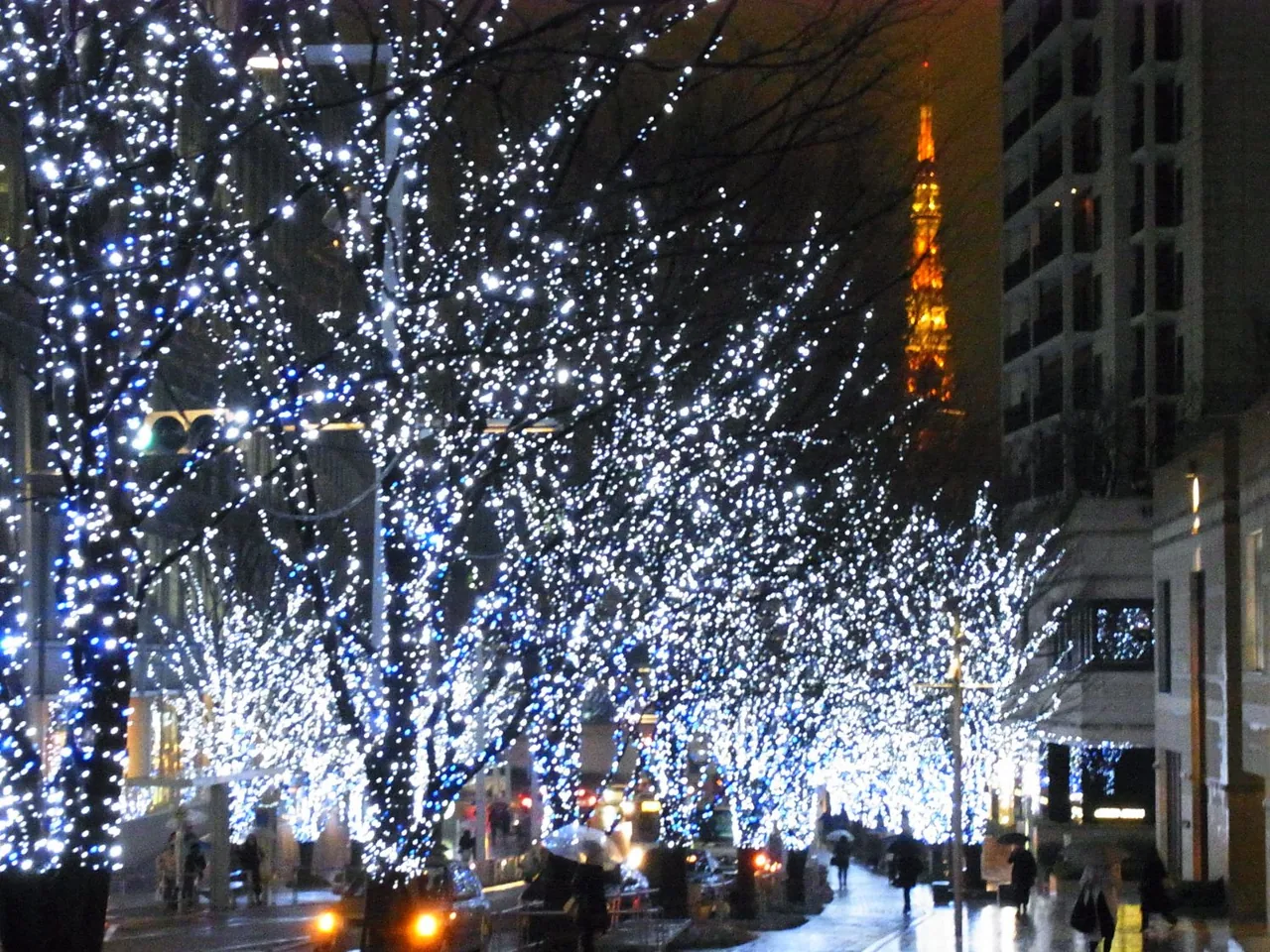 Nov 5 – Dec 25Roppongi Keyakizaka Illumination
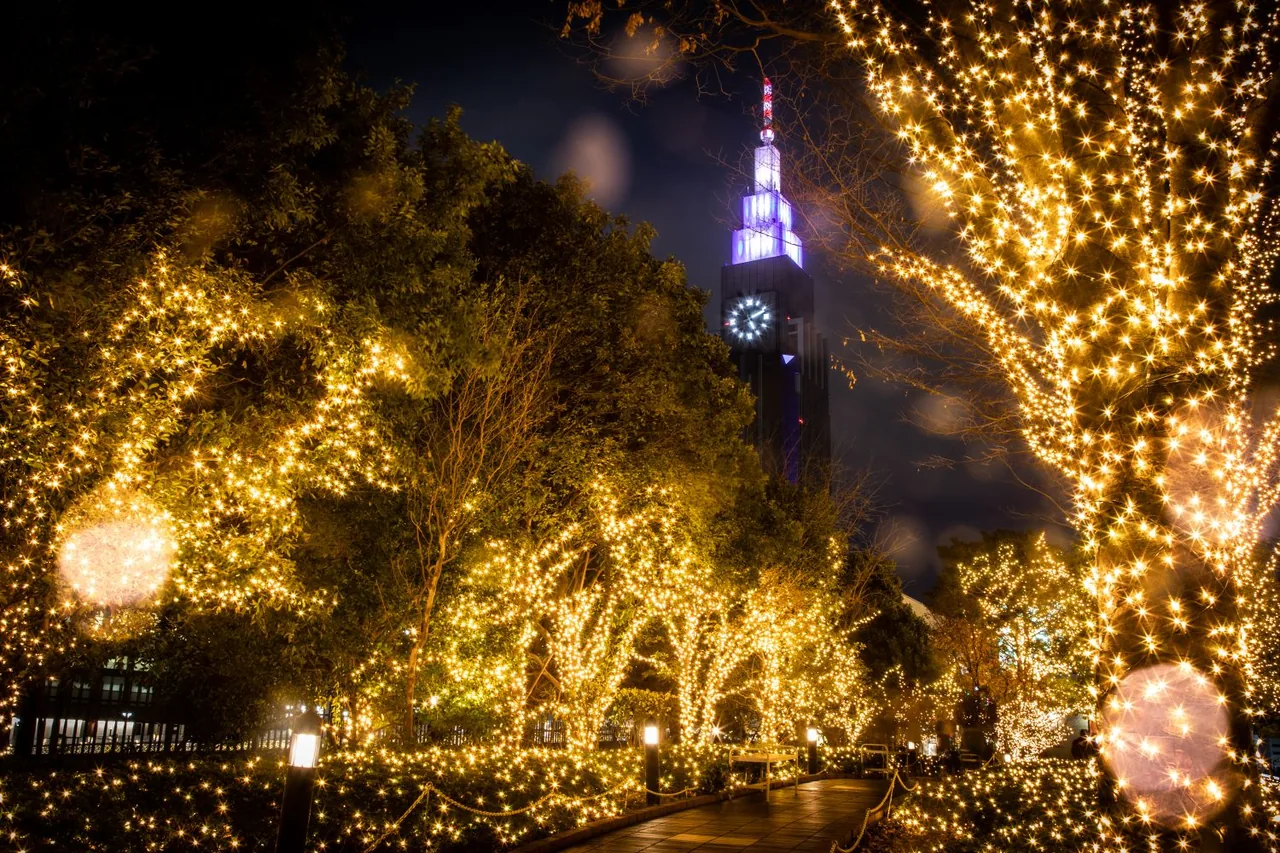 Nov 11 – Feb 14Shinjuku Minamillumi (Shinjuku Southern Terrace Illuminations)
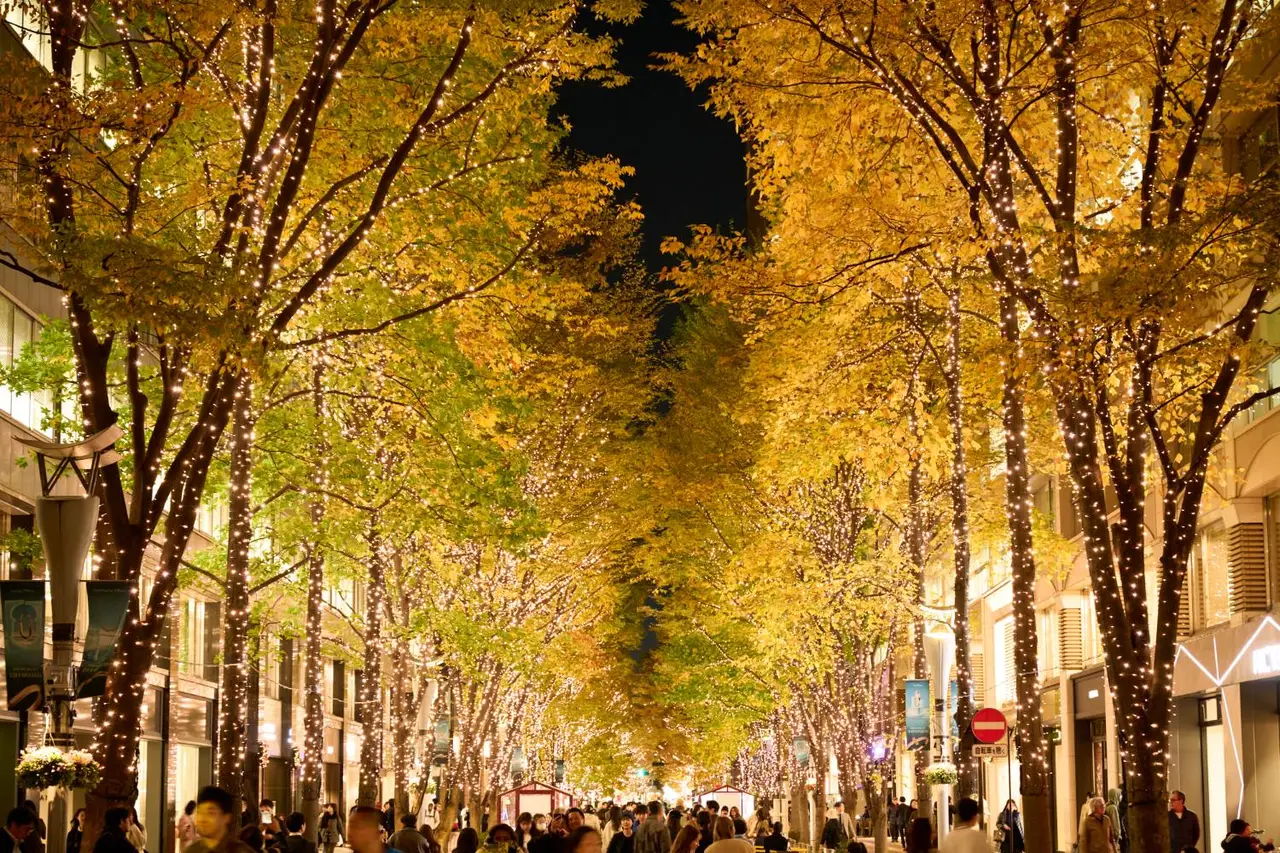
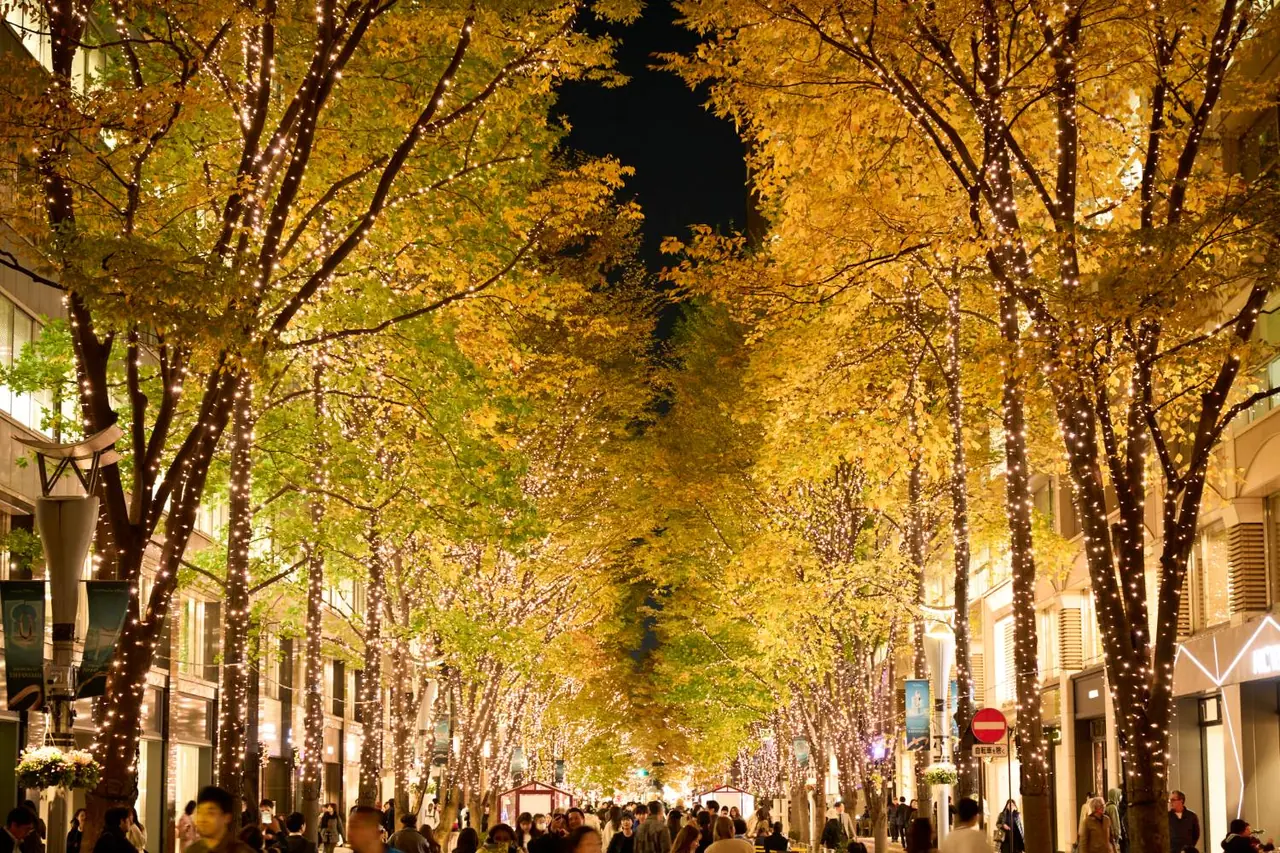 Nov 12 – Feb 14Marunouchi Illumination
Find on the map
Choose a numbered circle to zoom in there; choose a name to open the area's page.
This page is translated from the Japanese edition. Read the Japanese edition
What is the area like?
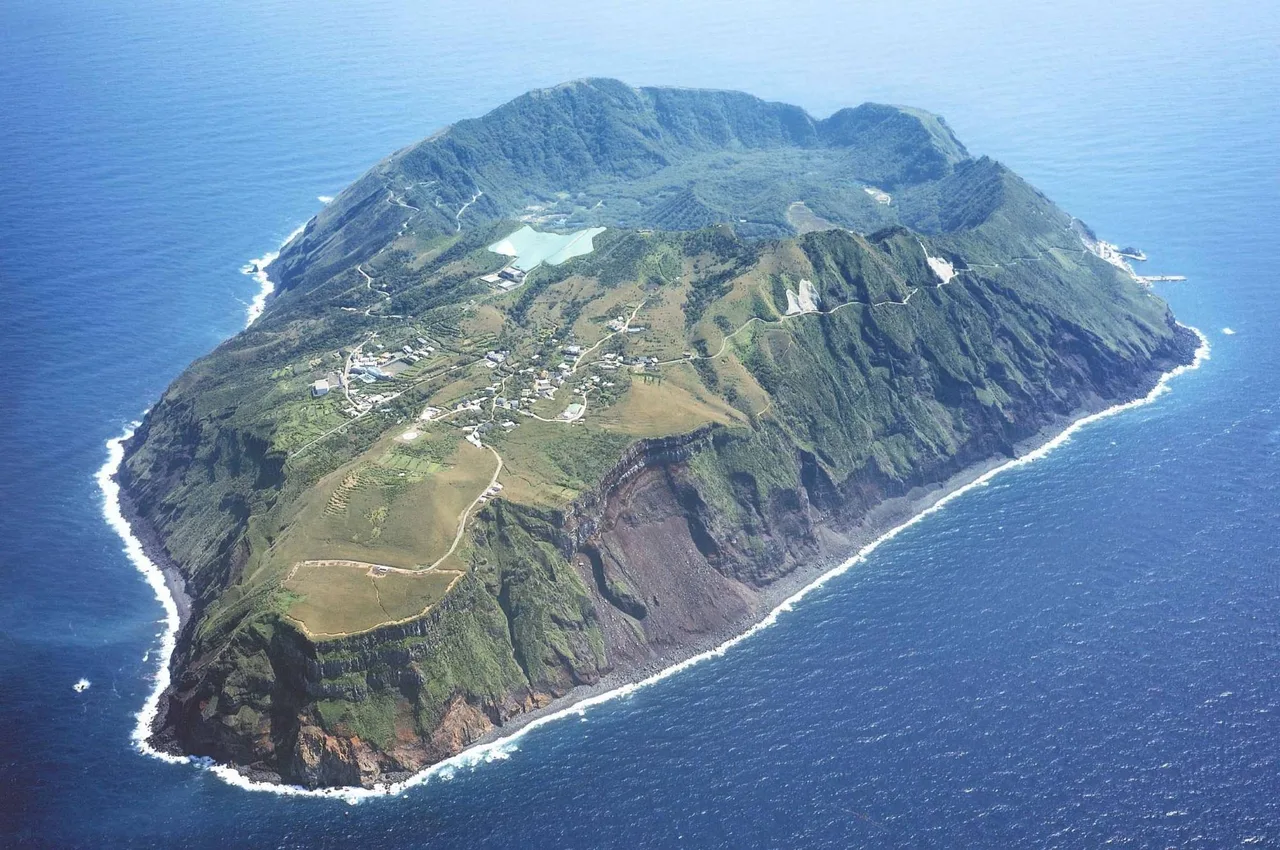
Aogashima is a cliff-ringed volcanic island south of Hachijojima. It is a double caldera: inside the outer crater rim rises a second cone, Maruyama, formed in an eruption in 1785, and from a park a short climb above the village in the north of the island you can look down over the whole scene.
There is no direct service from Tokyo; you change to a helicopter or boat on Hachijojima. The helicopter has few seats and the boat is often cancelled by waves, so reaching the island takes planning and luck. Those who make it are rewarded with the caldera views and a night sky with almost no artificial light.
Main sights
Oyama Observation Park
An observation park on the outer rim at about 400 m above sea level. Below lie the caldera floor ringed by the outer rim and Maruyama rising inside it, with nothing but sea all around. One look shows how the island is built as a double caldera.
At night it is also a stargazing spot. According to the village, the stars are clearest in winter, from December to February, and in summer you can see the Milky Way. It is often windy and the paths are pitch-dark at night, so bring a jacket and a flashlight. See Aogashima Island.
Ikenosawa and the geothermal pot
At Ikenosawa on the caldera floor, steam rises from vents the islanders call hingya. A geothermal pot uses that heat, and if you bring eggs, sweet potatoes or the like, you can steam them for free.
There is also a geothermal sauna, but according to the village it is closed until safety can be ensured after damage from Typhoons No. 22 and No. 23. Check with the village whether it has reopened. Ikenosawa is out of reach of the village lights, so it is also a place to watch the stars at night.
Food and shopping
The island's specialties are Aochu, a sweet potato shochu, and Hingya no Shio, salt made using the steam from the hingya. Both can be bought as souvenirs.
There are only a handful of restaurants and shops on the island. Meals are generally taken at your inn, so check whether meals are included when you book. It also helps to ask the inn about lunch and about food to steam in the geothermal pot.
Getting there
- By helicopter: The Tokyo Islands Shuttle (Toho Air Service) flies from Hachijojima Airport in about 20 minutes. The aircraft seats only a few passengers and fills up quickly. Book with the Tokyo Islands Shuttle.
- By boat: Izu Shoto Kaihatsu's boat runs from Sokodo Port or Yaene Port on Hachijojima to Sanbo Port on Aogashima in about 2 hr 30 min to 3 hr. Which port it leaves from is decided on the day, so always check. Aogashima's port is easily affected by waves, and cancellations on this route are frequent. Check sailings with Izu Shoto Kaihatsu.
- To reach Hachijojima, fly ANA from Haneda Airport or take Tokai Kisen's large overnight ferry from Takeshiba.
You must book your accommodation before traveling to Aogashima. Allow slack in your schedule for days when the return boat or helicopter is cancelled and you cannot leave the island.
Getting around the area
There are no route buses or taxis on the island. Roads are hilly, and Ikenosawa on the caldera floor is a long way down from the village. Discuss how to get around when you book your inn.
Your time on the island is set by the helicopter and boat schedules. With one night, for example, you can visit Oyama Observation Park and Ikenosawa by day and watch the stars at night. Look up sightseeing and accommodation information on the Aogashima Village website. For how to reach the Izu Islands as a whole, see our guide to traveling to Tokyo's islands.
Sights in Aogashima
Recommended hotels in AogashimaPR
See prices and availability for hotels in Tokyo and book on our partner Trip.com.
See hotels in Tokyo on Trip.comTokyo guides
See all
More areas of Tokyo
- Asakusa
- Ueno
- Akihabara
- Tokyo Station & Marunouchi
- Ginza & Yurakucho
- Shinjuku
- Shibuya & Harajuku
- Ikebukuro
- Roppongi
- Shiba & Azabudai
- Odaiba
- Toyosu
- Kichijoji & Mitaka
- Yanaka, Nezu & Sendagi
- Komagome & Rikugien
- Gotokuji
- Ryogoku
- Nagatacho & Akasaka
- Kita-Senju
- Jingu Gaien & Aoyama
- Suidobashi & Korakuen
- Ebisu
- Shimokitazawa
- Jiyugaoka
- Futako-Tamagawa & Todoroki
- Nakano
- Ogikubo
- Akabane
- Tsukishima, Tsukuda & Harumi
- Kiyosumi-Shirakawa
- Mukojima
- Wakasu
- Kasai Rinkai Park
- Shibamata
- Mizumoto Park
- Haneda Airport
- Arakawa & Machiya
- Ikegami
- Mt. Takao
- Mitake & Sawai
- Lake Okutama
- Akigawa Valley
- Jindaiji
- Koganei
- Kokubunji
- Lake Tama
- Takahata Fudo
- Izu Oshima
- Toshima
- Niijima
- Shikinejima
- Kozushima
- Miyakejima
- Hachijojima
- Ogasawara Islands