
Miyakejima
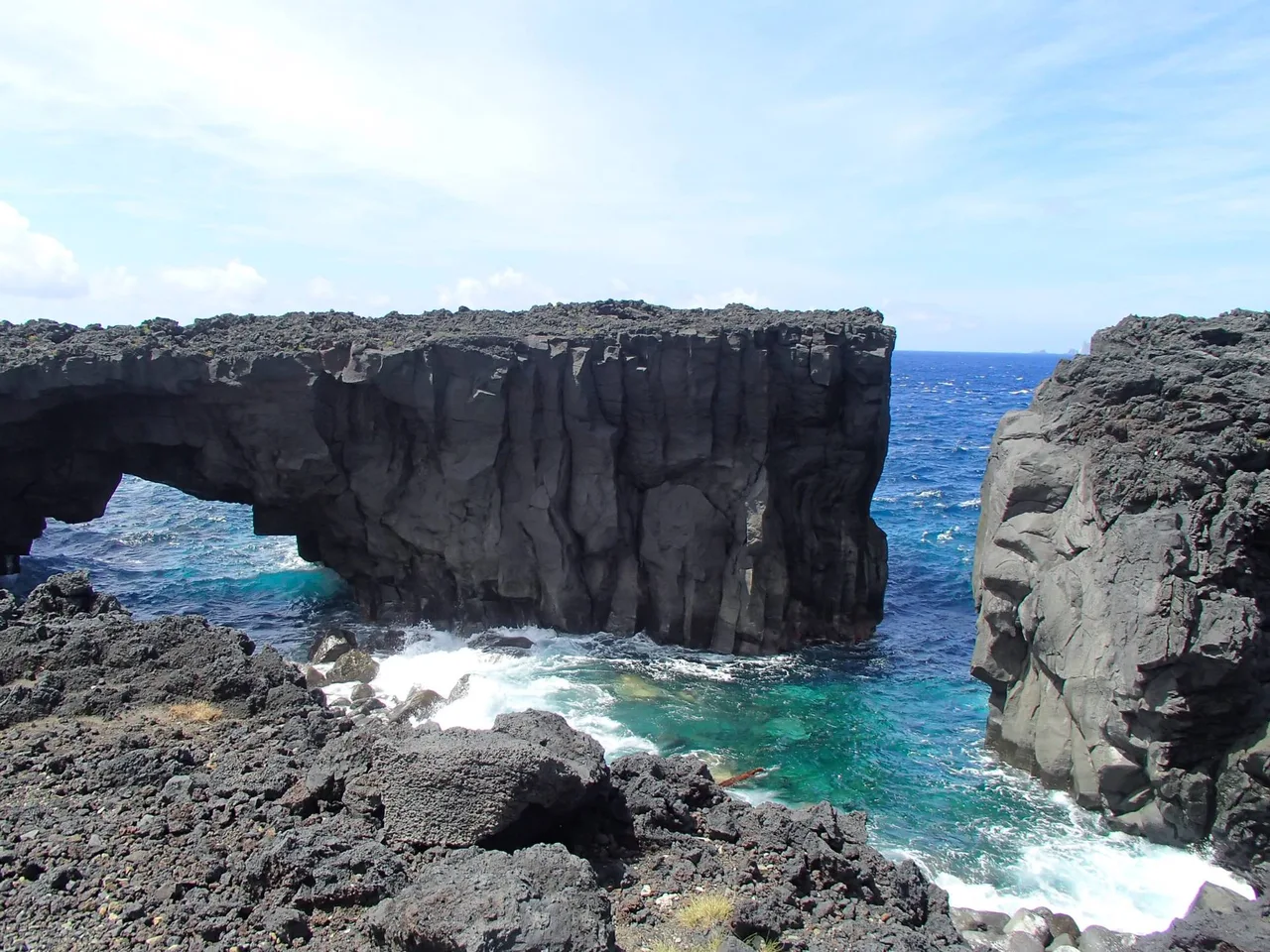
Photo: © TCVB
Areas of Tokyo
Miyakejima
Volcanic Miyakejima: the Megane-iwa lava arch, Tokyo's oldest working lighthouse, birds at Tairo-ike, volcanic gas rules, and ferries and flights to the island.
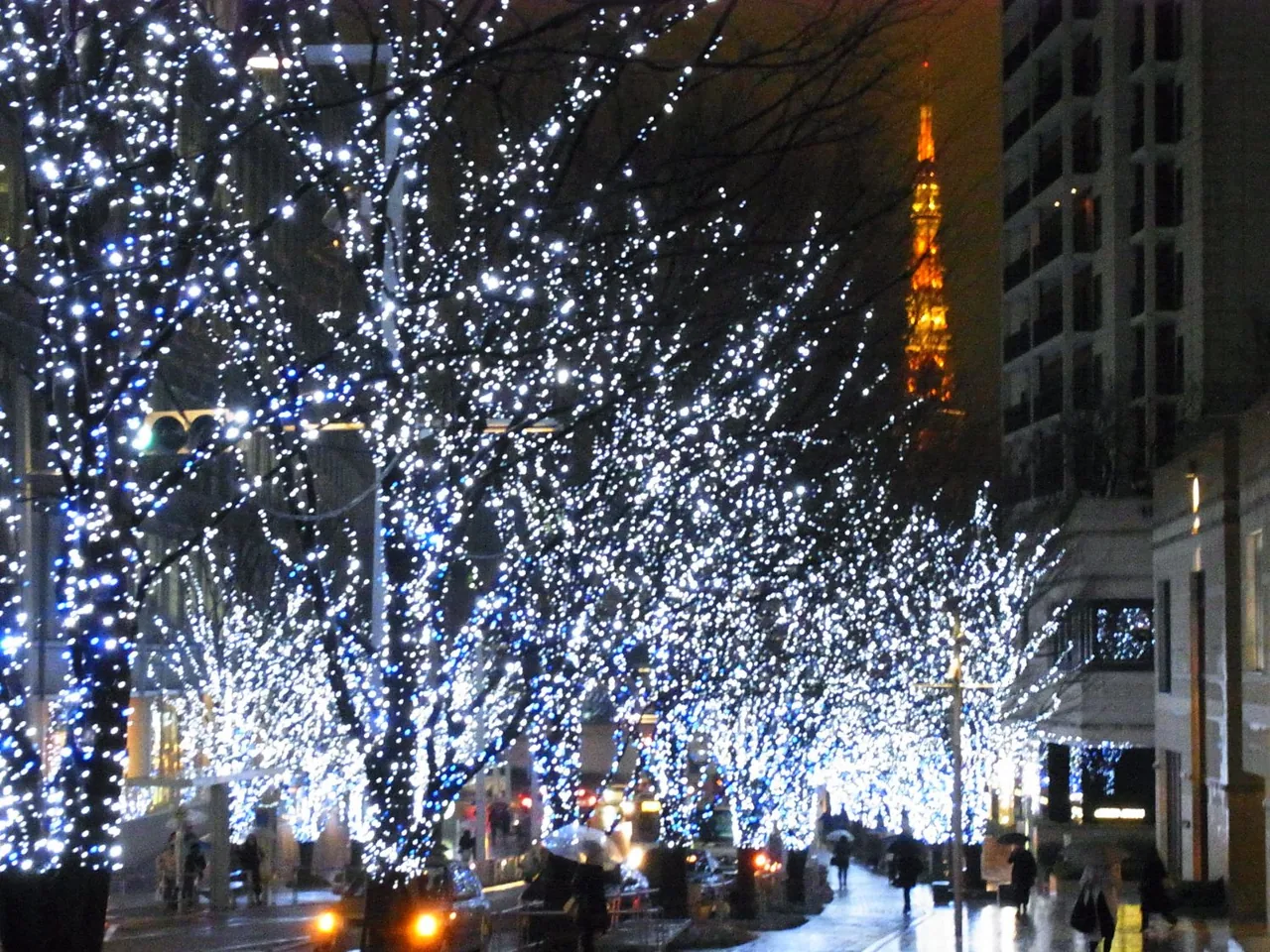 Nov 5 – Dec 25Roppongi Keyakizaka Illumination
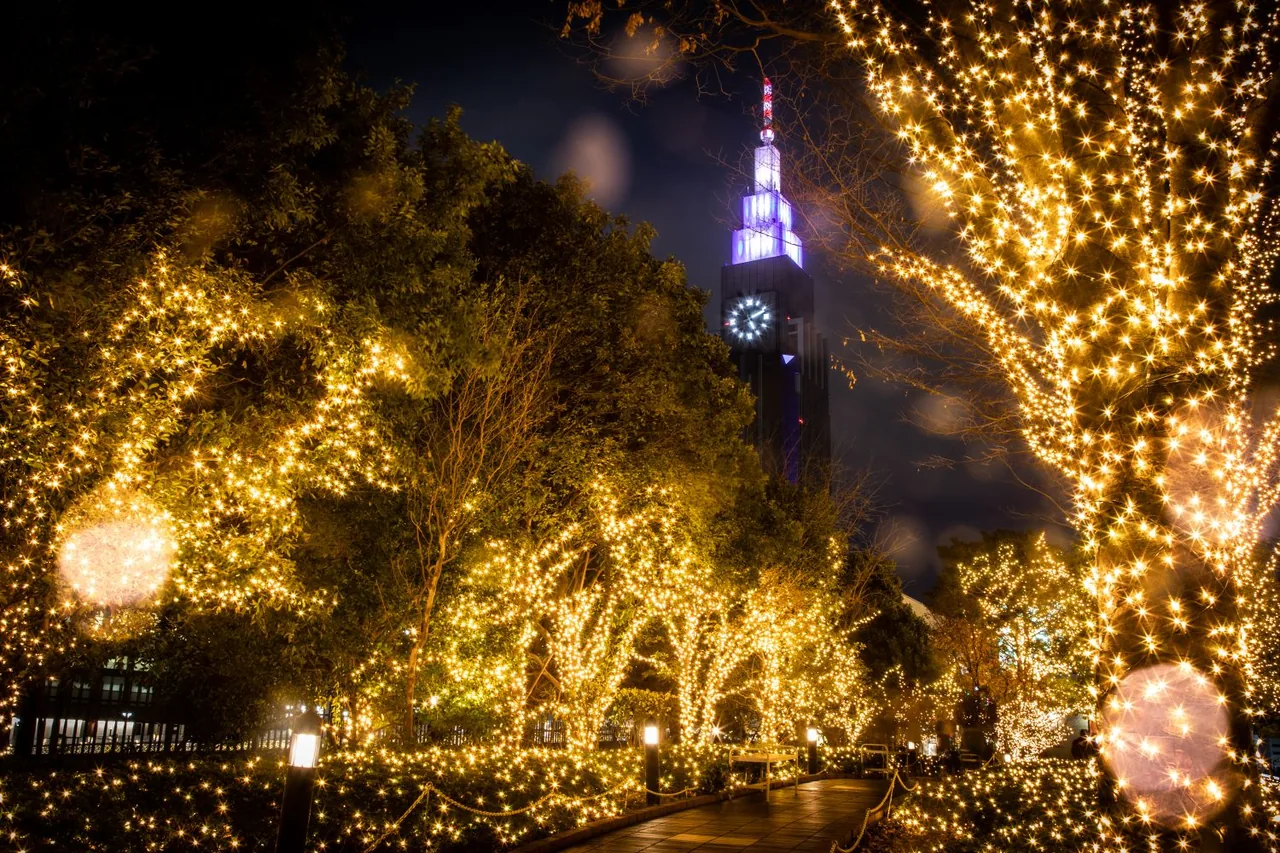 Nov 11 – Feb 14Shinjuku Minamillumi (Shinjuku Southern Terrace Illuminations)
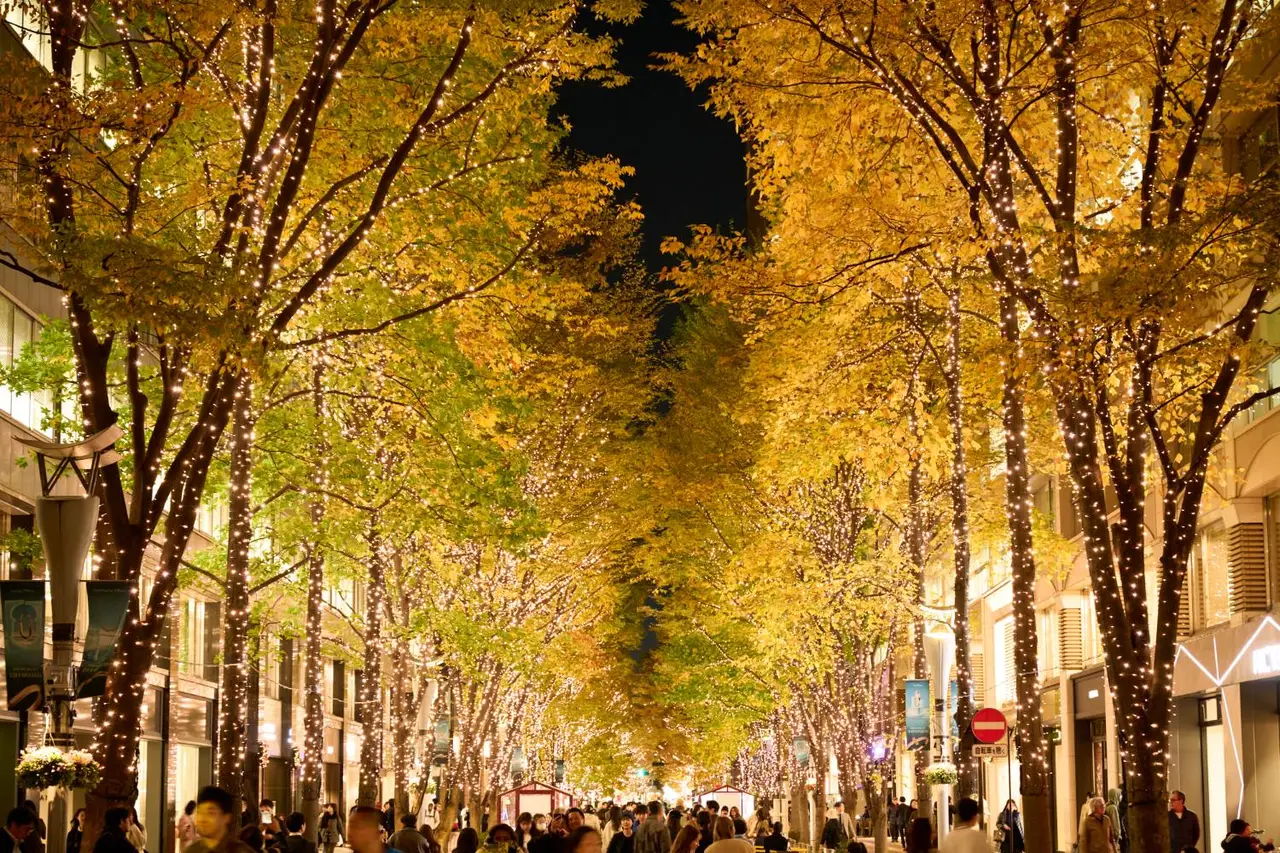
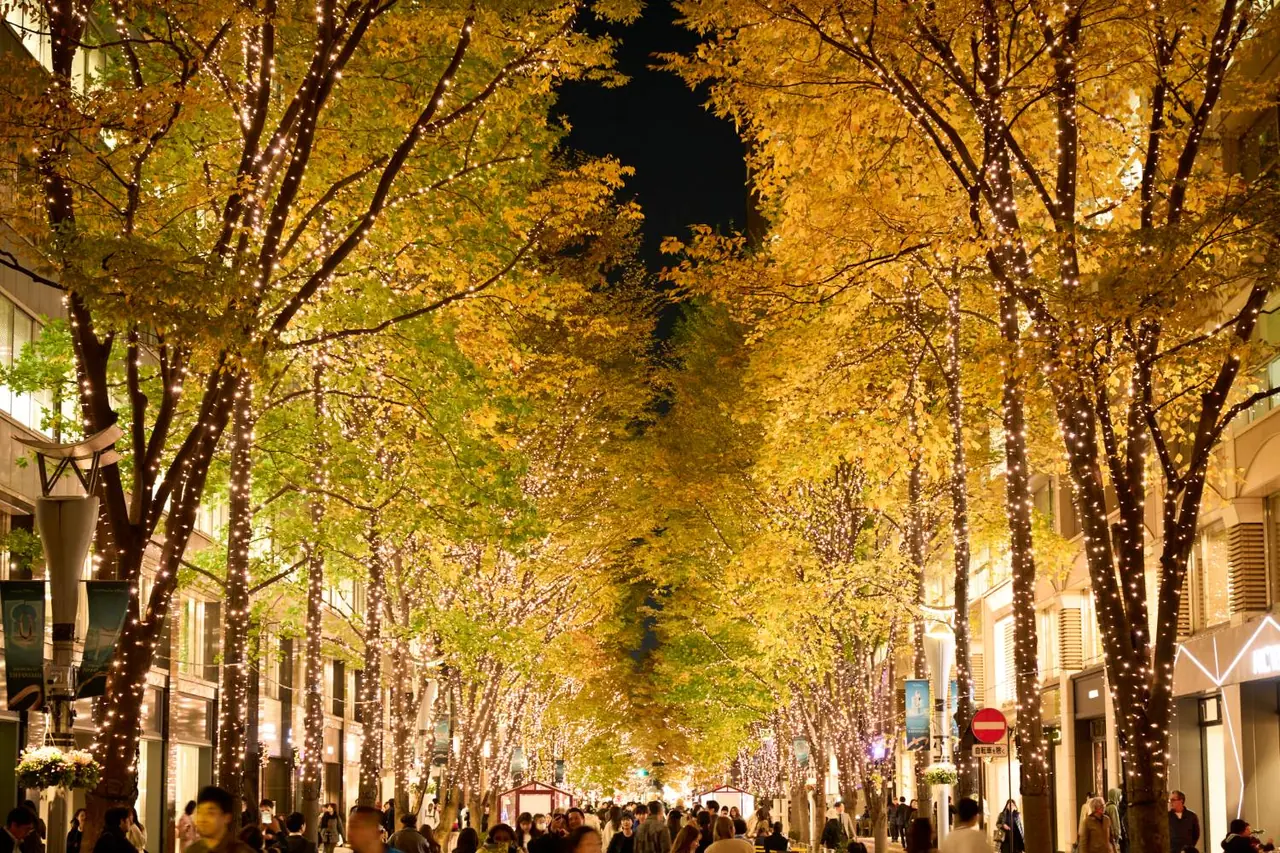 Nov 12 – Feb 14Marunouchi Illumination
Find on the map
Choose a numbered circle to zoom in there; choose a name to open the area's page.
This page is translated from the Japanese edition. Read the Japanese edition
What is the area like?
Miyakejima is a volcanic island with Mt. Oyama rising at its center. The eruption that began in 2000 left a caldera at the summit, and every resident had to leave the island. Drive the loop road around the island and traces of eruptions appear one after another: black shores where lava ran into the sea, a shrine buried by a mudflow, and more.
At the same time, the island's forests and ponds are full of wild birds, and it is also known as a birdwatching island. Take the overnight ferry from Takeshiba, arrive in the morning, and start exploring that same day.
Main sights
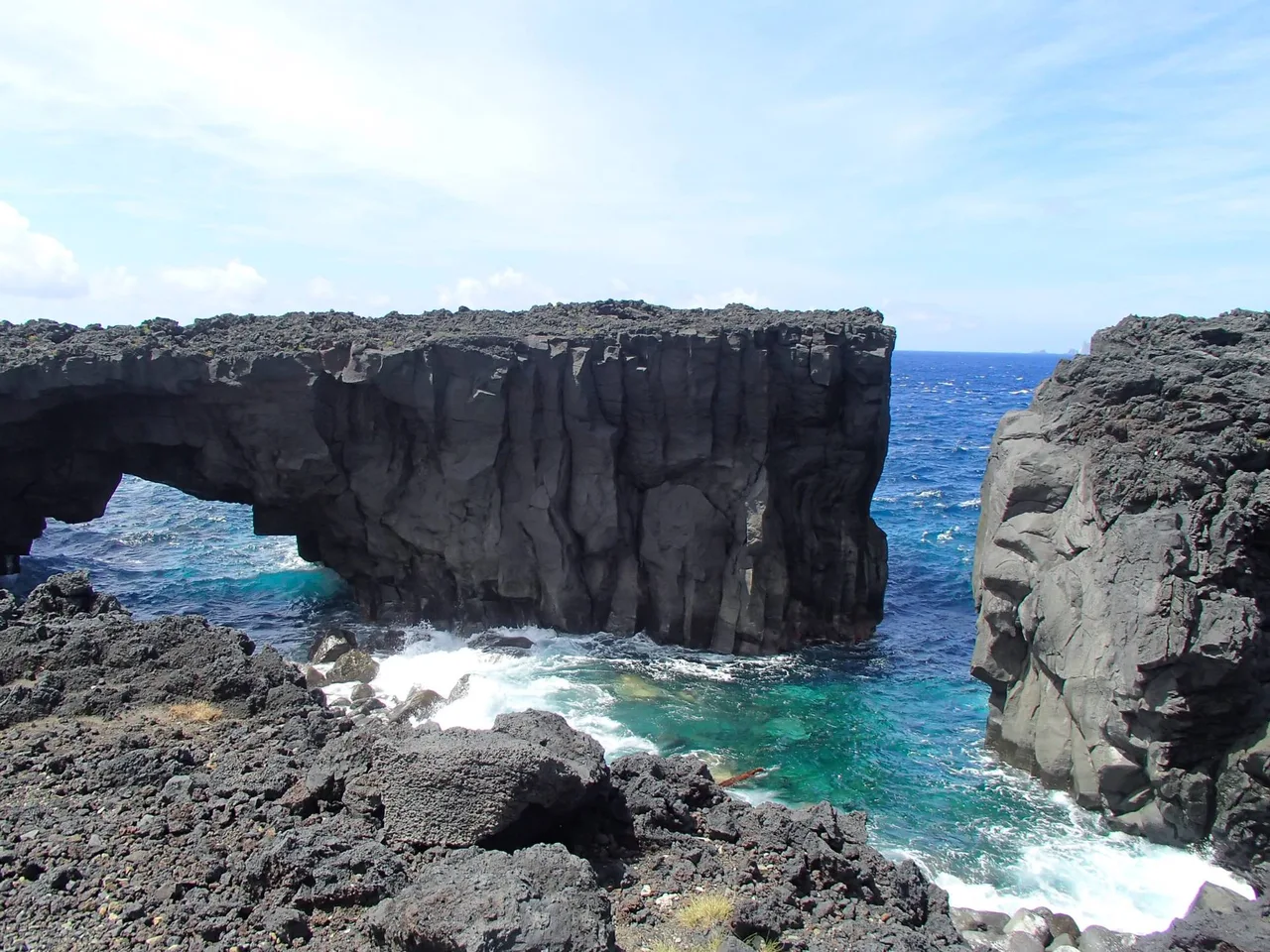
Megane-iwa (Spectacles Rock)
A rock formed when lava that flowed onto the shore was carved by waves. It once had two holes side by side like a pair of spectacles, but one side collapsed in the 1959 Isewan Typhoon, leaving a single arch today. See Miyakejima Island.
Izu-misaki Lighthouse
A white lighthouse on Cape Izu-misaki in the northwest of the island, first lit in 1909 (Meiji 42). It is the oldest working lighthouse in Tokyo and is also known as a place to watch the sunset and the stars.
Tairo-ike Pond and Akakokko-kan
Tairo-ike is a crater lake formed by a steam explosion more than about 2,500 years ago. It is surrounded by forest and is a protected area for wild birds. Near the pond, the Miyakejima Nature Center "Akakokko-kan" is the village's nature observation facility, where rangers from the Wild Bird Society of Japan introduce the island's birds and nature. Binoculars are available to borrow. Check opening days with the center.
Traces of eruptions
Shinmyo-ike, a crater lake formed in the 1763 eruption, lost its water when lava poured in during the 1983 eruption and is now only a site. Shiitori Shrine was buried by a mudflow in the 2000 eruption, and a new torii gate and hall of worship have been built. These are places to see for yourself how eruptions have changed the island's landscape.
Food and shopping
The signature souvenir is kusaya, and some is sold already grilled and vacuum-packed. Oyamaichi, a barley shochu revived after the island-wide evacuation, tea and noodles made with ashitaba, and milk crackers (gyunyu senbei) are also sold in island shops.
Restaurants and shops are scattered among the villages along the loop road. There are not many, so ask at your inn where to eat.
Getting there
- By boat from Takeshiba: From Takeshiba Passenger Ship Terminal, Tokai Kisen's large overnight ferry takes as little as 6 hr 30 min. It leaves Takeshiba at night and reaches the island early in the morning.
- Arrival port: Miike Port, Sabigahama Port (Ako) or Igaya Port, decided by sea conditions on the day. The outbound and return ports may differ.
- By air: New Central Airservice flies from Chofu Airport to Miyakejima Airport. Besides bad weather, volcanic gas can also stop flights. Check times with New Central Airservice.
Check service status with Tokai Kisen.
Getting around the area
Mt. Oyama still releases small amounts of volcanic gas. According to the Miyakejima Tourism Association, it is rarely detected in the villages, and you do not need to carry a gas mask. However, there are prohibited and restricted zones centered on the summit; check their extent in Miyake Village's notes for visitors. On set dates the tourism association sometimes runs guided tours that climb Mt. Oyama to just short of the crater.
Public transport on the island is the village bus along the loop road. Buses are infrequent, so to see Megane-iwa, Izu-misaki, Tairo-ike and more in a day, a rental car is convenient. Some people cycle, but the loop road has its ups and downs.
Look up sightseeing information at the Miyakejima Tourism Association. For booking ferries to the Izu Islands and preparing for cancellations, see our guide to traveling to Tokyo's islands.
Sights in Miyakejima
Recommended hotels in MiyakejimaPR
See prices and availability for hotels in Tokyo and book on our partner Trip.com.
See hotels in Tokyo on Trip.comTokyo guides
See all
More areas of Tokyo
- Asakusa
- Ueno
- Akihabara
- Tokyo Station & Marunouchi
- Ginza & Yurakucho
- Shinjuku
- Shibuya & Harajuku
- Ikebukuro
- Roppongi
- Shiba & Azabudai
- Odaiba
- Toyosu
- Kichijoji & Mitaka
- Yanaka, Nezu & Sendagi
- Komagome & Rikugien
- Gotokuji
- Ryogoku
- Nagatacho & Akasaka
- Kita-Senju
- Jingu Gaien & Aoyama
- Suidobashi & Korakuen
- Ebisu
- Shimokitazawa
- Jiyugaoka
- Futako-Tamagawa & Todoroki
- Nakano
- Ogikubo
- Akabane
- Tsukishima, Tsukuda & Harumi
- Kiyosumi-Shirakawa
- Mukojima
- Wakasu
- Kasai Rinkai Park
- Shibamata
- Mizumoto Park
- Haneda Airport
- Arakawa & Machiya
- Ikegami
- Mt. Takao
- Mitake & Sawai
- Lake Okutama
- Akigawa Valley
- Jindaiji
- Koganei
- Kokubunji
- Lake Tama
- Takahata Fudo
- Izu Oshima
- Toshima
- Niijima
- Shikinejima
- Kozushima
- Hachijojima
- Aogashima
- Ogasawara Islands