Asakusa and Ueno Half-Day: Senso-ji to Ameyoko
- Senso-ji Temple
- Nakamise Street
- Asakusa Culture Tourist Information Center
- Tokyo National Museum
- Shinobazu Pond
- Ameyoko

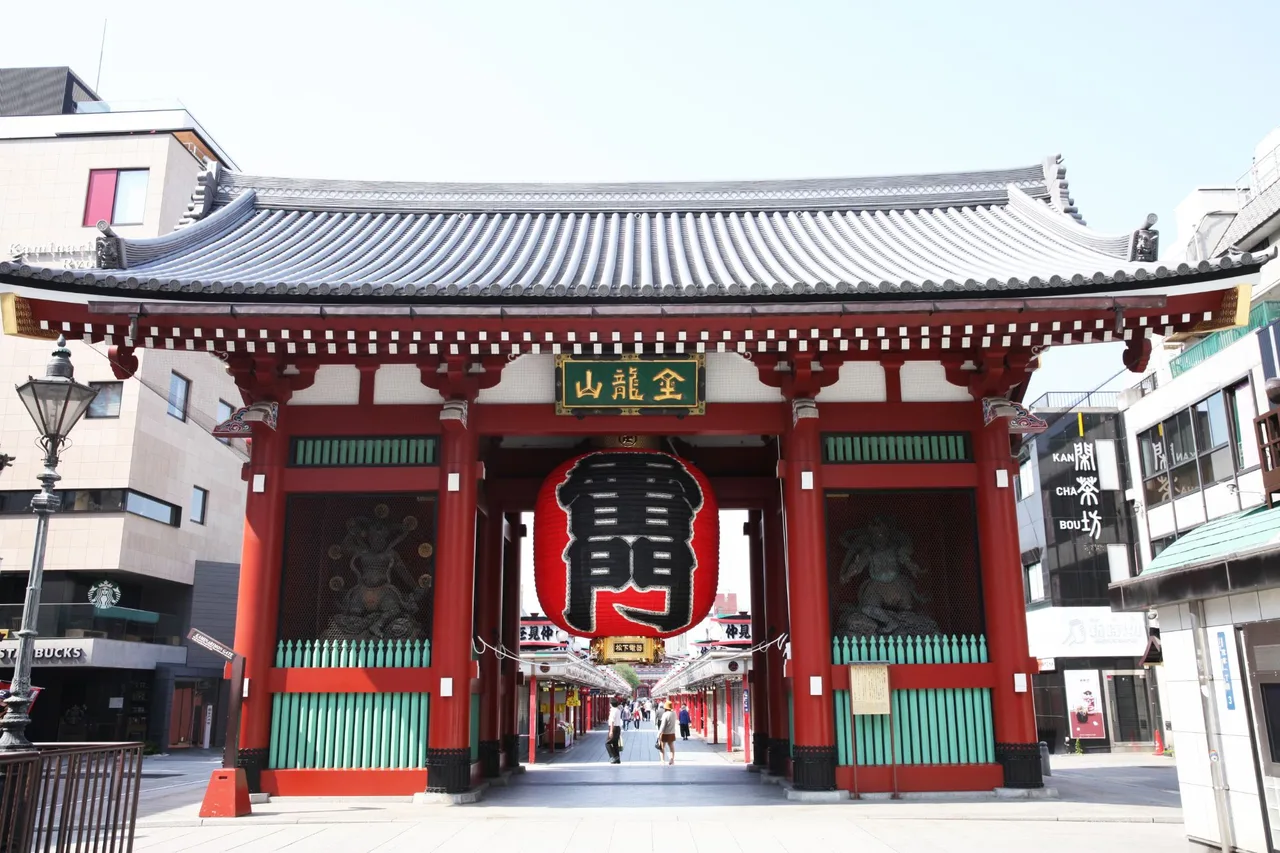
Photo: Senso-ji
Areas of Tokyo
Senso-ji Temple, Nakamise Street, the Sumida River and Kappabashi. What to see in Asakusa, street food etiquette, train lines and how to avoid the crowds.
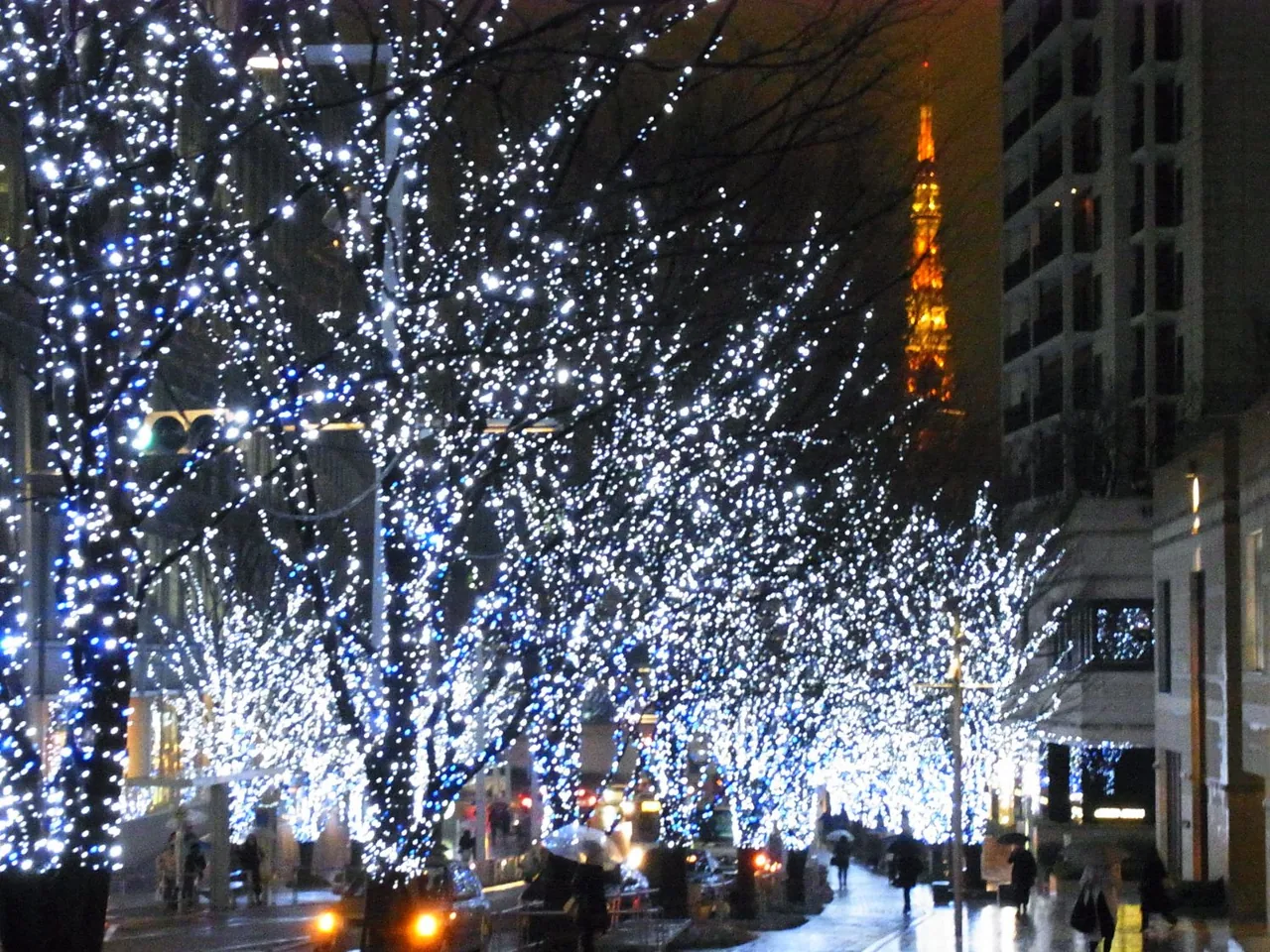 Nov 5 – Dec 25Roppongi Keyakizaka Illumination
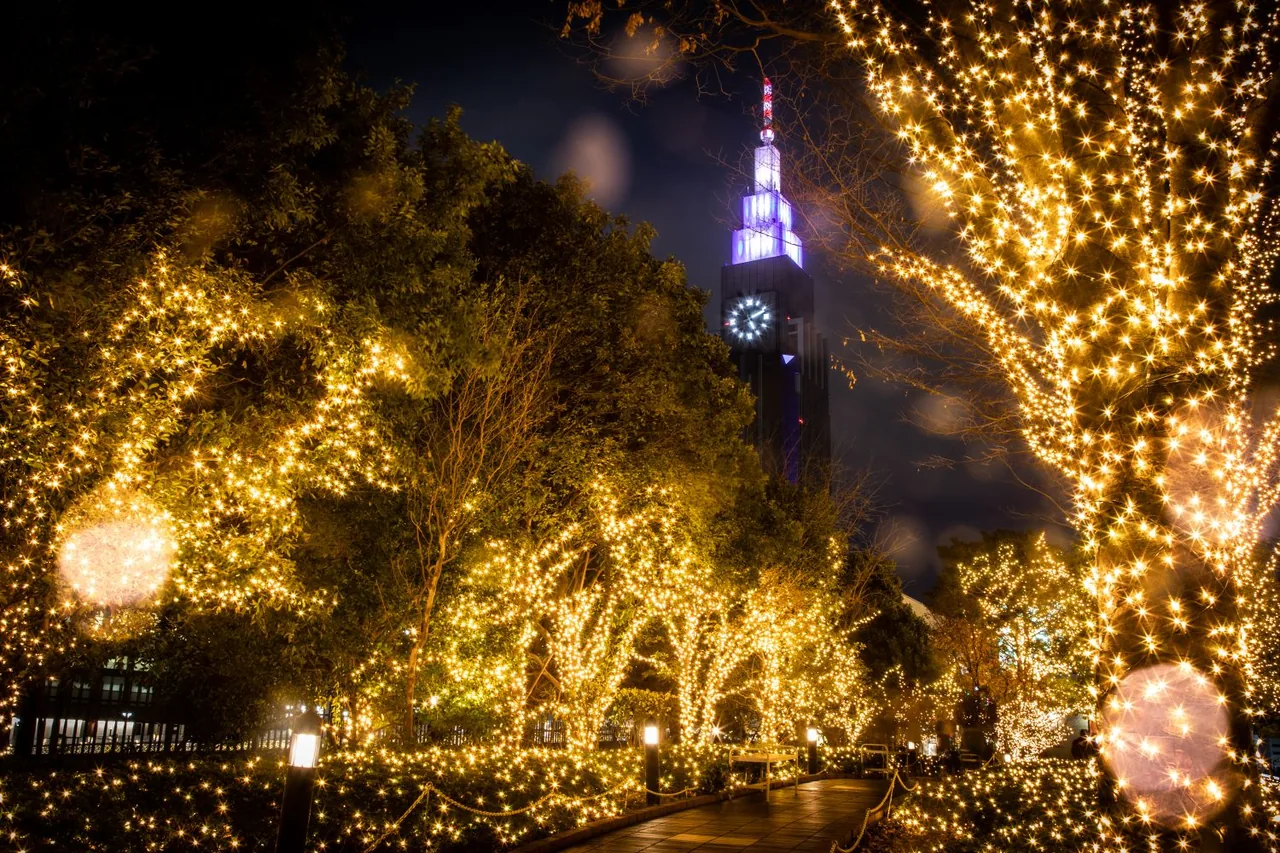 Nov 11 – Feb 14Shinjuku Minamillumi (Shinjuku Southern Terrace Illuminations)
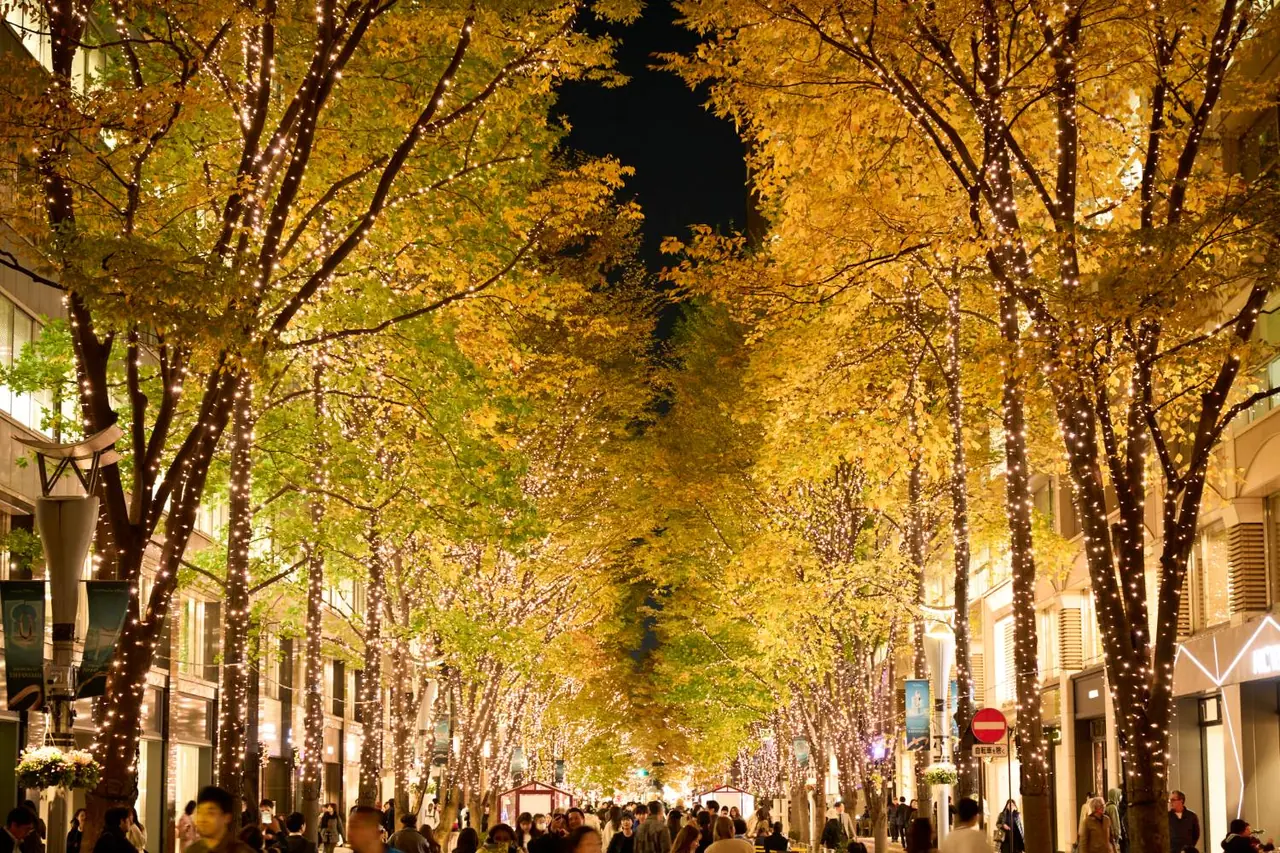 Nov 12 – Feb 14Marunouchi Illumination
This page is translated from the Japanese edition. Read the Japanese edition
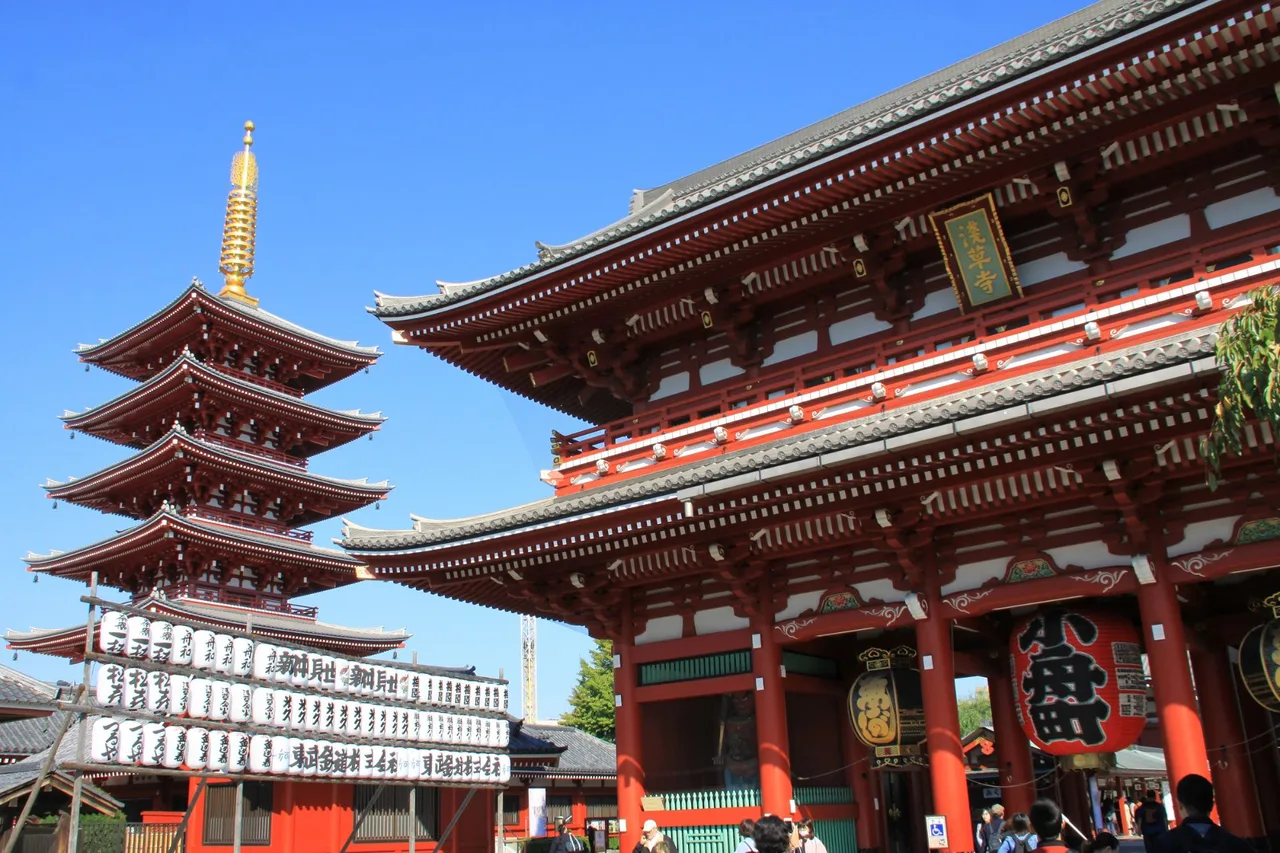
By late morning, the line of people taking photos in front of the giant lantern at Kaminarimon Gate never seems to end. Asakusa is a neighborhood of shops gathered at the gates of Senso-ji Temple, and everything from the sweet shops on the approach to the old diners in the back streets and the views of the Sumida River lies within walking distance. It's an especially easy area to explore if you're seeing a Japanese temple for the first time or want to pick up souvenirs in one go.
Allow two to three hours for Senso-ji and Nakamise Street alone. If you also want to walk along the Sumida River or visit Kappabashi Dogu Street, plan on half a day.
The heart of Asakusa: its main hall stands at the end of Nakamise Street, past Kaminarimon Gate. Asakusa Shrine is also on the grounds, so you can take a short loop after praying. The main hall's opening time changes with the season, so if you're going early in the morning, check the Senso-ji official website.
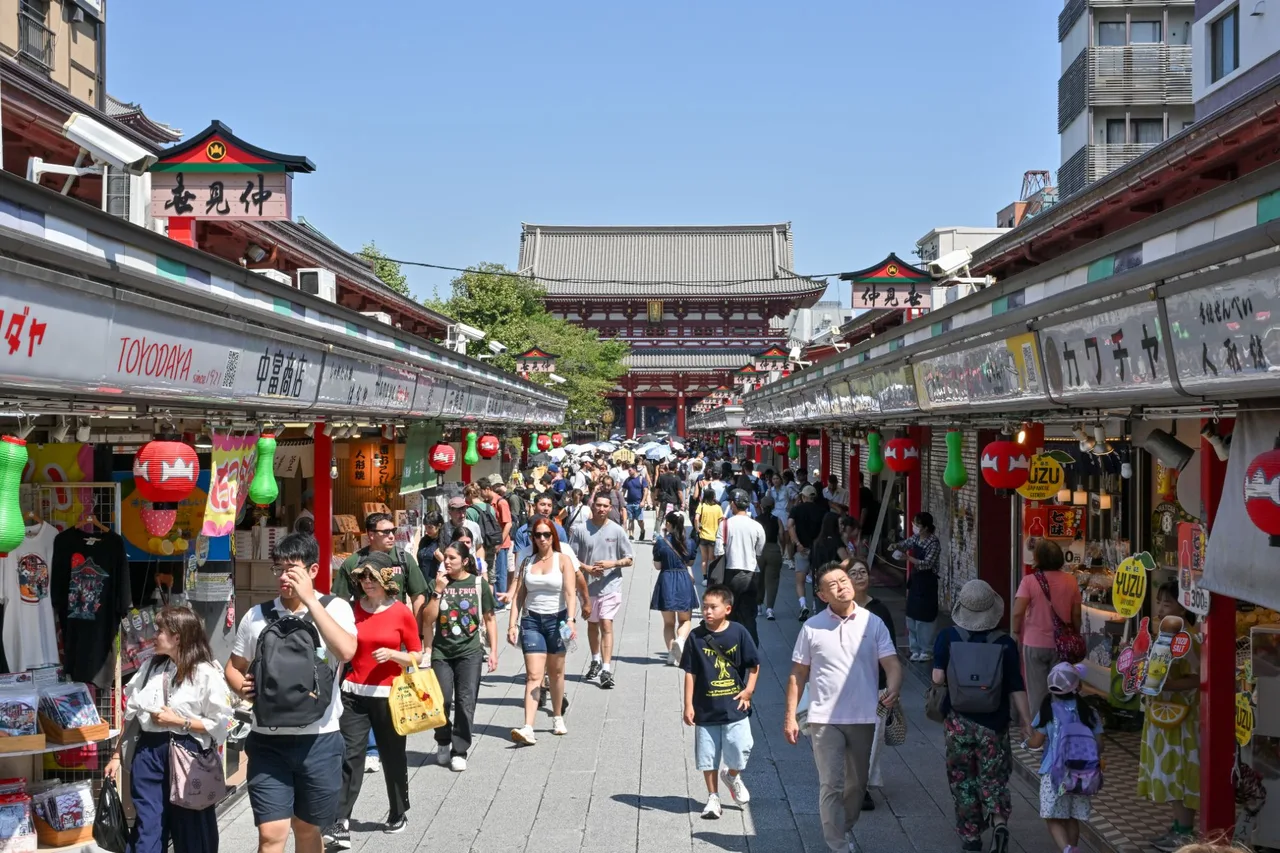
This approach runs about 250 meters from Kaminarimon to Hozomon Gate, lined on both sides with shops selling Japanese sweets and souvenirs. The street's history is introduced on Senso-ji's Nakamise page.
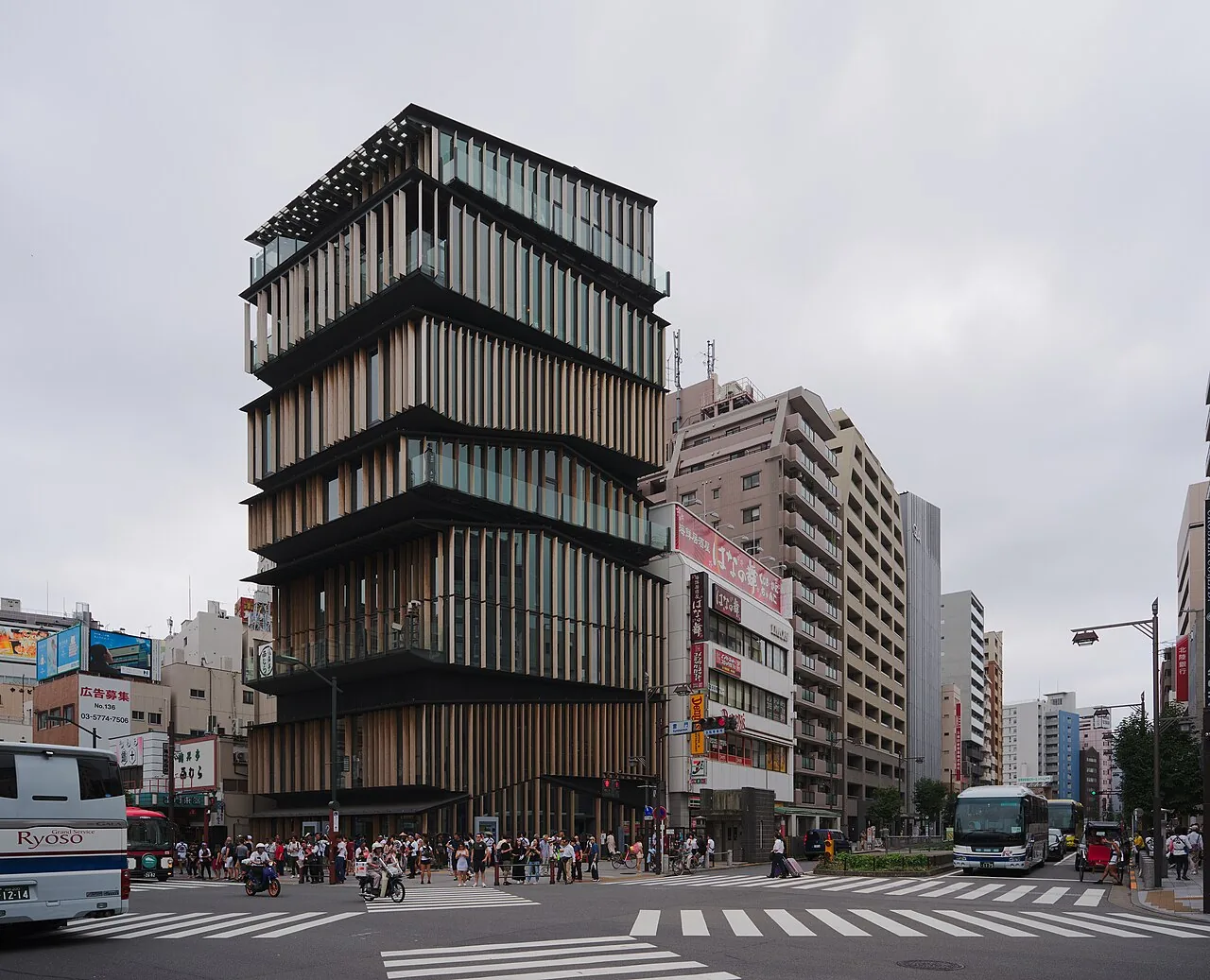
This tourist information center stands across from Kaminarimon, in a building designed by Kengo Kuma. The 8th-floor observation terrace is free and looks down on Nakamise Street and Tokyo Skytree. Staff can help in Japanese, English, Chinese and Korean (Taito City information page).
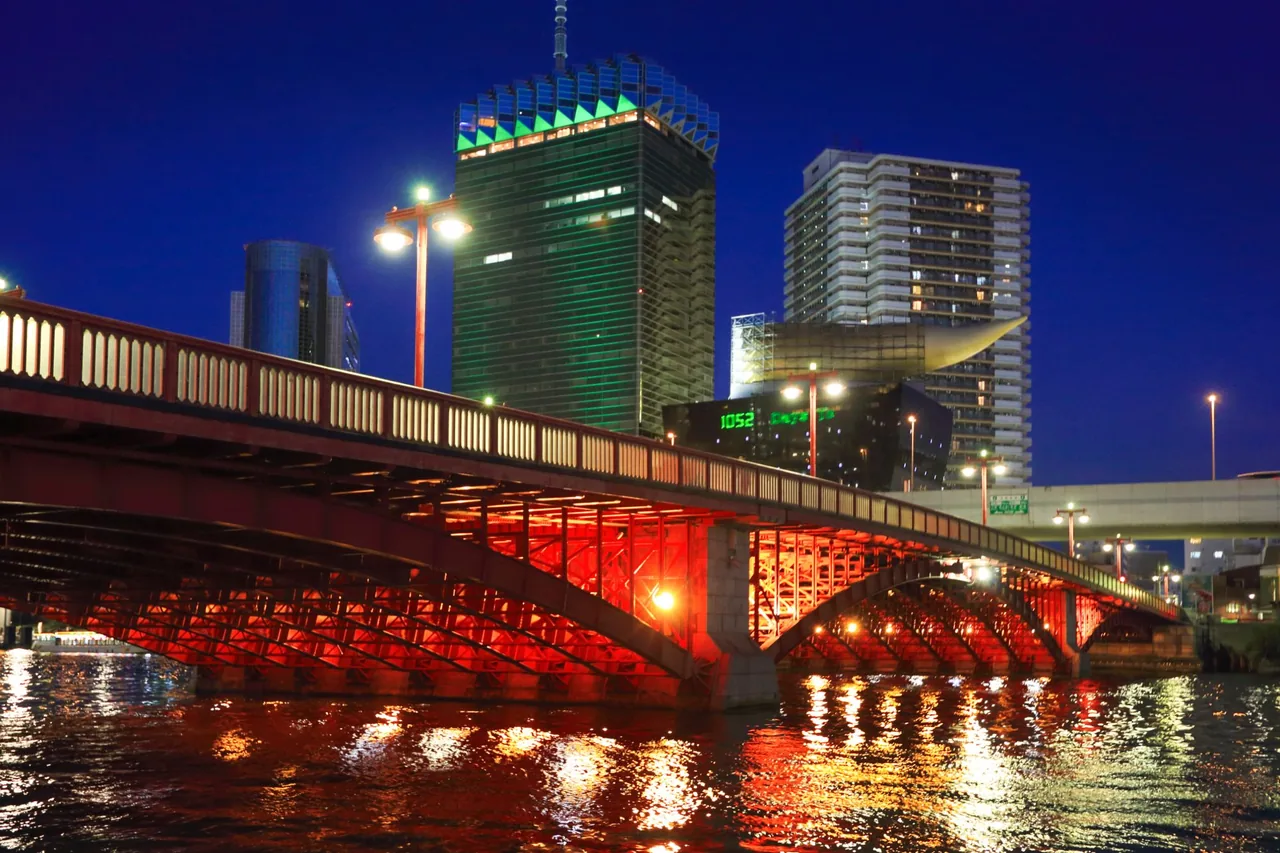
About a five-minute walk from Asakusa Station, this park stretches along both banks of the Sumida River. Tokyo Skytree rises across the water, and in spring the park is a well-known cherry blossom spot (Taito City official tourism site).
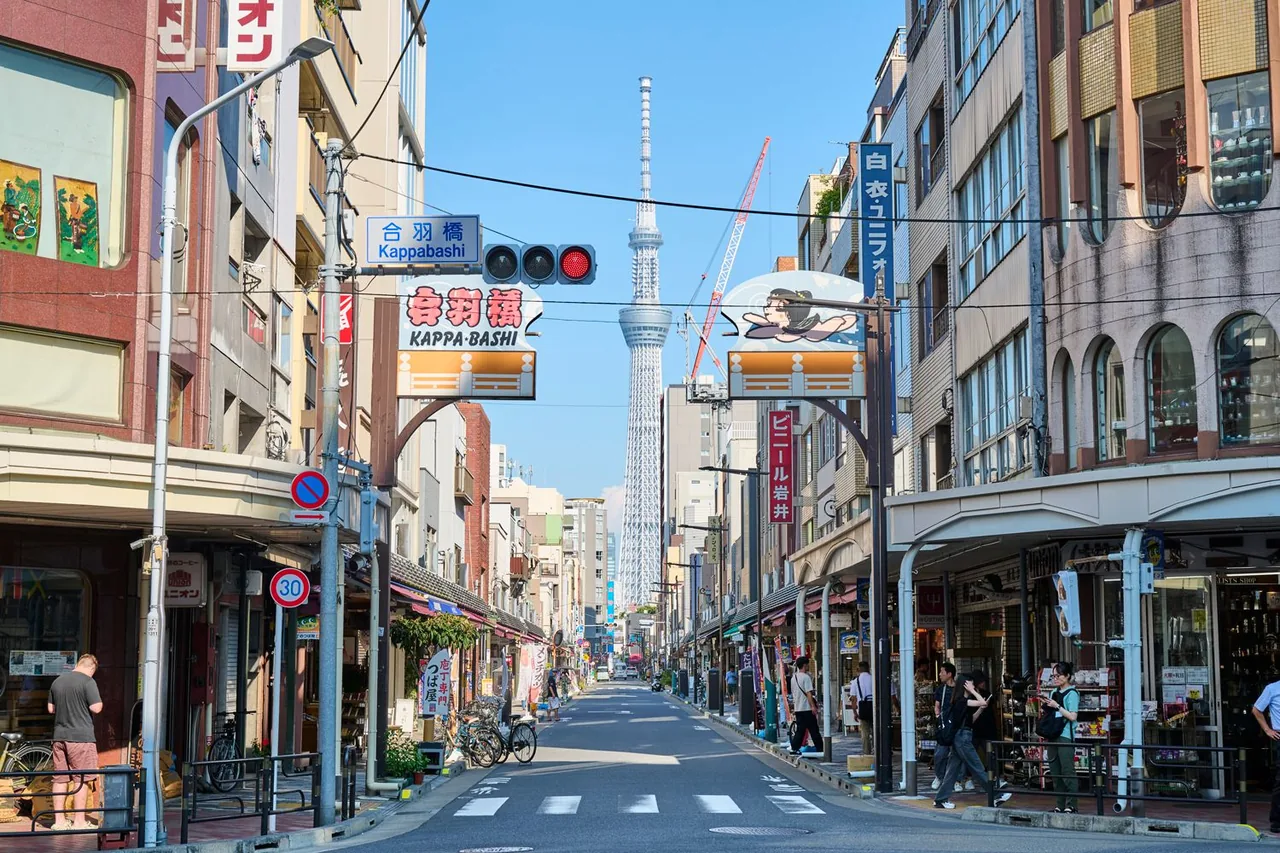
A wholesale street packed with shops specializing in kitchen tools, tableware and plastic food samples, about six minutes on foot from Tawaramachi Station on the Tokyo Metro Ginza Line. It's a place to compare knives and dishes shop by shop (Kappabashi Dogu Street official website).
Nakamise Street is full of shops selling Japanese sweets you can eat on the spot, such as ningyo-yaki cakes and kibi dango. The street asks visitors not to eat while walking, but to eat in front of the shop where they bought the food.
The lanes around Nakamise hide old-style diners, traditional sweet cafés and kimono rental shops, and stepping just one street away is enough to leave the crowds behind. On Kappabashi, some shops apply food-sample craftsmanship to magnets and key rings, so there are souvenirs beyond kitchen tools too. Small shops are sometimes cash only, so keep a little cash with you.
Four lines serve Asakusa Station: the Tokyo Metro Ginza Line, the Toei Asakusa Line, the Tobu Skytree Line and the Tsukuba Express. Senso-ji is about a five-minute walk from any of them (from Exit A4 on the Toei Asakusa Line).
Early morning is the quietest time. Kaminarimon and Nakamise get busy from late morning, so visit Senso-ji first and save your Nakamise shopping for the walk back, when the shops are open. After that, stroll along the river in Sumida Park and look down on the neighborhood from the culture center's observation terrace; the whole route can be done on foot.
In the afternoon, an easy combination is to head to Ueno by way of Kappabashi Dogu Street. The walk to Ueno takes about 30 minutes, so feel free to switch to the Ginza Line if you're tired. For Ueno's sights, see the Ueno area guide; for a full-day route, see Asakusa and Ueno in one day.
Restaurant information: Powered by ホットペッパー グルメ Webサービス
See prices and availability for hotels in Tokyo and book on our partner Trip.com.
See hotels in Tokyo on Trip.com