
Takahata Fudo
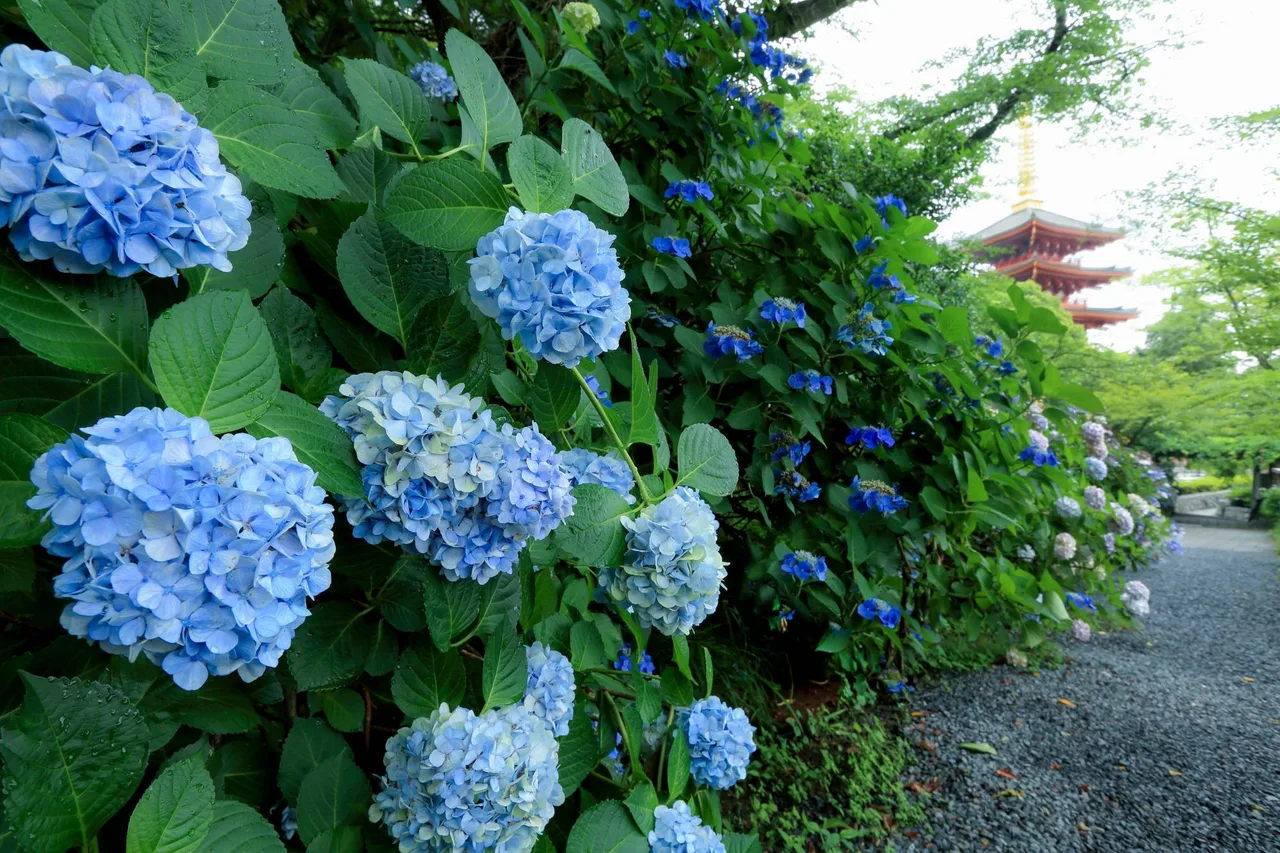
Photo: © TCVB
Areas of Tokyo
Takahata Fudo
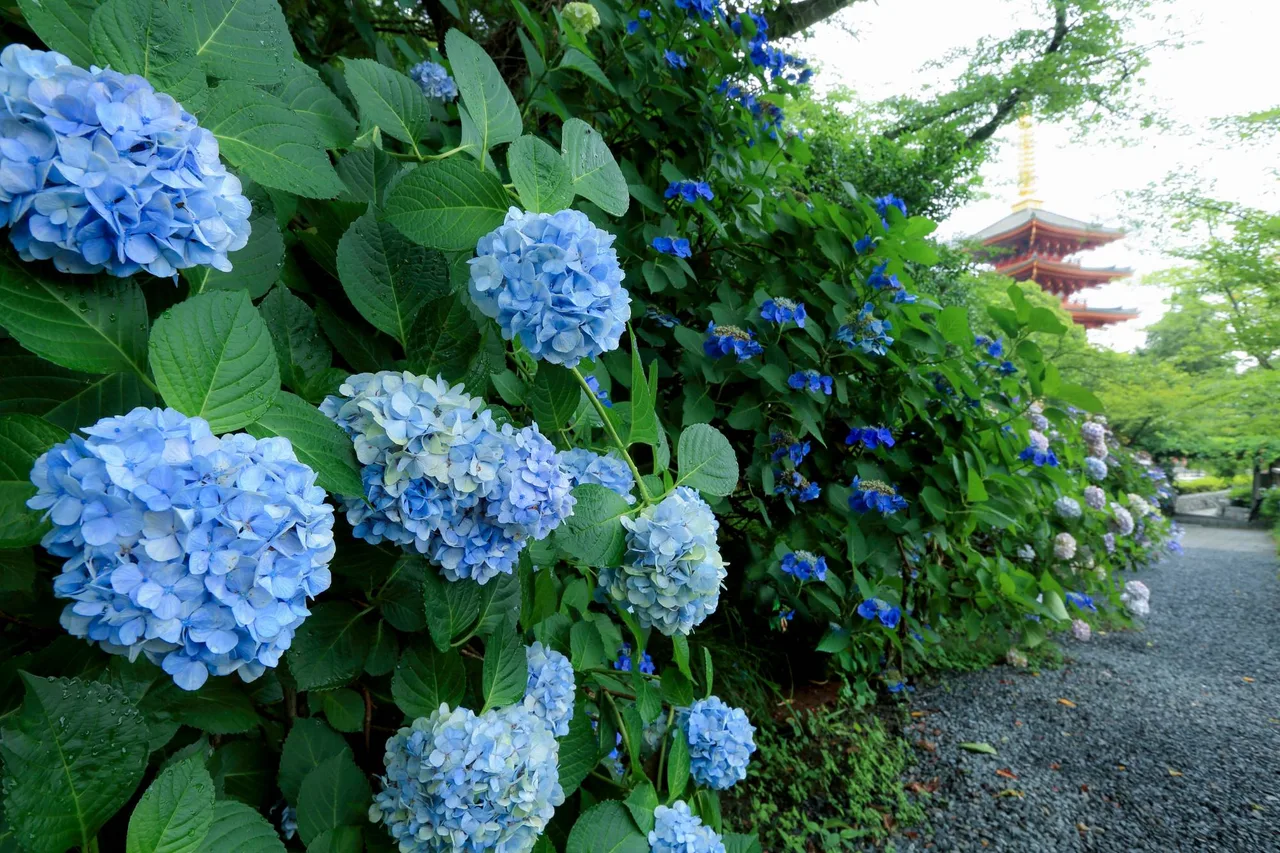
Takahata Fudoson near Takahatafudo Station: the Fudo Hall and pagoda, June hydrangeas, the January 28 Daruma Market and Hijikata Toshizo.
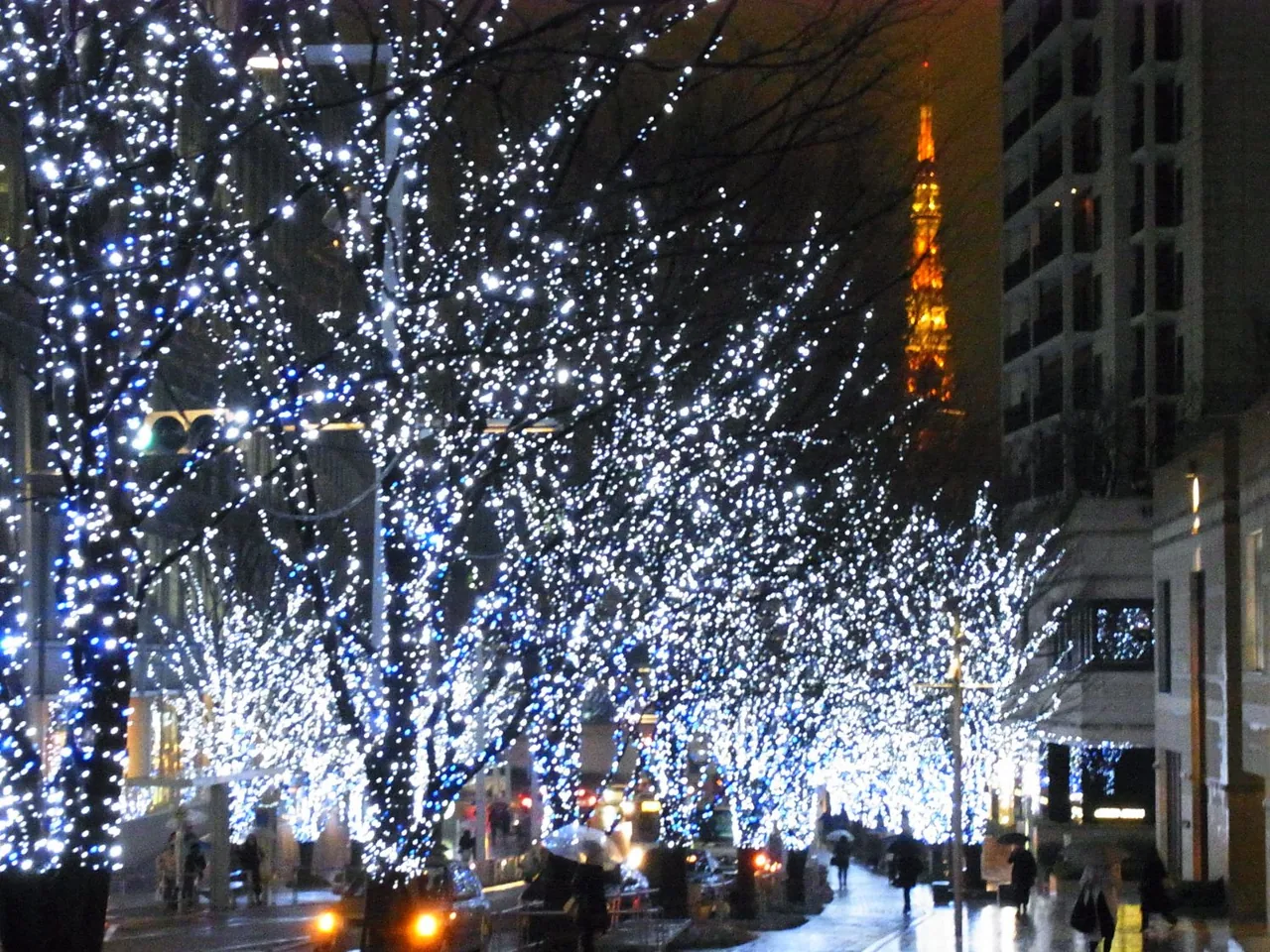 Nov 5 – Dec 25Roppongi Keyakizaka Illumination
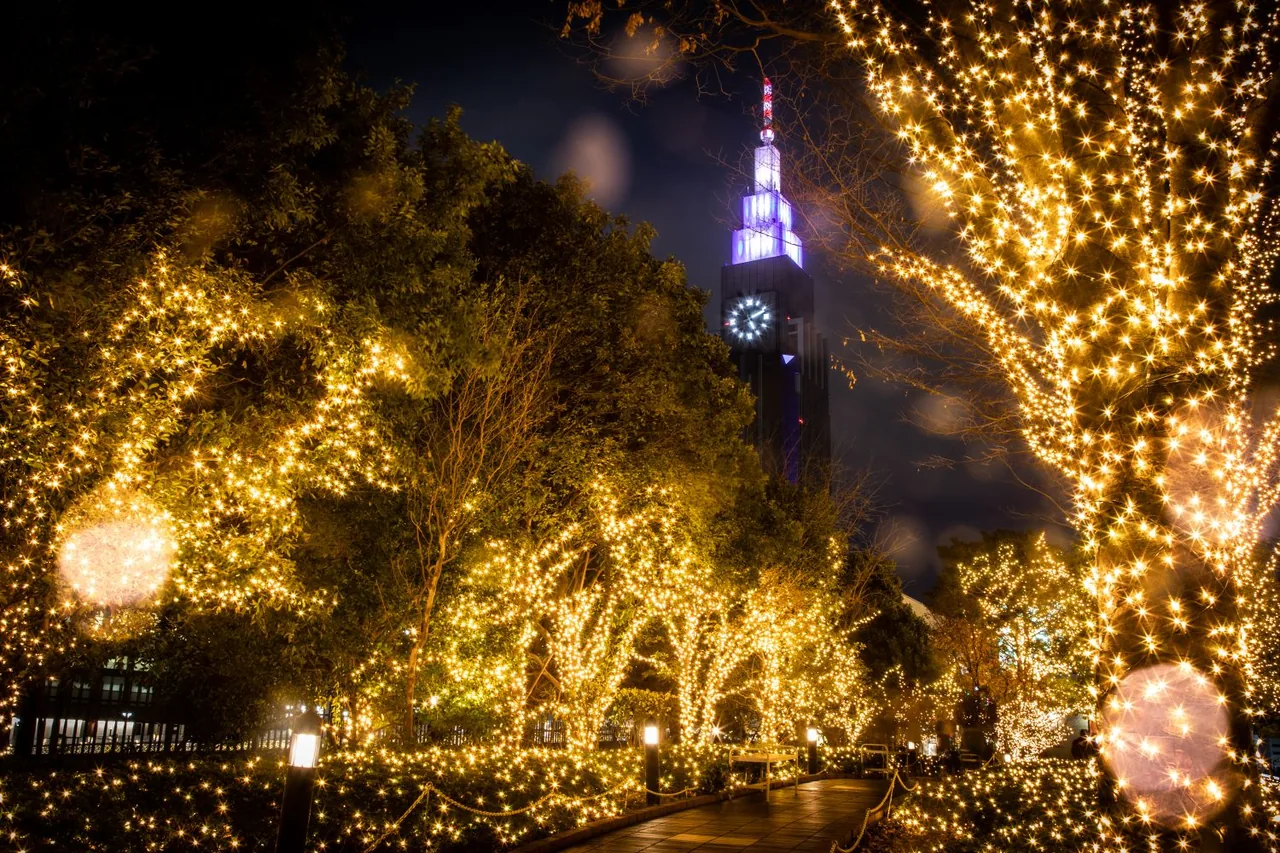 Nov 11 – Feb 14Shinjuku Minamillumi (Shinjuku Southern Terrace Illuminations)
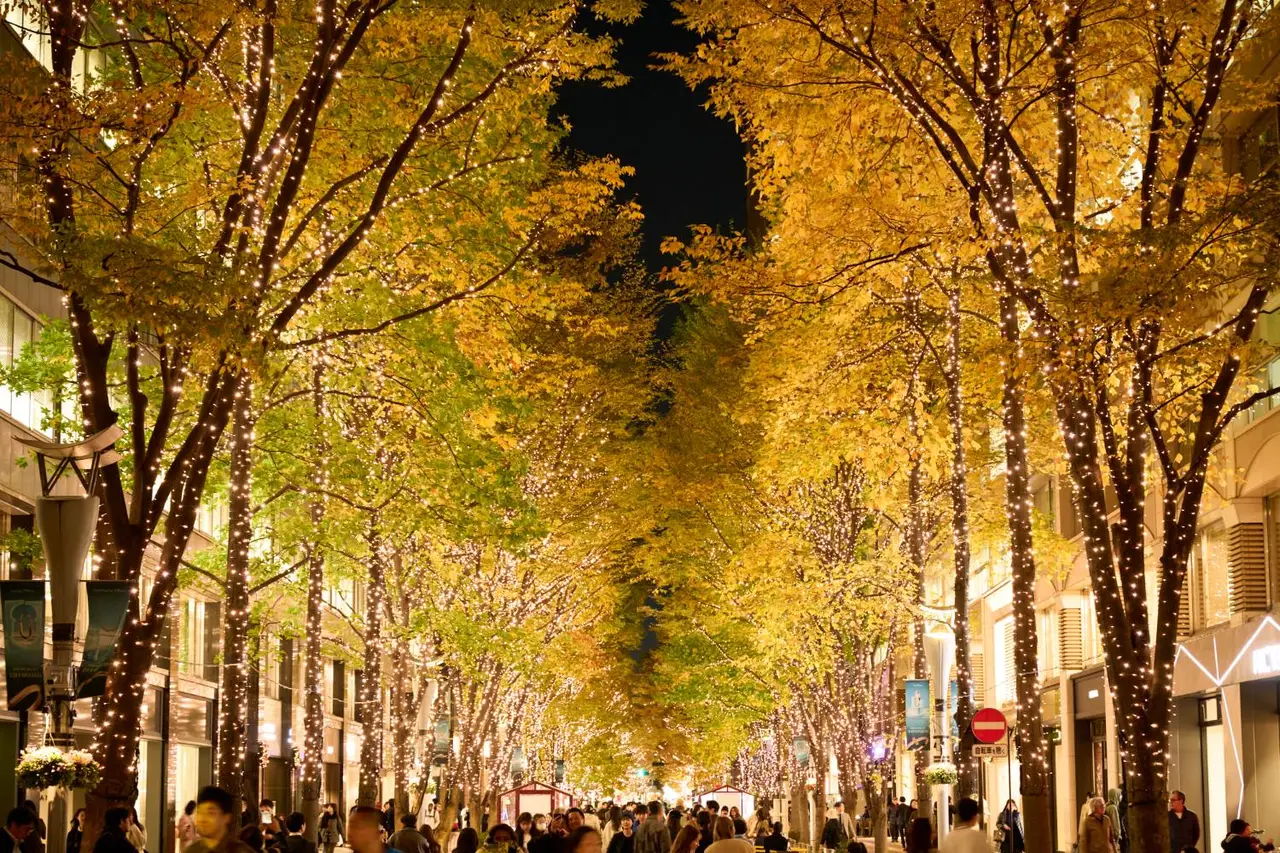
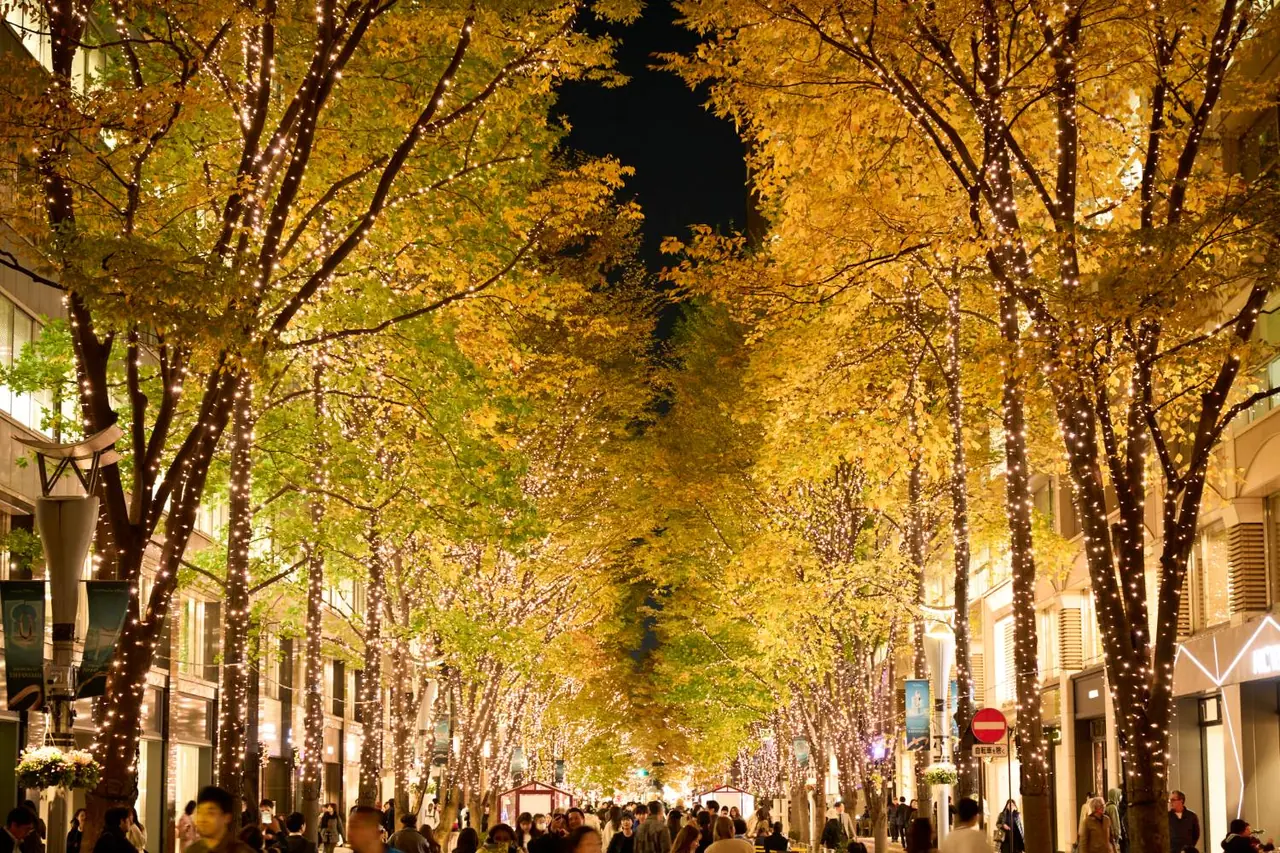 Nov 12 – Feb 14Marunouchi Illumination
Find on the map
Choose a numbered circle to zoom in there; choose a name to open the area's page.
This page is translated from the Japanese edition. Read the Japanese edition
What is the area like?
Leave Takahatafudo Station on the Keio Line and walk a little way along the approach street, and a vermilion five-story pagoda appears beyond the rooftops. Takahata Fudoson Kongoji, on Mt. Takahata in Hino City, is a Shingon Buddhist temple affectionately known as "Takahata Fudoson" and counted among the three great Fudo temples of the Kanto region.
The temple buildings sit together on flat ground, but a hill rises right behind them, with a path that loops around its slopes. In June hydrangeas cover the hill, and in January a Daruma Market is held on the temple's fair day, so the temple looks different with each season. Hijikata Toshizo, vice-commander of the Shinsengumi, was born and raised nearby, and the temple is known as the Hijikata family's family temple.
Main sights
Takahata Fudoson Kongoji
The Fudo Hall, built in the Muromachi period, is a national Important Cultural Property and is said to be the oldest cultural-property building in Tokyo. The five-story pagoda, about 40 meters tall, stands in the grounds as the temple's landmark.
On the hill behind is the "Sannai Hachijuhachi-kasho" pilgrimage route, opened in 1909. You can walk the mountain path, lined with statues of Kobo Daishi, in about an hour. It's an earth path that gets slippery after rain, so wear comfortable shoes. See Takahata Fudoson Kongoji for details.
Hydrangea season
June is hydrangea season, when mountain hydrangeas and Western hydrangeas bloom in the grounds and on the slopes of the hill. The "Hydrangea Festival" is held then, and crowds come even on weekdays. As a guide, mountain hydrangeas are at their best from late May to mid-June, and Western hydrangeas from mid- to late June. This year's blooms can be checked on the temple's official website. For flower seasons across Tokyo, see also our feature "Tokyo flower calendar."
Daruma Market
Every year on January 28, a market is held to coincide with "Hatsu Fudo," the first Fudo fair day of the year. Daruma sellers from all over the Kanto region set up stalls in the grounds, and their calls ring out all day. The same day there is also a chigo procession of costumed children. Some years it falls on a weekday, so check the event times on the official website. See Daruma Market (Takahata Fudoson) for details.
Places linked to Hijikata Toshizo
The temple keeps a memorial tablet for Hijikata Toshizo, and in the grounds stand a statue of Hijikata and the "Ryoyu no Hi," a monument honoring Kondo Isami and Hijikata Toshizo. If you're interested in the history of the Shinsengumi, look for them while you visit.
Food and shopping
The approach street from Takahatafudo Station to the temple gate is lined with wagashi (Japanese sweets) and souvenir shops and places to eat. During the Daruma Market and the Hydrangea Festival, the shops along the approach get busy too.
There are also shopping facilities and restaurants around the station, so you won't struggle to find a meal before or after your visit.
Getting there
- Takahatafudo Station on the Keio Line: reachable from Shinjuku Station on the Keio Line without changing trains. The temple is about a five-minute walk.
- Takahatafudo Station on the Tama Toshi Monorail: reachable without changing from the Tachikawa and Tama Center directions. The temple is about a five-minute walk.
Limited Express and other fast Keio trains stop at Takahatafudo, but destinations vary by train. Whether you're boarding a train for Takaosanguchi, Keio-Hachioji or elsewhere, check that it stops at Takahatafudo before you get on.
Getting around the area
Walk the approach from the station into the temple, pray at the Fudo Hall and the pagoda, then do a loop of the Sannai Hachijuhachi-kasho on the hill behind. Once you're back down, wander the grounds looking for Hijikata Toshizo's statue and monument, and you can see everything in less than half a day. In hydrangea season the hill path gets crowded, so walking it in the morning is best.
From Takahatafudo Station, some Keio trains also run without a change to Takaosanguchi Station for Mt. Takao. You could visit Takahata Fudoson in the morning and head to Mt. Takao in the afternoon. Check temple event dates on the Takahata Fudoson official website.
Sights in Takahata Fudo
Recommended hotels in Takahata FudoPR
See prices and availability for hotels in Tokyo and book on our partner Trip.com.
See hotels in Tokyo on Trip.comTokyo guides
See all
More areas of Tokyo
- Asakusa
- Ueno
- Akihabara
- Tokyo Station & Marunouchi
- Ginza & Yurakucho
- Shinjuku
- Shibuya & Harajuku
- Ikebukuro
- Roppongi
- Shiba & Azabudai
- Odaiba
- Toyosu
- Kichijoji & Mitaka
- Yanaka, Nezu & Sendagi
- Komagome & Rikugien
- Gotokuji
- Ryogoku
- Nagatacho & Akasaka
- Kita-Senju
- Jingu Gaien & Aoyama
- Suidobashi & Korakuen
- Ebisu
- Shimokitazawa
- Jiyugaoka
- Futako-Tamagawa & Todoroki
- Nakano
- Ogikubo
- Akabane
- Tsukishima, Tsukuda & Harumi
- Kiyosumi-Shirakawa
- Mukojima
- Wakasu
- Kasai Rinkai Park
- Shibamata
- Mizumoto Park
- Haneda Airport
- Arakawa & Machiya
- Ikegami
- Mt. Takao
- Mitake & Sawai
- Lake Okutama
- Akigawa Valley
- Jindaiji
- Koganei
- Kokubunji
- Lake Tama
- Izu Oshima
- Toshima
- Niijima
- Shikinejima
- Kozushima
- Miyakejima
- Hachijojima
- Aogashima
- Ogasawara Islands