
Shinjuku
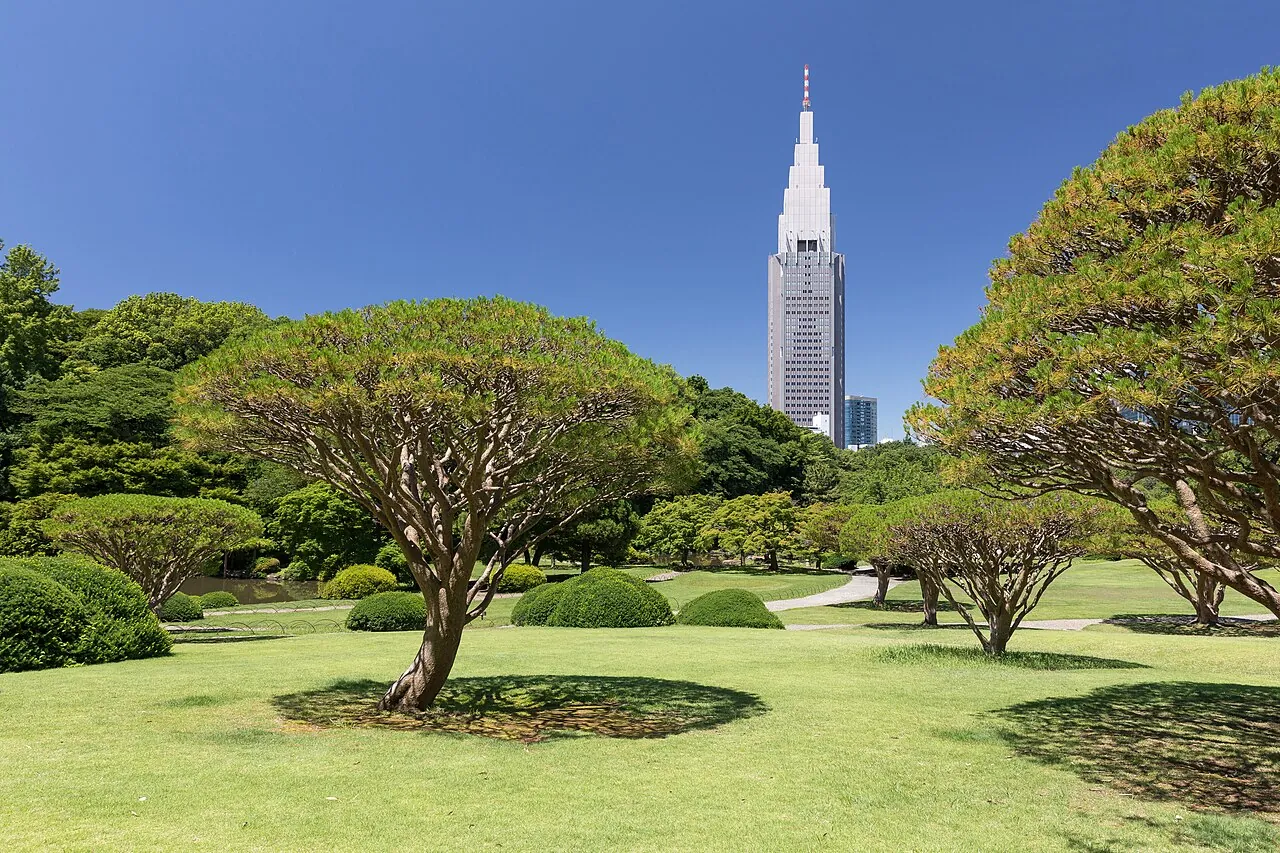
Photo: Basile Morin / Wikimedia Commons(CC BY-SA 4.0)
Areas of Tokyo
Shinjuku
Shinjuku Gyoen, the free Tokyo Metropolitan Government observatories, the bar alleys of Omoide Yokocho and Golden Gai, and Kabukicho, plus how to use Shinjuku Station.
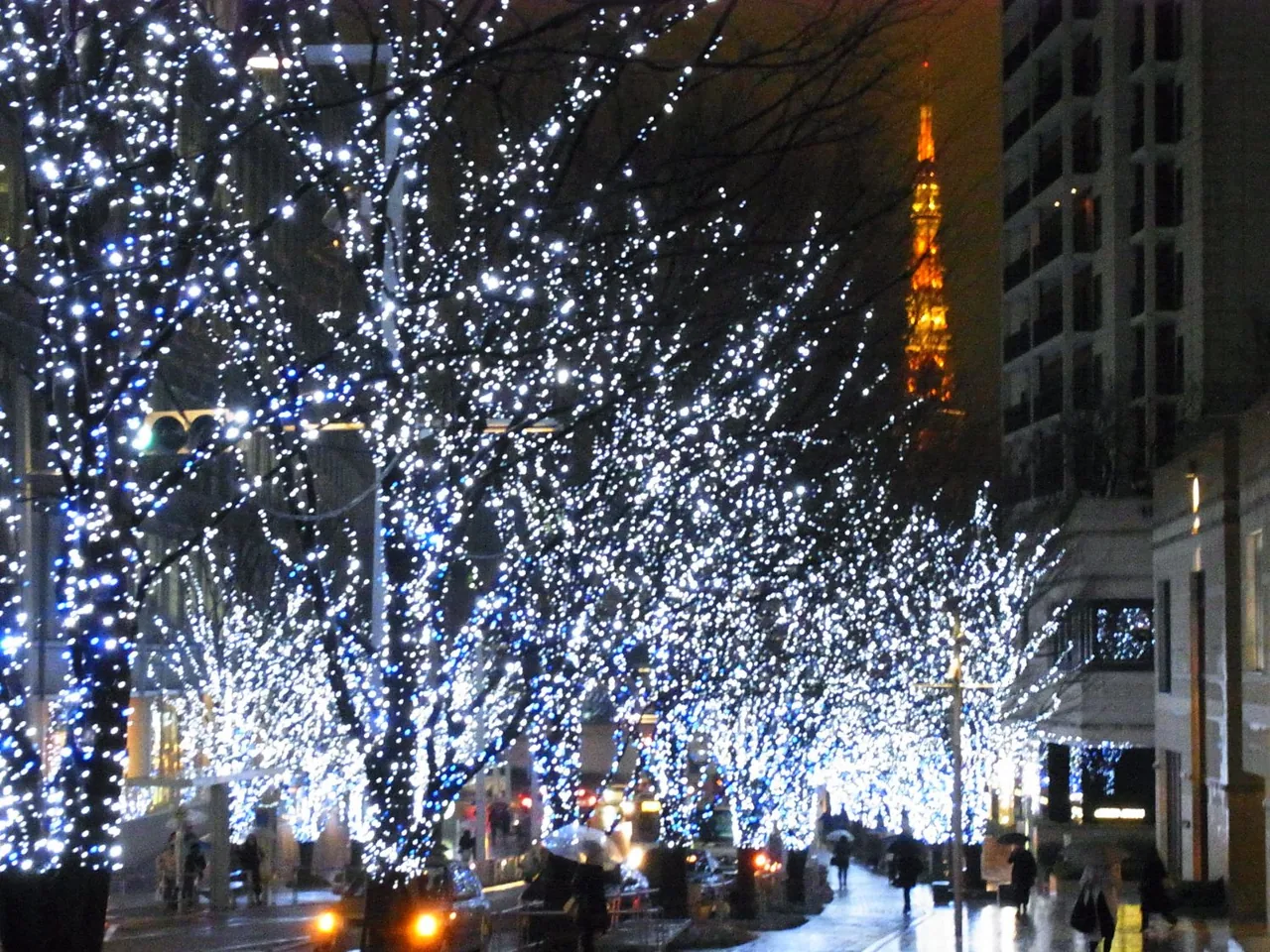 Nov 5 – Dec 25Roppongi Keyakizaka Illumination
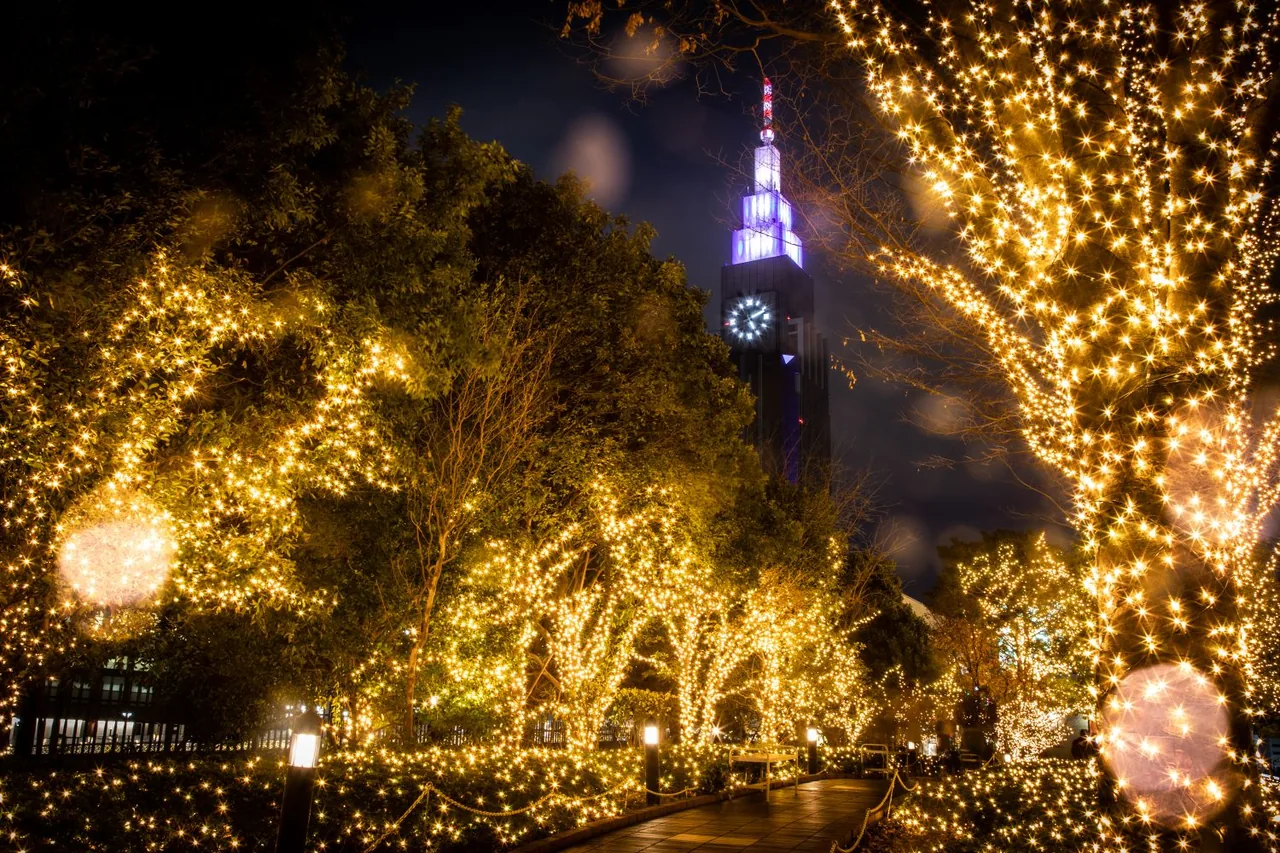 Nov 11 – Feb 14Shinjuku Minamillumi (Shinjuku Southern Terrace Illuminations)
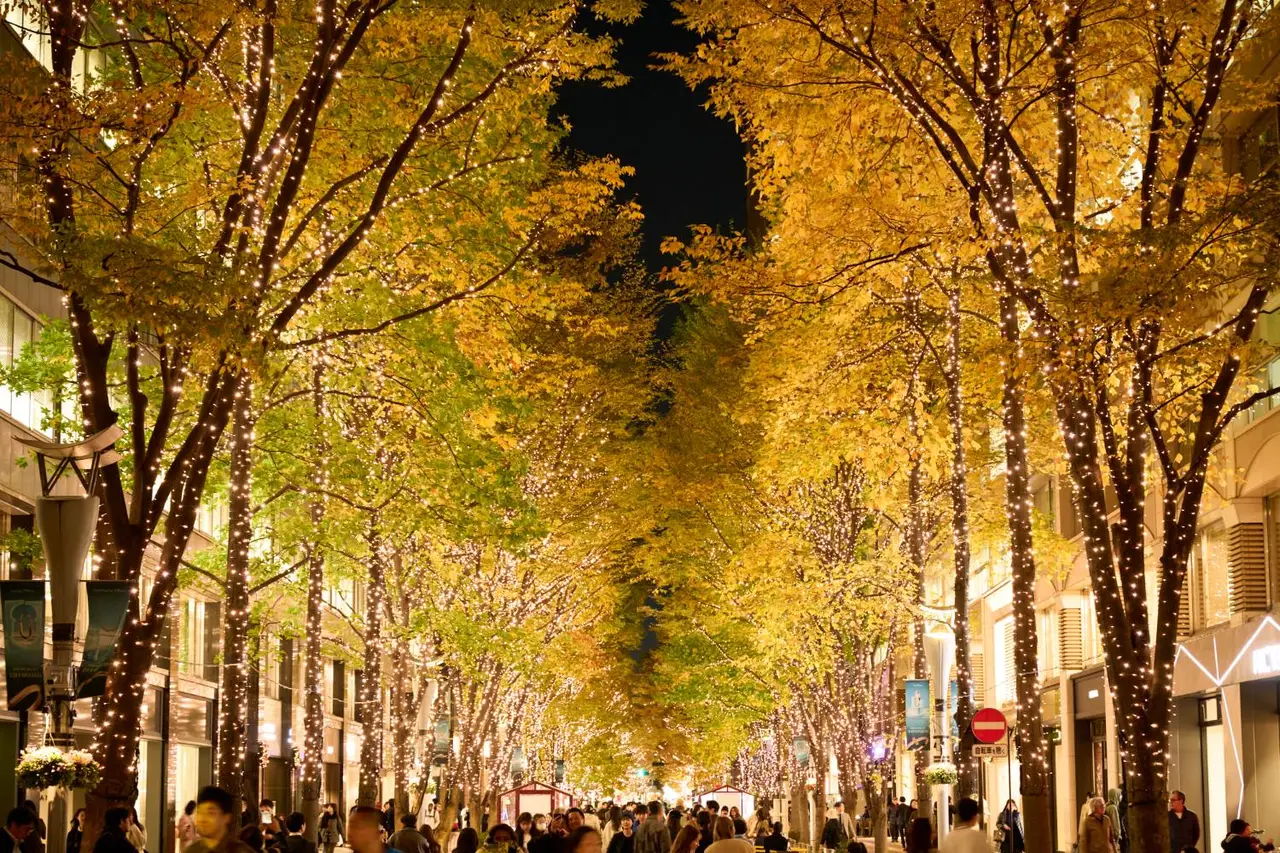
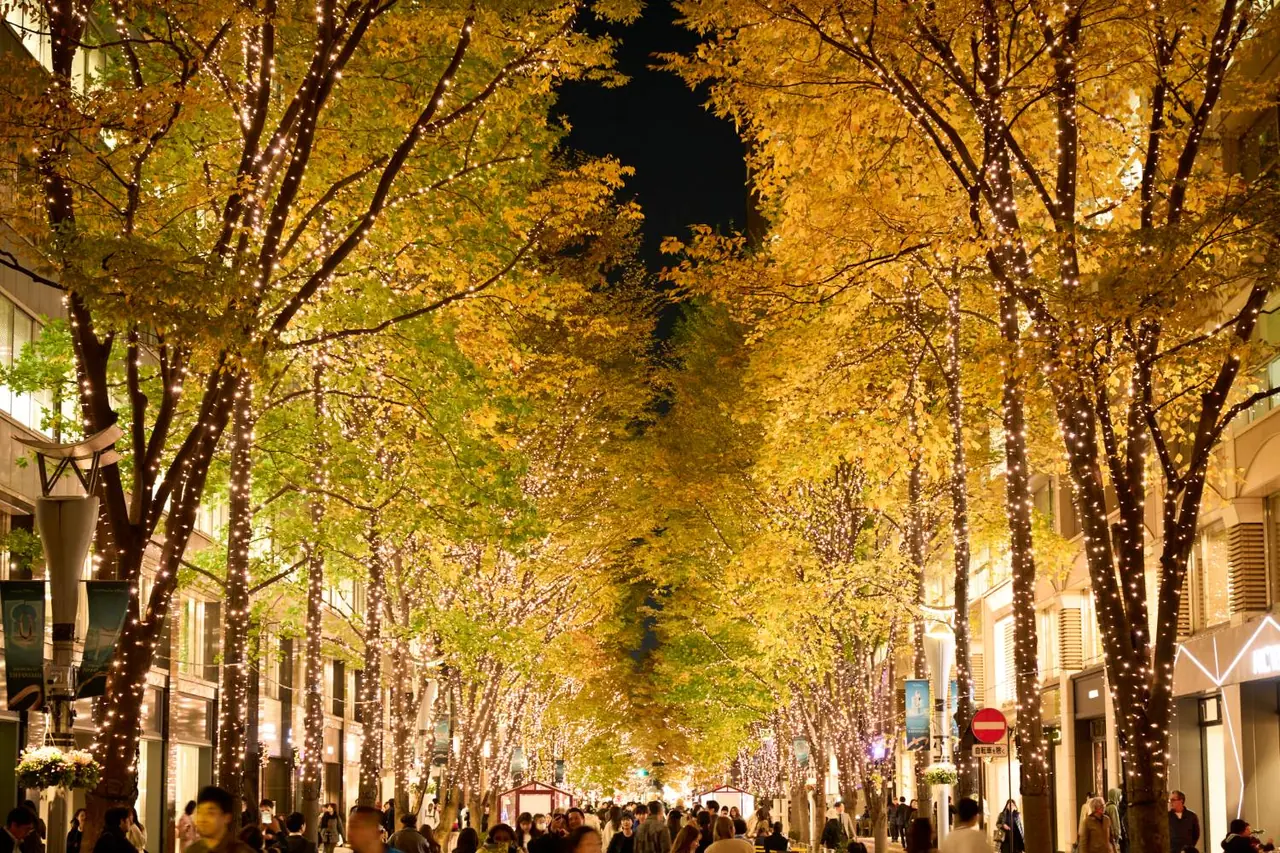 Nov 12 – Feb 14Marunouchi Illumination
Find on the map
This page is translated from the Japanese edition. Read the Japanese edition
What is Shinjuku like?
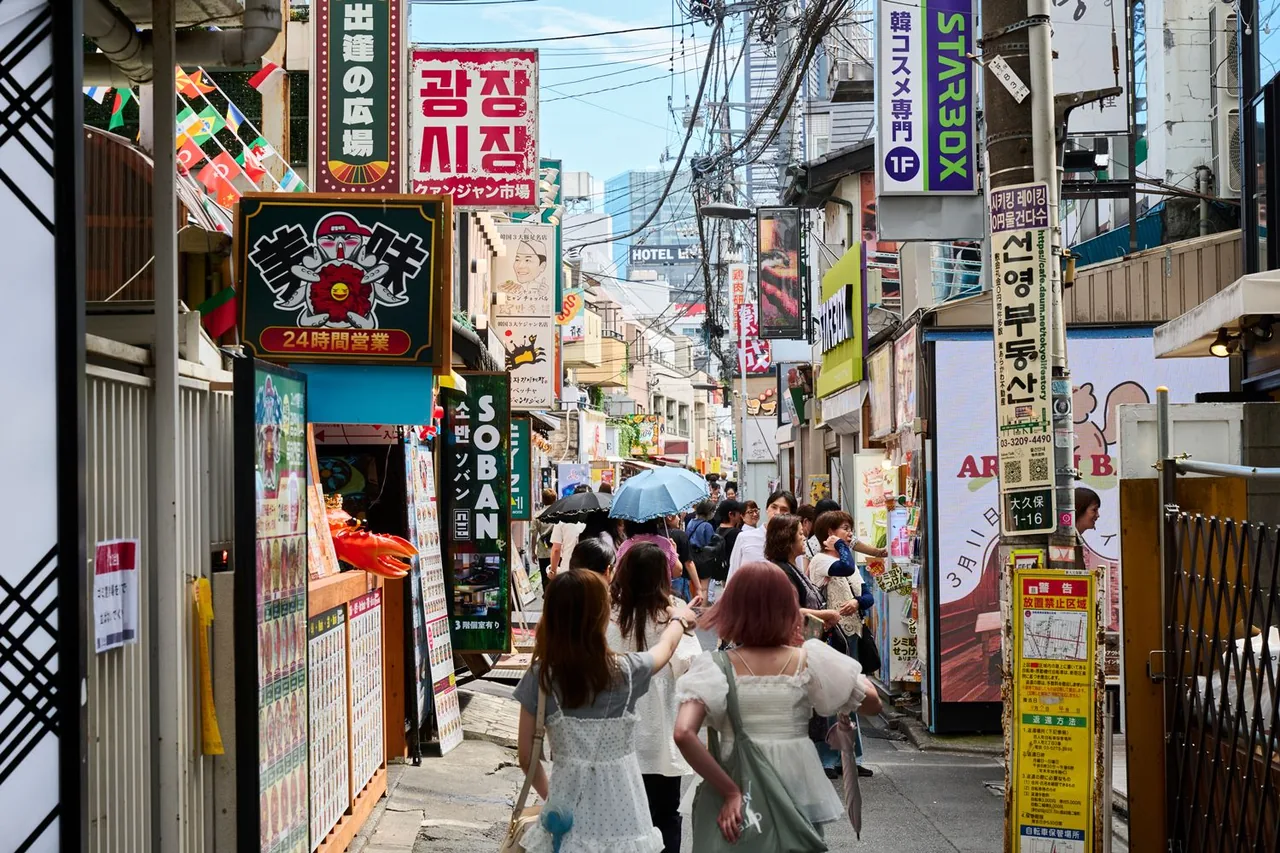
At Shinjuku Station, the city you see depends entirely on which exit you take. The West Exit leads to skyscrapers and the Tokyo Metropolitan Government Building, with Omoide Yokocho's tiny bars squeezed together right beside them. The East Exit is lined with department stores and electronics retailers, with Kabukicho and Golden Gai beyond, and the wide grounds of Shinjuku Gyoen lie to the southeast. Whether you're after night views and izakaya, a quiet garden or a one-stop shopping trip, it's an area where travelers with different goals can all find their place.
To see the Government Building and Shinjuku Gyoen by day and eat in the alleys at night, plan on half a day to a full day.
Top sights
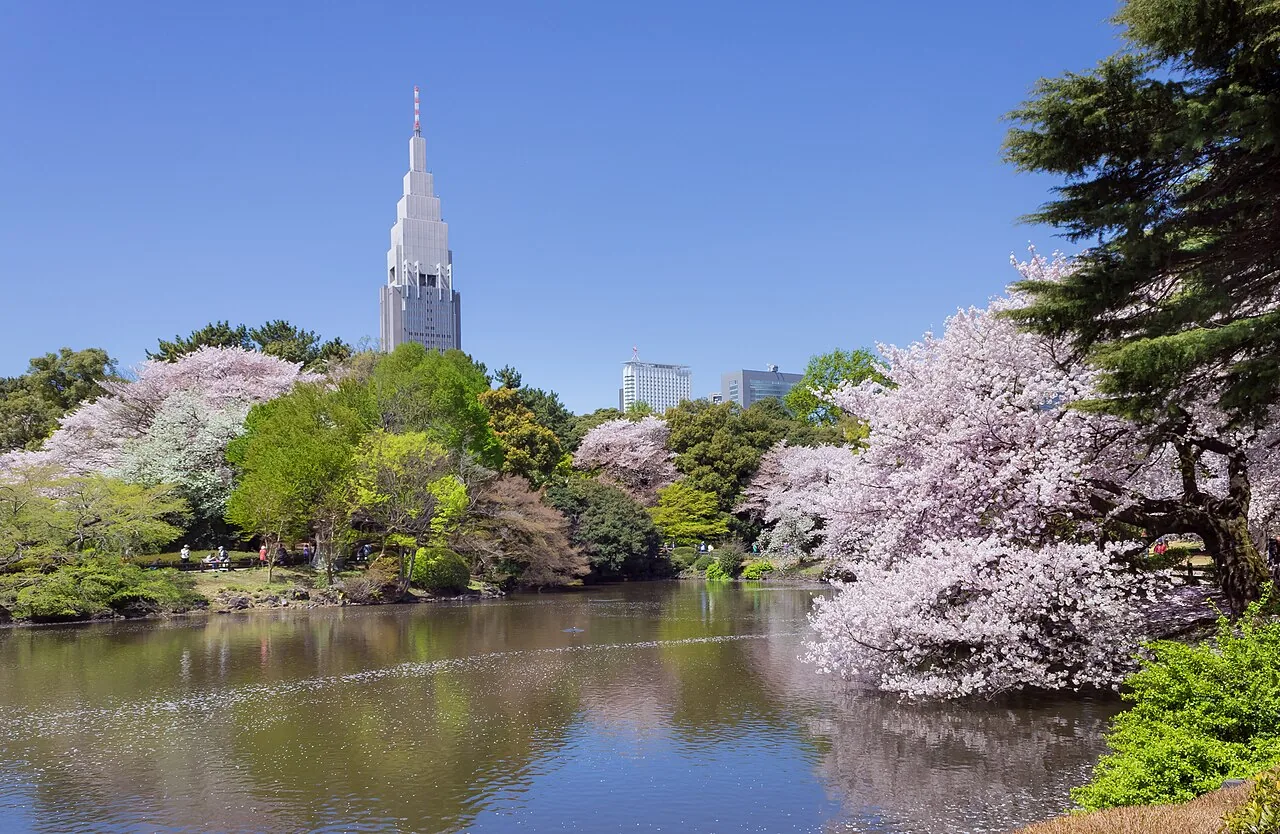
Shinjuku Gyoen National Garden
A garden managed by the Ministry of the Environment, known for seasonal flowers such as cherry blossoms, chrysanthemums and roses. There are three entrance gates: Shinjuku, Okido and Sendagaya. The Shinjuku Gate is about 10 minutes on foot from the South Exit of Shinjuku Station, or about five minutes from Shinjuku-gyoemmae Station on the Marunouchi Line. Check opening hours and admission on the Shinjuku Gyoen official website.
Tokyo Metropolitan Government Building Observatories
The observatories sit on the 45th floor of Main Building No. 1, 202 meters above ground, and admission is free. You can see across the city to Tokyo Skytree, Tokyo Tower and beyond. There are two rooms, South and North, each with its own opening hours and closing days (Tokyo Metropolitan Government observatory information).
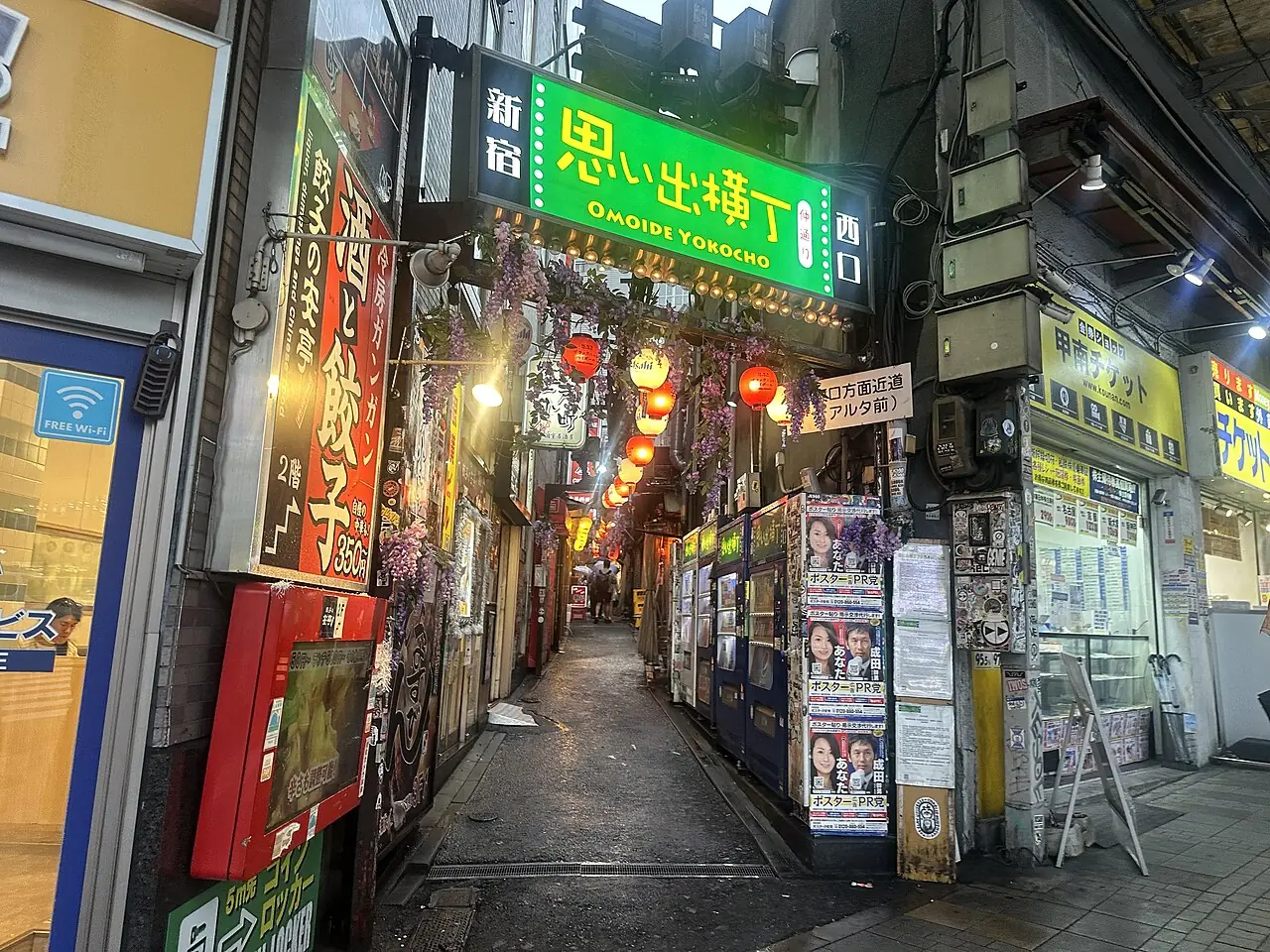
Omoide Yokocho
A strip of small bars and eateries right by the West Exit of Shinjuku Station, which began as a market of street stalls just after the war. About 80 shops, most of them eateries grilling motsuyaki (offal skewers) and yakitori, line the narrow alleys (Shinjuku Nishiguchi Omoide Yokocho).
Kabukicho and Golden Gai
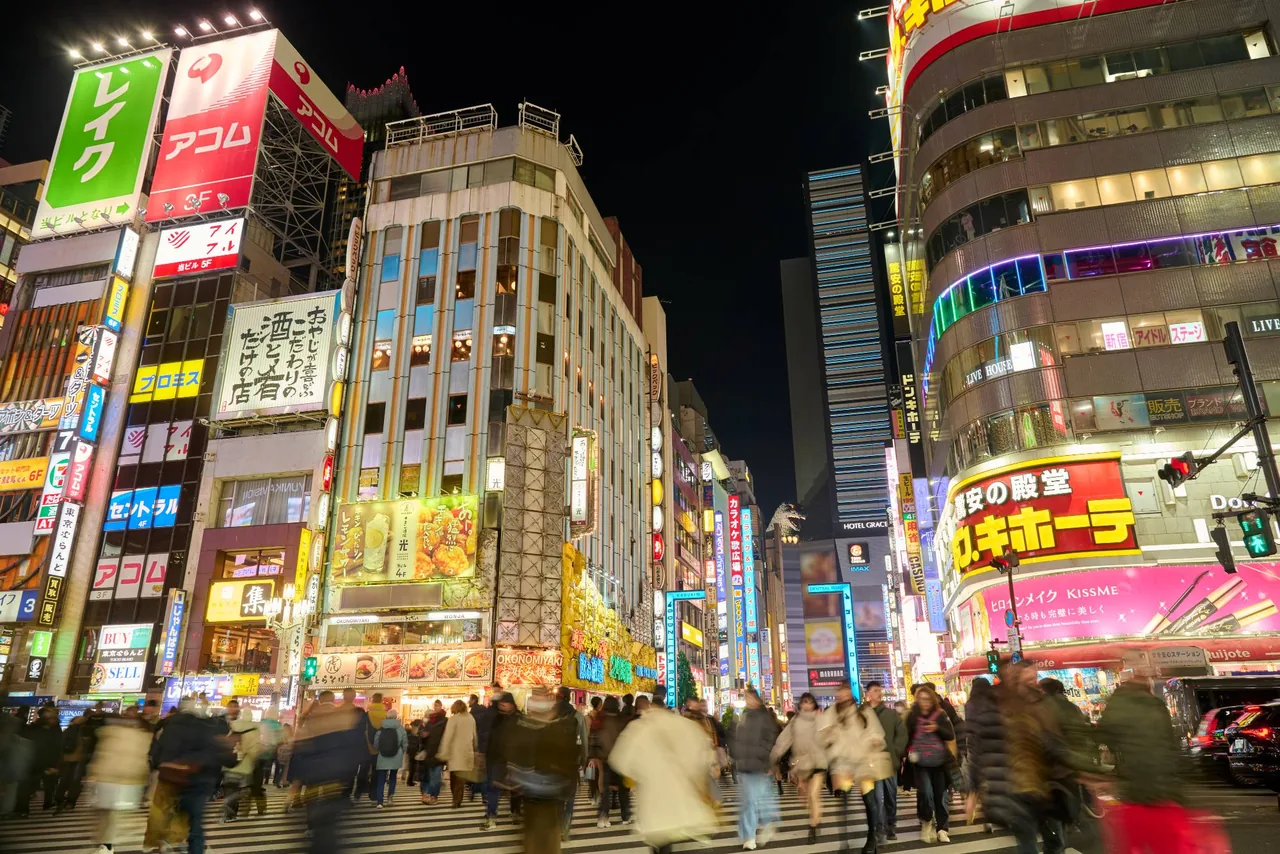
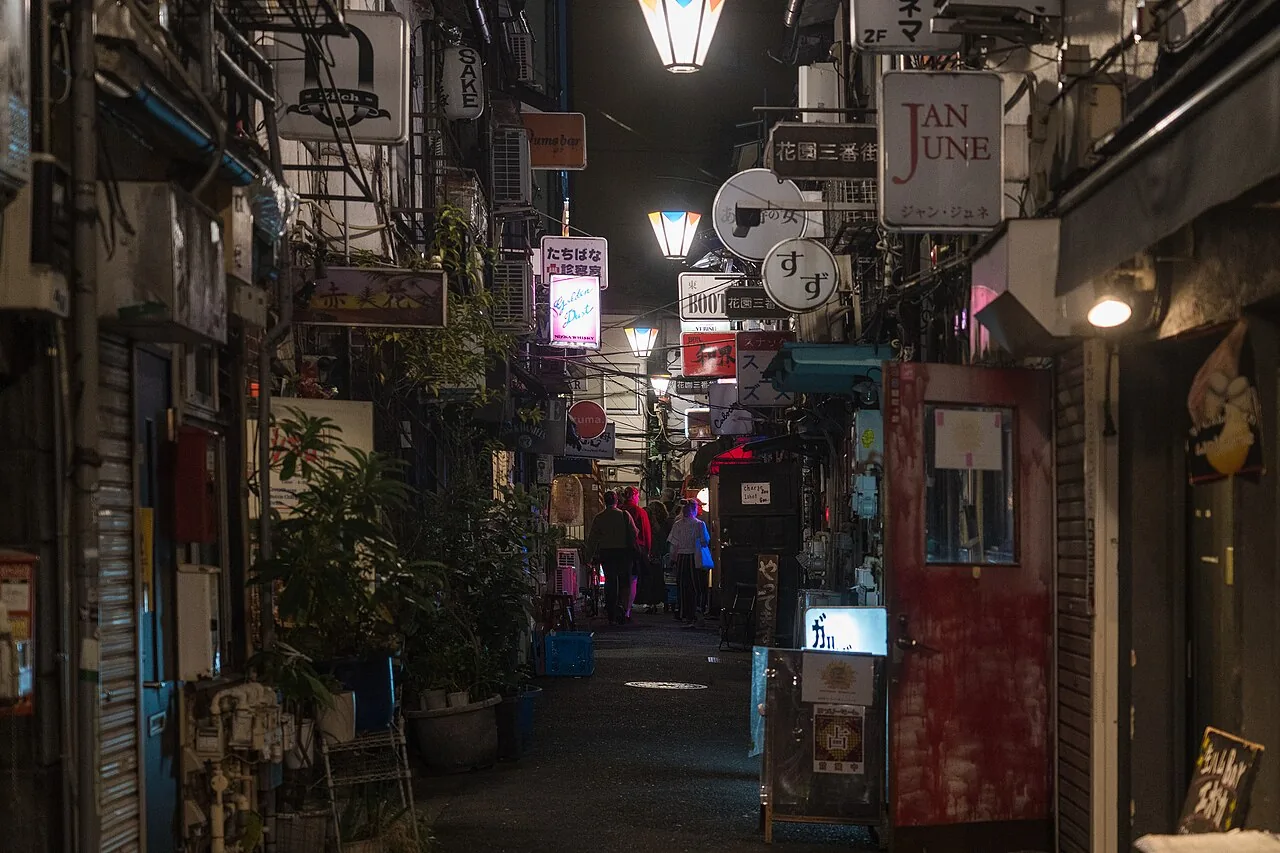
Kabukicho, north of the East Exit, is an entertainment district packed with movie theaters and restaurants. To its east, Golden Gai keeps its lanes of tiny bars crammed together, and together with nearby Hanazono Shrine it shows the after-dark side of Shinjuku.
Food and shopping
From the East Exit to Shinjuku-sanchome, department stores, specialty shops and electronics retailers cluster together, and you can find almost anything here, from clothes to cameras to cosmetics. With many station buildings and shopping complexes linked directly to the station, you can shop whatever the weather.
For food, the choice runs from yakitori and motsuyaki in the alleys to ramen, izakaya and restaurants on the upper floors of buildings. Bars in Omoide Yokocho and Golden Gai have few seats, and some charge a seating fee, so check the information posted at the door before going in.
Getting there
Shinjuku Station is served by JR lines including the Yamanote, Chuo, Sobu and Saikyo lines, as well as the Odakyu Line, the Keio Line, the Tokyo Metro Marunouchi Line, the Toei Shinjuku Line and the Toei Oedo Line.
- Ticket gates for different lines can be far apart, so allow extra time for transfers.
- The Tokyo Metropolitan Government Building is about a 10-minute walk from the West Exit of JR Shinjuku Station. Tochomae Station on the Toei Oedo Line connects directly to the building.
- From Narita Airport, JR's Narita Express runs directly to Shinjuku Station.
Getting around
While it's still light, go up to the Government Building observatory on the west side, then head to Shinjuku Gyoen from the South Exit side. After dark, move to the east side to walk around Kabukicho and Golden Gai, and finish at Omoide Yokocho on the west side. In this order, you'll see Shinjuku both by day and by night. If you want night views, check the observatory guide above for which room is open into the evening that day before deciding the order.
Kabukicho and the alleys get very crowded on weekend nights. Don't follow touts; choose the places you go into yourself. Two stops south on the JR Yamanote Line is Harajuku, and three stops is Shibuya. To keep going, see the Shibuya & Harajuku area guide, or if you're heading north on the Yamanote Line, the Ikebukuro area guide.
Sights in Shinjuku
See all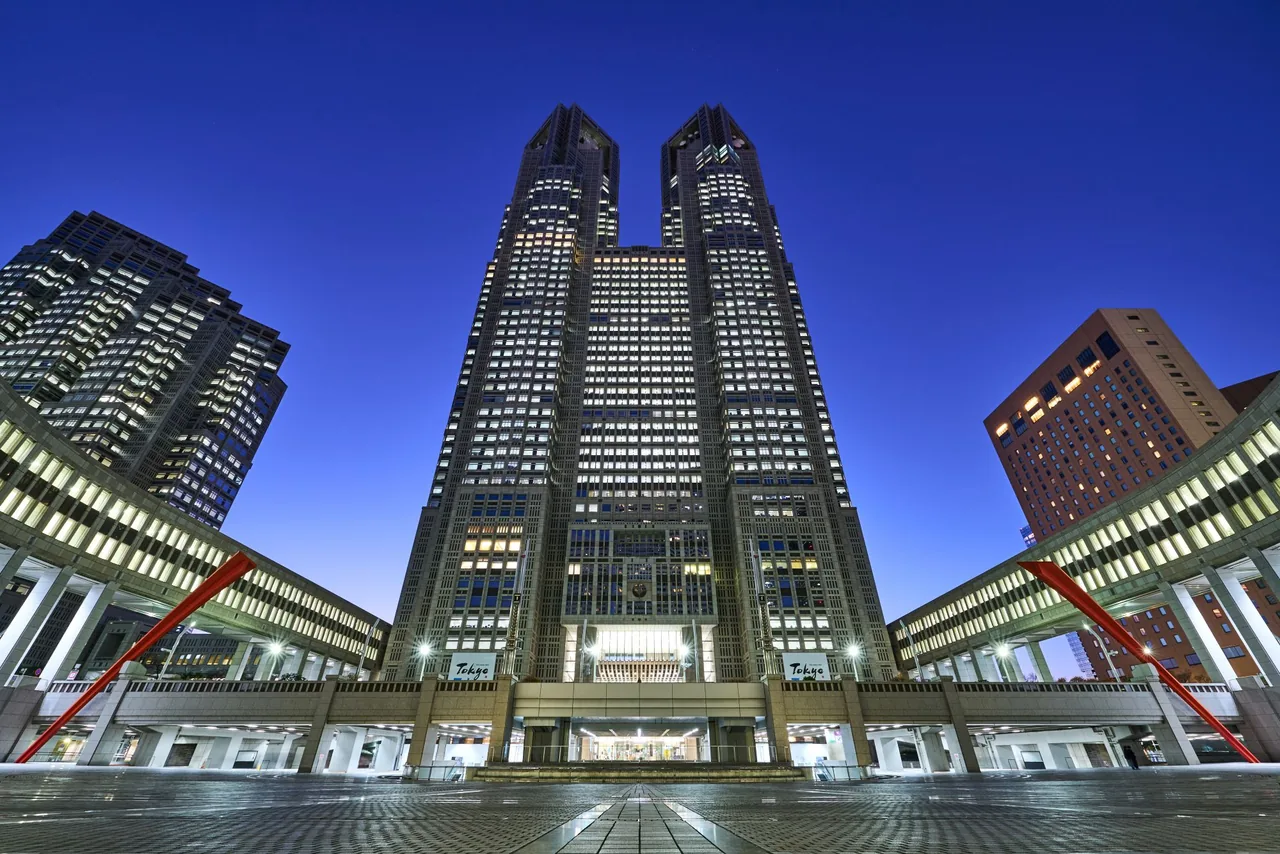
Where to eat in Shinjuku
See all 9
DANCING CRAB Tokyo

Edo Komachi Shinjuku

Gyukoen Shinjuku Honten
JIPBUL

Korean Cuisine Hongdae Pocha Shin-Okubo Honten

STANCO

Torikyo Shinjuku Main Store

Umi no Chikara Shinjuku
Restaurant information: Powered by ホットペッパー グルメ Webサービス
Recommended hotels in ShinjukuPR
See prices and availability for hotels in Tokyo and book on our partner Trip.com.
See hotels in Tokyo on Trip.comTokyo guides
See all
More areas of Tokyo
- Asakusa
- Ueno
- Akihabara
- Tokyo Station & Marunouchi
- Ginza & Yurakucho
- Shibuya & Harajuku
- Ikebukuro
- Roppongi
- Shiba & Azabudai
- Odaiba
- Toyosu
- Kichijoji & Mitaka
- Yanaka, Nezu & Sendagi
- Komagome & Rikugien
- Gotokuji
- Ryogoku
- Nagatacho & Akasaka
- Kita-Senju
- Jingu Gaien & Aoyama
- Suidobashi & Korakuen
- Ebisu
- Shimokitazawa
- Jiyugaoka
- Futako-Tamagawa & Todoroki
- Nakano
- Ogikubo
- Akabane
- Tsukishima, Tsukuda & Harumi
- Kiyosumi-Shirakawa
- Mukojima
- Wakasu
- Kasai Rinkai Park
- Shibamata
- Mizumoto Park
- Haneda Airport
- Arakawa & Machiya
- Ikegami
- Mt. Takao
- Mitake & Sawai
- Lake Okutama
- Akigawa Valley
- Jindaiji
- Koganei
- Kokubunji
- Lake Tama
- Takahata Fudo
- Izu Oshima
- Toshima
- Niijima
- Shikinejima
- Kozushima
- Miyakejima
- Hachijojima
- Aogashima
- Ogasawara Islands