
Izu Oshima
Photo: © TCVB
Areas of Tokyo
Izu Oshima
Izu Oshima is 1 hr 45 min from Tokyo by jetfoil at best. Mt. Mihara's crater, the striped Strata Cut, Fudejima, the camellia festival and getting there.
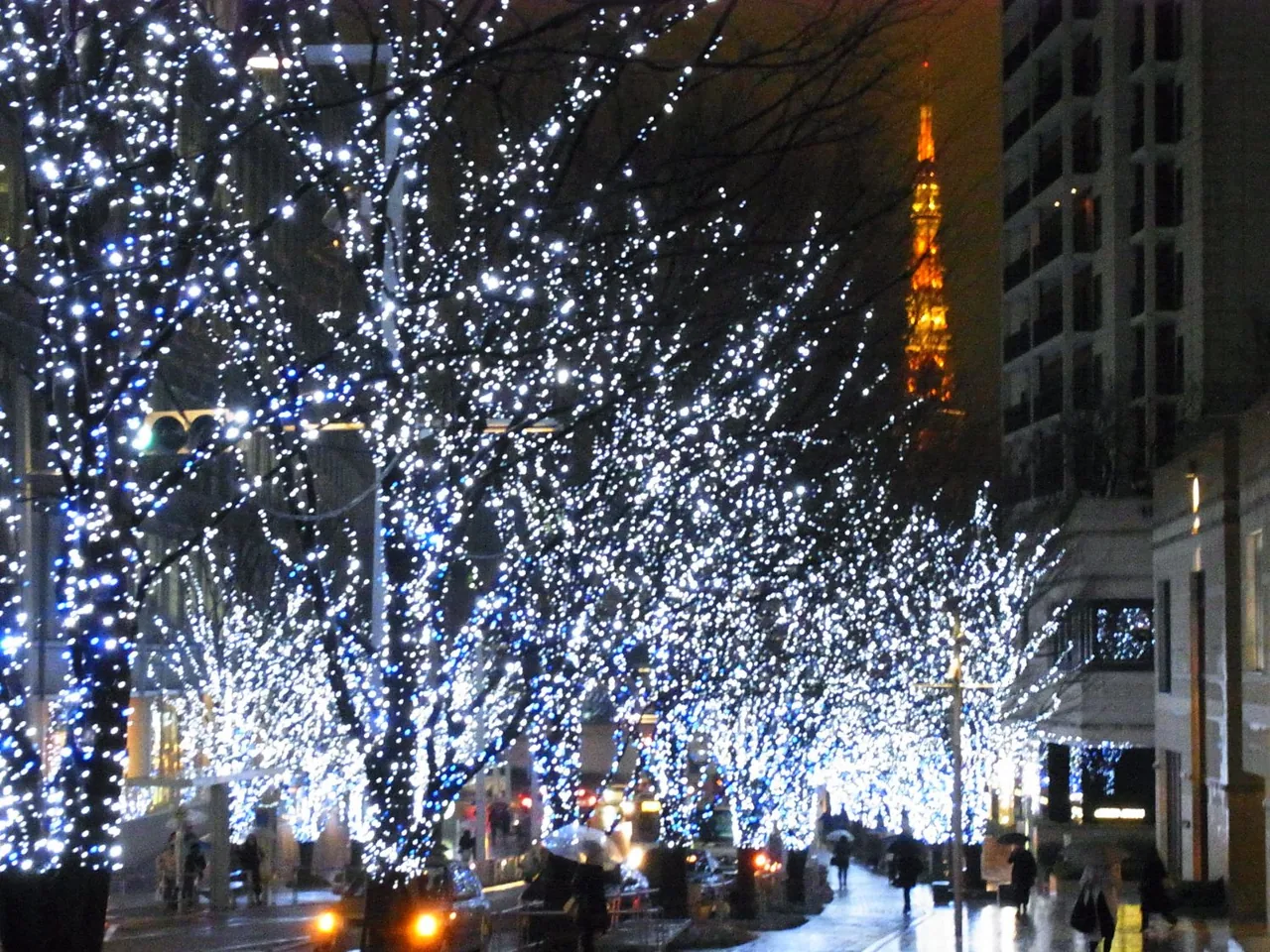 Nov 5 – Dec 25Roppongi Keyakizaka Illumination
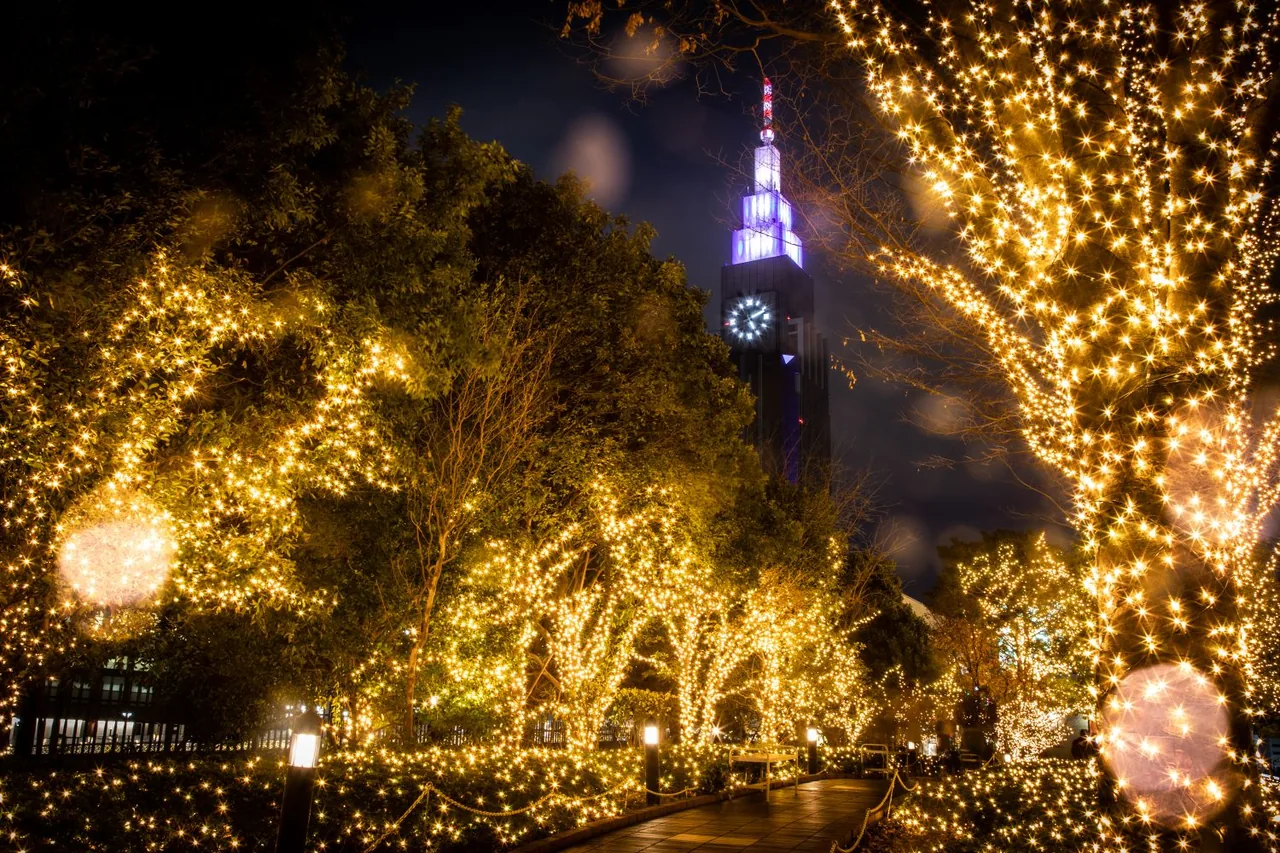 Nov 11 – Feb 14Shinjuku Minamillumi (Shinjuku Southern Terrace Illuminations)
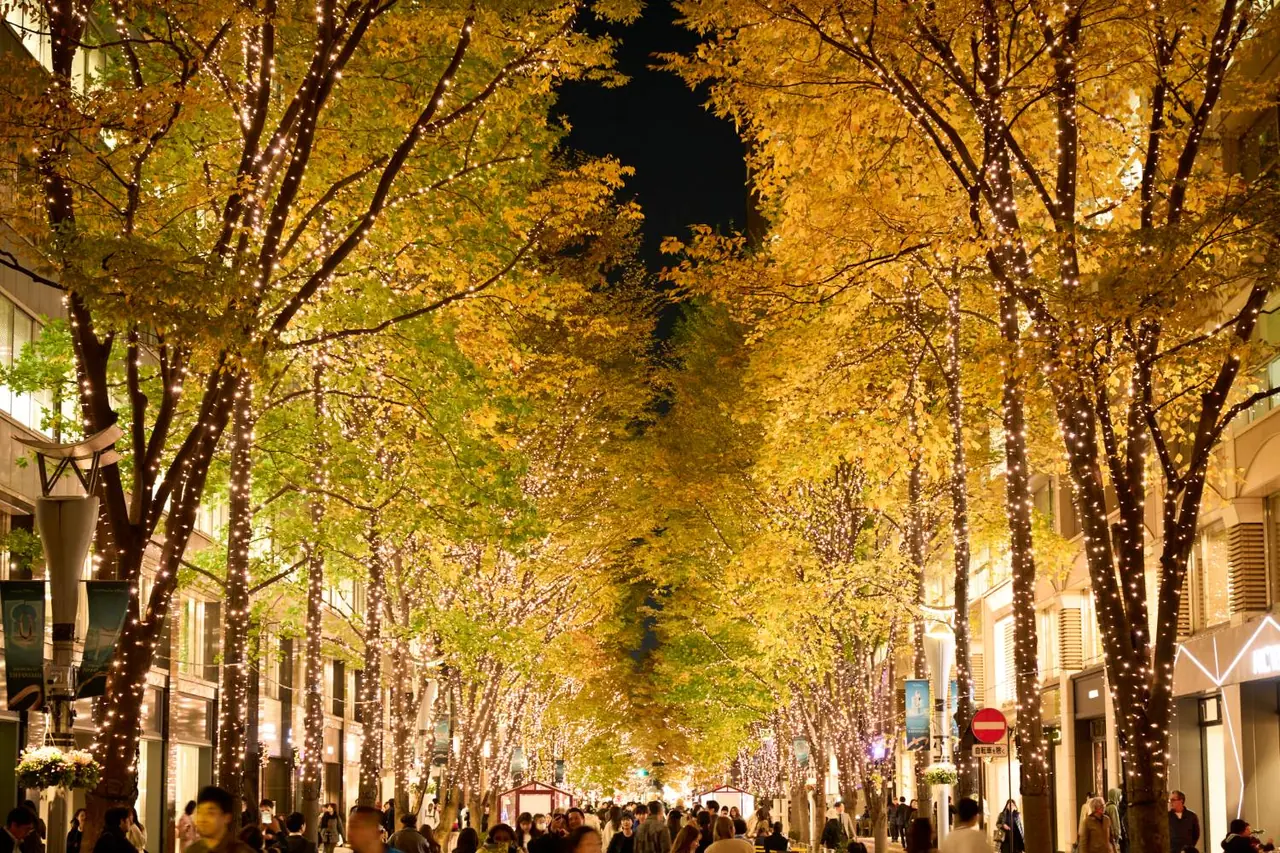 Nov 12 – Feb 14Marunouchi Illumination
Find on the map
Choose a numbered circle to zoom in there; choose a name to open the area's page.
This page is translated from the Japanese edition. Read the Japanese edition
What is the area like?
A jetfoil leaving Takeshiba can reach Izu Oshima in as little as 1 hour 45 minutes. Izu Oshima is the largest of the Izu Islands and the closest to Tokyo, and its address is Oshima Town, Tokyo. Mt. Mihara, an active volcano, rises in the middle of the island; when it erupted in 1986, every resident was evacuated off the island.
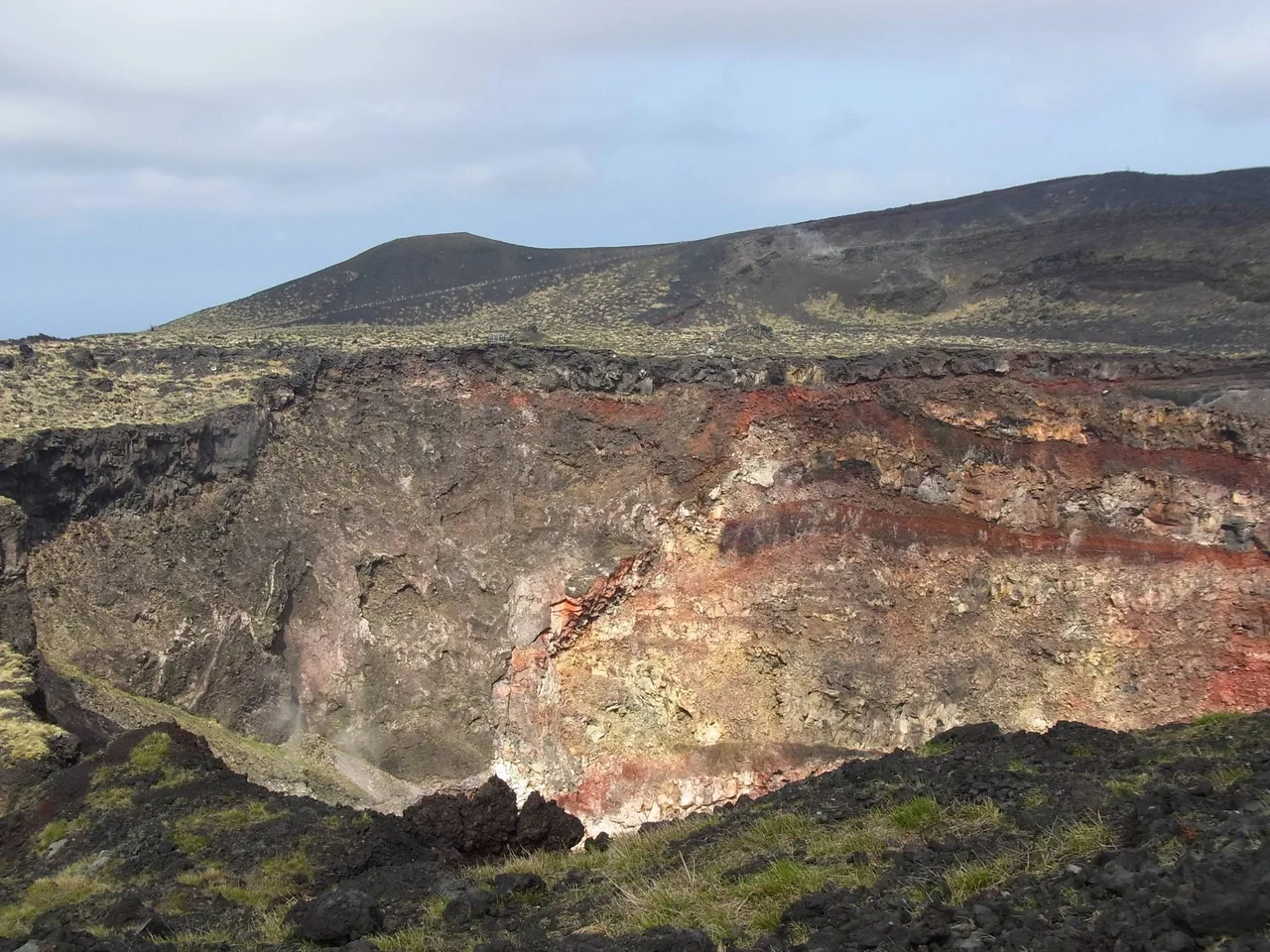
Travel around the island and the volcano's handiwork keeps appearing: a field of black lava and the crater near the summit, stripes of volcanic ash laid down eruption after eruption along the coastal road, and a rock left from an old volcano standing in the sea to the southeast. From winter into spring, Japanese camellias bloom all over the island, which is also known as the island of camellias.
A day trip is possible, but if you want to climb Mt. Mihara and also tour the coast, staying one night lets you go at an easy pace. You can continue south to Toshima by boat or helicopter.
Main sights
Mt. Mihara and Ura-sabaku
From the Mihara-yama Sanchoguchi trailhead, a path runs through the lava field to the crater. Oshima Town gives the walk from the trailhead to the crater viewpoint as about 45 to 60 minutes. A trail also circles the crater, bringing you close to the lava that flowed out in the 1986 eruption. On the east side of the mountain lies Ura-sabaku, the "back desert," a sweep of black scoria (pumice-like volcanic debris) with little vegetation.
The summit is windy and the weather changes quickly, so bring comfortable shoes and a windproof jacket. See Izu Oshima.
The Strata Cut (Chiso Daisetsudanmen)
Along the coastal road from Motomachi Port toward Habu Port in the south runs a cliff cut when the road was built. In its face, layer upon layer of volcanic ash and scoria from major eruptions form wavy stripes. According to the Oshima Tourism Association, the layers record roughly 100 eruptions over about 20,000 years. You will see it just driving past, but places to stop are limited, so watch the traffic around you.
Fudejima Rock
In the sea near Habu Port in the southeast, a slender rock shaped like the tip of a writing brush stands offshore. It is the hard core left after waves wore away a former volcano. You view it from a lookout along the shore.
Izu Oshima Camellia Festival
Timed with the camellia season, the Izu Oshima Camellia Festival is held every year from winter into spring. Dates vary by year; in 2026 it ran from February 1 to March 22. Check dates and events with the Oshima Tourism Association.
Food and shopping
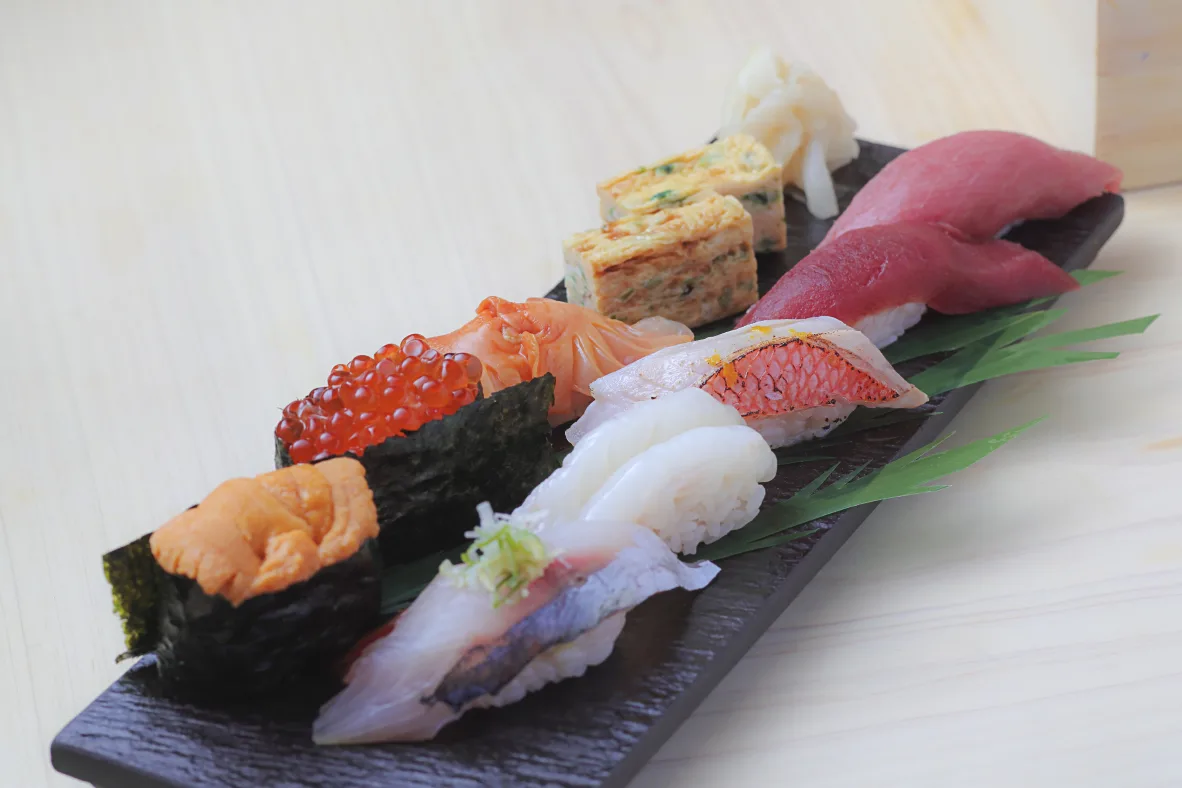
The island's best-known flavors are bekko-zushi, sushi made with seasonal fish such as medai marinated in a soy sauce with green chili, and tempura of ashitaba. Ashitaba is a plant of the parsley family that grows wild on the Izu Islands; its name ("tomorrow's leaf") is said to come from how vigorously it grows, putting out new shoots the day after you pick it.
Classic souvenirs are gyunyu senbei, crackers baked with Oshima milk; kusaya, fish soaked in a fermented brine and dried; and camellia oil pressed from the seeds of Japanese camellias. Look for them in souvenir shops on the island.
Getting there
- By boat from Takeshiba: From Takeshiba Passenger Ship Terminal, Tokai Kisen's jetfoil takes as little as 1 hr 45 min and the large overnight ferry as little as 6 hours. The terminal is about a 1-minute walk from Takeshiba Station on the Yurikamome line and about 8 minutes from the North Exit of JR Hamamatsucho Station.
- By boat from the Izu Peninsula: Tokai Kisen jetfoils also run from Atami Port and elsewhere.
- Arrival port: Either Motomachi Port or Okata Port, decided by sea conditions on the day. The return port is also decided on the day, so check Tokai Kisen's service status.
- By air: New Central Airservice flies from Chofu Airport to Oshima Airport. Check times with New Central Airservice.
Boats and planes can be cancelled because of wind, waves or fog. Schedules and fares change with the season, so check each operator's official website.
Getting around the area
Oshima Bus runs the island's route buses, including buses from Motomachi Port to the Mihara-yama Sanchoguchi trailhead. According to Oshima Town, the ride takes about 36 minutes. In some periods the buses to the trailhead run only on certain days or a few times a day, so look at the timetable in advance. Unlimited-ride bus passes are also available.
To cover the Strata Cut, Fudejima and Habu Port along the coast in a day, a rental car or rental scooter is handy. Numbers are limited, so book one along with your accommodation.
For getting to the other Izu Islands, booking ferries and preparing for cancellations, see our guide to traveling to Tokyo's islands.
Sights in Izu Oshima
Recommended hotels in Izu OshimaPR
See prices and availability for hotels in Tokyo and book on our partner Trip.com.
See hotels in Tokyo on Trip.comTokyo guides
See all
More areas of Tokyo
- Asakusa
- Ueno
- Akihabara
- Tokyo Station & Marunouchi
- Ginza & Yurakucho
- Shinjuku
- Shibuya & Harajuku
- Ikebukuro
- Roppongi
- Shiba & Azabudai
- Odaiba
- Toyosu
- Kichijoji & Mitaka
- Yanaka, Nezu & Sendagi
- Komagome & Rikugien
- Gotokuji
- Ryogoku
- Nagatacho & Akasaka
- Kita-Senju
- Jingu Gaien & Aoyama
- Suidobashi & Korakuen
- Ebisu
- Shimokitazawa
- Jiyugaoka
- Futako-Tamagawa & Todoroki
- Nakano
- Ogikubo
- Akabane
- Tsukishima, Tsukuda & Harumi
- Kiyosumi-Shirakawa
- Mukojima
- Wakasu
- Kasai Rinkai Park
- Shibamata
- Mizumoto Park
- Haneda Airport
- Arakawa & Machiya
- Ikegami
- Mt. Takao
- Mitake & Sawai
- Lake Okutama
- Akigawa Valley
- Jindaiji
- Koganei
- Kokubunji
- Lake Tama
- Takahata Fudo
- Toshima
- Niijima
- Shikinejima
- Kozushima
- Miyakejima
- Hachijojima
- Aogashima
- Ogasawara Islands