
Koganei
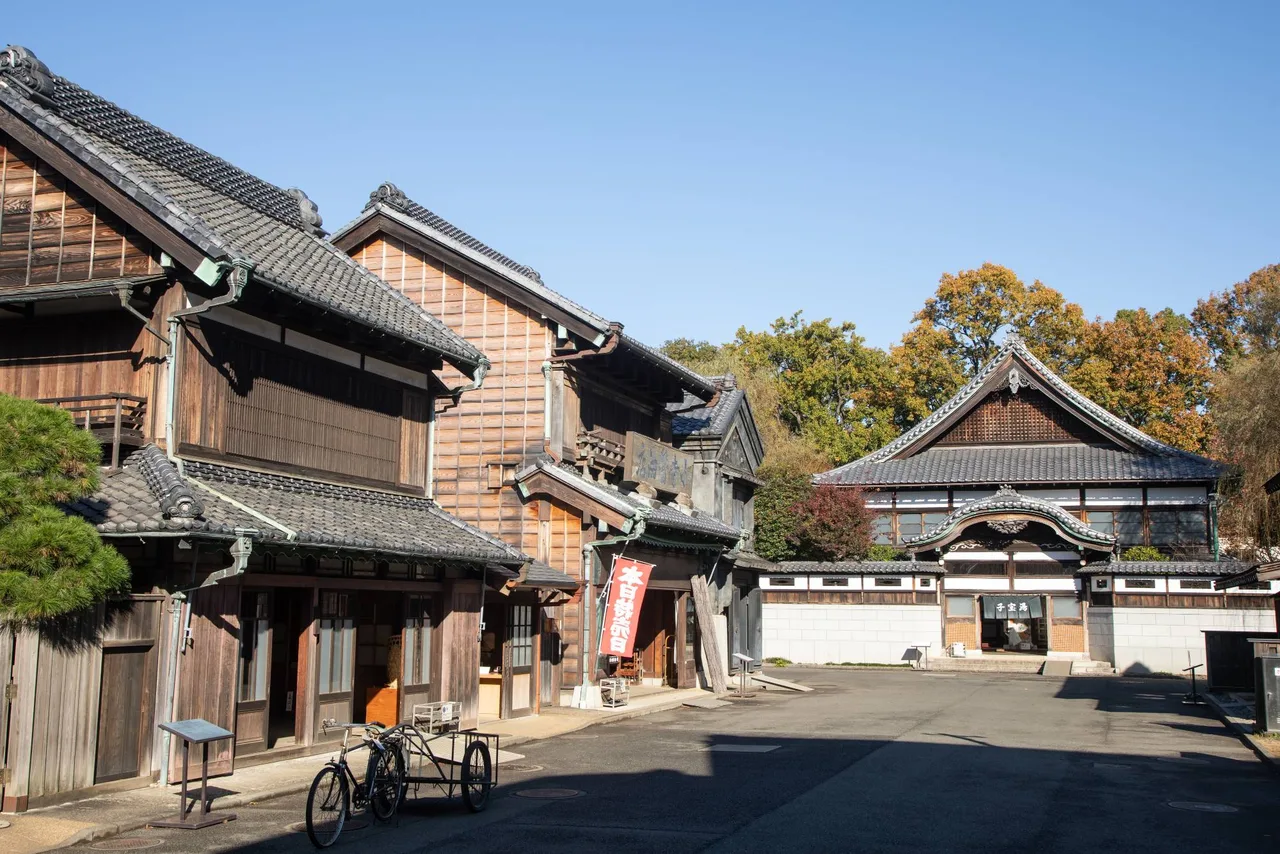
Photo: © TCVB
Areas of Tokyo
Koganei
Koganei Park and the Edo-Tokyo Open Air Architectural Museum, with 30 buildings from the Edo to Showa eras: cherry blossoms, buses and a route.
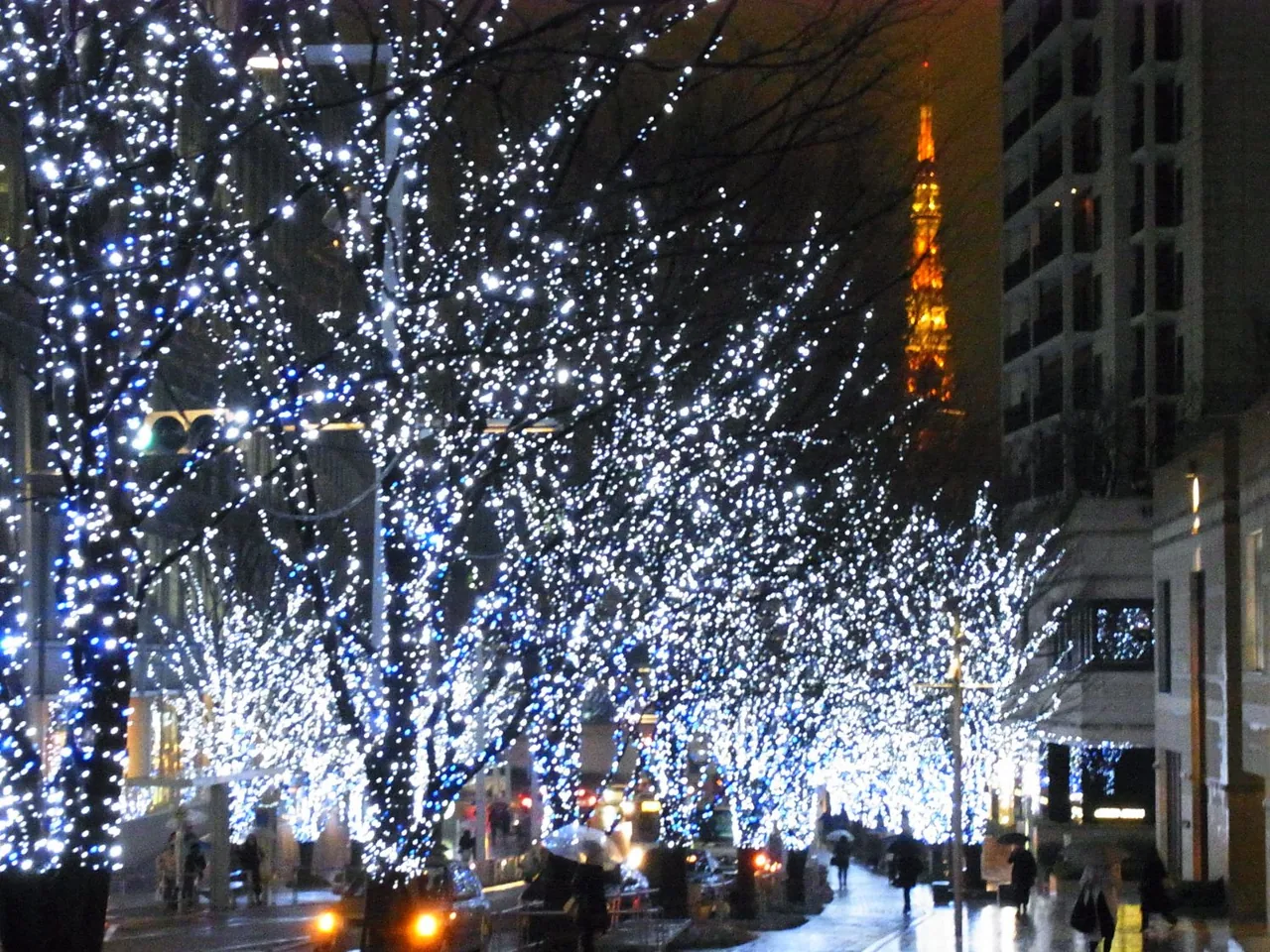 Nov 5 – Dec 25Roppongi Keyakizaka Illumination
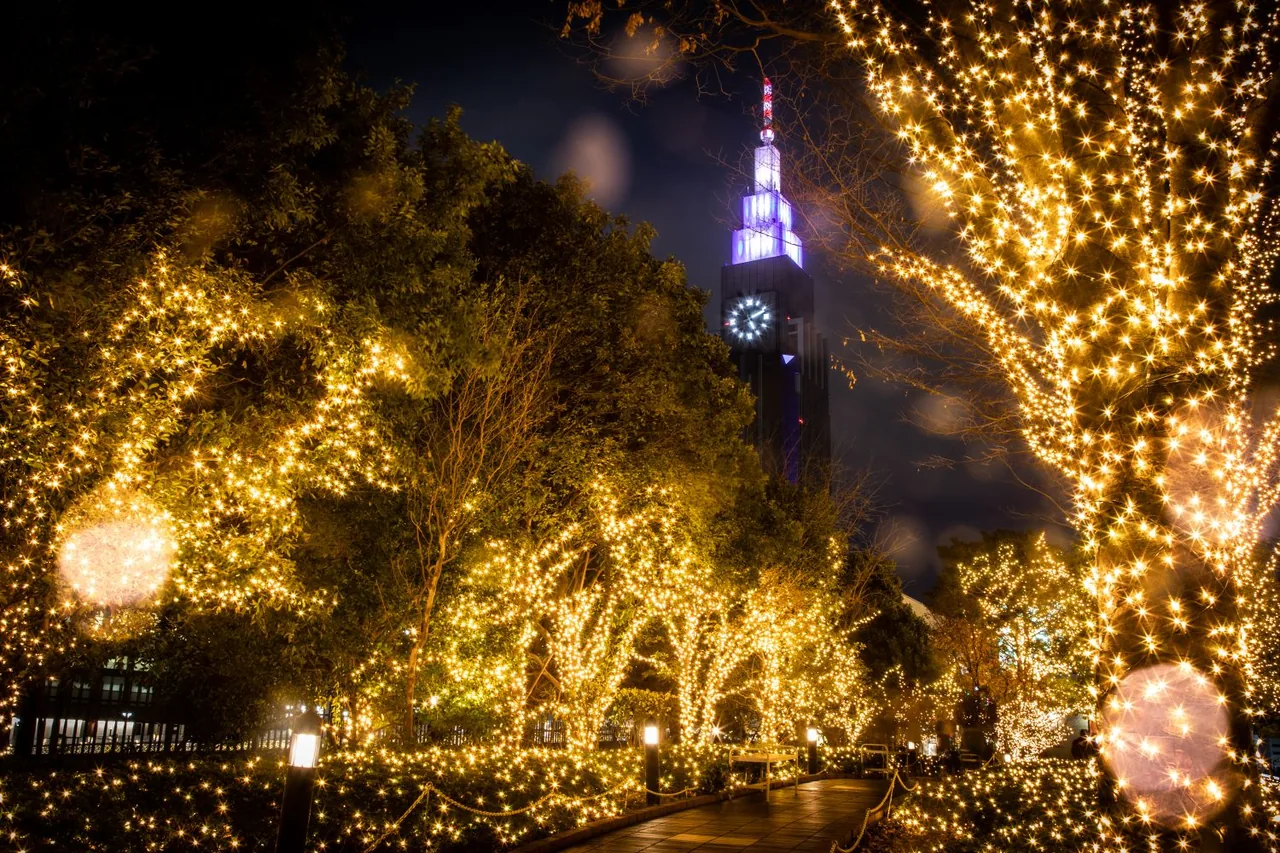 Nov 11 – Feb 14Shinjuku Minamillumi (Shinjuku Southern Terrace Illuminations)
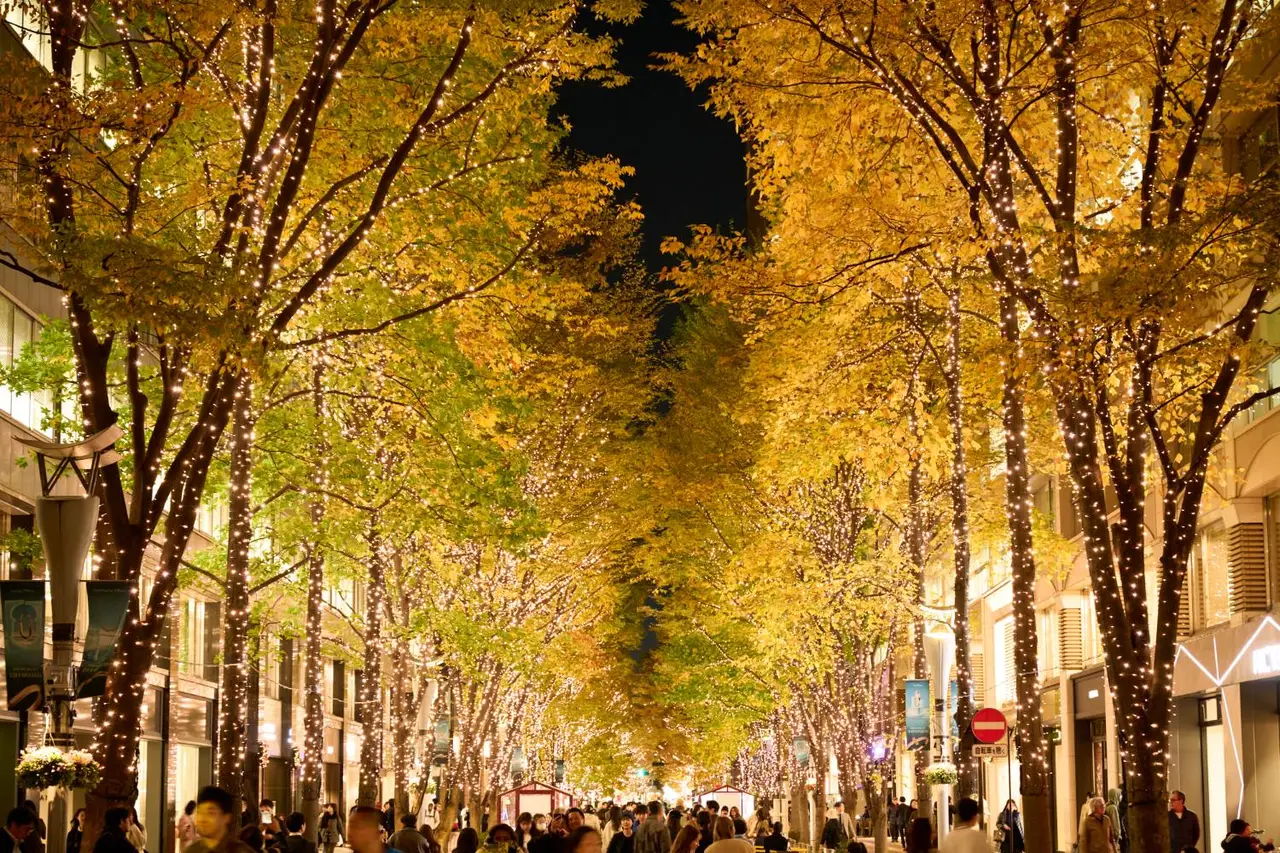
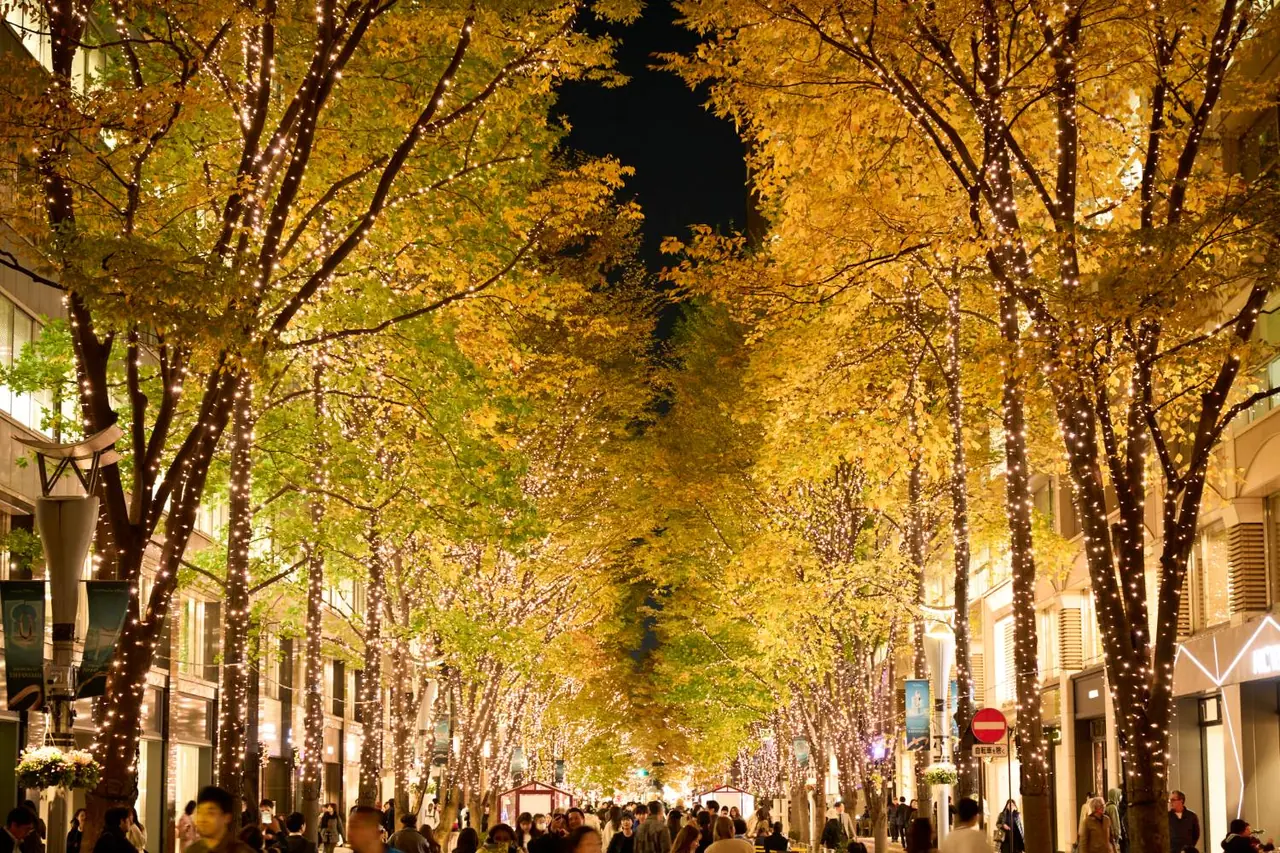 Nov 12 – Feb 14Marunouchi Illumination
Find on the map
This page is translated from the Japanese edition. Read the Japanese edition
What is the area like?
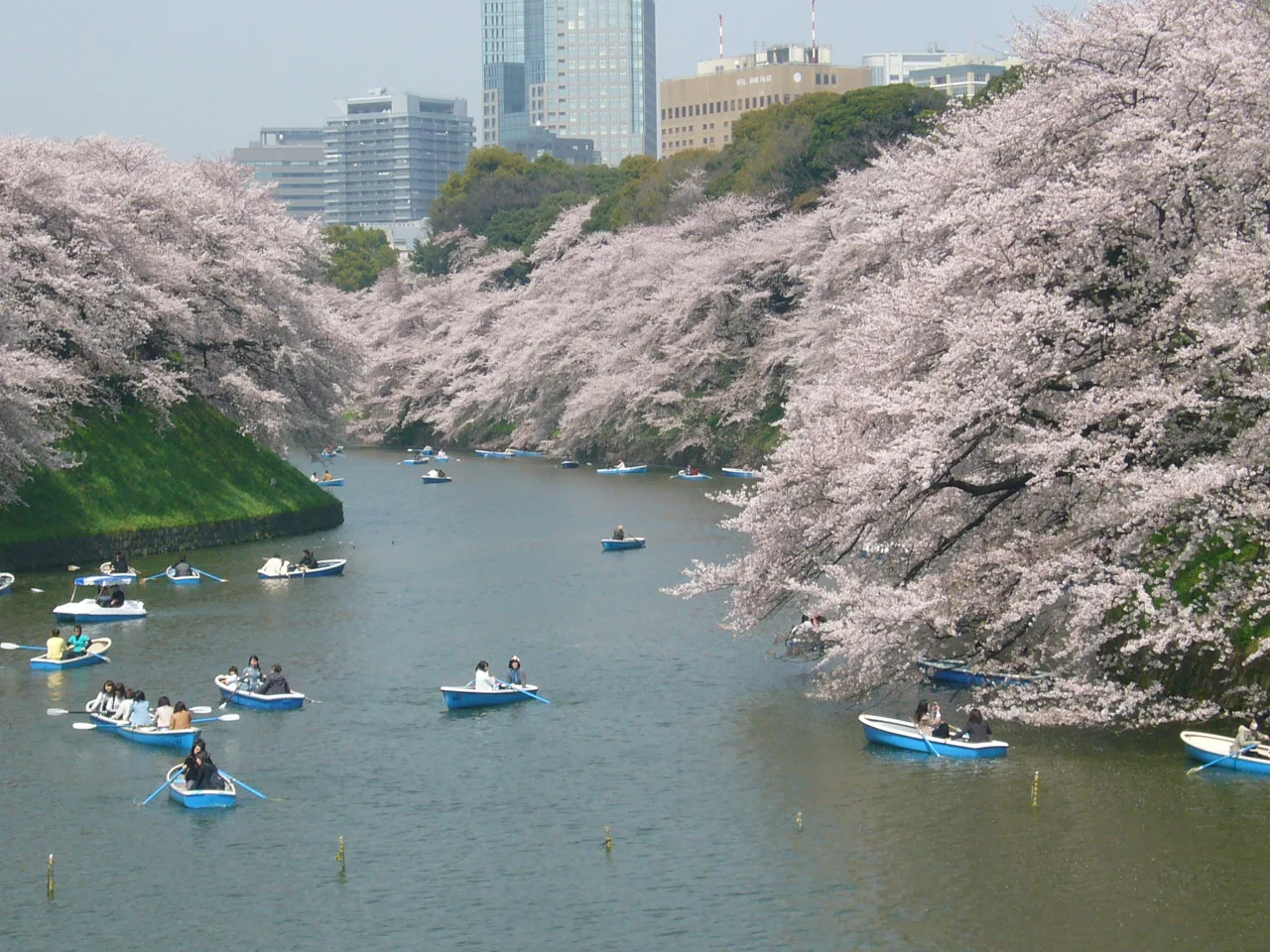
Head west from Shinjuku on the JR Chuo Line and get off at Musashi-Koganei Station, and north of the station lies Koganei Park, a metropolitan park of wide lawns and mixed woodland. It covers about 80 hectares. It is known for cherry blossoms in spring, and on weekends the lawns fill with families spreading out picnic sheets.
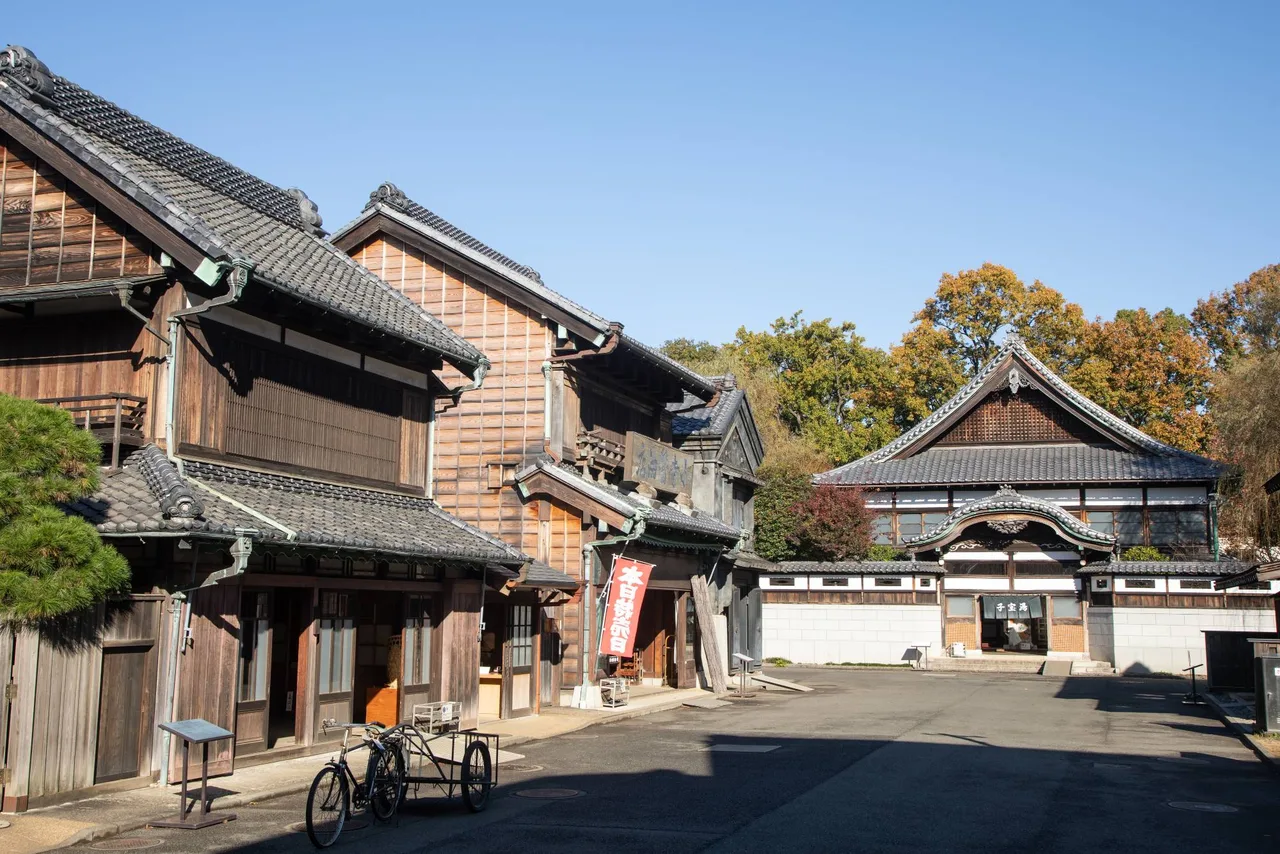
On the west side of the park is the Edo-Tokyo Open Air Architectural Museum, which has moved and restored buildings from the Edo period to the mid-Showa era. You can step inside old houses and see their kitchens and living rooms up close, tracing on foot how life in Tokyo changed over time.
Main sights
Edo-Tokyo Open Air Architectural Museum
This open-air museum opened in 1993 and has 30 buildings across about 7 hectares. They include the residence of statesman Takahashi Korekiyo, the home of architect Maekawa Kunio, the Kodakara-yu public bathhouse, and a downtown street lined with a soy sauce shop and an izakaya. Many can be visited inside as well as out.
The grounds are broadly divided into a West Zone of farmhouses and traditional Musashino homes, a Center Zone of Western-style houses and residences, and an East Zone of shops, and seeing it all takes longer than you might expect. Some buildings are closed for repairs, so if there is one you particularly want to see, check the official website before you go. See Edo-Tokyo Open Air Architectural Museum for details.
Koganei Park
This metropolitan park surrounds the museum, with lawns, woodland paths and play areas for children. In spring the cherry trees bloom all at once, making it one of Tokyo's well-known hanami spots. On weekends in the cherry season it gets crowded and buses from the stations fill up, so a weekday or an early start makes for a calmer walk.
The park is more than a dozen times the size of Tokyo Dome, and it's quite a walk from the museum at the west end to the east end. If you plan to explore, wear comfortable shoes.
Food and shopping
The museum has facilities for a rest and a light meal. The park's lawns are good for a packed lunch, and many people buy food around Musashi-Koganei Station before boarding the bus.
Around Musashi-Koganei Station there are shopping centers connected to the station and plenty of restaurants. For a meal after the park, heading back to the station is the easiest option.
Getting there
- Musashi-Koganei Station on the JR Chuo Line (North Exit): take a Seibu Bus for about 5 minutes to "Koganei Koen Nishiguchi," then walk about 5 minutes to the museum. A Kanto Bus route from the North Exit also goes to "Edo-Tokyo Tatemonoen-mae."
- Higashi-Koganei Station on the JR Chuo Line: take the Koganei City community bus "CoCo Bus" to "Tatemonoen Iriguchi," then walk about 10 minutes.
- Hana-Koganei Station on the Seibu Shinjuku Line: a Seibu Bus goes to "Koganei Koen Nishiguchi."
The Chuo Line runs from Shinjuku Station to Musashi-Koganei Station without a change. Stops differ by train type, such as Rapid and Special Rapid, so check before you board.
Getting around the area
If you see the museum first and then walk in the park, you can spend as long as you like on the buildings and still rest anywhere in the park afterward. To look properly inside the old houses and shops, allow close to half a day for the museum, so aim to arrive in the morning and save the afternoon for the park.
The museum's opening hours and closing days can change with the season, so check the Edo-Tokyo Open Air Architectural Museum official website. Get off at Kokubunji Station, one stop from Musashi-Koganei on the Chuo Line, and you're in the Kokubunji area, with its spring-fed path and the remains of an ancient temple.
Sights in Koganei
Recommended hotels in KoganeiPR
See prices and availability for hotels in Tokyo and book on our partner Trip.com.
See hotels in Tokyo on Trip.comTokyo guides
See all
More areas of Tokyo
- Asakusa
- Ueno
- Akihabara
- Tokyo Station & Marunouchi
- Ginza & Yurakucho
- Shinjuku
- Shibuya & Harajuku
- Ikebukuro
- Roppongi
- Shiba & Azabudai
- Odaiba
- Toyosu
- Kichijoji & Mitaka
- Yanaka, Nezu & Sendagi
- Komagome & Rikugien
- Gotokuji
- Ryogoku
- Nagatacho & Akasaka
- Kita-Senju
- Jingu Gaien & Aoyama
- Suidobashi & Korakuen
- Ebisu
- Shimokitazawa
- Jiyugaoka
- Futako-Tamagawa & Todoroki
- Nakano
- Ogikubo
- Akabane
- Tsukishima, Tsukuda & Harumi
- Kiyosumi-Shirakawa
- Mukojima
- Wakasu
- Kasai Rinkai Park
- Shibamata
- Mizumoto Park
- Haneda Airport
- Arakawa & Machiya
- Ikegami
- Mt. Takao
- Mitake & Sawai
- Lake Okutama
- Akigawa Valley
- Jindaiji
- Kokubunji
- Lake Tama
- Takahata Fudo
- Izu Oshima
- Toshima
- Niijima
- Shikinejima
- Kozushima
- Miyakejima
- Hachijojima
- Aogashima
- Ogasawara Islands