
Ogasawara Islands
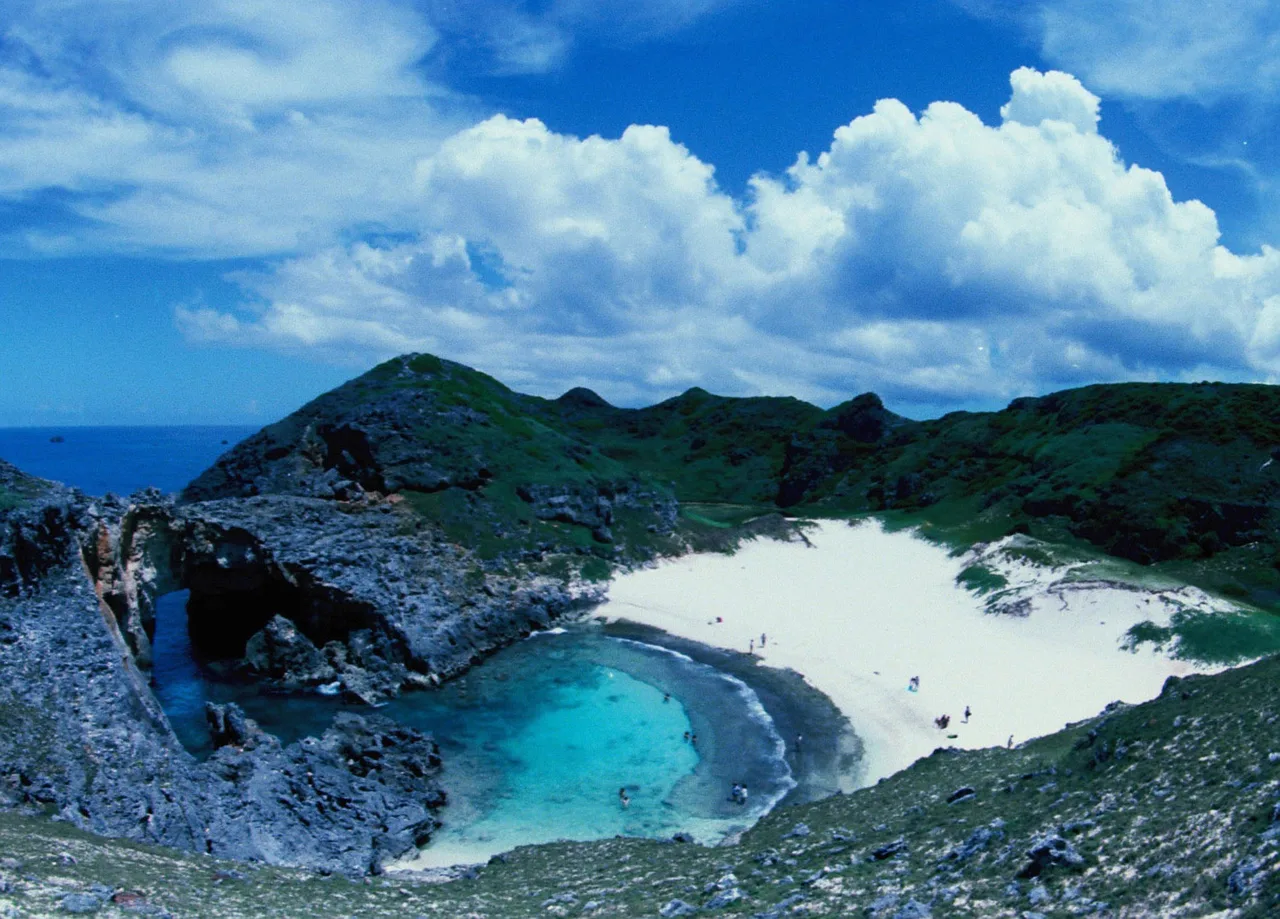
Photo: © TCVB
Areas of Tokyo
Ogasawara Islands
The World Heritage Ogasawara Islands, 24 hours by ship from Tokyo: Chichijima, Minamijima, whale season, Hahajima, planning around the ferry and invasive species.
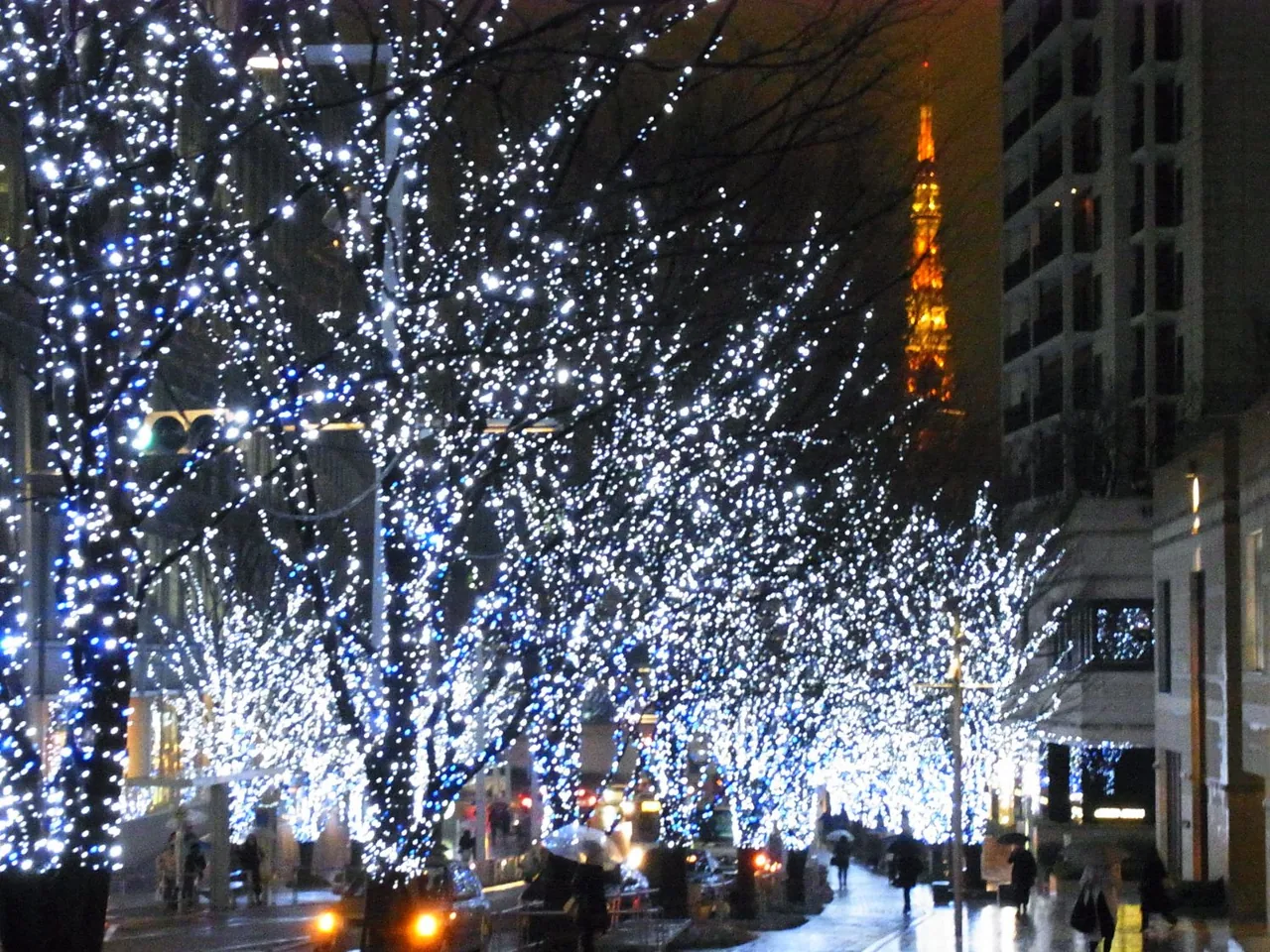 Nov 5 – Dec 25Roppongi Keyakizaka Illumination
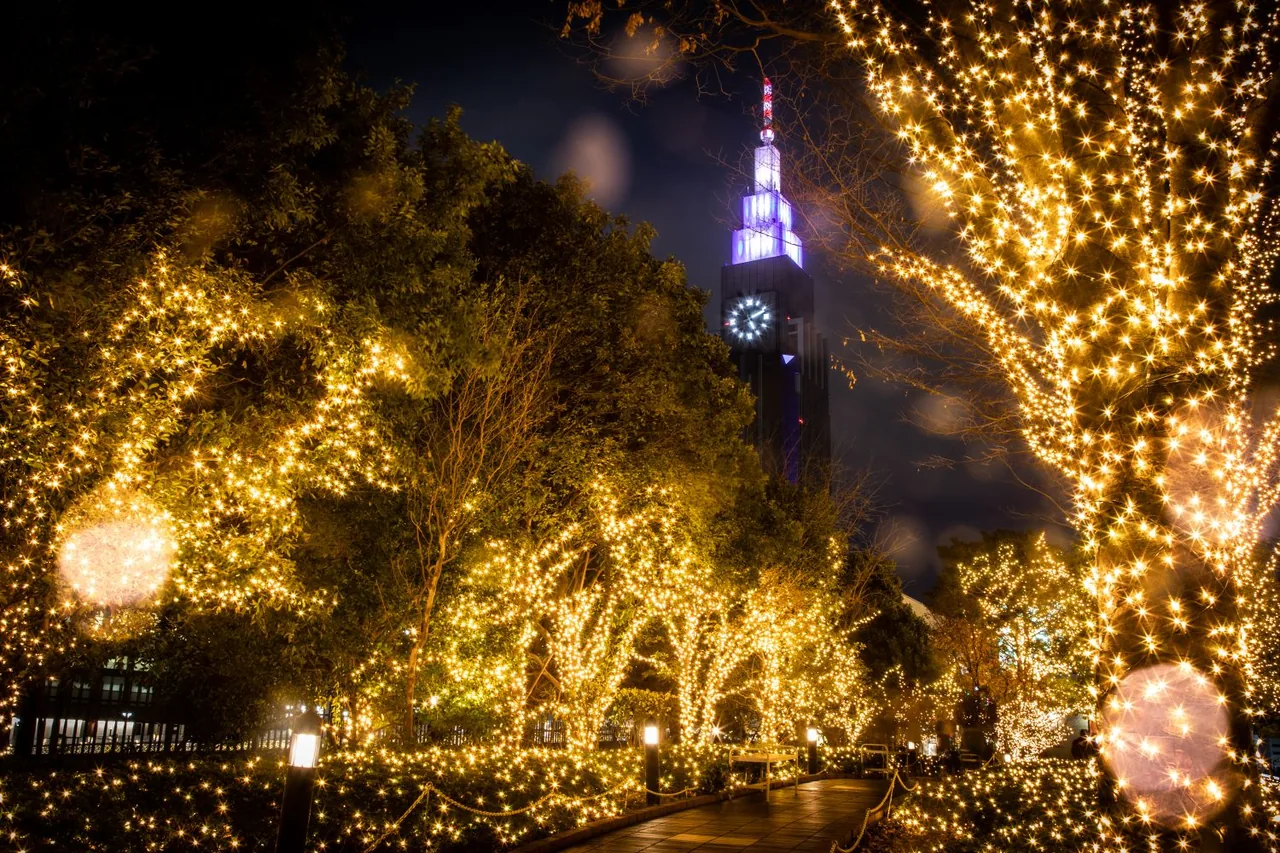 Nov 11 – Feb 14Shinjuku Minamillumi (Shinjuku Southern Terrace Illuminations)
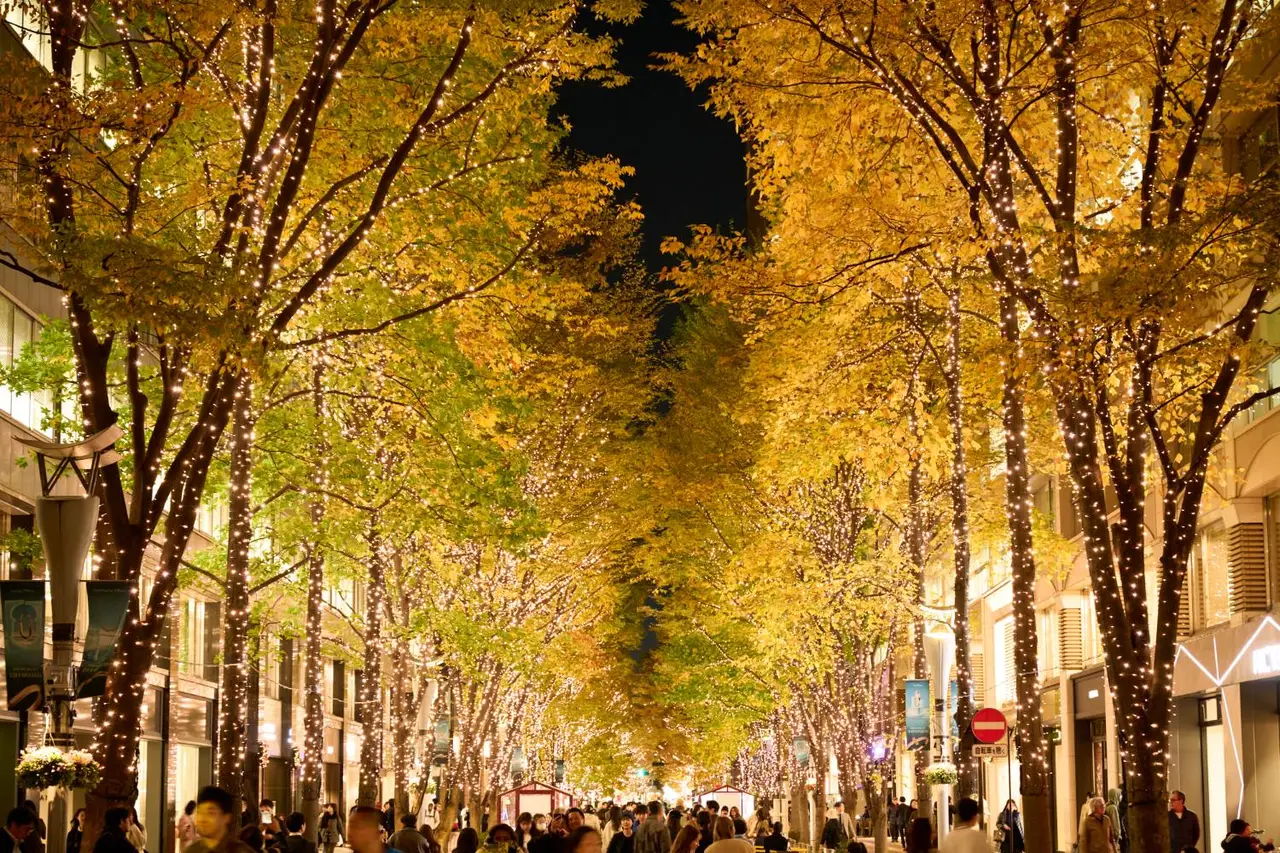
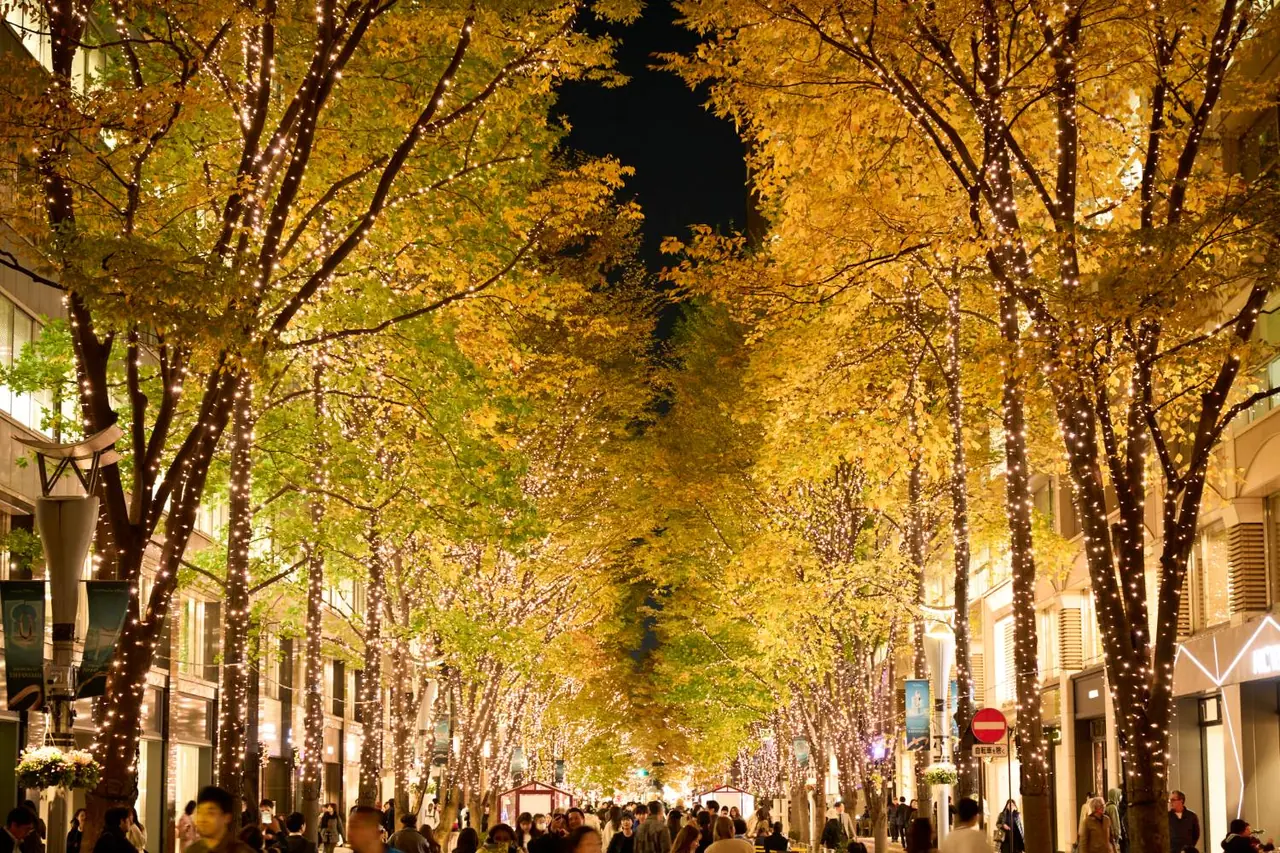 Nov 12 – Feb 14Marunouchi Illumination
Find on the map
Choose a numbered circle to zoom in there; choose a name to open the area's page.
This page is translated from the Japanese edition. Read the Japanese edition
What is the area like?
The Ogasawara Islands lie in the Pacific about 1,000 km south of Tokyo and were inscribed as a World Natural Heritage site in 2011. They have never been connected to a continent, and many plants and animals found nowhere else live here. The islands open to ordinary residents are Chichijima and Hahajima, both part of Ogasawara Village, Tokyo.
There is no airport; you reach the islands on a full day's voyage from Takeshiba. The ship sails roughly once every six days, and your time on the islands runs from its arrival at Chichijima until the day it returns to Tokyo. The number of days in your trip is set by the ship's schedule; that is the starting point for any Ogasawara trip.
Main sights
Chichijima
The base for any trip, with the village, inns and shops gathered around Futami Port, where the ship docks. In the surrounding sea, tours offer dolphin swims and humpback whale watching. The Mikazukiyama Observatory (Weather Station), on a hill about 30 minutes' walk from Futami Port, is a place to look for whales from land during whale season (around February to April).
Minamijima
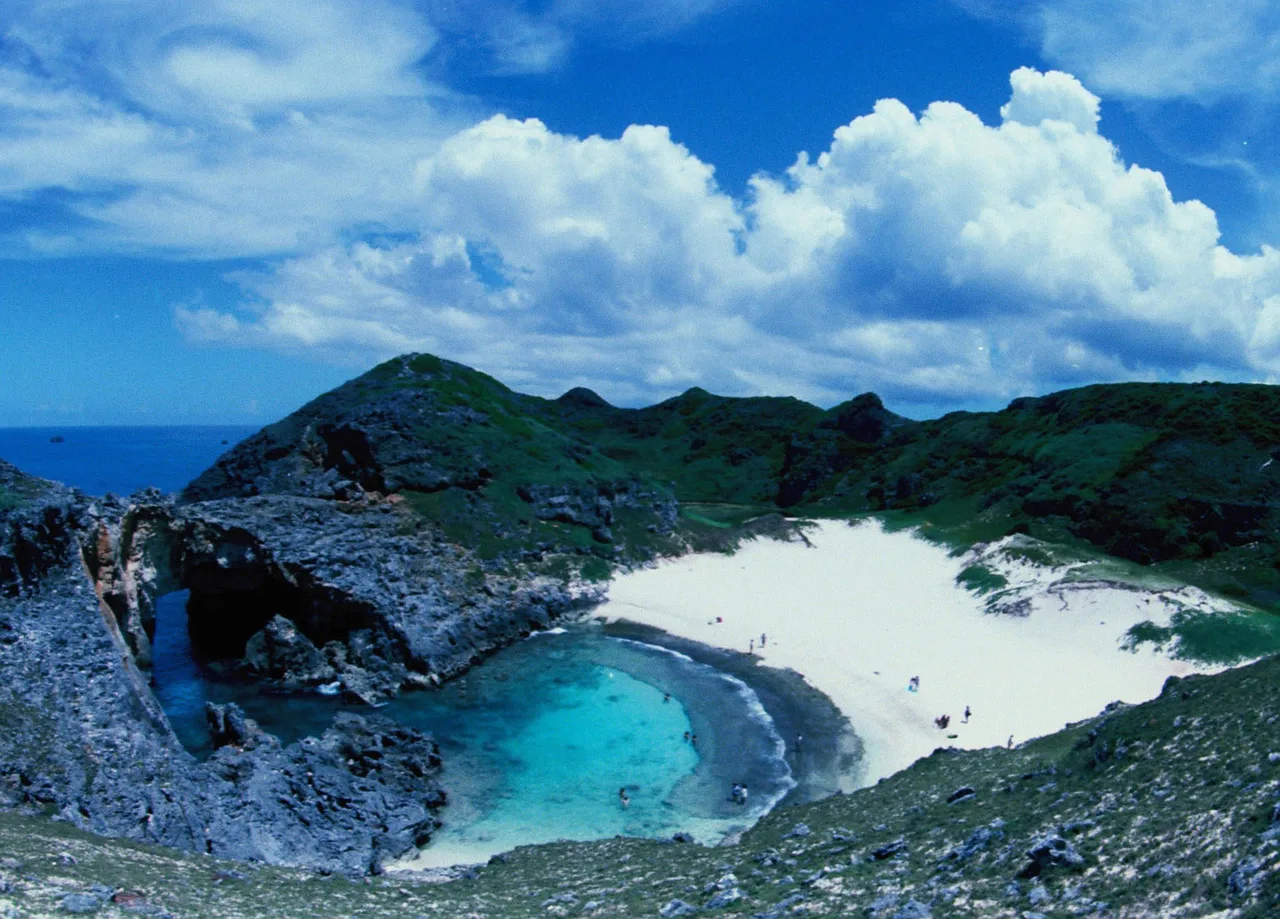
An uninhabited island southwest of Chichijima, with Ogi-ike, a cove ringed by limestone, and a white sand beach. Landing requires a Tokyo Metropolitan nature guide, so you visit on a guided tour. To protect the vegetation, landing is closed for a set period centered on winter, and on some days the weather makes landing impossible. When you book a tour, check whether landing is possible at that time of year. See Ogasawara Islands (Chichijima).
Humpback whale season
Humpback whales come to the waters of Ogasawara from winter into spring. According to the Ogasawara Village Tourism Association, whale-watching tours run from late December to around May, with February to April the best time.
Hahajima
The other inhabited island, about 2 hours from Chichijima by boat. The Samegasaki Observatory, about a 5-minute walk from Hahajima's Oki Port, is a place to see whales from land during whale season.
Food and shopping
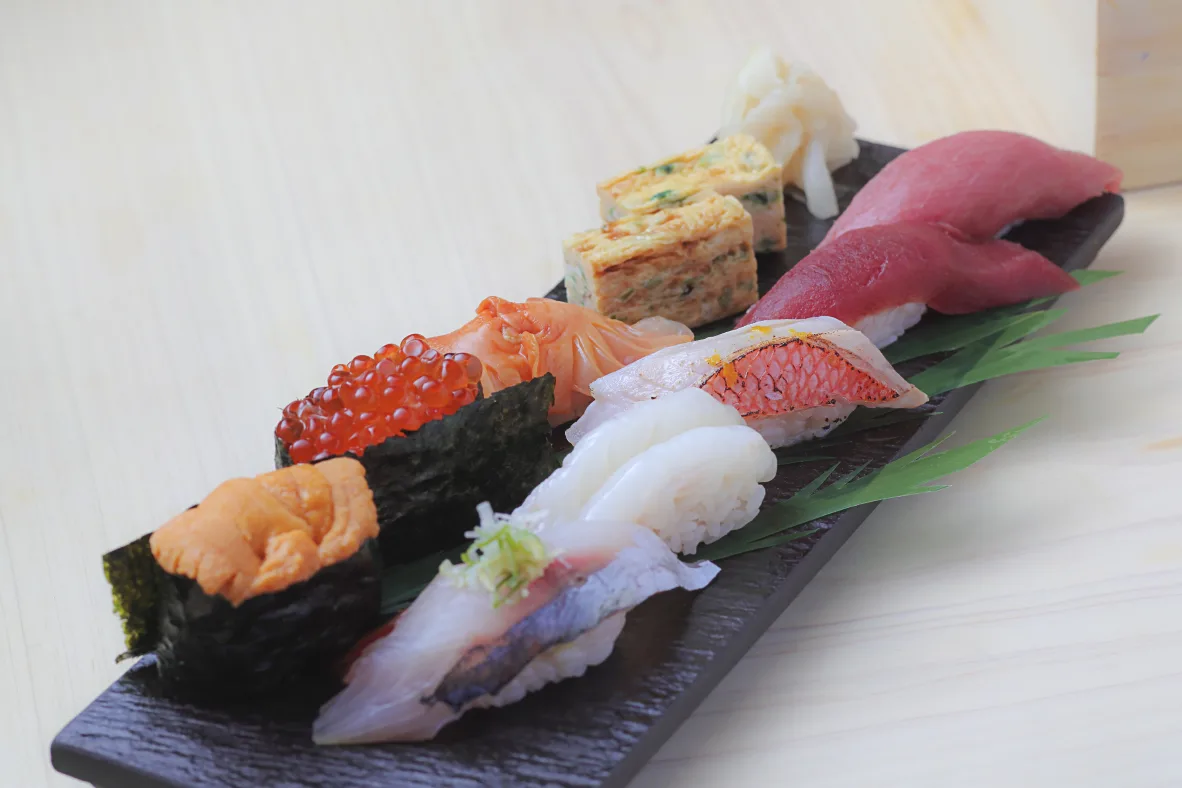
Ogasawara's shimazushi is made with white fish such as Japanese Spanish mackerel (sawara) marinated in soy sauce and served with mustard instead of wasabi. Passion fruit is the best-known fruit, with the main harvest in May and June. There are also juicy island lemons that are ready to eat even while their skins are green.
Souvenirs include rum made on Hahajima, passion fruit liqueur, island lemon jam and crafts woven from pandanus (tako-no-ki) leaves. Fruit and shimazushi may not be available out of season.
Getting there
- By ship: From Takeshiba Passenger Ship Terminal, Ogasawara Kaiun's Ogasawara Maru takes about 24 hours to Futami Port on Chichijima. It is the only scheduled service to Chichijima, sailing roughly once every six days. Check sailing dates on the Ogasawara Kaiun timetable. Typhoons and other conditions can change the schedule.
- To Hahajima: The Hahajima Maru takes about 2 hours from Futami Port on Chichijima. Buy tickets at the waiting room on Chichijima.
During summer holidays, the New Year period and Golden Week, both the ship and accommodation fill up early. Once your sailing dates are set, secure your inn and tours right away.
Getting around the area
Village buses on Chichijima connect the village with points around the island. Service is limited, so check the timetable before setting out. The island is hilly, and many visitors use rental scooters or cars. Renting a scooter requires a license valid for driving in Japan, so check the conditions with the rental shop. For the sea and the forests, joining a tour lets you explore safely with a guide.
To keep out invasive species, Ogasawara Village asks visitors to check, before boarding the ship and before entering the mountains, that there is no mud on their shoe soles and no seeds or insects on their clothes and bags. Look up sightseeing and accommodation information with the Ogasawara Village Tourism Association and Ogasawara Village. For Tokyo's islands including the Izu Islands, see our guide to traveling to Tokyo's islands.
Sights in Ogasawara Islands
Recommended hotels in Ogasawara IslandsPR
See prices and availability for hotels in Tokyo and book on our partner Trip.com.
See hotels in Tokyo on Trip.comTokyo guides
See all
More areas of Tokyo
- Asakusa
- Ueno
- Akihabara
- Tokyo Station & Marunouchi
- Ginza & Yurakucho
- Shinjuku
- Shibuya & Harajuku
- Ikebukuro
- Roppongi
- Shiba & Azabudai
- Odaiba
- Toyosu
- Kichijoji & Mitaka
- Yanaka, Nezu & Sendagi
- Komagome & Rikugien
- Gotokuji
- Ryogoku
- Nagatacho & Akasaka
- Kita-Senju
- Jingu Gaien & Aoyama
- Suidobashi & Korakuen
- Ebisu
- Shimokitazawa
- Jiyugaoka
- Futako-Tamagawa & Todoroki
- Nakano
- Ogikubo
- Akabane
- Tsukishima, Tsukuda & Harumi
- Kiyosumi-Shirakawa
- Mukojima
- Wakasu
- Kasai Rinkai Park
- Shibamata
- Mizumoto Park
- Haneda Airport
- Arakawa & Machiya
- Ikegami
- Mt. Takao
- Mitake & Sawai
- Lake Okutama
- Akigawa Valley
- Jindaiji
- Koganei
- Kokubunji
- Lake Tama
- Takahata Fudo
- Izu Oshima
- Toshima
- Niijima
- Shikinejima
- Kozushima
- Miyakejima
- Hachijojima
- Aogashima