
Komagome & Rikugien
Photo: © TCVB
Areas of Tokyo
Komagome & Rikugien
Rikugien, the strolling garden built by Yanagisawa Yoshiyasu, plus stations, the garden gates and visits in weeping cherry and autumn foliage season.
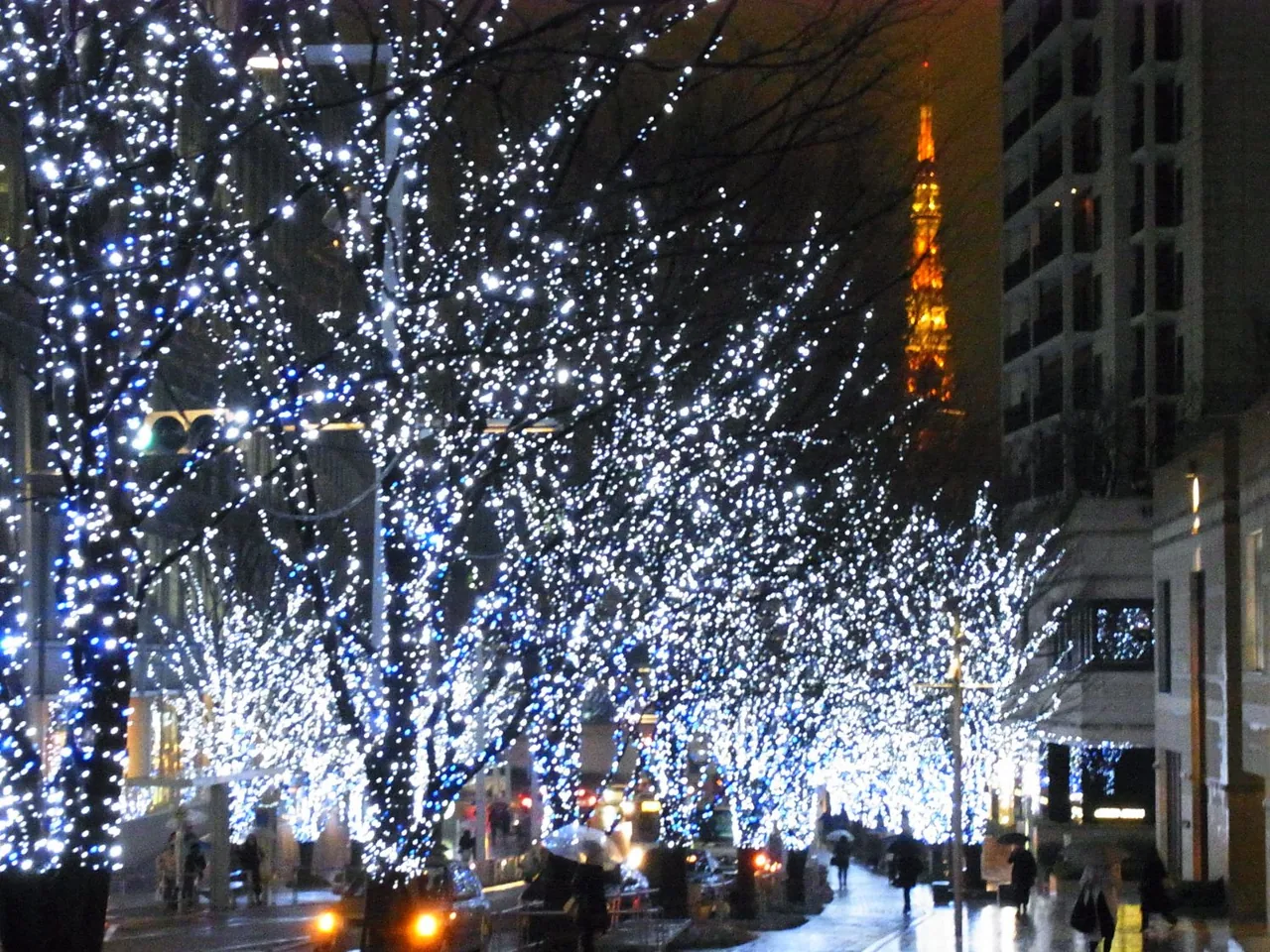 Nov 5 – Dec 25Roppongi Keyakizaka Illumination
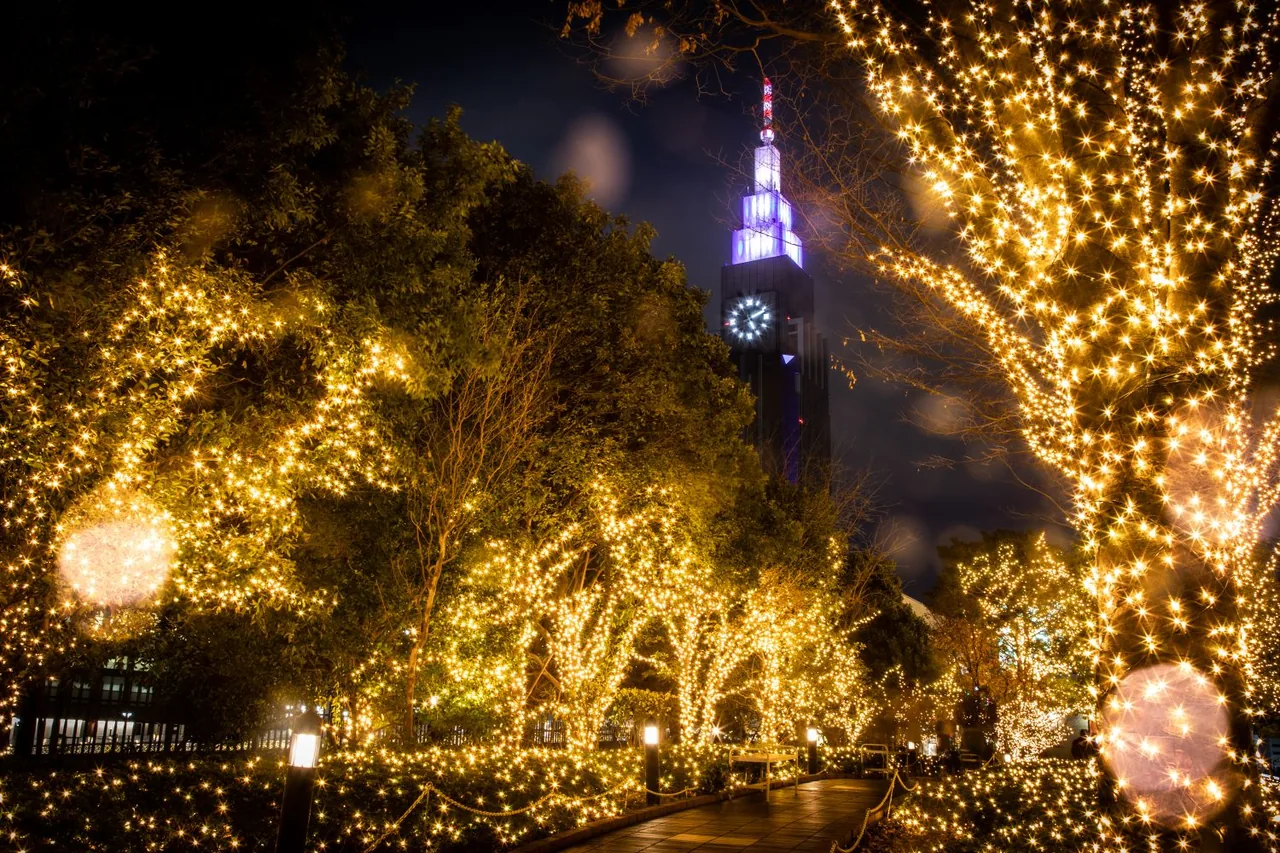 Nov 11 – Feb 14Shinjuku Minamillumi (Shinjuku Southern Terrace Illuminations)
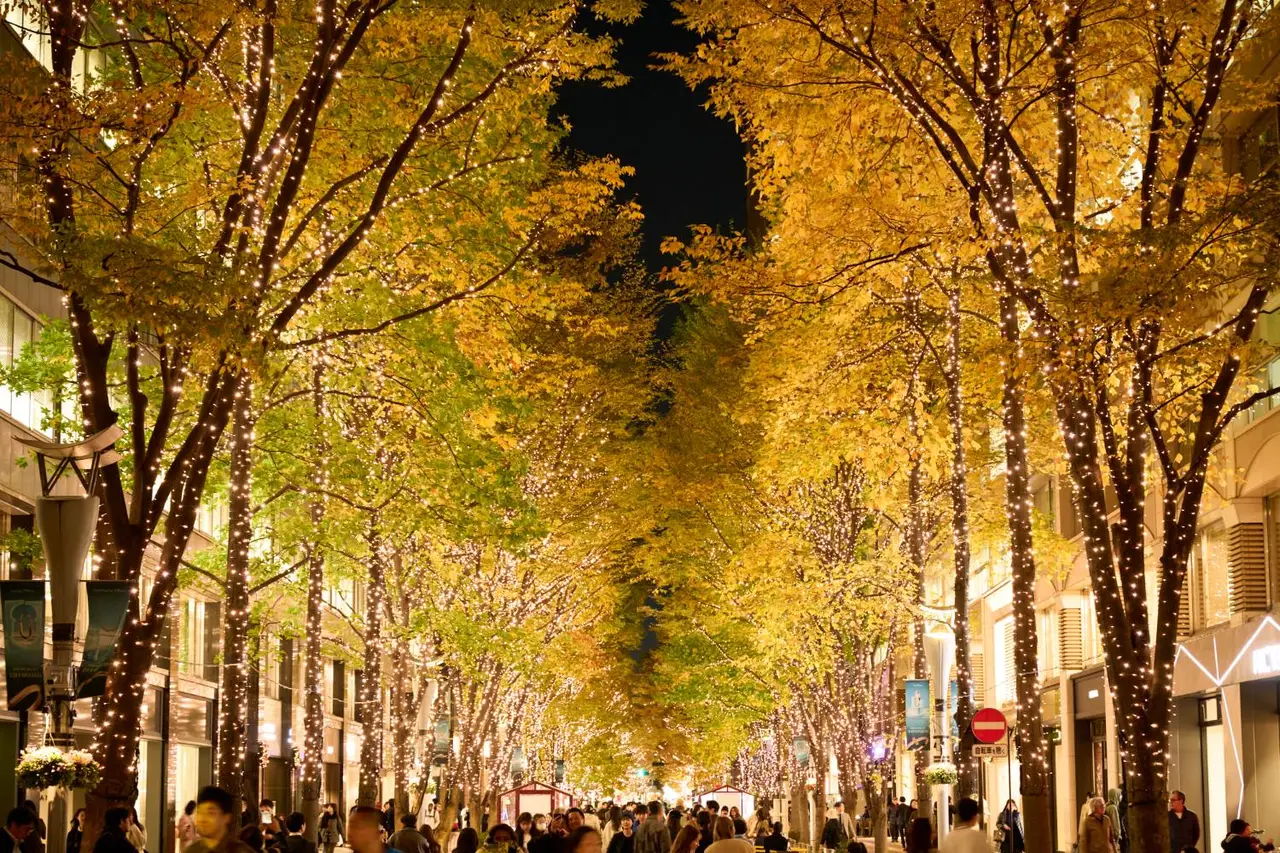
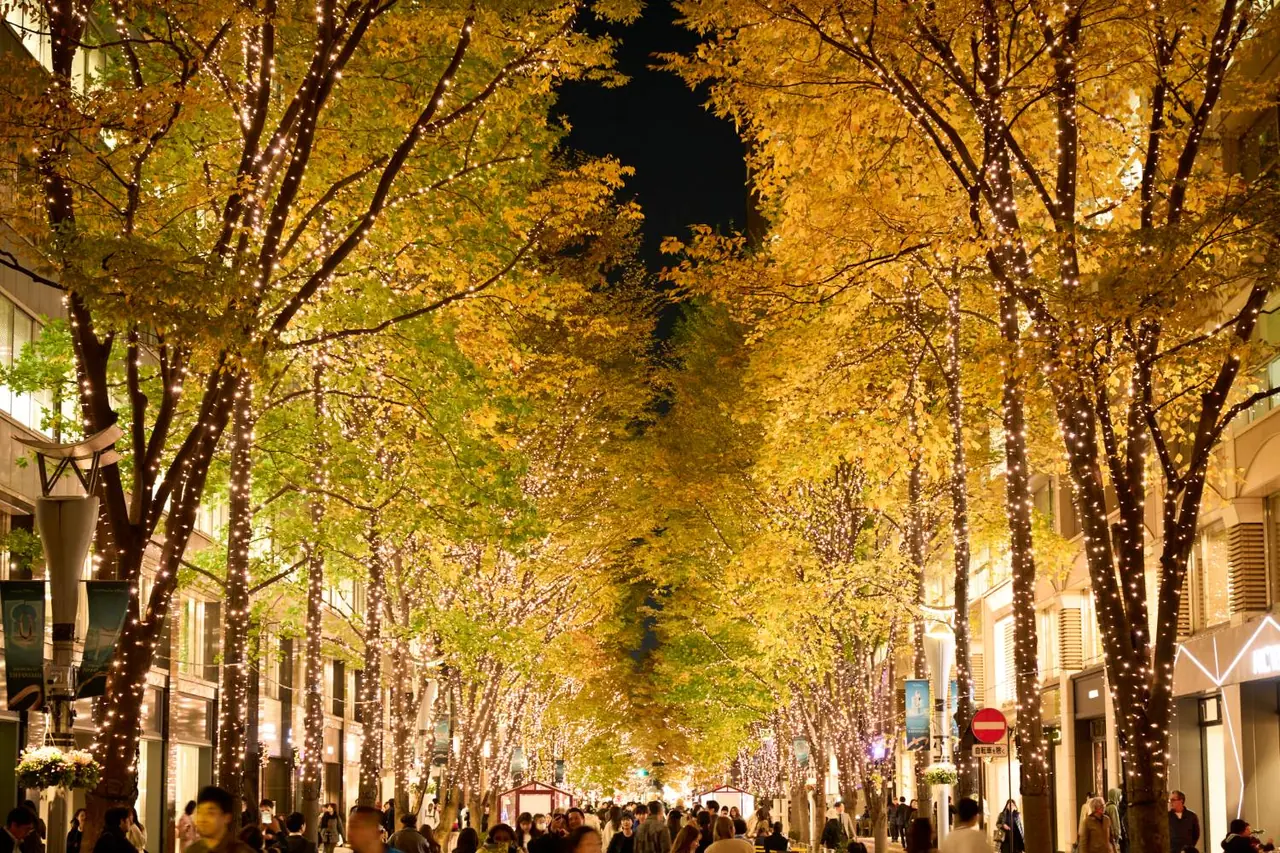 Nov 12 – Feb 14Marunouchi Illumination
Find on the map
This page is translated from the Japanese edition. Read the Japanese edition
What is the area like?
South of Komagome Station, served by the JR Yamanote Line and the Tokyo Metro Namboku Line, lies Rikugien, a garden laid out in the Edo period. North of the station, Komagome in Toshima Ward is where gardeners of the former village of Somei are said to have created the Somei Yoshino cherry, and the Someiyoshino Sakura Memorial Park stands at the station's North Exit. It is a quiet area, best enjoyed by strolling the garden.
Main sights
Rikugien Gardens
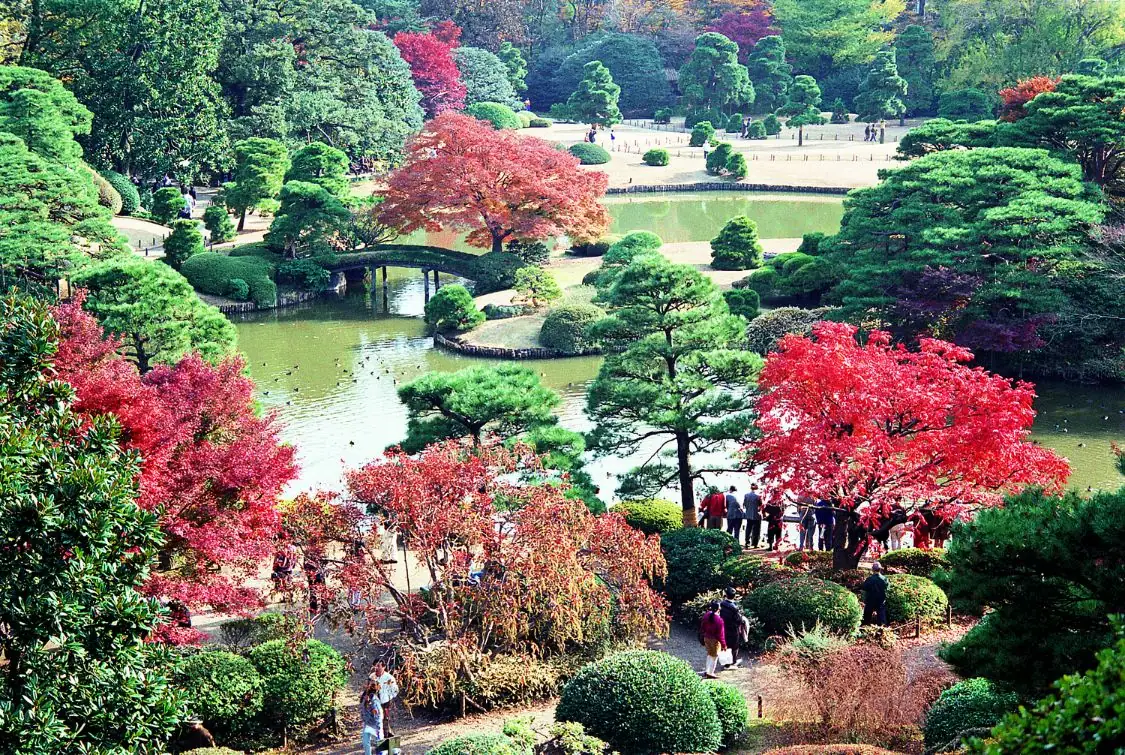
A strolling hill-and-pond garden designed and built over about seven years from 1695 under the personal direction of Yanagisawa Yoshiyasu, a chamberlain to the fifth shogun, Tokugawa Tsunayoshi. Built around waka poetry, its 88 scenic spots recreate landscapes famed in waka poems. In the Meiji era it became a villa of Iwasaki Yataro, founder of Mitsubishi; today it is a Tokyo Metropolitan garden and a designated Special Place of Scenic Beauty. In spring the weeping cherry beyond the Naitei Daimon gate is the highlight, and in autumn the foliage. Check bloom updates and opening hours on the Tokyo Metropolitan Park Association's Rikugien page. See Rikugien Gardens for details.
Someiyoshino Sakura Memorial Park
A park at the North Exit of JR Komagome Station. According to Toshima Ward, gardeners in the village of Somei are said to have created the Somei Yoshino cherry from the Edo higan and Oshima cherries between the late Edo period and the Meiji era.
Food and shopping
Restaurants and shops cluster around Komagome Station. For a meal before or after your walk in Rikugien, the area near the station is the easiest place to look. Check the rules for visiting the garden on the Tokyo Metropolitan Park Association's Rikugien page.
Getting there
- Komagome Station on the JR Yamanote Line (South Exit) or the Tokyo Metro Namboku Line (Exit 2): about a seven-minute walk to Rikugien.
- Sengoku Station on the Toei Mita Line (Exit A3): about a 10-minute walk to Rikugien.
Rikugien's Somei Gate is about two minutes on foot from the South Exit of Komagome Station, but it opens only on certain days; normally you enter by the main gate. From Nippori Station, Komagome is three stops away on the JR Yamanote Line.
Getting around the area
See the Someiyoshino Sakura Memorial Park at the North Exit of Komagome Station first, then go round to the South Exit and on to Rikugien, and you cover the station area in one go. Inside Rikugien, follow the path that circles the pond and take in the 88 scenic spots one after another. On the way back you can also take the Toei Mita Line from Sengoku Station.
In weeping cherry and autumn foliage season, check the bloom and color updates in the news on the official website before you set out, so you are less likely to miss the best days. To carry on along the Yamanote Line to Nippori and walk Yanaka, see the Yanaka, Nezu & Sendagi area guide.
Sights in Komagome & Rikugien
Recommended hotels in Komagome & RikugienPR
See prices and availability for hotels in Tokyo and book on our partner Trip.com.
See hotels in Tokyo on Trip.comTokyo guides
See all

More areas of Tokyo
- Asakusa
- Ueno
- Akihabara
- Tokyo Station & Marunouchi
- Ginza & Yurakucho
- Shinjuku
- Shibuya & Harajuku
- Ikebukuro
- Roppongi
- Shiba & Azabudai
- Odaiba
- Toyosu
- Kichijoji & Mitaka
- Yanaka, Nezu & Sendagi
- Gotokuji
- Ryogoku
- Nagatacho & Akasaka
- Kita-Senju
- Jingu Gaien & Aoyama
- Suidobashi & Korakuen
- Ebisu
- Shimokitazawa
- Jiyugaoka
- Futako-Tamagawa & Todoroki
- Nakano
- Ogikubo
- Akabane
- Tsukishima, Tsukuda & Harumi
- Kiyosumi-Shirakawa
- Mukojima
- Wakasu
- Kasai Rinkai Park
- Shibamata
- Mizumoto Park
- Haneda Airport
- Arakawa & Machiya
- Ikegami
- Mt. Takao
- Mitake & Sawai
- Lake Okutama
- Akigawa Valley
- Jindaiji
- Koganei
- Kokubunji
- Lake Tama
- Takahata Fudo
- Izu Oshima
- Toshima
- Niijima
- Shikinejima
- Kozushima
- Miyakejima
- Hachijojima
- Aogashima
- Ogasawara Islands